Powered by Obi Mbieri Independent Media Ltd.
$1 = ₦1,353€1 = ₦1,486£1 = ₦1,775Nigeria Ebola update, NCDC contact tracing, Ebola Abuja
The sudden confirmation of an Ebola case in Abuja has reignited public health vigilance across Nigeria. This Nigeria Ebola update, NCDC contact tracing, Ebola Abuja situation demands clear facts, not rumors, for families and community leaders nationwide. As the Nigeria Centre for Disease Control and...

The sudden confirmation of an Ebola case in Abuja has reignited public health vigilance across Nigeria. This Nigeria Ebola update, NCDC contact tracing, Ebola Abuja situation demands clear facts, not rumors, for families and community leaders nationwide. As the Nigeria Centre for Disease Control and Prevention intensifies its contact tracing operations, understanding how the response works can help citizens separate verified information from panic-driven speculation.
What Is The Abuja Ebola Case?
On October 20, 2026, Nigerian health authorities confirmed the country's first case of the Bundibugyo Ebola virus strain in Abuja. The announcement sent ripples through households, hospitals, and local governments across the Federal Capital Territory.
The patient is a 42-year-old woman who had traveled from Uganda before falling ill. She sought treatment at a private healthcare facility in Abuja on October 11, where clinicians later identified the viral infection.
This case marks Nigeria's first confirmed Ebola outbreak in more than ten years. The last major scare occurred in 2014, when swift intervention, including aggressive contact tracing, prevented widespread transmission. That historical success remains a reference point for today's response teams, many of whom trained under the same institutional frameworks established after that outbreak.
Health officials moved quickly once the diagnosis was confirmed. The Nigeria Centre for Disease Control and Prevention (NCDC) activated emergency protocols within hours, coordinating with the Federal Ministry of Health and international partners including the World Health Organization. Their goal was simple: isolate the patient, begin contact tracing immediately, and prevent further spread before the virus could gain a foothold in the capital.
For many Nigerians, this news understandably triggers memories of past health emergencies. Yet experts stress that one confirmed case does not equal an outbreak. Early detection, as reported in Nigeria Confirms Ebola Case in Abuja, 44 Contacts Identified, demonstrates that surveillance systems are functioning as intended. The speed with which contact tracing teams were deployed is being cited by health analysts as evidence that Nigeria's post-2014 investments in epidemic preparedness are paying dividends.
How Is NCDC Managing Contact Tracing?
Contact tracing forms the backbone of any effective Ebola response. The NCDC's initial assessment identified 44 close contacts linked to the Abuja patient, including family members, healthcare workers, and fellow travelers.
Within days, that number grew. According to Punch Nigeria, the NCDC is now monitoring 53 contacts as part of an expanded surveillance effort. This increase reflects thorough contact tracing work rather than a worsening crisis. Health officials have repeatedly clarified that a growing contact list is a sign of diligence, not danger — the wider the net cast early on, the lower the chance that an infected individual slips through unnoticed.
Tracing teams are engaging directly with multiple groups to ensure containment. These include:
- Healthcare workers who treated the patient at the private facility.
- Fellow patients who shared waiting areas or wards during her visit.
- Caregivers and family members with direct physical contact.
- Fellow travelers from her journey into Nigeria.
Each contact receives daily health checks for 21 days, the maximum incubation period for Ebola virus disease. Rapid response teams use standardized symptom checklists and temperature monitoring to flag early warning signs. This daily monitoring is the operational heart of contact tracing, and it requires significant manpower, logistics, and public cooperation to sustain over three full weeks.
This methodical approach mirrors protocols recommended by the Africa Centres for Disease Control and Prevention, which supports member states with outbreak response frameworks. Nigeria's health infrastructure, strengthened since 2014, now includes better laboratory capacity, faster diagnostic turnaround, and digital tools that allow contact tracing teams to log symptoms and locations in real time rather than relying solely on paper records.
The NCDC's transparent reporting matters greatly here. Public trust depends on accurate, timely updates rather than speculation. Officials have noted that successful contact tracing is not just a technical exercise; it depends heavily on how willing contacts are to disclose their movements and symptoms honestly, which in turn depends on how much they trust the system investigating them. For more context on how government agencies coordinate crisis response, readers can also review Civil Defence and Immigration Portal Reopens October 28, which highlights similar institutional coordination during emergencies.
Why Contact Tracing Takes Time
Many Nigerians following this story have asked why contact tracing lists keep expanding rather than shrinking in the early days of an outbreak investigation. The answer lies in the nature of exposure mapping. Investigators must retrace the patient's movements from the moment symptoms likely began, identifying every location visited, every person spoken to at close range, and every surface or object that may have carried infectious fluids. This painstaking reconstruction of a timeline is standard practice in contact tracing worldwide, used successfully during Ebola, COVID-19, and other outbreak responses across the continent.
What Are The Symptoms To Watch?
Understanding Ebola symptoms helps families act quickly without succumbing to fear. The Bundibugyo virus strain typically begins with fever, fatigue, and muscle pain. These early signs often resemble malaria or typhoid, common illnesses in Nigeria.
In this specific case, the patient developed symptoms on October 7, just four days after arriving in Nigeria from Uganda. This timeline aligns with the virus's typical incubation period of 2 to 21 days, which is precisely why contact tracing teams commit to a full 21-day observation window for every identified contact.
As the illness progresses, additional symptoms can emerge. Headaches, sore throat, vomiting, and diarrhea frequently follow the initial fever. In severe cases, unexplained bleeding or bruising may appear, signaling advanced infection.
Public health officials consistently emphasize one crucial point: early recognition saves lives. Patients who receive treatment within the first few days of symptom onset have significantly higher survival rates. Delayed diagnosis, by contrast, increases both personal risk and community transmission potential, making it harder for contact tracing teams to contain secondary infections before they spread further.
The Centers for Disease Control and Prevention notes that supportive care, including fluid replacement and electrolyte balance, remains central to patient recovery. No widely available cure exists yet, making prevention, early detection, and rigorous contact tracing the strongest tools against this disease.
Nigerian families should avoid self-diagnosing based on symptoms alone. Any fever accompanied by recent travel history or contact with a confirmed case warrants immediate medical evaluation, and should also be reported so that contact tracing officers can assess potential exposure risk promptly.
Featured Products
Reverse Type 2 Diabetes & other associated Metabolic Issues using Dr. Jason Fung's Evidence-Based Approach— FMD program for Type 2 Diabetes
A practical fasting and fasting-mimicking programme built on Dr Jason Fung's insulin-resistance principles and ow-glycemic recipes.
₦19,950
Join NowChukwu Abiama Tee
Bold black-and-gold Igbo-pride T-shirt featuring 'Chukwu Abiama' in premium streetwear typography.
₦15,000
Buy NowỤmụ Igbo Tee
Classic black T-shirt with bold white 'Ụmụ Igbo' typography — a proud statement of Igbo heritage.
₦15,000
Buy NowNwanne Tee
Washed khaki vintage tee with a faded rust-orange 'Nwanne' stamp badge and palm leaf motif — a nod to kinship and heritage.
₦18,000
Buy NowObodo Tee
Faded denim-blue washed tee with a cream 'Obodo' stamp badge and sun motif, celebrating community roots.
₦18,000
Buy NowEkwe Heritage Tee
Deep indigo tee featuring a fine line-art illustration of a traditional Igbo ekwe drum, inspired by Igbo-Ukwu bronze artistry.
₦18,000
Buy NowIkenga Figure Tee
Forest green tee with a fine line-art illustration of a stylized Ikenga figure.
₦18,000
Buy NowHow Can Families Stay Protected?
Protecting your household starts with simple, consistent habits. Hygiene remains the single most effective defense against viral transmission, including Ebola.
Families should prioritize these protective measures daily:
- Wash hands frequently with soap and clean water for at least 20 seconds.
- Avoid direct contact with bodily fluids from anyone showing symptoms.
- Report suspected cases immediately to local health authorities or the NCDC.
- Follow verified updates rather than unconfirmed social media claims.
- Cooperate fully with contact tracing officers if contacted, providing honest and complete information about recent movements.
Handwashing may seem basic, but it disrupts the chain of transmission effectively. Ebola spreads through direct contact with blood, vomit, saliva, or other bodily fluids from infected individuals. It does not spread through air, water, or casual contact like shaking hands with someone who is not symptomatic.
Families with recent travel history to affected regions should monitor their health closely for 21 days. Any fever, fatigue, or unusual symptoms should prompt an immediate call to the NCDC hotline rather than a visit to a crowded clinic. This self-reporting habit effectively extends the reach of official contact tracing, catching cases that formal investigation teams might otherwise miss.
Misinformation spreads faster than viruses sometimes. Relying on official sources, such as the NCDC website, protects both your family and your community from unnecessary panic. This practical, calm approach reflects the kind of everyday empowerment that strengthens households across Nigeria.
Why Is Community Vigilance Essential?
Nigeria's 2014 Ebola containment success was not accidental. It resulted from disciplined contact tracing, strong community cooperation, and transparent government communication. That same formula applies today.
Individual actions ripple outward into collective safety. When one person reports their travel history honestly or flags early symptoms, they protect dozens of others and make the job of contact tracing teams significantly easier. This interconnectedness is central to the "Health + Wealth + Community" philosophy that guides responsible public health thinking in Nigeria.
Community leaders hold particular influence during health emergencies. Traditional rulers, religious leaders, and local government officials often reach residents faster than formal health campaigns. Their endorsement of accurate information can prevent panic and encourage cooperation with health workers, including willingness to participate in contact tracing interviews without fear of stigma or discrimination.
Stakeholders across sectors also play supporting roles. Local organizations can host awareness sessions, distribute hygiene supplies, and encourage symptom reporting without stigma. Entrepreneurs and business owners can model good hygiene practices within their workplaces, reinforcing safe habits among employees and customers alike.
This collective responsibility echoes lessons from other Nigerian community challenges. Just as Imo Farmers Protest Against Bad Roads in Ngor Okpala shows the power of unified community voice, public health cooperation requires that same shared commitment. When communities unite around accurate information, they build resilience far stronger than any single institution could achieve alone, and they make contact tracing efforts far more effective by reducing suspicion and encouraging transparency.
Diaspora Nigerians also have a role to play. Sharing verified NCDC updates with family back home, rather than forwarding unverified messages, helps maintain calm and accuracy across borders, and reduces the chances of contact tracing teams being hampered by misinformation-fueled resistance.
Where To Find Official Updates?
Accurate information remains your best protection during any health emergency. The NCDC serves as the primary source for verified updates on the Abuja Ebola situation and broader national health matters, including the latest figures from ongoing contact tracing operations.
Citizens should rely on these trusted channels for reliable guidance:
- The official NCDC website for real-time advisories and situation reports.
- NCDC toll-free hotlines for symptom reporting and travel guidance.
- Verified statements from the Federal Ministry of Health.
- International updates from the World Health Organization for global context.
Avoid forwarding unverified claims on social media, even from well-meaning friends or family. Misinformation can trigger unnecessary fear, overwhelm health facilities, and undermine genuine containment and contact tracing efforts currently underway in Abuja.
Students, youth professionals, and community organizations can also support accurate information sharing. Hosting small awareness discussions, using official data, strengthens collective understanding without stirring anxiety.
Nigeria has successfully managed Ebola threats before. With continued transparency from the NCDC and responsible information sharing among citizens, this current case can be contained efficiently through sustained contact tracing, early symptom reporting, and strong community cooperation. Staying informed, practicing good hygiene, and supporting community health initiatives remain the most practical steps every Nigerian family can take right now.
Other Major Stories Nigerians Are Following
While the Ebola response dominates health headlines, Nigerians continue to track several other significant national stories. Labour tensions remain high, as detailed in NLC Maintains Two-Week Ultimatum to FG Over Petrol Prices, a dispute that could affect transportation and essential services if unresolved. Security concerns also persist in parts of the country, with Amnesty: At Least 40 Killed in Taraba Village Attack highlighting the ongoing need for improved rural protection.
Infrastructure and governance matters remain prominent as well. The report on Lagos Building Collapse Kills One, Injures Three underscores persistent concerns about construction safety standards, while Imo Assembly Backs Constitutional Amendment for State Police reflects growing debate over decentralized security structures across Nigeria's states.
On a more hopeful note, stories like KoboTutor Announces ₦2.5 Million University Scholarships and Five Arrested After Abducted NYSC Members Rescued show the resilience of Nigerian institutions working to protect and uplift citizens, even amid public health challenges. Meanwhile, Police Arrest Suspect Over Cult-Related Killing in Owerri reminds readers that law enforcement responsiveness, much like contact tracing in health emergencies, depends on swift action and public cooperation to achieve meaningful results.
As Nigeria navigates this latest Ebola scare, the same principles that resolve these other national challenges apply: transparency, cooperation, and trust between citizens and institutions. Effective contact tracing, much like effective governance, relies on everyday Nigerians choosing accuracy over rumor and cooperation over fear.
Stay Informed
Get New Articles in Your Inbox
Subscribe to receive the latest community development, health, and wealth insights from Eziokwubundu.
Newsletter
Practical insights on health, wealth, and community — delivered weekly.
Community Discussion(0)
Leave a Comment
More to Read
You May Also Like

Obi-Mbieri Mourns Engr. Vitalis Opara: Questions Emerge Over Community’s Silence
Engr. Vitalis Opara is identified as President General on the signature page of the Obi-Mbieri Autonomous Community Constitution 2020 as amended.

Where Should a Traditional Prime Minister Conduct His Official Duties? Must Every Daily Activity Take Place at the Eze's Palace?
An examination of traditional Igbo governance, the Obi-Mbieri Autonomous Community Constitution 2020, as amended, and the wider implications.
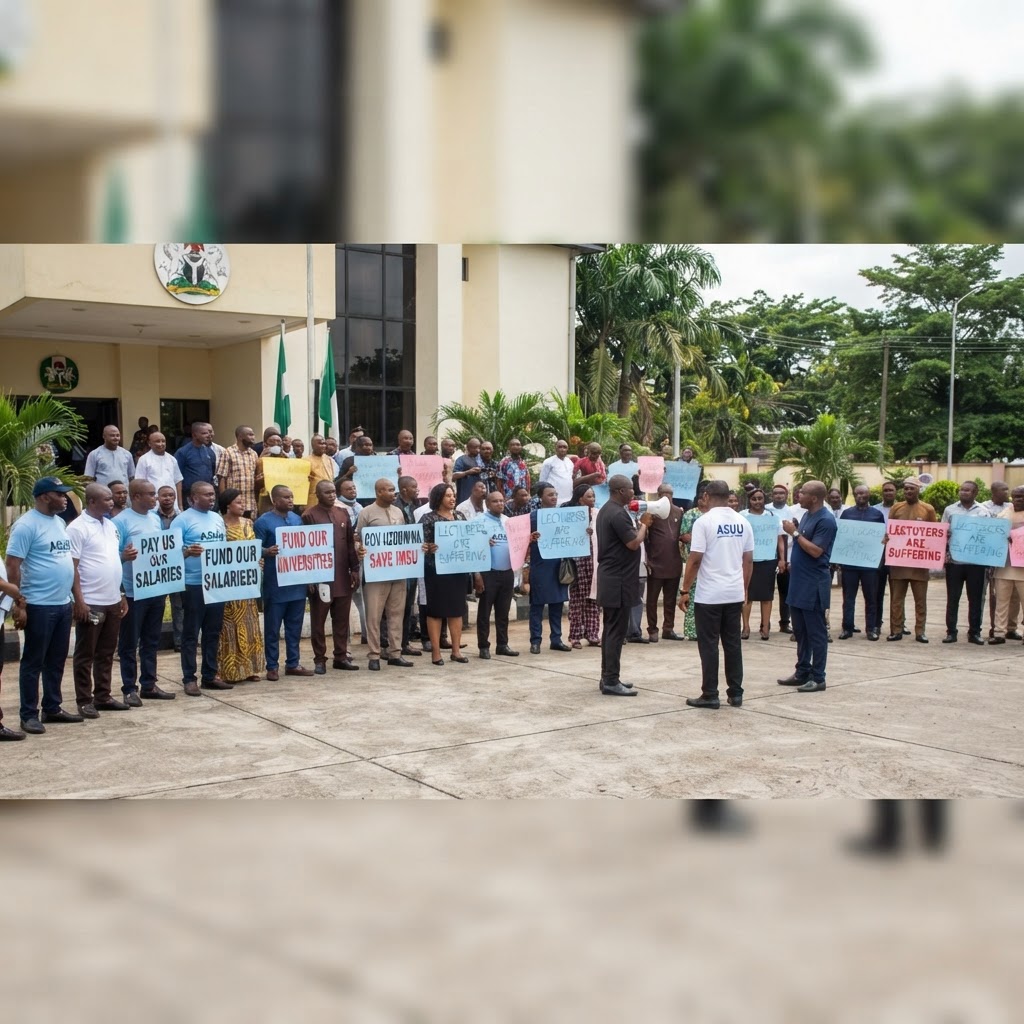
IMSU Lecturers Protest in Owerri, Appeal to Uzodimma to End
The streets of Owerri turned into a sea of white lab coats and placards this week. Hundreds of university lecturers walked out of their offices, choosing protest over silence. The IMSU Lecturers Protest in Owerri, Appeal to Uzodimma to End Months-Long Strike has become a defining moment for Imo Stat...

JAMB Candidates Can Now Change Course and Institution Online
Admission season often brings long queues and costly transport for Nigerian families. That burden has just eased. JAMB candidates can now change their institutions and courses from home, as the board announces a new digital correction service, giving students and parents fresh control over their aca...

House Summons NAFDAC and DSS Over Fake Drug Deaths
Four people are dead, eleven more are fighting for their lives, and a federal lawmaker wants answers now. Fake Drug deaths linked to a suspicious herbal concoction have pushed the House of Representatives to move decisively, summoning NAFDAC and the DSS in a case that is no longer a distant headline...
Prevent Kidney Disease With Regular Health Checks
Kidney health rarely makes headlines until a crisis hits a family. Yet understanding Kidney Disease: Why Regular Health Checks Can Help Prevent Serious Complications can save lives, protect household income, and strengthen community wellbeing across Nigeria. Kidney Disease often develops quietly ove...

Budget-Friendly Healthy Meal Prepping for Nigerians
Modern Nigerian families face the dual pressure of rising food prices and the need for better health outcomes. Learning how Nigerian families can(/article/nigerian-family-guide-to-reversing-type-2-diabetes) use meal prepping with local ingredients to eat healthy on a tight budget is a vital skill fo...

Beyond Degrees: Bridging Nigeria's Digital Skills Gap
Nigeria's graduates are flooding the job market faster than employers can absorb them. Yet many arrive with certificates but no practical digital competence. This is the heart of Digital Skills and Youth Employment: Why Nigerian Graduates Need More Than University Certificates.—a gap that is reshapi...

Senate Sends State Police Bill to Tinubu for Approval
Nigeria's security architecture is entering a new chapter. The headline development, State Police Bill: Senate Transmits Constitutional Amendment to Tinubu for Presidential Assent, signals a historic shift toward decentralized policing. For Nigerian families, entrepreneurs, and community leaders, th...
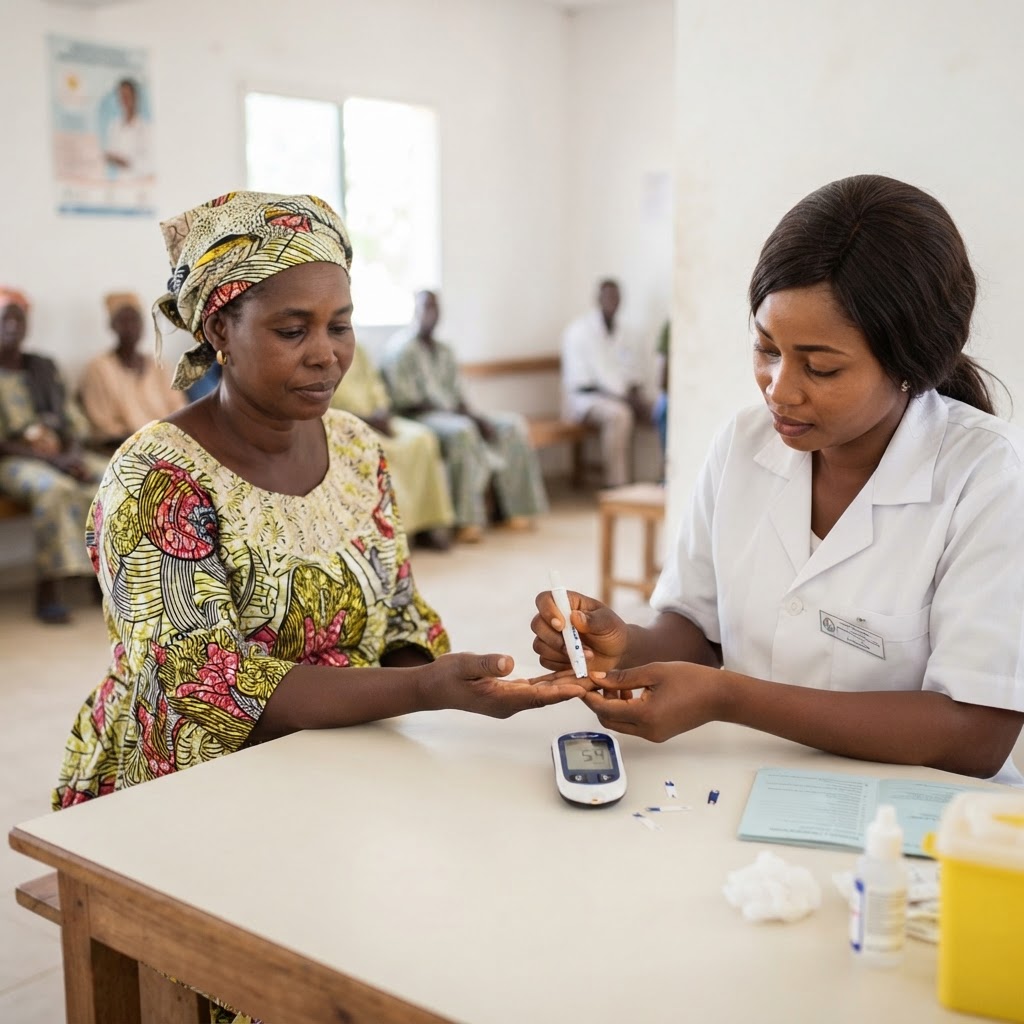
Diabetes in Africa: Why Routine Screening Is Vital
Imagine a disease that silently damages organs for years before anyone notices. That is the reality for millions living in Africa today. According to the latest report, Diabetes: Three Out of Four Africans Living With the Condition May Be Unaware – Why Screening Matters, and this gap in knowledge is...