Powered by Obi Mbieri Independent Media Ltd.
$1 = ₦1,353€1 = ₦1,488£1 = ₦1,786NLC Maintains Two-Week Ultimatum to FG Over Petrol Prices
Nigeria's fuel price crisis has reached a critical flashpoint, pitting organized labour against the Federal Government in a tense standoff. As pump prices climb beyond what many households can bear, the NLC Maintains Two-Week Ultimatum to FG Over Petrol Prices, demanding urgent relief before patienc...
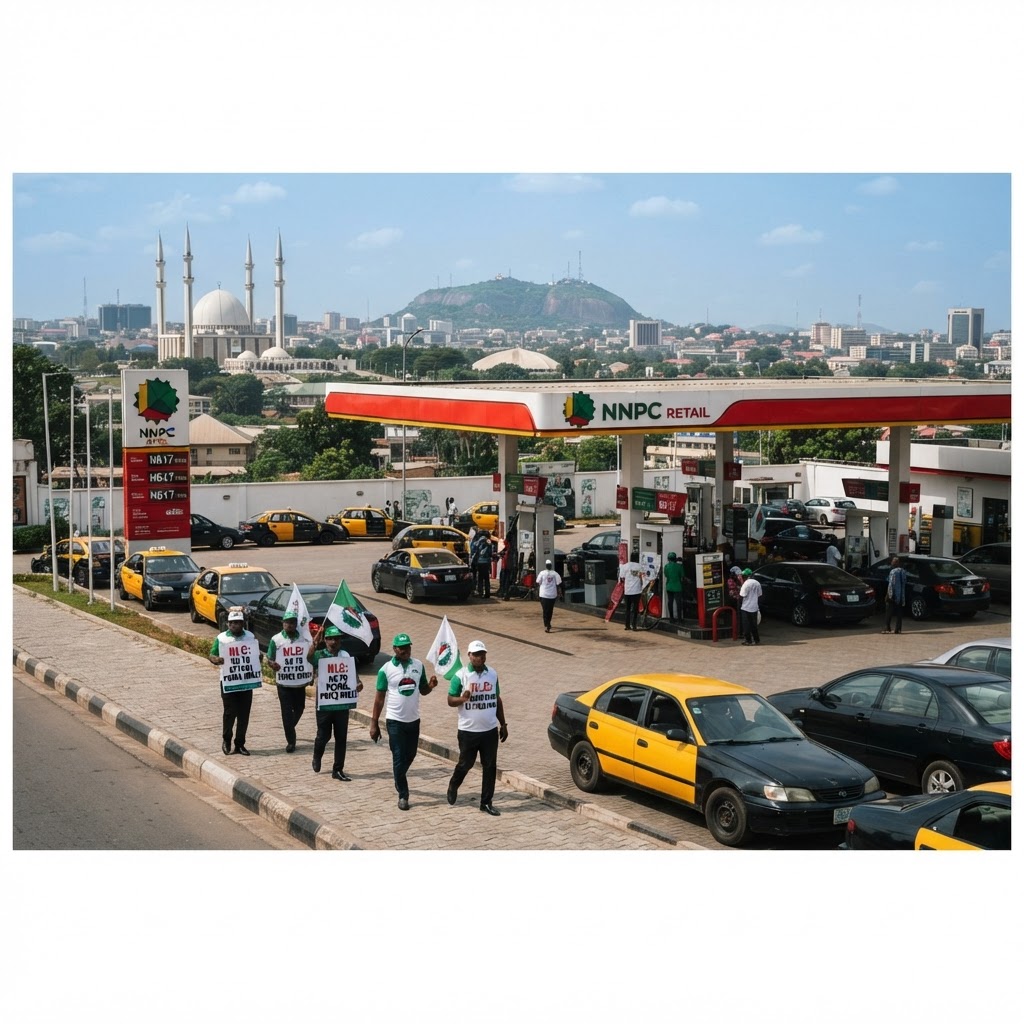
Nigeria's fuel price crisis has reached a critical flashpoint, pitting organized labour against the Federal Government in a tense standoff. As pump prices climb beyond what many households can bear, the NLC Maintains Two-Week Ultimatum to FG Over Petrol Prices, demanding urgent relief before patience runs out. This standoff could reshape family budgets across the country in the coming weeks, and as negotiations continue behind closed doors, the NLC Maintains its position that nothing short of decisive government action will suffice.
Why Did The NLC Issue This?
The Nigeria Labour Congress issued its two-week ultimatum to the Federal Government starting October 9, 2026. The decision followed a joint meeting of the National Executive Council and the Central Working Committee. Union leaders described the gathering as urgent and necessary given the state of the economy.
The core demand is simple but weighty. The NLC wants an immediate reduction in the pump price of Premium Motor Spirit to the levels seen when the current national minimum wage was signed into law in 2024. That benchmark represents a fairer balance between income and expenditure, according to labour leaders. Throughout the deliberations, the NLC Maintains that this benchmark is non-negotiable, framing it as the minimum threshold for economic survival rather than an aspirational target.
Union officials cite what they call an "existential threat" facing Nigerian workers. Rising inflation, a weakened naira, and an unbearable cost of living have combined to make the ₦70,000 minimum wage insufficient for survival. According to Punch Nigeria's detailed report, tension between the NLC and the Federal Government has heightened considerably since the ultimatum was announced.
This is not the first time labour has clashed with government over fuel pricing. However, the current economic climate makes this confrontation particularly consequential. Families, entrepreneurs, and workers across Nigeria are watching closely to see how both sides respond before the deadline expires. As the clock ticks down, the NLC Maintains regular communication with its state chapters, ensuring that grassroots union members remain informed and prepared for whatever escalation may follow.
How Does Fuel Price Impact Families?
Fuel prices do not exist in isolation. They ripple through every corner of household life, from transportation to food security. The NLC highlights that current petrol prices, which have exceeded ₦1,400 per litre in many regions, create a massive disconnect with the ₦70,000 monthly minimum wage.
Consider the arithmetic. A worker earning the minimum wage would need nearly half a month's salary just to fill a modest fuel tank for personal transport. For families relying on public transportation, the burden multiplies daily. Transport fares have climbed sharply, squeezing budgets that were already stretched thin.
High fuel costs create a cascading effect across the economy. Transportation fares rise first, then food prices follow as logistics costs increase for farmers and traders. Essential goods and services become more expensive almost overnight. This chain reaction touches every Nigerian household, regardless of income level.
The union argues that workers are being forced to survive on what it calls "starvation wages." Government economic policies, in the NLC's assessment, have failed to stabilize the cost of living despite repeated promises. Data from the National Bureau of Statistics consistently shows inflation eroding purchasing power month after month. In response to these figures, the NLC Maintains that any delay in addressing fuel costs directly worsens food insecurity, especially in urban centers where reliance on transported goods is highest.
For many Nigerian families, this means difficult choices. Some have reduced meal portions. Others have cut back on school transportation for children. A few highlights of the current pressure include:
- Transport fares rising by significant margins in major cities.
- Food inflation outpacing wage growth for most workers.
- Small businesses absorbing higher operational costs without raising prices.
- Household savings shrinking as discretionary spending disappears.
These pressures explain why the NLC's ultimatum resonates so deeply with ordinary citizens, not just union members. It is precisely because of these lived realities that the NLC Maintains such a firm public stance, insisting that the government cannot treat fuel pricing as a purely fiscal matter divorced from everyday survival.
What Are The Specific Labour Demands?
Beyond the headline demand for fuel price reduction, the NLC has outlined additional requirements. The union insists on the immediate commencement of renegotiations for a new national minimum wage. This process must begin before the end of October 2026, according to labour leaders. On this point too, the NLC Maintains a firm timeline, warning that further delays will only deepen distrust between workers and the state.
This demand reflects a broader concern. The current minimum wage, signed into law in 2024, was calculated based on economic conditions that have since changed dramatically. Inflation and currency depreciation have outpaced the wage structure, leaving workers behind. Renegotiation, the NLC argues, is not optional but essential.
Another key demand involves the implementation of the February 5, 2026, Terms of Settlement reached with the Joint Health Sector Unions and other public sector agreements. These agreements were negotiated in good faith but, according to labour representatives, have not been fully honored. Health workers, in particular, have expressed frustration over delayed implementation.
The NLC is also calling for the payment of outstanding wage awards. These awards were meant to provide immediate relief to workers struggling under current economic pressures. Delayed payment, union officials argue, undermines trust between government and labour. On this score, the NLC Maintains that government inaction sends a troubling signal about the seriousness with which prior negotiated agreements are treated.
These demands collectively paint a picture of a workforce seeking both immediate relief and long-term structural fairness. The union's position connects directly to broader governance questions, including how leadership decisions affect everyday Nigerians. Readers interested in related governance concerns may find Okonkwo Questions Tinubu's Health, Urges Him to Resign a relevant companion piece on leadership accountability during this period.
Featured Products
Reverse Type 2 Diabetes & other associated Metabolic Issues using Dr. Jason Fung's Evidence-Based Approach— FMD program for Type 2 Diabetes
A practical fasting and fasting-mimicking programme built on Dr Jason Fung's insulin-resistance principles and ow-glycemic recipes.
₦19,950
Join NowChukwu Abiama Tee
Bold black-and-gold Igbo-pride T-shirt featuring 'Chukwu Abiama' in premium streetwear typography.
₦15,000
Buy NowỤmụ Igbo Tee
Classic black T-shirt with bold white 'Ụmụ Igbo' typography — a proud statement of Igbo heritage.
₦15,000
Buy NowNwanne Tee
Washed khaki vintage tee with a faded rust-orange 'Nwanne' stamp badge and palm leaf motif — a nod to kinship and heritage.
₦18,000
Buy NowObodo Tee
Faded denim-blue washed tee with a cream 'Obodo' stamp badge and sun motif, celebrating community roots.
₦18,000
Buy NowEkwe Heritage Tee
Deep indigo tee featuring a fine line-art illustration of a traditional Igbo ekwe drum, inspired by Igbo-Ukwu bronze artistry.
₦18,000
Buy NowIkenga Figure Tee
Forest green tee with a fine line-art illustration of a stylized Ikenga figure.
₦18,000
Buy NowFor students and young professionals entering the workforce, these negotiations matter greatly. Entry-level salaries and public sector hiring often follow minimum wage benchmarks set during these negotiations. The stakes extend well beyond current union members, touching the economic future of an entire generation of job seekers.
Is The Government Responding Now?
The Federal Government has not remained silent amid mounting pressure. The Minister of Finance, Taiwo Oyedele, has indicated that the government is negotiating a price ceiling of ₦1,350 per litre for the landed cost of petrol. This figure represents an attempt to cap costs without fully reversing subsidy removal.
However, this proposal has drawn sharp criticism. Senior lawyer and labour rights advocate Femi Falana has questioned the government's approach. Even at ₦1,350 per litre, he notes, the cost remains prohibitive for the average Nigerian worker earning minimum wage. The gap between proposed relief and actual affordability remains wide.
The NLC maintains a consistent position on this point, and in fact the NLC Maintains this stance publicly at every opportunity. The removal of the fuel subsidy was originally justified by promises of increased local refining capacity. That capacity, according to the union, has yet to materialize in a way that lowers costs for ordinary citizens. The NNPC Group's refining initiatives were expected to ease import dependence, but results have been slow to reach consumers.
This disconnect between policy promises and lived reality fuels public skepticism. Many Nigerians recall assurances made during subsidy removal discussions. Those assurances centered on domestic refining reducing reliance on imported fuel, which should theoretically stabilize prices. Without visible progress, trust erodes further, and the NLC Maintains that renewed trust can only be rebuilt through verifiable, transparent action rather than further announcements.
The Central Bank of Nigeria also plays a role in this equation through exchange rate management. A weaker naira directly increases the landed cost of imported petroleum products, complicating any pricing ceiling government attempts to set. Until currency stability improves, fuel price relief may remain elusive regardless of government intentions.
Broader Governance Context
The fuel price standoff does not exist in a vacuum. It unfolds alongside other governance debates shaping Nigeria's political landscape, from security reforms to legislative stalemates. For instance, discussions around decentralizing security forces remain contentious, as seen in coverage of the State Police Bill Stalls After Limited Assembly Support and related reporting on State Police Bill Stalls After Limited Assembly Approval. These parallel struggles illustrate a recurring pattern in Nigerian governance: policies proposed with good intentions often stall when political will falters.
Security concerns also intersect with economic hardship in subtle but important ways. Rising costs of living can exacerbate social tensions, as seen in recent incidents such as the Police Arrest Suspect Over Cult-Related Killing in Owerri and the coordinated response detailed in Five Arrested After Abducted NYSC Members Rescued. Institutions working to strengthen community safety, such as the partnership highlighted in FUTO Partners With Police to Boost Campus Security, demonstrate that proactive collaboration between citizens and authorities can mitigate some of the ripple effects of economic distress.
Even seemingly unrelated stories, such as Why Africa's Tiny Ants Are Targeted for Wildlife Trade, reflect how economic pressures push Nigerians and other Africans toward unconventional income sources when formal wages fail to meet basic needs. Against this backdrop, the NLC Maintains that fuel price relief is not merely about convenience at the pump—it is about preserving social stability across multiple sectors of national life.
What Is The Path To Prosperity?
True economic progress requires balance. Government policy must align with the dignity of the Nigerian worker. Neither side can achieve lasting prosperity through unilateral action alone. Dialogue, backed by data and good faith, remains essential. Throughout this process, the NLC Maintains that compromise is possible, provided government demonstrates genuine commitment rather than symbolic gestures.
Practical prosperity for Nigerian families involves advocating for policies that stabilize the naira. It also means strengthening domestic refining capacity rather than relying heavily on imported fuel. These structural changes take time, but they offer sustainable relief compared to temporary price ceilings. Entrepreneurs and small business owners, in particular, benefit from predictable fuel costs when planning operations.
Community-first action matters here too. The NLC's call for unity among Nigerians highlights the importance of collective advocacy in shaping a more equitable economic future. When workers, families, and local organizations speak with one voice, policymakers take notice. This mirrors broader themes explored in Umuahii Day: Preserving Our Heritage, Rekindling Otu Obi, where cultural unity strengthens community resilience during challenging times.
Diaspora Nigerians also have a role to play. Remittances remain a significant economic lifeline, but structural reform at home reduces long-term dependence on external support. Encouraging accountable governance from abroad complements advocacy happening within Nigeria's borders.
For young professionals and students watching these negotiations unfold, the lesson extends beyond fuel prices. Economic literacy, community engagement, and informed advocacy build personal resilience. Programs supporting education and skill development, such as the 2026 NNPC/Seplat Scholarship: Apply Now opportunity, offer pathways toward long-term financial stability even amid short-term economic turbulence. Similarly, initiatives like KoboTutor Announces ₦2.5 Million University Scholarships demonstrate how community-driven solutions can ease financial pressure on families navigating rising costs.
Ultimately, the standoff between the NLC and the Federal Government represents more than a labour dispute. It reflects deeper questions about how Nigeria balances fiscal policy with human welfare. As the two-week deadline approaches, families across the country hope for resolution that prioritizes both economic stability and worker dignity. Throughout this period of uncertainty, the NLC Maintains open channels with government representatives, signaling that while the ultimatum stands firm, the door to genuine dialogue remains open.
The coming days will reveal whether government concessions satisfy labour demands or whether tensions escalate further. Either outcome will shape household budgets, business planning, and community wellbeing for months ahead. Staying informed, engaged, and prepared remains the most practical response available to everyday Nigerians during this period of uncertainty. As negotiations continue, one fact remains clear: the NLC Maintains its resolve, and the outcome of this standoff will likely influence labour relations in Nigeria for years to come.
Stay Informed
Get New Articles in Your Inbox
Subscribe to receive the latest community development, health, and wealth insights from Eziokwubundu.
Newsletter
Practical insights on health, wealth, and community — delivered weekly.
Community Discussion(0)
Leave a Comment
More to Read
You May Also Like
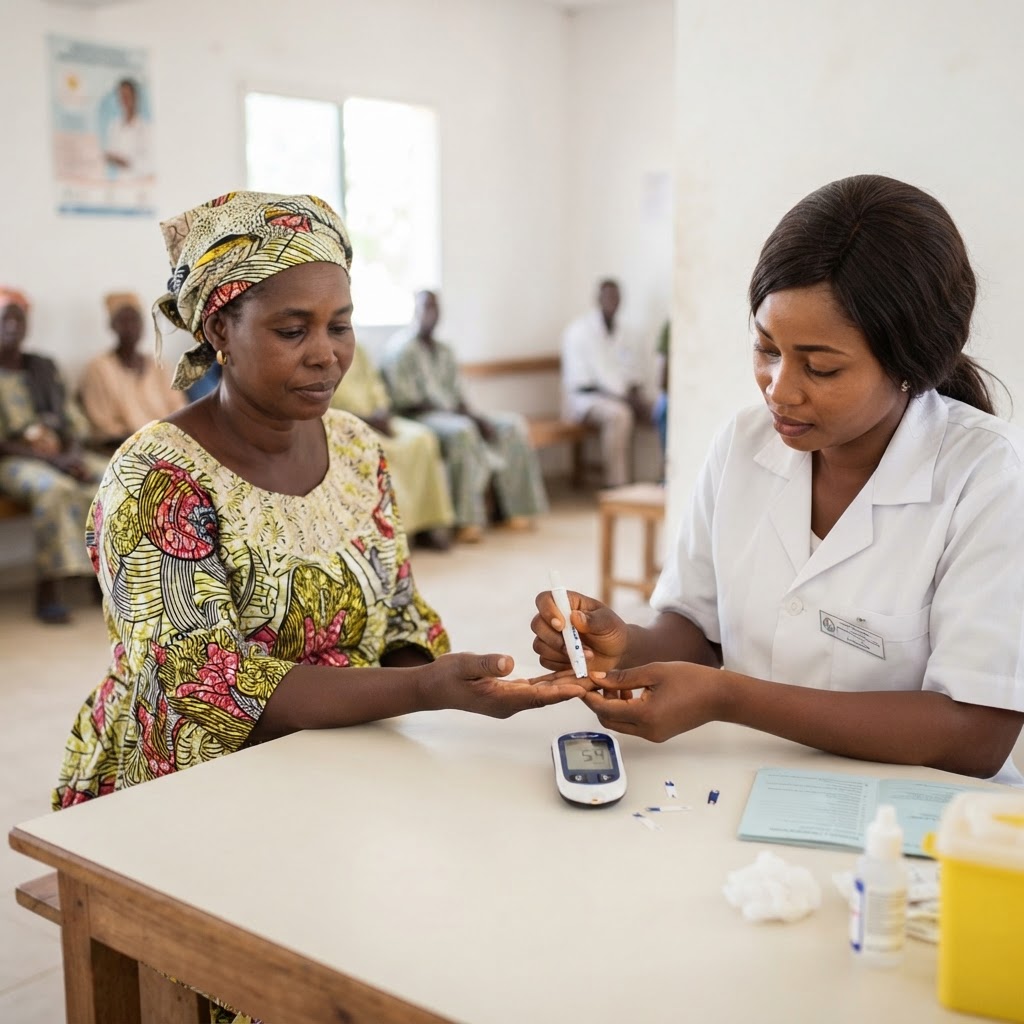
Diabetes in Africa: Why Routine Screening Is Vital
Imagine a disease that silently damages organs for years before anyone notices. That is the reality for millions living in Africa today. According to the latest report, Diabetes: Three Out of Four Africans Living With the Condition May Be Unaware – Why Screening Matters, and this gap in knowledge is...
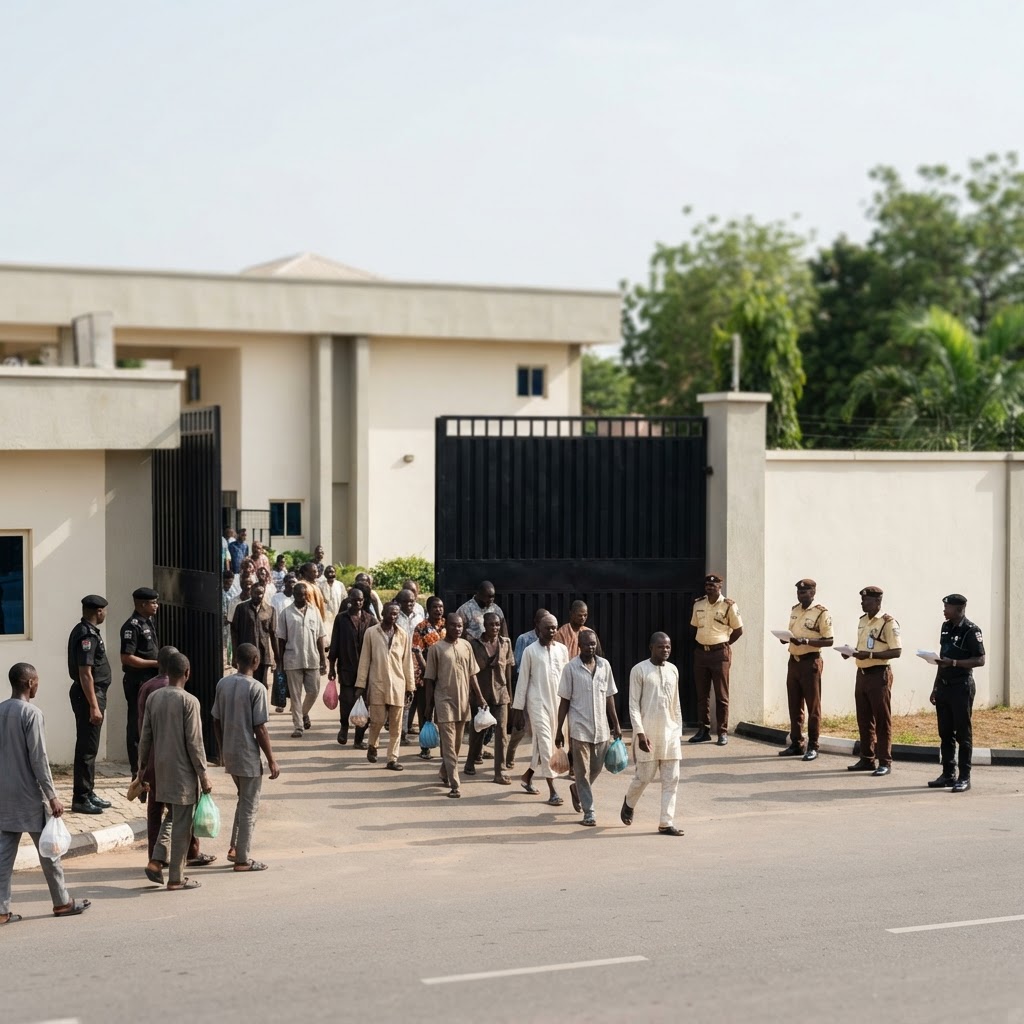
Tinubu Orders Release of 78 Suspects in Convoy Attack
A single Friday afternoon in Abuja turned into a national talking point. News that President Tinubu Orders Release of 78 Suspects Arrested Over Attack on His Convoy in Abuja quickly spread across radio, television, and social media. For many Nigerian families, the story raised fresh questions about ...
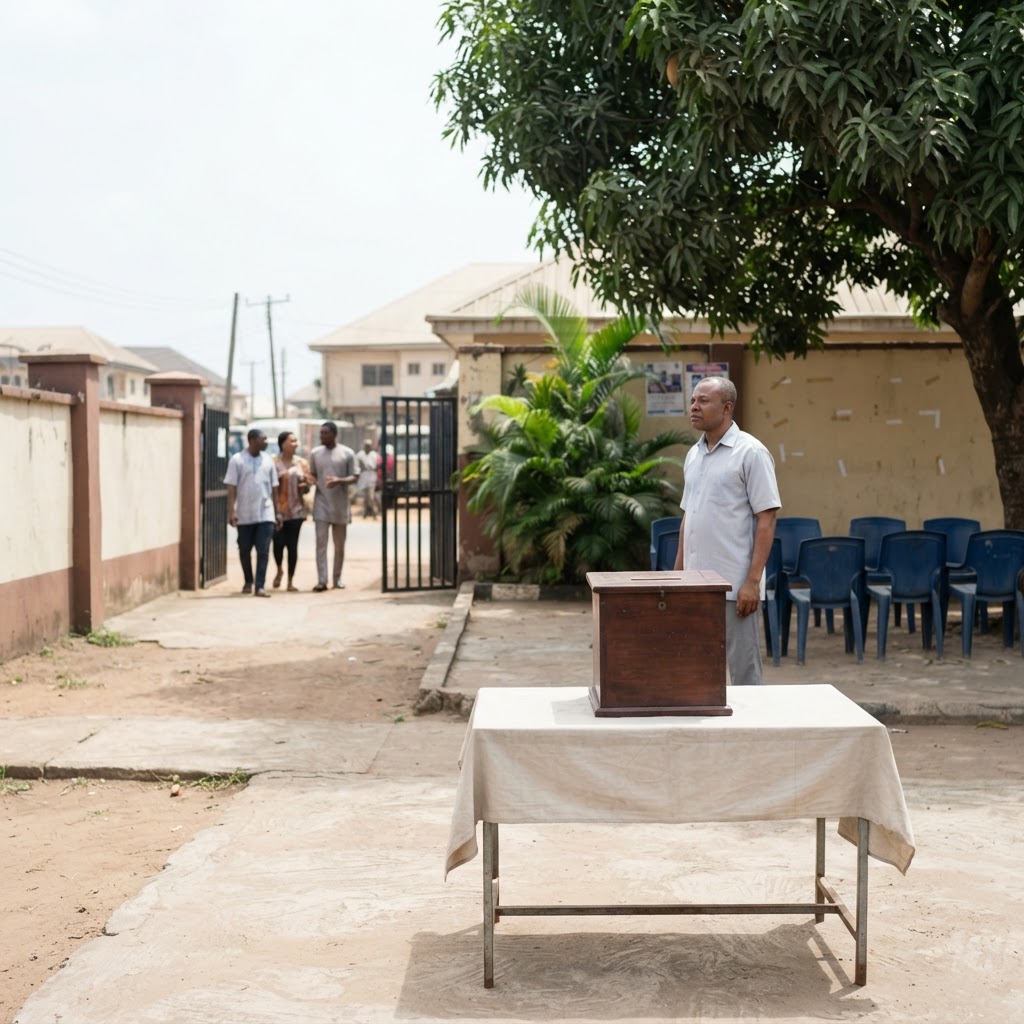
Imo LG Election Delays Spark Concerns for Democracy
Imo State's local government elections have been postponed again, leaving residents frustrated and confused. This latest delay raises urgent questions about the credibility of the entire Imo LG election cycle. Imo LG Elections Postponed Again: Why ISIEC's Repeated Changes Are Raising Questions About...

Can AI Tools Improve Student Exam Results in Nigeria?
Imagine a secondary school student in Benin City completing six weeks of guided digital practice and gaining two years' worth of learning. That scenario is not hypothetical anymore. Can AI Tools Improve Student Exam Results in Nigeria? Early evidence from classrooms across the country suggests the a...

Eziokwubundu’s Approach to Community Impact
Imagine a Nigeria where personal wellness, financial growth, and community development move together instead of staying separate. That is the vision behind Eziokwubundu’s Approach to Community Impact, a model built for everyday Nigerians seeking lasting change. This article unpacks how that model wo...

Seplat and Obi-Mbieri: Five Questions the Community Needs Answers to After the Commissioner's Directive
The question of who legitimately represents Obi-Mbieri Autonomous Community in its dealings with Seplat Energy PLC has once again come into focus following a significant intervention by the Imo State Government.
JAMB Unveils 2027 UTME Pre-Registration App and Rules
Nigerian households are bracing for one of the most significant exam reforms in recent memory. For years, UTME registration has meant long queues, biometric delays and confusion over subject combinations. That era is ending, and the shift begins in earnest with 2027 UTME. The 2027 UTME: JAMB Introdu...
Imo Local Government Elections Set for Today
Imo State stands at a democratic crossroads this week. Residents across the state are heading to polling units with hope and renewed civic energy. The headline reads clearly: Imo Local Government Elections Hold Today: 27 LGAs, 305 Wards in Focus, and the outcome will shape grassroots governance for ...

Seplat's Aku-01 Discovery in Obi-Mbieri: 19 Million Barrels of Oil, 157 Bcf of Gas and What Comes Next?
The discovery at Seplat Energy's Aku-01 exploration well has drawn fresh attention to the oil and gas potential of Imo State and Obi-Mbieri. With preliminary estimates indicating 19 million barrels of oil and 157 billion cubic feet of gas in place, the next phase of exploration could have important implications for the host community. But what does the discovery actually mean, and what should Obi-Mbieri expect?
Nigeria Raises ₦1.2 Trillion to Clear Power Sector Debts
Nigeria's power sector is at a turning point. Nigeria's Electricity Sector: FG Raises ₦1.2 Trillion to Clear Power Generation Debts marks one of the boldest financial interventions in the industry's recent history. For families budgeting for electricity bills and entrepreneurs running small business...