Powered by Obi Mbieri Independent Media Ltd.
$1 = ₦1,353€1 = ₦1,486£1 = ₦1,775Prevent Kidney Disease With Regular Health Checks
Kidney health rarely makes headlines until a crisis hits a family. Yet understanding Kidney Disease: Why Regular Health Checks Can Help Prevent Serious Complications can save lives, protect household income, and strengthen community wellbeing across Nigeria. Kidney Disease often develops quietly ove...

Kidney health rarely makes headlines until a crisis hits a family. Yet understanding Kidney Disease: Why Regular Health Checks Can Help Prevent Serious Complications can save lives, protect household income, and strengthen community wellbeing across Nigeria. Kidney Disease often develops quietly over many years, which is exactly why awareness, routine screening, and early action matter so much for every household.
This article breaks down what every family, entrepreneur, and community leader should know about protecting these vital organs. We will explore risk factors, testing, prevention, the economic cost of untreated Kidney Disease, and the practical steps that build a healthier future for everyone.
Why Are Kidneys So Important?
Your kidneys work around the clock, filtering roughly 180 litres of blood every day. They remove waste, balance fluids, and regulate blood pressure throughout your body.
Beyond filtration, kidneys produce erythropoietin, a hormone that signals bone marrow to make red blood cells. They also activate vitamin D, which keeps bones strong and prevents fractures later in life. According to the National Kidney Foundation, kidneys are just as essential to survival as the heart or lungs.
What makes Kidney Disease particularly dangerous is its silence. Many people lose up to 90 percent of kidney function before noticing any symptoms. This is why Kidney Disease: Why Regular Health Checks Can Help Prevent Serious Complications has become such an urgent public health message across Nigeria and beyond.
Early-stage kidney damage rarely causes pain or visible signs. By the time swelling, fatigue, or dark urine appear, significant damage may have already occurred. The World Health Organization estimates that chronic Kidney Disease affects more than 850 million people worldwide. That number continues to rise, partly due to increasing rates of diabetes and hypertension globally, including across Nigerian communities, where lifestyle-related illness is climbing steadily alongside rapid urbanisation.
Who Is Most At Risk?
Certain health conditions dramatically increase the likelihood of kidney damage. Diabetes and high blood pressure together account for roughly two-thirds of all chronic Kidney Disease cases, according to the CDC. Cardiovascular disease also places extra strain on the delicate blood vessels inside the kidneys, creating a dangerous cycle where heart problems and kidney problems worsen one another over time.
Secondary risk factors matter too, and families should take note of several warning signs:
- A family history of kidney failure or dialysis
- Obesity, particularly with a waist circumference above recommended levels
- A previous episode of acute kidney injury, even if fully recovered
- Long-term use of certain pain medications without medical supervision
- Recurrent urinary tract infections left untreated for long periods
- Chronic dehydration linked to physically demanding work environments
Research also shows that specific ethnic populations experience higher rates of advanced Kidney Disease. For instance, people of African descent face a notably higher risk of progression to kidney failure compared to other groups, as highlighted in studies referenced by the National Institute of Diabetes and Digestive and Kidney Diseases. This makes proactive screening especially important for Nigerian families, both at home and in the diaspora, where access to routine checkups can vary widely depending on insurance coverage and location.
Our related coverage on Diabetes in Africa: Why Routine Screening Is Vital explores how metabolic conditions silently damage organs long before diagnosis. Kidney Disease and diabetes management are closely connected, and addressing one often protects the other. Families managing diabetes should treat kidney screening as a non-negotiable part of their annual health routine, not an optional extra.
How Do You Test Kidneys?
Testing kidney function does not require expensive or invasive procedures. Two simple tests provide nearly all the information doctors need to detect Kidney Disease at its earliest, most treatable stage.
The eGFR Blood Test
The estimated glomerular filtration rate, or eGFR, measures how efficiently your kidneys filter blood. A normal eGFR sits above 90 ml/min/1.73m². According to KDIGO clinical guidelines, an eGFR below 60 ml/min/1.73m² sustained for at least 90 days signals chronic Kidney Disease.
The uACR Urine Test
The urine albumin-to-creatinine ratio, or uACR, checks for protein leakage. Healthy kidneys retain protein in the blood. When damaged, they allow albumin to leak into urine. A uACR above 30 mg/g suggests early kidney damage, even when eGFR still appears normal.
Together, these two tests form the foundation of Kidney Disease screening recommended by the American Kidney Fund. Both are affordable, widely available at most Nigerian hospitals and diagnostic laboratories, and take only minutes to complete. Skipping these checks means flying blind, since symptoms alone cannot confirm kidney health.
Many health-conscious Nigerians already track blood pressure and blood sugar. Adding eGFR and uACR to annual checkups completes the picture. This small addition is central to the message behind Kidney Disease: Why Regular Health Checks Can Help Prevent Serious Complications. Just as technology is reshaping how students prepare for exams, as discussed in Can AI Tools Improve Student Exam Results in Nigeria?, digital health tools and mobile diagnostic apps are increasingly helping clinics flag early kidney abnormalities before patients even report symptoms.
Can You Prevent Kidney Damage?
Prevention starts with everyday lifestyle choices, not expensive interventions. Maintaining a healthy weight reduces strain on kidney filtration systems significantly. Regular physical activity, even 30 minutes of brisk walking five times weekly, supports healthy blood flow and metabolic balance, lowering long-term risk of Kidney Disease.
Smoking cessation also matters enormously. Smokers face a substantially higher risk of kidney function decline compared to non-smokers, based on findings published by the National Kidney Foundation.
Blood sugar and blood pressure control remain the two most powerful prevention tools available. Medical experts generally recommend keeping HbA1c levels below 7 percent for people with diabetes and blood pressure under 130/80 mmHg. These targets, when consistently met, slow kidney damage considerably and reduce the lifetime risk of developing advanced Kidney Disease.
Featured Products
Reverse Type 2 Diabetes & other associated Metabolic Issues using Dr. Jason Fung's Evidence-Based Approach— FMD program for Type 2 Diabetes
A practical fasting and fasting-mimicking programme built on Dr Jason Fung's insulin-resistance principles and ow-glycemic recipes.
₦19,950
Join NowChukwu Abiama Tee
Bold black-and-gold Igbo-pride T-shirt featuring 'Chukwu Abiama' in premium streetwear typography.
₦15,000
Buy NowỤmụ Igbo Tee
Classic black T-shirt with bold white 'Ụmụ Igbo' typography — a proud statement of Igbo heritage.
₦15,000
Buy NowNwanne Tee
Washed khaki vintage tee with a faded rust-orange 'Nwanne' stamp badge and palm leaf motif — a nod to kinship and heritage.
₦18,000
Buy NowObodo Tee
Faded denim-blue washed tee with a cream 'Obodo' stamp badge and sun motif, celebrating community roots.
₦18,000
Buy NowEkwe Heritage Tee
Deep indigo tee featuring a fine line-art illustration of a traditional Igbo ekwe drum, inspired by Igbo-Ukwu bronze artistry.
₦18,000
Buy NowIkenga Figure Tee
Forest green tee with a fine line-art illustration of a stylized Ikenga figure.
₦18,000
Buy NowDr. Jason Fung, a nephrologist known internationally for his research on insulin resistance, has highlighted how metabolic dysfunction accelerates organ damage over time. His work emphasizes that managing insulin resistance through dietary changes can meaningfully protect kidney function, alongside standard medical care. This perspective aligns with growing evidence that metabolic health, not just blood sugar numbers alone, drives long-term organ outcomes and shapes the trajectory of Kidney Disease in at-risk individuals.
For entrepreneurs and busy professionals juggling demanding schedules, small consistent habits matter more than occasional dramatic changes. Reducing processed food intake, prioritizing sleep, and managing stress all contribute to better kidney outcomes over time. Business owners investing in their own continuous development, much like those exploring How to Choose a Nigerian Business Learning Platform, should apply the same discipline to their health, since sustained energy and clarity depend heavily on well-functioning kidneys.
The Hidden Economic Cost of Kidney Disease
Beyond the medical toll, Kidney Disease carries a steep financial burden that many Nigerian families underestimate until it is too late. Dialysis sessions, specialist consultations, transportation to treatment centres, and lost workdays can quickly drain savings that took years to accumulate. Unlike a one-time medical expense, advanced Kidney Disease often requires ongoing treatment for the rest of a patient's life, placing continuous strain on household budgets.
This economic dimension connects health directly to broader national development conversations. Just as Beyond Degrees: Bridging Nigeria's Digital Skills Gap highlights how skills investment shapes long-term economic resilience, investing early in preventive health checks shapes long-term financial resilience for families. A breadwinner sidelined by kidney failure cannot earn, invest, or plan for the future, and the ripple effects extend to children's education, extended family support, and small business survival.
Preventing Kidney Disease, therefore, is not purely a medical concern; it is a wealth-protection strategy. Families who prioritise annual screening often spend a fraction of what late-stage treatment would cost, while preserving the income-generating capacity that keeps households stable for decades.
Why Is Early Detection Vital?
Chronic Kidney Disease cannot currently be reversed once scarring occurs. However, early detection allows doctors to slow or even halt further progression through medication, dietary adjustments, and closer monitoring.
Left unmanaged, Kidney Disease significantly raises the risk of heart attack, stroke, and eventual kidney failure requiring dialysis or transplantation. The financial burden of late-stage treatment can be devastating for Nigerian families, often costing far more than years of preventive screening combined.
This is where the "Health + Wealth + Community" philosophy becomes especially relevant. A parent sidelined by kidney failure cannot run their business, support their children's education, or contribute to community development. Preventing chronic illness, including Kidney Disease, protects household income and strengthens entire communities economically.
Just as civic awareness strengthens governance, as explored in pieces like Imo LG Election Disputes Put ISIEC Under Scrutiny and Imo LG Election Delays Spark Concerns for Democracy, health awareness strengthens families. Informed citizens make better decisions, whether at the ballot box or at the clinic. Early detection is not just a medical decision; it is an economic and community one.
Kidney Disease and Community Health Systems
Strong institutions and strong health outcomes often move together. Policy decisions made at the national level, such as those discussed in Senate Sends State Police Bill to Tinubu for Approval, shape how resources are allocated for public safety and, by extension, public health infrastructure. Similarly, swift governance decisions like those reported in Tinubu Orders Release of 78 Suspects in Convoy Attack demonstrate how leadership responsiveness affects public trust in institutions, including the hospitals and clinics families rely on for Kidney Disease screening.
When local governments and health systems function well, screening programs, awareness campaigns, and subsidised testing become more accessible to ordinary citizens. Communities that advocate for better healthcare funding, in the same way they advocate for better education planning as seen in JAMB Unveils 2027 UTME Pre-Registration App and Rules, tend to see improved long-term health outcomes, including earlier detection of Kidney Disease among at-risk populations.
How To Build A Healthier Future?
Building lasting kidney health starts with simple, consistent action. Schedule annual eGFR and uACR screenings, especially if diabetes, hypertension, or family history applies to you. Treat these tests with the same seriousness you would give any major financial or legal decision affecting your family's future.
Encourage a community-first approach by discussing Kidney Disease openly at family gatherings and community meetings. Support each other through dietary changes, since collective accountability often outperforms individual willpower alone.
Practical steps make the biggest difference over time:
- Reduce salt intake by cooking with fresh herbs and spices instead
- Eat more fruits and vegetables daily, aiming for at least five servings
- Build an ongoing relationship with a trusted healthcare provider
- Monitor blood pressure and blood sugar consistently at home
- Stay well hydrated, especially in hot or physically demanding work settings
- Avoid unsupervised use of herbal remedies or unregulated painkillers
Frequently Asked Questions About Kidney Disease
Can Kidney Disease be cured completely? In most cases, chronic Kidney Disease cannot be fully reversed once significant scarring has occurred. However, early-stage damage can often be slowed, stabilised, or even halted entirely with timely medical intervention and lifestyle changes.
How often should healthy adults get screened for Kidney Disease? Adults with no major risk factors are generally advised to get a basic kidney function check every one to two years, while those with diabetes, hypertension, or a family history should test annually, or as recommended by their doctor.
Are symptoms a reliable way to detect Kidney Disease early? No. Kidney Disease is often called a "silent" condition because noticeable symptoms, such as swelling or fatigue, typically appear only after substantial kidney function has already been lost. This is why laboratory testing, not symptom-watching, is essential.
For more on building sustainable personal habits that support both health and community progress, explore Eziokwubundu's Approach to Community Impact. Protecting your kidneys today protects your family's future, your community's stability, and your long-term prosperity. Taking Kidney Disease seriously now, through simple and affordable health checks, remains one of the most powerful investments any Nigerian family can make in their shared future.
Stay Informed
Get New Articles in Your Inbox
Subscribe to receive the latest community development, health, and wealth insights from Eziokwubundu.
Newsletter
Practical insights on health, wealth, and community — delivered weekly.
Community Discussion(0)
Leave a Comment
More to Read
You May Also Like

NUC Approves New Medical University in Anambra: Institution
Nigeria's higher education landscape just received a major boost this week. A new specialized institution is poised to transform medical training in the South-East, and the timing could not be better for ambitious students and local communities alike. NUC Approves New Medical University in Anambra: ...

Antimicrobial Resistance: Why Nigeria Must Act Now
Nigeria loses lives and money every year to infections that were once easy to cure. Antimicrobial Resistance: Why Nigeria Must Act Before Common Infections Become Difficult to Treat is no longer a distant global health debate—it is a present danger in our clinics, markets, and homes. Every single da...

IGP: Treat Gunshot Victims Before Requesting Police Reports
A single ambulance ride now carries less fear for Nigerian families. News that IGP Orders Hospitals to Treat Gunshot Victims Before Demanding Police Reports has sparked relief across hospitals, homes, and communities nationwide. For years, bureaucratic delays cost lives that timely care could have s...

Obi-Mbieri Mourns Engr. Vitalis Opara: Questions Emerge Over Community’s Silence
Engr. Vitalis Opara is identified as President General on the signature page of the Obi-Mbieri Autonomous Community Constitution 2020 as amended.
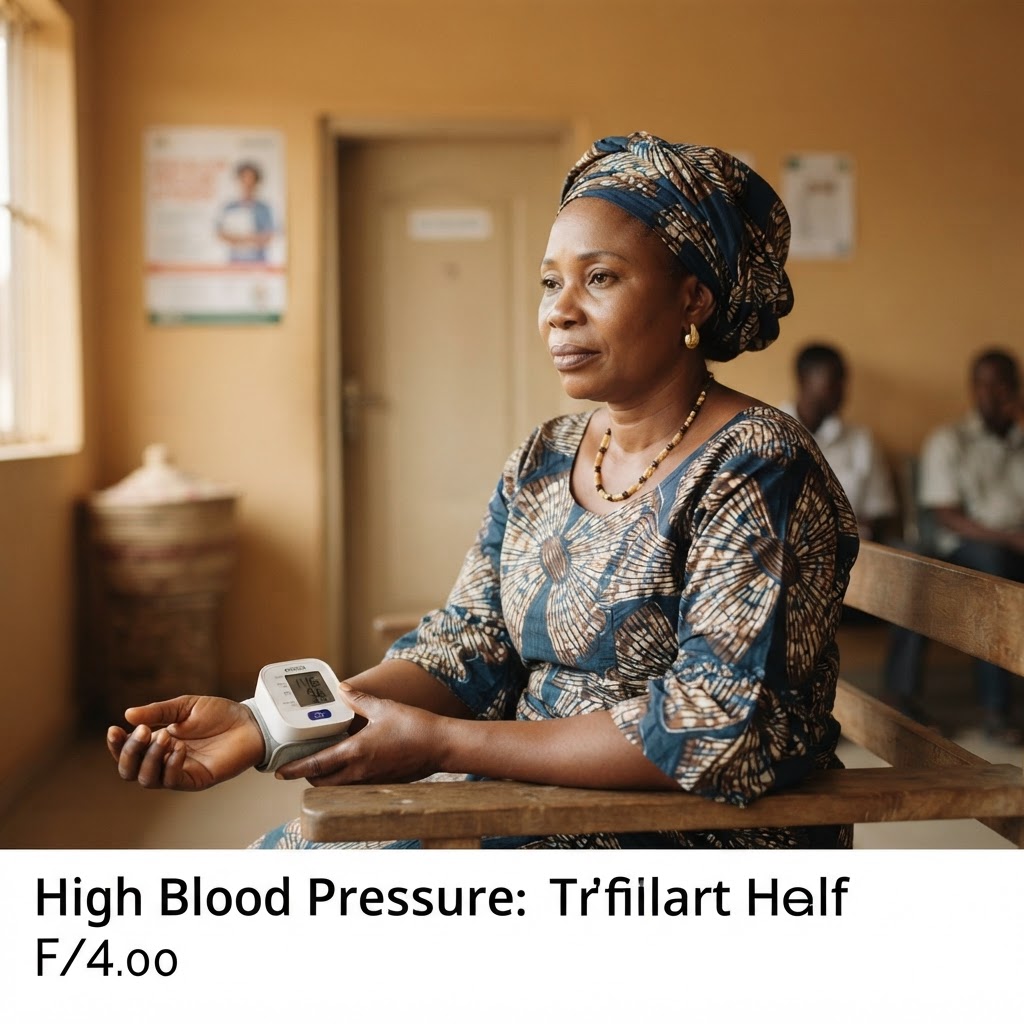
High Blood Pressure: The Silent Health Threat in Nigeria
Imagine a condition that quietly damages your heart, brain, and kidneys while you feel completely fine. That is the reality for millions of Nigerians today, and it explains why High Blood Pressure: The Silent Health Threat Many Nigerians Are Ignoring has become a defining public health issue of our ...
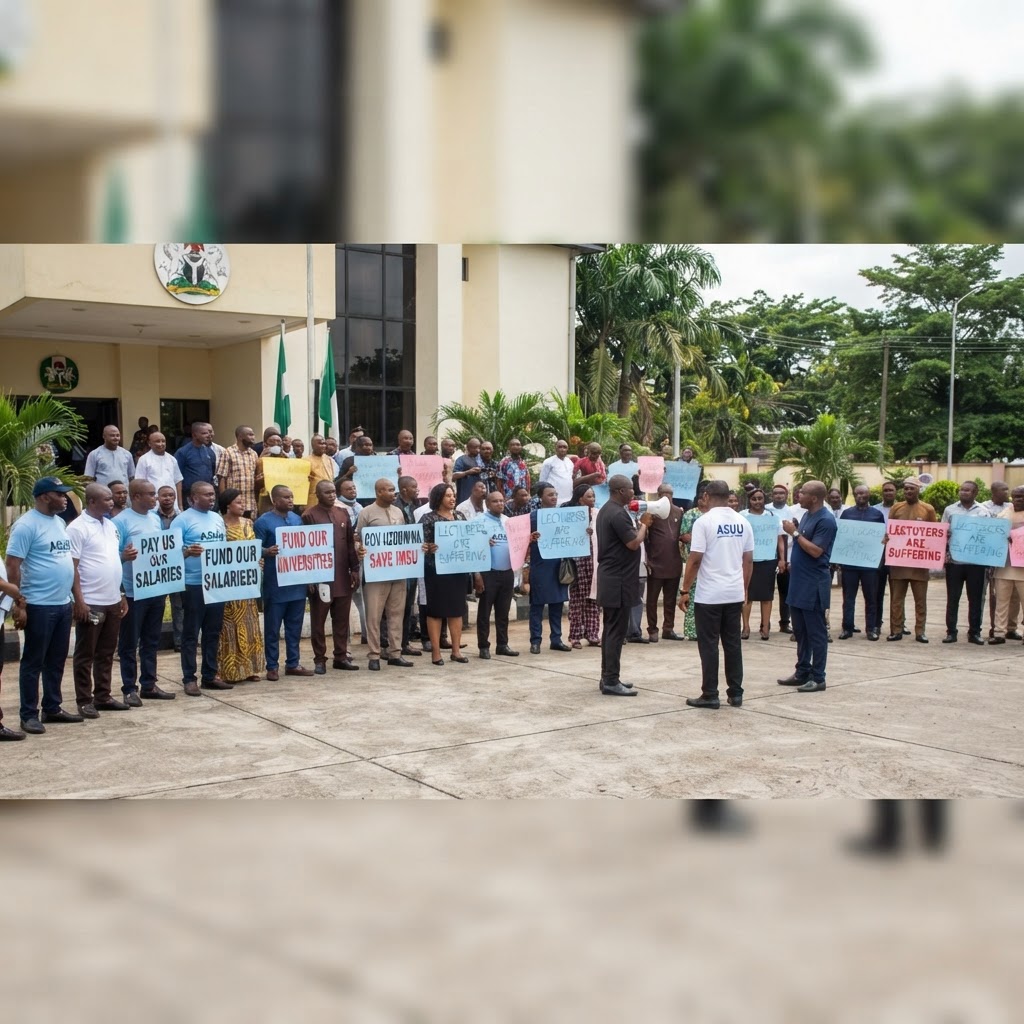
IMSU Lecturers Protest in Owerri, Appeal to Uzodimma to End
The streets of Owerri turned into a sea of white lab coats and placards this week. Hundreds of university lecturers walked out of their offices, choosing protest over silence. The IMSU Lecturers Protest in Owerri, Appeal to Uzodimma to End Months-Long Strike has become a defining moment for Imo Stat...

JAMB Candidates Can Now Change Course and Institution Online
Admission season often brings long queues and costly transport for Nigerian families. That burden has just eased. JAMB candidates can now change their institutions and courses from home, as the board announces a new digital correction service, giving students and parents fresh control over their aca...

House Summons NAFDAC and DSS Over Fake Drug Deaths
Four people are dead, eleven more are fighting for their lives, and a federal lawmaker wants answers now. Fake Drug deaths linked to a suspicious herbal concoction have pushed the House of Representatives to move decisively, summoning NAFDAC and the DSS in a case that is no longer a distant headline...

Budget-Friendly Healthy Meal Prepping for Nigerians
Modern Nigerian families face the dual pressure of rising food prices and the need for better health outcomes. Learning how Nigerian families can(/article/nigerian-family-guide-to-reversing-type-2-diabetes) use meal prepping with local ingredients to eat healthy on a tight budget is a vital skill fo...

Beyond Degrees: Bridging Nigeria's Digital Skills Gap
Nigeria's graduates are flooding the job market faster than employers can absorb them. Yet many arrive with certificates but no practical digital competence. This is the heart of Digital Skills and Youth Employment: Why Nigerian Graduates Need More Than University Certificates.—a gap that is reshapi...