Powered by Obi Mbieri Independent Media Ltd.
$1 = ₦1,353€1 = ₦1,486£1 = ₦1,775Diabetes in Africa: Why Routine Screening Is Vital
Imagine a disease that silently damages organs for years before anyone notices. That is the reality for millions living in Africa today. According to the latest report, Diabetes: Three Out of Four Africans Living With the Condition May Be Unaware – Why Screening Matters, and this gap in knowledge is...
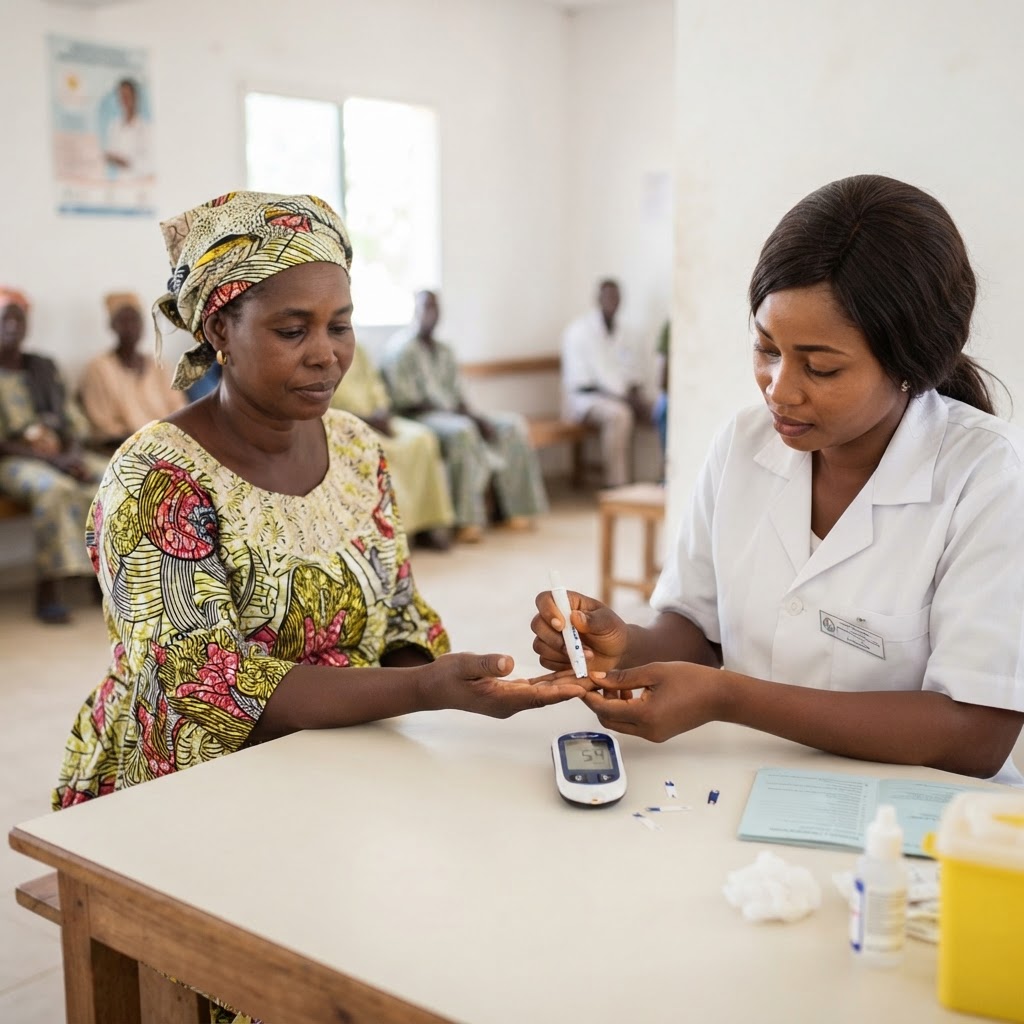
Imagine a disease that silently damages organs for years before anyone notices. That is the reality for millions living in Africa today. According to the latest report, Diabetes: Three Out of Four Africans Living With the Condition May Be Unaware – Why Screening Matters, and this gap in knowledge is costing lives, savings, and family stability across Nigeria and beyond. The scale of undiagnosed diabetes in Africa is not a minor statistic — it represents a public health emergency unfolding quietly in homes, markets, and workplaces across the continent.
At Eziokwubundu, we believe health awareness is the foundation of wealth and community strength. This article breaks down why diabetes hides in plain sight, who is most affected, and what practical steps families and communities can take right now to change the trajectory of this disease in Africa.
Why Is Diabetes A Silent Killer?
Type 2 diabetes often develops quietly. Many people live with high blood sugar for years without obvious symptoms. According to the World Health Organization, warning signs frequently appear only after serious complications set in.
This silent progression is especially dangerous in Africa. Premature deaths before age 70 from diabetes-related causes reach 58% in the African region. Compare that to the global average of 48%. That gap reflects weak early detection systems and limited access to care in Africa, where many health systems were built around treating acute illnesses rather than managing chronic conditions over decades.
Left untreated, diabetes damages nearly every organ system. It can cause blindness, kidney failure, heart attacks, and stroke. Lower limb amputation is also common among those diagnosed late. These complications place a heavy burden on families, many of whom are forced to sell assets or borrow money to cover emergency treatment costs.
These outcomes are not inevitable. Early screening can catch abnormal blood sugar levels long before organ damage begins. That single step — getting tested — can mean the difference between a manageable condition and a life-altering disability. This is precisely why awareness campaigns matter so much in Nigerian communities today, and why similar campaigns are urgently needed in Africa more broadly, where cultural, economic, and infrastructural factors often delay diagnosis.
How Many Africans Are Truly Affected?
The numbers are sobering. According to the IDF Diabetes Atlas 2025, 24.6 million adults currently live with diabetes in Africa. Alarmingly, 73% of these cases remain undiagnosed.
That means three out of every four affected adults have no idea they are carrying the condition. They are not managing it. They are not adjusting their diets. They are simply unaware, while the disease continues progressing unchecked. This silent spread of diabetes in Africa means that by the time many people are finally diagnosed, irreversible damage has already occurred.
The trend is worsening over time. WHO data shows diabetes prevalence in the African region rose from 6.4% in 1990 to 10.5% in 2022. That is nearly a two-fold increase in just over three decades, confirming that diabetes in Africa is growing faster than public health systems can adapt.
Looking ahead, projections are even more concerning. Experts forecast a 142% increase in diabetes cases by 2050, pushing the total to 60 million people living with the condition in Africa. This represents the fastest regional growth rate anywhere in the world.
For context, no other continent is expected to see such a sharp rise. This places enormous pressure on health systems already stretched thin. It also underscores why awareness initiatives like Diabetes: Three Out of Four Africans Living With the Condition May Be Unaware – Why Screening Matters are so urgent right now. Nigerian families cannot afford to treat this as a distant problem, and governments across the region must recognize that the fight against diabetes in Africa requires immediate, sustained investment rather than reactive measures.
What Barriers Prevent Early Diagnosis?
Several systemic issues keep diagnosis rates low across the continent. Many health facilities lack basic testing equipment for blood glucose monitoring. Trained personnel capable of interpreting results are also scarce in rural clinics, a challenge that is repeated in country after country in Africa.
Cost is another major barrier. Long-term diabetes monitoring requires regular testing strips, consultations, and sometimes insulin. For many Nigerian households, these recurring expenses are simply unaffordable, especially without health insurance coverage. This financial strain is mirrored across much of Africa, where out-of-pocket healthcare spending remains the norm rather than the exception.
Cultural attitudes also play a role. Many people only seek medical attention once symptoms become severe or disruptive to daily life. By then, complications may have already begun.
Consider these common obstacles families face when trying to get screened:
- Limited diagnostic equipment in local primary health centers
- High out-of-pocket costs for ongoing monitoring and medication
- Low public awareness of early warning signs
- Cultural preference for treating symptoms rather than preventing them
- Insufficient government funding for chronic disease management programs
- Weak coordination between urban specialist hospitals and rural clinics
Addressing these barriers requires coordinated effort from government bodies, local organizations, and everyday citizens. As noted by Vanguard, expanding access to basic screening tools is now a continental health priority. Policymakers often point to broader governance challenges as part of the problem — much like the concerns raised in Imo LG Election Delays Spark Concerns for Democracy, where delayed institutional action has real consequences for everyday citizens. Delayed health policy implementation in Africa carries similarly serious costs.
Featured Products
Reverse Type 2 Diabetes & other associated Metabolic Issues using Dr. Jason Fung's Evidence-Based Approach— FMD program for Type 2 Diabetes
A practical fasting and fasting-mimicking programme built on Dr Jason Fung's insulin-resistance principles and ow-glycemic recipes.
₦19,950
Join NowChukwu Abiama Tee
Bold black-and-gold Igbo-pride T-shirt featuring 'Chukwu Abiama' in premium streetwear typography.
₦15,000
Buy NowỤmụ Igbo Tee
Classic black T-shirt with bold white 'Ụmụ Igbo' typography — a proud statement of Igbo heritage.
₦15,000
Buy NowNwanne Tee
Washed khaki vintage tee with a faded rust-orange 'Nwanne' stamp badge and palm leaf motif — a nod to kinship and heritage.
₦18,000
Buy NowObodo Tee
Faded denim-blue washed tee with a cream 'Obodo' stamp badge and sun motif, celebrating community roots.
₦18,000
Buy NowEkwe Heritage Tee
Deep indigo tee featuring a fine line-art illustration of a traditional Igbo ekwe drum, inspired by Igbo-Ukwu bronze artistry.
₦18,000
Buy NowIkenga Figure Tee
Forest green tee with a fine line-art illustration of a stylized Ikenga figure.
₦18,000
Buy NowWho Is Most At Risk Today?
Lifestyle changes are reshaping disease patterns across Nigeria. Urbanization has introduced more processed foods and sedentary routines. These shifts contribute directly to rising Type 2 diabetes cases, particularly among working-age adults. Similar urban lifestyle shifts are occurring in major cities across Africa, from Lagos to Nairobi to Accra, where traditional diets are increasingly replaced by convenience foods.
Data from the 2023–2024 Nigeria Demographic and Health Survey reveals a troubling pattern. Screening and diagnosis rates are significantly higher in urban areas compared to rural communities. Wealthier households also report better access to testing.
This creates a dangerous disparity. Rural populations and lower-income families face the highest risk of remaining undiagnosed. They often lack nearby clinics, transportation, or funds for regular check-ups. This urban-rural divide is one of the defining features of the diabetes crisis in Africa, and it means national averages often mask far worse outcomes in remote communities.
This mirrors patterns seen in other chronic conditions. Our earlier piece on Understanding Heart Health and Cardiovascular Disease highlights similar urban-rural gaps in Nigeria's healthcare access. Addressing diabetes screening gaps, therefore, requires solutions tailored specifically to underserved regions, not just major cities — a lesson that applies broadly to health policy in Africa as a whole.
It is also worth noting that young people are increasingly affected. What was once considered a disease of older adults is now appearing in younger populations in Africa, driven by rising obesity rates, genetic predisposition, and limited early intervention programs targeting youth.
How Can We Improve Screening Rates?
Closing the diagnosis gap requires practical, scalable solutions. Primary healthcare centers should integrate routine, opportunistic screening into regular visits. This means checking blood sugar levels even when patients come in for unrelated concerns.
Community-led education is equally important. Many Nigerians still hold misconceptions about diabetes causes and risks. Local health workers, traditional leaders, and religious institutions can help demystify the condition through accessible, culturally relevant messaging. This kind of grassroots education model has proven effective in other sectors in Africa, including education reform efforts similar to those discussed in Can AI Tools Improve Student Exam Results in Nigeria?, where localized, accessible tools helped close knowledge gaps.
Families and community organizers can also take direct action. Here are practical steps worth considering:
- Organize free blood sugar testing during market days or town hall meetings
- Partner with local clinics to offer discounted screening packages
- Train community health volunteers to conduct basic glucose checks
- Share accurate information through churches, mosques, and cooperative groups
- Encourage workplace wellness programs that include annual screening
- Use mobile health units to reach remote villages lacking fixed clinics
These grassroots efforts align closely with the approach described in Eziokwubundu's Approach to Community Impact. Health improvement, like economic development, works best when it starts at the community level rather than waiting for top-down government programs alone. The same principle has guided successful voter education campaigns, as seen in Imo Council Elections: Mbaitoli Voter Guide for Saturday, where clear, localized information drove better outcomes. Applying that same model to diabetes awareness in Africa could meaningfully improve early detection rates.
What Role Does Technology Play?
Digital health tools are beginning to make a measurable difference in diabetes management in Africa. Mobile applications that remind patients to check blood sugar, telemedicine consultations that reduce travel costs, and SMS-based health alerts are all gaining traction in both urban and rural settings.
These innovations mirror broader digital transformation trends seen across other sectors. For instance, the rollout described in JAMB Unveils 2027 UTME Pre-Registration App and Rules demonstrates how digital registration systems can simplify processes at scale. Applying similar app-based logic to health screening scheduling could help close diagnosis gaps in Africa more efficiently, particularly for younger, tech-savvy populations who may otherwise avoid traditional clinic visits.
However, technology alone cannot solve the problem. Internet access remains inconsistent in many rural areas, and digital literacy varies widely. Any technology-driven screening strategy in Africa must be paired with offline community outreach to ensure no one is left behind.
What Is The Path To Prosperity?
Health and wealth are deeply connected. A population burdened by undiagnosed chronic disease cannot build sustainable prosperity. Families lose income to hospital bills. Communities lose productive workers to preventable complications. This dynamic plays out repeatedly in Africa, where chronic illness remains one of the leading causes of household poverty.
Early detection changes this equation entirely. Catching diabetes early costs far less than treating kidney failure or amputation later. Families who screen regularly protect both their health and their financial stability.
This is why health infrastructure deserves the same attention as economic infrastructure. Just as Nigeria has invested resources toward initiatives like those described in Nigeria Raises ₦1.2 Trillion to Clear Power Sector Debts, local health systems also need sustained investment and community backing. Stable governance plays a role here too; just as civil unrest can disrupt progress — as seen in Tinubu Orders Release of 78 Suspects in Convoy Attack — unstable health policy environments can equally stall progress against diabetes in Africa.
Community leaders, local organizations, and everyday Nigerians all have a role to play. Supporting local screening drives, funding basic diagnostic tools, and spreading accurate information can shift outcomes significantly. For entrepreneurs and professionals seeking broader frameworks on building sustainable systems, resources like How to Choose a Nigerian Business Learning Platform offer useful parallels on structured, practical growth. Just as local elections such as those covered in Imo Local Government Elections Set for Today depend on grassroots participation to succeed, so too does the fight against undiagnosed diabetes in Africa depend on everyday people choosing to get screened and encouraging others to do the same.
Ultimately, prioritizing diabetes screening is not just a health decision. It is an investment in family stability, community resilience, and long-term national productivity. The statistics are clear, and the solution starts with awareness, testing, and consistent action at every level of society. The faster communities, governments, and health systems act together, the sooner the rising tide of undiagnosed diabetes in Africa can be turned around — protecting not just individual lives, but the economic future of the entire continent.
Stay Informed
Get New Articles in Your Inbox
Subscribe to receive the latest community development, health, and wealth insights from Eziokwubundu.
Newsletter
Practical insights on health, wealth, and community — delivered weekly.
Community Discussion(0)
Leave a Comment
More to Read
You May Also Like

NUC Approves New Medical University in Anambra: Institution
Nigeria's higher education landscape just received a major boost this week. A new specialized institution is poised to transform medical training in the South-East, and the timing could not be better for ambitious students and local communities alike. NUC Approves New Medical University in Anambra: ...

Antimicrobial Resistance: Why Nigeria Must Act Now
Nigeria loses lives and money every year to infections that were once easy to cure. Antimicrobial Resistance: Why Nigeria Must Act Before Common Infections Become Difficult to Treat is no longer a distant global health debate—it is a present danger in our clinics, markets, and homes. Every single da...

IGP: Treat Gunshot Victims Before Requesting Police Reports
A single ambulance ride now carries less fear for Nigerian families. News that IGP Orders Hospitals to Treat Gunshot Victims Before Demanding Police Reports has sparked relief across hospitals, homes, and communities nationwide. For years, bureaucratic delays cost lives that timely care could have s...

Obi-Mbieri Mourns Engr. Vitalis Opara: Questions Emerge Over Community’s Silence
Engr. Vitalis Opara is identified as President General on the signature page of the Obi-Mbieri Autonomous Community Constitution 2020 as amended.
High Blood Pressure: The Silent Health Threat in Nigeria
Imagine a condition that quietly damages your heart, brain, and kidneys while you feel completely fine. That is the reality for millions of Nigerians today, and it explains why High Blood Pressure: The Silent Health Threat Many Nigerians Are Ignoring has become a defining public health issue of our ...
IMSU Lecturers Protest in Owerri, Appeal to Uzodimma to End
The streets of Owerri turned into a sea of white lab coats and placards this week. Hundreds of university lecturers walked out of their offices, choosing protest over silence. The IMSU Lecturers Protest in Owerri, Appeal to Uzodimma to End Months-Long Strike has become a defining moment for Imo Stat...

JAMB Candidates Can Now Change Course and Institution Online
Admission season often brings long queues and costly transport for Nigerian families. That burden has just eased. JAMB candidates can now change their institutions and courses from home, as the board announces a new digital correction service, giving students and parents fresh control over their aca...

House Summons NAFDAC and DSS Over Fake Drug Deaths
Four people are dead, eleven more are fighting for their lives, and a federal lawmaker wants answers now. Fake Drug deaths linked to a suspicious herbal concoction have pushed the House of Representatives to move decisively, summoning NAFDAC and the DSS in a case that is no longer a distant headline...

Prevent Kidney Disease With Regular Health Checks
Kidney health rarely makes headlines until a crisis hits a family. Yet understanding Kidney Disease: Why Regular Health Checks Can Help Prevent Serious Complications can save lives, protect household income, and strengthen community wellbeing across Nigeria. Kidney Disease often develops quietly ove...

Budget-Friendly Healthy Meal Prepping for Nigerians
Modern Nigerian families face the dual pressure of rising food prices and the need for better health outcomes. Learning how Nigerian families can(/article/nigerian-family-guide-to-reversing-type-2-diabetes) use meal prepping with local ingredients to eat healthy on a tight budget is a vital skill fo...