Powered by Obi Mbieri Independent Media Ltd.
$1 = ₦1,353€1 = ₦1,486£1 = ₦1,775Imo Farmers Protest Against Bad Roads in Ngor Okpala
The dust has barely settled on Owerri's busy streets, yet miles away in Ngor Okpala, farmers are shouting into a different kind of storm. The Imo Road Crisis: Farmers Protest as Bad Roads Disrupt Livelihoods in Ngor Okpala has become more than a local grievance—it is a warning sign for Nigeria's foo...

The dust has barely settled on Owerri's busy streets, yet miles away in Ngor Okpala, farmers are shouting into a different kind of storm. The Imo Road Crisis: Farmers Protest as Bad Roads Disrupt Livelihoods in Ngor Okpala has become more than a local grievance—it is a warning sign for Nigeria's food security, and a reminder that infrastructure neglect in rural communities carries consequences far beyond the villages themselves.
Why Are Ngor Okpala Farmers Protesting?
In recent weeks, residents of Ngor Okpala Local Government Area staged protests over the collapse of roads connecting their farms to urban markets. According to a report by BusinessDay, the community's livelihoods have been devastated by a road split that has cut off vital trade routes.
Farmers say trucks can no longer reach their farmlands. Oil palm, cassava, and vegetable produce often sit unsold for days. This is not a political complaint dressed up as outrage. It is a cry for economic survival.
For many families in Ngor Okpala, farming is the only source of income. When roads collapse, so does their ability to feed their households and pay school fees. The protest reflects frustration that has built for years, not a sudden political stunt. Elders in the community recall promises made during past electoral cycles—pledges to grade and tar the feeder roads linking farm settlements to the Owerri–Port Harcourt corridor—that were never fulfilled. That history of broken commitments has deepened the sense of betrayal driving the current demonstrations in Ngor Okpala.
Community leaders have repeatedly petitioned local authorities. Yet, according to residents, little tangible action has followed. This pattern mirrors concerns raised in other parts of Imo State, including governance gaps discussed in the Imo Assembly Backs Constitutional Amendment for State Police initiative, which highlights broader questions about local accountability and service delivery. If state institutions struggle to respond swiftly to security governance reforms, it is perhaps unsurprising that rural infrastructure complaints from places like Ngor Okpala have similarly stalled in bureaucratic limbo.
How Do Bad Roads Destroy Livelihoods?
Poor roads do more than inconvenience travelers—they quietly erode entire economies. Transport operators in Ngor Okpala report that fuel consumption rises by as much as 25% when vehicles navigate potholed or waterlogged paths. Vehicles break down more frequently, and maintenance costs climb sharply.
This creates what economists call the "farm-to-market gap." Produce that should reach Owerri or Port Harcourt within hours instead sits for days. Tomatoes, plantains, and leafy vegetables begin to rot before they ever reach a buyer. Smallholder farmers, who often operate on thin profit margins, absorb these losses directly.
The ripple effect does not stop at the farm gate. When transporters spend more on fuel and repairs, they pass those costs to traders. Traders, in turn, raise prices for consumers. This dynamic contributes to Nigeria's persistent food inflation, which the National Bureau of Statistics has repeatedly linked to logistics and transportation bottlenecks. The situation in Ngor Okpala is a microcosm of this national trend, illustrating how a single collapsed bridge or washed-out stretch of road can distort prices dozens of kilometers away.
Consider the practical impact on a typical farming household in Ngor Okpala:
- Increased fuel and maintenance costs cut into already slim profits.
- Spoiled produce means wasted labor and lost income.
- Higher market prices reduce affordability for urban consumers.
- Reduced farmer income limits reinvestment in better seeds or tools.
- Families delay medical visits or school payments because farm income no longer arrives on schedule.
These compounding effects show why the Imo Road Crisis is not just an infrastructure issue—it is an economic emergency. The Food and Agriculture Organization has long emphasized that rural transport infrastructure is central to reducing post-harvest losses across Africa, and Ngor Okpala's experience fits squarely within that global pattern of avoidable waste caused by poor rural connectivity.
Is Ngor Okpala Infrastructure Neglected?
Ngor Okpala is not a minor settlement. It comprises 16 autonomous communities, many of which depend heavily on agriculture, particularly oil palm production. The area has long been recognized for its farming potential, yet its road network tells a different story.
Many feeder roads remain untarred decades after they were first constructed. During the rainy season, some paths become nearly impassable, cutting off entire communities from commercial centers. This gap between agricultural potential and infrastructural reality is stark, and it raises uncomfortable questions about how development priorities are set at the local government level.
Government investment in rural feeder roads across Nigeria has historically lagged behind urban infrastructure projects. The World Bank has noted that rural access roads remain one of the most underfunded components of African infrastructure planning, despite their outsized economic impact. Ngor Okpala's farmers are, in effect, paying the price of a nationwide pattern that favors visible urban projects over the quieter, less politically rewarding work of maintaining village roads.
For Ngor Okpala, this neglect means farmers cannot fully capitalize on their land's productivity. Palm oil, a major local export, often fails to reach processing hubs efficiently. The result is lost revenue for families and reduced tax potential for local government—a cycle that further starves the very budget that could otherwise fund road repairs. Without intervention, this cycle risks becoming self-perpetuating: poor roads reduce revenue, reduced revenue delays repairs, and delayed repairs worsen the roads even further.
What Is the Cost of Neglect?
Bad roads are not merely an economic inconvenience. They function as what some security analysts describe as "security traps," isolating communities from emergency services and law enforcement. When roads fail, response times for health emergencies or security incidents increase significantly.
During the rainy season, village health centers become difficult to reach. Pregnant women, children, and elderly residents face delays that can mean the difference between life and death. Students also struggle to reach schools when muddy trenches replace what used to be passable roads.
This pattern aligns with global development research. The United Nations Development Programme has consistently shown that infrastructure investment is a prerequisite for poverty reduction. Without reliable roads, even the most resilient rural economies struggle to grow, and Ngor Okpala offers a vivid local illustration of that global principle.
Featured Products
Reverse Type 2 Diabetes & other associated Metabolic Issues using Dr. Jason Fung's Evidence-Based Approach— FMD program for Type 2 Diabetes
A practical fasting and fasting-mimicking programme built on Dr Jason Fung's insulin-resistance principles and ow-glycemic recipes.
₦19,950
Join NowChukwu Abiama Tee
Bold black-and-gold Igbo-pride T-shirt featuring 'Chukwu Abiama' in premium streetwear typography.
₦15,000
Buy NowỤmụ Igbo Tee
Classic black T-shirt with bold white 'Ụmụ Igbo' typography — a proud statement of Igbo heritage.
₦15,000
Buy NowNwanne Tee
Washed khaki vintage tee with a faded rust-orange 'Nwanne' stamp badge and palm leaf motif — a nod to kinship and heritage.
₦18,000
Buy NowObodo Tee
Faded denim-blue washed tee with a cream 'Obodo' stamp badge and sun motif, celebrating community roots.
₦18,000
Buy NowEkwe Heritage Tee
Deep indigo tee featuring a fine line-art illustration of a traditional Igbo ekwe drum, inspired by Igbo-Ukwu bronze artistry.
₦18,000
Buy NowIkenga Figure Tee
Forest green tee with a fine line-art illustration of a stylized Ikenga figure.
₦18,000
Buy NowEducation access is similarly affected. Programs like KoboTutor Announces ₦2.5 Million University Scholarships highlight efforts to support students, yet such opportunities mean little if children cannot physically reach school due to impassable roads. A scholarship, however generous, cannot substitute for a passable path to the classroom door—an irony not lost on parents in Ngor Okpala who want their children to benefit from such initiatives but are hampered by basic mobility challenges.
The broader lesson is clear: infrastructure neglect compounds every other social challenge, from healthcare to education to safety.
National Context: Ngor Okpala's Struggle Amid Nigeria's Wider Challenges
The protests in Ngor Okpala are unfolding against a backdrop of multiple, simultaneous national pressures that stretch government attention and resources thin. Security concerns dominate headlines elsewhere in the country, as seen in the devastating Amnesty: At Least 40 Killed in Taraba Village Attack, which underscores how fragile rural safety nets remain across Nigeria. When national conversations are consumed by such tragedies, quieter crises like the road collapse in Ngor Okpala risk being pushed further down the policy agenda.
Infrastructure failures are also making headlines beyond the farming sector. The Lagos Building Collapse Kills One, Injures Three incident is a stark reminder that infrastructure neglect is not confined to rural roads—it spans housing, construction standards, and public safety nationwide. Ngor Okpala's road crisis and Lagos's building collapse are, in many respects, two symptoms of the same underlying disease: insufficient investment in maintaining and inspecting the physical systems that ordinary Nigerians depend on daily.
Public institutions are also adjusting to new realities, as shown by the Civil Defence and Immigration Portal Reopens October 28 update, which illustrates how administrative systems affecting rural and urban communities alike are often in flux. For residents of Ngor Okpala, who already contend with unreliable roads, inconsistent access to government services compounds the frustration of feeling left behind.
Health emergencies add another layer of urgency to the national picture. The recent Nigeria Confirms Ebola Case in Abuja, 44 Contacts Identified report highlights how quickly public health crises can emerge and strain response systems. In a region like Ngor Okpala, where health centers are already hard to reach because of bad roads, any future health emergency would be dramatically harder to contain—a sobering thought for local health officials.
Security and mobility concerns intersect further still. The successful operation detailed in Five Arrested After Abducted NYSC Members Rescued demonstrates how isolated roads and remote terrain can become breeding grounds for criminal activity, a concern directly relevant to Ngor Okpala's own vulnerable, poorly accessible farm settlements. Even seemingly unrelated global stories, such as Why Africa's Tiny Ants Are Targeted for Wildlife Trade, reveal how trade routes—legal or illegal—depend on physical access, reinforcing the universal truth that movement and connectivity shape every economic activity, from smallholder farming in Ngor Okpala to international wildlife trafficking networks.
Taken together, these stories paint a picture of a nation managing many fires at once. Ngor Okpala's farmers are not asking for special treatment; they are asking to be included in a national conversation about infrastructure that too often overlooks rural communities in favor of more visible crises.
Can Community Action Drive Change?
Grassroots advocacy has historically been a powerful tool for accountability in Nigeria. The Ngor Okpala protests reflect a community-first approach, where residents unite to demand action rather than waiting passively for government intervention.
Local journalism plays a critical role here. Investigative reporting, like the coverage referenced earlier from BusinessDay, helps bring rural struggles into broader public conversation. This visibility can pressure state and local governments to prioritize rural road rehabilitation in places like Ngor Okpala, where attention from state capitals has historically been inconsistent.
Security concerns also intersect with infrastructure neglect. Reports such as Police Arrest Suspect Over Cult-Related Killing in Owerri underscore how isolated communities with poor access roads can become vulnerable to crime, reinforcing the urgency of infrastructure investment as a security measure, not just an economic one. Residents of Ngor Okpala have voiced similar fears, noting that poorly lit, poorly maintained roads make it easier for criminal elements to operate undetected.
Potential solutions include community-based transport cooperatives, where farmers pool resources for shared vehicles suited to rough terrain. Integrating rural road planning into state agricultural policy could also ensure that farming zones receive consistent infrastructure funding, rather than sporadic attention. Some community leaders in Ngor Okpala have proposed public-private partnerships, where palm oil processing companies co-invest in road maintenance given their own commercial stake in reliable transport routes.
Collective bargaining power matters too. Just as labor unions have used pressure tactics effectively, as seen in the NLC Maintains Two-Week Ultimatum to FG Over Petrol Prices case, organized community advocacy can push policymakers toward measurable commitments and timelines. Farmers' associations in Ngor Okpala could similarly adopt structured ultimatums, backed by documented evidence of economic losses, to compel local government action within defined deadlines.
What Is the Path to Prosperity?
The Ngor Okpala situation reveals a simple truth: health, wealth, and community are deeply interconnected. Roads are not just concrete and gravel—they are lifelines for income, healthcare access, and education.
Fixing rural infrastructure is a foundational step toward lasting prosperity for Nigerian families. When farmers can transport produce efficiently, incomes rise, food prices stabilize, and local economies strengthen. This is practical prosperity in action, not abstract promises. For Ngor Okpala specifically, even modest investment in grading and graveling the worst-affected stretches could restore market access within a single dry season, offering a relatively fast return on a comparatively small outlay.
Policymakers must treat rural road networks as strategic investments in food security and economic stability, not optional projects. Evidence from development economics consistently shows that every naira invested in rural infrastructure yields measurable returns in productivity and reduced poverty. Ngor Okpala, with its agricultural base and proven palm oil production capacity, stands as a clear candidate for exactly this kind of targeted, high-return investment.
For communities like Ngor Okpala, the path forward requires sustained advocacy, transparent governance, and infrastructure planning rooted in agricultural realities. Empowering local stakeholders to demand and monitor these investments ensures that progress is not just promised, but delivered—building a stronger, more resilient Nigeria from the grassroots up. Until that happens, the farmers of Ngor Okpala will continue to shoulder a burden that, in truth, belongs to the nation as a whole.
Stay Informed
Get New Articles in Your Inbox
Subscribe to receive the latest community development, health, and wealth insights from Eziokwubundu.
Newsletter
Practical insights on health, wealth, and community — delivered weekly.
Community Discussion(0)
Leave a Comment
More to Read
You May Also Like

Obi-Mbieri Mourns Engr. Vitalis Opara: Questions Emerge Over Community’s Silence
Engr. Vitalis Opara is identified as President General on the signature page of the Obi-Mbieri Autonomous Community Constitution 2020 as amended.

Where Should a Traditional Prime Minister Conduct His Official Duties? Must Every Daily Activity Take Place at the Eze's Palace?
An examination of traditional Igbo governance, the Obi-Mbieri Autonomous Community Constitution 2020, as amended, and the wider implications.
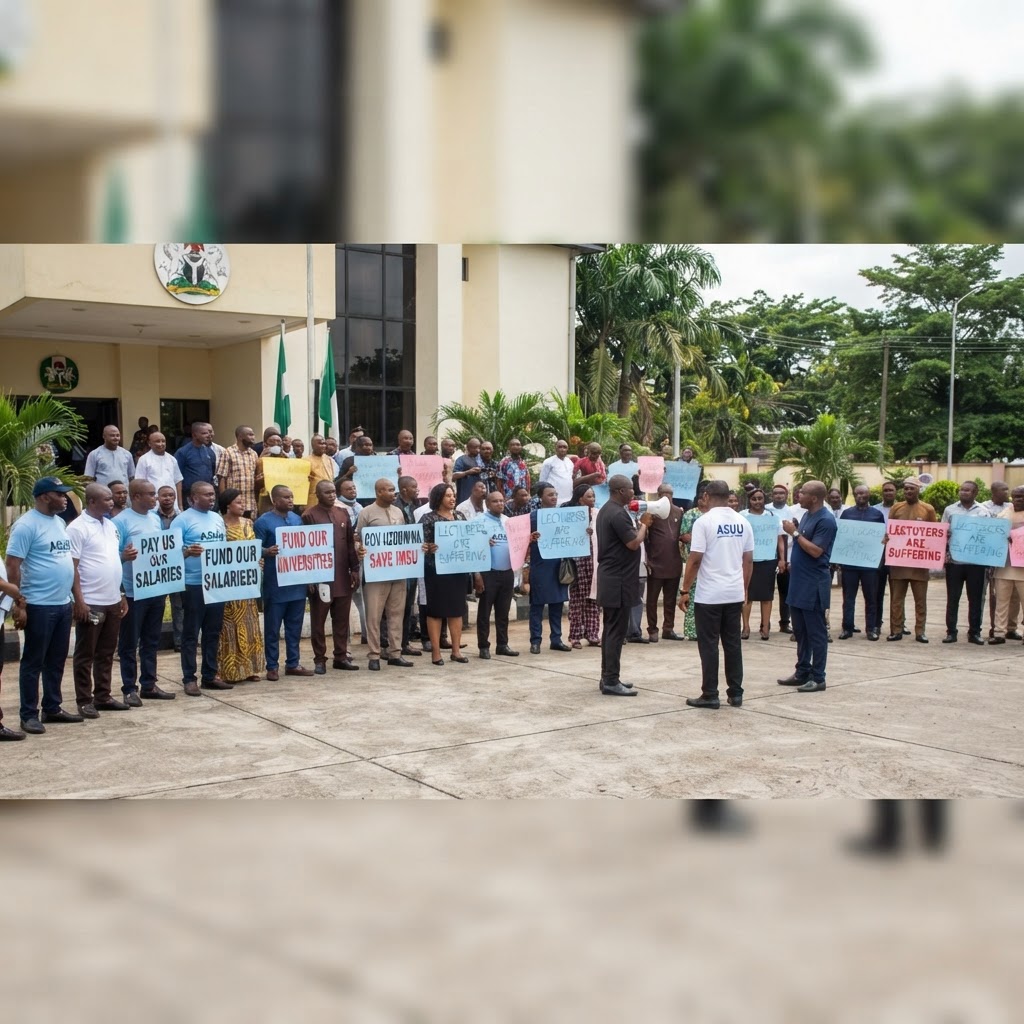
IMSU Lecturers Protest in Owerri, Appeal to Uzodimma to End
The streets of Owerri turned into a sea of white lab coats and placards this week. Hundreds of university lecturers walked out of their offices, choosing protest over silence. The IMSU Lecturers Protest in Owerri, Appeal to Uzodimma to End Months-Long Strike has become a defining moment for Imo Stat...

JAMB Candidates Can Now Change Course and Institution Online
Admission season often brings long queues and costly transport for Nigerian families. That burden has just eased. JAMB candidates can now change their institutions and courses from home, as the board announces a new digital correction service, giving students and parents fresh control over their aca...
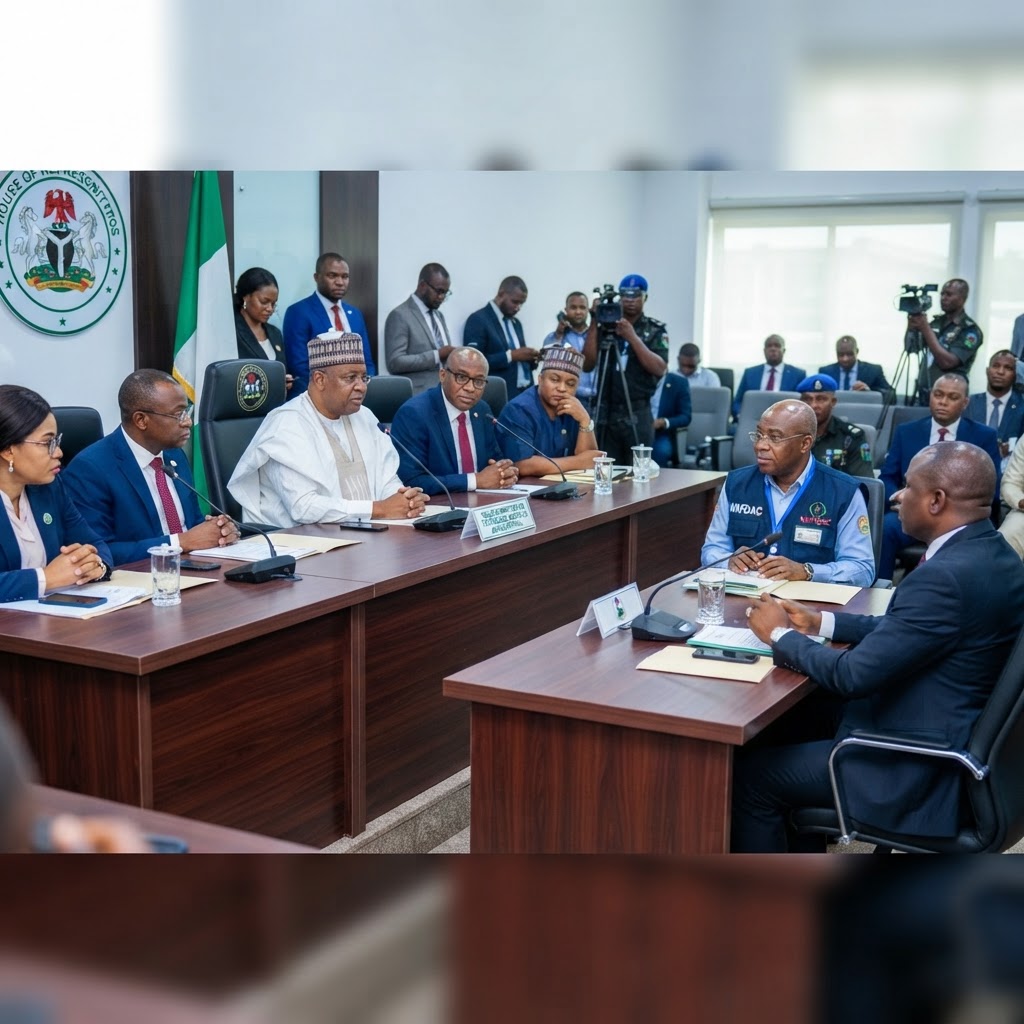
House Summons NAFDAC and DSS Over Fake Drug Deaths
Four people are dead, eleven more are fighting for their lives, and a federal lawmaker wants answers now. Fake Drug deaths linked to a suspicious herbal concoction have pushed the House of Representatives to move decisively, summoning NAFDAC and the DSS in a case that is no longer a distant headline...

Prevent Kidney Disease With Regular Health Checks
Kidney health rarely makes headlines until a crisis hits a family. Yet understanding Kidney Disease: Why Regular Health Checks Can Help Prevent Serious Complications can save lives, protect household income, and strengthen community wellbeing across Nigeria. Kidney Disease often develops quietly ove...

Budget-Friendly Healthy Meal Prepping for Nigerians
Modern Nigerian families face the dual pressure of rising food prices and the need for better health outcomes. Learning how Nigerian families can(/article/nigerian-family-guide-to-reversing-type-2-diabetes) use meal prepping with local ingredients to eat healthy on a tight budget is a vital skill fo...

Beyond Degrees: Bridging Nigeria's Digital Skills Gap
Nigeria's graduates are flooding the job market faster than employers can absorb them. Yet many arrive with certificates but no practical digital competence. This is the heart of Digital Skills and Youth Employment: Why Nigerian Graduates Need More Than University Certificates.—a gap that is reshapi...
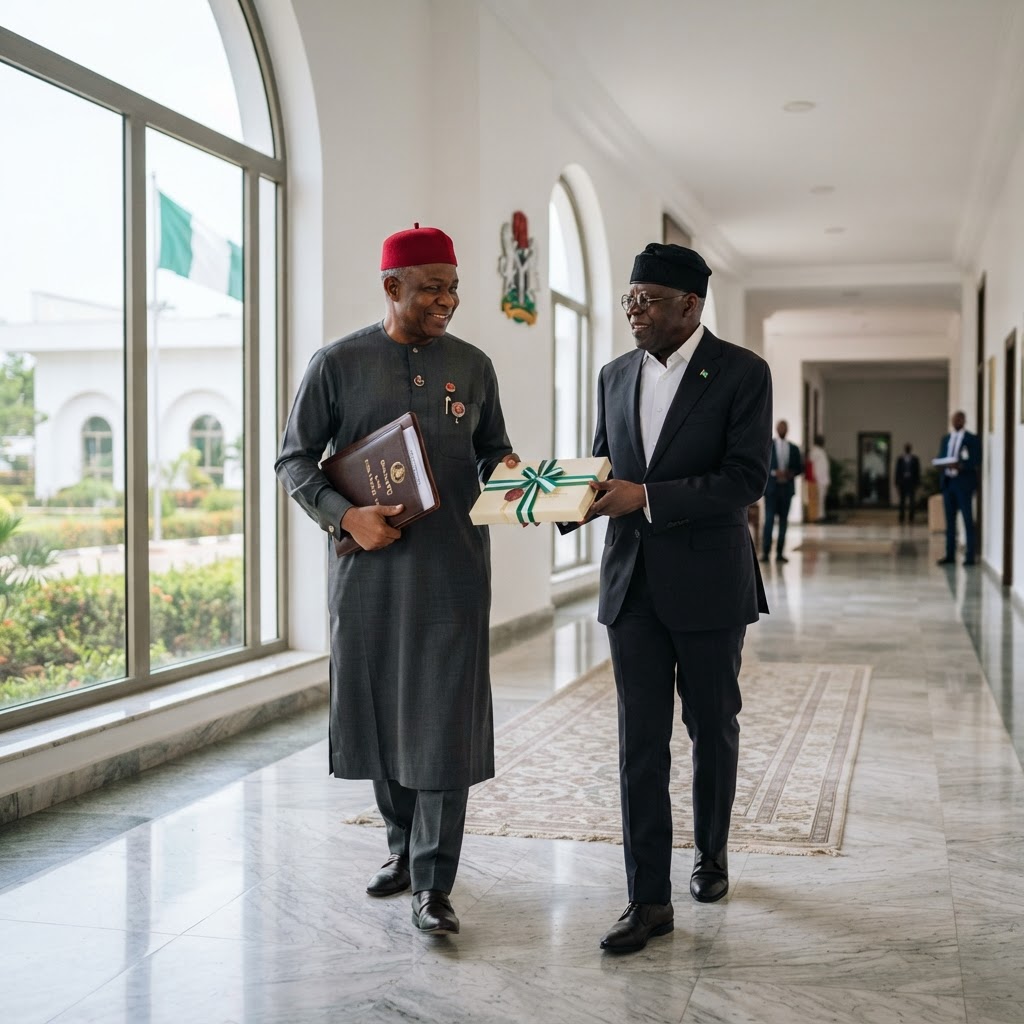
Senate Sends State Police Bill to Tinubu for Approval
Nigeria's security architecture is entering a new chapter. The headline development, State Police Bill: Senate Transmits Constitutional Amendment to Tinubu for Presidential Assent, signals a historic shift toward decentralized policing. For Nigerian families, entrepreneurs, and community leaders, th...
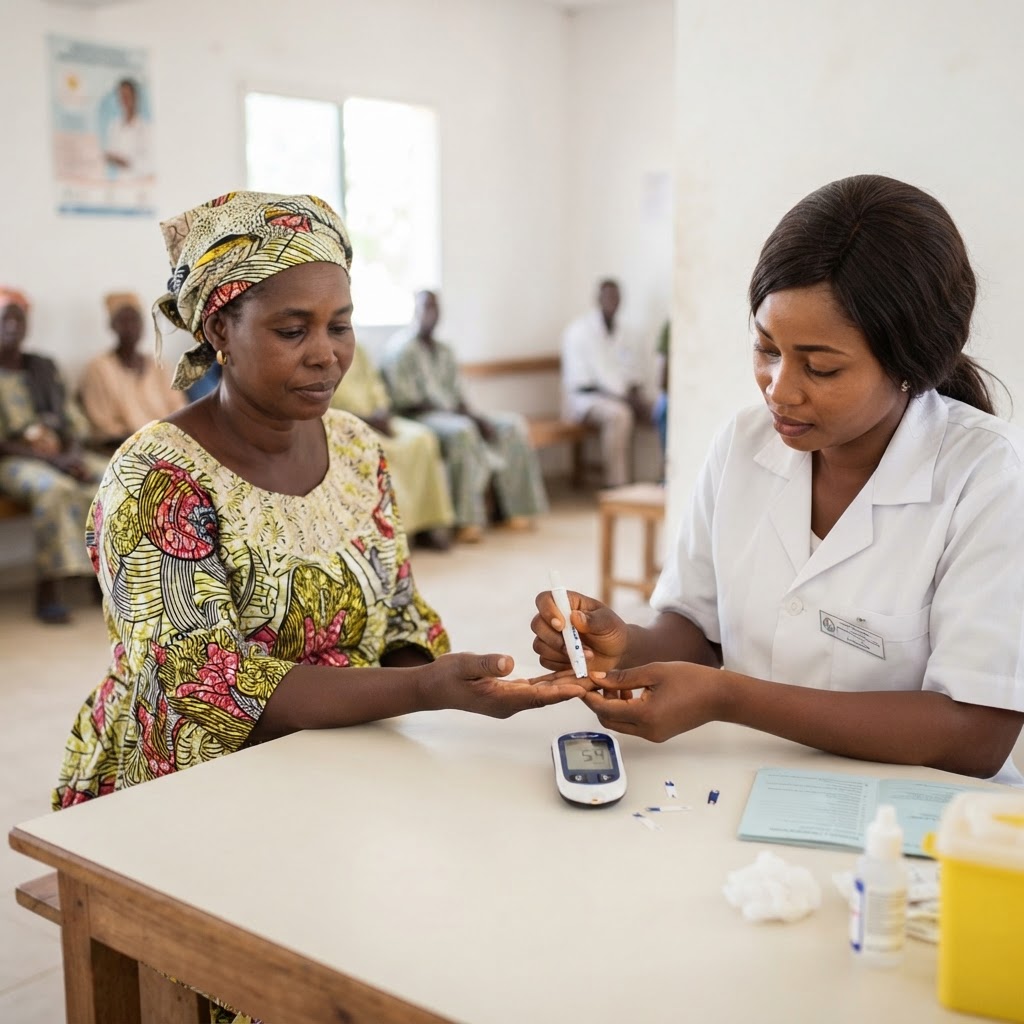
Diabetes in Africa: Why Routine Screening Is Vital
Imagine a disease that silently damages organs for years before anyone notices. That is the reality for millions living in Africa today. According to the latest report, Diabetes: Three Out of Four Africans Living With the Condition May Be Unaware – Why Screening Matters, and this gap in knowledge is...