Powered by Obi Mbieri Independent Media Ltd.
$1 = ₦1,353€1 = ₦1,486£1 = ₦1,775Amnesty: At Least 40 Killed in Taraba Village Attack
A community in northeastern Nigeria is reeling from unspeakable violence. Taraba Attack: Amnesty Reports at Least 40 Killed in Village Raid has become the headline defining a tragic weekend, as families search for missing loved ones and survivors count their losses. At least four dozen households ar...

A community in northeastern Nigeria is reeling from unspeakable violence. Taraba Attack: Amnesty Reports at Least 40 Killed in Village Raid has become the headline defining a tragic weekend, as families search for missing loved ones and survivors count their losses. At least four dozen households are now grappling with the immediate aftermath, even as the full scope of the tragedy continues to emerge.
This is more than a news story. It is a call for Nigerians everywhere—at home and in the diaspora—to understand what happened, why it happened, and how we move forward together.
What Happened in Binnari Village?
On October 23, 2026, gunmen stormed Binnari village in the Karim Lamido area of Taraba State. The attackers arrived shortly after Friday afternoon prayers, catching residents off guard during a time typically marked by calm.
Witnesses described armed men riding motorcycles into the community in coordinated waves. The assault lasted nearly four hours, according to Reuters reporting on the incident. That is an extraordinary length of time for an attack to go unchecked in a rural setting, and it raises urgent questions about how at least one coordinated assault of this magnitude could unfold without a faster security response.
During the rampage, homes were set ablaze. Shops were looted and destroyed. Motorcycles, often a family's only means of transportation or income, were burned where they stood.
Food supplies stored for the dry season were carried away or scattered. For many farming families, this represents more than property loss. It threatens their survival in the months ahead, with at least several dozen households now facing the prospect of rebuilding from almost nothing.
The scale of destruction left Binnari almost unrecognizable within hours. Entire sections of the village reportedly went up in flames, forcing residents to flee into surrounding bushland for safety. Some survivors spent the night hiding among trees and shrubs, unsure whether it was safe to return even after the gunfire subsided.
What Is the Current Death Toll?
Early reports from local police placed the number of confirmed deaths at 10. That figure, however, has since been dramatically revised upward.
Amnesty International later confirmed that at least 40 people were killed in the raid, according to the same Reuters account. The organization's figure reflects bodies recovered as search teams combed nearby bushland on Saturday, a day after the attack. That at least 40 figure has since become the widely cited benchmark for understanding the severity of what occurred in Binnari.
This gap between the initial police count and the Amnesty figure is not unusual in rural attacks. Victims often flee into dense bush, where bodies are discovered days later. Communication breakdowns between villages and government offices also delay accurate reporting, meaning the at least 40 toll currently reported may still be far from final.
Some local eyewitnesses and non-governmental groups operating in the area suggest the toll could climb as high as 50. The uncertainty highlights a broader problem: rural Nigeria often lacks the infrastructure for rapid, accurate casualty verification. Even now, officials caution that at least some of the missing residents have yet to be accounted for, leaving open the grim possibility that the final number will exceed current estimates.
Key figures from the unfolding tragedy include:
- Initial police-confirmed deaths: 10
- Amnesty International's verified toll: at least 40
- Local estimates from eyewitnesses: up to 50
- Duration of the attack: approximately four hours
Search operations were still ongoing as of this writing. Families continue to wait for confirmation on missing relatives, a painful limbo that compounds their grief. Community leaders have asked search teams to treat the at least 40 confirmed deaths as a starting point rather than a final accounting, urging continued efforts in the surrounding bushland.
Why Are Rural Communities Vulnerable?
Attacks like the one in Binnari are not isolated events. Northern Nigeria has experienced a steady rise in violence from armed criminal groups commonly referred to as "bandits."
These groups typically operate from forest enclaves, striking villages with speed and retreating before security forces can respond. Their targets are often chosen for weak security coverage rather than any specific political motive. In many of these raids, attackers appear to study patrol schedules in advance, striking during the narrow windows when at least one layer of local security is absent or stretched thin elsewhere.
The economic damage from these raids extends far beyond the immediate violence. When crops are looted and livestock stolen, entire farming seasons can be wiped out. Food security for thousands of rural households becomes uncertain almost overnight.
This pattern echoes concerns raised in other recent security incidents across Nigeria, including the case covered in Five Arrested After Abducted NYSC Members Rescued, where young professionals were targeted far from urban protection. In both cases, the common thread is a security gap that criminal groups are quick to exploit.
Livestock theft, kidnappings for ransom, and the destruction of local markets have become recurring features of rural insecurity. Human Rights Watch has documented similar patterns of violence against civilians in its reporting on Nigeria's security crisis, noting that armed groups frequently exploit gaps in state presence. Their findings suggest that at least some of these attacks could be prevented with earlier intervention and better intelligence-sharing between communities and security agencies.
For many families, the fear is no longer hypothetical. It is a lived reality that shapes decisions about farming, travel, and even where children can safely attend school. Parents in Binnari and neighboring villages now describe a constant, low-grade anxiety that colors even routine daily tasks.
How Can We Strengthen Community Safety?
Preventing another tragedy like Binnari requires more than reactive policing. Nigeria needs a proactive security presence capable of reaching remote villages before violence erupts, not only after.
Featured Products
Reverse Type 2 Diabetes & other associated Metabolic Issues using Dr. Jason Fung's Evidence-Based Approach— FMD program for Type 2 Diabetes
A practical fasting and fasting-mimicking programme built on Dr Jason Fung's insulin-resistance principles and ow-glycemic recipes.
₦19,950
Join NowChukwu Abiama Tee
Bold black-and-gold Igbo-pride T-shirt featuring 'Chukwu Abiama' in premium streetwear typography.
₦15,000
Buy NowỤmụ Igbo Tee
Classic black T-shirt with bold white 'Ụmụ Igbo' typography — a proud statement of Igbo heritage.
₦15,000
Buy NowNwanne Tee
Washed khaki vintage tee with a faded rust-orange 'Nwanne' stamp badge and palm leaf motif — a nod to kinship and heritage.
₦18,000
Buy NowObodo Tee
Faded denim-blue washed tee with a cream 'Obodo' stamp badge and sun motif, celebrating community roots.
₦18,000
Buy NowEkwe Heritage Tee
Deep indigo tee featuring a fine line-art illustration of a traditional Igbo ekwe drum, inspired by Igbo-Ukwu bronze artistry.
₦18,000
Buy NowIkenga Figure Tee
Forest green tee with a fine line-art illustration of a stylized Ikenga figure.
₦18,000
Buy NowThis is where discussions around decentralized policing become relevant. Proposals such as those outlined in State Police Bill Stalls After Limited Assembly Support reflect a growing national conversation about localized security structures. Advocates argue that even a modest increase in local policing capacity could ensure at least a faster initial response the next time an armed group targets a remote community.
Similarly, Imo Assembly Backs Constitutional Amendment for State Police shows that some state legislatures are already pushing for structural reform. Rural communities in Taraba and similar states may benefit from comparable frameworks that place security closer to the people they protect.
Strong early warning systems also matter. Community leaders often notice unusual movement or suspicious activity before an attack occurs. Clear communication channels between traditional rulers, village heads, and state security agencies could reduce response times significantly, ensuring that at least some warning reaches nearby security outposts before an assault fully unfolds.
Accountability remains central to this conversation. Human rights organizations, including Amnesty International, have repeatedly called on the Nigerian government to protect the sanctity of life in vulnerable regions. Investigations into failures that allowed a four-hour attack to proceed unchecked are essential for restoring public trust. At the very least, affected families deserve a transparent account of why reinforcements did not arrive sooner.
Security experts generally agree that three elements improve rural protection:
- Rapid-response units stationed closer to high-risk zones
- Trained community volunteers working alongside formal security agencies
- Transparent reporting systems that track incidents in real time
Without these structural improvements, similar attacks will likely continue. Analysts note that even implementing at least one of these measures consistently across high-risk states could meaningfully reduce casualty counts in future incidents.
It is also worth noting that security gaps are not unique to rural violence alone. Infrastructure failures, as seen in Lagos Building Collapse Kills One, Injures Three, reflect a broader national pattern where oversight and rapid response systems often fall short, whether the threat comes from armed groups or structural neglect.
How Do We Support Affected Families?
Beyond security reform, immediate humanitarian support remains urgent. Survivors of the Binnari attack have lost homes, food stores, and in many cases, family members.
Community members across Nigeria and in the diaspora can contribute directly to relief efforts. Donations of food, clothing, and emergency shelter materials make an immediate difference for displaced families. Even a modest contribution can help ensure at least basic shelter and nutrition for families who lost everything in the raid.
Local organizations and NGOs play a critical role in coordinating this support. Groups with on-the-ground presence can distribute aid efficiently, avoiding duplication and ensuring resources reach the most affected households first. Platforms like UNICEF Nigeria often step in during crises involving displaced children and families, offering both material and psychological support.
Mental health care deserves equal attention. Survivors of violent attacks frequently experience trauma, anxiety, and grief long after the physical damage is addressed. Community-based counseling, even informal peer support groups, can help families process what happened. Experts recommend that survivors receive at least a few sessions of structured support in the weeks immediately following an attack, as this period is often when trauma responses are most acute.
This mirrors broader lessons from past emergencies covered on this platform, such as Nigeria Confirms Ebola Case in Abuja, 44 Contacts Identified, where coordinated response and clear communication proved essential to managing a crisis. Similarly, administrative systems like the one highlighted in Civil Defence and Immigration Portal Reopens October 28 show how functioning government infrastructure can support crisis response when properly maintained.
Solidarity matters here. When neighboring communities, churches, mosques, and diaspora networks rally together, recovery accelerates. Collective care is not charity alone; it is an expression of shared identity and responsibility. Even small, localized efforts—offering at least temporary shelter to a displaced neighbor, for instance—can make a meaningful difference during the earliest and most chaotic days of recovery.
What Is the Path to Peace?
Long-term peace requires more than emergency response. It demands addressing the root causes that allow banditry to thrive in the first place.
Poverty, unemployment, and limited access to education create conditions where armed groups can recruit and operate with relative ease. Addressing these socioeconomic roots is just as important as improving security infrastructure. Programs that offer young people in rural areas at least a viable alternative to criminal recruitment can disrupt the cycle before it starts, something organizations like KoboTutor attempt to address through educational investment.
This is where Eziokwubundu's "Traditional Values, Modern Progress" philosophy becomes especially relevant. Strong community cohesion, rooted in traditional leadership structures, has historically helped Nigerian villages organize collective defense and mutual support. Modern tools, including better communication networks and coordinated local governance, can strengthen that foundation rather than replace it.
A holistic approach matters here. Infrastructure investment, skills training for rural youth, and stronger local economies reduce the appeal of criminal recruitment. These efforts align with broader national conversations, including labor advocacy highlighted in NLC Maintains Two-Week Ultimatum to FG Over Petrol Prices, where economic pressure points directly affect community stability. Similarly, local accountability efforts such as those described in Police Arrest Suspect Over Cult-Related Killing in Owerri demonstrate that even incremental enforcement successes can help rebuild public trust in security institutions over time.
Ultimately, individual prosperity cannot exist without collective safety. A thriving business, a healthy family, or a prosperous future means little if communities remain vulnerable to sudden violence. This is the core truth behind Eziokwubundu's mission: health, wealth, and community are inseparable.
Interestingly, Nigeria's broader security and conservation challenges sometimes intersect in unexpected ways. Even in discussions far removed from banditry, such as Why Africa's Tiny Ants Are Targeted for Wildlife Trade, the underlying theme remains the same: when oversight and enforcement are weak, exploitation of all kinds tends to follow. Strengthening institutional capacity in one area often has ripple effects that improve resilience in others.
As search efforts continue in Binnari and the true toll becomes clearer, Nigerians everywhere are reminded of a shared responsibility. At least some measure of justice and accountability must follow this tragedy if trust in rural security is to be rebuilt. Supporting survivors, demanding accountability, and investing in community resilience are not separate tasks. They are one continuous effort toward a safer, more prosperous Nigeria for everyone. Even as the exact number of victims remains under review, the at least 40 confirmed deaths stand as a sobering reminder of how much work remains to protect Nigeria's most vulnerable communities.
Stay Informed
Get New Articles in Your Inbox
Subscribe to receive the latest community development, health, and wealth insights from Eziokwubundu.
Newsletter
Practical insights on health, wealth, and community — delivered weekly.
Community Discussion(0)
Leave a Comment
More to Read
You May Also Like

Obi-Mbieri Mourns Engr. Vitalis Opara: Questions Emerge Over Community’s Silence
Engr. Vitalis Opara is identified as President General on the signature page of the Obi-Mbieri Autonomous Community Constitution 2020 as amended.

Where Should a Traditional Prime Minister Conduct His Official Duties? Must Every Daily Activity Take Place at the Eze's Palace?
An examination of traditional Igbo governance, the Obi-Mbieri Autonomous Community Constitution 2020, as amended, and the wider implications.
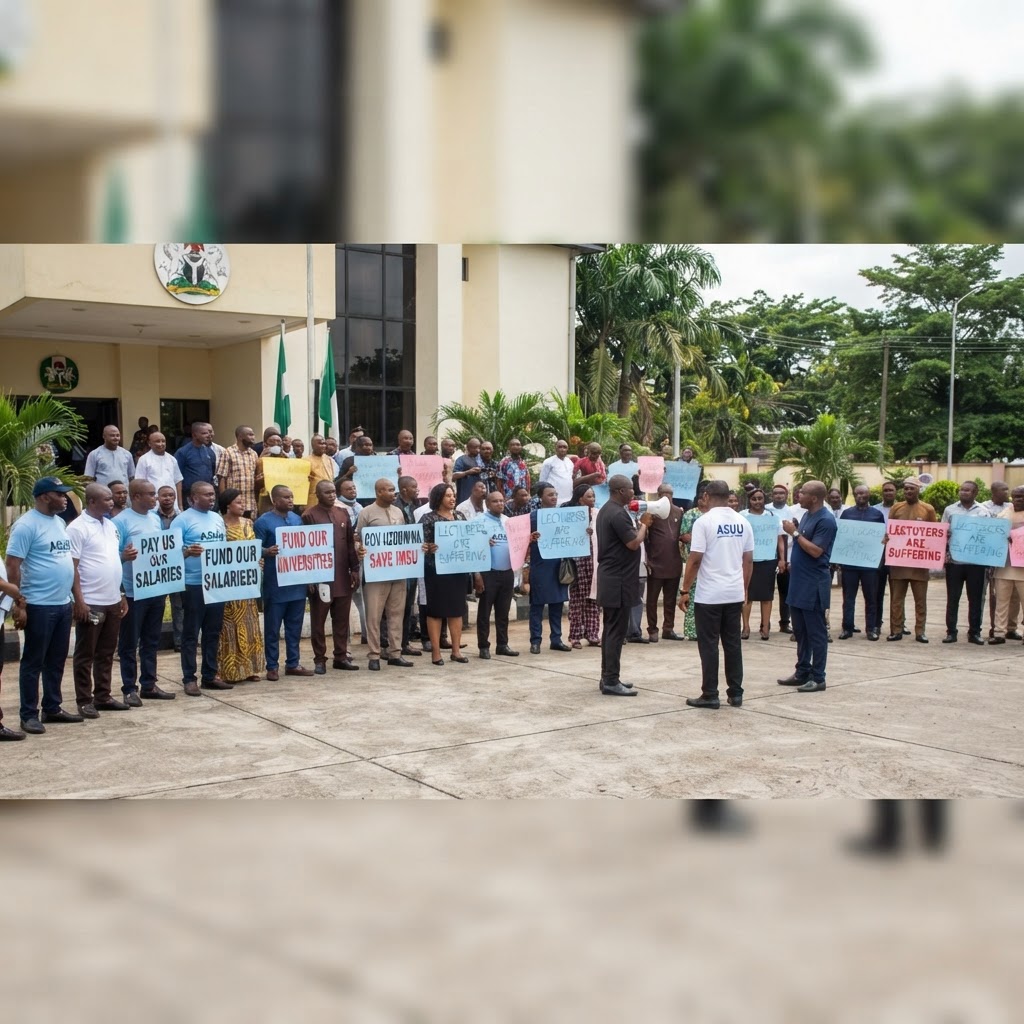
IMSU Lecturers Protest in Owerri, Appeal to Uzodimma to End
The streets of Owerri turned into a sea of white lab coats and placards this week. Hundreds of university lecturers walked out of their offices, choosing protest over silence. The IMSU Lecturers Protest in Owerri, Appeal to Uzodimma to End Months-Long Strike has become a defining moment for Imo Stat...

JAMB Candidates Can Now Change Course and Institution Online
Admission season often brings long queues and costly transport for Nigerian families. That burden has just eased. JAMB candidates can now change their institutions and courses from home, as the board announces a new digital correction service, giving students and parents fresh control over their aca...

House Summons NAFDAC and DSS Over Fake Drug Deaths
Four people are dead, eleven more are fighting for their lives, and a federal lawmaker wants answers now. Fake Drug deaths linked to a suspicious herbal concoction have pushed the House of Representatives to move decisively, summoning NAFDAC and the DSS in a case that is no longer a distant headline...

Prevent Kidney Disease With Regular Health Checks
Kidney health rarely makes headlines until a crisis hits a family. Yet understanding Kidney Disease: Why Regular Health Checks Can Help Prevent Serious Complications can save lives, protect household income, and strengthen community wellbeing across Nigeria. Kidney Disease often develops quietly ove...

Budget-Friendly Healthy Meal Prepping for Nigerians
Modern Nigerian families face the dual pressure of rising food prices and the need for better health outcomes. Learning how Nigerian families can(/article/nigerian-family-guide-to-reversing-type-2-diabetes) use meal prepping with local ingredients to eat healthy on a tight budget is a vital skill fo...

Beyond Degrees: Bridging Nigeria's Digital Skills Gap
Nigeria's graduates are flooding the job market faster than employers can absorb them. Yet many arrive with certificates but no practical digital competence. This is the heart of Digital Skills and Youth Employment: Why Nigerian Graduates Need More Than University Certificates.—a gap that is reshapi...

Senate Sends State Police Bill to Tinubu for Approval
Nigeria's security architecture is entering a new chapter. The headline development, State Police Bill: Senate Transmits Constitutional Amendment to Tinubu for Presidential Assent, signals a historic shift toward decentralized policing. For Nigerian families, entrepreneurs, and community leaders, th...
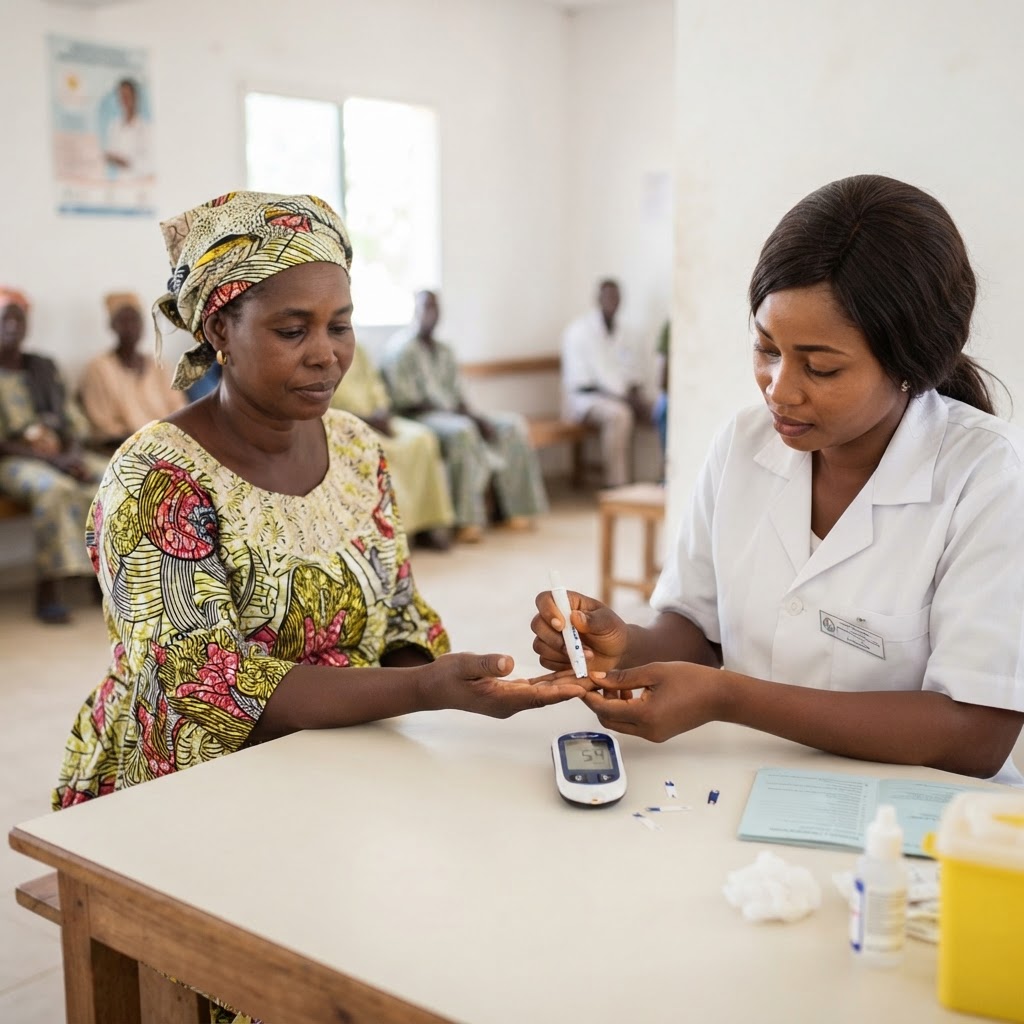
Diabetes in Africa: Why Routine Screening Is Vital
Imagine a disease that silently damages organs for years before anyone notices. That is the reality for millions living in Africa today. According to the latest report, Diabetes: Three Out of Four Africans Living With the Condition May Be Unaware – Why Screening Matters, and this gap in knowledge is...