Powered by Obi Mbieri Independent Media Ltd.
$1 = ₦1,353€1 = ₦1,486£1 = ₦1,775Nigeria Confirms Ebola Case in Abuja, 44 Contacts Identified
Health scares test more than hospitals—they test how well a community trusts information and acts on it. In October 2026, Nigeria Confirms Ebola Case in Abuja, 44 Contacts Identified, and the news has understandably unsettled families across the country. The confirmation of an Ebola case in Abuja ha...
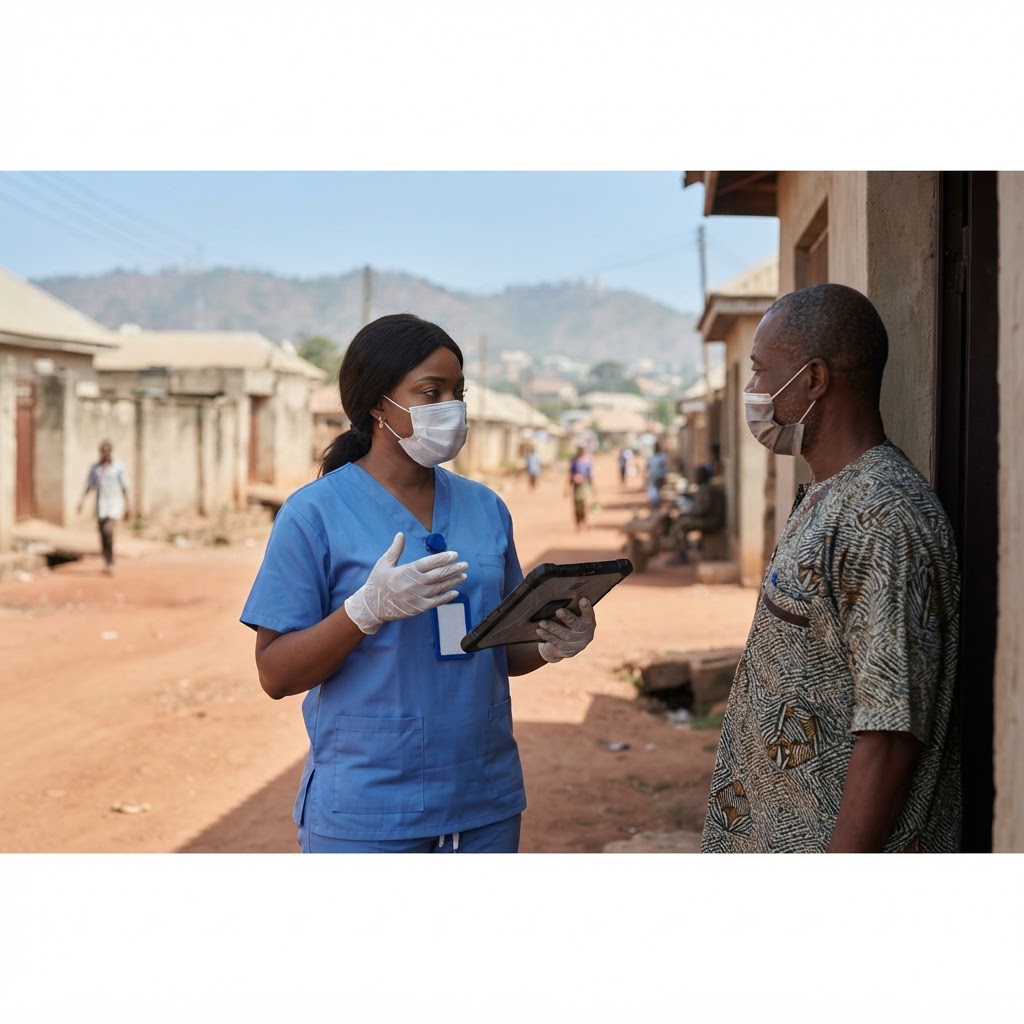
Health scares test more than hospitals—they test how well a community trusts information and acts on it. In October 2026, Nigeria Confirms Ebola Case in Abuja, 44 Contacts Identified, and the news has understandably unsettled families across the country. The confirmation of an Ebola case in Abuja has triggered immediate national attention, prompting health officials, hospitals, and everyday citizens to revisit emergency protocols that have not been activated at this scale in more than a decade. This article breaks down what happened, what it means, and how Nigerian households can respond with calm, informed action.
What Happened in Abuja?
Nigeria confirmed its first case of Ebola Bundibugyo virus disease in more than a decade on October 20, 2026. The announcement came from national health authorities after laboratory tests confirmed the diagnosis. According to Reuters, the patient is a woman who traveled to Nigeria from Uganda. She arrived on October 5, routing through Addis Ababa before reaching Abuja.
Her symptoms reportedly began on October 7, just two days after arrival. By October 11, her condition had worsened enough that she sought treatment at a private medical facility in Abuja. This timeline matters because it shows how quickly symptoms can appear after exposure, and it highlights why the detection of this single case in Abuja is being treated as a significant public health event rather than a routine clinical matter.
Health officials moved swiftly once the diagnosis was confirmed. They activated emergency response protocols designed to contain viral hemorrhagic fevers. The case marks Nigeria's reentry into a list of African nations managing active Ebola transmission, and it places the spotlight squarely on the handling of a confirmed case in Abuja, a city that also serves as the seat of federal government and a major transit hub for domestic and international travelers.
For many Nigerian families, this news triggers memories of 2014, when the country faced its first major Ebola scare. That outbreak was eventually contained through coordinated public health action. The current case is being treated with similar urgency, though officials stress that one confirmed case does not equal an uncontrolled outbreak. The situation in Abuja is being closely compared to the 2014 response, with health authorities keen to demonstrate that lessons learned then are being applied now.
Understanding this timeline helps families separate fact from fear. Early detection, rapid isolation, and transparent communication are the first defenses against wider spread. These are the same principles that guided Nigeria's earlier success against Ebola, and they remain the foundation of the current containment strategy unfolding in Abuja.
How Is Contact Tracing Managed?
Contact tracing is now central to Nigeria's response. Health authorities have identified 44 individuals who had direct contact with the patient in Abuja. Many of these contacts are healthcare workers who treated her before the diagnosis was confirmed.
This detail is significant. Healthcare workers often face the highest exposure risk during the early, undiagnosed stages of an infectious disease. Protecting them protects the entire health system's capacity to respond, and it ensures that hospitals in Abuja remain operational and trusted during a period of heightened public anxiety.
Nigeria's Health Minister, Muhammad Pate, has publicly confirmed that the government is actively monitoring all identified contacts. Officials are tracking symptoms daily and testing where necessary. This approach mirrors internationally recommended contact-tracing methodology used during past Ebola responses in West Africa, and it is being implemented with particular precision given the high population density in Abuja.
The patient herself remains in isolation, receiving dedicated medical care. Investigators are working to reconstruct her full travel and exposure history. This includes checking flight manifests, hotel records, and any public spaces she may have visited in Abuja. Officials are also cross-referencing her movements with transportation records to determine whether she had contact with drivers, hotel staff, or other travelers while in Abuja.
Several priorities are guiding this phase of the response:
- Daily symptom monitoring for all 44 contacts.
- Rapid isolation of anyone showing early warning signs.
- Clear communication between hospitals and the Nigeria Centre for Disease Control.
- Protective equipment supply checks for frontline health workers.
- Coordination between federal and territorial health authorities operating in Abuja.
This structured process reflects lessons learned from Nigeria's 2014 experience, when fast contact tracing helped prevent a wider national outbreak. Much like the swift multi-agency coordination seen in the Five Arrested After Abducted NYSC Members Rescued case, this response depends on rapid information sharing between security, health, and administrative bodies to succeed.
What Is the Ebola Bundibugyo Virus?
This specific case involves the Bundibugyo strain of the Ebola virus. It is one of several known Ebola virus species, alongside Zaire and Sudan strains. Bundibugyo was first identified in Uganda in 2007 and has historically shown a somewhat lower fatality rate than the Zaire strain, though it remains highly dangerous.
According to the World Health Organization, Ebola spreads through direct contact with bodily fluids of infected individuals. It is not airborne. This distinction matters for public understanding, since fear often outpaces facts during outbreaks, and misunderstanding this point has already caused unnecessary alarm among residents reacting to the confirmed case in Abuja.
This Nigerian case is part of a broader regional outbreak. Since May 2026, the Bundibugyo strain has affected four other African countries before reaching Nigeria. Health officials are watching regional travel patterns closely as a result, particularly flights and road routes connecting neighboring countries to Abuja, given its role as a major entry point into the country.
Common early symptoms include fever, fatigue, muscle pain, and headache. As the disease progresses, it can cause vomiting, diarrhea, and in severe cases, internal and external bleeding. The incubation period typically ranges from 2 to 21 days, meaning health authorities must continue monitoring contacts in Abuja for several weeks before declaring the situation fully resolved.
Community awareness of these symptoms supports early detection. The Africa CDC emphasizes that early reporting dramatically improves survival outcomes. Families who understand these warning signs can seek help faster, reducing both personal risk and community spread, a principle that is especially relevant for residents living and working in Abuja during this period of heightened surveillance.
Featured Products
Reverse Type 2 Diabetes & other associated Metabolic Issues using Dr. Jason Fung's Evidence-Based Approach— FMD program for Type 2 Diabetes
A practical fasting and fasting-mimicking programme built on Dr Jason Fung's insulin-resistance principles and ow-glycemic recipes.
₦19,950
Join NowChukwu Abiama Tee
Bold black-and-gold Igbo-pride T-shirt featuring 'Chukwu Abiama' in premium streetwear typography.
₦15,000
Buy NowỤmụ Igbo Tee
Classic black T-shirt with bold white 'Ụmụ Igbo' typography — a proud statement of Igbo heritage.
₦15,000
Buy NowNwanne Tee
Washed khaki vintage tee with a faded rust-orange 'Nwanne' stamp badge and palm leaf motif — a nod to kinship and heritage.
₦18,000
Buy NowObodo Tee
Faded denim-blue washed tee with a cream 'Obodo' stamp badge and sun motif, celebrating community roots.
₦18,000
Buy NowEkwe Heritage Tee
Deep indigo tee featuring a fine line-art illustration of a traditional Igbo ekwe drum, inspired by Igbo-Ukwu bronze artistry.
₦18,000
Buy NowIkenga Figure Tee
Forest green tee with a fine line-art illustration of a stylized Ikenga figure.
₦18,000
Buy NowCan Nigeria Contain This Outbreak?
Nigeria has faced this challenge before. In 2014, the country successfully contained an Ebola outbreak that many feared could spiral out of control. That response is still studied globally as a public health success story.
The Nigeria Centre for Disease Control has built on that experience over the past decade. The agency now has established isolation protocols, trained rapid-response teams, and improved laboratory testing capacity across major cities, including Abuja, where specialized isolation wards and diagnostic laboratories have been strengthened precisely for scenarios like this one.
The World Health Organization is also actively supporting Nigerian authorities. This support includes case investigation assistance, infection control guidance, and technical resources for frontline health workers. Such partnerships strengthen Nigeria's capacity to respond quickly and accurately, reinforcing confidence that the containment effort in Abuja is backed by both domestic expertise and international technical support.
Government officials have publicly emphasized that all necessary protocols are being followed. This includes isolation procedures, protective equipment distribution, and transparent public communication. Health Minister Pate's active involvement signals that this response is being treated with top-level priority, with regular briefings keeping residents in Abuja and across the country informed of new developments.
Confidence in containment does not mean complacency. Continued vigilance remains essential. Just as communities have watched developments like the State Police Bill Stalls After Limited Assembly Support, public health governance also requires sustained institutional follow-through to succeed long-term. The same scrutiny applied to legislative processes, as seen in the related coverage of the State Police Bill Stalls After Limited Assembly Approval, should be applied to monitoring how effectively health institutions manage this case in Abuja over the coming weeks.
Nigeria's combination of prior experience, international support, and active government engagement provides a reasonable basis for cautious optimism. The coming weeks will be critical in determining how effectively this single case is contained, and whether the systems built since 2014 can prevent further transmission beyond the initial contacts identified in Abuja.
How Can Families Stay Safe?
Protecting your household starts with simple, consistent habits. Maintaining high standards of personal hygiene remains one of the most effective defenses against infectious disease transmission generally. This includes regular handwashing and avoiding contact with unknown bodily fluids.
Families should report any unexplained symptoms to local health facilities immediately. Early reporting allows for faster testing and isolation if needed. Delays in seeking care can increase both personal risk and community exposure, particularly for households located near health facilities currently managing monitored contacts in Abuja.
It is equally important to rely on official updates rather than unverified social media reports. The Nigeria Centre for Disease Control remains the most trustworthy source for real-time information on this case. Misinformation during health emergencies can cause unnecessary panic or, worse, dangerous complacency, and residents in Abuja are being specifically encouraged to verify any viral claims before sharing them.
Community vigilance plays a critical supporting role. Consider these practical steps for households and local organizations:
- Verify health news through NCDC or WHO channels before sharing.
- Support local health workers with patience and cooperation during monitoring.
- Encourage symptomatic neighbors to seek care rather than self-treat.
- Keep emergency health facility contacts readily accessible at home.
- Stay updated on any additional guidance issued specifically for residents in Abuja.
These actions are small individually but powerful collectively. Just as communities have mobilized around safety concerns highlighted in FUTO Partners With Police to Boost Campus Security, coordinated public health vigilance similarly strengthens outcomes across entire neighborhoods, including those in Abuja currently adjusting daily routines in light of the outbreak response.
Why Does Community Action Matter?
Individual health choices ripple outward. Every family that practices good hygiene and reports symptoms early contributes to the broader safety of Nigerian neighborhoods and the national economy. Health and economic stability are deeply connected, especially during outbreak periods, and the economic activity concentrated in Abuja makes a calm, well-managed response there especially important for the wider country.
Building a resilient community requires proactive education paired with trust in evidence-based medical guidance. This is central to Eziokwubundu's mission of bridging health, wealth, and community development into one holistic framework. A healthy community is better positioned to pursue economic opportunity without disruption, whether that community is based in Abuja or in any other Nigerian city watching how this case unfolds.
This moment also offers a chance to strengthen local information networks. Just as cultural initiatives like Umuahii Day: Preserving Our Heritage, Rekindling Otu Obi reinforce community bonds through shared tradition, public health cooperation reinforces those same bonds through shared responsibility. Similarly, broader national concerns, such as those raised in NLC Maintains Two-Week Ultimatum to FG Over Petrol Prices, show how closely public trust in institutions and effective crisis response are linked across different sectors of national life.
Youth professionals, students, and entrepreneurs all have a role to play. Sharing verified information within family and work networks helps counter panic-driven rumors. Community leaders can help by hosting brief awareness sessions using NCDC-verified materials, particularly in densely populated districts in Abuja where contact with the public is frequent.
Education initiatives can also play a quiet but important role in long-term resilience. Programs like the KoboTutor Announces ₦2.5 Million University Scholarships remind us that investing in young people's futures and investing in public health awareness are not separate goals—they both strengthen the foundation of a stable, informed society capable of responding to crises, whether health-related or otherwise.
Staying informed and calm protects both individual families and the nation's broader stability. As Nigeria continues monitoring this case, collective vigilance, grounded in facts rather than fear, remains the most powerful tool available. By choosing accurate information over speculation, every Nigerian household—whether based in Abuja or elsewhere—contributes to a safer, stronger national response.
Stay Informed
Get New Articles in Your Inbox
Subscribe to receive the latest community development, health, and wealth insights from Eziokwubundu.
Newsletter
Practical insights on health, wealth, and community — delivered weekly.
Community Discussion(0)
Leave a Comment
More to Read
You May Also Like

Obi-Mbieri Mourns Engr. Vitalis Opara: Questions Emerge Over Community’s Silence
Engr. Vitalis Opara is identified as President General on the signature page of the Obi-Mbieri Autonomous Community Constitution 2020 as amended.
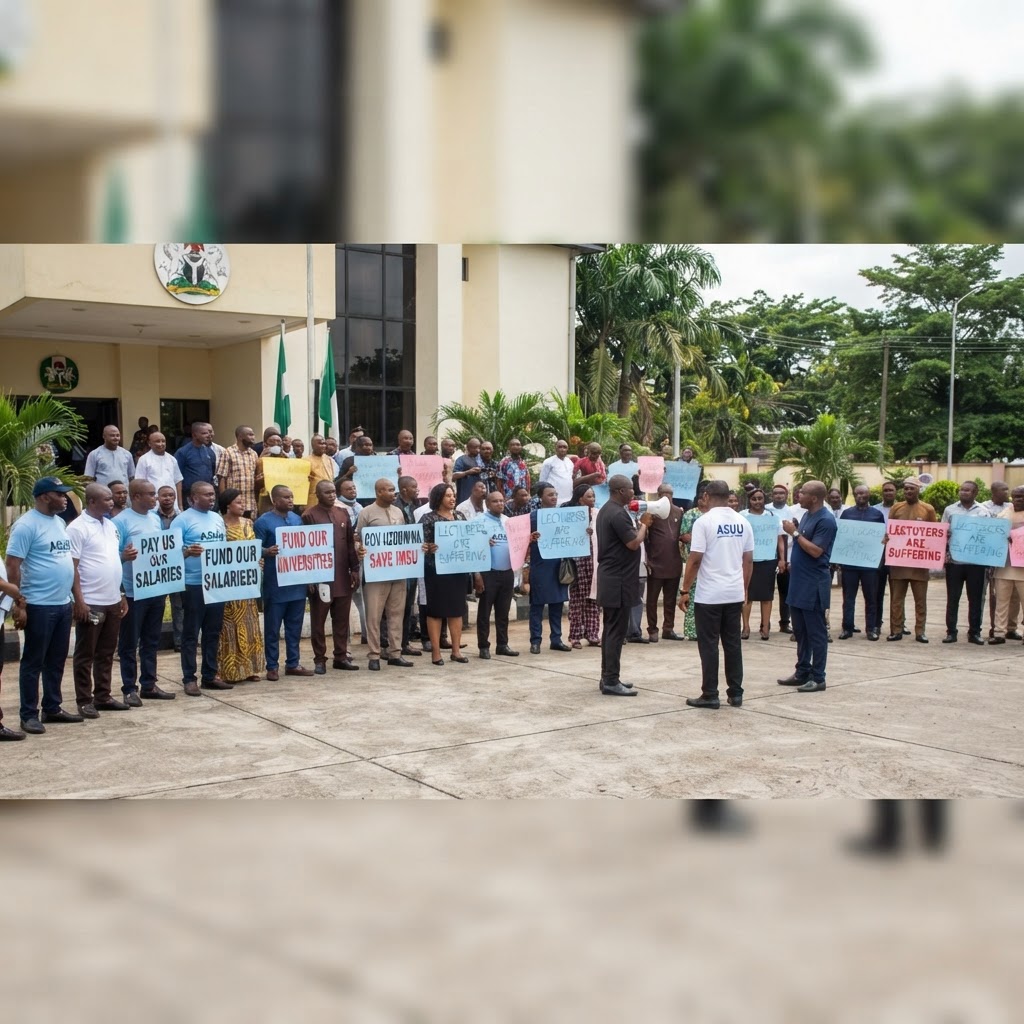
IMSU Lecturers Protest in Owerri, Appeal to Uzodimma to End
The streets of Owerri turned into a sea of white lab coats and placards this week. Hundreds of university lecturers walked out of their offices, choosing protest over silence. The IMSU Lecturers Protest in Owerri, Appeal to Uzodimma to End Months-Long Strike has become a defining moment for Imo Stat...

JAMB Candidates Can Now Change Course and Institution Online
Admission season often brings long queues and costly transport for Nigerian families. That burden has just eased. JAMB candidates can now change their institutions and courses from home, as the board announces a new digital correction service, giving students and parents fresh control over their aca...

House Summons NAFDAC and DSS Over Fake Drug Deaths
Four people are dead, eleven more are fighting for their lives, and a federal lawmaker wants answers now. Fake Drug deaths linked to a suspicious herbal concoction have pushed the House of Representatives to move decisively, summoning NAFDAC and the DSS in a case that is no longer a distant headline...

Prevent Kidney Disease With Regular Health Checks
Kidney health rarely makes headlines until a crisis hits a family. Yet understanding Kidney Disease: Why Regular Health Checks Can Help Prevent Serious Complications can save lives, protect household income, and strengthen community wellbeing across Nigeria. Kidney Disease often develops quietly ove...

Budget-Friendly Healthy Meal Prepping for Nigerians
Modern Nigerian families face the dual pressure of rising food prices and the need for better health outcomes. Learning how Nigerian families can(/article/nigerian-family-guide-to-reversing-type-2-diabetes) use meal prepping with local ingredients to eat healthy on a tight budget is a vital skill fo...

Beyond Degrees: Bridging Nigeria's Digital Skills Gap
Nigeria's graduates are flooding the job market faster than employers can absorb them. Yet many arrive with certificates but no practical digital competence. This is the heart of Digital Skills and Youth Employment: Why Nigerian Graduates Need More Than University Certificates.—a gap that is reshapi...

Senate Sends State Police Bill to Tinubu for Approval
Nigeria's security architecture is entering a new chapter. The headline development, State Police Bill: Senate Transmits Constitutional Amendment to Tinubu for Presidential Assent, signals a historic shift toward decentralized policing. For Nigerian families, entrepreneurs, and community leaders, th...
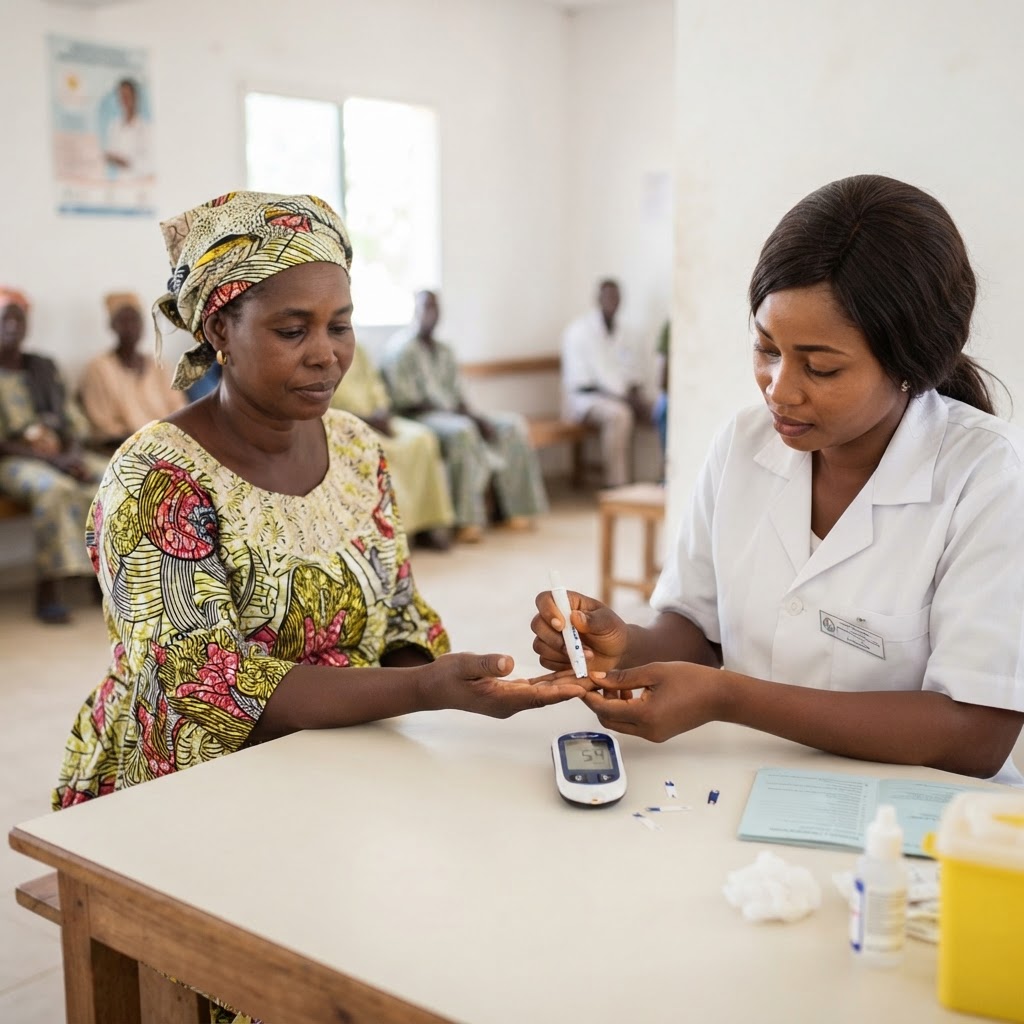
Diabetes in Africa: Why Routine Screening Is Vital
Imagine a disease that silently damages organs for years before anyone notices. That is the reality for millions living in Africa today. According to the latest report, Diabetes: Three Out of Four Africans Living With the Condition May Be Unaware – Why Screening Matters, and this gap in knowledge is...
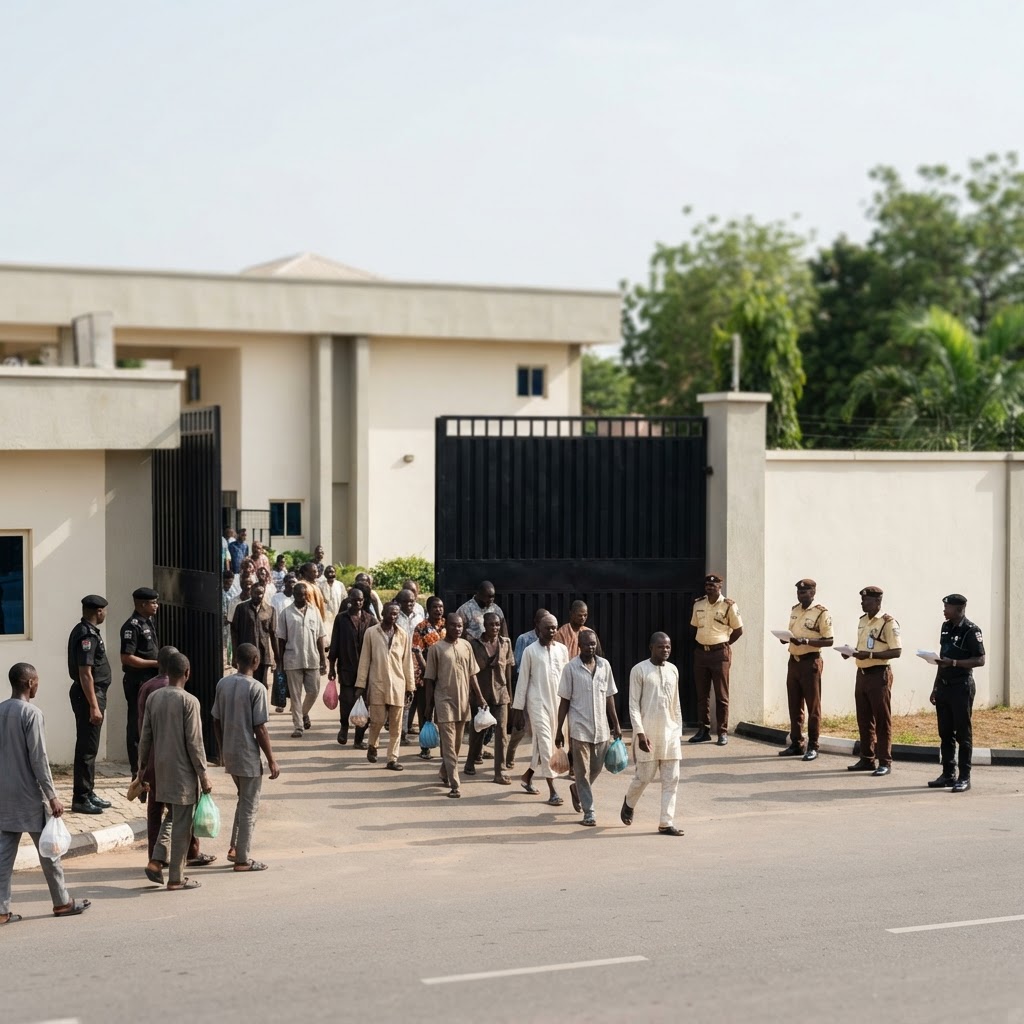
Tinubu Orders Release of 78 Suspects in Convoy Attack
A single Friday afternoon in Abuja turned into a national talking point. News that President Tinubu Orders Release of 78 Suspects Arrested Over Attack on His Convoy in Abuja quickly spread across radio, television, and social media. For many Nigerian families, the story raised fresh questions about ...