Powered by Obi Mbieri Independent Media Ltd.
$1 = ₦1,353€1 = ₦1,486£1 = ₦1,775Beyond Degrees: Bridging Nigeria's Digital Skills Gap
Nigeria's graduates are flooding the job market faster than employers can absorb them. Yet many arrive with certificates but no practical digital competence. This is the heart of Digital Skills and Youth Employment: Why Nigerian Graduates Need More Than University Certificates.—a gap that is reshapi...

Nigeria's graduates are flooding the job market faster than employers can absorb them. Yet many arrive with certificates but no practical digital competence. This is the heart of Digital Skills and Youth Employment: Why Nigerian Graduates Need More Than University Certificates.—a gap that is reshaping how families, employers, and communities think about career readiness. As the economy digitizes at speed, the conversation is no longer about whether young Nigerians can read and write; it is about whether they can operate, adapt, and compete using the digital skills modern workplaces demand every single day.
Why Is A Degree Not Enough?
University certificates once guaranteed respect and employment in Nigeria. That assumption no longer holds. The modern job market moves faster than most university curricula can adapt. Lecture halls still teach theory while employers demand practical, tech-driven output.
This mismatch has real consequences. According to recent estimates, 85% of Nigerian graduates lack essential digital skills needed for today's workplaces. That means most new graduates cannot confidently use spreadsheets, cloud tools, or basic data software when they start their first job.
The numbers from the National Bureau of Statistics paint a sobering picture. In 2024, youth unemployment among Nigerians aged 15–24 stood at 8.4%, while underemployment reached 15.2%. Many of these young people hold degrees. Their certificates did not shield them from joblessness.
This is not a story about lazy graduates. It is a structural issue. Nigerian universities often emphasize memorization over applied digital competence. Employers, meanwhile, want workers who can hit the ground running with tools they use daily. The irony is stark: Nigeria produces hundreds of thousands of graduates annually, yet companies still report difficulty filling entry-level roles that require even moderate digital skills.
Families investing heavily in tuition deserve to know this truth. A certificate opens a door, but digital skills keep that door open. Without both, graduates remain stuck between qualification and employability. This is why education policy conversations, including recent efforts such as JAMB Unveils 2027 UTME Pre-Registration App and Rules, matter well beyond admissions logistics. If young Nigerians are introduced to digital registration systems and tools earlier in their academic journey, they enter university already more comfortable with the kind of digital environments employers expect later.
What Digital Skills Matter Most?
Not all digital skills carry equal weight. Understanding the hierarchy helps graduates and parents prioritize learning. Foundational skills come first. These include internet navigation, basic device operation, and understanding how to manage files securely online.
Intermediate skills follow closely behind. These involve data handling, digital payments, and comfort with sector-specific software. A banking graduate, for instance, benefits from understanding mobile money systems. An agriculture graduate gains an edge by learning data tracking apps for farm management.
Beyond these basics, professional-grade tools now separate competitive candidates from the rest. Employers increasingly expect familiarity with workplace platforms. Consider the tools shaping Nigeria's modern job market:
- Google Workspace for collaborative document and spreadsheet management
- LinkedIn for professional networking and job discovery, as detailed by the LinkedIn Economic Graph research team
- SAP for enterprise resource planning in corporate environments
- Industry-specific software like Stata for research roles or AutoCAD for engineering and architecture graduates
These are not optional extras. Nearly half of all job postings globally now require at least one digital skill, according to workforce analyses referenced by the World Economic Forum. Nigerian employers are following this same trend, especially in banking, telecommunications, and logistics sectors.
Graduates who ignore these tools risk being overlooked, regardless of their academic grades. Those who master them position themselves as immediately useful to employers, cutting down the painful transition period between graduation and first employment. Importantly, digital skills are not static. A graduate who learns one software platform today must stay open to learning new ones tomorrow, since workplace technology continues to evolve rapidly across almost every sector of the Nigerian economy.
How Does The Gap Affect You?
The digital skills gap is not abstract. It shows up in daily frustration for job-seeking graduates. Many describe submitting dozens of applications without a single interview invitation. This is the employability crisis in action.
HND holders face a particularly harsh version of this bias. Despite having practical, polytechnic-based training, many employers still favor university degree holders for entry-level roles. This bias persists even when HND graduates possess stronger hands-on technical skills, creating an unfair hiring imbalance that discourages talented young professionals.
Experience requirements compound the problem. Around 27% of Nigerian youth cite lack of experience as their primary barrier to securing work. Entry-level jobs increasingly demand prior exposure, creating a frustrating cycle where graduates cannot get hired without experience, yet cannot gain experience without being hired.
There is also a gender dimension to this crisis that deserves attention. Research cited by the International Labour Organization shows men are roughly twice as likely to use computers regularly compared to women in many developing economies, including Nigeria. This digital literacy gap limits women's economic participation, even among equally qualified female graduates. Closing this specific gap requires deliberate investment in digital skills training designed with women's access and safety in mind, not simply opening general programs and hoping participation balances itself out.
For families and communities, this gap translates into delayed independence for young adults, prolonged financial dependence on parents, and missed opportunities for household income growth. Addressing this gap is not just an individual concern. It is a community and national economic priority.
Can You Learn Skills Independently?
The good news is that digital skills do not require another four-year degree. Graduates can build competence through bootcamps, online courses, and structured apprenticeships. This is where the "practical prosperity" mindset becomes essential.
Featured Products
Reverse Type 2 Diabetes & other associated Metabolic Issues using Dr. Jason Fung's Evidence-Based Approach— FMD program for Type 2 Diabetes
A practical fasting and fasting-mimicking programme built on Dr Jason Fung's insulin-resistance principles and ow-glycemic recipes.
₦19,950
Join NowChukwu Abiama Tee
Bold black-and-gold Igbo-pride T-shirt featuring 'Chukwu Abiama' in premium streetwear typography.
₦15,000
Buy NowỤmụ Igbo Tee
Classic black T-shirt with bold white 'Ụmụ Igbo' typography — a proud statement of Igbo heritage.
₦15,000
Buy NowNwanne Tee
Washed khaki vintage tee with a faded rust-orange 'Nwanne' stamp badge and palm leaf motif — a nod to kinship and heritage.
₦18,000
Buy NowObodo Tee
Faded denim-blue washed tee with a cream 'Obodo' stamp badge and sun motif, celebrating community roots.
₦18,000
Buy NowEkwe Heritage Tee
Deep indigo tee featuring a fine line-art illustration of a traditional Igbo ekwe drum, inspired by Igbo-Ukwu bronze artistry.
₦18,000
Buy NowIkenga Figure Tee
Forest green tee with a fine line-art illustration of a stylized Ikenga figure.
₦18,000
Buy NowPlatforms offering short, intensive training have grown rapidly across Nigeria. Many focus specifically on digital marketing, data analysis, software development, and financial technology skills. Evidence from workforce development studies shows that structured, practice-driven digital skills training significantly boosts job application confidence and workplace readiness among young trainees.
This matters because confidence translates into action. Graduates who complete practical training programs apply for jobs more assertively. They also perform better in interviews when asked to demonstrate real skills rather than recite theoretical knowledge. Employers notice the difference almost immediately. A candidate who can walk through a spreadsheet model or explain a basic marketing dashboard stands out sharply against one who can only describe concepts from a textbook.
Independent learning also opens entrepreneurial doors. Consider these practical pathways graduates are already pursuing:
- Enrolling in short-term coding or data analysis bootcamps
- Completing free certification courses through recognized online platforms
- Joining mentorship-based apprenticeships with established small businesses
- Using digital tools to launch micro-businesses in e-commerce or services
This entrepreneurial angle deserves emphasis. Studies show that roughly 60% of Nigerian youth express strong interest in starting their own businesses rather than solely seeking employment. Digital skills make this ambition achievable. A graduate who understands social media marketing, basic bookkeeping software, and online payment systems can launch a viable business with minimal capital.
Resources like How to Choose a Nigerian Business Learning Platform can guide graduates toward credible training options. Similarly, understanding how technology is reshaping education, as explored in Can AI Tools Improve Student Exam Results in Nigeria?, shows how digital literacy now touches every stage of learning, not just employment. The earlier young Nigerians build comfort with digital tools in school, the smoother their transition into a job market that increasingly treats digital skills as a baseline expectation rather than a bonus qualification.
How Can Communities Support Youth?
Individual effort alone cannot close this gap. Communities play a critical supporting role, and this is where traditional structures can make a meaningful difference. Local vocational centers, often overlooked, can become powerful hubs for digital skills training when properly resourced.
Partnerships between traditional leaders and technology organizations offer a promising path. Community leaders already command trust and influence within their domains. When they actively promote digital literacy programs, uptake improves significantly, particularly among skeptical or cautious families.
Social norms also require gentle but deliberate change. In parts of Northern Nigeria, cultural attitudes sometimes discourage girls and young women from accessing digital devices or training programs. Shifting these norms requires sustained community dialogue, not top-down lectures. Respected elders and women leaders can model and encourage digital participation.
This is the essence of the "Community First" philosophy. When one young person gains digital skills, the benefits rarely stay contained to that individual. They often share knowledge with siblings, mentor neighbors, or employ others once their small business grows. Community development scholars increasingly recognize this ripple effect as central to sustainable local economic growth, reinforcing that youth empowerment and community prosperity move together, not separately.
Platforms like Eziokwubundu's Approach to Community Impact demonstrate how community-first thinking can be applied practically across Nigerian towns and villages, blending wellness, wealth, and skills development into one coherent strategy for collective progress.
Digital Skills and Nigeria's Public Institutions
The digital skills gap is not confined to private employment. It also touches the institutions that govern daily life, from elections to healthcare to national security policy. When public bodies lack digital capacity, citizens feel the effects directly, often through delays, disputes, or diminished trust.
Consider recent electoral administration challenges in Imo State. Reports such as Imo LG Election Disputes Put ISIEC Under Scrutiny and Imo LG Election Delays Spark Concerns for Democracy highlight how limited digital infrastructure and insufficient digital skills among election staff can slow down processes meant to be straightforward. Even as Imo Local Government Elections Set for Today demonstrated renewed civic engagement, the underlying lesson remains consistent: institutions run smoother when the people operating them are equipped with strong digital skills for data management, verification, and real-time reporting.
Governance reform efforts elsewhere reinforce this pattern. Legislative developments like Senate Sends State Police Bill to Tinubu for Approval signal a broader push toward modernizing security structures, a shift that will eventually require officers and administrators comfortable with digital record-keeping, communication platforms, and data-sharing systems. Similarly, sensitive security matters such as Tinubu Orders Release of 78 Suspects in Convoy Attack depend on accurate, fast-moving information systems behind the scenes, systems that function only as well as the digital skills of the personnel managing them.
Even public health illustrates the same principle. Initiatives highlighted in Diabetes in Africa: Why Routine Screening Is Vital increasingly rely on digital tools for patient tracking, data collection, and screening coordination. Health workers equipped with basic digital skills can manage these tools more effectively, improving outcomes for entire communities. Across governance, security, and healthcare alike, the pattern repeats: digital skills are no longer a private-sector luxury. They are a national infrastructure requirement, and graduates who build these competencies position themselves for opportunities well beyond traditional corporate employment.
What Is The Path Forward?
Closing Nigeria's digital skills gap requires effort from multiple directions at once. Government curriculum reform must modernize what universities and polytechnics teach. Private sector partnerships should fund practical training and internship pipelines. Individual graduates must also take initiative rather than waiting passively for change.
Public institutions have a role to play too. As more government processes move online, from exam registration to electoral administration, the opportunity grows for young Nigerians to practice digital skills through everyday civic interaction, not just classroom instruction. Every digitized government service is, in effect, a small training ground for digital literacy at national scale.
Eziokwubundu's mission remains central to this conversation: blending traditional values with modern digital progress to build a lasting prosperity ecosystem for Nigerian families and communities. Digital literacy, wealth creation, and community development are not separate goals. They reinforce one another.
Graduates who internalize this truth gain a decisive advantage. Applied knowledge, not passive certificate-holding, now determines who thrives in Nigeria's competitive job market. The path forward starts with one deliberate step: learning a practical digital skill today, and then another tomorrow, until digital skills become second nature rather than an afterthought.
Stay Informed
Get New Articles in Your Inbox
Subscribe to receive the latest community development, health, and wealth insights from Eziokwubundu.
Newsletter
Practical insights on health, wealth, and community — delivered weekly.
Community Discussion(0)
Leave a Comment
More to Read
You May Also Like

36.3 Million Nigerians Face Acute Food Crisis
Hunger is spreading faster than many expected across Nigeria this year. New humanitarian data reveals that 36.3 Million Nigerians Face Acute Food Crisis conditions, a number that should alarm every family, policymaker, and community leader. This is not a distant statistic. It is a lived reality shap...

Obi-Mbieri Mourns Engr. Vitalis Opara: Questions Emerge Over Community’s Silence
Engr. Vitalis Opara is identified as President General on the signature page of the Obi-Mbieri Autonomous Community Constitution 2020 as amended.

Seplat Aku-01 Discovery: Benefits for Obi-Mbieri
Imagine a small Imo State community suddenly linked to a 157-billion-cubic-feet gas discovery. That is the reality facing Obi-Mbieri today. This piece on Seplat's Aku-01 Discovery: What Concrete Benefits Should Obi-Mbieri Expect? breaks down what this find could mean for everyday residents, local bu...
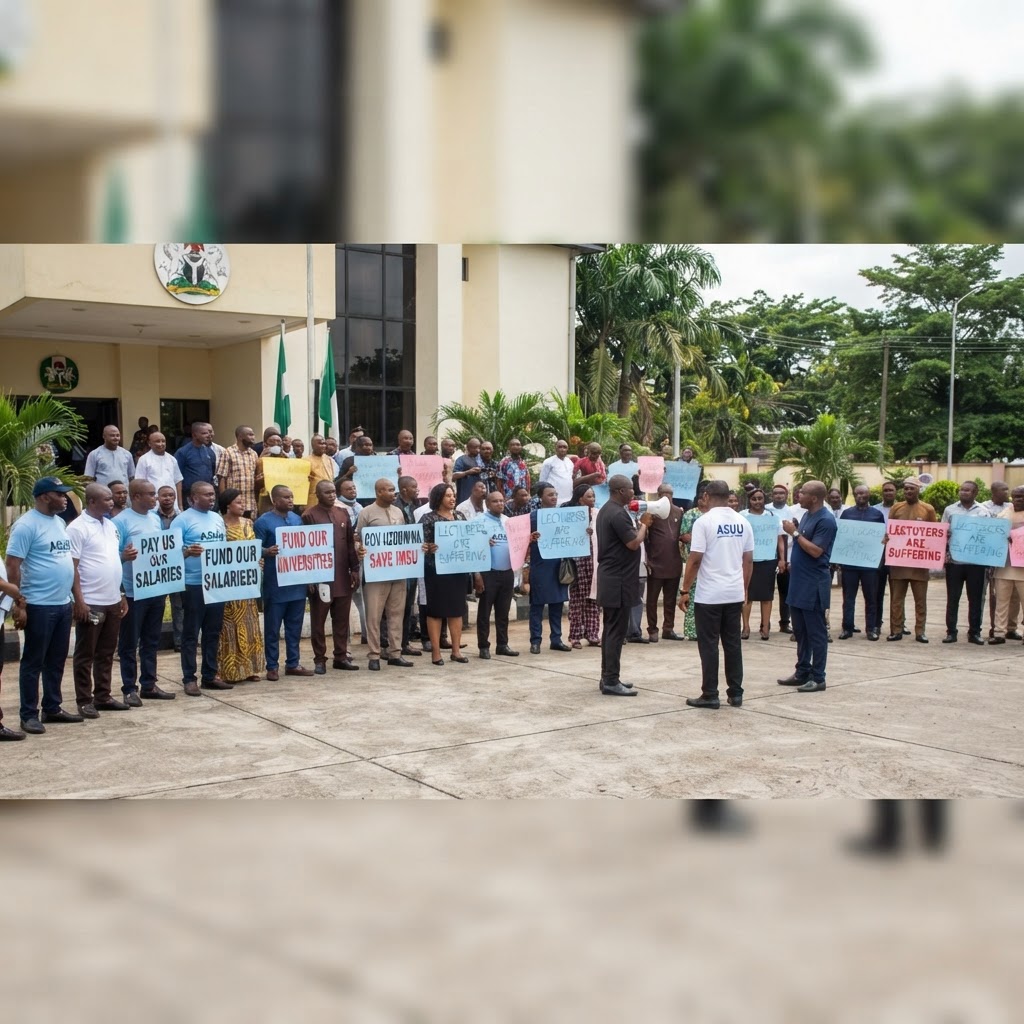
IMSU Lecturers Protest in Owerri, Appeal to Uzodimma to End
The streets of Owerri turned into a sea of white lab coats and placards this week. Hundreds of university lecturers walked out of their offices, choosing protest over silence. The IMSU Lecturers Protest in Owerri, Appeal to Uzodimma to End Months-Long Strike has become a defining moment for Imo Stat...

JAMB Candidates Can Now Change Course and Institution Online
Admission season often brings long queues and costly transport for Nigerian families. That burden has just eased. JAMB candidates can now change their institutions and courses from home, as the board announces a new digital correction service, giving students and parents fresh control over their aca...

House Summons NAFDAC and DSS Over Fake Drug Deaths
Four people are dead, eleven more are fighting for their lives, and a federal lawmaker wants answers now. Fake Drug deaths linked to a suspicious herbal concoction have pushed the House of Representatives to move decisively, summoning NAFDAC and the DSS in a case that is no longer a distant headline...

Prevent Kidney Disease With Regular Health Checks
Kidney health rarely makes headlines until a crisis hits a family. Yet understanding Kidney Disease: Why Regular Health Checks Can Help Prevent Serious Complications can save lives, protect household income, and strengthen community wellbeing across Nigeria. Kidney Disease often develops quietly ove...

Budget-Friendly Healthy Meal Prepping for Nigerians
Modern Nigerian families face the dual pressure of rising food prices and the need for better health outcomes. Learning how Nigerian families can(/article/nigerian-family-guide-to-reversing-type-2-diabetes) use meal prepping with local ingredients to eat healthy on a tight budget is a vital skill fo...

Senate Sends State Police Bill to Tinubu for Approval
Nigeria's security architecture is entering a new chapter. The headline development, State Police Bill: Senate Transmits Constitutional Amendment to Tinubu for Presidential Assent, signals a historic shift toward decentralized policing. For Nigerian families, entrepreneurs, and community leaders, th...
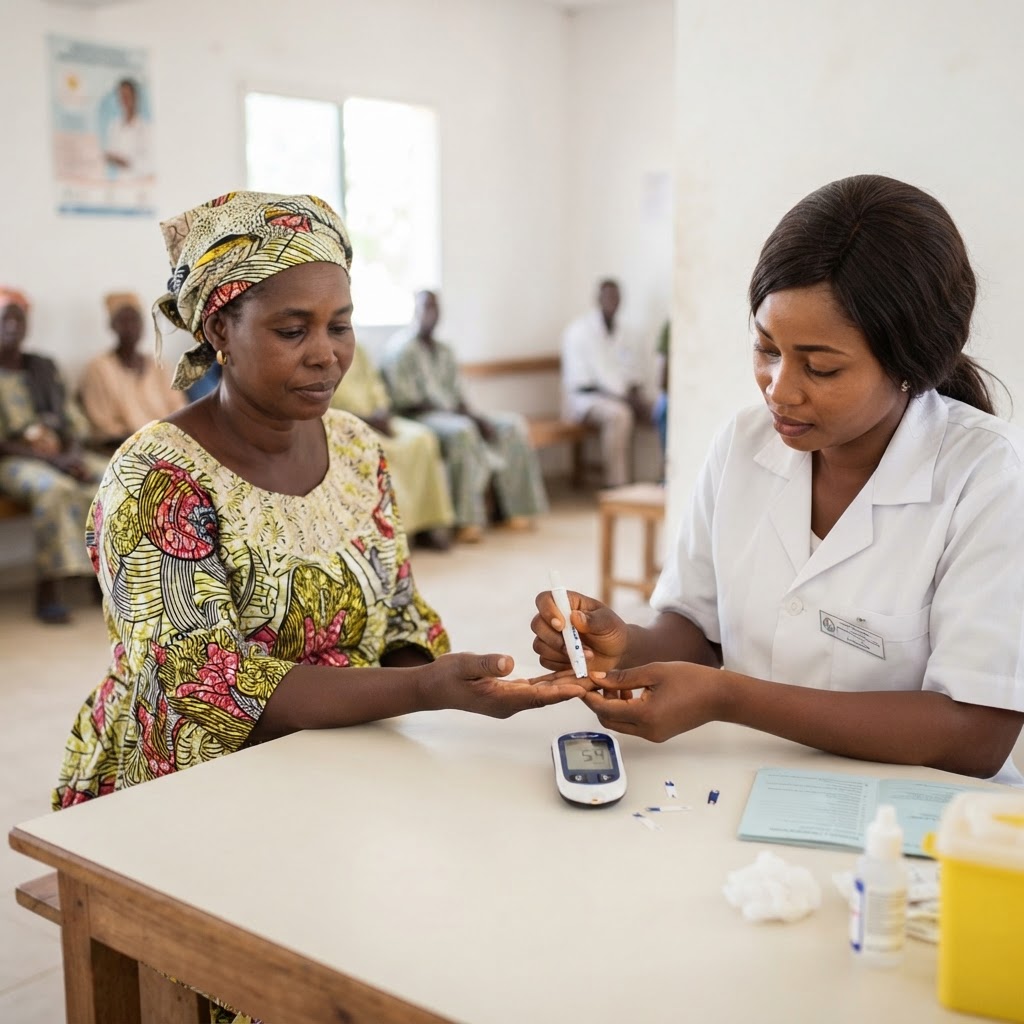
Diabetes in Africa: Why Routine Screening Is Vital
Imagine a disease that silently damages organs for years before anyone notices. That is the reality for millions living in Africa today. According to the latest report, Diabetes: Three Out of Four Africans Living With the Condition May Be Unaware – Why Screening Matters, and this gap in knowledge is...