Powered by Obi Mbieri Independent Media Ltd.
$1 = ₦1,353€1 = ₦1,486£1 = ₦1,775Imo Assembly Backs Constitutional Amendment for State Police
Nigeria's security conversation just reached a turning point, and Imo State is at the center of it. Imo Assembly Backs Constitutional Amendment for State Police, joining a growing list of states pushing for decentralized policing. This development matters to every Nigerian family, entrepreneur, and ...

Nigeria's security conversation just reached a turning point, and Imo State is at the center of it. Imo Assembly Backs Constitutional Amendment for State Police, joining a growing list of states pushing for decentralized policing. This development matters to every Nigerian family, entrepreneur, and community leader who wants safer streets and stronger local governance.
Why Is State Police Being Proposed?
Nigeria's policing model has operated under a single national structure for decades. Section 214 of the 1999 Constitution places the Nigeria Police Force under exclusive federal control. Many citizens and lawmakers now argue this arrangement cannot address the scale of modern insecurity.
Banditry, kidnapping, and insurgency have stretched the federal force thin. Response times in rural and semi-urban communities remain slow. Local intelligence gathering suffers because officers are often posted far from their communities of origin.
President Bola Tinubu and several National Assembly leaders have publicly supported the shift toward state-controlled policing. Their argument centers on faster response capacity and better community-level intelligence. Officers who understand local dialects, terrain, and social dynamics can act quicker than distant federal units.
The proposed amendment would move policing from the Exclusive Legislative List to the Concurrent Legislative List. This legal shift would let states create and manage their own security structures. It would not eliminate the federal police but would allow states to supplement national efforts with localized forces.
This reform has been debated since Nigeria's return to democracy in 1999. Previous attempts stalled due to political disagreements and fears of misuse. The current momentum, however, appears stronger than earlier efforts, partly due to worsening security statistics across several states.
What Does The Amendment Entail?
The bill proposes a dual policing structure. It would create a Federal Police Service alongside individual State Police Services. This model mirrors federal systems used in countries like the United States, where national and state police coexist with clearly defined roles.
Under the proposal, the Federal Police Service would retain control over major national security concerns. These include terrorism, cross-border crime, and matters affecting multiple states. State forces would handle everyday policing duties such as traffic control, petty crime, and community patrols.
Appointment processes have also been carefully outlined to prevent abuse. Each state would have a State Police Service Commission responsible for recruitment and oversight. This commission would balance input from the state governor with professional policing standards, reducing the risk of politically driven appointments.
Here are the core structural elements proposed in the bill:
- A Federal Police Service retaining authority over national security matters.
- Individual State Police Services managing local law enforcement.
- State Police Service Commissions overseeing recruitment and discipline.
- Clear jurisdictional boundaries to prevent federal-state conflict.
This structure attempts to address a long-standing criticism of past proposals: the fear that governors could gain unchecked control over armed state agents. Legislative drafters have tried to build in checks through the commission model, though implementation details remain under discussion.
How Far Has The Process Gone?
The National Assembly formally transmitted the constitutional amendment bill to all 36 State Houses of Assembly on September 16, 2026. Lawmakers gave states a 30-day window to deliberate and vote. This timeline reflects the urgency attached to the reform.
As of October 2026, 24 state Houses of Assembly have already endorsed the bill. This number meets the two-thirds constitutional threshold required under Section 9(2) of the 1999 Constitution. Imo State's endorsement became part of this historic tally, as reported by TheWhistler.
This milestone represents the most significant policing reform since Nigeria's democratic transition in 1999. Previous attempts to decentralize security never reached this level of state-level consensus. Analysts tracking Nigeria's legislative history note that reaching 24 states within weeks signals strong political alignment.
Not every state has moved at the same pace, though. Reports from outlets covering related legislative activity, including coverage of the State Police Bill Stalls After Limited Assembly Support, show that some assemblies faced delays or insufficient quorum. Other states experienced similar setbacks, as seen in the case of the State Police Bill Stalls After Limited Assembly Approval.
Despite these pockets of resistance, the overall trajectory favors passage. Legal experts following the process, including commentary published by Premium Times, suggest the bill is on track to meet all constitutional requirements within the set timeline.
What Are The Expected Benefits?
Communities across Nigeria stand to gain several practical advantages if state police forces become operational. Local recruitment tops the list of expected benefits. Officers hired from within their communities understand local customs, languages, and social tensions far better than outsiders.
Featured Products
Reverse Type 2 Diabetes & other associated Metabolic Issues using Dr. Jason Fung's Evidence-Based Approach— FMD program for Type 2 Diabetes
A practical fasting and fasting-mimicking programme built on Dr Jason Fung's insulin-resistance principles and ow-glycemic recipes.
₦19,950
Join NowChukwu Abiama Tee
Bold black-and-gold Igbo-pride T-shirt featuring 'Chukwu Abiama' in premium streetwear typography.
₦15,000
Buy NowỤmụ Igbo Tee
Classic black T-shirt with bold white 'Ụmụ Igbo' typography — a proud statement of Igbo heritage.
₦15,000
Buy NowNwanne Tee
Washed khaki vintage tee with a faded rust-orange 'Nwanne' stamp badge and palm leaf motif — a nod to kinship and heritage.
₦18,000
Buy NowObodo Tee
Faded denim-blue washed tee with a cream 'Obodo' stamp badge and sun motif, celebrating community roots.
₦18,000
Buy NowEkwe Heritage Tee
Deep indigo tee featuring a fine line-art illustration of a traditional Igbo ekwe drum, inspired by Igbo-Ukwu bronze artistry.
₦18,000
Buy NowIkenga Figure Tee
Forest green tee with a fine line-art illustration of a stylized Ikenga figure.
₦18,000
Buy NowThis familiarity builds trust between citizens and law enforcement. Trust, in turn, encourages residents to share information that helps prevent crime before it escalates. Community policing models in countries like South Africa and Kenya have shown measurable improvements in crime reporting when local officers are involved.
Integration with traditional institutions offers another major benefit. Many Nigerian communities still rely on town unions, traditional rulers, and local councils for early-warning systems. A state police structure could formally partner with these institutions, creating faster intelligence channels.
Economic impact deserves particular attention for readers focused on wealth creation. Security is a prerequisite for business growth. Entrepreneurs cannot expand operations in areas plagued by kidnapping or armed robbery. Families cannot build sustainable livelihoods without basic safety.
- Faster emergency response times through localized deployment.
- Stronger trust between residents and law enforcement officers.
- Better intelligence sharing with traditional and community leaders.
- Safer environments that support small business growth.
Improved security conditions could also reduce the economic strain caused by incidents like the recent abduction cases reported in Five Arrested After Abducted NYSC Members Rescued. Safer communities mean fewer disruptions to education, trade, and daily family life.
Are There Concerns To Address?
No major policing reform comes without legitimate concerns, and this one is no exception. Critics worry that governors could misuse state police forces as political tools. History in some African nations shows how local security forces have been weaponized against political opponents.
Human rights advocates have raised similar warnings. Without strong oversight mechanisms, state police officers could face pressure to act against activists, journalists, or rival politicians. The Nigerian Bar Association and several civil society groups have called for independent monitoring bodies to prevent this outcome.
Jurisdictional conflict presents another practical challenge. Federal and state police must coordinate clearly to avoid confusion during joint operations. Unclear boundaries could lead to disputes over who responds to specific crimes, especially in cases involving organized criminal networks that cross state lines.
The Nigeria Police Force has already dealt with jurisdictional complexity in cases like the one covered in Police Arrest Suspect Over Cult-Related Killing in Owerri. Multi-agency cases like this highlight why clear protocols matter before state police units begin operating independently.
Oversight structures proposed in the bill attempt to address these fears. The State Police Service Commission model aims to separate political appointments from day-to-day operational control. Civil society groups continue pushing for additional safeguards, including independent complaint review boards similar to those recommended by the National Human Rights Commission.
What Is The Path To Implementation?
Once 24 states formally ratify the bill, it proceeds to the President for final assent. This step completes the constitutional amendment process outlined in Section 9 of the 1999 Constitution. Presidential assent would make state police a legal reality rather than a legislative proposal.
Implementation, however, involves far more than signing a document. States must establish functioning Police Service Commissions before recruitment can begin. Training academies, equipment procurement, and salary structures all require significant administrative planning.
Budgetary considerations will shape how quickly each state can operationalize its force. Wealthier states like Lagos and Rivers may move faster than states with tighter fiscal space. Imo State's endorsement suggests local lawmakers anticipate benefits worth the administrative investment required.
From Eziokwubundu's perspective, community engagement matters most during this transition period. Residents should actively communicate with local representatives about recruitment standards, oversight expectations, and accountability measures. Town unions and professional associations can request public town halls before implementation begins.
Educational institutions also have a role to play in this transition. Partnerships like the one highlighted in FUTO Partners With Police to Boost Campus Security show how universities and police forces can collaborate on safety initiatives. Similar models could extend to state police units once they become operational.
Families, entrepreneurs, and community leaders should view this moment as an opportunity for civic participation. Engaging early with state assemblies and governors' offices can help shape recruitment policies before they become permanent. This aligns with Eziokwubundu's community-first approach: lasting change happens when citizens participate rather than observe from a distance.
The coming months will determine whether this reform delivers on its promise. Twenty-four states have already spoken, and Imo Assembly Backs Constitutional Amendment for State Police stands as part of that historic record. Readers interested in tracking broader governance and accountability issues may also find related context in discussions around Okonkwo Questions Tinubu's Health, Urges Him to Resign, which reflects the wider political climate shaping this reform's progress.
Nigeria's security future now depends on careful, transparent implementation. State police could strengthen community trust, support local economies, and reduce response times when designed correctly. Citizens who stay informed and engaged will help ensure this reform serves collective prosperity rather than narrow political interests.
Stay Informed
Get New Articles in Your Inbox
Subscribe to receive the latest community development, health, and wealth insights from Eziokwubundu.
Newsletter
Practical insights on health, wealth, and community — delivered weekly.
Community Discussion(0)
Leave a Comment
More to Read
You May Also Like

Obi-Mbieri Mourns Engr. Vitalis Opara: Questions Emerge Over Community’s Silence
Engr. Vitalis Opara is identified as President General on the signature page of the Obi-Mbieri Autonomous Community Constitution 2020 as amended.
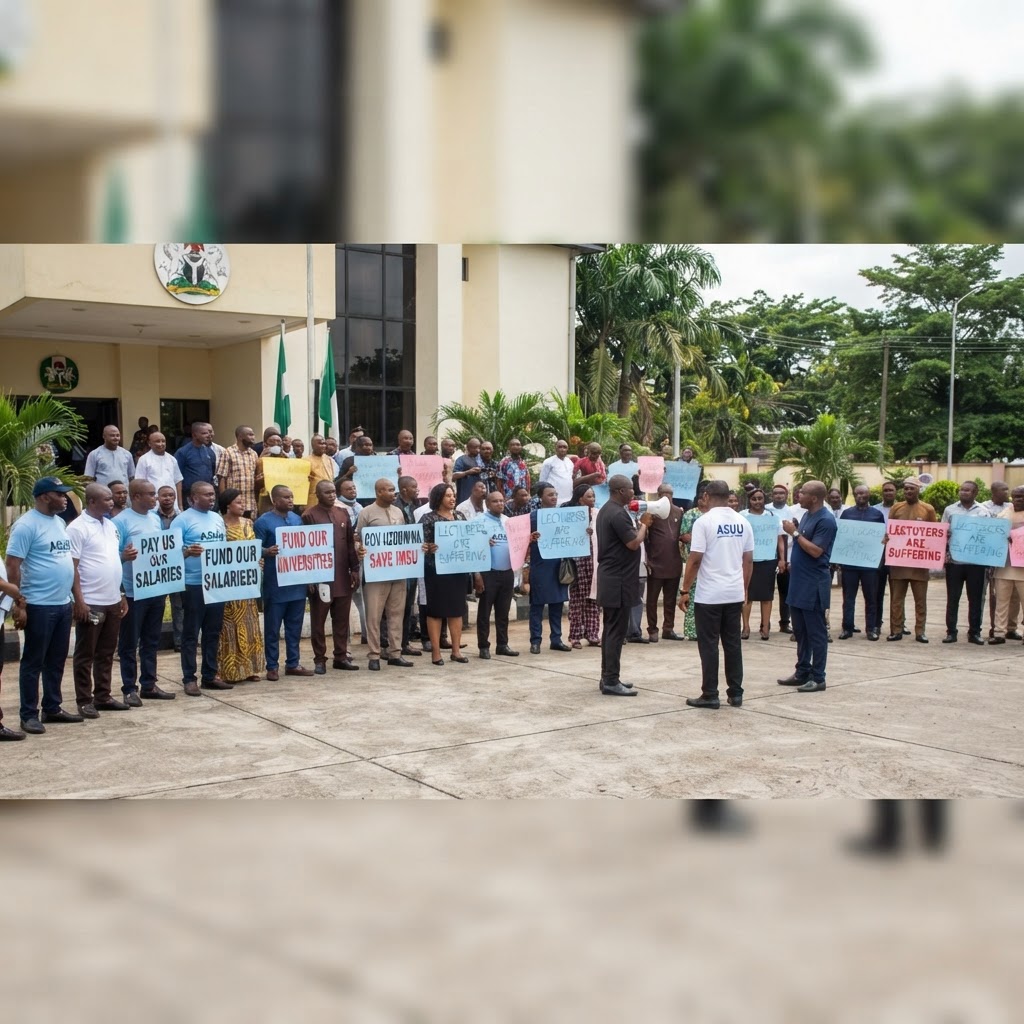
IMSU Lecturers Protest in Owerri, Appeal to Uzodimma to End
The streets of Owerri turned into a sea of white lab coats and placards this week. Hundreds of university lecturers walked out of their offices, choosing protest over silence. The IMSU Lecturers Protest in Owerri, Appeal to Uzodimma to End Months-Long Strike has become a defining moment for Imo Stat...

JAMB Candidates Can Now Change Course and Institution Online
Admission season often brings long queues and costly transport for Nigerian families. That burden has just eased. JAMB candidates can now change their institutions and courses from home, as the board announces a new digital correction service, giving students and parents fresh control over their aca...
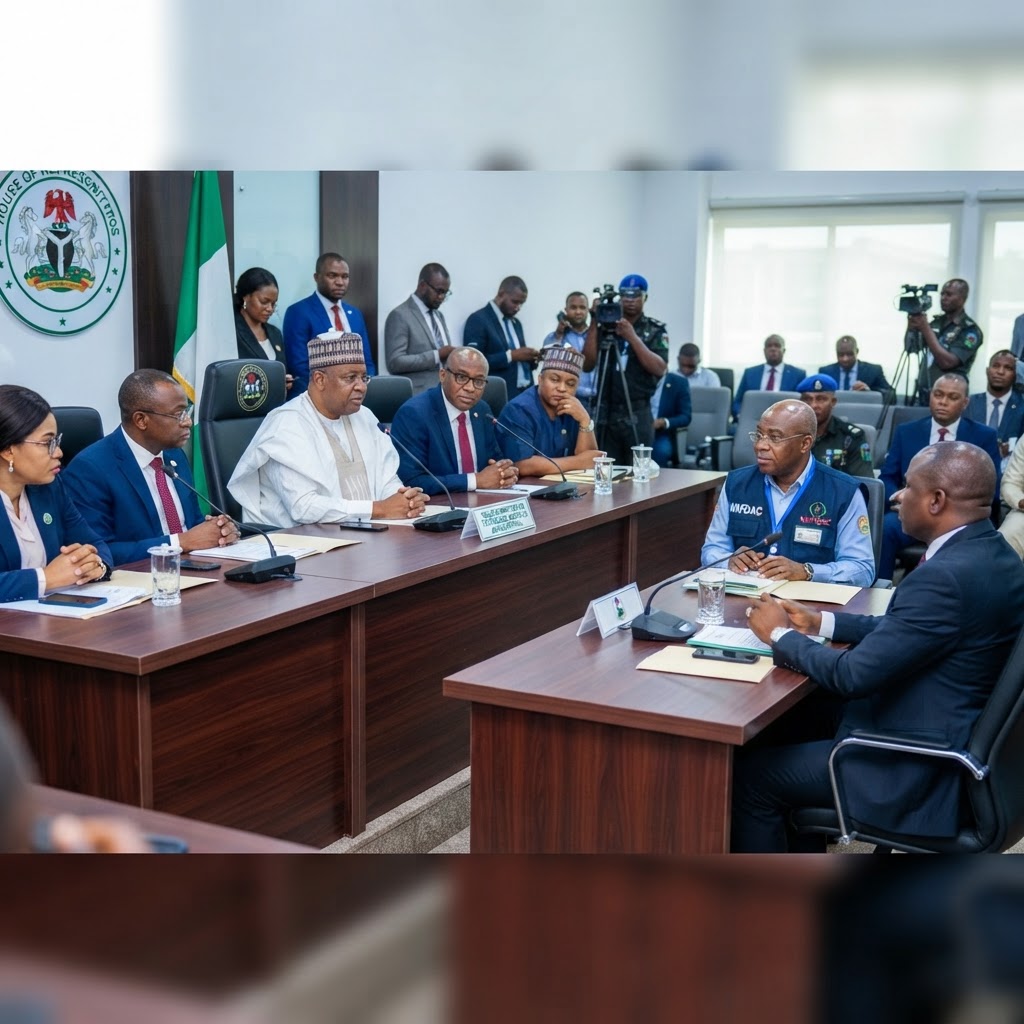
House Summons NAFDAC and DSS Over Fake Drug Deaths
Four people are dead, eleven more are fighting for their lives, and a federal lawmaker wants answers now. Fake Drug deaths linked to a suspicious herbal concoction have pushed the House of Representatives to move decisively, summoning NAFDAC and the DSS in a case that is no longer a distant headline...

Prevent Kidney Disease With Regular Health Checks
Kidney health rarely makes headlines until a crisis hits a family. Yet understanding Kidney Disease: Why Regular Health Checks Can Help Prevent Serious Complications can save lives, protect household income, and strengthen community wellbeing across Nigeria. Kidney Disease often develops quietly ove...

Budget-Friendly Healthy Meal Prepping for Nigerians
Modern Nigerian families face the dual pressure of rising food prices and the need for better health outcomes. Learning how Nigerian families can(/article/nigerian-family-guide-to-reversing-type-2-diabetes) use meal prepping with local ingredients to eat healthy on a tight budget is a vital skill fo...

Beyond Degrees: Bridging Nigeria's Digital Skills Gap
Nigeria's graduates are flooding the job market faster than employers can absorb them. Yet many arrive with certificates but no practical digital competence. This is the heart of Digital Skills and Youth Employment: Why Nigerian Graduates Need More Than University Certificates.—a gap that is reshapi...
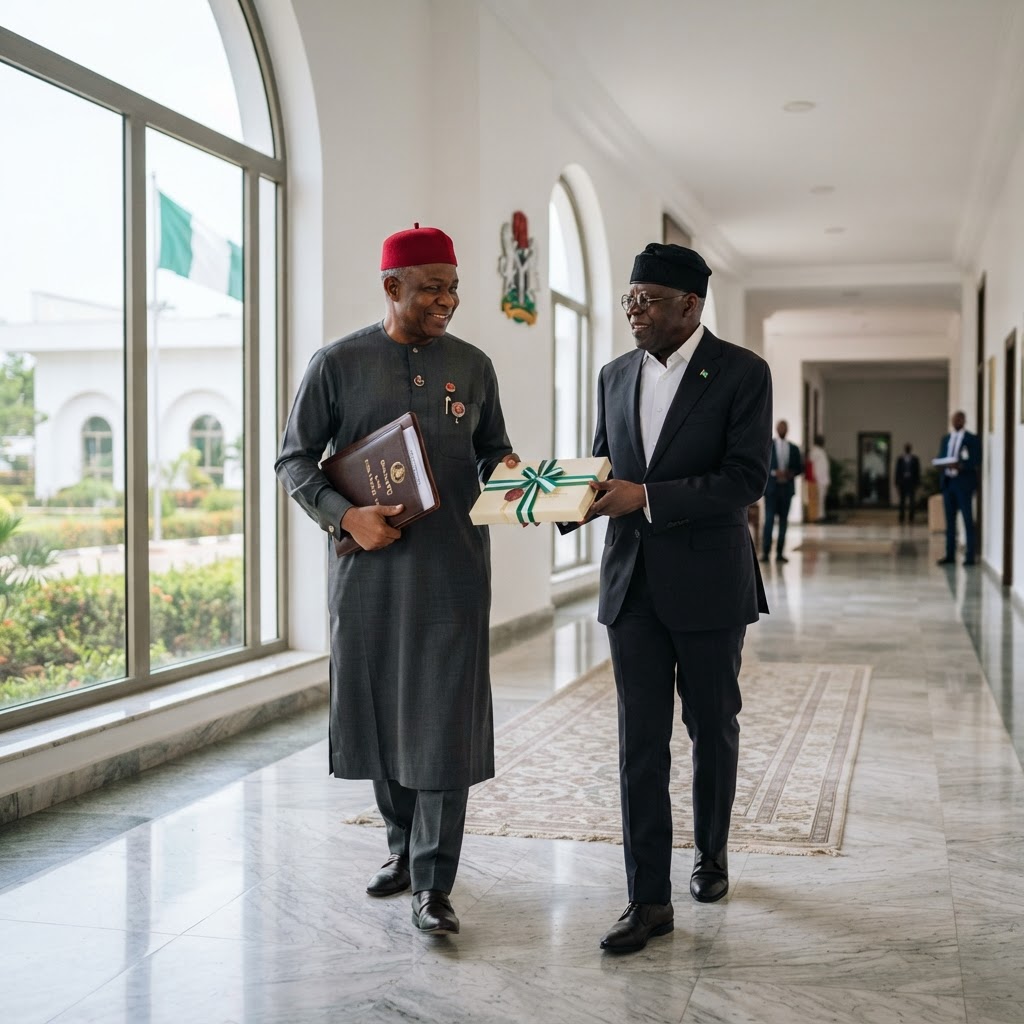
Senate Sends State Police Bill to Tinubu for Approval
Nigeria's security architecture is entering a new chapter. The headline development, State Police Bill: Senate Transmits Constitutional Amendment to Tinubu for Presidential Assent, signals a historic shift toward decentralized policing. For Nigerian families, entrepreneurs, and community leaders, th...
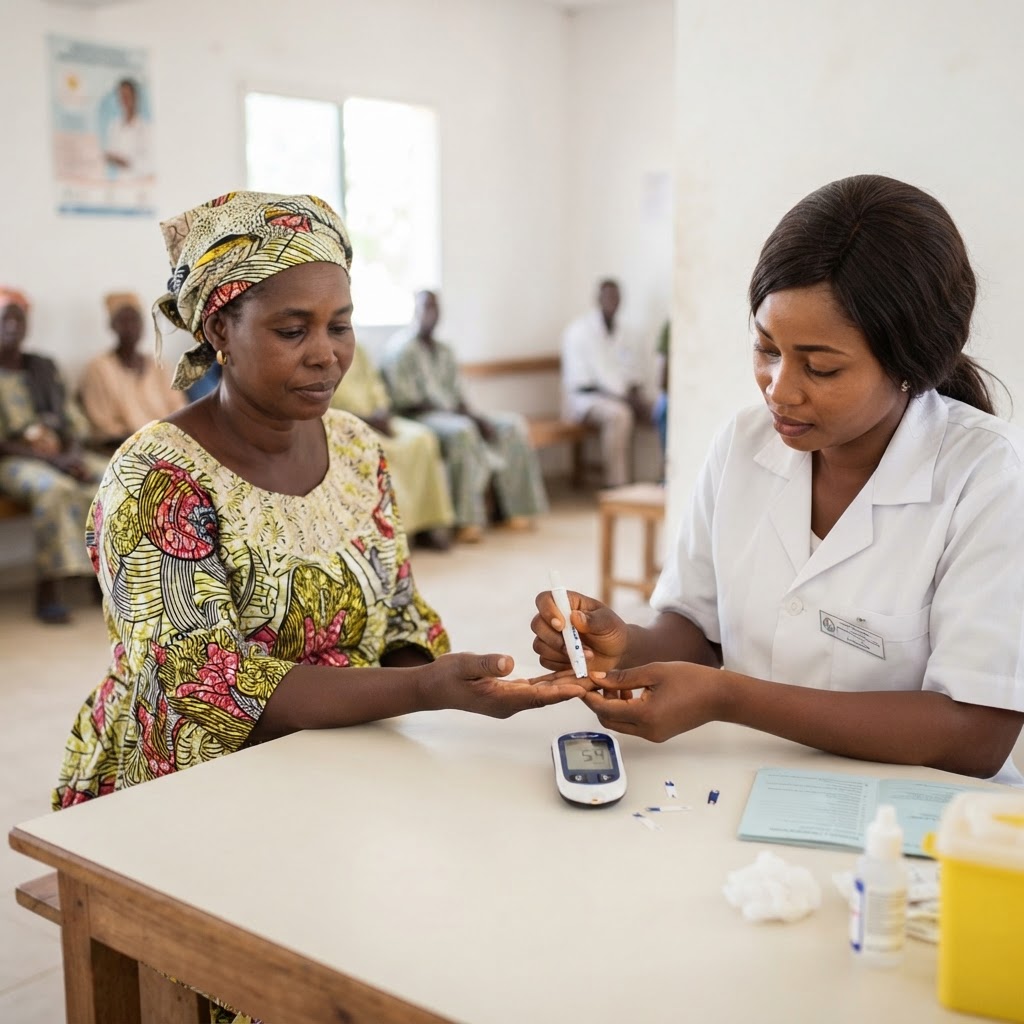
Diabetes in Africa: Why Routine Screening Is Vital
Imagine a disease that silently damages organs for years before anyone notices. That is the reality for millions living in Africa today. According to the latest report, Diabetes: Three Out of Four Africans Living With the Condition May Be Unaware – Why Screening Matters, and this gap in knowledge is...
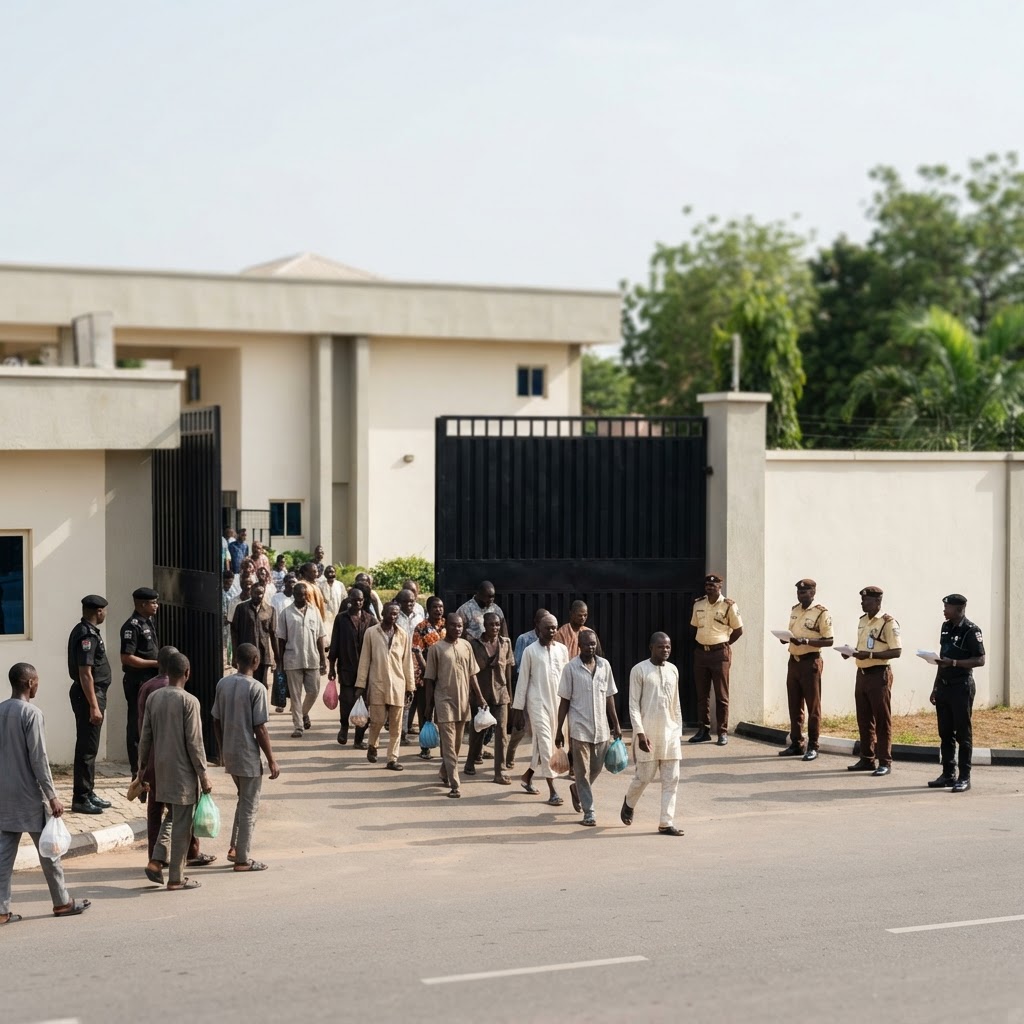
Tinubu Orders Release of 78 Suspects in Convoy Attack
A single Friday afternoon in Abuja turned into a national talking point. News that President Tinubu Orders Release of 78 Suspects Arrested Over Attack on His Convoy in Abuja quickly spread across radio, television, and social media. For many Nigerian families, the story raised fresh questions about ...