Powered by Obi Mbieri Independent Media Ltd.
$1 = ₦1,353€1 = ₦1,486£1 = ₦1,775Senate Sends State Police Bill to Tinubu for Approval
Nigeria's security architecture is entering a new chapter. The headline development, State Police Bill: Senate Transmits Constitutional Amendment to Tinubu for Presidential Assent, signals a historic shift toward decentralized policing. For Nigerian families, entrepreneurs, and community leaders, th...
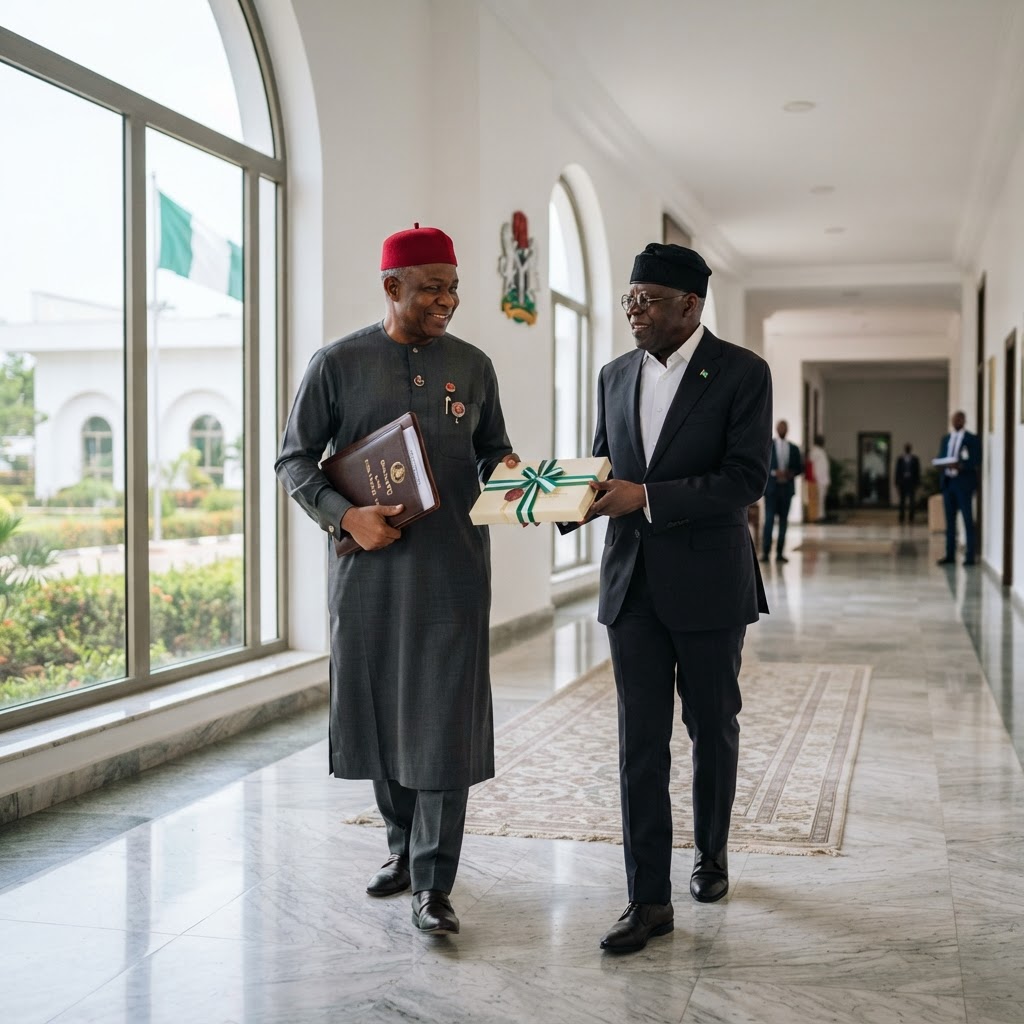
Nigeria's security architecture is entering a new chapter. The headline development, State Police Bill: Senate Transmits Constitutional Amendment to Tinubu for Presidential Assent, signals a historic shift toward decentralized policing. For Nigerian families, entrepreneurs, and community leaders, this moment carries real consequences for daily safety and economic stability. The State Police Bill, now awaiting the President's signature, represents one of the most consequential constitutional reforms in Nigeria's Fourth Republic.
What Is The State Police Bill?
The Constitution of the Federal Republic of Nigeria (Sixth Alteration) Bill, 2026—widely referred to as the State Police Bill—proposes a fundamental change to Nigeria's security framework. It seeks to allow individual states to establish their own police services, operating alongside the existing Nigeria Police Force.
This is not a replacement of federal policing. Rather, the State Police Bill is designed to complement national security agencies with localized response capacity. Many community leaders have long argued that a single centralized force cannot adequately address the diverse security challenges across Nigeria's 36 states, each with distinct terrain, cultural context, and crime patterns.
The State Police Bill represents a philosophical shift in governance. Nigeria has operated a centralized policing model since independence, with limited state-level authority over law enforcement. This amendment moves the country toward a more federalized security structure, similar to models used in countries like the United States and Canada, where state and provincial police services work alongside national agencies.
For everyday Nigerians, the implications are practical. Faster response times, better understanding of local terrain, and community-specific crime prevention strategies are among the expected benefits of the State Police Bill. According to reporting by BusinessDay, the reform has been years in the making, driven by rising insecurity in rural and urban communities alike.
This legislative shift also reflects growing public demand for accountable, responsive governance. As Nigeria navigates economic and security pressures simultaneously, structural reforms like the State Police Bill matter for long-term national stability. Just as governance bodies elsewhere in the country face scrutiny—as seen in Imo LG Election Disputes Put ISIEC Under Scrutiny—the success of decentralized policing will ultimately depend on how transparently it is implemented at the state level.
How Was The State Police Bill Approved?
The journey to this constitutional amendment followed a rigorous legislative process. Approval of the State Police Bill required overwhelming consensus across Nigeria's federal and state legislative bodies, a threshold rarely achieved with such speed.
The National Assembly initiated the process in June 2026. The House of Representatives passed the State Police Bill on June 23, followed by the Senate on June 24. This near-simultaneous passage demonstrated unusual bicameral alignment on a sensitive constitutional matter, suggesting that lawmakers across party lines recognized the urgency of security reform.
After National Assembly passage, the State Police Bill moved to all 36 State Houses of Assembly for ratification. Section 9(2) of the 1999 Constitution requires approval from at least two-thirds of state assemblies, meaning 24 states needed to endorse the amendment. Remarkably, all 36 states gave their approval, achieving 100 percent consensus on the State Police Bill.
This unanimous endorsement is historic. Few constitutional amendments in Nigeria's Fourth Republic have achieved such widespread state-level agreement. The Clerk to the National Assembly, Kamoru Ogunlana, publicly confirmed the unanimous ratification, calling it a landmark moment for Nigerian federalism and describing the State Police Bill as proof that state and federal legislators can align on urgent national priorities.
Several factors explain this consensus. Rising insecurity across regions, from banditry in the North-West to kidnapping in the South-East, pushed state governors and lawmakers toward united action on the State Police Bill. Communities affected by these challenges, as highlighted in coverage of Tinubu Orders Release of 78 Suspects in Convoy Attack, have increasingly demanded localized security solutions that only state-controlled policing structures can realistically provide.
The scale of this agreement also reflects improved federal-state collaboration. For a country often characterized by political fragmentation, this near-total consensus on the State Police Bill offers a template for future reforms requiring multi-tier government cooperation—whether in election administration, as seen in debates around Imo LG Election Delays Spark Concerns for Democracy, or in other areas requiring synchronized state and federal action.
What Happens Before Presidential Assent?
With state-level ratification complete, the State Police Bill has now reached President Bola Tinubu's desk. His Special Advisers on Senate and House of Representatives Matters formally transmitted the document for presidential review, marking the final legislative hurdle before the bill becomes law.
This stage is not merely ceremonial. The President must review the State Police Bill carefully alongside the Attorney-General of the Federation, Lateef Fagbemi, to confirm legal and constitutional alignment. Any inconsistency at this stage could delay the signing process significantly, as happened with previous constitutional amendments that required redrafting before assent.
The review also ensures compliance with the Acts Authentication Act, 2004, which governs how laws are formally certified in Nigeria. This administrative safeguard prevents errors in legislative drafting from becoming entrenched in the Constitution, a particularly important consideration given how far-reaching the State Police Bill's provisions are expected to be once implemented nationwide.
According to multiple reports, including analysis published by Premium Times, presidential assent on major constitutional amendments typically follows weeks of legal scrutiny. This is standard practice, not a sign of resistance, and applies equally to the State Police Bill given its scope and significance.
Nigerians should expect a formal signing ceremony once this review concludes. Given the unprecedented unanimous state support, observers widely anticipate presidential assent on the State Police Bill will proceed without significant delay. This step will make the amendment officially part of Nigeria's constitution, triggering the next phase: implementation, recruitment, and operational rollout across willing states.
Featured Products
Reverse Type 2 Diabetes & other associated Metabolic Issues using Dr. Jason Fung's Evidence-Based Approach— FMD program for Type 2 Diabetes
A practical fasting and fasting-mimicking programme built on Dr Jason Fung's insulin-resistance principles and ow-glycemic recipes.
₦19,950
Join NowChukwu Abiama Tee
Bold black-and-gold Igbo-pride T-shirt featuring 'Chukwu Abiama' in premium streetwear typography.
₦15,000
Buy NowỤmụ Igbo Tee
Classic black T-shirt with bold white 'Ụmụ Igbo' typography — a proud statement of Igbo heritage.
₦15,000
Buy NowNwanne Tee
Washed khaki vintage tee with a faded rust-orange 'Nwanne' stamp badge and palm leaf motif — a nod to kinship and heritage.
₦18,000
Buy NowObodo Tee
Faded denim-blue washed tee with a cream 'Obodo' stamp badge and sun motif, celebrating community roots.
₦18,000
Buy NowEkwe Heritage Tee
Deep indigo tee featuring a fine line-art illustration of a traditional Igbo ekwe drum, inspired by Igbo-Ukwu bronze artistry.
₦18,000
Buy NowIkenga Figure Tee
Forest green tee with a fine line-art illustration of a stylized Ikenga figure.
₦18,000
Buy NowHow Will State Police Be Regulated?
Passing the State Police Bill as a constitutional amendment is only the first step. Robust regulation will determine whether state police services strengthen security or create new governance risks that undermine public trust.
The Senate has formally urged the Executive branch to transmit a separate National Policing Bill to the National Assembly. This companion legislation would establish the operational and legal framework governing how state police forces function, recruit, and coordinate with federal agencies—essentially providing the enforcement mechanism that the State Police Bill's constitutional provisions require to work effectively in practice.
Safeguards Against Abuse
Many stakeholders have raised legitimate concerns about potential misuse of state police by governors for political purposes. To address this, lawmakers working on the State Police Bill's implementation framework are emphasizing several critical safeguards:
- Clear operational guidelines defining jurisdiction and command structure
- Independent judicial oversight mechanisms to review police conduct
- Standardized recruitment and training protocols across all states
- Transparent funding and accountability frameworks to prevent politicization
- Periodic performance audits conducted by independent bodies
These measures aim to balance decentralization with discipline. Without them, critics warn, the state police services created under the State Police Bill could become tools for suppressing political opposition rather than protecting communities—a concern not unlike those raised about electoral oversight bodies, as discussed in Imo LG Election Disputes Put ISIEC Under Scrutiny, where institutional independence remains central to public confidence.
The Presidential Working Group on State Police, chaired by Chief of Staff Femi Gbajabiamila, has played a central role in shaping these safeguards. The group recently concluded nationwide stakeholder engagements, gathering input from governors, civil society organizations, and security experts on how best to operationalize the State Police Bill once it receives presidential assent. Their findings will likely inform the National Policing Bill's final structure.
Reports from Vanguard suggest the working group's recommendations emphasize professionalization over politicization. This includes standardized training curricula and performance metrics similar to those used by the Nigeria Police Force, ensuring consistency nationwide as the State Police Bill moves from constitutional text to operational reality.
Why Does This Matter For Communities?
Beyond legislative procedure, the State Police Bill carries direct relevance for Nigerian households and local businesses. Security remains a top concern for families planning their futures and entrepreneurs investing in their communities.
Decentralized policing promises faster emergency response. Local officers familiar with specific neighborhoods can often identify threats more quickly than centrally dispatched units. This localized knowledge matters particularly in rural areas where federal police presence remains thin, and it is a core justification lawmakers cited when advancing the State Police Bill through the legislative process.
This development aligns closely with the community-first philosophy that guides platforms like Eziokwubundu. As outlined in Eziokwubundu's Approach to Community Impact, safer neighborhoods form the foundation for economic prosperity and personal growth. Families cannot build wealth or pursue wellness goals in environments defined by fear and instability, which is precisely why the State Police Bill has generated such strong public interest.
Local entrepreneurs stand to benefit significantly from the security improvements the State Police Bill is expected to deliver. Improved security often correlates with increased business investment, foot traffic, and consumer confidence. Market women, transporters, and small business owners frequently cite insecurity as a major obstacle to growth, and many have welcomed news of the State Police Bill's progress through the National Assembly and state houses.
For diaspora Nigerians considering investment or relocation, improved local security signals a more stable environment. Community leaders, too, gain a stronger voice in shaping localized security priorities, reinforcing the link between individual safety and collective community stability. This mirrors broader national efforts toward economic stabilization, such as those detailed in Nigeria Raises ₦1.2 Trillion to Clear Power Sector Debts, where structural reform is positioned as a foundation for long-term prosperity rather than a short-term fix.
Health and education systems, too, stand to benefit indirectly from improved security under the State Police Bill. Programs promoting preventive healthcare, such as those described in Diabetes in Africa: Why Routine Screening Is Vital, depend on stable community conditions to reach patients consistently. Similarly, educational innovations like those explored in Can AI Tools Improve Student Exam Results in Nigeria? and JAMB Unveils 2027 UTME Pre-Registration App and Rules require safe school environments to succeed. A functioning State Police Bill framework could indirectly support these sectors by reducing disruptions caused by insecurity.
Lessons From Other Governance Reforms
Nigeria's experience with decentralization is not limited to policing. Electoral administration offers a useful comparison. Recent coverage of Imo Local Government Elections Set for Today and subsequent disputes highlighted in Imo LG Election Disputes Put ISIEC Under Scrutiny illustrate how decentralized institutions can face credibility challenges without strong oversight.
These examples carry a clear lesson for the State Police Bill: structural reform alone does not guarantee good outcomes. Oversight, transparency, and consistent enforcement of standards are what ultimately determine whether decentralization benefits ordinary citizens or simply shifts power without improving accountability. Lawmakers and the Presidential Working Group on State Police appear to recognize this, which is why the National Policing Bill is being developed as a companion framework rather than leaving implementation entirely to individual states.
What Is The Path To Progress?
This constitutional amendment demonstrates what collaborative governance can achieve. Unanimous approval from all 36 states shows that federal and state governments can align on critical national priorities when the stakes are high enough. The State Police Bill's smooth passage through both chambers of the National Assembly and every State House of Assembly stands as evidence that Nigerian federalism can function cohesively under pressure.
As Nigeria transitions toward this new security model, sustained focus on transparency and accountability remains essential. Professionalizing state-level law enforcement, similar to standards discussed in How to Choose a Nigerian Business Learning Platform regarding quality benchmarks, will determine long-term success. Just as learners are advised to evaluate platforms based on structure, credibility, and outcomes, state governments will need to build police services judged by measurable standards of conduct and effectiveness.
Ultimately, the State Police Bill's true test will come after presidential assent, during implementation. Will states recruit professionally? Will oversight mechanisms hold officers accountable? Will funding structures prevent political interference? These questions will shape public perception of the reform for years to come.
This moment reflects Nigerian democracy adapting to practical, everyday needs. It is a reminder that meaningful governance reform, paired with vigilant oversight, can strengthen both security and prosperity for communities nationwide. As the State Police Bill awaits President Tinubu's signature, Nigerians across all 36 states are watching closely, hopeful that this reform will translate constitutional ambition into tangible safety gains at the community level.
Stay Informed
Get New Articles in Your Inbox
Subscribe to receive the latest community development, health, and wealth insights from Eziokwubundu.
Newsletter
Practical insights on health, wealth, and community — delivered weekly.
Community Discussion(0)
Leave a Comment
More to Read
You May Also Like

Obi-Mbieri Mourns Engr. Vitalis Opara: Questions Emerge Over Community’s Silence
Engr. Vitalis Opara is identified as President General on the signature page of the Obi-Mbieri Autonomous Community Constitution 2020 as amended.
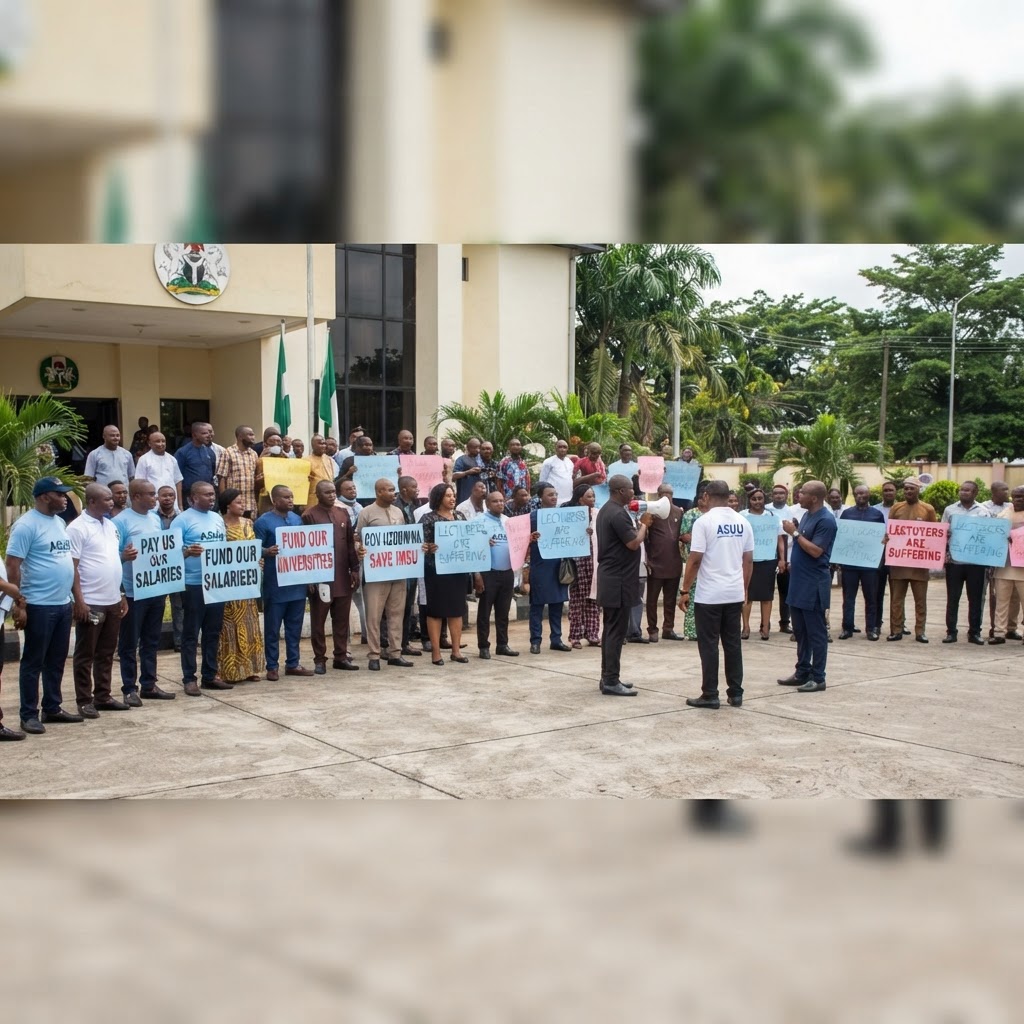
IMSU Lecturers Protest in Owerri, Appeal to Uzodimma to End
The streets of Owerri turned into a sea of white lab coats and placards this week. Hundreds of university lecturers walked out of their offices, choosing protest over silence. The IMSU Lecturers Protest in Owerri, Appeal to Uzodimma to End Months-Long Strike has become a defining moment for Imo Stat...

JAMB Candidates Can Now Change Course and Institution Online
Admission season often brings long queues and costly transport for Nigerian families. That burden has just eased. JAMB candidates can now change their institutions and courses from home, as the board announces a new digital correction service, giving students and parents fresh control over their aca...

House Summons NAFDAC and DSS Over Fake Drug Deaths
Four people are dead, eleven more are fighting for their lives, and a federal lawmaker wants answers now. Fake Drug deaths linked to a suspicious herbal concoction have pushed the House of Representatives to move decisively, summoning NAFDAC and the DSS in a case that is no longer a distant headline...

Prevent Kidney Disease With Regular Health Checks
Kidney health rarely makes headlines until a crisis hits a family. Yet understanding Kidney Disease: Why Regular Health Checks Can Help Prevent Serious Complications can save lives, protect household income, and strengthen community wellbeing across Nigeria. Kidney Disease often develops quietly ove...

Budget-Friendly Healthy Meal Prepping for Nigerians
Modern Nigerian families face the dual pressure of rising food prices and the need for better health outcomes. Learning how Nigerian families can(/article/nigerian-family-guide-to-reversing-type-2-diabetes) use meal prepping with local ingredients to eat healthy on a tight budget is a vital skill fo...

Beyond Degrees: Bridging Nigeria's Digital Skills Gap
Nigeria's graduates are flooding the job market faster than employers can absorb them. Yet many arrive with certificates but no practical digital competence. This is the heart of Digital Skills and Youth Employment: Why Nigerian Graduates Need More Than University Certificates.—a gap that is reshapi...
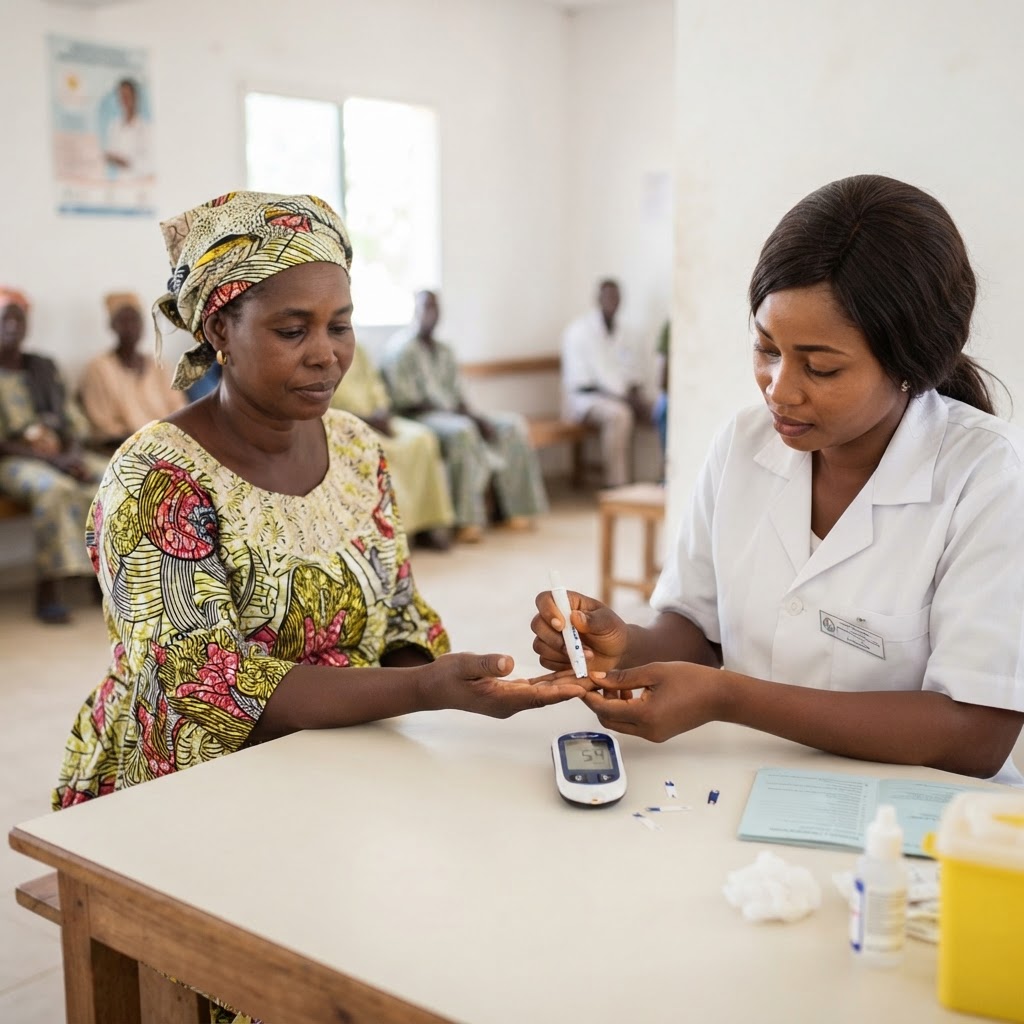
Diabetes in Africa: Why Routine Screening Is Vital
Imagine a disease that silently damages organs for years before anyone notices. That is the reality for millions living in Africa today. According to the latest report, Diabetes: Three Out of Four Africans Living With the Condition May Be Unaware – Why Screening Matters, and this gap in knowledge is...

Tinubu Orders Release of 78 Suspects in Convoy Attack
A single Friday afternoon in Abuja turned into a national talking point. News that President Tinubu Orders Release of 78 Suspects Arrested Over Attack on His Convoy in Abuja quickly spread across radio, television, and social media. For many Nigerian families, the story raised fresh questions about ...

Imo LG Election Delays Spark Concerns for Democracy
Imo State's local government elections have been postponed again, leaving residents frustrated and confused. This latest delay raises urgent questions about the credibility of the entire Imo LG election cycle. Imo LG Elections Postponed Again: Why ISIEC's Repeated Changes Are Raising Questions About...