Powered by Obi Mbieri Independent Media Ltd.
$1 = ₦1,353€1 = ₦1,486£1 = ₦1,775Police Arrest Suspect Over Cult-Related Killing in Owerri
Cult violence has once again put Owerri in the national spotlight. A fresh wave of arrests shows that security operatives are not sitting idle. Police Arrest Suspect Over Cult-Related Killing in Owerri, a development that has reassured many residents while reminding others of the fragile peace in pa...

Cult violence has once again put Owerri in the national spotlight. A fresh wave of arrests shows that security operatives are not sitting idle. Police Arrest Suspect Over Cult-Related Killing in Owerri, a development that has reassured many residents while reminding others of the fragile peace in parts of Imo State. The phrase "cult-related killing" has, unfortunately, become familiar to residents who have watched tension rise and fall across the city over the past several years.
This incident did not happen in isolation. It reflects a broader pattern of cult-related violence that has troubled communities around Owerri West and institutions like the Federal University of Technology, Owerri (FUTO). For families, entrepreneurs, and students who call this region home, understanding what is happening—and why—matters for everyday safety and long-term prosperity. Every fresh cult-related killing reported in the local press adds to a growing archive of incidents that security agencies, traditional rulers, and ordinary citizens must confront together.
1. What Is Happening In Owerri?
Recent weeks have seen intensified police operations across Imo State. These efforts specifically target cult groups and organized criminal syndicates operating within Owerri and its environs. According to a report by AsenExpress, a 22-year-old suspect was recently apprehended in connection with a cult-related killing in Imo State. Investigators say the arrest followed weeks of surveillance after the victim was found with injuries consistent with gang-style violence, a signature that has repeatedly characterized cult-related killing cases in the region.
Owerri West, home to several residential estates and the FUTO community, has witnessed sporadic violence linked to rival cult factions. Students, traders, and families living near these areas have reported growing unease, with many pointing to this latest cult-related killing as evidence that vigilance cannot be relaxed. This is not unique to Owerri; similar patterns have emerged in other Nigerian university towns, as seen in efforts like FUTO Partners With Police to Boost Campus Security.
Community awareness remains central to tackling this problem. Residents who notice unusual gatherings, coded symbols, or sudden behavioral changes in young people are encouraged to report them. Early reporting has repeatedly proven to help security agencies intervene before violence escalates into another cult-related killing. Silence, on the other hand, often allows criminal networks to grow unchecked, setting the stage for the next tragedy.
2. How Are Police Tackling Cultism?
The Imo State Police Command, under Commissioner of Police Garba Bosso, has adopted an intelligence-led approach to combating cultism. This strategy relies on informants, surveillance, and data analysis rather than reactive policing alone. It allows officers to anticipate attacks and dismantle networks before another cult-related killing can occur.
Central to this effort is the Violent Crime Response Unit (VCRU), a specialized tactical team trained for high-risk operations. The VCRU has carried out multiple raids on suspected cult hideouts across Owerri and neighboring local government areas. These operations often happen at night, when criminal groups are most active and least prepared for confrontation. Officers involved in these raids have noted that many suspects linked to a cult-related killing are often found in possession of weapons tied to earlier unresolved cases.
Several of these raids have produced tangible results. Officers have rescued kidnap victims held in makeshift camps, some after days of captivity. Weapons recovery has also been significant, underscoring the scale of the threat communities face and the real risk that any unresolved dispute could escalate into another cult-related killing.
The following items highlight recent enforcement outcomes reported by security sources:
- Recovery of AK-47 rifles from suspected cult armories
- Seizure of locally made pistols used in street violence
- Rescue of multiple kidnap victims from criminal hideouts
- Arrest of suspects linked to cult-related killings, including the Owerri case
- Identification of suspects allegedly connected to a string of unsolved cult-related killing incidents across the state
These figures suggest a sustained, methodical campaign rather than isolated raids. The Nigeria Police Force has similarly emphasized intelligence-sharing nationwide, as detailed on the official Nigeria Police Force website. For families following cases like Five Arrested After Abducted NYSC Members Rescued, this pattern of coordinated response offers some reassurance that each cult-related killing is being treated with the seriousness it deserves rather than quietly filed away.
3. Why Does Cultism Threaten Our Growth?
Cult-related violence does more than claim lives. It erodes the economic and social fabric that communities depend on for growth. When Owerri experiences cult clashes, local businesses often close early out of fear. Market activity slows, and foot traffic in affected neighborhoods drops noticeably whenever news of a fresh cult-related killing spreads through the community grapevine.
Education also suffers. Students near FUTO and other institutions sometimes avoid certain routes or hostels due to safety concerns. Parents weigh relocating their children, disrupting academic continuity. This fear-driven disruption directly contradicts the goal of building stable, prosperous communities, and it is often triggered by nothing more than rumors following a reported cult-related killing.
For entrepreneurs, insecurity translates into higher operational risks. Investors hesitate to open shops or expand services in areas associated with cult violence. According to the Nigeria Bureau of Statistics, insecurity remains among the top factors discouraging small business investment in several Nigerian states. A single cult-related killing, especially one that attracts national media attention, can discourage investment in an entire neighborhood for months.
This is where the "Health + Wealth + Community" principle becomes essential. Safety is not separate from prosperity—it is the foundation beneath it. A community cannot build sustainable wealth or healthy living standards without first securing peace for its residents. Just as insecurity undermines economic growth, it also strains public health systems, a concern echoed in discussions around Nigeria's Maternal Death Crisis: Why Are Mothers Dying?, where systemic neglect and insecurity often intersect to worsen outcomes for vulnerable populations.
Featured Products
Reverse Type 2 Diabetes & other associated Metabolic Issues using Dr. Jason Fung's Evidence-Based Approach— FMD program for Type 2 Diabetes
A practical fasting and fasting-mimicking programme built on Dr Jason Fung's insulin-resistance principles and ow-glycemic recipes.
₦19,950
Join NowChukwu Abiama Tee
Bold black-and-gold Igbo-pride T-shirt featuring 'Chukwu Abiama' in premium streetwear typography.
₦15,000
Buy NowỤmụ Igbo Tee
Classic black T-shirt with bold white 'Ụmụ Igbo' typography — a proud statement of Igbo heritage.
₦15,000
Buy NowNwanne Tee
Washed khaki vintage tee with a faded rust-orange 'Nwanne' stamp badge and palm leaf motif — a nod to kinship and heritage.
₦18,000
Buy NowObodo Tee
Faded denim-blue washed tee with a cream 'Obodo' stamp badge and sun motif, celebrating community roots.
₦18,000
Buy NowEkwe Heritage Tee
Deep indigo tee featuring a fine line-art illustration of a traditional Igbo ekwe drum, inspired by Igbo-Ukwu bronze artistry.
₦18,000
Buy NowIkenga Figure Tee
Forest green tee with a fine line-art illustration of a stylized Ikenga figure.
₦18,000
Buy Now4. What Role Do Families Play?
Families remain the first line of defense against cult recruitment. Parents and guardians who actively monitor their children's friendships and daily movements are better positioned to notice red flags early. Unexplained absences, new tattoos, secretive phone calls, or sudden aggression can all signal deeper issues that, left unaddressed, sometimes end in a cult-related killing involving someone's own son or neighbor.
Open communication matters more than strict control. Teenagers who feel heard at home are less likely to seek belonging through dangerous peer groups. Many cult recruiters specifically target young people who feel isolated, financially pressured, or disconnected from family structures. Without intervention, these same young people can later become suspects or victims in the next cult-related killing reported by local media.
Traditional values still offer practical guidance here. Respect for elders, community accountability, and shared responsibility have historically kept youth grounded. Reinforcing these values, alongside modern parenting approaches, creates a stronger shield against criminal influence and reduces the likelihood that any family will one day grieve over a cult-related killing.
Education initiatives also help. Programs like KoboTutor Announces ₦2.5 Million University Scholarships show how academic opportunity can redirect youth energy toward constructive goals. When young people see a credible path to success, cult membership loses much of its appeal, and the risk of becoming entangled in a future cult-related killing diminishes considerably. Similarly, initiatives such as the 2026 NNPC/Seplat Scholarship: Apply Now give students another legitimate avenue toward ambition, further reducing the pull of criminal gangs.
5. How Can Communities Stay Safe?
No single institution can defeat cultism alone. Effective security requires synergy between vigilante groups, traditional rulers, and the Nigeria Police Force. Each group brings unique strengths: local knowledge, cultural authority, and formal enforcement power. Without this synergy, the cycle of one cult-related killing following another is unlikely to break.
Residents also have a practical role to play. Reporting suspicious activity through proper, confidential channels protects both the informant and the community. Many police divisions now offer anonymous tip lines specifically to encourage safe reporting without fear of retaliation, which has in several documented cases prevented a potential cult-related killing before it occurred.
Consider these practical steps for safer community engagement:
- Share information through official police hotlines, not public social media posts
- Coordinate with local vigilante groups for neighborhood patrols
- Attend community security meetings organized by traditional institutions
- Support youth programs that offer alternatives to cult membership
- Report any threats or rumors that could escalate into a cult-related killing before they materialize
This is the essence of a "Community First" culture. Collective vigilance replaces fear and silence with shared responsibility. Related governance discussions, such as State Police Bill Stalls After Limited Assembly Support and State Police Bill Stalls After Limited Assembly Approval, show how structural reforms could further strengthen local security efforts in the future and potentially reduce the frequency of cult-related killing incidents nationwide.
Traditional institutions, including town unions and autonomous community councils, remain powerful partners in this fight. Their involvement, as explored in Umuahii Day: Preserving Our Heritage, Rekindling Otu Obi, demonstrates how cultural structures can reinforce modern security goals and keep communities alert to the warning signs that often precede a cult-related killing.
6. What Is The Path To Peace?
The Imo State Police Command has reaffirmed its commitment to eradicating cult violence through sustained, intelligence-driven operations. Recent arrests, weapon recoveries, and victim rescues reflect genuine progress. However, lasting peace requires more than enforcement alone, especially given how quickly public trust can erode after a single unresolved cult-related killing.
Youth engagement remains critical. Skill acquisition programs, mentorship, and economic empowerment initiatives reduce the appeal of cult membership significantly. When young people have viable paths to income and respect, criminal recruitment loses its grip, and the conditions that produce the next cult-related killing become harder to sustain.
Organizations focused on human-centered development, including resources from the United Nations Office on Drugs and Crime, emphasize that prevention works best alongside enforcement. Nigeria's own security agencies increasingly echo this balanced approach, recognizing that arrests alone cannot permanently end the threat of cult-related killing without addressing root causes like unemployment and social exclusion.
Broader governance questions also shape this conversation. Commentary pieces such as Okonkwo Questions Tinubu's Health, Urges Him to Resign remind readers that national leadership stability indirectly affects how security priorities, including the fight against cult-related killing, are funded and sustained at the state level. Even seemingly unrelated topics, such as Why Africa's Tiny Ants Are Targeted for Wildlife Trade, illustrate how illegal networks of all kinds—whether trafficking wildlife or orchestrating a cult-related killing—thrive wherever enforcement gaps and weak community oversight persist.
Owerri's path to lasting peace depends on shared effort. Families, communities, and police must work together consistently to ensure that no other household in Imo State has to endure the pain of a cult-related killing. Readers across Imo State and beyond are encouraged to prioritize safety as the true foundation for the "Practical Prosperity" this region deserves, and to remain active participants in preventing the next cult-related killing before it happens.
Stay Informed
Get New Articles in Your Inbox
Subscribe to receive the latest community development, health, and wealth insights from Eziokwubundu.
Newsletter
Practical insights on health, wealth, and community — delivered weekly.
Community Discussion(0)
Leave a Comment
More to Read
You May Also Like

Obi-Mbieri Mourns Engr. Vitalis Opara: Questions Emerge Over Community’s Silence
Engr. Vitalis Opara is identified as President General on the signature page of the Obi-Mbieri Autonomous Community Constitution 2020 as amended.
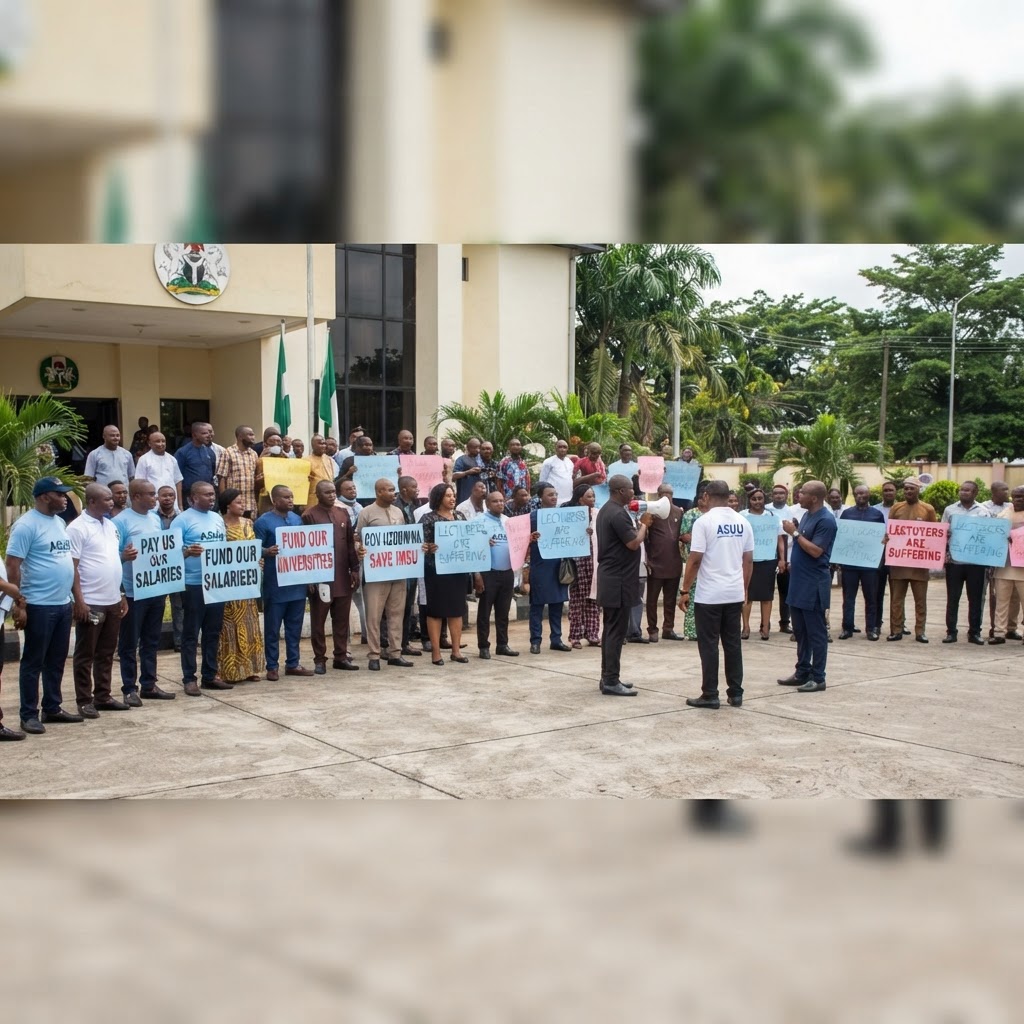
IMSU Lecturers Protest in Owerri, Appeal to Uzodimma to End
The streets of Owerri turned into a sea of white lab coats and placards this week. Hundreds of university lecturers walked out of their offices, choosing protest over silence. The IMSU Lecturers Protest in Owerri, Appeal to Uzodimma to End Months-Long Strike has become a defining moment for Imo Stat...

JAMB Candidates Can Now Change Course and Institution Online
Admission season often brings long queues and costly transport for Nigerian families. That burden has just eased. JAMB candidates can now change their institutions and courses from home, as the board announces a new digital correction service, giving students and parents fresh control over their aca...

House Summons NAFDAC and DSS Over Fake Drug Deaths
Four people are dead, eleven more are fighting for their lives, and a federal lawmaker wants answers now. Fake Drug deaths linked to a suspicious herbal concoction have pushed the House of Representatives to move decisively, summoning NAFDAC and the DSS in a case that is no longer a distant headline...

Prevent Kidney Disease With Regular Health Checks
Kidney health rarely makes headlines until a crisis hits a family. Yet understanding Kidney Disease: Why Regular Health Checks Can Help Prevent Serious Complications can save lives, protect household income, and strengthen community wellbeing across Nigeria. Kidney Disease often develops quietly ove...

Budget-Friendly Healthy Meal Prepping for Nigerians
Modern Nigerian families face the dual pressure of rising food prices and the need for better health outcomes. Learning how Nigerian families can(/article/nigerian-family-guide-to-reversing-type-2-diabetes) use meal prepping with local ingredients to eat healthy on a tight budget is a vital skill fo...

Beyond Degrees: Bridging Nigeria's Digital Skills Gap
Nigeria's graduates are flooding the job market faster than employers can absorb them. Yet many arrive with certificates but no practical digital competence. This is the heart of Digital Skills and Youth Employment: Why Nigerian Graduates Need More Than University Certificates.—a gap that is reshapi...

Senate Sends State Police Bill to Tinubu for Approval
Nigeria's security architecture is entering a new chapter. The headline development, State Police Bill: Senate Transmits Constitutional Amendment to Tinubu for Presidential Assent, signals a historic shift toward decentralized policing. For Nigerian families, entrepreneurs, and community leaders, th...
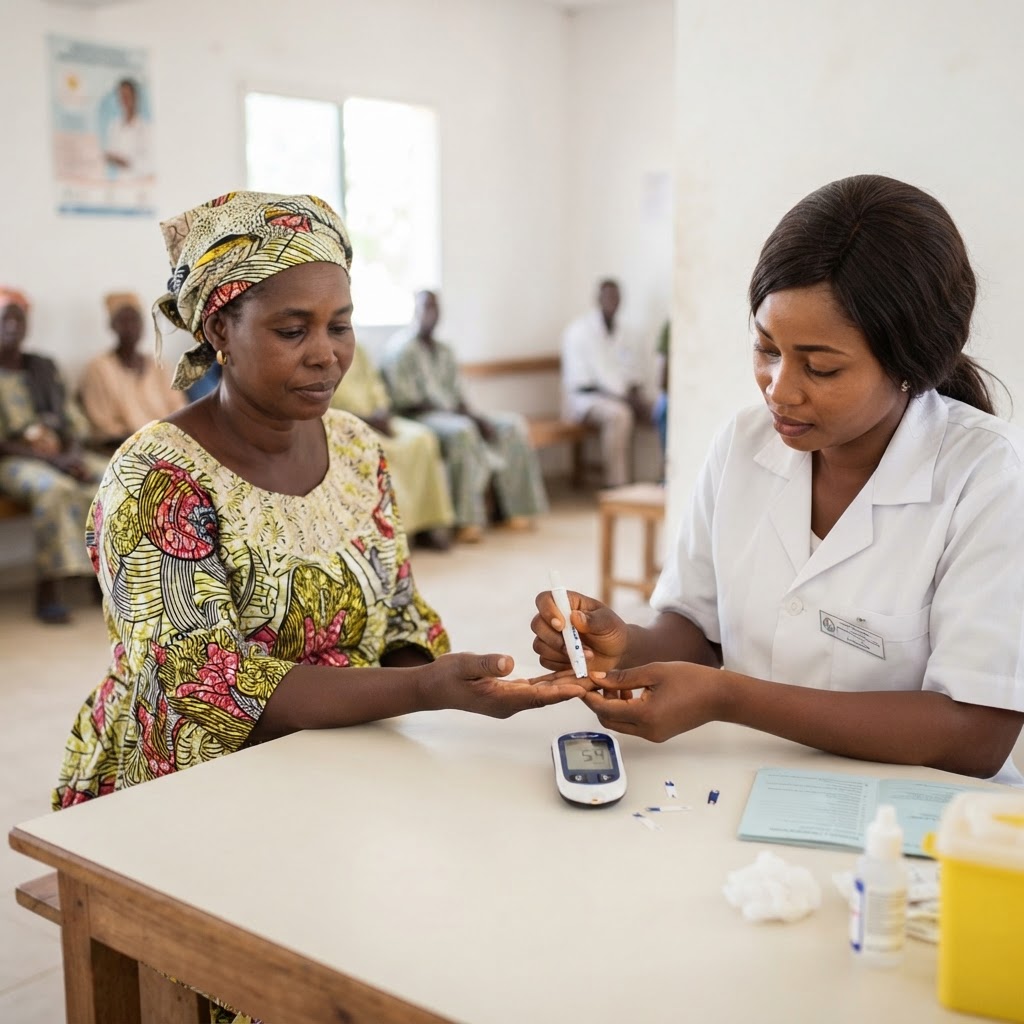
Diabetes in Africa: Why Routine Screening Is Vital
Imagine a disease that silently damages organs for years before anyone notices. That is the reality for millions living in Africa today. According to the latest report, Diabetes: Three Out of Four Africans Living With the Condition May Be Unaware – Why Screening Matters, and this gap in knowledge is...

Tinubu Orders Release of 78 Suspects in Convoy Attack
A single Friday afternoon in Abuja turned into a national talking point. News that President Tinubu Orders Release of 78 Suspects Arrested Over Attack on His Convoy in Abuja quickly spread across radio, television, and social media. For many Nigerian families, the story raised fresh questions about ...