Powered by Obi Mbieri Independent Media Ltd.
$1 = ₦1,353€1 = ₦1,486£1 = ₦1,775Rising Crude Oil Prices Fuel Nigeria Inflation Fears
Nigeria's fuel pumps tell a story that numbers alone cannot capture. Families watch transport fares climb, traders adjust price tags weekly, and household budgets strain under pressure. These signals point to one reality: Nigeria inflation fears are rising again as Rising Crude Oil Prices Raise Fres...
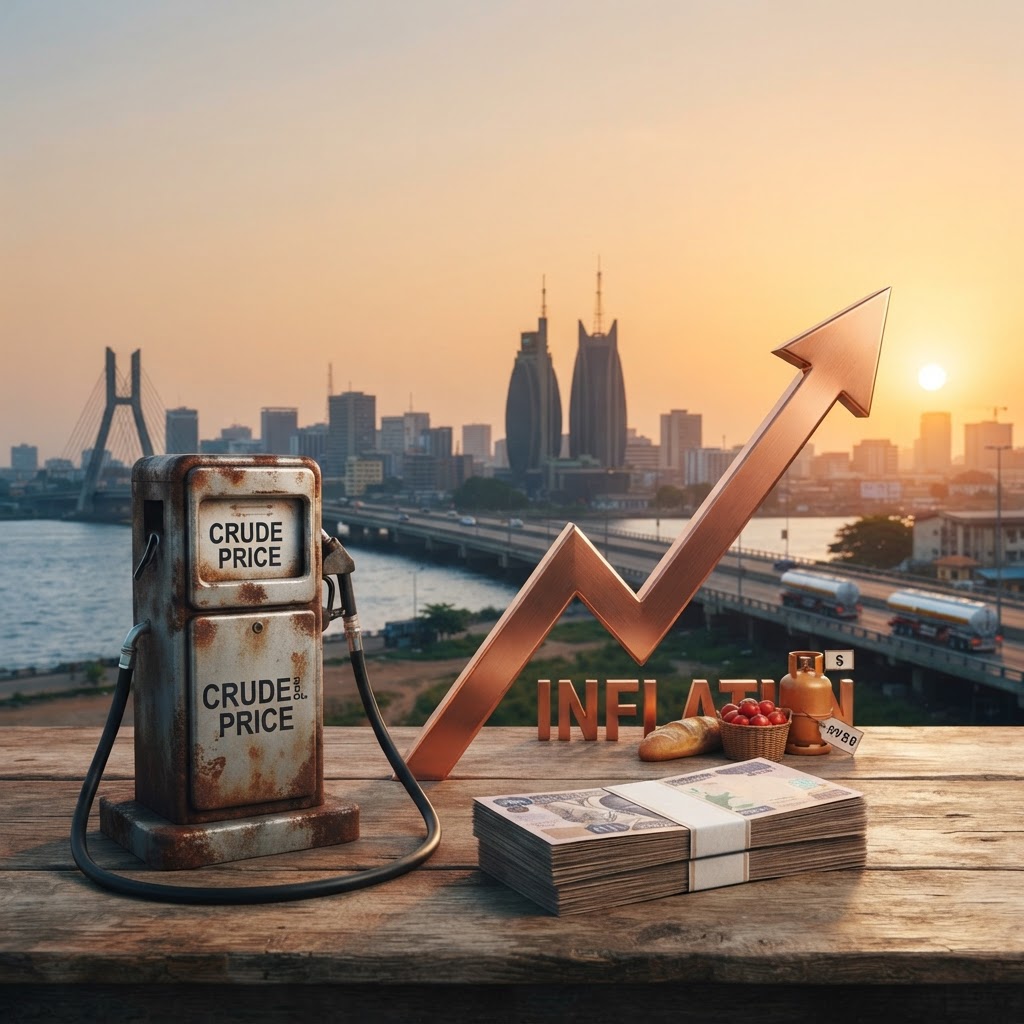
Nigeria's fuel pumps tell a story that numbers alone cannot capture. Families watch transport fares climb, traders adjust price tags weekly, and household budgets strain under pressure. These signals point to one reality: Nigeria inflation fears are rising again as Rising Crude Oil Prices Raise Fresh Concerns Over Inflation in Nigeria, and understanding why matters for every Nigerian home. The conversation around Nigeria inflation is no longer confined to economists and policymakers — it has become a daily kitchen-table discussion for millions of households trying to stretch shrinking naira further.
Crude oil remains central to Nigeria's economic story. When prices swing on global markets, the effects ripple through fuel pumps, market stalls, and government budgets alike, feeding directly into the broader Nigeria inflation narrative. This article breaks down the mechanics, the risks, and practical ways families and communities can respond to protect themselves against the next wave of price pressure.
Why Do Oil Prices Affect Inflation?
Crude oil prices influence Nigeria inflation through a direct and simple channel: transportation costs. Diesel and petrol power the trucks that move food from farms to markets, and any disruption in fuel pricing quickly cascades through the entire supply chain.
When global oil prices rise, fuel costs increase. Transporters pass these costs to traders. Traders pass them to consumers. The result is higher prices for rice, tomatoes, garri, and other staples that Nigerian households depend on daily. This chain reaction is one of the clearest and most measurable drivers of Nigeria inflation, because it touches nearly every product sold in local markets, from fresh produce to packaged goods.
Nigeria's heavy reliance on oil exports adds another layer of vulnerability. Oil revenue funds a significant share of the national budget and replenishes foreign exchange reserves. When prices fall unexpectedly, government income shrinks, and the naira faces pressure — a dynamic that often worsens Nigeria inflation by making imported goods more expensive almost overnight.
Economic researchers have long identified oil price volatility as a reliable predictor of macroeconomic instability. Fluctuations in crude markets often precede shifts in inflation rates and exchange rate pressures across oil-dependent economies like Nigeria. This causal relationship explains why policymakers watch crude benchmarks so closely, and why any serious discussion of Nigeria inflation must begin with a look at global energy markets.
The connection is not abstract for ordinary Nigerians. A spike in global oil prices today can mean higher transport fares tomorrow and costlier food within weeks. This is the practical reality behind macroeconomic headlines, and it explains why energy markets deserve attention from everyday households, not just economists. For many families, Nigeria inflation is experienced first as a rising fare at the bus stop, long before it ever shows up in official statistics.
How Is Nigeria's Economy Faring?
Nigeria's inflation story has shifted meaningfully over the past two years. Headline inflation peaked at 33.2% by the end of 2024, according to data compiled by the National Bureau of Statistics. That figure represented one of the steepest inflationary periods in recent Nigerian history and marked a painful chapter in the ongoing Nigeria inflation story.
By 2025, inflation moderated to roughly 15%, still elevated but a notable improvement. This decline reflects tighter monetary policy from the Central Bank of Nigeria and improved agricultural output in several states. Interest rate adjustments helped curb excess liquidity, while better harvests eased pressure on food supply chains. Even so, analysts caution that any renewed spike in crude prices could quickly reverse these gains and reignite Nigeria inflation concerns across the country.
Yet the improvement masks deeper challenges. Food inflation has remained stubbornly high, and it continues to hit the poorest households hardest. Families spending a larger share of income on food feel price increases more severely than wealthier households who can absorb shocks. This uneven burden is one of the most troubling aspects of Nigeria inflation today, as it widens the gap between those who can adapt and those who cannot.
Consider these recent indicators:
- Headline inflation fell from 33.2% in late 2024 to approximately 15% in 2025.
- Food inflation remains disproportionately high compared to the general inflation rate.
- Monetary tightening by the Central Bank has contributed to recent moderation.
- Agricultural output gains have helped ease some supply-side pressure.
Storage and logistics gaps still undermine these gains. As highlighted in reporting on farm losses from poor storage infrastructure, Nigeria loses billions in agricultural value annually. Addressing this bottleneck could further stabilize food prices and support the Nigeria inflation gains already achieved, giving households more breathing room at the market.
What Risks Do Volatile Prices Pose?
Global oil markets rarely move in predictable patterns. Supply-demand imbalances, OPEC production decisions, and geopolitical tensions in the Middle East create unpredictable revenue streams for oil-exporting nations like Nigeria according to OPEC's market analysis. This unpredictability complicates fiscal planning at every level of government and adds yet another variable to an already complex Nigeria inflation equation.
Nigeria's federal budget typically assumes a benchmark oil price, often around $75 per barrel. When actual market prices fall below this assumption, the government faces a fiscal squeeze. Revenue projections collapse, and planned expenditures become difficult to fund without additional borrowing — a shortfall that often translates into higher consumer prices and renewed Nigeria inflation pressure.
This dynamic connects directly to Nigeria's broader debt situation. Reports indicate that debt interest payments could consume 72% of federal revenue by 2030 if current trends continue. Volatile oil prices accelerate this risk by creating budget shortfalls that force further borrowing, which in turn can deepen Nigeria inflation if the government resorts to printing money or excessive domestic borrowing to cover the gap.
Price volatility also discourages long-term investment planning. Businesses struggle to forecast costs when fuel prices swing unpredictably. Economic growth slows when uncertainty dominates decision-making, and necessary fiscal recalibration becomes harder to achieve without painful adjustments to spending or taxation. Every delay in addressing these structural issues risks prolonging the current cycle of Nigeria inflation.
Featured Products
Reverse Type 2 Diabetes & other associated Metabolic Issues using Dr. Jason Fung's Evidence-Based Approach— FMD program for Type 2 Diabetes
A practical fasting and fasting-mimicking programme built on Dr Jason Fung's insulin-resistance principles and ow-glycemic recipes.
₦19,950
Join NowChukwu Abiama Tee
Bold black-and-gold Igbo-pride T-shirt featuring 'Chukwu Abiama' in premium streetwear typography.
₦15,000
Buy NowỤmụ Igbo Tee
Classic black T-shirt with bold white 'Ụmụ Igbo' typography — a proud statement of Igbo heritage.
₦15,000
Buy NowNwanne Tee
Washed khaki vintage tee with a faded rust-orange 'Nwanne' stamp badge and palm leaf motif — a nod to kinship and heritage.
₦18,000
Buy NowObodo Tee
Faded denim-blue washed tee with a cream 'Obodo' stamp badge and sun motif, celebrating community roots.
₦18,000
Buy NowEkwe Heritage Tee
Deep indigo tee featuring a fine line-art illustration of a traditional Igbo ekwe drum, inspired by Igbo-Ukwu bronze artistry.
₦18,000
Buy NowIkenga Figure Tee
Forest green tee with a fine line-art illustration of a stylized Ikenga figure.
₦18,000
Buy NowRecent coverage from Independent Newspapers Nigeria has tracked how these fiscal pressures feed into broader economic headlines, reinforcing the urgency of coordinated policy responses to contain Nigeria inflation before it spirals further.
Governance and electoral integrity also play an indirect but important role in economic stability. Institutions such as INEC, which has worked to remove invalid voters and flag errant officials, and efforts to promote objective, verifiable reportage among journalists, help build the kind of institutional trust that underpins sound economic policymaking — trust that is essential if Nigeria is to manage inflation expectations credibly over time.
How Can Families Protect Wealth?
Nigerian families cannot control global oil markets, but they can build resilience against the ripple effects of Nigeria inflation. Diversifying income streams beyond oil-dependent sectors is one of the most effective long-term strategies available.
Entrepreneurs should consider ventures tied to local production, technology services, or agriculture that remain less exposed to oil price swings. Industrial growth in areas like Obazu-Mbieri demonstrates how localized economic investment can create jobs independent of oil revenue fluctuations. These models offer templates for other communities seeking similar resilience against the pressures of Nigeria inflation.
Budgeting remains essential during periods of high inflation. Families should prioritize essential goods and seek cost-effective nutrition options. Buying in bulk through cooperative arrangements can reduce per-unit costs significantly. Community-based food security initiatives, including shared storage and collective purchasing, help households stretch limited income further, even as Nigeria inflation continues to erode purchasing power.
Here are four practical steps families can take today:
- Build a diversified income portfolio that includes at least one non-oil-dependent revenue source.
- Join or form cooperative buying groups to access bulk discounts on staple foods.
- Track monthly spending closely to identify where Nigeria inflation is hitting hardest.
- Explore digital entrepreneurship opportunities that require minimal capital investment.
This reflects Eziokwubundu's Practical Prosperity approach: leveraging digital opportunities and local entrepreneurship to mitigate the impact of a depreciating naira as outlined by the Central Bank of Nigeria's economic reports. Practical, applied strategies matter more than abstract financial advice during periods of elevated Nigeria inflation.
Diaspora Nigerians can also play a role by supporting family enterprises back home. Remittances directed toward productive investments, rather than pure consumption, help build lasting financial resilience for extended families navigating the daily realities of Nigeria inflation.
Physical wellbeing matters just as much as financial planning during stressful economic periods. Chronic stress linked to financial pressure can worsen underlying health conditions, which is why understanding issues such as those outlined in Five Health Problems Nigerian Men Often Ignore is especially relevant when households are simultaneously managing health and the strain of Nigeria inflation.
What Is The Path To Stability?
Long-term stability requires more than reactive policy. Nigeria needs structural change that reduces its dependence on volatile oil revenue while strengthening local production capacity — a shift that would meaningfully ease the long-term trajectory of Nigeria inflation.
The Traditional Values, Modern Progress framework offers a useful lens here. Community-led development, paired with modern economic strategies, can reduce import dependency significantly. Local production of food, fuel, and manufactured goods insulates communities from global price shocks far more effectively than imports ever could, offering a durable buffer against future spikes in Nigeria inflation.
Sustained coordination between fiscal and monetary authorities remains critical. When the Central Bank and the federal government align policy signals, inflation expectations stabilize more predictably as emphasized in recent monetary policy communications. Mixed signals between these institutions tend to confuse markets and worsen price instability, prolonging episodes of Nigeria inflation that could otherwise be contained more quickly.
Structural reforms also matter. Modern property tax frameworks could diversify government revenue away from oil dependence. Increased domestic refining capacity, highlighted in discussions around Nigeria's renewed refinery investments, would reduce the country's exposure to imported fuel price shocks. These reforms require patience, but they build toward genuine economic independence and a more stable Nigeria inflation outlook over the coming decade.
Infrastructure investment, including power sector improvements, also supports stability. Efforts by power distribution companies to address blackouts show that structural fixes across multiple sectors reinforce each other. Reliable electricity reduces production costs, which in turn moderates inflationary pressure across the economy. As Nigeria is projected to drive half of West Africa's power demand by 2035, getting the energy sector right today could pay enormous dividends for taming Nigeria inflation tomorrow.
How Can Communities Support Each Other?
Community-level action remains one of the most powerful tools against inflation's impact. Establishing local food banks and cooperative buying groups can directly combat rising food costs for vulnerable households struggling under the weight of Nigeria inflation.
Knowledge sharing among local stakeholders helps communities navigate economic shifts collectively. Rather than facing inflation in isolation, neighborhoods that coordinate resources tend to absorb shocks more effectively. Local organizations, including those exploring funding options like the proposed World Bank loan support, can channel external resources toward grassroots resilience projects designed to soften the blow of Nigeria inflation on everyday families.
This reflects Eziokwubundu's core mission. Individual success through health and wealth creation strengthens collective resilience across Nigerian communities. When families thrive, entire neighborhoods benefit, proving that personal progress and community development are inseparable goals — and that managing Nigeria inflation is ultimately a shared responsibility that stretches from the federal government down to the smallest household budget.
Stay Informed
Get New Articles in Your Inbox
Subscribe to receive the latest community development, health, and wealth insights from Eziokwubundu.
Newsletter
Practical insights on health, wealth, and community — delivered weekly.
Community Discussion(0)
Leave a Comment
More to Read
You May Also Like

Obi-Mbieri Mourns Engr. Vitalis Opara: Questions Emerge Over Community’s Silence
Engr. Vitalis Opara is identified as President General on the signature page of the Obi-Mbieri Autonomous Community Constitution 2020 as amended.
IMSU Lecturers Protest in Owerri, Appeal to Uzodimma to End
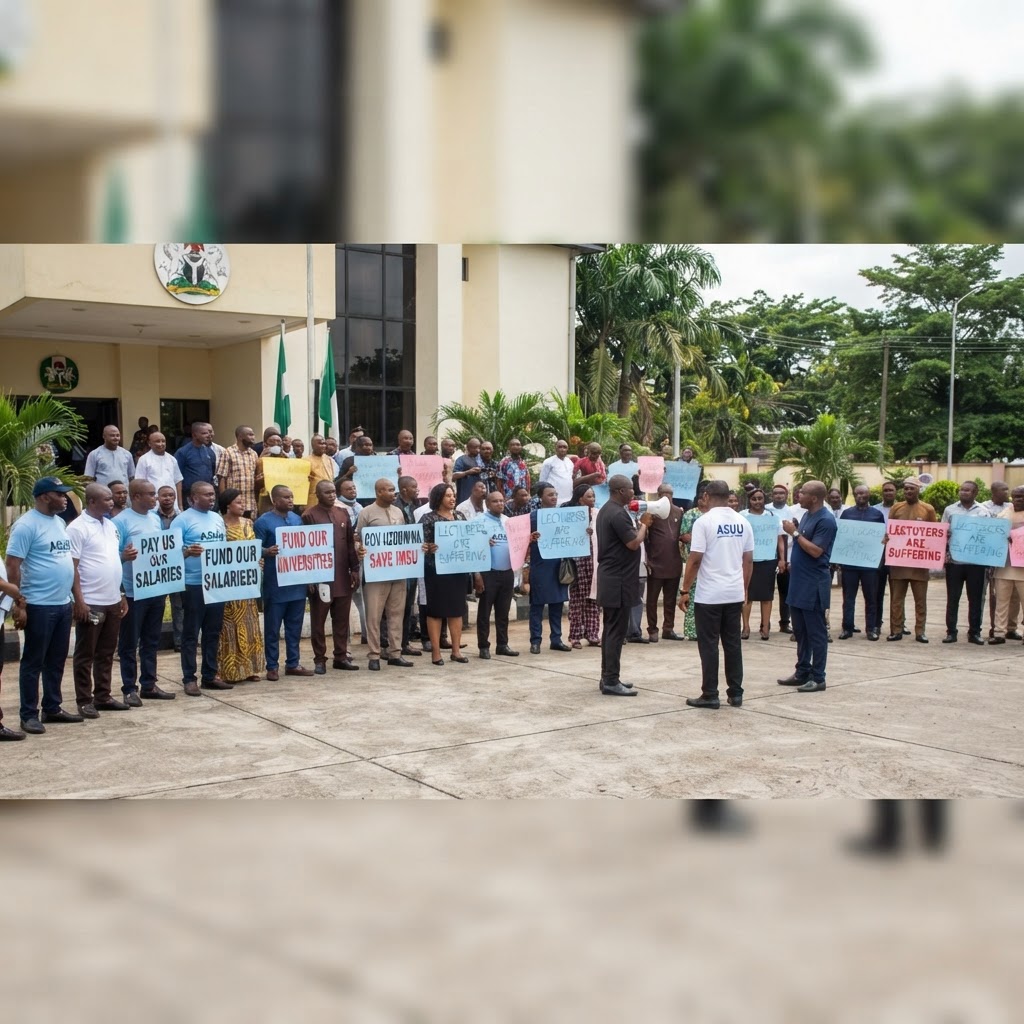
The streets of Owerri turned into a sea of white lab coats and placards this week. Hundreds of university lecturers walked out of their offices, choosing protest over silence. The IMSU Lecturers Protest in Owerri, Appeal to Uzodimma to End Months-Long Strike has become a defining moment for Imo Stat...

JAMB Candidates Can Now Change Course and Institution Online
Admission season often brings long queues and costly transport for Nigerian families. That burden has just eased. JAMB candidates can now change their institutions and courses from home, as the board announces a new digital correction service, giving students and parents fresh control over their aca...
House Summons NAFDAC and DSS Over Fake Drug Deaths
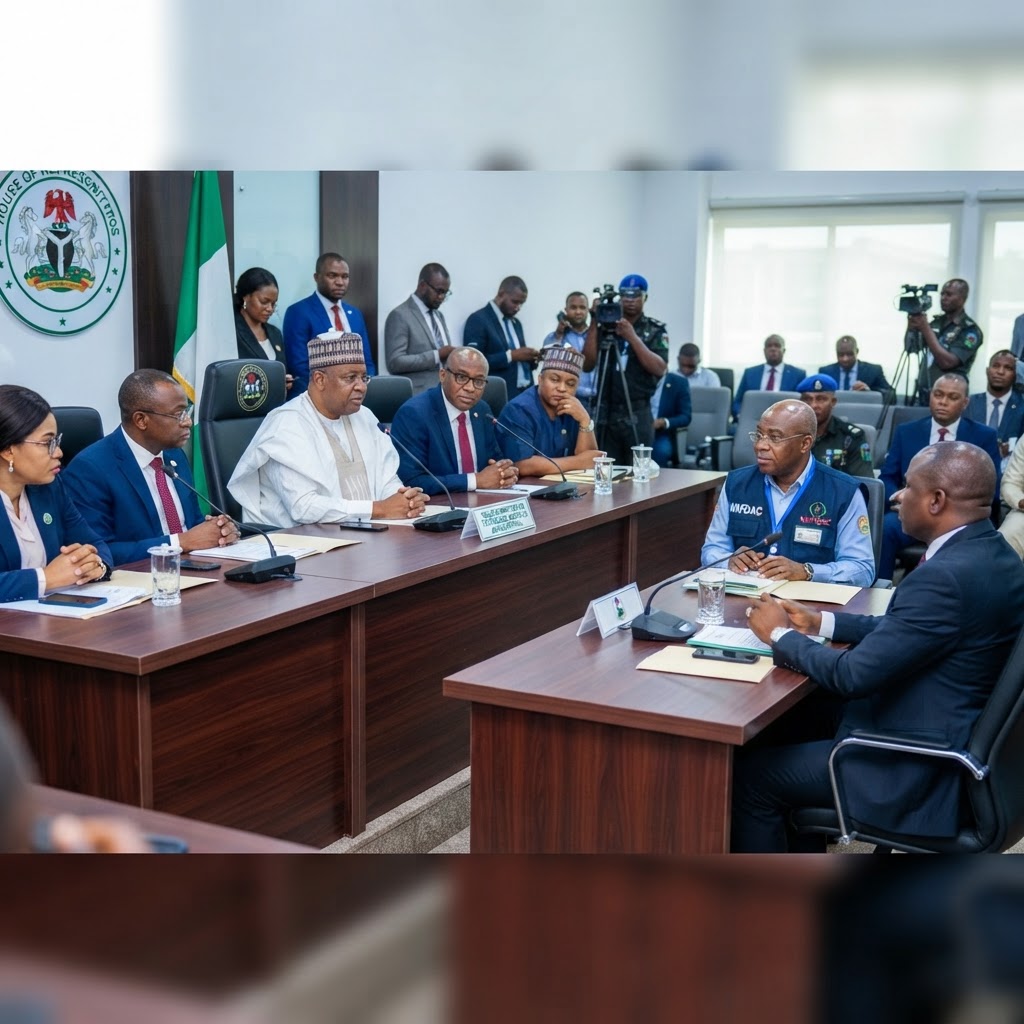
Four people are dead, eleven more are fighting for their lives, and a federal lawmaker wants answers now. Fake Drug deaths linked to a suspicious herbal concoction have pushed the House of Representatives to move decisively, summoning NAFDAC and the DSS in a case that is no longer a distant headline...

Prevent Kidney Disease With Regular Health Checks
Kidney health rarely makes headlines until a crisis hits a family. Yet understanding Kidney Disease: Why Regular Health Checks Can Help Prevent Serious Complications can save lives, protect household income, and strengthen community wellbeing across Nigeria. Kidney Disease often develops quietly ove...

Budget-Friendly Healthy Meal Prepping for Nigerians
Modern Nigerian families face the dual pressure of rising food prices and the need for better health outcomes. Learning how Nigerian families can(/article/nigerian-family-guide-to-reversing-type-2-diabetes) use meal prepping with local ingredients to eat healthy on a tight budget is a vital skill fo...

Beyond Degrees: Bridging Nigeria's Digital Skills Gap
Nigeria's graduates are flooding the job market faster than employers can absorb them. Yet many arrive with certificates but no practical digital competence. This is the heart of Digital Skills and Youth Employment: Why Nigerian Graduates Need More Than University Certificates.—a gap that is reshapi...
Senate Sends State Police Bill to Tinubu for Approval
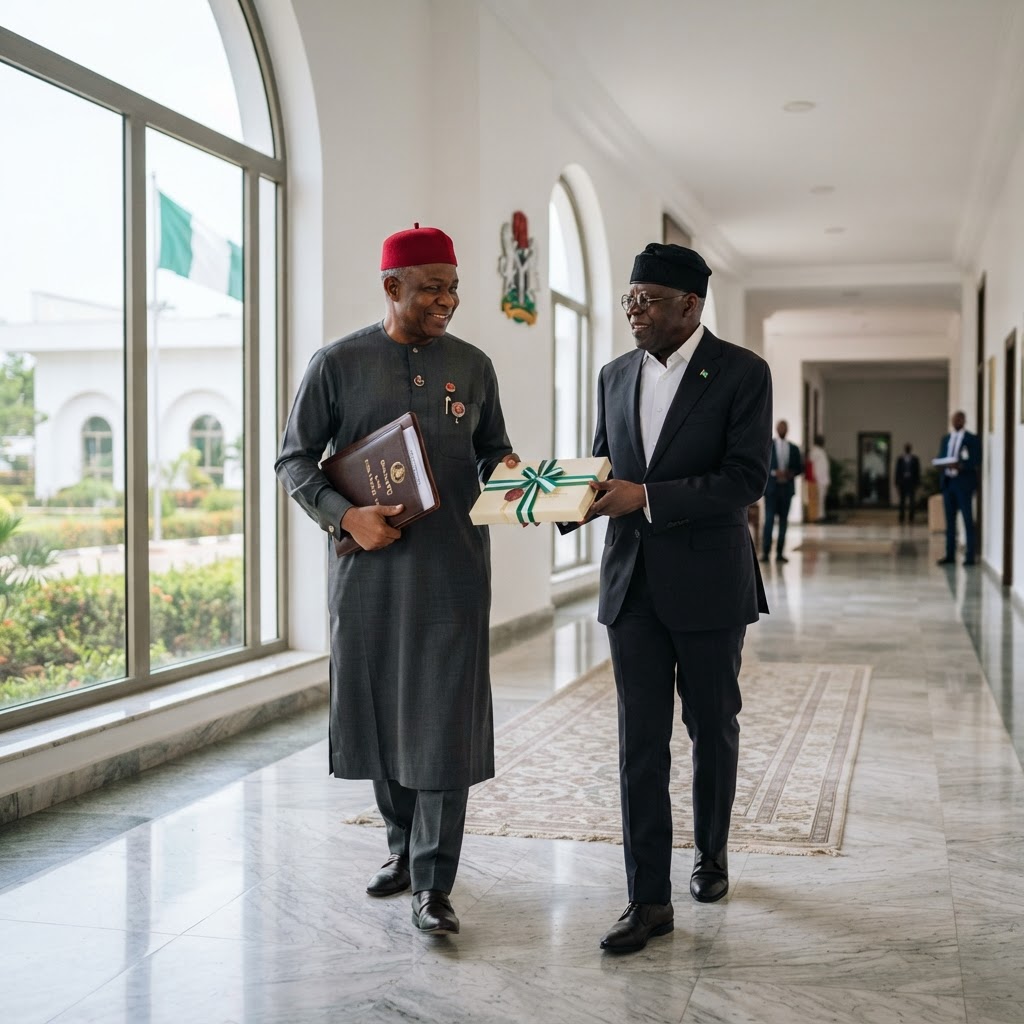
Nigeria's security architecture is entering a new chapter. The headline development, State Police Bill: Senate Transmits Constitutional Amendment to Tinubu for Presidential Assent, signals a historic shift toward decentralized policing. For Nigerian families, entrepreneurs, and community leaders, th...
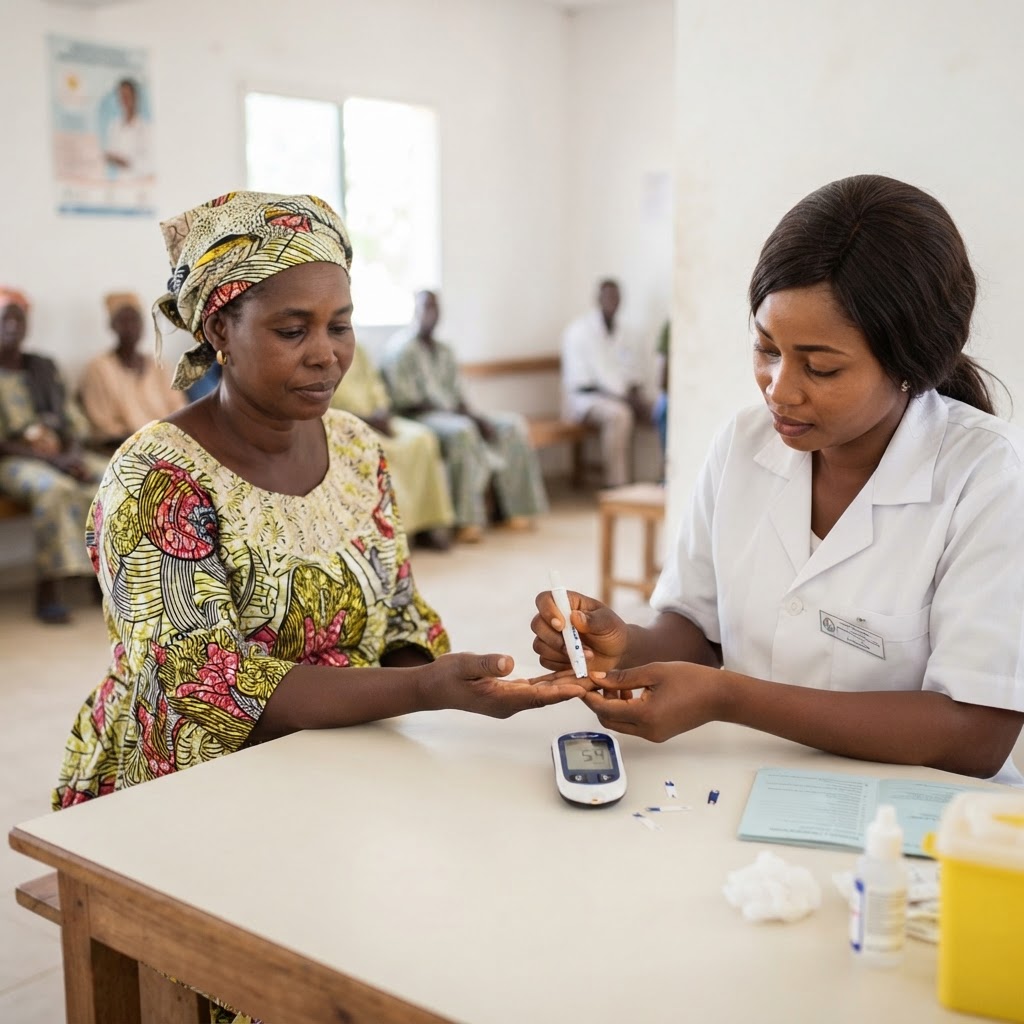
Diabetes in Africa: Why Routine Screening Is Vital
Imagine a disease that silently damages organs for years before anyone notices. That is the reality for millions living in Africa today. According to the latest report, Diabetes: Three Out of Four Africans Living With the Condition May Be Unaware – Why Screening Matters, and this gap in knowledge is...
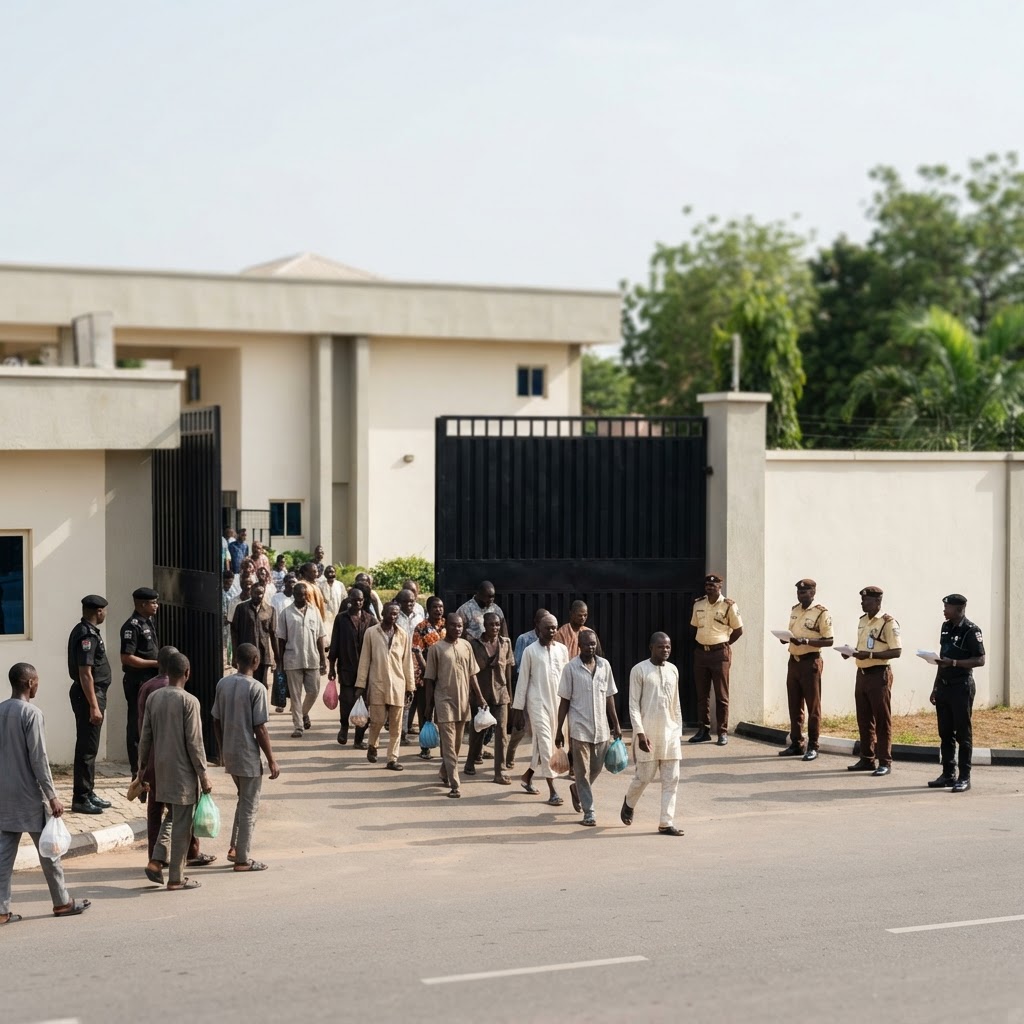
Tinubu Orders Release of 78 Suspects in Convoy Attack
A single Friday afternoon in Abuja turned into a national talking point. News that President Tinubu Orders Release of 78 Suspects Arrested Over Attack on His Convoy in Abuja quickly spread across radio, television, and social media. For many Nigerian families, the story raised fresh questions about ...