Powered by Obi Mbieri Independent Media Ltd.
$1 = ₦1,353€1 = ₦1,486£1 = ₦1,775Nigeria Risks Billions in Farm Losses Without Better Storage
Nigeria's farms produce enough food to feed millions, yet much of it rots before reaching a dinner table. This paradox costs the nation dearly every single year. Nigeria Risks Losing Billions in Farm Produce Without Better Storage and Transport, and the numbers behind this crisis demand urgent atten...
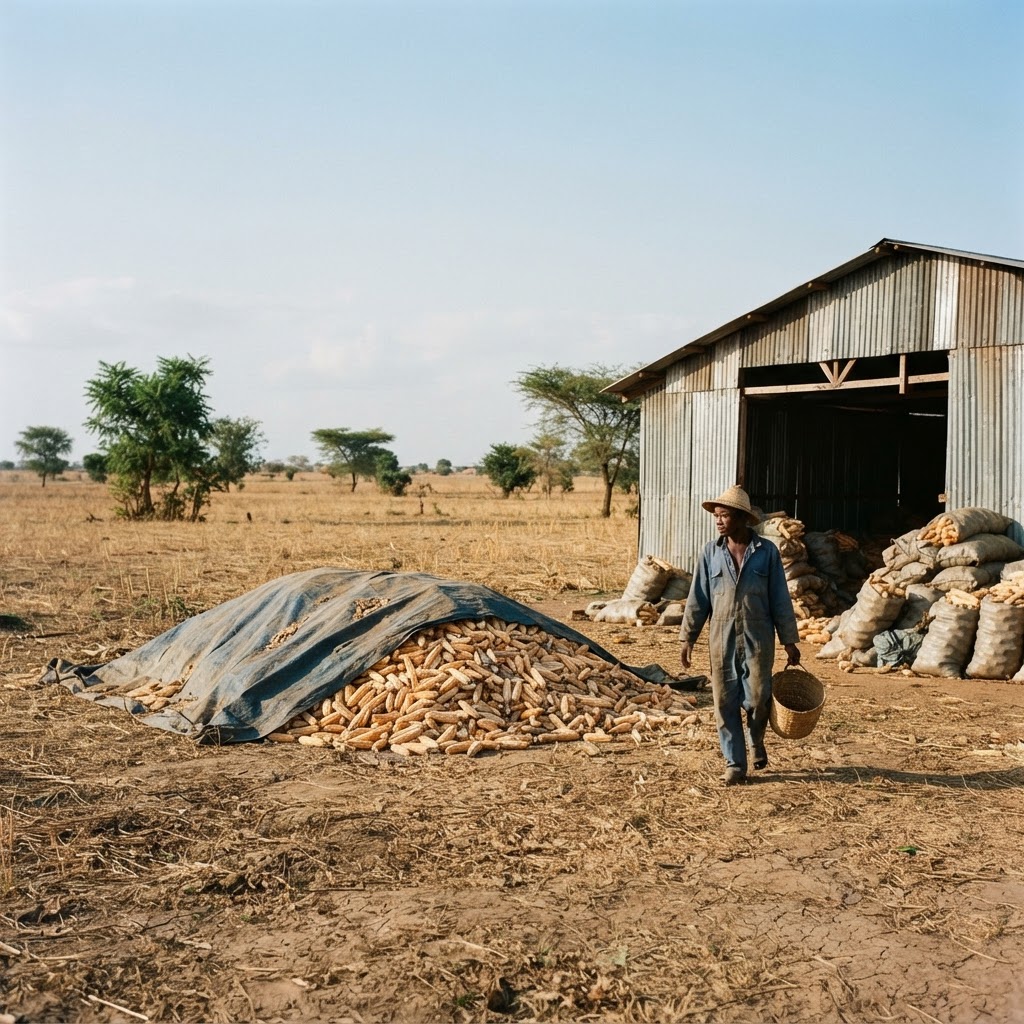
Nigeria's farms produce enough food to feed millions, yet much of it rots before reaching a dinner table. This paradox costs the nation dearly every single year. Nigeria Risks Losing Billions in Farm Produce Without Better Storage and Transport, and the numbers behind this crisis demand urgent attention from policymakers, entrepreneurs, and everyday families alike. Nigeria Risks turning a season of abundant harvests into a season of avoidable poverty if storage and logistics gaps remain unaddressed.
Why Is Food Loss A Crisis?
Nigeria loses an estimated ₦3.5 to ₦5 trillion annually due to post-harvest inefficiencies. This figure, reported across multiple agricultural assessments, represents money that could fund schools, hospitals, and small businesses. Instead, it rots in warehouses, trucks, and open fields. Nigeria Risks squandering resources equivalent to major national budget lines simply because produce never makes it to market in sellable condition.
Roughly 40% of perishable produce never reaches consumers. Tomatoes, pepper, cassava, and leafy vegetables spoil before they leave rural markets. This gap between what farmers grow and what families eat reveals a broken supply chain, not a production problem. Nigeria Risks reinforcing the mistaken belief that the country cannot feed itself, when in reality the harvest exists — it simply never survives the journey.
These losses hurt smallholder farmers most. They form the backbone of Nigeria's rural economy, yet they absorb the financial shock of spoiled crops. When a farmer loses 40% of her harvest, she loses 40% of her income potential for that season. Multiply that across millions of smallholders, and Nigeria Risks deepening rural poverty at precisely the moment agricultural investment should be lifting communities out of it.
The ripple effects spread further. Families pay more for food that survives the journey to market. Entrepreneurs in food processing struggle to source consistent raw materials. Communities lose the economic activity that healthy agricultural trade would otherwise generate. Left unresolved, Nigeria Risks a slow erosion of food security even as farmland output theoretically keeps pace with population growth.
According to recent coverage from Nigeria's major newspapers, agricultural losses remain a recurring theme in national economic discussions. This consistent attention signals how seriously stakeholders view the problem. Addressing it requires understanding its root causes first.
What Causes These Massive Losses?
Infrastructure gaps sit at the center of this crisis. Poor rural road networks slow down the movement of produce from farm to market. Many roads turn impassable during rainy seasons, stranding harvests exactly when speed matters most. As long as these gaps persist, Nigeria Risks losing entire truckloads of produce to delays that better roads could easily prevent.
Unreliable power supply compounds the problem. Cold chain systems need consistent electricity to function. Without it, refrigerated storage becomes unreliable, and perishables spoil even inside supposedly modern facilities. The ongoing challenges highlighted in Power DisCos Apologise to Nigerians Over Prolonged Blackouts illustrate how deeply power instability affects everyday economic activity, including agriculture. Until the grid stabilizes, Nigeria Risks undermining even its best-designed storage facilities simply because they cannot stay powered long enough to matter.
Storage infrastructure remains scarce across much of the country. Cold rooms, silos, and warehouses exist in limited numbers, often concentrated in urban centers far from farming communities. This forces farmers to sell produce quickly, frequently at low prices, simply to avoid total loss. In this scenario, Nigeria Risks trapping farmers in a cycle where distress sales become the norm rather than the exception.
Technical limitations make matters worse. Many farmers still rely on traditional handling methods passed down through generations. These methods often lack the precision needed to prevent bruising, moisture damage, or pest infestation. Crops like cassava, tomatoes, and grains suffer particularly high decay rates under these conditions.
Consider these contributing factors driving Nigeria's post-harvest losses:
- Limited access to preservation technologies like hermetic storage bags
- Inadequate rural road networks connecting farms to markets
- Unreliable electricity for cold chain maintenance
- Poor handling and packaging practices during transport
Each factor compounds the others, creating a cycle that's difficult to break without coordinated intervention. Without that coordination, Nigeria Risks facing the same storage emergency year after year, regardless of how much farmland is cultivated or how favorable the rainy season turns out to be. The World Bank's agricultural data consistently shows that infrastructure investment correlates directly with reduced food loss rates across developing economies.
How Do Storage Technologies Help?
Improved storage solutions offer measurable, proven results. Hermetic bags, metal silos, and improved cribs have reduced pest-related losses by up to 68% in documented field trials. These technologies create airtight environments that starve pests of the oxygen they need to survive and multiply. Where these tools remain out of reach, Nigeria Risks leaving proven, affordable solutions on the shelf while preventable losses continue unabated.
Metal silos, in particular, have transformed grain storage for many smallholder farmers. Unlike traditional storage methods, silos protect against rodents, insects, and moisture infiltration. Farmers who adopt them report significantly longer storage periods without quality degradation.
Community-level warehouses present another sustainable pathway. When farmers pool resources to build shared storage facilities, they reduce individual costs while gaining access to better technology. Solar-powered cold hubs extend this concept further, using renewable energy to maintain freshness without depending on Nigeria's unstable grid. This kind of innovation matters because, without it, Nigeria Risks remaining permanently tethered to a power grid that cannot yet guarantee the reliability agriculture requires.
Featured Products
Reverse Type 2 Diabetes & other associated Metabolic Issues using Dr. Jason Fung's Evidence-Based Approach— FMD program for Type 2 Diabetes
A practical fasting and fasting-mimicking programme built on Dr Jason Fung's insulin-resistance principles and ow-glycemic recipes.
₦19,950
Join NowChukwu Abiama Tee
Bold black-and-gold Igbo-pride T-shirt featuring 'Chukwu Abiama' in premium streetwear typography.
₦15,000
Buy NowỤmụ Igbo Tee
Classic black T-shirt with bold white 'Ụmụ Igbo' typography — a proud statement of Igbo heritage.
₦15,000
Buy NowNwanne Tee
Washed khaki vintage tee with a faded rust-orange 'Nwanne' stamp badge and palm leaf motif — a nod to kinship and heritage.
₦18,000
Buy NowObodo Tee
Faded denim-blue washed tee with a cream 'Obodo' stamp badge and sun motif, celebrating community roots.
₦18,000
Buy NowEkwe Heritage Tee
Deep indigo tee featuring a fine line-art illustration of a traditional Igbo ekwe drum, inspired by Igbo-Ukwu bronze artistry.
₦18,000
Buy NowIkenga Figure Tee
Forest green tee with a fine line-art illustration of a stylized Ikenga figure.
₦18,000
Buy NowThe Agricultural Transformation Agenda Support Program, known as ATASP-1, offers compelling evidence. This initiative, supported through partnerships involving the International Fund for Agricultural Development, reduced post-harvest losses in cassava by nearly 50% in targeted regions. This outcome demonstrates that focused, well-funded interventions produce real results.
Scaling these successes nationally requires investment and political will. Programs like NiPHaST, discussed further below, aim to replicate this success across multiple value chains. The evidence is clear: storage technology adoption directly translates into economic gains for farmers and food security improvements for consumers. Without scaling these pilots nationwide, Nigeria Risks keeping transformative solutions confined to a handful of pilot regions while the rest of the country continues losing harvests at the same alarming rate.
Can Better Transport Save Produce?
Transport costs represent a massive barrier for Nigerian farmers. Recent studies cite that 81% of farmers identify high transport costs as a primary obstacle to moving goods efficiently. This statistic alone explains why so much produce never reaches urban markets in sellable condition. As transport costs climb, Nigeria Risks pricing smallholder farmers out of the very markets that could sustain their livelihoods.
Rural road networks need serious investment. Motorable roads reduce the time produce spends in transit, which matters enormously for highly perishable items. A tomato that spends six hours on a bad road arrives in far worse condition than one that travels two hours on a well-maintained route. Every additional hour on a degraded road is another hour in which Nigeria Risks converting a marketable harvest into waste.
Logistics integration with cold chain systems offers a comprehensive solution. When transport vehicles include refrigeration capacity, quality preservation continues throughout the journey. This approach, common in more developed agricultural economies, remains rare in Nigeria but shows tremendous potential.
The broader infrastructure conversation connects to Nigeria's energy future too. As highlighted in Nigeria to Drive Half of West Africa Power Demand by 2035, growing energy capacity could eventually support more reliable cold chain logistics nationwide. Transport and power infrastructure are deeply interconnected challenges requiring simultaneous solutions. The same industrial momentum driving projects like Rig and Die Is Back on Nigerian Timelines could, if properly channeled, support the equipment manufacturing needed for silos, cold trucks, and processing machinery that agriculture urgently needs.
What Is The Path Forward?
Government initiatives are beginning to address this crisis systematically. The Nigeria Postharvest Systems Transformation Programme, known as NiPHaST, aims to unlock private sector investment in storage and processing infrastructure. This program represents a shift toward market-driven solutions rather than purely government-funded interventions. If implementation stalls, however, Nigeria Risks repeating a familiar pattern where ambitious policy announcements fail to translate into infrastructure farmers can actually use.
Institutional frameworks need strengthening to support this transformation. Farmers require easier access to credit for purchasing machinery and building storage facilities. Without financing options, even farmers who understand the benefits of modern storage technology cannot afford to adopt it.
Funding remains a persistent challenge across Nigeria's development landscape. Initiatives like FG seeks fresh $500m World Bank loan demonstrate the scale of investment needed to address infrastructure gaps nationally. Agricultural storage and transport deserve a meaningful share of such financing packages. If these loans prioritize other sectors exclusively, Nigeria Risks missing a critical opportunity to close the post-harvest loss gap with readily available capital.
Community-based cooperatives offer a practical, immediate path forward. When smallholders pool resources, they share storage costs and gain collective bargaining power in the marketplace. This model aligns with traditional Nigerian community structures while incorporating modern economic strategies.
The broader fiscal context matters here too. Discussions around Debt Interest Could Consume 72% of Federal Revenue by 2030 remind us that government resources face competing demands. Private sector engagement and community-driven solutions become even more essential when public funding faces constraints. As debt servicing consumes a growing share of the federal budget, Nigeria Risks having little fiscal room left for the agricultural infrastructure investments that could otherwise pay for themselves many times over through reduced losses. Just as governance institutions like those described in INEC Removes 1.6 Million Invalid Voters, Flags 54 Officials must maintain credibility through diligent process, so too must agricultural policy follow through on commitments rather than stopping at announcements.
How Can Communities Take Action?
Local leaders and community organizations hold real power in this fight against food loss. Awareness campaigns about low-cost storage technologies can reach farmers who lack access to formal agricultural extension services. Training sessions on proper handling techniques cost little but deliver substantial returns. Without this grassroots education, Nigeria Risks letting even well-funded national programs fail at the last mile, where farmers simply never learn how to use the tools made available to them.
The Community First approach championed across Nigeria's development sector fits perfectly here. Farmers can form clusters to manage shared infrastructure, cutting individual costs while building collective resilience. This strategy mirrors successful cooperative models seen in IITA's agricultural research programs across West Africa.
Knowledge sharing deserves particular emphasis. Nigerian families, community leaders, and youth professionals can all contribute by spreading practical information about preservation methods. Every family that learns proper storage techniques strengthens the broader agricultural ecosystem. Technology-driven education platforms also have a role to play; initiatives such as How KoboTutor Uses AI to Expand Quality Education in Nigeria demonstrate how digital tools can extend practical knowledge, including agricultural best practices, to learners who might otherwise lack access to formal training.
Transparency and accountability also matter as these programs scale. Just as electoral bodies are urged, per INEC tasks journalists on objective, verifiable reportage, to ensure accurate public communication, agricultural initiatives benefit from clear reporting on outcomes so that communities and investors alike can trust the results. Where funds are mismanaged, as seen in cases like FG Files New Charges Against Adeyemi Adeniyi in PFIPC Case, public confidence erodes, and Nigeria Risks losing not just produce but also the trust needed to attract future investment into storage and transport infrastructure.
Ultimately, solving this crisis requires everyone's participation. Entrepreneurs can invest in cold chain startups. Diaspora Nigerians can fund community storage projects. Students can study agricultural logistics. Together, these efforts build the resilient, prosperous food system Nigeria deserves. If these efforts stall or remain fragmented, Nigeria Risks watching another harvest season pass with the same billions lost to spoilage, delay, and neglect — a cost the country can no longer afford to absorb quietly.
Stay Informed
Get New Articles in Your Inbox
Subscribe to receive the latest community development, health, and wealth insights from Eziokwubundu.
Newsletter
Practical insights on health, wealth, and community — delivered weekly.
Community Discussion(0)
Leave a Comment
More to Read
You May Also Like
36.3 Million Nigerians Face Acute Food Crisis
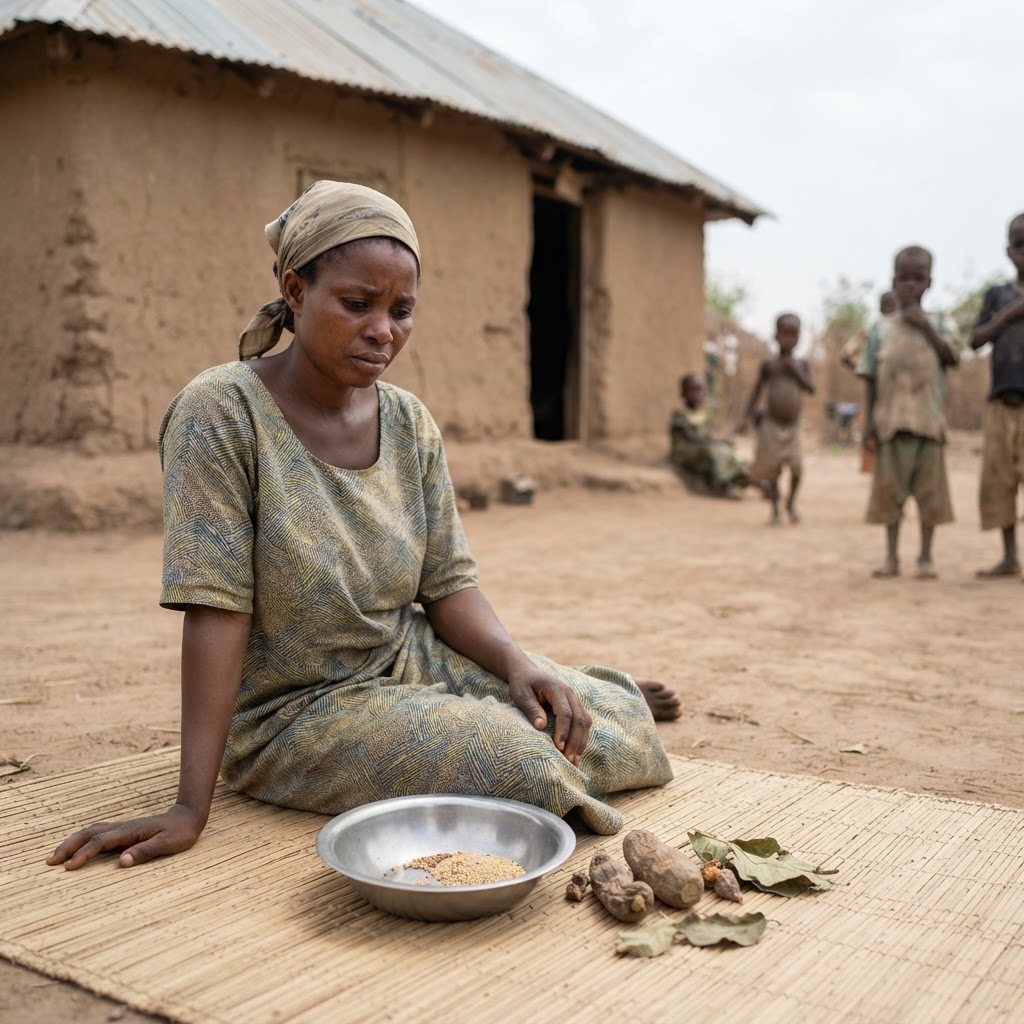
Hunger is spreading faster than many expected across Nigeria this year. New humanitarian data reveals that 36.3 Million Nigerians Face Acute Food Crisis conditions, a number that should alarm every family, policymaker, and community leader. This is not a distant statistic. It is a lived reality shap...

Obi-Mbieri Mourns Engr. Vitalis Opara: Questions Emerge Over Community’s Silence
Engr. Vitalis Opara is identified as President General on the signature page of the Obi-Mbieri Autonomous Community Constitution 2020 as amended.

Where Should a Traditional Prime Minister Conduct His Official Duties? Must Every Daily Activity Take Place at the Eze's Palace?
An examination of traditional Igbo governance, the Obi-Mbieri Autonomous Community Constitution 2020, as amended, and the wider implications.

Seplat Aku-01 Discovery: Benefits for Obi-Mbieri
Imagine a small Imo State community suddenly linked to a 157-billion-cubic-feet gas discovery. That is the reality facing Obi-Mbieri today. This piece on Seplat's Aku-01 Discovery: What Concrete Benefits Should Obi-Mbieri Expect? breaks down what this find could mean for everyday residents, local bu...

Budget-Friendly Healthy Meal Prepping for Nigerians
Modern Nigerian families face the dual pressure of rising food prices and the need for better health outcomes. Learning how Nigerian families can(/article/nigerian-family-guide-to-reversing-type-2-diabetes) use meal prepping with local ingredients to eat healthy on a tight budget is a vital skill fo...

Beyond Degrees: Bridging Nigeria's Digital Skills Gap
Nigeria's graduates are flooding the job market faster than employers can absorb them. Yet many arrive with certificates but no practical digital competence. This is the heart of Digital Skills and Youth Employment: Why Nigerian Graduates Need More Than University Certificates.—a gap that is reshapi...

Eziokwubundu’s Approach to Community Impact
Imagine a Nigeria where personal wellness, financial growth, and community development move together instead of staying separate. That is the vision behind Eziokwubundu’s Approach to Community Impact, a model built for everyday Nigerians seeking lasting change. This article unpacks how that model wo...

Seplat and Obi-Mbieri: Five Questions the Community Needs Answers to After the Commissioner's Directive
The question of who legitimately represents Obi-Mbieri Autonomous Community in its dealings with Seplat Energy PLC has once again come into focus following a significant intervention by the Imo State Government.
Imo Local Government Elections Set for Today
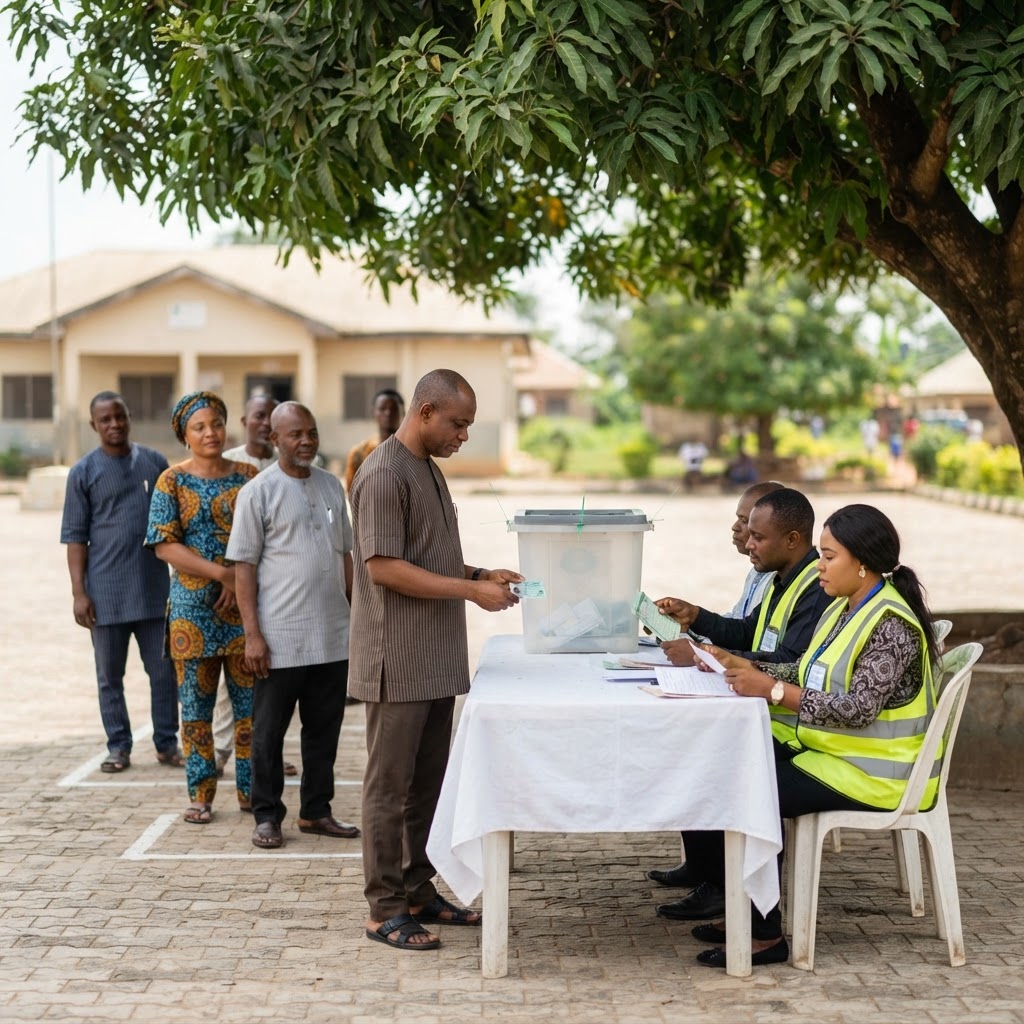
Imo State stands at a democratic crossroads this week. Residents across the state are heading to polling units with hope and renewed civic energy. The headline reads clearly: Imo Local Government Elections Hold Today: 27 LGAs, 305 Wards in Focus, and the outcome will shape grassroots governance for ...

Seplat's Aku-01 Discovery in Obi-Mbieri: 19 Million Barrels of Oil, 157 Bcf of Gas and What Comes Next?
The discovery at Seplat Energy's Aku-01 exploration well has drawn fresh attention to the oil and gas potential of Imo State and Obi-Mbieri. With preliminary estimates indicating 19 million barrels of oil and 157 billion cubic feet of gas in place, the next phase of exploration could have important implications for the host community. But what does the discovery actually mean, and what should Obi-Mbieri expect?