Powered by Obi Mbieri Independent Media Ltd.
$1 = ₦1,353€1 = ₦1,486£1 = ₦1,775Nigeria to Drive Half of West Africa Power Demand by 2035
Nigerians know the frustration of a sudden blackout mid-conversation or mid-business transaction. It is a daily reality that shapes how families live and how entrepreneurs plan their futures across West Africa, and nowhere is this more visible than in Nigeria, the region's largest economy. According...
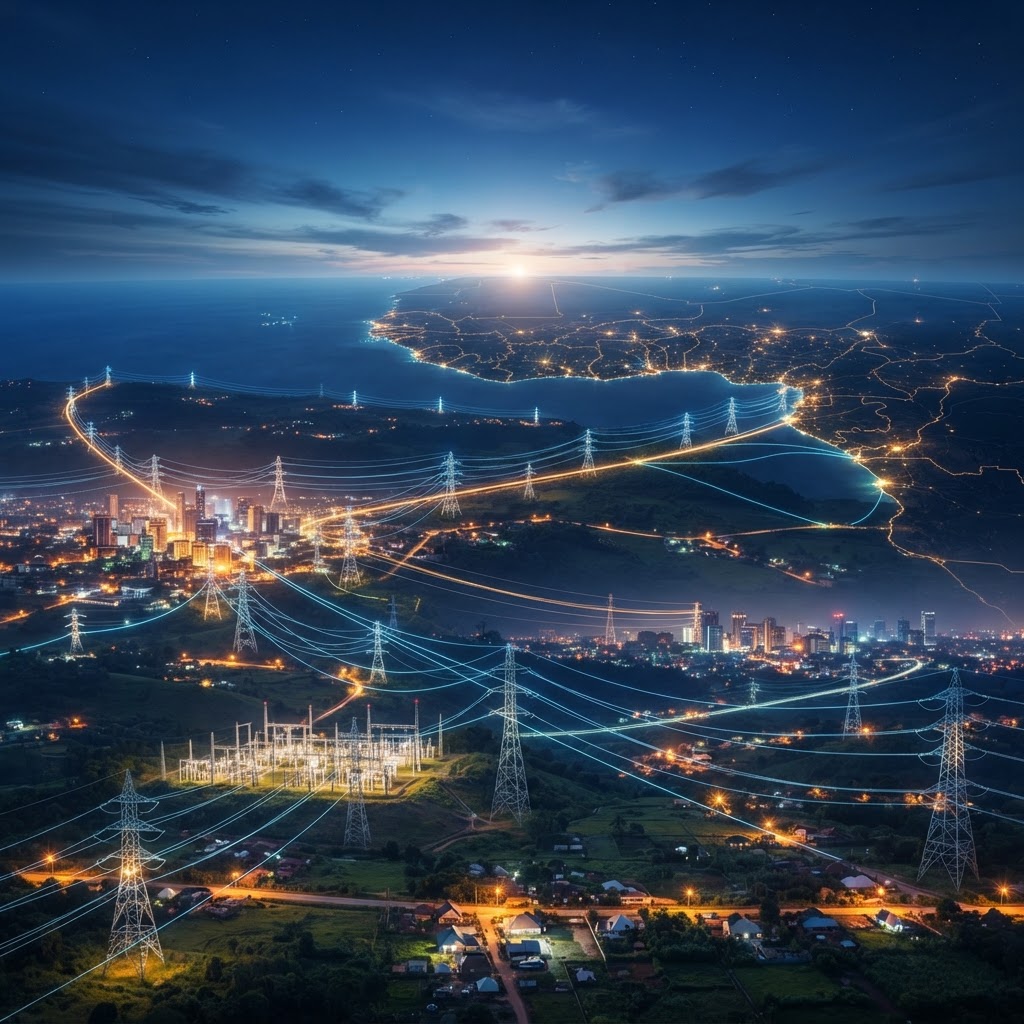
Nigerians know the frustration of a sudden blackout mid-conversation or mid-business transaction. It is a daily reality that shapes how families live and how entrepreneurs plan their futures across West Africa, and nowhere is this more visible than in Nigeria, the region's largest economy. According to a report by Leadership, Nigeria Projected To Account For Half Of West Africa's Electricity Demand Between 2025-2035, a finding that should reshape how we think about energy, business, and community development throughout the region.
This projection is not just a statistic for policymakers. It touches every Nigerian household, every small business owner, and every community leader working to build a better future — and it carries implications far beyond Nigeria's borders, affecting how West Africa as a whole plans for its energy future. Understanding why this matters — and what it means for your daily life — is the focus of this article.
Why Is Nigeria's Power Demand Rising?
Nigeria is projected to account for over 50 percent of West Africa's electricity demand between 2025 and 2035. This is according to the same report highlighted by Leadership, which tracks regional energy trends across the continent. The figures are striking when you consider the scale of growth expected in the coming decade, and they confirm what many energy analysts across West Africa have long suspected: Nigeria's trajectory will define the region's power story for years to come.
Electricity demand is expected to grow from approximately 62 terawatt-hours (TWh) in 2025 to over 90 TWh by 2035. That is nearly a 45 percent increase in just ten years. This growth is not happening in isolation. It reflects deep structural shifts occurring across the country, and by extension, across West Africa, where Nigeria's population and economic weight make it the single most influential market in regional energy planning.
Several forces are driving this surge. Rapid population growth remains the most obvious factor, as Nigeria's population continues expanding faster than most nations in Africa and indeed faster than most countries in West Africa combined. Urban expansion is pulling more families into cities that demand constant power for homes, schools, and businesses. Industrial and commercial activities also require stable electricity to function and grow, and as more manufacturing and logistics hubs develop, Nigeria's pull on regional power resources will only intensify.
This matters deeply for ordinary Nigerians. More demand means more pressure on an already stretched system. Families, students, and entrepreneurs all feel the consequences when supply cannot match this rising need. Communities across Nigeria, from Lagos to Imo State, are already navigating this reality daily, as seen in reports like Nigeria Electricity Output Falls to 3,549MW Amid Crisis. Local tensions tied to governance and development, including issues highlighted in Imo LG Election Tension Mounts Over Party Primaries, often intersect with these broader infrastructure challenges, reminding us that power sector reform cannot be separated from wider governance questions.
What Limits Our Current Power Supply?
Nigeria's power sector faces a troubling paradox. The country has installed generation capacity of approximately 17 gigawatts (GW), yet only about 7.7 GW is operational on any given day. This gap between potential and actual output defines the daily electricity experience for most Nigerians, and it also explains why Nigeria's installed capacity still falls short of fully meeting its share of demand across West Africa.
This shortfall forces millions of households and businesses toward expensive alternatives. Grid volatility has pushed reliance on off-grid self-generation to an estimated 50 gigawatts nationwide. That means Nigerians are spending enormous sums on diesel and petrol generators just to keep lights on and businesses running. This hampers national productivity and drains household income that could otherwise go toward savings, education, or healthcare.
Structural Bottlenecks Behind the Numbers
Several structural issues compound this crisis. High technical and commercial losses occur throughout the transmission and distribution network, meaning electricity generated often never reaches paying customers efficiently. Non-cost reflective tariffs mean distribution companies struggle to recover costs, which limits their ability to invest in upgrades. Aging transmission infrastructure, much of it decades old, cannot reliably carry the power that is generated.
Consider these core challenges facing the sector today:
- A persistent gap between installed capacity (17 GW) and operational output (7.7 GW)
- Heavy reliance on costly self-generation, estimated at 50 GW nationwide
- Significant technical and commercial losses across the grid
- Tariffs that do not reflect the true cost of electricity production
These are not abstract policy issues. They are the reasons families budget for fuel instead of food, and why small businesses close early to save on generator costs. The World Bank has repeatedly flagged Nigeria's power deficit as one of the biggest constraints to economic growth on the continent, noting that unresolved bottlenecks in Nigeria ripple outward and affect investment confidence across West Africa.
How Can We Bridge The Gap?
Closing this supply gap requires a multi-pronged strategy, and Nigeria already has frameworks in place to guide the effort. The Nigeria Integrated Resource Plan (NIRP) 2024 emphasizes a balanced mix of grid expansion and decentralized renewable energy. This approach recognizes that no single solution will solve the crisis alone.
Utility-enabled distributed energy resources, often called DERs, present a remarkable opportunity. Industry analysts estimate this represents a 20 GW market opportunity to improve reliability for homes and businesses across Nigeria. These systems allow communities and companies to generate power closer to where it is used, reducing transmission losses and improving resilience. Scaling this kind of innovation in Nigeria could also serve as a model for other nations in West Africa facing similar grid limitations.
Featured Products
Reverse Type 2 Diabetes & other associated Metabolic Issues using Dr. Jason Fung's Evidence-Based Approach— FMD program for Type 2 Diabetes
A practical fasting and fasting-mimicking programme built on Dr Jason Fung's insulin-resistance principles and ow-glycemic recipes.
₦19,950
Join NowChukwu Abiama Tee
Bold black-and-gold Igbo-pride T-shirt featuring 'Chukwu Abiama' in premium streetwear typography.
₦15,000
Buy NowỤmụ Igbo Tee
Classic black T-shirt with bold white 'Ụmụ Igbo' typography — a proud statement of Igbo heritage.
₦15,000
Buy NowNwanne Tee
Washed khaki vintage tee with a faded rust-orange 'Nwanne' stamp badge and palm leaf motif — a nod to kinship and heritage.
₦18,000
Buy NowObodo Tee
Faded denim-blue washed tee with a cream 'Obodo' stamp badge and sun motif, celebrating community roots.
₦18,000
Buy NowEkwe Heritage Tee
Deep indigo tee featuring a fine line-art illustration of a traditional Igbo ekwe drum, inspired by Igbo-Ukwu bronze artistry.
₦18,000
Buy NowIkenga Figure Tee
Forest green tee with a fine line-art illustration of a stylized Ikenga figure.
₦18,000
Buy NowRegional Cooperation Matters Too
Strategic investments in transmission lines and regional interconnections are essential for long-term stability. The West African Power Pool (WAPP) represents a critical platform for this cooperation, allowing countries across West Africa to share generation capacity and balance regional demand fluctuations. Strengthening these cross-border links benefits Nigeria directly, given its projected dominance in regional electricity consumption, and it benefits neighboring economies that rely on interconnected grids to stabilize their own supply.
Private sector participation will also play a defining role. Investment in modern transmission infrastructure, paired with transparent regulatory reforms, can accelerate progress. The International Energy Agency notes that countries succeeding in power-sector transformation typically combine public policy support with robust private capital inflows. Nigeria's path forward likely requires the same combination, alongside continued attention to how industrial projects like those discussed in Rig and Die Is Back on Nigerian Timelines depend on stable energy access to thrive. As Nigeria strengthens its own grid, it simultaneously strengthens the broader energy architecture of West Africa, since so many regional supply chains and trade routes run directly through Nigerian territory.
Transparent governance remains essential to any infrastructure push of this scale. Just as credible, verifiable reporting matters in elections — a point underscored in INEC tasks journalists on objective, verifiable reportage — credible, verifiable data on power generation, losses, and investment outcomes will be essential if Nigeria and its West Africa neighbors hope to build public trust in long-term energy reforms. Accountability failures elsewhere, such as those detailed in FG Files New Charges Against Adeyemi Adeniyi in PFIPC Case, illustrate why strong oversight mechanisms must accompany every major infrastructure investment.
What Role Do Renewables Play?
Renewable energy is no longer a secondary consideration in Nigeria's power strategy. It is central to the country's long-term plan. Nigeria's Energy Transition Plan targets 42 GW of grid capacity alongside 6.3 GW of decentralized renewables by the coming decades. This dual approach recognizes that both large-scale grid power and smaller community systems have essential roles to play.
Small-scale solar systems are increasingly viewed as more practical than gas-to-power solutions for reaching unserved communities. Solar installations can be deployed faster, require less complex infrastructure, and often prove more cost-effective for rural and semi-urban areas lacking grid access. This matters enormously for communities far from major transmission lines, not only in Nigeria but across much of rural West Africa, where grid extension remains slow and costly.
Renewable energy projects also reduce Nigeria's reliance on fossil fuels while aligning with global sustainability goals. The United Nations Sustainable Development Goals framework specifically calls for affordable, reliable, and modern energy for all nations by 2030. Nigeria's renewable push directly supports this global commitment while serving immediate local needs, and its scale of investment could set a benchmark for renewable adoption throughout West Africa. For communities and entrepreneurs, this shift toward solar and decentralized systems offers a practical, accessible path toward energy independence.
How Does This Impact Your Prosperity?
Reliable electricity is the backbone of wealth creation. Businesses that transition away from diesel generators can save up to 25 percent on energy costs, according to industry estimates. For small business owners and entrepreneurs, this represents real money that can be reinvested into growth, staff training, or expanding operations.
Healthcare outcomes also improve directly with better power access. Clinics and hospitals require stable energy for medical equipment, vaccine storage, and emergency procedures. Without reliable electricity, even the best healthcare facilities struggle to serve their communities effectively. This connection between power and health is why conditions requiring consistent monitoring and treatment, as discussed in Stroke: Warning Signs and How to Reduce Your Risk, depend so heavily on functioning healthcare infrastructure powered by stable electricity. The same holds true for common but often ignored conditions, such as those outlined in Prostate Enlargement: Seven Symptoms Men Should Not Ignore, where timely diagnosis and treatment depend on functioning clinics with dependable power. Similarly, ensuring medicine quality — a concern raised in NAFDAC Warns Imo Dealers Over Fake and Expired Drugs — often relies on properly powered storage and testing facilities.
Community-led energy initiatives empower local entrepreneurs and foster genuine economic growth. When neighborhoods or cooperatives invest in shared solar systems or mini-grids, they create jobs, reduce costs for everyone involved, and build local expertise in energy management. This reinforces the Eziokwubundu mission of collective progress, where individual and community prosperity grow together rather than in isolation. Security and stability remain foundational to this progress too; incidents like those reported in DSS Arraigns Five for Kidnapping 20 Corps Members in Imo are stark reminders that community development, including energy infrastructure, cannot flourish without basic safety and the rule of law.
This is the health-wealth-community triangle in action. Reliable power supports better health outcomes. It strengthens household finances. It enables stronger communities. Students pursuing education, including through platforms like those explored in How KoboTutor Uses AI to Expand Quality Education in Nigeria, also depend on consistent electricity to access digital learning tools and online resources. As digital education expands across Nigeria, similar models could eventually support learners throughout West Africa, provided power infrastructure keeps pace with demand.
What Is The Path Forward?
Nigeria's energy future depends largely on the pace of power-sector execution. This includes meaningful policy reforms and increased private sector participation across generation, transmission, and distribution. Progress will not happen automatically; it requires sustained commitment from both government and industry stakeholders, and given Nigeria's projected share of regional demand, the stakes extend well beyond its own borders into the wider West Africa energy market.
Transparency and community engagement remain vital throughout this process. Infrastructure projects must genuinely meet the needs of everyday Nigerians, not just serve technical or financial targets. Local input ensures that investments translate into real improvements for families and small businesses.
By prioritizing local resources and modernizing the grid, Nigeria can transform its energy sector into a genuine catalyst for national development — and, by extension, a catalyst for stability and growth across West Africa. The next decade offers a critical window for action, and the choices made now will shape prosperity for generations of Nigerians, and millions of other citizens across West Africa, to come.
Stay Informed
Get New Articles in Your Inbox
Subscribe to receive the latest community development, health, and wealth insights from Eziokwubundu.
Newsletter
Practical insights on health, wealth, and community — delivered weekly.
Community Discussion(0)
Leave a Comment
More to Read
You May Also Like
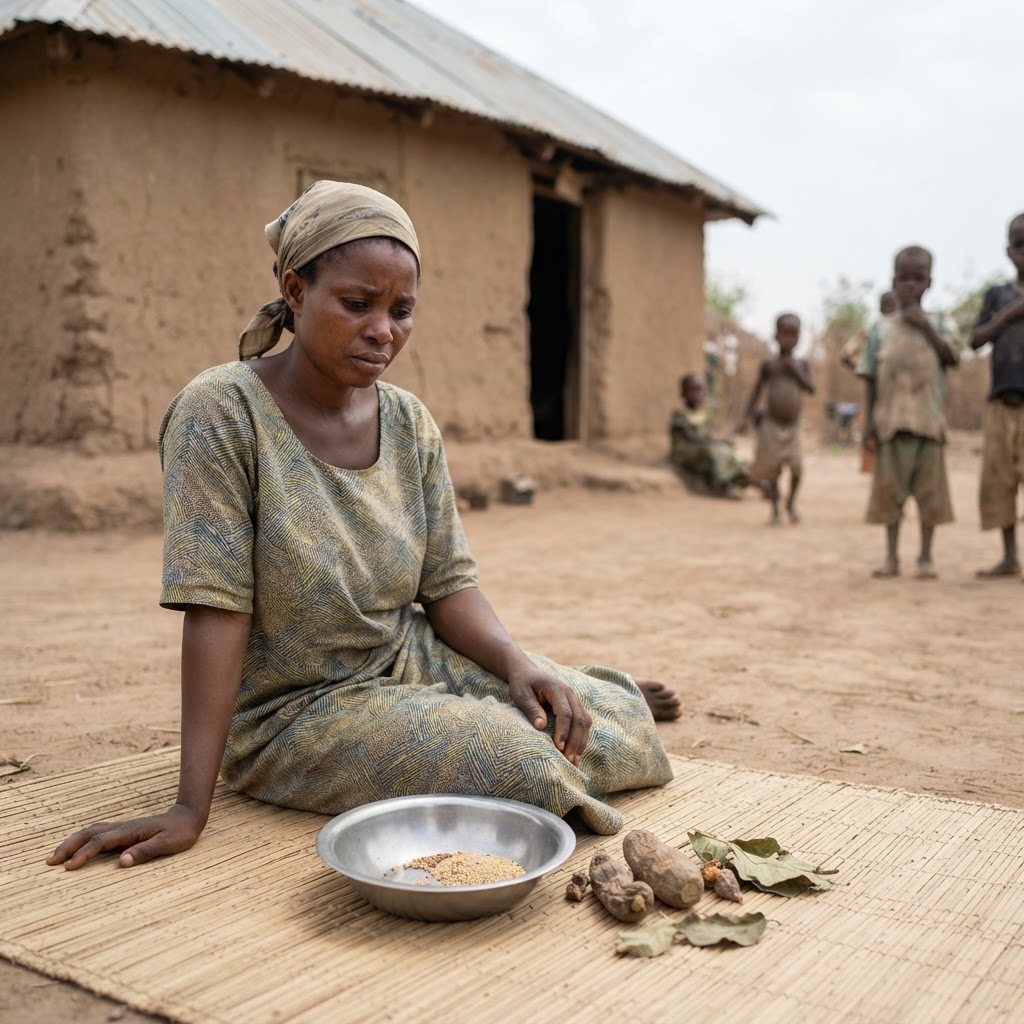
36.3 Million Nigerians Face Acute Food Crisis
Hunger is spreading faster than many expected across Nigeria this year. New humanitarian data reveals that 36.3 Million Nigerians Face Acute Food Crisis conditions, a number that should alarm every family, policymaker, and community leader. This is not a distant statistic. It is a lived reality shap...

Obi-Mbieri Mourns Engr. Vitalis Opara: Questions Emerge Over Community’s Silence
Engr. Vitalis Opara is identified as President General on the signature page of the Obi-Mbieri Autonomous Community Constitution 2020 as amended.
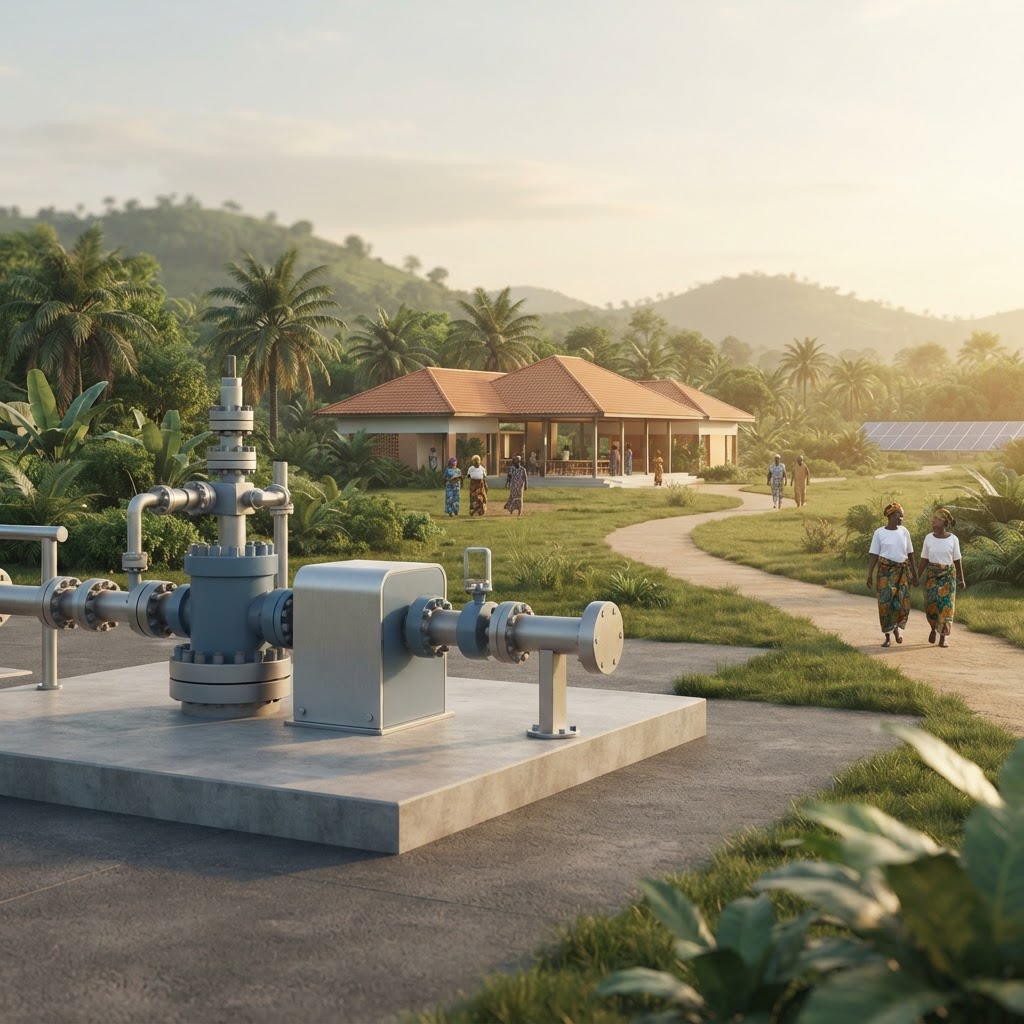
Seplat Aku-01 Discovery: Benefits for Obi-Mbieri
Imagine a small Imo State community suddenly linked to a 157-billion-cubic-feet gas discovery. That is the reality facing Obi-Mbieri today. This piece on Seplat's Aku-01 Discovery: What Concrete Benefits Should Obi-Mbieri Expect? breaks down what this find could mean for everyday residents, local bu...
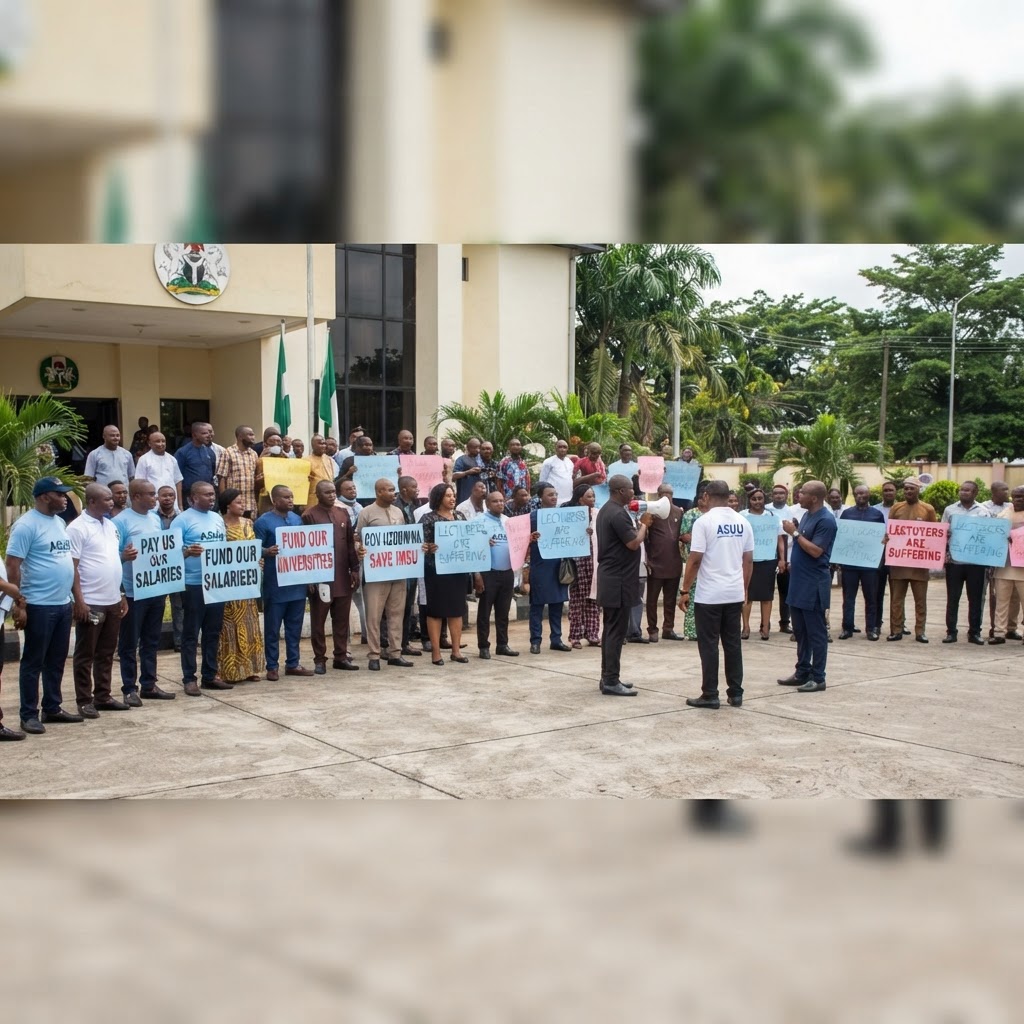
IMSU Lecturers Protest in Owerri, Appeal to Uzodimma to End
The streets of Owerri turned into a sea of white lab coats and placards this week. Hundreds of university lecturers walked out of their offices, choosing protest over silence. The IMSU Lecturers Protest in Owerri, Appeal to Uzodimma to End Months-Long Strike has become a defining moment for Imo Stat...

JAMB Candidates Can Now Change Course and Institution Online
Admission season often brings long queues and costly transport for Nigerian families. That burden has just eased. JAMB candidates can now change their institutions and courses from home, as the board announces a new digital correction service, giving students and parents fresh control over their aca...
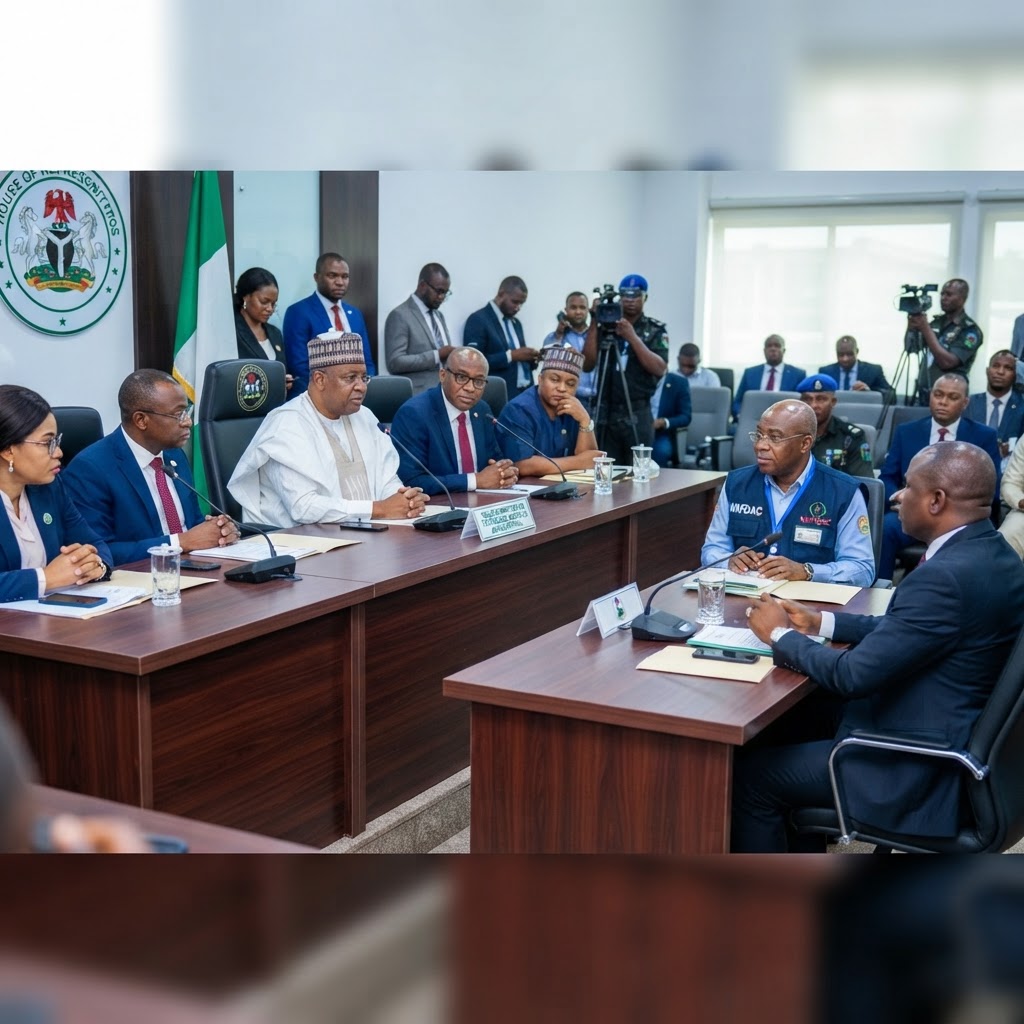
House Summons NAFDAC and DSS Over Fake Drug Deaths
Four people are dead, eleven more are fighting for their lives, and a federal lawmaker wants answers now. Fake Drug deaths linked to a suspicious herbal concoction have pushed the House of Representatives to move decisively, summoning NAFDAC and the DSS in a case that is no longer a distant headline...

Prevent Kidney Disease With Regular Health Checks
Kidney health rarely makes headlines until a crisis hits a family. Yet understanding Kidney Disease: Why Regular Health Checks Can Help Prevent Serious Complications can save lives, protect household income, and strengthen community wellbeing across Nigeria. Kidney Disease often develops quietly ove...

Budget-Friendly Healthy Meal Prepping for Nigerians
Modern Nigerian families face the dual pressure of rising food prices and the need for better health outcomes. Learning how Nigerian families can(/article/nigerian-family-guide-to-reversing-type-2-diabetes) use meal prepping with local ingredients to eat healthy on a tight budget is a vital skill fo...

Beyond Degrees: Bridging Nigeria's Digital Skills Gap
Nigeria's graduates are flooding the job market faster than employers can absorb them. Yet many arrive with certificates but no practical digital competence. This is the heart of Digital Skills and Youth Employment: Why Nigerian Graduates Need More Than University Certificates.—a gap that is reshapi...
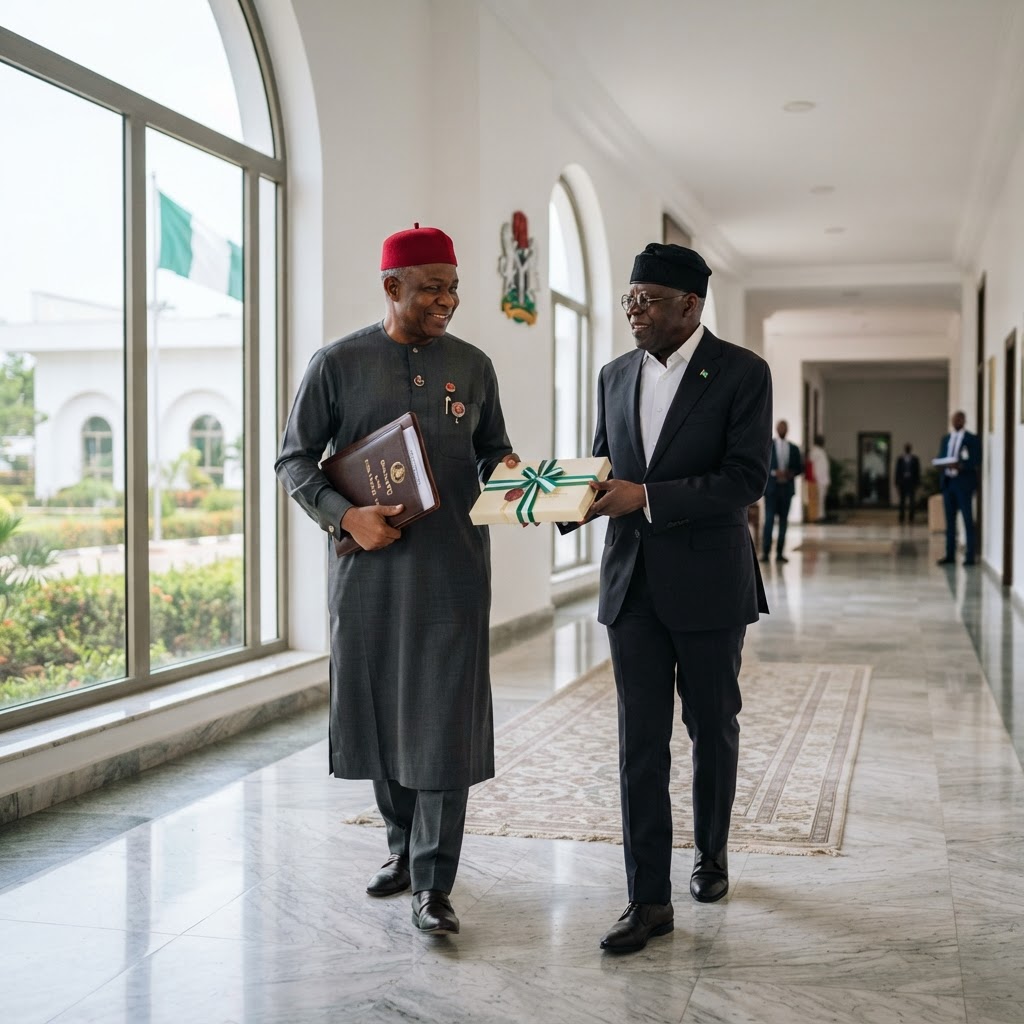
Senate Sends State Police Bill to Tinubu for Approval
Nigeria's security architecture is entering a new chapter. The headline development, State Police Bill: Senate Transmits Constitutional Amendment to Tinubu for Presidential Assent, signals a historic shift toward decentralized policing. For Nigerian families, entrepreneurs, and community leaders, th...