Powered by Obi Mbieri Independent Media Ltd.
$1 = ₦1,353€1 = ₦1,486£1 = ₦1,775Tinubu Orders Release of 78 Suspects in Convoy Attack
A single Friday afternoon in Abuja turned into a national talking point. News that President Tinubu Orders Release of 78 Suspects Arrested Over Attack on His Convoy in Abuja quickly spread across radio, television, and social media. For many Nigerian families, the story raised fresh questions about ...
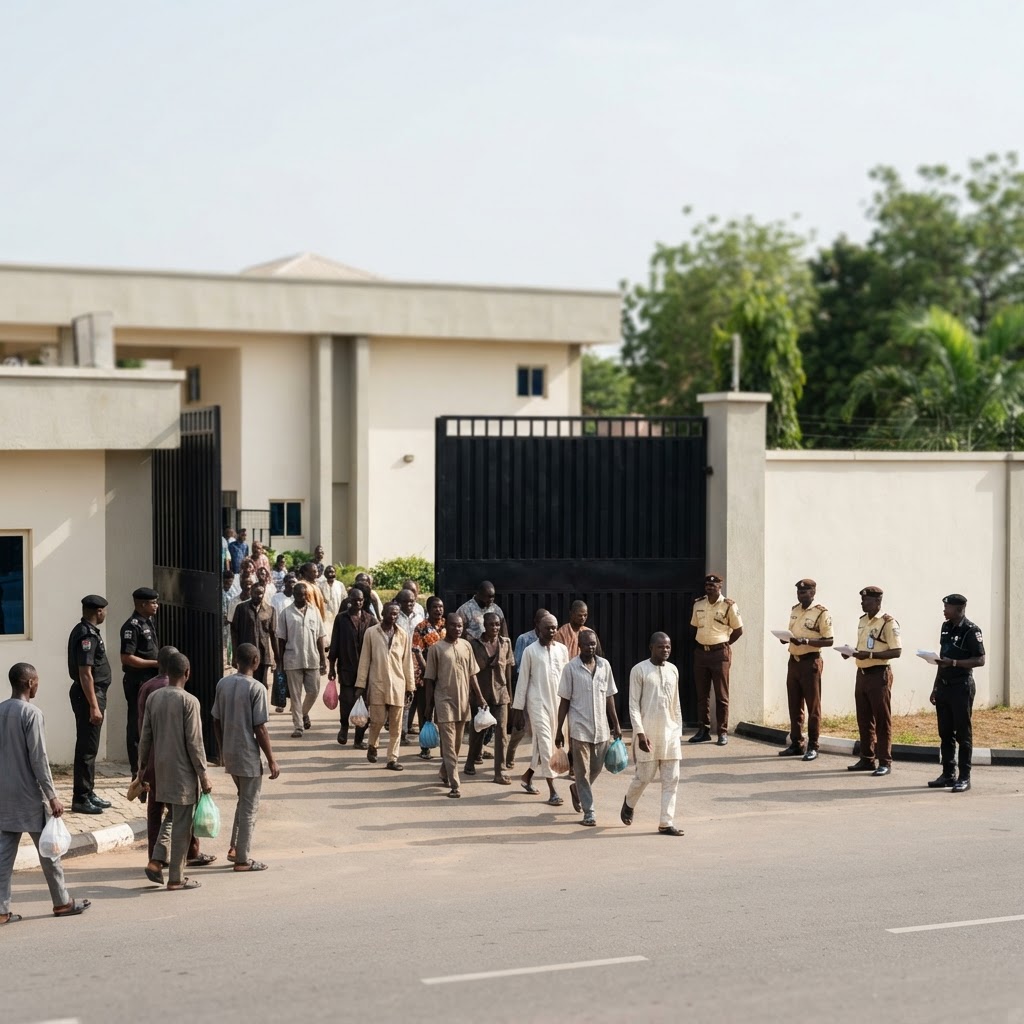
A single Friday afternoon in Abuja turned into a national talking point. News that President Tinubu Orders Release of 78 Suspects Arrested Over Attack on His Convoy in Abuja quickly spread across radio, television, and social media. For many Nigerian families, the story raised fresh questions about security, political tension, and the path toward peaceful elections. The release of 78 suspects, announced just days after their arrest, has become one of the most talked-about security decisions of the year, drawing reactions from ordinary citizens, security analysts, and political observers alike.
What Happened in Garki Abuja?
On November 13, 2026, President Bola Tinubu's motorcade was leaving the Garki District in Abuja. He had just attended Jumu'ah prayers at a mosque in the area. According to multiple reports, the convoy encountered unexpected hostility as it departed.
Witnesses say individuals in the crowd threw stones and other dangerous objects at the passing vehicles. Several cars in the presidential convoy sustained visible damage. Security personnel assigned to protect the president reportedly suffered injuries during the chaos.
The FCT Police Command moved quickly once news of the incident broke. A joint security team, comprising police officers and other operatives, was deployed to the scene. Intelligence-led raids followed within hours, targeting suspected participants in the attack.
By the end of the operation, authorities had arrested 78 suspects connected to the incident. This number represents one of the largest single-day arrests linked to a security breach involving a sitting Nigerian president. The scale of the response reflected how seriously the Presidency and police treated the threat to the convoy. Within the FCT Police Command, officials described the arrest of 78 suspects as evidence of a swift and coordinated response, even as questions lingered about what would happen to the detainees next.
For context on how local governance and security intersect with political events, readers can review Imo Local Government Elections Set for Today, which explores similar tensions between public order and political activity at the grassroots level. Similar patterns of civic tension have also emerged during Imo LG Election Delays Spark Concerns for Democracy, where delayed processes led to public frustration reminiscent of what unfolded in Garki.
Why Were the Suspects Released?
Just days after the arrests, a different development emerged. President Bola Tinubu granted presidential clemency to all 78 suspects in custody. This decision came directly from the Presidency, not from a court process, and it surprised many Nigerians who expected a lengthy legal process given the seriousness of an attack on the president's convoy.
The directive instructed the FCT Police Command to caution the suspects and release them. No formal prosecution would follow. This approach differs sharply from standard procedure in cases involving attacks on a head of state's convoy, where arrests typically lead to arraignment, remand, and extended trial proceedings.
Analysts note that this type of clemency serves a de-escalation purpose. Rather than pursuing lengthy trials that could inflame tensions, the government opted for a swifter resolution involving the release of 78 suspects without formal charges. This mirrors approaches used in other countries where political tensions run high ahead of elections, as documented by organizations like the International Crisis Group.
Still, the decision has not gone unchallenged. Some Nigerians argue that releasing 78 suspects without prosecution sends the wrong signal about accountability. They worry that freeing 78 suspects so quickly, without any public explanation of individual culpability, could embolden future acts of disorder around high-profile political events. Others view it as a wise, mature response that prioritizes national cohesion over punitive justice, arguing that mass prosecution of 78 suspects could have triggered further unrest rather than calming it.
Community leaders have weighed in, emphasizing that such decisions affect how citizens perceive both security enforcement and presidential authority. The handling of the 78 suspects, they say, will likely be cited in future discussions about executive clemency and policing standards in Nigeria. For more on how platforms like ours connect governance issues to everyday community life, see Eziokwubundu's Approach to Community Impact.
How Did Conflicting Reports Emerge?
The timeline of public statements surrounding this incident reveals a confusing picture. Initial reaction from the Presidency came through Senior Special Assistant O'tega Ogra. He dismissed early claims of an attack on the convoy entirely.
Ogra suggested that the narrative was being pushed by opposition figures looking to embarrass the administration. This denial was widely reported by Nigerian newspapers, including coverage highlighted in Nigerian newspaper headlines from November 17, 2026. Notably, this early denial made no mention of the eventual arrest of 78 suspects, which only became public knowledge once the Police Command issued its own account.
However, the FCT Police Command told a different story. Their official statement confirmed the attack had indeed occurred. They acknowledged the damage to vehicles and detailed the arrest of 78 suspects following the raids. The police statement was far more detailed than the Presidency's dismissal, listing specific locations of arrests and describing how the 78 suspects were identified through a combination of witness accounts and surveillance footage.
This contradiction created real uncertainty among the Nigerian public. Citizens were left wondering which account to trust: the Presidency's early dismissal or the Police Command's confirmed report naming 78 suspects as being in custody.
Why Transparency Matters
Several factors likely contributed to this discrepancy. Early statements often come before full facts are gathered. Spokespersons may rely on incomplete briefings. Political sensitivities can also shape how information is first released to the public. In this case, the gap between denial and confirmation meant that news of 78 suspects being arrested, and later released, reached the public in a disjointed and confusing sequence.
Featured Products
Reverse Type 2 Diabetes & other associated Metabolic Issues using Dr. Jason Fung's Evidence-Based Approach— FMD program for Type 2 Diabetes
A practical fasting and fasting-mimicking programme built on Dr Jason Fung's insulin-resistance principles and ow-glycemic recipes.
₦19,950
Join NowChukwu Abiama Tee
Bold black-and-gold Igbo-pride T-shirt featuring 'Chukwu Abiama' in premium streetwear typography.
₦15,000
Buy NowỤmụ Igbo Tee
Classic black T-shirt with bold white 'Ụmụ Igbo' typography — a proud statement of Igbo heritage.
₦15,000
Buy NowNwanne Tee
Washed khaki vintage tee with a faded rust-orange 'Nwanne' stamp badge and palm leaf motif — a nod to kinship and heritage.
₦18,000
Buy NowObodo Tee
Faded denim-blue washed tee with a cream 'Obodo' stamp badge and sun motif, celebrating community roots.
₦18,000
Buy NowEkwe Heritage Tee
Deep indigo tee featuring a fine line-art illustration of a traditional Igbo ekwe drum, inspired by Igbo-Ukwu bronze artistry.
₦18,000
Buy NowIkenga Figure Tee
Forest green tee with a fine line-art illustration of a stylized Ikenga figure.
₦18,000
Buy NowWhatever the explanation, the mismatch between official voices highlights a broader challenge. Nigeria's information ecosystem can struggle with consistency during high-profile security events. This has implications for public trust, especially as the country approaches the 2027 general elections. Outlets such as Punch Newspapers and Vanguard have both covered the growing public demand for clearer, faster government communication during security incidents, with the case of the 78 suspects frequently cited as an example of how quickly narratives can shift.
What Is the Path to Peace?
FCT Police Commissioner Ahmed Sanusi has addressed the nation directly on this matter. He urged political parties and their supporters to embrace peaceful engagement. His message comes as Nigeria prepares for the 2027 general elections, and it was delivered shortly after the release of the 78 suspects became public knowledge.
Commissioner Sanusi's comments carry weight beyond this single incident. They serve as a broader reminder about public order. Inflammatory rhetoric, whether from politicians or supporters, can quickly escalate into real violence, as seen in Garki, where a crowd's hostility led to the arrest of 78 suspects in a matter of hours.
Community leaders across Nigeria echo this call for restraint. Citizens are encouraged to prioritize dialogue over confrontation. Dialogue reduces the risk of incidents like the Garki attack from repeating in other parts of the country, and it may prevent future situations where authorities must again consider arresting dozens of suspects, as happened with the 78 suspects in this case.
Police have also opened direct communication channels for public safety concerns. Nigerians can report suspicious activities using these contacts:
- Call 08032003913 for immediate police assistance in the FCT.
- Call 08061581938 for additional security reporting options.
- Share verified information with local community leaders first.
- Avoid spreading unverified claims on social media platforms.
These steps align with recommendations from the Nigeria Police Force, which continues to emphasize community policing ahead of major political events. Officials hope that stronger community policing can prevent future incidents that might otherwise result in large-scale arrests similar to the case of the 78 suspects detained after the Garki convoy attack.
How Can Communities Stay Safe?
At Eziokwubundu, we believe individual success and community stability are deeply connected. A peaceful environment is essential for economic prosperity. Entrepreneurs cannot build thriving businesses in neighborhoods disrupted by unrest, and the uncertainty surrounding events like the arrest and later release of 78 suspects can unsettle local markets and daily commerce.
This connection between health, wealth, and community safety forms the core of our platform's mission. When public order breaks down, families suffer first. Children miss school. Markets close early. Small business owners lose daily income they cannot easily recover. Entrepreneurs seeking structured guidance on building resilient businesses despite political uncertainty may find value in resources like How to Choose a Nigerian Business Learning Platform.
Practical steps can help protect communities during politically sensitive periods. Staying informed through verified news sources reduces the spread of rumors, such as the conflicting early reports about whether an attack even occurred before the eventual confirmation that 78 suspects had been arrested. Avoiding participation in activities that incite public disorder protects both individuals and neighbors.
Strengthening local security awareness also matters significantly. Community watch groups, when properly organized, help identify unusual activity early. This kind of grassroots vigilance has protected many Nigerian communities from larger security breakdowns, potentially preventing situations that could again lead to the arrest of large numbers of suspects, similar to the 78 suspects detained in Abuja. Readers interested in how democratic processes intersect with local safety can explore Imo LG Election Delays Spark Concerns for Democracy for related insights, as well as the practical voter guidance offered in Imo Council Elections: Mbaitoli Voter Guide for Saturday.
Families should also talk openly with young people about civic responsibility. Teaching youth to channel frustration through legitimate means—voting, dialogue, and civic participation—builds a stronger, more resilient society. Diaspora Nigerians, too, play a role by sharing accurate information with relatives back home rather than amplifying unverified claims, including rumors about why 78 suspects were initially arrested and later released without charge.
Economic stability also plays a quiet but important role in preventing unrest. Efforts such as those described in Nigeria Raises ₦1.2 Trillion to Clear Power Sector Debts show how addressing underlying economic pressures can reduce the frustrations that sometimes spill into public disorder, the kind of disorder that led to the arrest of 78 suspects in Garki.
Why Does This Matter Today?
This incident highlights ongoing tension within Nigeria's political climate. With the 2027 general elections approaching, similar flashpoints could emerge elsewhere. The Garki attack, and the subsequent release of 78 suspects, serves as an early warning sign for what lies ahead.
Transparent communication between government officials and the public remains critical. The gap between Ogra's initial denial and the Police Command's later confirmation shows how quickly misinformation can spread when officials speak without full facts. This gap also affected how the public first learned about the 78 suspects, creating confusion that lingered even after the clemency decision was announced. Closing that gap protects public trust.
Questions about institutional accountability also persist, as explored in related coverage like INEC Chairman Denies Running Pro-Tinubu Account, which examines similar credibility concerns within Nigeria's electoral institutions. Just as that story raises questions about transparency in electoral bodies, the handling of the 78 suspects raises similar questions about transparency in security and executive decision-making.
As a community, fostering mutual respect and respecting the rule of law matters for Nigeria's long-term development. Every citizen, from market traders to young professionals, has a stake in maintaining peace. Practical prosperity depends on it. When communities remain calm and informed, families thrive, businesses grow, and the nation moves closer to the stability it deserves. The story of the 78 suspects—arrested in a matter of hours and released just as quickly—will likely remain a reference point in conversations about security, accountability, and clemency as Nigeria heads toward another pivotal election season.
Stay Informed
Get New Articles in Your Inbox
Subscribe to receive the latest community development, health, and wealth insights from Eziokwubundu.
Newsletter
Practical insights on health, wealth, and community — delivered weekly.
Community Discussion(0)
Leave a Comment
More to Read
You May Also Like

Obi-Mbieri Mourns Engr. Vitalis Opara: Questions Emerge Over Community’s Silence
Engr. Vitalis Opara is identified as President General on the signature page of the Obi-Mbieri Autonomous Community Constitution 2020 as amended.
IMSU Lecturers Protest in Owerri, Appeal to Uzodimma to End
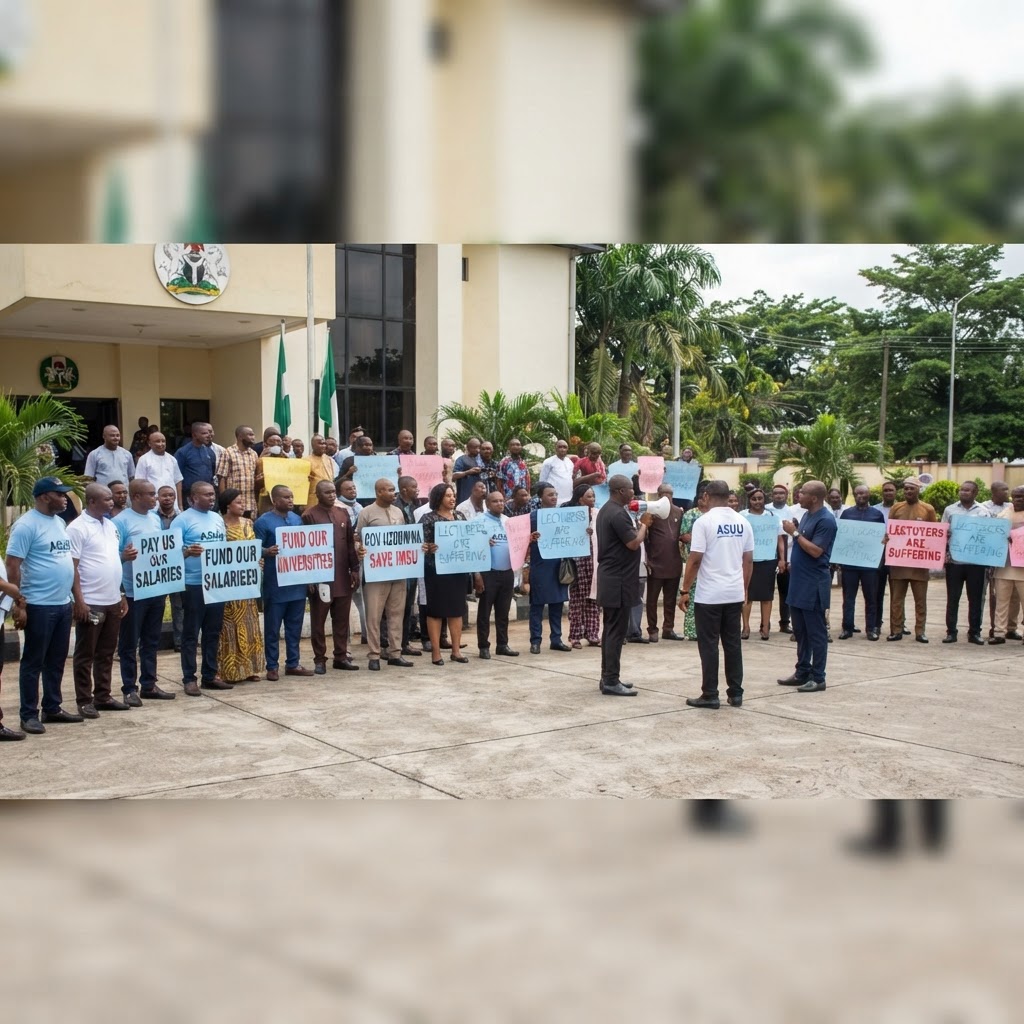
The streets of Owerri turned into a sea of white lab coats and placards this week. Hundreds of university lecturers walked out of their offices, choosing protest over silence. The IMSU Lecturers Protest in Owerri, Appeal to Uzodimma to End Months-Long Strike has become a defining moment for Imo Stat...

JAMB Candidates Can Now Change Course and Institution Online
Admission season often brings long queues and costly transport for Nigerian families. That burden has just eased. JAMB candidates can now change their institutions and courses from home, as the board announces a new digital correction service, giving students and parents fresh control over their aca...
House Summons NAFDAC and DSS Over Fake Drug Deaths
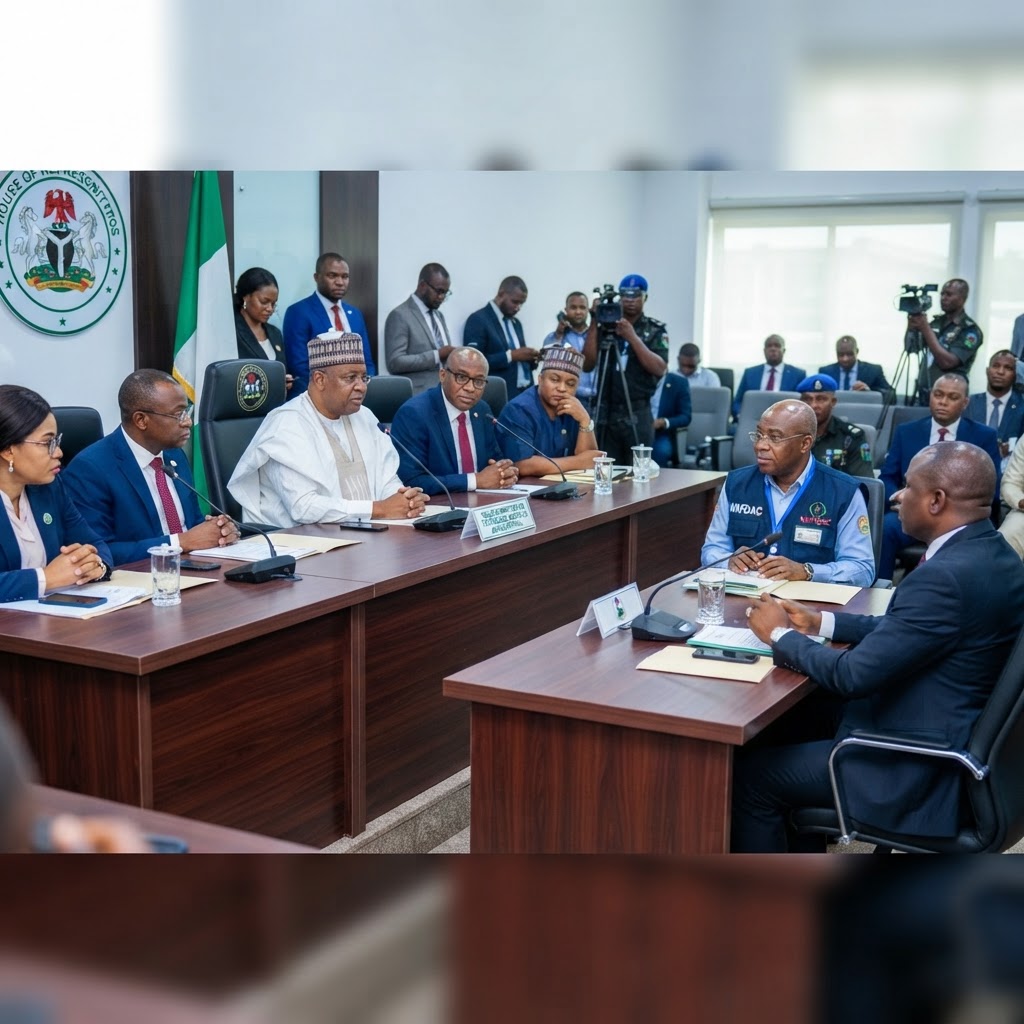
Four people are dead, eleven more are fighting for their lives, and a federal lawmaker wants answers now. Fake Drug deaths linked to a suspicious herbal concoction have pushed the House of Representatives to move decisively, summoning NAFDAC and the DSS in a case that is no longer a distant headline...

Prevent Kidney Disease With Regular Health Checks
Kidney health rarely makes headlines until a crisis hits a family. Yet understanding Kidney Disease: Why Regular Health Checks Can Help Prevent Serious Complications can save lives, protect household income, and strengthen community wellbeing across Nigeria. Kidney Disease often develops quietly ove...

Budget-Friendly Healthy Meal Prepping for Nigerians
Modern Nigerian families face the dual pressure of rising food prices and the need for better health outcomes. Learning how Nigerian families can(/article/nigerian-family-guide-to-reversing-type-2-diabetes) use meal prepping with local ingredients to eat healthy on a tight budget is a vital skill fo...

Beyond Degrees: Bridging Nigeria's Digital Skills Gap
Nigeria's graduates are flooding the job market faster than employers can absorb them. Yet many arrive with certificates but no practical digital competence. This is the heart of Digital Skills and Youth Employment: Why Nigerian Graduates Need More Than University Certificates.—a gap that is reshapi...
Senate Sends State Police Bill to Tinubu for Approval
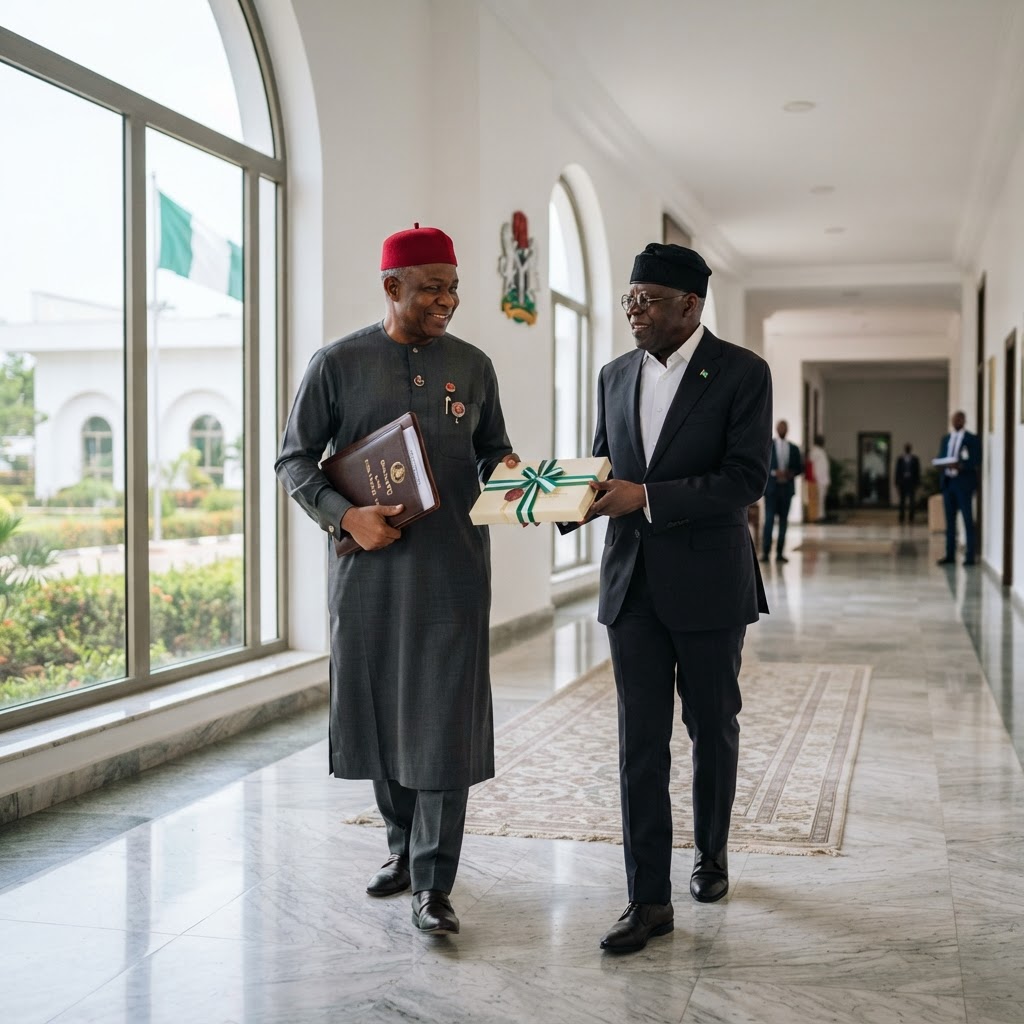
Nigeria's security architecture is entering a new chapter. The headline development, State Police Bill: Senate Transmits Constitutional Amendment to Tinubu for Presidential Assent, signals a historic shift toward decentralized policing. For Nigerian families, entrepreneurs, and community leaders, th...
Diabetes in Africa: Why Routine Screening Is Vital
Imagine a disease that silently damages organs for years before anyone notices. That is the reality for millions living in Africa today. According to the latest report, Diabetes: Three Out of Four Africans Living With the Condition May Be Unaware – Why Screening Matters, and this gap in knowledge is...
Imo LG Election Delays Spark Concerns for Democracy
Imo State's local government elections have been postponed again, leaving residents frustrated and confused. This latest delay raises urgent questions about the credibility of the entire Imo LG election cycle. Imo LG Elections Postponed Again: Why ISIEC's Repeated Changes Are Raising Questions About...