Powered by Obi Mbieri Independent Media Ltd.
$1 = ₦1,353€1 = ₦1,486£1 = ₦1,775INEC tasks journalists on objective, verifiable reportage
In a nation where elections shape the future of over 200 million people, the words of the Independent National Electoral Commission carry weight. INEC tasks journalists on objective, verifiable reportage because the integrity of Nigeria's democracy depends on what citizens read, hear, and believe. T...
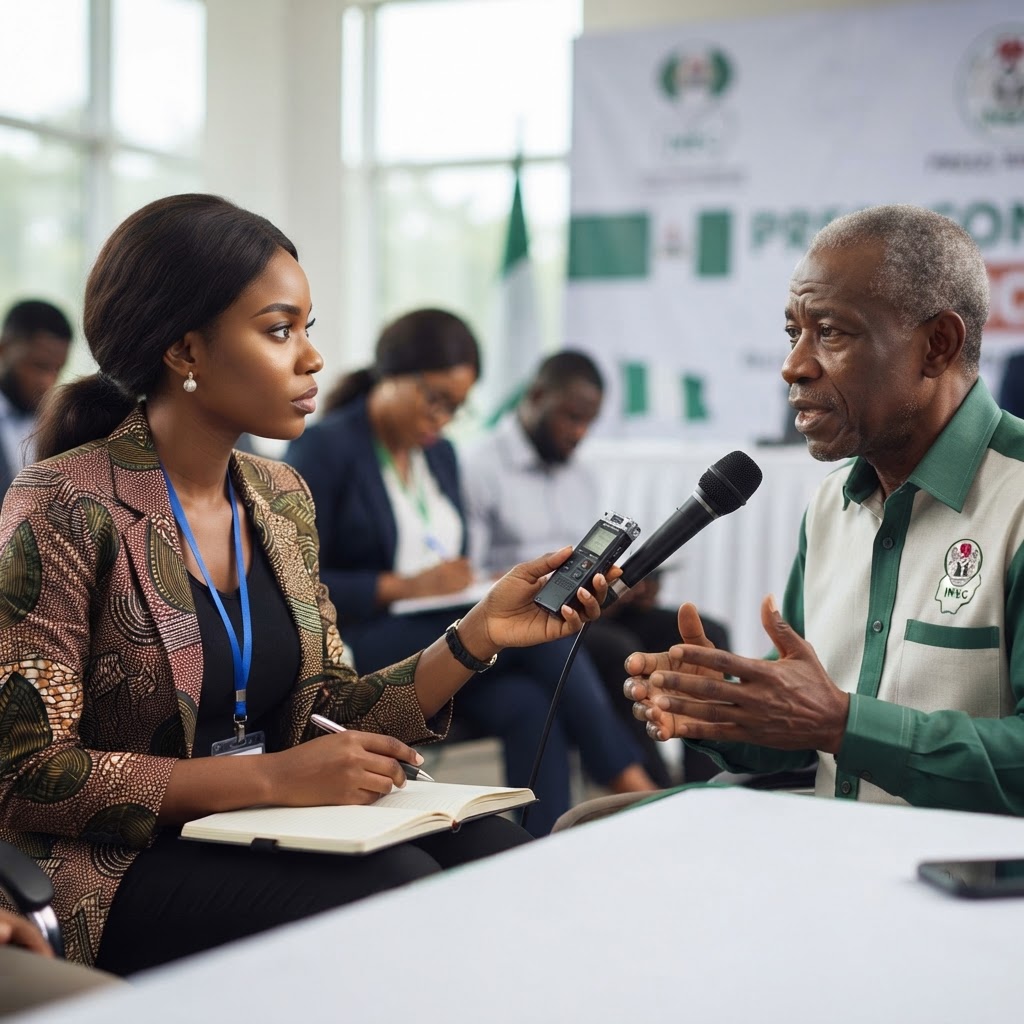
In a nation where elections shape the future of over 200 million people, the words of the Independent National Electoral Commission carry weight. INEC tasks journalists on objective, verifiable reportage because the integrity of Nigeria's democracy depends on what citizens read, hear, and believe. This call, highlighted in a recent Guardian Nigeria report, speaks directly to families, community leaders, and everyday Nigerians who rely on the press for truth. At its core, this is a call for verifiable reportage that can withstand scrutiny long after the headlines fade.
Why Is Objective Reporting Vital?
Media serves as a critical pillar of democracy. It fosters an informed citizenry and holds institutions accountable. Without this watchdog function, public office holders operate with little scrutiny, and ordinary citizens lose their voice in governance.
Objective, verifiable reportage is essential to rebuilding public trust in electoral processes. Many Nigerians have grown skeptical of election outcomes due to past controversies. When INEC tasks journalists on objective, verifiable reportage, it is essentially asking the press to help restore that broken confidence. This is not a passive request; it is an active appeal for newsrooms to treat accuracy as a non-negotiable standard rather than an afterthought.
Journalism that prioritizes truth and accuracy acts as a safeguard against disinformation. Fake news can spread faster than facts, especially during tense electoral periods. Propaganda and manipulated narratives have destabilized democratic societies across Africa and beyond. The same discipline that keeps a courtroom report credible, such as the kind seen in FG Files New Charges Against Adeyemi Adeniyi in PFIPC Case, should guide how election stories are sourced, confirmed, and published.
For Nigerian families and community stakeholders, this matters practically. A misinformed voter base can elect leaders based on falsehoods rather than facts. Entrepreneurs and local organizations also suffer when political instability follows disputed elections.
This is why platforms like eziokwubundu.com emphasize evidence-based reporting across all content pillars. Accurate information is not just a journalistic ideal; it is a tool for community survival and economic stability. Just as NAFDAC Warns Imo Dealers Over Fake and Expired Drugs protects public health through verified facts, accurate electoral journalism protects public trust in governance. In both cases, the public is shielded only when institutions and the press commit to verifiable reportage as a shared standard.
What Are The Media's Core Roles?
Journalists act as public watchdogs. They promote good governance and strengthen democratic values through consistent, fearless reporting. This role becomes even more important during election cycles, when misinformation spreads quickly on social media.
The media sets the agenda for democratic discourse. Investigative reporting exposes corruption, highlights policy failures, and amplifies citizen concerns. Without this function, many issues affecting rural and urban communities alike would remain hidden from public view. This underscores why INEC continues to task journalists on objective, verifiable reportage as elections approach, knowing that the agenda-setting power of the press can either calm or inflame public sentiment.
Media platforms must also provide fair, inclusive access to all political parties. Underrepresented groups deserve coverage too, including:
- Women seeking political office
- Youth candidates and first-time voters
- Persons with disabilities navigating polling processes
- Rural communities often overlooked by mainstream outlets
This inclusive approach reflects the community-first philosophy that Eziokwubundu champions. Coverage of grassroots issues, such as the tension described in Imo LG Election Tension Mounts Over Party Primaries, demonstrates how local journalism can illuminate conflicts that national media often ignore. Such stories only retain their value when built on verifiable reportage, since grassroots disputes are especially vulnerable to rumor and exaggeration.
Fair representation builds a healthier democracy. It also builds reader trust, which is the currency every credible media platform depends on. According to the International Press Institute, media pluralism directly correlates with stronger democratic resilience.
How Can Journalists Improve Accuracy?
Accuracy begins with knowledge. Practitioners must develop a deep understanding of the legal instruments guiding elections. These include the 1999 Constitution and the Electoral Act 2022, both of which define the rules governing voter registration, result collation, and dispute resolution.
Without this legal literacy, journalists risk misreporting procedural matters. A reporter who misunderstands collation timelines, for instance, might unintentionally spread confusion about election results. This is why continuous training on electoral law remains essential for every newsroom covering INEC activities, and why the commission keeps emphasizing verifiable reportage as the standard practitioners must meet.
Incorporating data journalism into election coverage strengthens analytical reporting. Numbers tell stories that narratives alone cannot. For example, Nigeria's 2023 general election saw over 93 million registered voters, according to INEC figures published on the commission's official website. Reporting such statistics accurately gives readers context they need to understand political dynamics. The same discipline applies when covering national infrastructure challenges; a story like Nigeria Electricity Output Falls to 3,549MW Amid Crisis only holds weight because the figures cited are sourced and confirmed, not guessed at.
Regular fact-checking should be a newsroom habit, not an occasional exercise. Journalists should proactively verify information before publication. This single practice can counter misleading narratives before they spread across WhatsApp groups and social media timelines, where most Nigerians now consume news.
Public interest must remain the dominant consideration in every editorial decision. When INEC tasks journalists on objective, verifiable reportage, it is reminding the profession that sensational headlines should never override factual accuracy. Readers deserve clarity, not confusion dressed as breaking news.
Featured Products
Reverse Type 2 Diabetes & other associated Metabolic Issues using Dr. Jason Fung's Evidence-Based Approach— FMD program for Type 2 Diabetes
A practical fasting and fasting-mimicking programme built on Dr Jason Fung's insulin-resistance principles and ow-glycemic recipes.
₦19,950
Join NowChukwu Abiama Tee
Bold black-and-gold Igbo-pride T-shirt featuring 'Chukwu Abiama' in premium streetwear typography.
₦15,000
Buy NowỤmụ Igbo Tee
Classic black T-shirt with bold white 'Ụmụ Igbo' typography — a proud statement of Igbo heritage.
₦15,000
Buy NowNwanne Tee
Washed khaki vintage tee with a faded rust-orange 'Nwanne' stamp badge and palm leaf motif — a nod to kinship and heritage.
₦18,000
Buy NowObodo Tee
Faded denim-blue washed tee with a cream 'Obodo' stamp badge and sun motif, celebrating community roots.
₦18,000
Buy NowEkwe Heritage Tee
Deep indigo tee featuring a fine line-art illustration of a traditional Igbo ekwe drum, inspired by Igbo-Ukwu bronze artistry.
₦18,000
Buy NowIkenga Figure Tee
Forest green tee with a fine line-art illustration of a stylized Ikenga figure.
₦18,000
Buy NowTechnology can also help. Verification tools such as reverse image search, voter register cross-checks, and collation sheet comparisons allow journalists to confirm claims quickly. Newsrooms that invest in these tools produce more credible, defensible reporting. Interestingly, the same technology-driven mindset that powers education innovation, as described in How KoboTutor Uses AI to Expand Quality Education in Nigeria, can be applied to journalism. Artificial intelligence tools that flag inconsistencies, cross-reference data, and detect manipulated images are becoming valuable allies in the pursuit of verifiable reportage, especially for smaller newsrooms with limited fact-checking staff.
How Do We Combat Media Bias?
Media bias remains a persistent challenge in Nigerian journalism. Many media organizations face ownership structures tied to politicians or business interests. This ownership can compromise editorial independence, especially during contentious election periods.
A journalist working for an outlet owned by a political figure may face pressure to slant coverage. This pressure undermines the very objectivity that INEC and civil society groups are advocating for. Readers often cannot tell when coverage has been influenced behind the scenes, which makes the push for verifiable reportage even more urgent as a protective standard for the public.
Advocating for a Code of Conduct for media owners is a necessary step forward. Such a code would create clear boundaries between business interests and editorial decisions. Nigeria's Code of Ethics for Journalists, maintained by the Nigeria Union of Journalists, already provides a foundation that could be strengthened further.
Journalists should also strive for conflict-sensitive reporting. Elections often expose ethnic, religious, and regional fault lines. Reporting that inflames these tensions, even unintentionally, can trigger real-world violence. A conflict-sensitive approach considers the broader social impact of every published story, not just its immediate newsworthiness. This is another reason why editors must insist on verifiable reportage before publishing any claim that touches on identity, security, or communal grievances.
Why Is Community Trust Essential?
Trust is the foundation of every credible media brand. It is built when media outlets are inclusive and representative of the diverse societies they serve. A newsroom that only covers urban elite concerns loses connection with rural and working-class audiences.
Community-focused media plays a key role in democratic socialization. This concept reminds citizens that democracy is not a single event but a culture and a habit. Voting, civic engagement, and accountability must be practiced continuously, not just during election season.
This is where platforms like eziokwubundu.com find their purpose. By connecting health, wealth, and community affairs, the platform reinforces that informed citizens make stronger communities. Readers interested in civic matters often also care about practical issues like health and safety, as seen in coverage such as DSS Arraigns Five for Kidnapping 20 Corps Members in Imo. Whether the subject is security, health, or elections, the common thread remains the same: communities are best served by verifiable reportage that respects their intelligence and their right to accurate information.
Collaborative efforts between media, civil society organizations, and electoral bodies like INEC are required to elevate electoral standards. No single institution can rebuild public confidence alone. The National Democratic Institute has long emphasized that multi-stakeholder collaboration produces more credible elections worldwide.
When INEC tasks journalists on objective, verifiable reportage, it is implicitly calling for this collaboration. Electoral integrity is a shared responsibility between the commission, the press, and everyday citizens who demand accountability.
What Is The Path Forward?
Strengthening the media's democratic role requires sustained investment. Investigative journalism needs funding, training, and institutional support. Capacity building for local media practitioners, especially those covering rural constituencies, remains an urgent priority.
Journalists must remain alert to unverified information circulating online. Truth should be treated as a core professional commitment, not an afterthought. Newsrooms that build verification into their daily workflow will naturally produce more trustworthy content over time, and this consistency is exactly what sustained verifiable reportage looks like in practice.
Consider these practical steps for Nigerian journalists and newsrooms moving forward:
- Attend regular electoral law and verification training sessions
- Partner with fact-checking organizations before publishing sensitive claims
- Prioritize data-driven stories over speculative commentary
- Build direct community feedback channels to catch errors early
- Treat every election-related claim with the same caution applied to sensitive health claims, since both carry real consequences for public wellbeing
By focusing on actionable, evidence-based reporting, the media can empower Nigerians to make informed decisions. This empowerment strengthens the collective community, echoing the practical prosperity philosophy that guides Eziokwubundu's content across wealth creation, health, and civic affairs.
Just as readers benefit from knowing early warning signs covered in Diabetes: 10 Early Warning Signs You Should Not Ignore, Stroke: Warning Signs and How to Reduce Your Risk, and Prostate Enlargement: Seven Symptoms Men Should Not Ignore, they deserve equally clear, verified information about the democratic processes shaping their future. In each of these cases, lives and livelihoods depend on accurate signals delivered on time, whether the subject is a failing organ or a failing institution. Objective reportage is not a luxury; it is a public health matter for the nation's civic life, much like the preventive guidance found in 10 Simple Ways to Control High Blood Pressure, where early, accurate information can prevent far greater harm down the line.
Nigeria's democratic journey depends on many institutions working together. INEC tasks journalists on objective, verifiable reportage because the commission understands that elections are won or lost not just at polling units, but in the information ecosystem surrounding them. For Nigerian families, entrepreneurs, students, and diaspora communities watching from abroad, credible journalism remains the bridge between governance and genuine public trust. As Nigeria matures as a democracy, the demand for verifiable reportage will only grow louder, and newsrooms that answer that call early will be the ones citizens trust most when it matters.
Stay Informed
Get New Articles in Your Inbox
Subscribe to receive the latest community development, health, and wealth insights from Eziokwubundu.
Newsletter
Practical insights on health, wealth, and community — delivered weekly.
Community Discussion(0)
Leave a Comment
More to Read
You May Also Like

Obi-Mbieri Mourns Engr. Vitalis Opara: Questions Emerge Over Community’s Silence
Engr. Vitalis Opara is identified as President General on the signature page of the Obi-Mbieri Autonomous Community Constitution 2020 as amended.
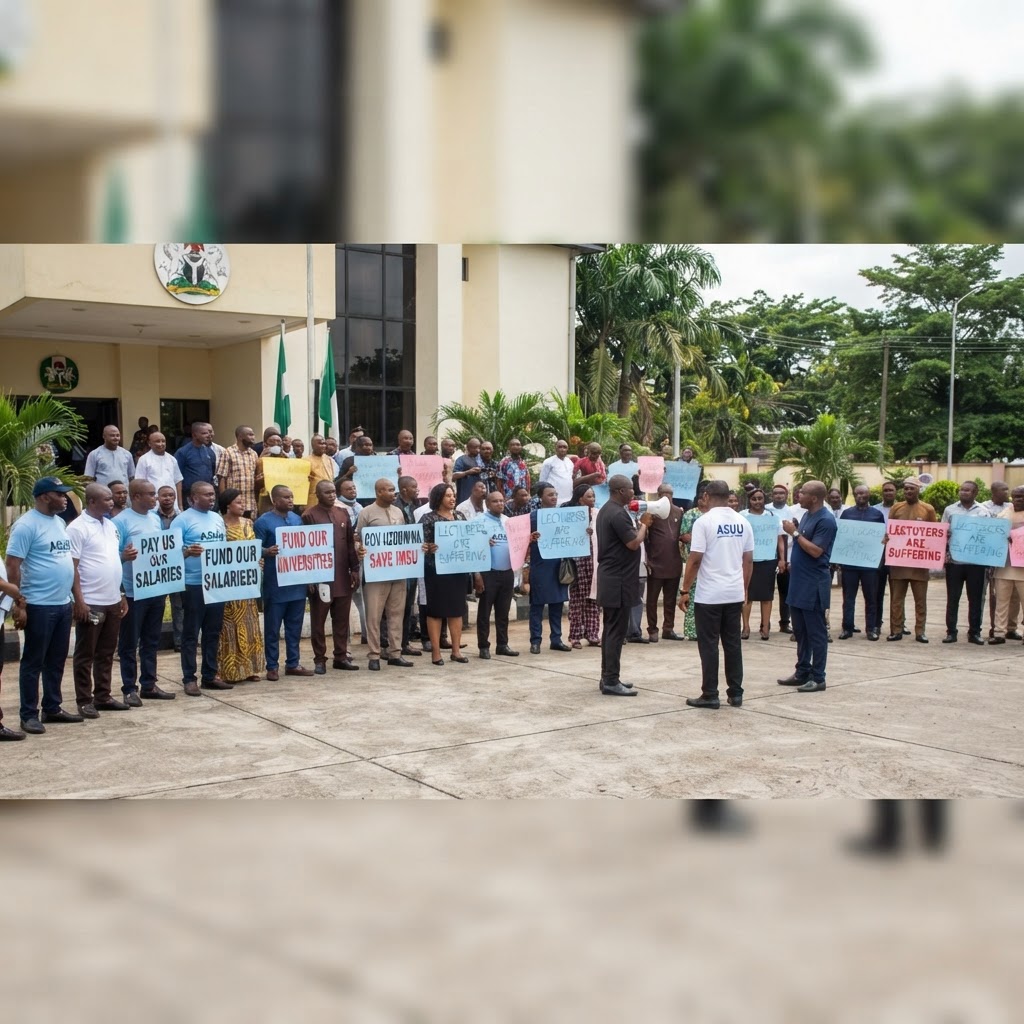
IMSU Lecturers Protest in Owerri, Appeal to Uzodimma to End
The streets of Owerri turned into a sea of white lab coats and placards this week. Hundreds of university lecturers walked out of their offices, choosing protest over silence. The IMSU Lecturers Protest in Owerri, Appeal to Uzodimma to End Months-Long Strike has become a defining moment for Imo Stat...

JAMB Candidates Can Now Change Course and Institution Online
Admission season often brings long queues and costly transport for Nigerian families. That burden has just eased. JAMB candidates can now change their institutions and courses from home, as the board announces a new digital correction service, giving students and parents fresh control over their aca...
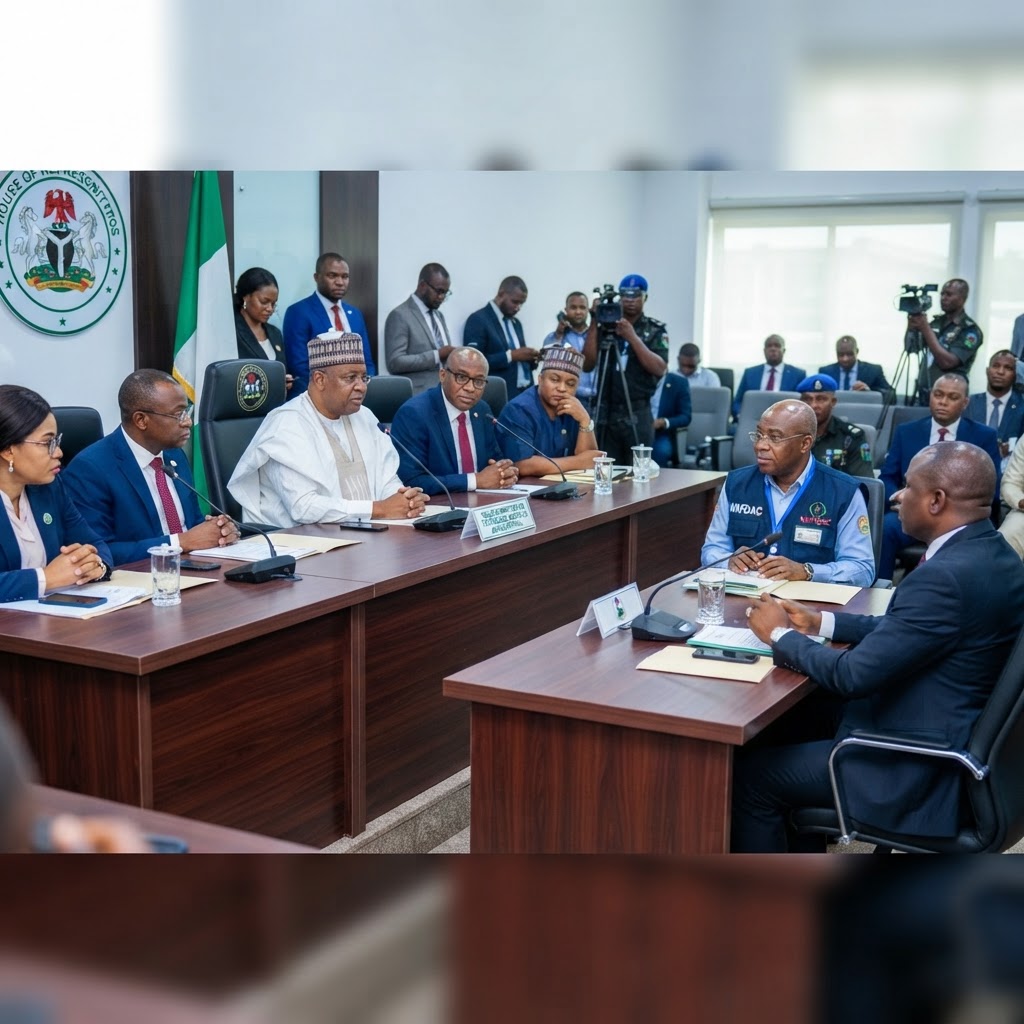
House Summons NAFDAC and DSS Over Fake Drug Deaths
Four people are dead, eleven more are fighting for their lives, and a federal lawmaker wants answers now. Fake Drug deaths linked to a suspicious herbal concoction have pushed the House of Representatives to move decisively, summoning NAFDAC and the DSS in a case that is no longer a distant headline...

Prevent Kidney Disease With Regular Health Checks
Kidney health rarely makes headlines until a crisis hits a family. Yet understanding Kidney Disease: Why Regular Health Checks Can Help Prevent Serious Complications can save lives, protect household income, and strengthen community wellbeing across Nigeria. Kidney Disease often develops quietly ove...

Budget-Friendly Healthy Meal Prepping for Nigerians
Modern Nigerian families face the dual pressure of rising food prices and the need for better health outcomes. Learning how Nigerian families can(/article/nigerian-family-guide-to-reversing-type-2-diabetes) use meal prepping with local ingredients to eat healthy on a tight budget is a vital skill fo...

Beyond Degrees: Bridging Nigeria's Digital Skills Gap
Nigeria's graduates are flooding the job market faster than employers can absorb them. Yet many arrive with certificates but no practical digital competence. This is the heart of Digital Skills and Youth Employment: Why Nigerian Graduates Need More Than University Certificates.—a gap that is reshapi...
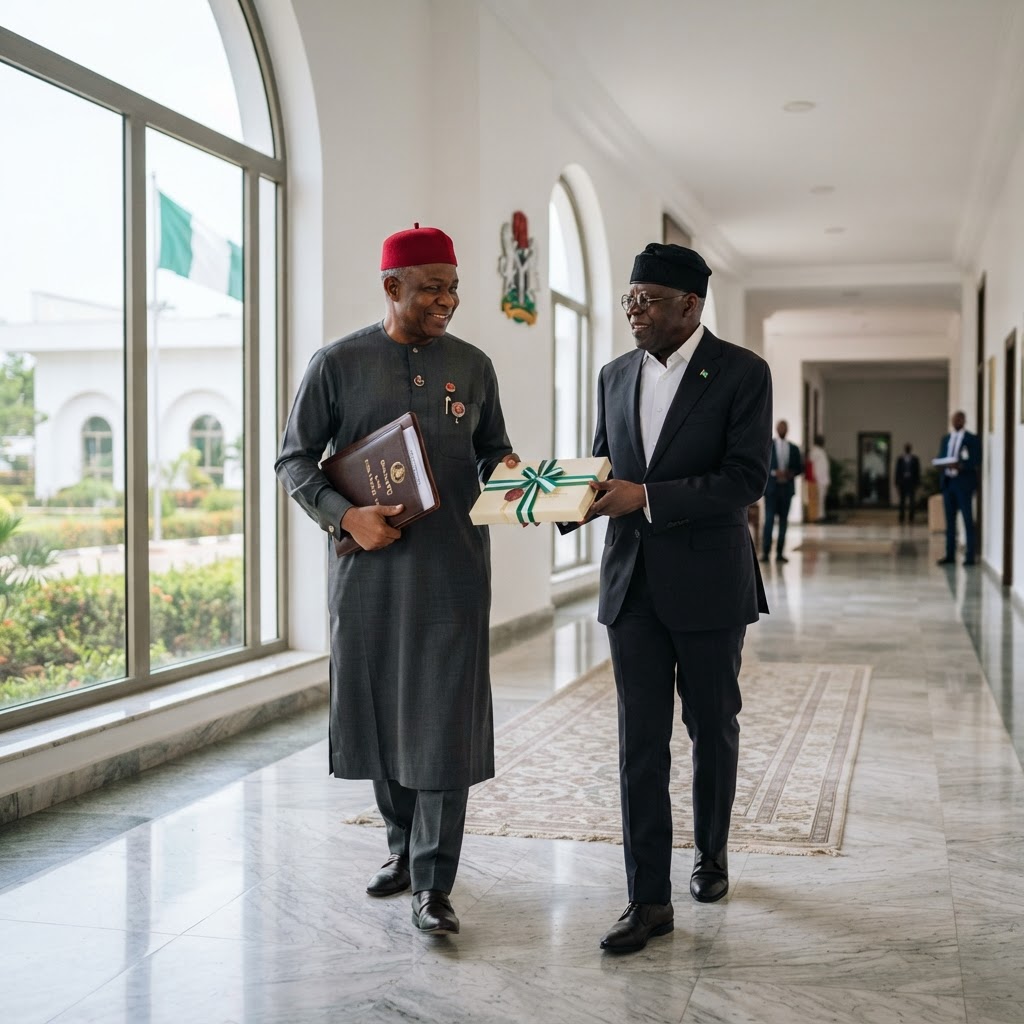
Senate Sends State Police Bill to Tinubu for Approval
Nigeria's security architecture is entering a new chapter. The headline development, State Police Bill: Senate Transmits Constitutional Amendment to Tinubu for Presidential Assent, signals a historic shift toward decentralized policing. For Nigerian families, entrepreneurs, and community leaders, th...
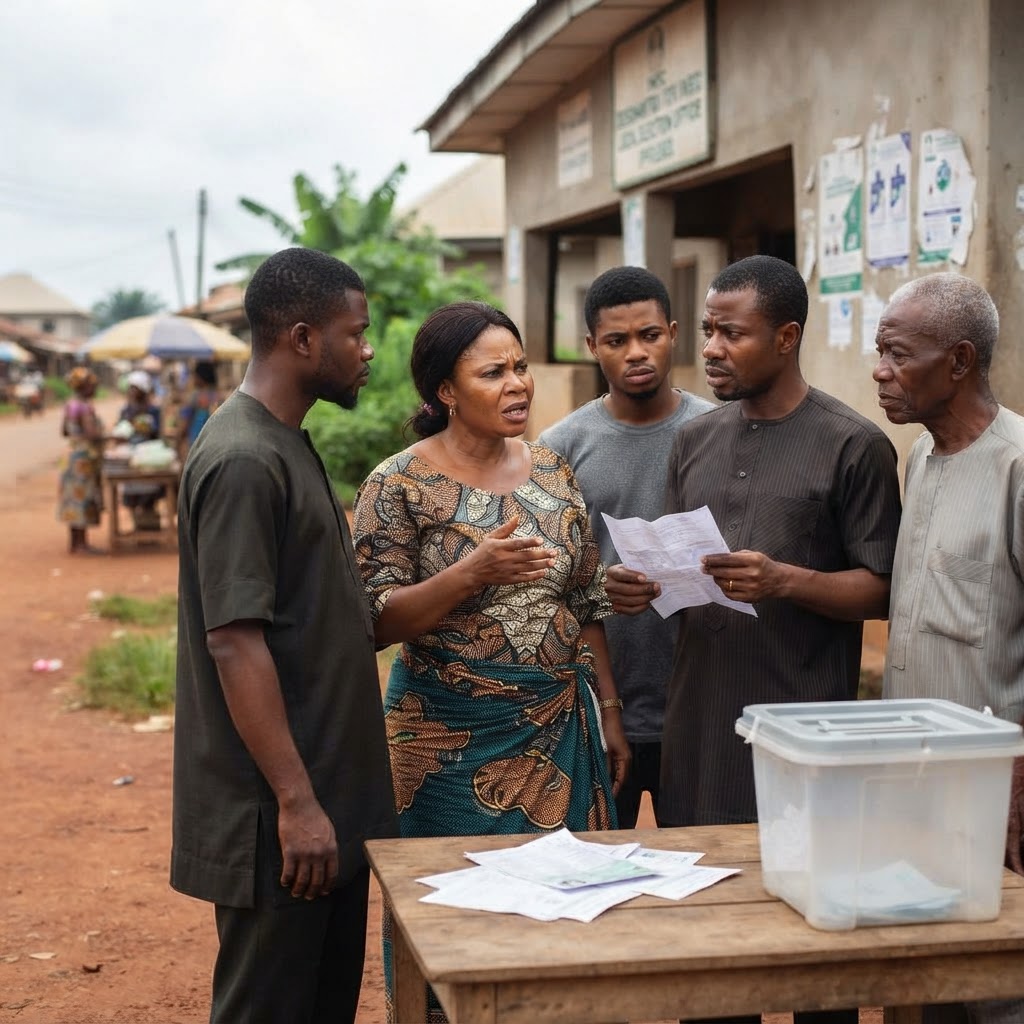
Imo LG Election Disputes Put ISIEC Under Scrutiny
Nigeria's local government elections rarely make national headlines, but Imo State has become an exception. Residents, political parties, and traditional institutions are all watching closely as legal battles and shifting timelines dominate the conversation. The Imo LG Election: Legal Disputes and P...
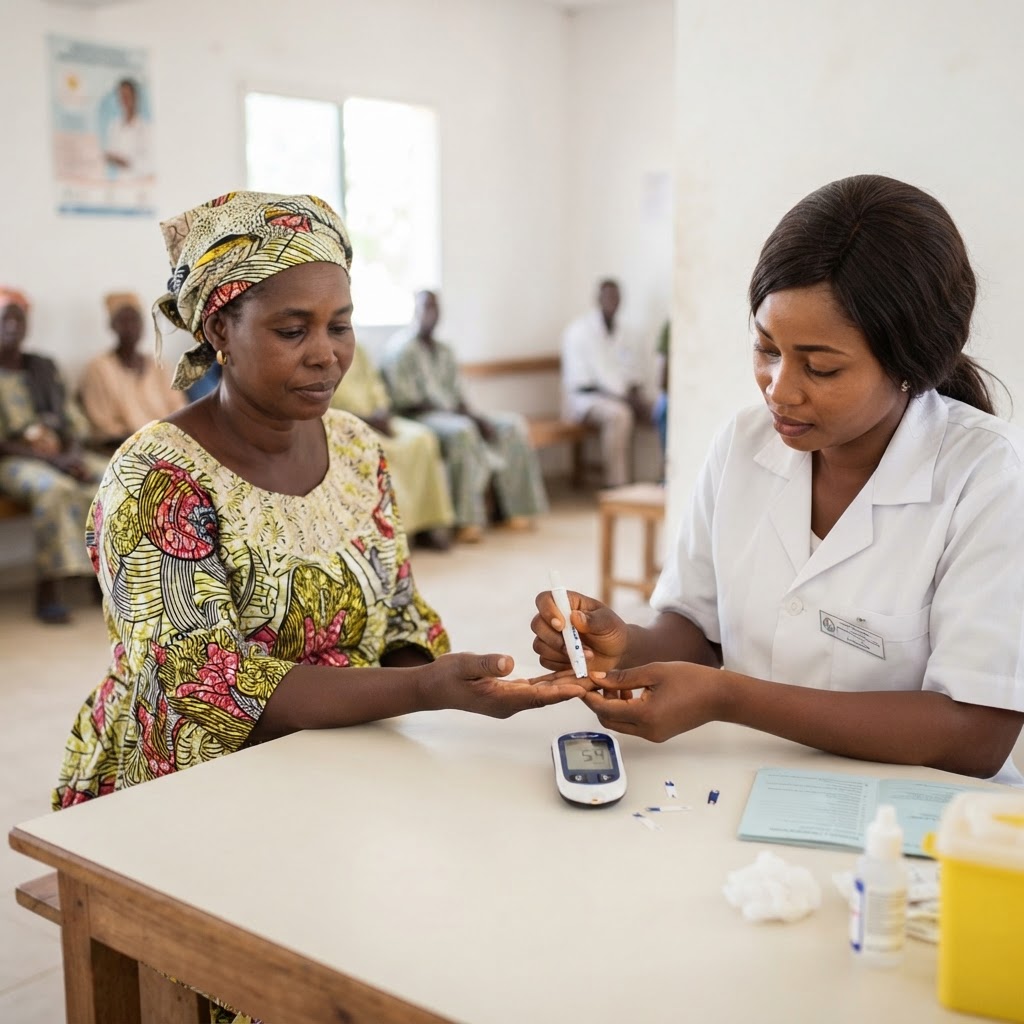
Diabetes in Africa: Why Routine Screening Is Vital
Imagine a disease that silently damages organs for years before anyone notices. That is the reality for millions living in Africa today. According to the latest report, Diabetes: Three Out of Four Africans Living With the Condition May Be Unaware – Why Screening Matters, and this gap in knowledge is...