Powered by Obi Mbieri Independent Media Ltd.
$1 = ₦1,353€1 = ₦1,486£1 = ₦1,775Debt Interest Could Consume 72% of Federal Revenue by 2030
Nigeria's fiscal future is nearing a dangerous tipping point as new projections show that debt servicing could devour as much as 72% of federal revenue by 2030. A new analysis warns that Debt Servicing Could Consume 72% of Federal Government Revenue by 2030, Report Warns, squeezing out money for sch...

Nigeria's fiscal future is nearing a dangerous tipping point as new projections show that debt servicing could devour as much as 72% of federal revenue by 2030. A new analysis warns that Debt Servicing Could Consume 72% of Federal Government Revenue by 2030, Report Warns, squeezing out money for schools, hospitals, and roads. For everyday Nigerian families, this is not an abstract statistic. It is a direct threat to the public services millions depend on daily, because every naira diverted to debt repayment is a naira that cannot be spent strengthening the federal revenue base that funds national development.
This report lands at a time when households are already battling inflation, naira depreciation, and rising living costs. These pressures further strain federal revenue collection, limiting the government's ability to cushion citizens against economic shocks. Understanding what this debt trajectory means—and how to respond—matters for every Nigerian family, entrepreneur, and community leader who depends, directly or indirectly, on a healthy federal revenue stream.
Why Is Debt Servicing A Concern?
The debt service-to-revenue ratio measures how much of a government's income—specifically its federal revenue—goes toward repaying loans and interest. It is one of the clearest indicators of fiscal health available to economists and policymakers, offering a quick snapshot of how much breathing room a government actually has.
When this ratio climbs too high, governments lose flexibility over their federal revenue allocations. Money that should fund healthcare, education, and infrastructure instead flows toward creditors. This leaves little room for growth-oriented spending, forcing policymakers into a cycle of reactive budgeting rather than strategic investment.
Globally, fiscal experts recommend keeping debt servicing below 50% of government revenue. Nigeria has consistently breached this threshold for years. According to data compiled from the Debt Management Office's debt data portal, Nigeria's debt service obligations have repeatedly exceeded sustainable limits, consuming a growing share of federal revenue that could otherwise support long-term development goals.
This pattern raises red flags. It suggests that borrowed funds are increasingly used to service older debts rather than build productive capacity. Without correction, the trend threatens the government's ability to fund even basic obligations to citizens, and it signals that federal revenue growth is failing to keep pace with the country's expanding debt obligations.
What Does The Data Reveal?
Historical figures paint a troubling picture. In 2021, debt servicing consumed roughly 71.77% of federal revenue. By 2024, this figure had eased slightly to 58.91% of federal revenue, offering a brief sign of relief and suggesting that reform efforts were, however modestly, beginning to work.
However, 2025 data shows a reversal. Debt servicing now consumes approximately 67% of federal revenue, according to recent fiscal reports. This fluctuation demonstrates persistent structural pressure rather than steady improvement, and it underscores how fragile any gains in federal revenue management can be when global and domestic shocks collide.
Projections suggest the situation could worsen further. Analysts warn that without significant reform, debt servicing could reach 72% of federal revenue by 2030. That would leave only 28 kobo out of every naira earned for everything else government must fund—salaries, subsidies, security, healthcare, education, and infrastructure combined.
These numbers contrast sharply with the government's own targets. The Fiscal Responsibility Act of 2007 sets guardrails for sustainable borrowing, yet actual performance routinely exceeds these limits. International institutions such as the International Monetary Fund's Nigeria country page have repeatedly flagged Nigeria's debt service burden as a key vulnerability tied directly to weak federal revenue performance.
The World Bank's Nigeria Development Update similarly highlights how narrow revenue bases amplify debt risk. When federal revenue collection underperforms relative to the size of the economy, even modest borrowing can snowball into unsustainable obligations. Nigeria's Medium-Term Expenditure Framework (MTEF) projections also show repeated gaps between planned and actual fiscal outcomes. This consistent overshoot signals a deeper structural issue, not a temporary shock, and it points to the urgent need for federal revenue reform that goes beyond short-term fixes.
How Does This Impact Your Life?
When debt repayment takes priority, something else must lose out. Economists call this the "crowding out" effect. Capital projects like road construction, hospital upgrades, and school renovations get delayed or cancelled entirely as a shrinking pool of federal revenue is stretched across competing priorities.
For the average Nigerian family, this translates into tangible hardship. Fewer functioning hospitals mean longer wait times and higher out-of-pocket health costs. Underfunded schools mean larger class sizes and fewer learning resources for children. None of these outcomes happen in isolation—they are the direct downstream effect of a federal revenue system struggling to keep up with debt obligations.
Consider these common effects of high debt servicing on households:
Featured Products
Reverse Type 2 Diabetes & other associated Metabolic Issues using Dr. Jason Fung's Evidence-Based Approach— FMD program for Type 2 Diabetes
A practical fasting and fasting-mimicking programme built on Dr Jason Fung's insulin-resistance principles and ow-glycemic recipes.
₦19,950
Join NowChukwu Abiama Tee
Bold black-and-gold Igbo-pride T-shirt featuring 'Chukwu Abiama' in premium streetwear typography.
₦15,000
Buy NowỤmụ Igbo Tee
Classic black T-shirt with bold white 'Ụmụ Igbo' typography — a proud statement of Igbo heritage.
₦15,000
Buy NowNwanne Tee
Washed khaki vintage tee with a faded rust-orange 'Nwanne' stamp badge and palm leaf motif — a nod to kinship and heritage.
₦18,000
Buy NowObodo Tee
Faded denim-blue washed tee with a cream 'Obodo' stamp badge and sun motif, celebrating community roots.
₦18,000
Buy NowEkwe Heritage Tee
Deep indigo tee featuring a fine line-art illustration of a traditional Igbo ekwe drum, inspired by Igbo-Ukwu bronze artistry.
₦18,000
Buy NowIkenga Figure Tee
Forest green tee with a fine line-art illustration of a stylized Ikenga figure.
₦18,000
Buy Now- Reduced investment in public healthcare facilities and medicines.
- Delayed infrastructure projects, including roads and electricity upgrades.
- Pressure for new taxes to cover revenue shortfalls, as authorities search for ways to boost federal revenue without growing the economy fast enough.
- Slower job creation due to limited government capital spending.
These macro-level pressures connect directly to micro-level struggles. Families already dealing with inflation now face a government with less capacity to intervene. Reports like Power DisCos Apologise to Nigerians Over Prolonged Blackouts illustrate how fiscal constraints ripple into daily life, from unreliable electricity to underfunded public services. When federal revenue cannot adequately support power sector reform, the consequences show up in dark homes and shuttered small businesses across the country.
Entrepreneurs feel this too. Limited government spending on infrastructure means higher operating costs for businesses, as companies must privately fund the roads, power, and security that a healthier federal revenue position would normally support. Diaspora Nigerians sending remittances home may also notice slower development progress in their communities, despite personal financial contributions that, in effect, substitute for gaps left by constrained public budgets.
Is The Problem Debt Or Revenue?
Nigeria's fiscal challenge is not only about how much it borrows. It is equally about how little it earns relative to the size of its economy. Nigeria's revenue-to-GDP ratio remains among the lowest globally, often cited around 10%, compared to an average closer to 25% among peer economies. In other words, Nigeria's federal revenue base is simply too small to comfortably carry its current debt load.
This low revenue base means even moderate borrowing becomes unsustainable. The country relies heavily on oil receipts, which fluctuate with global prices and production disruptions, making federal revenue projections notoriously unreliable from one fiscal year to the next. Articles like Rig and Die Is Back on Nigerian Timelines highlight how oil sector instability continues to threaten revenue predictability, and by extension, the government's ability to plan long-term spending with confidence.
Diversifying revenue streams is essential. Strengthening non-oil revenue collection through agencies like the Federal Inland Revenue Service (FIRS) could ease pressure significantly and broaden the federal revenue base beyond its historical dependence on crude oil. Equally important is ensuring future borrowing funds self-liquidating projects—ventures that generate their own income to repay loans, rather than adding to recurrent expenditure burdens that further strain federal revenue in future budget cycles.
Governance accountability also plays a role in protecting federal revenue from leakage. Cases such as the one detailed in FG Files New Charges Against Adeyemi Adeniyi in PFIPC Case remind citizens that strengthening revenue collection must go hand-in-hand with stronger oversight of how public funds are spent and safeguarded.
What Is The Path To Prosperity?
Fiscal discipline must become a national priority. Every borrowed naira should translate into measurable economic value, not simply cover existing obligations. Improved expenditure quality, transparent budgeting, and stronger oversight can help rebuild public trust and, over time, support a more resilient federal revenue outlook.
At the community level, supporting local entrepreneurs offers a powerful counterbalance. Grassroots economic activity creates jobs and circulates wealth within neighborhoods, reducing dependence on federal capital spending alone and, indirectly, easing pressure on the federal revenue the government must stretch across competing national priorities.
This is where Eziokwubundu's "Health + Wealth + Community" philosophy becomes practical. Families who prioritize financial literacy, preventive healthcare, and community investment build resilience independent of national fiscal cycles. Initiatives highlighted in How KoboTutor Uses AI to Expand Quality Education in Nigeria show how innovation can fill gaps left by constrained public budgets, particularly in education, at a time when federal revenue cannot stretch far enough to cover every classroom's needs.
Similarly, projects like Nigeria to Drive Half of West Africa Power Demand by 2035 demonstrate how strategic infrastructure planning, even amid fiscal pressure, can open long-term opportunity for entrepreneurs and communities alike. Power sector growth, in particular, could eventually feed back into a stronger federal revenue base through taxation, industrial growth, and job creation—provided reforms are sustained.
How Can We Build A Future?
Active citizenship matters now more than ever. Nigerians must demand fiscal transparency and hold leaders accountable for how borrowed funds—and collected federal revenue—are used. Tracking reports from the Budget Office of the Federation is a practical first step toward understanding exactly how federal revenue is raised, allocated, and spent each fiscal year.
Civic accountability extends beyond budgets alone. Institutions responsible for electoral integrity, such as those discussed in INEC Removes 1.6 Million Invalid Voters, Flags 54 Officials and INEC tasks journalists on objective, verifiable reportage, play an indirect but important role in ensuring that leaders accountable for federal revenue decisions are chosen through credible, transparent processes. Local political tensions, like those described in Imo LG Election Tension Mounts Over Party Primaries, also shape how effectively federal revenue allocations eventually reach communities at the grassroots level.
Personal financial literacy remains your strongest shield against national economic uncertainty. Building savings, diversifying income, and investing in community-driven enterprises create resilience that government cycles—and fluctuations in federal revenue—cannot easily disrupt.
Initiatives such as the FG seeks fresh $500m World Bank loan remind us that national borrowing decisions will keep evolving, and that federal revenue alone will not always be sufficient to meet every national need. Your family's prosperity, however, can remain steady through informed, practical, community-centered action—exactly the mission Eziokwubundu continues to champion. By strengthening household resilience today, Nigerian families can weather the uncertainty of tomorrow's federal revenue challenges while still contributing, in their own way, to the broader national recovery effort.
Stay Informed
Get New Articles in Your Inbox
Subscribe to receive the latest community development, health, and wealth insights from Eziokwubundu.
Newsletter
Practical insights on health, wealth, and community — delivered weekly.
Community Discussion(0)
Leave a Comment
More to Read
You May Also Like
Imo LG Election Disputes Put ISIEC Under Scrutiny
Nigeria's local government elections rarely make national headlines, but Imo State has become an exception. Residents, political parties, and traditional institutions are all watching closely as legal battles and shifting timelines dominate the conversation. The Imo LG Election: Legal Disputes and P...
JAMB Unveils 2027 UTME Pre-Registration App and Rules
Nigerian households are bracing for one of the most significant exam reforms in recent memory. For years, UTME registration has meant long queues, biometric delays and confusion over subject combinations. That era is ending, and the shift begins in earnest with 2027 UTME. The 2027 UTME: JAMB Introdu...
Nigeria Raises ₦1.2 Trillion to Clear Power Sector Debts
Nigeria's power sector is at a turning point. Nigeria's Electricity Sector: FG Raises ₦1.2 Trillion to Clear Power Generation Debts marks one of the boldest financial interventions in the industry's recent history. For families budgeting for electricity bills and entrepreneurs running small business...

INEC Removes 1.6 Million Invalid Voters, Flags 54 Officials
Nigeria's electoral register just got a serious cleanup, and the numbers are staggering. In a bold move to safeguard democracy, INEC Removes 1.6 Million Invalid Voters, Flags 54 Officials in an exercise that has sparked nationwide conversation. This cleanup matters to every Nigerian family, business...
FG seeks fresh $500m World Bank loan
Nigeria's infrastructure gap keeps widening every year, and families feel it in blackouts, bad roads, and scarce clean water. Fresh reports confirm that the FG seeks fresh $500m World Bank loan to fund a new infrastructure financing platform. This move could reshape how power, transport, and water p...

Nigeria to Drive Half of West Africa Power Demand by 2035
Nigerians know the frustration of a sudden blackout mid-conversation or mid-business transaction. It is a daily reality that shapes how families live and how entrepreneurs plan their futures across West Africa, and nowhere is this more visible than in Nigeria, the region's largest economy. According...
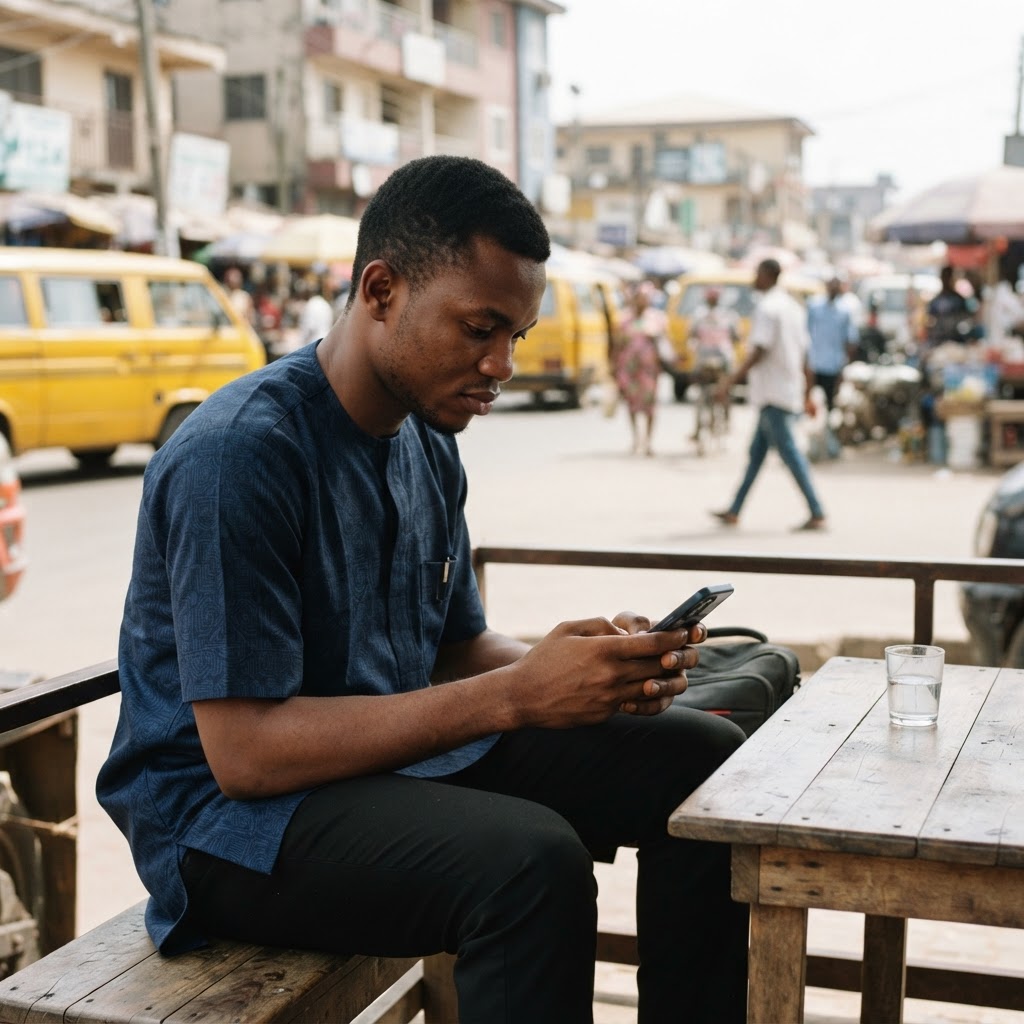
Rig and Die Is Back on Nigerian Timelines
Nigerian timelines move fast, but some phrases refuse to die. One week it is fuel prices, the next it is a viral slang term capturing collective frustration. Right now, Rig and Die Is Back on Nigerian Timelines, and the resurgence tells us far more about the national mood than the joke itself. From ...
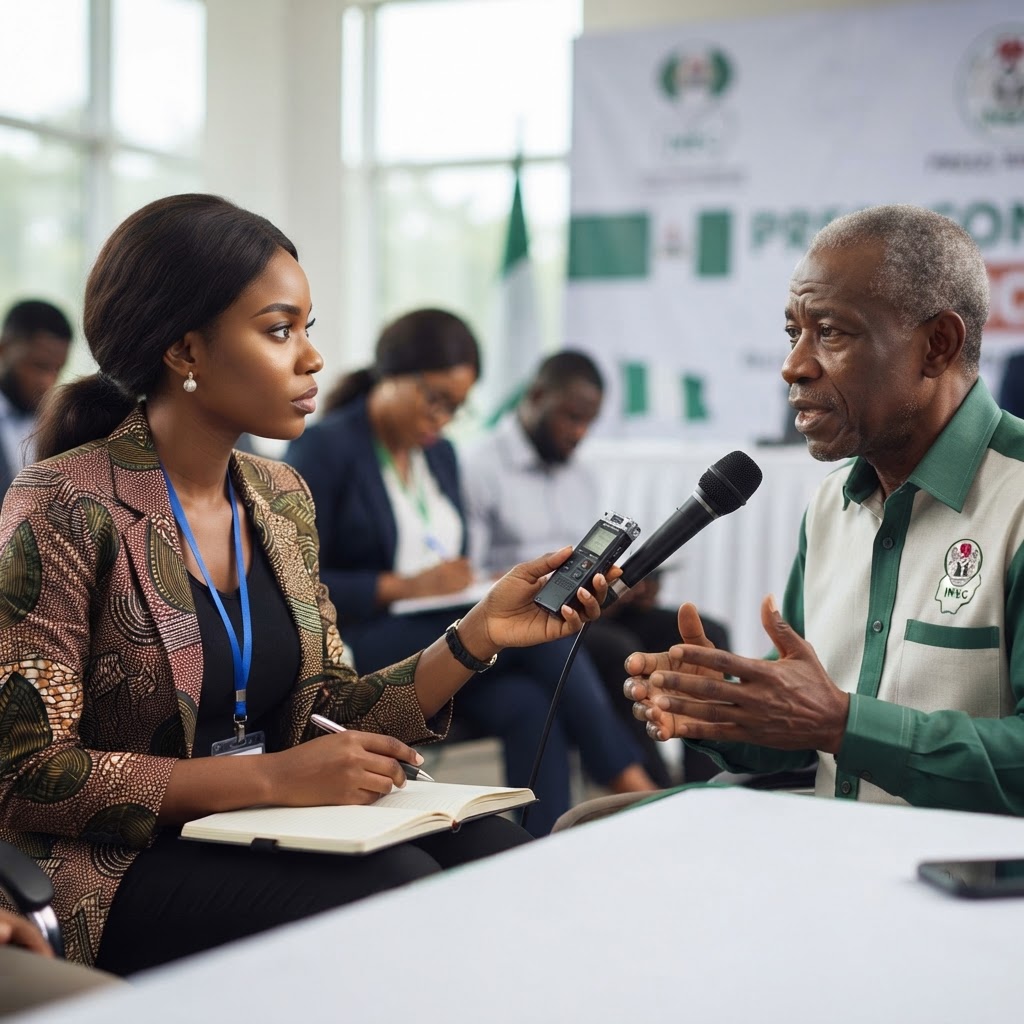
INEC tasks journalists on objective, verifiable reportage
In a nation where elections shape the future of over 200 million people, the words of the Independent National Electoral Commission carry weight. INEC tasks journalists on objective, verifiable reportage because the integrity of Nigeria's democracy depends on what citizens read, hear, and believe. T...

How KoboTutor Uses AI to Expand Quality Education in Nigeria
Nigeria's classrooms are changing faster than many parents realize, and technology is driving much of that change. The Future of Learning in Nigeria: How KoboTutor Is Making Quality Education More Accessible Through AI is not a distant idea anymore; it is already reshaping how students study, revise...