Powered by Obi Mbieri Independent Media Ltd.
$1 = ₦1,353€1 = ₦1,486£1 = ₦1,775Industrial Investment in Obazu-Mbieri Sparks Economic Growth
Imo State is witnessing a new wave of private-sector confidence that could reshape its economic future. Industrial Investment in Obazu-Mbieri Raises Hopes for Jobs and Local Economic Growth after Marvico Group commissioned a landmark industrial complex in Mbaitoli Local Government Area. For many res...
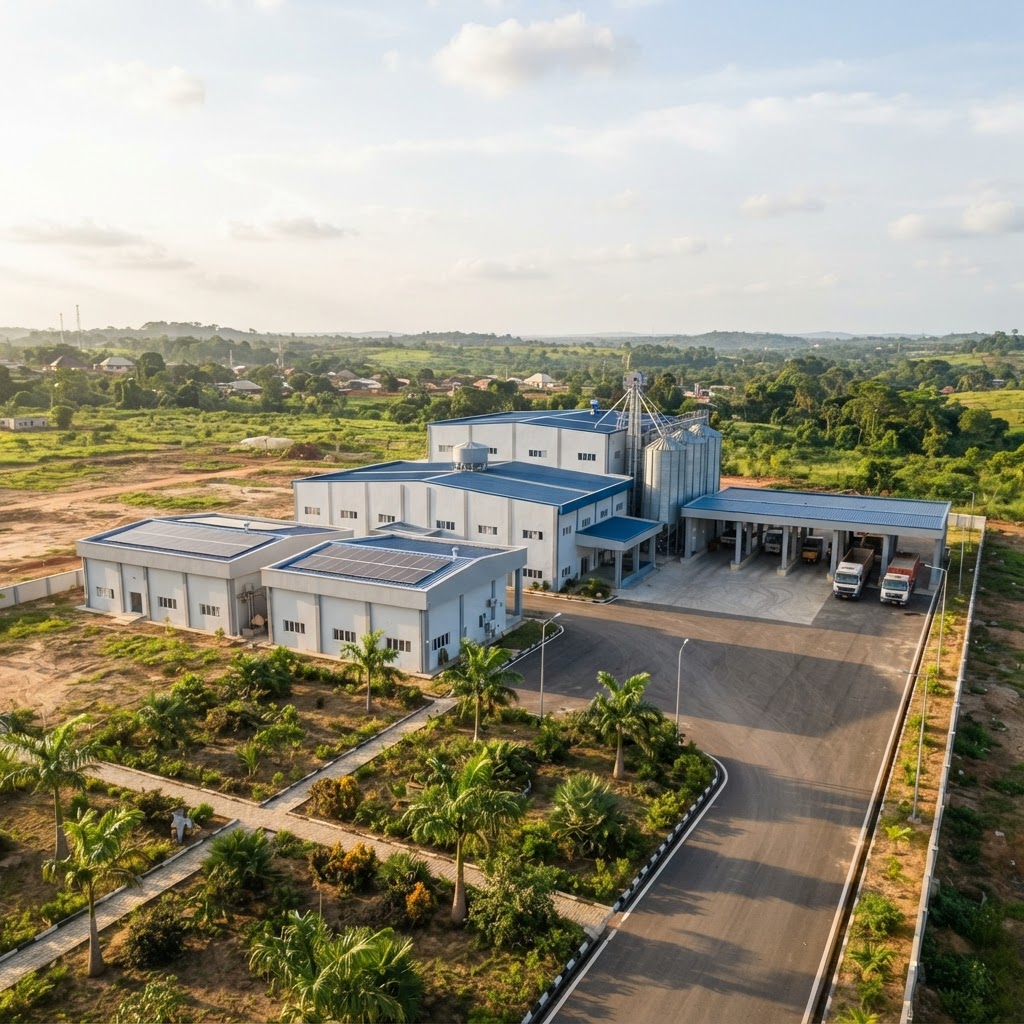
Imo State is witnessing a new wave of private-sector confidence that could reshape its economic future. Industrial Investment in Obazu-Mbieri Raises Hopes for Jobs and Local Economic Growth after Marvico Group commissioned a landmark industrial complex in Mbaitoli Local Government Area. For many residents, this marks the first real sign that large-scale manufacturing can thrive outside Nigeria's major cities, and the momentum building in Obazu could soon ripple across neighbouring communities.
What Is Happening in Obazu-Mbieri?
The Marvico Group has officially commissioned a massive multi-production industrial complex in Obazu-Mbieri, located in Mbaitoli LGA, Imo State. According to a detailed Vanguard report, the facility covers multiple production lines under one roof.
This project represents a significant private-sector investment. It aims to boost local manufacturing, agro-processing, and distribution across the South-East. The complex integrates several industries, from food processing to packaging, within a single operational hub situated firmly in Obazu, a community that has historically relied on subsistence agriculture rather than industrial output.
Community stakeholders describe the facility as a landmark development. It bridges the long-standing gap between rural producers and commercial markets. For decades, farmers and small producers in Mbaitoli struggled to reach buyers beyond their local settlements, and the absence of processing infrastructure in Obazu meant that much of what was grown locally never reached its full market value.
This new complex changes that dynamic. It offers a centralized location where raw materials can be processed, packaged, and distributed efficiently. The initiative reflects a growing trend of South-East entrepreneurs reinvesting in their home communities rather than concentrating wealth in Lagos or Abuja alone. Residents say the sheer scale of the project in Obazu has already begun attracting attention from neighbouring towns eager to understand how such investment was secured.
Local chiefs and youth leaders have also noted that the choice to site the facility in Obazu rather than a more urbanised part of the state sends an important signal: investors are increasingly willing to look beyond state capitals when evaluating viable industrial locations.
How Will This Boost Local Jobs?
Employment generation sits at the heart of this project's promise. The complex is designed to provide direct employment and skills-acquisition opportunities for local youth and women in the Mbaitoli area. This matters greatly in a region where formal job opportunities remain limited, and where many young people in Obazu previously had to relocate to Owerri, Port Harcourt, or Lagos simply to find entry-level work.
By integrating manufacturing and processing under one roof, the facility creates diverse roles. These range from technical operations and quality control to logistics and supply chain management. Workers with different skill levels can find suitable positions, whether they are fresh graduates or experienced artisans who have long operated informally in Obazu.
The initiative aligns with broader regional goals. Nigeria's unemployment challenges have long pushed policymakers to seek industrial solutions closer to communities. Bringing factories to rural LGAs reduces migration pressure toward overcrowded cities, and the example set in Obazu could inform similar siting decisions elsewhere in the South-East.
Consider the practical benefits this creates locally:
- Entry-level roles for young school leavers seeking first jobs
- Technical positions for trained artisans and machine operators
- Administrative and logistics roles supporting daily operations
- Supervisory positions that build long-term management experience
These opportunities mirror concerns raised in Five Health Problems Nigerian Men Often Ignore, where financial stress and joblessness were linked to poor health outcomes. Stable employment can directly improve community wellbeing, and for many families in Obazu, the prospect of steady income already appears to be easing some of that long-standing economic anxiety.
Beyond direct hiring, the facility is expected to stimulate a secondary labour market. Small food vendors, transport operators, and artisans who service workers commuting to the plant in Obazu stand to benefit indirectly, further multiplying the economic footprint of the project.
Can Farmers Benefit From This?
Smallholder farmers stand to gain substantially from this new industrial presence. The factory creates a direct link between local farm settlements and industrial processing. This makes it easier and more cost-effective for farmers to sell their produce without traveling long distances.
Farmers in Obazu-Mbieri, Etioha, and Umuokanne now gain access to reliable markets for staple crops like garri and palm oil. Previously, many farmers lost significant portions of their harvest due to poor storage and delayed sales. Post-harvest losses in Nigeria remain alarmingly high, with some estimates from the Food and Agriculture Organization suggesting losses of up to 40% for certain perishable crops.
Strengthening these local supply chains stimulates broader economic activity. When farmers sell more consistently, they reinvest in better seeds, tools, and labor. This creates a multiplier effect throughout the local economy, and agricultural cooperatives operating in Obazu say they are already fielding inquiries from farmers interested in formalising supply arrangements with the new plant.
This development connects closely with issues raised in Nigeria Risks Billions in Farm Losses Without Better Storage. Reliable industrial buyers reduce the pressure on farmers to sell quickly at low prices. Instead, they can plan harvests around guaranteed demand, something that was simply unavailable to most growers in Obazu before now.
A Model for Rural-Urban Linkage
This factory also demonstrates how rural-urban linkages can function efficiently. Farmers no longer need middlemen to access distant urban markets. Processing happens near the farm gate, cutting transportation costs and spoilage significantly. The success of this arrangement in Obazu offers a template that other rural communities in Imo and beyond may wish to study closely.
Featured Products
Reverse Type 2 Diabetes & other associated Metabolic Issues using Dr. Jason Fung's Evidence-Based Approach— FMD program for Type 2 Diabetes
A practical fasting and fasting-mimicking programme built on Dr Jason Fung's insulin-resistance principles and ow-glycemic recipes.
₦19,950
Join NowChukwu Abiama Tee
Bold black-and-gold Igbo-pride T-shirt featuring 'Chukwu Abiama' in premium streetwear typography.
₦15,000
Buy NowỤmụ Igbo Tee
Classic black T-shirt with bold white 'Ụmụ Igbo' typography — a proud statement of Igbo heritage.
₦15,000
Buy NowNwanne Tee
Washed khaki vintage tee with a faded rust-orange 'Nwanne' stamp badge and palm leaf motif — a nod to kinship and heritage.
₦18,000
Buy NowObodo Tee
Faded denim-blue washed tee with a cream 'Obodo' stamp badge and sun motif, celebrating community roots.
₦18,000
Buy NowEkwe Heritage Tee
Deep indigo tee featuring a fine line-art illustration of a traditional Igbo ekwe drum, inspired by Igbo-Ukwu bronze artistry.
₦18,000
Buy NowIkenga Figure Tee
Forest green tee with a fine line-art illustration of a stylized Ikenga figure.
₦18,000
Buy NowAgricultural extension officers working in Obazu have also expressed interest in using the facility as a training ground, where farmers can learn modern post-harvest handling techniques directly from factory technicians, further strengthening the bond between production and processing.
Why Is This Model Important?
The Marvico project exemplifies the "Traditional Values, Modern Progress" philosophy that many Nigerian communities are beginning to embrace. It blends local community structures with modern industrial economics. Traditional institutions in Mbaitoli reportedly supported land allocation and community buy-in for the project, a cooperative spirit that locals say has become a defining feature of recent development efforts in Obazu.
This approach serves as a replicable model for other Nigerian entrepreneurs. Successful indigenes increasingly choose to invest in their home states rather than relying solely on urban centers. This fosters collective prosperity instead of concentrated wealth in a few metropolitan areas, and the willingness of community elders to facilitate smooth land transfers in Obazu has been cited as a key factor behind the project's quick realisation.
The facility acts as a powerful catalyst for community development. It proves that private investment can drive tangible growth in autonomous communities without waiting for government intervention alone. This mirrors broader national conversations found in Debt Interest Could Consume 72% of Federal Revenue by 2030, where private capital becomes essential given shrinking public fiscal space.
Replicable models like this matter because Nigeria has over 774 local government areas, many underserved by industrial infrastructure. If even a fraction adopted similar community-anchored investment approaches, the national employment landscape could shift meaningfully. Analysts tracking rural industrialisation suggest that what has happened in Obazu could become a reference case in academic and policy discussions about decentralised manufacturing.
Governance, Accountability, and Sustaining Investor Confidence
Large-scale investment of this kind does not happen in a vacuum. It depends heavily on trust between communities, investors, and government institutions. Nigeria's broader governance landscape, including efforts to strengthen electoral integrity as seen in INEC Removes 1.6 Million Invalid Voters, Flags 54 Officials, reflects a national push toward cleaner institutions that can, in turn, support a more predictable business environment for projects like the one in Obazu.
Transparent reporting also plays a role in sustaining public confidence in developments such as this. As emphasised in INEC tasks journalists on objective, verifiable reportage, accurate and balanced coverage helps communities separate genuine progress from exaggerated claims. For a project as significant as the one now operating in Obazu, credible journalism ensures that both successes and challenges are documented fairly.
Accountability concerns extend to the handling of public and private funds nationwide. Cases such as the one detailed in FG Files New Charges Against Adeyemi Adeniyi in PFIPC Case remind investors and communities alike that financial integrity remains essential if Nigeria is to attract and retain the kind of capital now flowing into places like Obazu.
What Is the Future of Industry?
The Obazu-Mbieri development does not exist in isolation. It complements larger state-wide initiatives like the Special Agro-Industrial Processing Zone in Ohaji-Egbema. This zone forms part of a broader federal push toward decentralized industrialization, and officials say lessons learned from the facility in Obazu will likely inform how similar zones are designed elsewhere.
Imo State is leveraging its vast gas deposits for energy generation. This positions the region as an emerging hub for agro-industrial processing that could impact millions of households. Reliable energy remains a critical enabler for sustained industrial growth, a point echoed in Nigeria to Drive Half of West Africa Power Demand by 2035. Ongoing drilling and energy exploration activity, similar to trends discussed in Rig and Die Is Back on Nigerian Timelines, could eventually translate into more stable power supplies for industrial users operating in Obazu and other emerging manufacturing clusters.
Continued investment in infrastructure and local processing capacity remains essential. Roads, electricity, and water supply all determine whether factories like Marvico's can scale sustainably. Without these fundamentals, even well-intentioned projects face operational challenges, and stakeholders in Obazu have already begun lobbying local government officials for road upgrades to support increased truck traffic to and from the complex.
Organizations like the World Bank have repeatedly emphasized that Nigeria's long-term economic resilience depends on diversifying beyond oil. Agro-industrial processing offers one credible pathway. Families across Imo State now have tangible reasons to hope for improved household incomes, with the example set in Obazu frequently cited in local discussions about what decentralised growth can look like in practice.
Power supply challenges, however, remain a persistent concern nationwide. As highlighted in Power DisCos Apologise to Nigerians Over Prolonged Blackouts, unreliable electricity can slow industrial momentum if not addressed urgently. Factory managers in Obazu have reportedly explored supplementary power solutions, including gas-fired generation, to reduce dependence on the national grid and keep production lines running consistently.
How Can You Support Growth?
Every reader has a role to play in sustaining this momentum. Encourage local entrepreneurship by patronizing products manufactured within the community and across the South-East region. Choosing locally made garri, palm oil, or packaged goods directly supports factories like this one, many of which now trace their raw materials back to farms in Obazu and surrounding settlements.
Staying informed matters too. Follow local development projects to identify opportunities for skill acquisition and community-led economic initiatives. Many factories, including this one, often announce training programs for interested youth and women, and residents in Obazu are encouraged to monitor community notice boards and local radio announcements for upcoming intake periods.
Consider these practical steps for ongoing involvement:
- Support cooperative societies that connect farmers to processors
- Attend community meetings on local development priorities
- Advocate for infrastructure upgrades like roads and electricity
- Mentor young people interested in technical or agricultural careers
Advocacy also matters at a policy level. Communities should push for policies supporting small-to-medium enterprises, similar to discussions found in FG seeks fresh $500m World Bank loan, which touches on financing mechanisms for infrastructure improvements. Access to such financing could prove decisive in determining whether the gains recorded in Obazu are extended to neighbouring communities still waiting for similar investment.
Collective action, paired with practical patronage, strengthens the foundation this factory has laid for lasting local prosperity. As more stakeholders, from farmers to policymakers to everyday consumers, rally around what has been achieved in Obazu, the hope is that this single project becomes the first of many, rather than an isolated success story in a region still hungry for industrial transformation.
Stay Informed
Get New Articles in Your Inbox
Subscribe to receive the latest community development, health, and wealth insights from Eziokwubundu.
Newsletter
Practical insights on health, wealth, and community — delivered weekly.
Community Discussion(0)
Leave a Comment
More to Read
You May Also Like
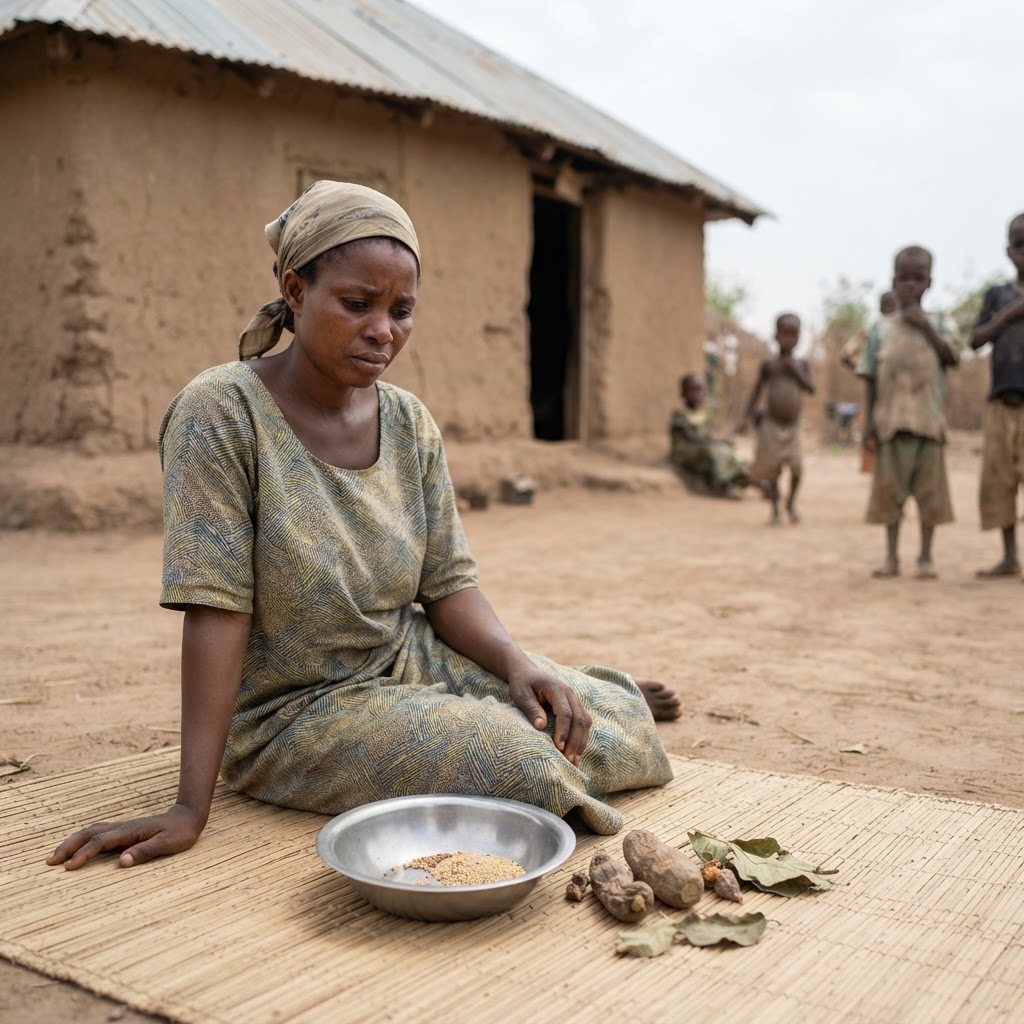
36.3 Million Nigerians Face Acute Food Crisis
Hunger is spreading faster than many expected across Nigeria this year. New humanitarian data reveals that 36.3 Million Nigerians Face Acute Food Crisis conditions, a number that should alarm every family, policymaker, and community leader. This is not a distant statistic. It is a lived reality shap...

Obi-Mbieri Mourns Engr. Vitalis Opara: Questions Emerge Over Community’s Silence
Engr. Vitalis Opara is identified as President General on the signature page of the Obi-Mbieri Autonomous Community Constitution 2020 as amended.

Where Should a Traditional Prime Minister Conduct His Official Duties? Must Every Daily Activity Take Place at the Eze's Palace?
An examination of traditional Igbo governance, the Obi-Mbieri Autonomous Community Constitution 2020, as amended, and the wider implications.
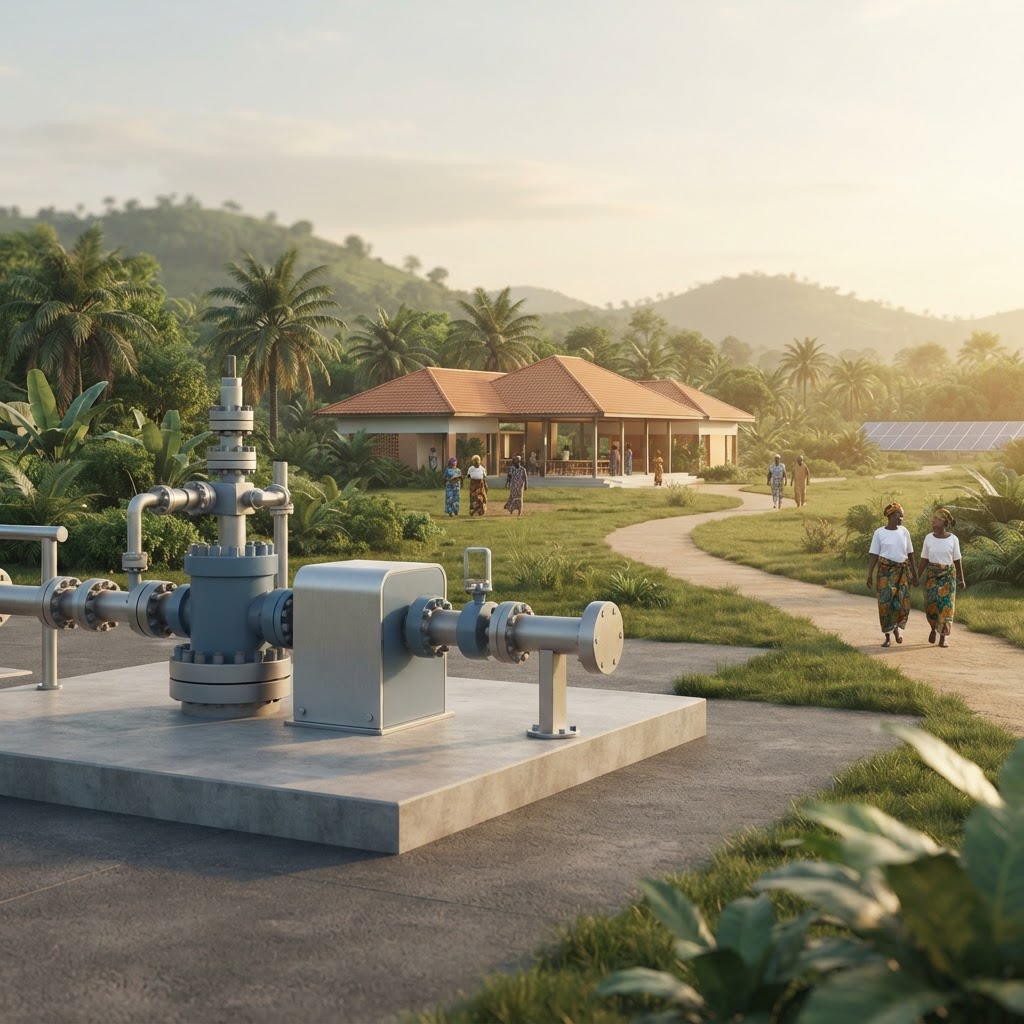
Seplat Aku-01 Discovery: Benefits for Obi-Mbieri
Imagine a small Imo State community suddenly linked to a 157-billion-cubic-feet gas discovery. That is the reality facing Obi-Mbieri today. This piece on Seplat's Aku-01 Discovery: What Concrete Benefits Should Obi-Mbieri Expect? breaks down what this find could mean for everyday residents, local bu...

Budget-Friendly Healthy Meal Prepping for Nigerians
Modern Nigerian families face the dual pressure of rising food prices and the need for better health outcomes. Learning how Nigerian families can(/article/nigerian-family-guide-to-reversing-type-2-diabetes) use meal prepping with local ingredients to eat healthy on a tight budget is a vital skill fo...

Beyond Degrees: Bridging Nigeria's Digital Skills Gap
Nigeria's graduates are flooding the job market faster than employers can absorb them. Yet many arrive with certificates but no practical digital competence. This is the heart of Digital Skills and Youth Employment: Why Nigerian Graduates Need More Than University Certificates.—a gap that is reshapi...

Eziokwubundu’s Approach to Community Impact
Imagine a Nigeria where personal wellness, financial growth, and community development move together instead of staying separate. That is the vision behind Eziokwubundu’s Approach to Community Impact, a model built for everyday Nigerians seeking lasting change. This article unpacks how that model wo...

Seplat and Obi-Mbieri: Five Questions the Community Needs Answers to After the Commissioner's Directive
The question of who legitimately represents Obi-Mbieri Autonomous Community in its dealings with Seplat Energy PLC has once again come into focus following a significant intervention by the Imo State Government.
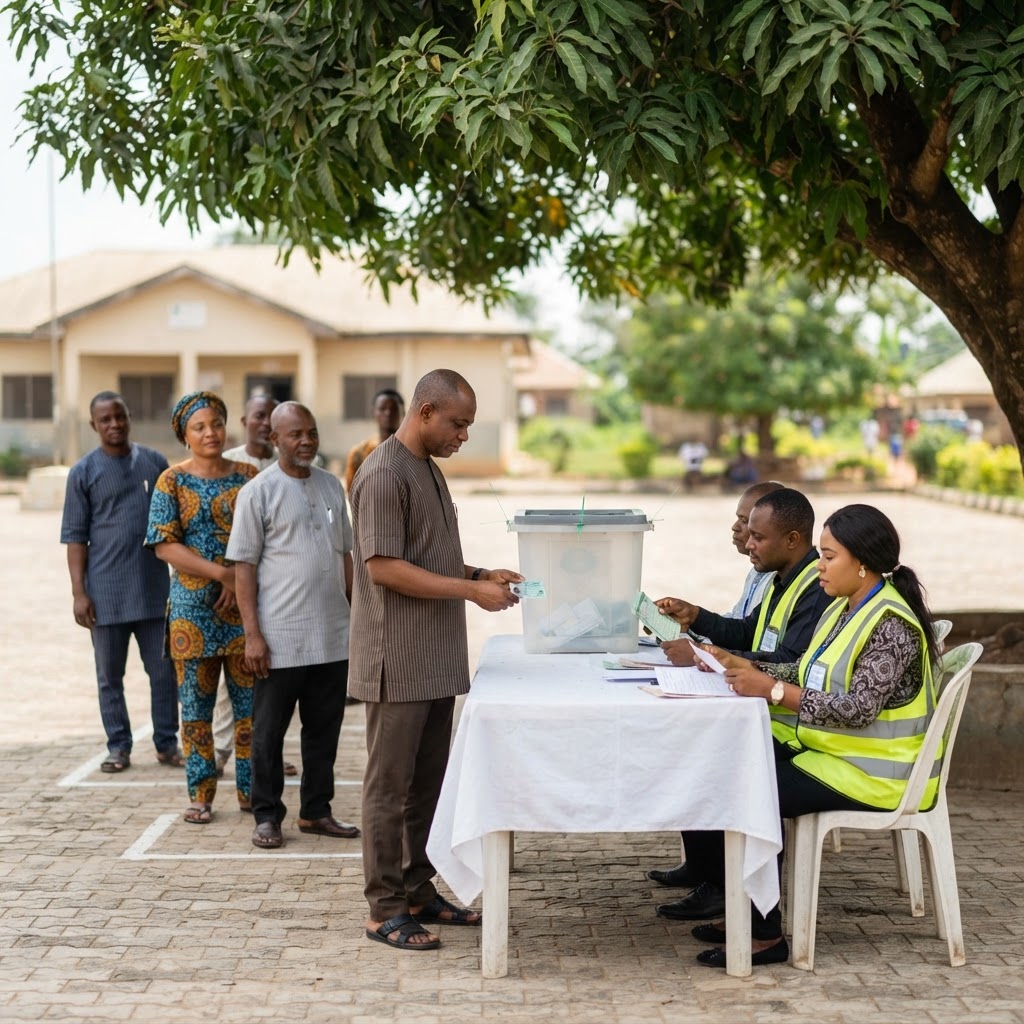
Imo Local Government Elections Set for Today
Imo State stands at a democratic crossroads this week. Residents across the state are heading to polling units with hope and renewed civic energy. The headline reads clearly: Imo Local Government Elections Hold Today: 27 LGAs, 305 Wards in Focus, and the outcome will shape grassroots governance for ...

Seplat's Aku-01 Discovery in Obi-Mbieri: 19 Million Barrels of Oil, 157 Bcf of Gas and What Comes Next?
The discovery at Seplat Energy's Aku-01 exploration well has drawn fresh attention to the oil and gas potential of Imo State and Obi-Mbieri. With preliminary estimates indicating 19 million barrels of oil and 157 billion cubic feet of gas in place, the next phase of exploration could have important implications for the host community. But what does the discovery actually mean, and what should Obi-Mbieri expect?