Powered by Obi Mbieri Independent Media Ltd.
$1 = ₦1,353€1 = ₦1,486£1 = ₦1,775FG seeks fresh $500m World Bank loan
Nigeria's infrastructure gap keeps widening every year, and families feel it in blackouts, bad roads, and scarce clean water. Fresh reports confirm that the FG seeks fresh $500m World Bank loan to fund a new infrastructure financing platform. This move could reshape how power, transport, and water p...
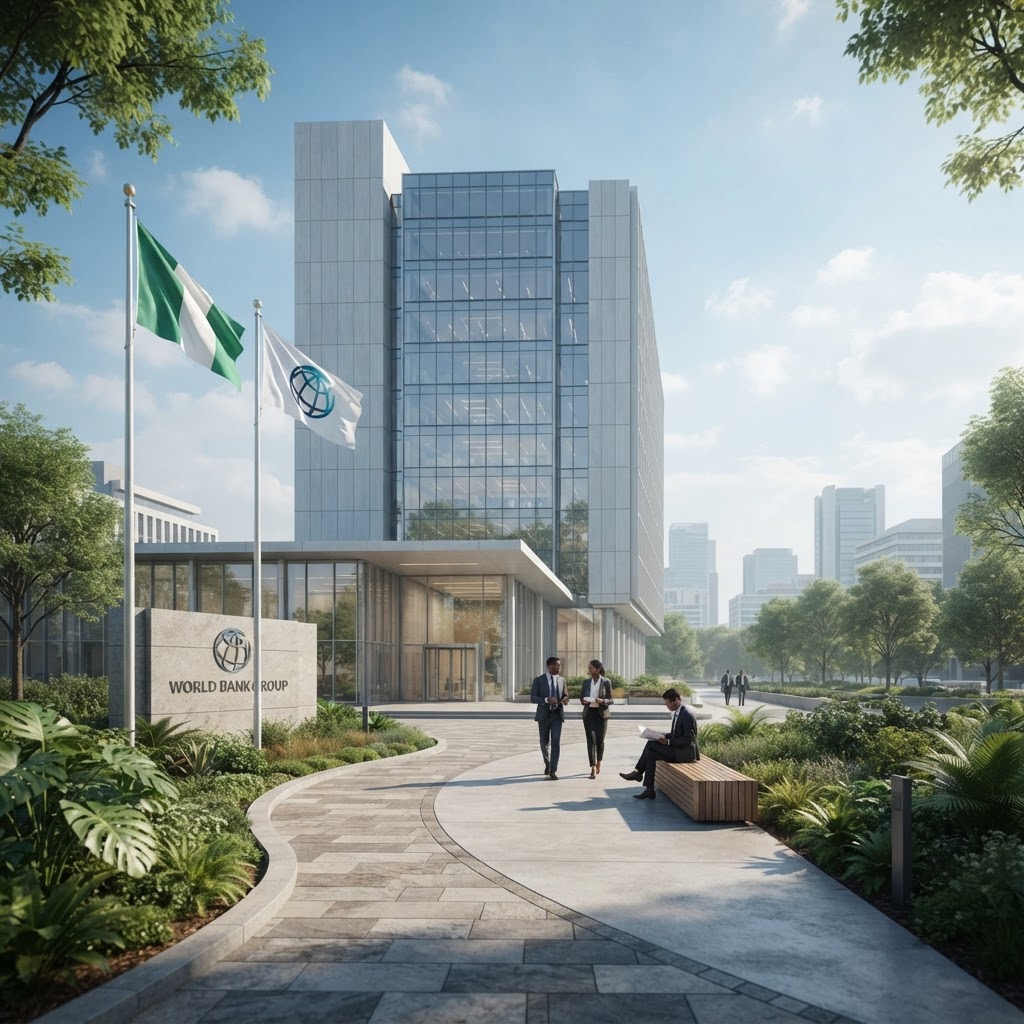
Nigeria's infrastructure gap keeps widening every year, and families feel it in blackouts, bad roads, and scarce clean water. Fresh reports confirm that the FG seeks fresh $500m World Bank loan to fund a new infrastructure financing platform. This move could reshape how power, transport, and water projects get built across the country for years to come, and it has quickly become one of the most discussed fiscal stories in recent months. As the news that the FG seeks fresh $500m World Bank loan continues to spread across financial circles, ordinary Nigerians are asking what this really means for their daily lives, their businesses, and their long-term economic security.
What Is The New Loan Proposal?
The Federal Government is formally requesting $500 million from the World Bank. The funds would establish a platform called INFRAGROW, designed to mobilize private capital for public infrastructure. This confirms once again that the FG seeks fresh $500m World Bank loan not merely as a short-term fiscal maneuver but as part of a broader strategic push to reposition the country's infrastructure financing architecture.
According to Punch Nigeria's report on the loan request, the initiative targets Nigeria's estimated $100 billion annual infrastructure financing gap. That figure is staggering for a country already managing tight budgets and rising debt obligations.
INFRAGROW is not a traditional construction fund. It focuses on institution-building, strengthening the systems that plan, finance, and deliver infrastructure projects in energy, transport, and water sectors. This is precisely why the FG seeks fresh $500m World Bank loan with such urgency — the goal is not just to pour money into roads and pipelines, but to build the institutional machinery that can sustain infrastructure delivery long after this particular facility is exhausted.
The logic is simple: Nigeria has no shortage of infrastructure needs. What it lacks is a reliable pipeline of bankable projects that attract serious private investors. This echoes themes explored in Nigeria Electricity Output Falls to 3,549MW Amid Crisis, which highlights how weak institutional capacity worsens power shortages nationwide. It is within this context that the FG seeks fresh $500m World Bank loan, hoping to close the gap between ambition and execution that has plagued previous infrastructure initiatives.
Why Is This Loan Being Sought?
The World Bank has consistently flagged Nigeria's infrastructure deficit as a major obstacle. It limits economic expansion, weakens business competitiveness, and slows job creation across sectors. This is the backdrop against which the FG seeks fresh $500m World Bank loan, framing the request as a corrective measure rather than a one-off bailout.
Poor roads raise transport costs for farmers and traders. Unreliable power discourages manufacturers from scaling operations. Limited water infrastructure affects public health and household productivity. Each of these pain points is cited as justification for why the FG seeks fresh $500m World Bank loan at this particular moment, when economic pressures are mounting on multiple fronts simultaneously.
The proposed platform aims to fix these structural problems at their root. It would fund feasibility studies, conduct risk assessments, and provide procurement assistance to make projects attractive to investors.
A key feature is the "Viability Gap Fund." This mechanism supports essential projects that may not generate immediate commercial returns but remain socially necessary. It is a tool many observers believe is central to why the FG seeks fresh $500m World Bank loan rather than relying solely on private capital markets, which tend to avoid socially important but commercially unattractive ventures.
Several priorities drive this approach:
- Reducing the cost of doing business through better logistics and energy access
- Attracting private capital into sectors historically dominated by government spending
- Building institutional capacity to manage large infrastructure portfolios
- Supporting projects aligned with Nigeria's growing demand for electricity, as detailed in Nigeria to Drive Half of West Africa Power Demand by 2035
This strategy mirrors global best practices documented by the World Bank's infrastructure financing framework, which emphasizes de-risking projects before seeking private investment. It also explains, in clearer terms, why the FG seeks fresh $500m World Bank loan structured around institutional reform rather than direct capital expenditure alone.
What Are The Risks Involved?
Every major infrastructure loan carries risks, and this one is no exception. The World Bank itself has classified the project's environmental and social risks as "high." This classification matters enormously as the FG seeks fresh $500m World Bank loan, because it signals that approval will not be automatic and that stringent safeguards must accompany any disbursement.
Large-scale infrastructure projects often require land acquisition. This raises concerns about displacement of local communities, particularly in rural areas where land tenure systems are informal.
Occupational hazards during construction also pose real dangers to workers. Safety standards must be enforced consistently across contractors and regions, something Nigeria has struggled with historically.
Environmental concerns extend beyond construction sites. Energy and water projects require sustainable management to avoid long-term ecological damage, including water table depletion and habitat disruption.
These risks are not hypothetical. Similar warnings have emerged in other sectors, as seen in Rig and Die Is Back on Nigerian Timelines, which examines safety lapses in large infrastructure operations. Such precedents are why many analysts urge caution even as the FG seeks fresh $500m World Bank loan to fund an ambitious new platform.
Community stakeholders, traditional institutions, and local organizations must stay engaged throughout project implementation. Transparent communication can prevent the kind of social friction that has derailed infrastructure projects elsewhere in Africa. Ensuring that affected communities have a genuine voice will be essential if the FG seeks fresh $500m World Bank loan and expects smooth, uncontested project rollout once funds are approved.
How Does This Affect Our Debt?
Nigeria's debt profile is already significant, and this new request adds another layer. Total public debt reached N166.79 trillion as of June 2026, up from N159.35 trillion in March 2026.
That increase, within just one quarter, reflects both new borrowing and currency depreciation effects. Nigerians should understand how these numbers connect to everyday economic pressures like inflation and naira volatility. It is within this fiscal climate that the FG seeks fresh $500m World Bank loan, adding fresh scrutiny to an already stretched national balance sheet.
The World Bank Group alone accounts for roughly 38% of Nigeria's total external debt stock. This concentration raises questions about diversification and long-term repayment capacity, especially amid fluctuating oil revenues. Critics argue that as the FG seeks fresh $500m World Bank loan on top of existing obligations, the country risks becoming overly dependent on a single multilateral lender.
The government is not stopping at INFRAGROW. It is simultaneously pursuing other major facilities, each valued at $500 million:
Featured Products
Reverse Type 2 Diabetes & other associated Metabolic Issues using Dr. Jason Fung's Evidence-Based Approach— FMD program for Type 2 Diabetes
A practical fasting and fasting-mimicking programme built on Dr Jason Fung's insulin-resistance principles and ow-glycemic recipes.
₦19,950
Join NowChukwu Abiama Tee
Bold black-and-gold Igbo-pride T-shirt featuring 'Chukwu Abiama' in premium streetwear typography.
₦15,000
Buy NowỤmụ Igbo Tee
Classic black T-shirt with bold white 'Ụmụ Igbo' typography — a proud statement of Igbo heritage.
₦15,000
Buy NowNwanne Tee
Washed khaki vintage tee with a faded rust-orange 'Nwanne' stamp badge and palm leaf motif — a nod to kinship and heritage.
₦18,000
Buy NowObodo Tee
Faded denim-blue washed tee with a cream 'Obodo' stamp badge and sun motif, celebrating community roots.
₦18,000
Buy NowEkwe Heritage Tee
Deep indigo tee featuring a fine line-art illustration of a traditional Igbo ekwe drum, inspired by Igbo-Ukwu bronze artistry.
₦18,000
Buy NowIkenga Figure Tee
Forest green tee with a fine line-art illustration of a stylized Ikenga figure.
₦18,000
Buy Now- ACReSAL, focused on climate resilience and land restoration
- HOPE-SP, targeting social protection for vulnerable households
- Early childhood development programs supporting Nigerian families nationwide
Readers can track broader fiscal accountability concerns in FG Files New Charges Against Adeyemi Adeniyi in PFIPC Case, which underscores why transparent debt management matters, particularly now that the FG seeks fresh $500m World Bank loan alongside several other large-scale borrowing arrangements. Detailed debt figures are published regularly by the Debt Management Office Nigeria, offering citizens direct access to official data.
What Is The Proposed Timeline?
Timing matters when evaluating any major loan proposal. The World Bank has scheduled a technical design review for January 21, 2027.
This review stage examines project structure, risk mitigation plans, and institutional readiness before moving forward. It is a critical checkpoint, not a final approval, and it will determine much of the public conversation around whether the FG seeks fresh $500m World Bank loan successfully or faces further delays.
The proposed approval date is set for May 25, 2027. Notably, that falls just four days before the presidential inauguration, raising questions about political timing and continuity. Observers note that whenever the FG seeks fresh $500m World Bank loan close to a transition period, questions naturally arise about whether incoming administrations will honor the commitments made by outgoing officials.
However, these dates remain projections only. They do not guarantee immediate fund release, since the proposal is still under consideration by World Bank decision-makers.
Nigerians should treat these timelines cautiously. Infrastructure financing processes often face delays due to documentation requirements, policy reviews, or shifts in government priorities. Even as the FG seeks fresh $500m World Bank loan with a defined roadmap, history suggests that multilateral approval processes can stretch well beyond initial projections.
For context on how project timelines affect real outcomes, see DSS Arraigns Five for Kidnapping 20 Corps Members in Imo, which shows how security and governance issues can disrupt development schedules unexpectedly. Similarly, political cycles covered in Imo LG Election Tension Mounts Over Party Primaries illustrate how local governance disputes can ripple into national project execution timelines.
What Does This Mean For Nigerians?
This loan proposal is not just government paperwork. It has real implications for families, entrepreneurs, and communities across Nigeria. As the FG seeks fresh $500m World Bank loan, everyday citizens deserve clarity on how the money will translate into tangible improvements in their communities.
For middle-class families and small business owners, improved infrastructure could lower operational costs significantly. Better roads mean cheaper logistics. Stable power means fewer generator expenses and more productive hours. This is one of the strongest arguments offered by officials explaining why the FG seeks fresh $500m World Bank loan at this particular economic juncture.
Entrepreneurs in manufacturing, agriculture, and logistics sectors stand to benefit most directly. Reduced infrastructure costs often translate into more competitive pricing and expanded market access, both locally and internationally.
Community stakeholders must remain vigilant, though. The "high" social risk classification demands active monitoring of land rights issues and resettlement processes affecting vulnerable populations. Civic engagement platforms, including guidance found in INEC tasks journalists on objective, verifiable reportage, remind citizens of the importance of accurate, fact-based coverage whenever the FG seeks fresh $500m World Bank loan or pursues other major financial commitments.
Eziokwubundu believes infrastructure is vital for prosperity, but sustainable debt management matters equally. Borrowing without accountability can undermine long-term community stability, even when the underlying projects sound promising. The fact that the FG seeks fresh $500m World Bank loan should not distract citizens from demanding clear reporting on how every disbursed dollar is spent.
Diaspora Nigerians sending remittances home should also watch these developments closely. Infrastructure improvements can influence investment decisions, property values, and business opportunities back home.
Practical Takeaways For Nigerian Families
Understanding this loan proposal helps Nigerians make informed decisions about personal and community investments. Consider these practical steps:
- Monitor official government and World Bank project updates regularly
- Engage local leaders about land rights protections in your area
- Factor infrastructure improvements into long-term business planning
- Support community advocacy for transparent fund utilization
Health-conscious readers should also note that infrastructure affects wellness outcomes. Reliable water systems reduce waterborne illness risks, while better roads improve emergency healthcare access during crises — a point reinforced in resources like Stroke: Warning Signs and How to Reduce Your Risk, which highlights how quickly access to emergency care can determine survival outcomes. As the FG seeks fresh $500m World Bank loan to fund water and transport improvements, public health advocates hope these benefits reach even the most remote communities.
Students and youth professionals entering the workforce should pay attention too. Infrastructure projects often create jobs in engineering, project management, and skilled trades, offering genuine career pathways. Education technology initiatives such as those described in How KoboTutor Uses AI to Expand Quality Education in Nigeria show how digital tools can complement physical infrastructure investment, preparing young Nigerians for the jobs that may emerge if the FG seeks fresh $500m World Bank loan and successfully deploys it toward institutional capacity building.
Consumer safety remains another area worth watching. As more infrastructure money flows into regions, vigilance around product quality becomes even more important, as seen in reports like NAFDAC Warns Imo Dealers Over Fake and Expired Drugs. Strong institutions, the very kind INFRAGROW hopes to build, are essential to preventing such lapses across sectors beyond infrastructure alone.
Community leaders and local organizations play a crucial role in holding institutions accountable. Grassroots journalism, like the coverage found throughout Eziokwubundu, helps ensure these massive financial decisions remain visible to everyday citizens. Whenever headlines confirm that the FG seeks fresh $500m World Bank loan, independent reporting becomes the bridge between technical financial jargon and practical household impact.
Ultimately, the question of whether the FG seeks fresh $500m World Bank loan successfully will depend on execution, transparency, and genuine community involvement. Nigerians deserve infrastructure that serves their health, wealth, and collective progress. The coming months, as the FG seeks fresh $500m World Bank loan through formal review stages, will reveal whether this ambitious platform can deliver on its promises or join the long list of infrastructure plans that stalled before reaching communities most in need.
This story will continue developing as the technical design review approaches in early 2027. Eziokwubundu will keep tracking updates, connecting national economic decisions to practical impacts on Nigerian households and communities nationwide.
For readers interested in broader economic literacy, the International Monetary Fund's Nigeria country page offers additional macroeconomic context worth exploring alongside this developing infrastructure financing story. As always, Eziokwubundu will continue monitoring every development tied to the news that the FG seeks fresh $500m World Bank loan, ensuring readers receive timely, accurate, and actionable updates as the process moves from proposal to potential approval.
Stay Informed
Get New Articles in Your Inbox
Subscribe to receive the latest community development, health, and wealth insights from Eziokwubundu.
Newsletter
Practical insights on health, wealth, and community — delivered weekly.
Community Discussion(0)
Leave a Comment
More to Read
You May Also Like
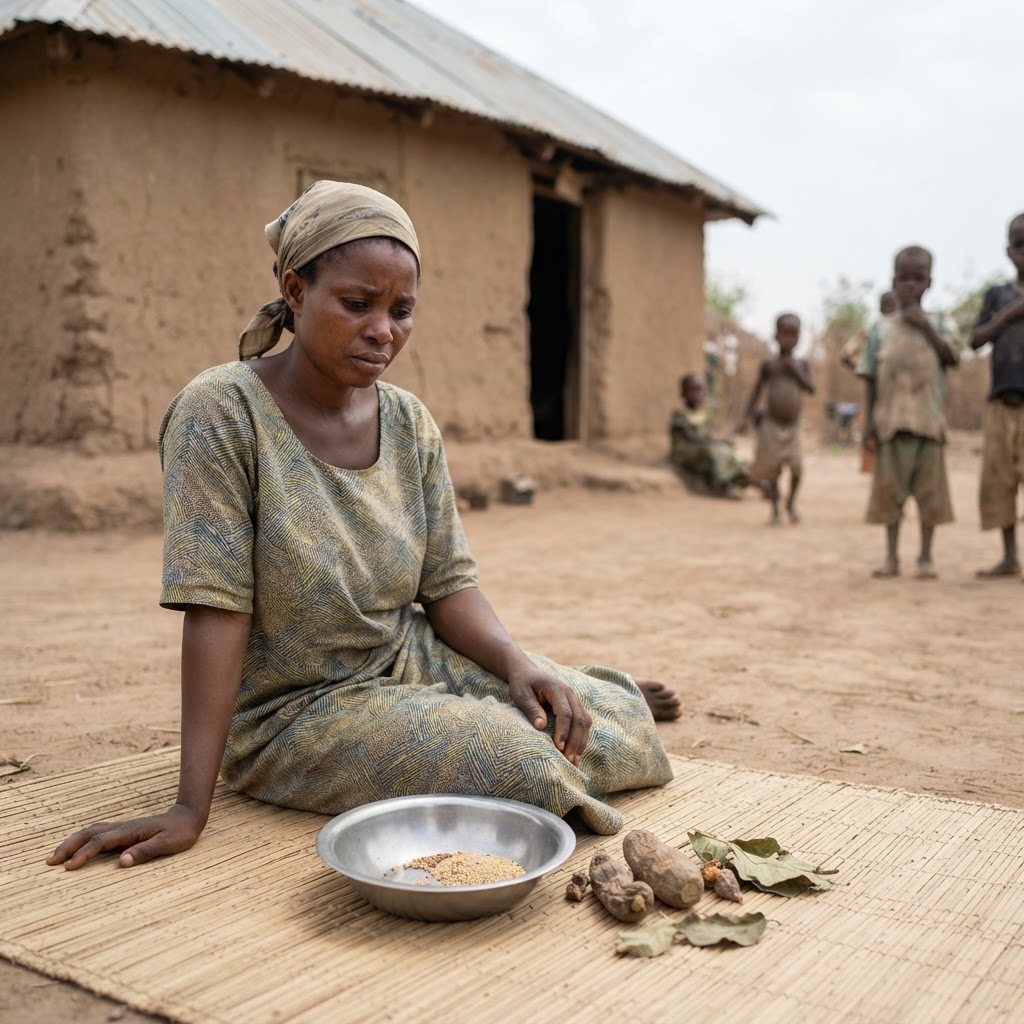
36.3 Million Nigerians Face Acute Food Crisis
Hunger is spreading faster than many expected across Nigeria this year. New humanitarian data reveals that 36.3 Million Nigerians Face Acute Food Crisis conditions, a number that should alarm every family, policymaker, and community leader. This is not a distant statistic. It is a lived reality shap...

Obi-Mbieri Mourns Engr. Vitalis Opara: Questions Emerge Over Community’s Silence
Engr. Vitalis Opara is identified as President General on the signature page of the Obi-Mbieri Autonomous Community Constitution 2020 as amended.
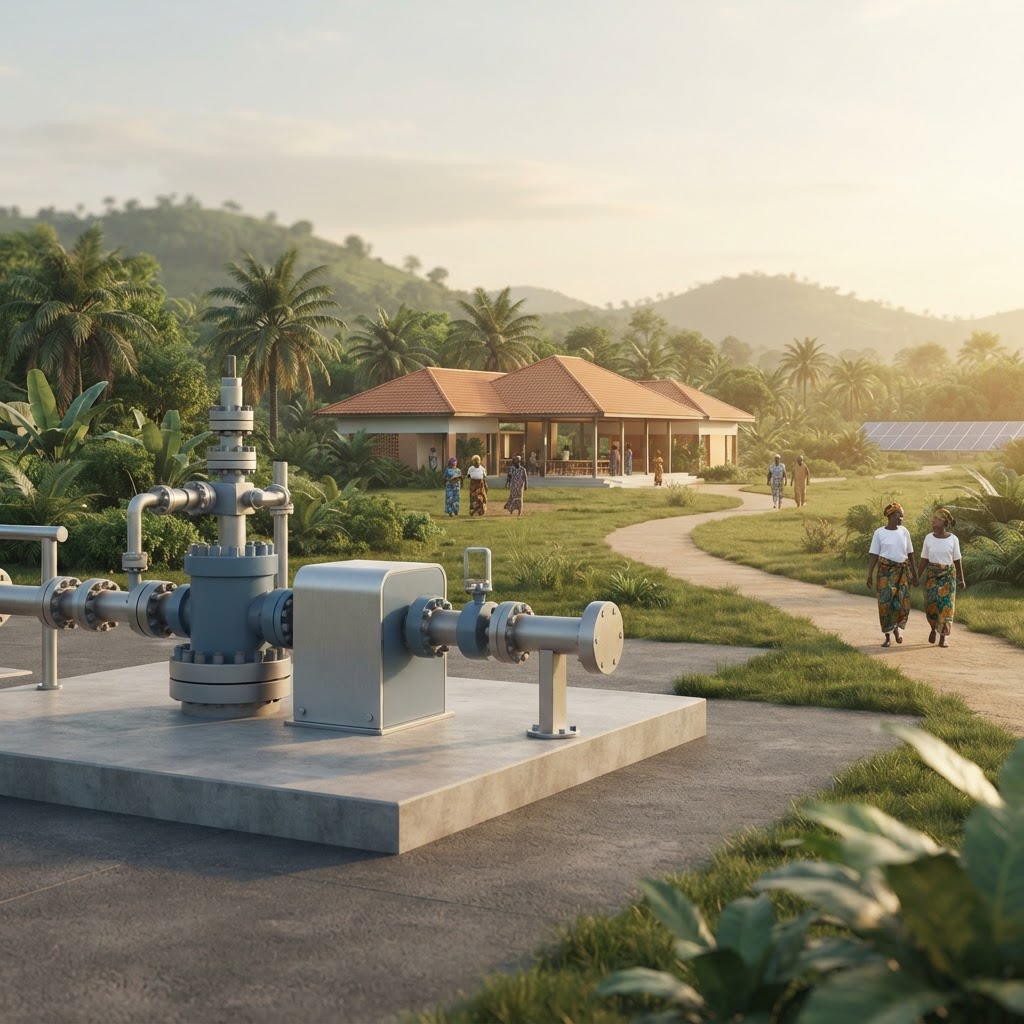
Seplat Aku-01 Discovery: Benefits for Obi-Mbieri
Imagine a small Imo State community suddenly linked to a 157-billion-cubic-feet gas discovery. That is the reality facing Obi-Mbieri today. This piece on Seplat's Aku-01 Discovery: What Concrete Benefits Should Obi-Mbieri Expect? breaks down what this find could mean for everyday residents, local bu...
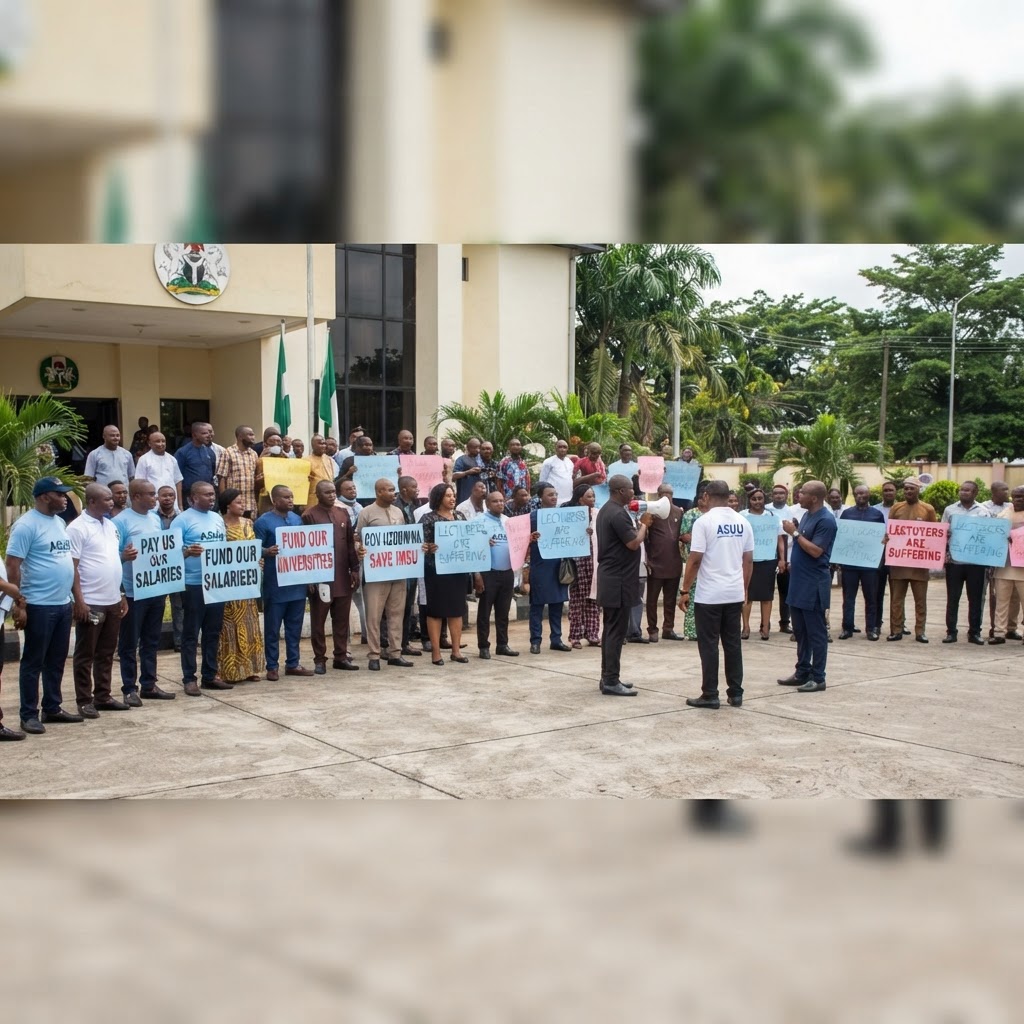
IMSU Lecturers Protest in Owerri, Appeal to Uzodimma to End
The streets of Owerri turned into a sea of white lab coats and placards this week. Hundreds of university lecturers walked out of their offices, choosing protest over silence. The IMSU Lecturers Protest in Owerri, Appeal to Uzodimma to End Months-Long Strike has become a defining moment for Imo Stat...

JAMB Candidates Can Now Change Course and Institution Online
Admission season often brings long queues and costly transport for Nigerian families. That burden has just eased. JAMB candidates can now change their institutions and courses from home, as the board announces a new digital correction service, giving students and parents fresh control over their aca...
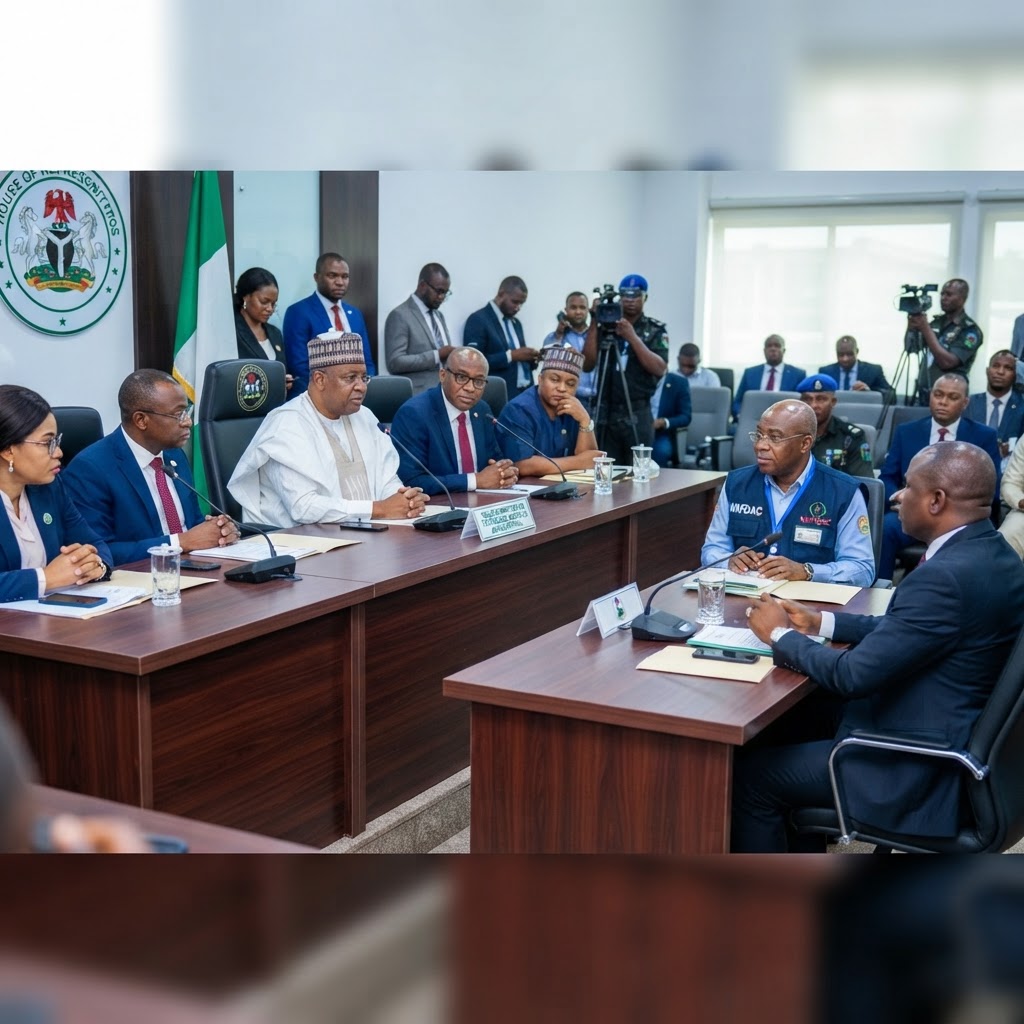
House Summons NAFDAC and DSS Over Fake Drug Deaths
Four people are dead, eleven more are fighting for their lives, and a federal lawmaker wants answers now. Fake Drug deaths linked to a suspicious herbal concoction have pushed the House of Representatives to move decisively, summoning NAFDAC and the DSS in a case that is no longer a distant headline...

Prevent Kidney Disease With Regular Health Checks
Kidney health rarely makes headlines until a crisis hits a family. Yet understanding Kidney Disease: Why Regular Health Checks Can Help Prevent Serious Complications can save lives, protect household income, and strengthen community wellbeing across Nigeria. Kidney Disease often develops quietly ove...

Budget-Friendly Healthy Meal Prepping for Nigerians
Modern Nigerian families face the dual pressure of rising food prices and the need for better health outcomes. Learning how Nigerian families can(/article/nigerian-family-guide-to-reversing-type-2-diabetes) use meal prepping with local ingredients to eat healthy on a tight budget is a vital skill fo...

Beyond Degrees: Bridging Nigeria's Digital Skills Gap
Nigeria's graduates are flooding the job market faster than employers can absorb them. Yet many arrive with certificates but no practical digital competence. This is the heart of Digital Skills and Youth Employment: Why Nigerian Graduates Need More Than University Certificates.—a gap that is reshapi...
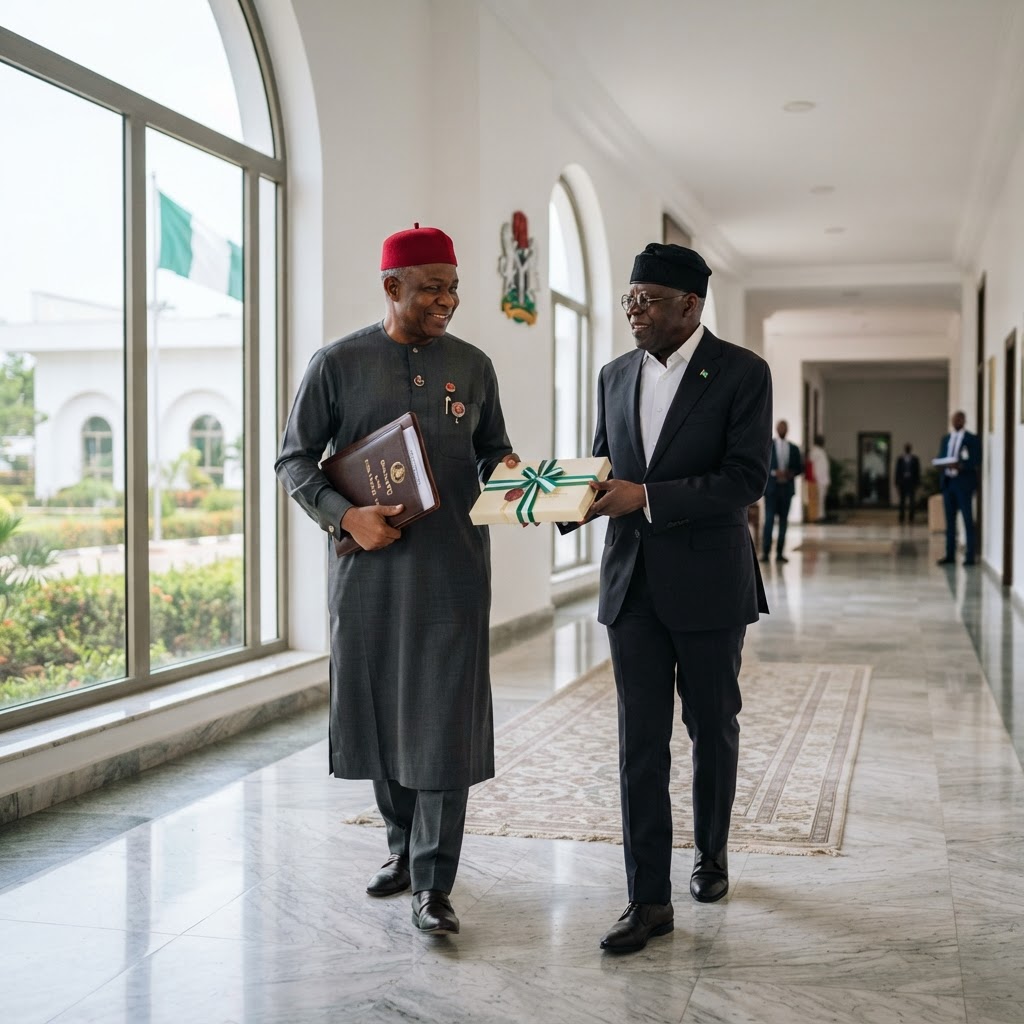
Senate Sends State Police Bill to Tinubu for Approval
Nigeria's security architecture is entering a new chapter. The headline development, State Police Bill: Senate Transmits Constitutional Amendment to Tinubu for Presidential Assent, signals a historic shift toward decentralized policing. For Nigerian families, entrepreneurs, and community leaders, th...