Powered by Obi Mbieri Independent Media Ltd.
$1 = ₦1,353€1 = ₦1,486£1 = ₦1,775Nigeria Health Insurance: How to Enroll
Imagine losing your life savings to a single hospital bill. For millions of Nigerian families, this fear is real, not imagined. This guide on Nigeria Health Insurance: How to Enroll breaks down the process so you can protect your health and your wealth at the same time. Whether you are a salaried wo...

Imagine losing your life savings to a single hospital bill. For millions of Nigerian families, this fear is real, not imagined. This guide on Nigeria Health Insurance: How to Enroll breaks down the process so you can protect your health and your wealth at the same time. Whether you are a salaried worker in Lagos, a trader in Onitsha, a student in Enugu, or a diaspora Nigerian trying to secure coverage for relatives back home, understanding Nigeria Health Insurance: How to Enroll is now one of the most important financial literacy skills a household can have.
Why Is Health Insurance Essential?
Nigeria's health financing landscape changed dramatically with the 2022 National Health Insurance Authority (NHIA) Act. It replaced the older 1999 NHIS Act, which only covered a small fraction of formal sector workers.
The new law makes health insurance mandatory for every Nigerian citizen and legal resident. This shift supports the country's push toward Universal Health Coverage (UHC), a global target also championed by the World Health Organization.
Out-of-pocket health spending still accounts for over 70% of healthcare costs in Nigeria, according to World Bank estimates. That burden pushes many households into poverty after a single medical emergency. Understanding Nigeria Health Insurance: How to Enroll is therefore not a bureaucratic formality — it is a survival strategy for families who cannot absorb sudden medical costs.
This is where the "Health + Wealth" connection becomes clear. A single hospitalization can wipe out months of savings or business capital. Enrolling in health insurance acts as a financial shield, letting families invest in education, business, and community development instead of emergency medical bills.
For entrepreneurs and young professionals, this protection supports long-term economic stability. It also aligns with the broader goal of practical prosperity, where health security becomes a foundation for wealth creation rather than a threat to it. Many of the same communities that organize around civic participation, such as those following the Imo LG Elections Rescheduled for November 14, are now beginning to mobilize similarly around health insurance awareness campaigns.
Who Can Enroll In Nigeria?
Eligibility under the new framework is broad and inclusive. Nigeria Health Insurance: How to Enroll applies to nearly every category of resident, not just salaried workers.
The main groups include:
- Formal sector employees in public or private organizations
- Self-employed individuals, including traders and artisans
- Retirees and pensioners seeking continued coverage
- Students enrolled in tertiary institutions
Those outside formal employment can join through the Group, Individual, and Family Social Health Insurance Programme (GIFSHIP). This scheme targets informal workers, rural residents, and low-income families who lack employer-based plans.
Diaspora Nigerians also play an important role. Many Nigerians abroad now pay premiums for parents, siblings, or friends back home through NHIA-approved digital payment channels. This remote enrollment option strengthens family health security across borders and reflects the platform's community-first philosophy. For anyone researching Nigeria Health Insurance: How to Enroll from outside the country, these digital channels remove the need to be physically present at an NHIA office.
Community leaders can also help coordinate group enrollment for extended families or neighborhood associations. This approach spreads costs and increases participation rates significantly. It mirrors how civic structures function in local governance disputes, such as those seen in the ISIEC Indefinitely Postpones Imo LG Elections coverage, where collective coordination determines outcomes for entire communities.
How Do You Choose A Plan?
Choosing the right plan starts with understanding the two major categories. Formal Sector schemes are employer-contributory, meaning both employer and employee share premium costs.
Private plans, by contrast, are offered through accredited Health Maintenance Organizations (HMOs). These HMOs manage patient care, hospital partnerships, and claims processing on behalf of enrollees.
Selecting an accredited HMO matters because unregistered providers may offer poor service or disappear without warning. The NHIA official portal maintains a public list of approved HMOs for verification. This verification step is a core part of Nigeria Health Insurance: How to Enroll correctly, since choosing an unaccredited provider can leave you without recourse when problems arise.
Coverage levels vary widely between basic and enhanced plans. Basic minimum packages typically cover primary care, maternal health services, and essential medicines.
Enhanced private plans often include wider hospital networks, shorter waiting times, and specialist consultations. Middle-class families and business owners may prefer these upgraded options for faster access to care.
Comparing plans carefully protects both your health outcomes and your household budget. It is worth treating this comparison with the same scrutiny applied to major financial or legal decisions, similar to how closely the public tracked the APC Rejects Court Ruling on Okorocha Senate Bid case for its implications on political accountability — due diligence matters in both health and governance decisions.
What Are The Registration Steps?
Enrollment follows a straightforward process once you understand the required steps. Visiting your nearest NHIA office is usually the first action for anyone beginning the Nigeria Health Insurance: How to Enroll journey.
Applicants complete a registration form, either in person or online, depending on the scheme. Premium payments are processed through the REMITA platform, Nigeria's widely used e-payment system for government services.
Required documentation typically includes:
- National Identification Number (NIN)
- Birth certificates for dependents
- Employment details for formal sector applicants
After successful registration, enrollees pay a nominal fee of 1,500 Naira for their NHIA identification card. This ID card serves as proof of enrollment during hospital visits.
Featured Products
Reverse Type 2 Diabetes & other associated Metabolic Issues using Dr. Jason Fung's Evidence-Based Approach— FMD program for Type 2 Diabetes
A practical fasting and fasting-mimicking programme built on Dr Jason Fung's insulin-resistance principles and ow-glycemic recipes.
₦19,950
Join NowChukwu Abiama Tee
Bold black-and-gold Igbo-pride T-shirt featuring 'Chukwu Abiama' in premium streetwear typography.
₦15,000
Buy NowỤmụ Igbo Tee
Classic black T-shirt with bold white 'Ụmụ Igbo' typography — a proud statement of Igbo heritage.
₦15,000
Buy NowNwanne Tee
Washed khaki vintage tee with a faded rust-orange 'Nwanne' stamp badge and palm leaf motif — a nod to kinship and heritage.
₦18,000
Buy NowObodo Tee
Faded denim-blue washed tee with a cream 'Obodo' stamp badge and sun motif, celebrating community roots.
₦18,000
Buy NowEkwe Heritage Tee
Deep indigo tee featuring a fine line-art illustration of a traditional Igbo ekwe drum, inspired by Igbo-Ukwu bronze artistry.
₦18,000
Buy NowIkenga Figure Tee
Forest green tee with a fine line-art illustration of a stylized Ikenga figure.
₦18,000
Buy NowKeeping copies of your registration documents is essential for future verification. Misplaced records can delay claims processing or card replacement. This is one of the most overlooked steps when people search for guidance on Nigeria Health Insurance: How to Enroll — many focus only on payment and skip proper documentation.
Community organizations and employers can also assist members with bulk registration, reducing administrative delays. This mirrors the grassroots journalism and community support themes found in pieces like 5 Essential Ways to Prevent Malaria in Nigeria, where collective health action produces stronger outcomes than individual effort alone.
How Does Your Coverage Work?
Once enrolled, understanding your benefit package helps you use services correctly. Standard coverage includes doctor consultations, hospital admissions, emergency care, and essential medications.
Dependent coverage usually extends to a spouse and up to four biological children under 18 years old. Additional dependents may require supplementary premiums, depending on the chosen plan.
One major advantage of enrollment is cashless treatment at accredited facilities. This means you receive care without upfront payment, reducing stress during emergencies. This cashless benefit is often the single biggest reason families finally decide to complete the Nigeria Health Insurance: How to Enroll process rather than postponing it indefinitely.
Enrollees also retain the right to switch HMOs or plans if service quality declines or family needs change. This flexibility encourages providers to maintain high standards of care.
Preventive health awareness remains part of effective coverage use. For example, understanding food-related illnesses, as discussed in Garri Safety, Cassava Cyanide, Food Poisoning Prevention, helps families avoid preventable hospital visits altogether. Similarly, broader food safety knowledge from Food Safety Alert: Risks in Locally Processed Foods complements insurance coverage by reducing the frequency of avoidable claims.
Combining insurance coverage with preventive knowledge strengthens both personal health and household finances over time. Even emerging medical advances, such as those described in First Volunteer Receives Vaccine for Rare Ebola Strain, show why staying covered matters — new treatments often reach insured populations faster through accredited healthcare networks.
How To Overcome Enrollment Barriers?
Despite the benefits, many Nigerians remain hesitant to enroll. Public distrust and limited awareness are the two biggest obstacles standing in the way of nationwide Nigeria Health Insurance: How to Enroll adoption.
The NHIA's regulatory oversight helps address these concerns. It monitors HMO performance, investigates complaints, and enforces service standards across the country.
Community leaders and entrepreneurs can play a powerful role in closing the awareness gap. Organizing group registrations often lowers costs and simplifies the enrollment process for everyone involved.
Practical steps for local organizers include:
- Hosting community information sessions on enrollment benefits
- Partnering with accredited HMOs for group discounts
- Assisting elderly or less literate residents with paperwork
This collective approach reflects Nigeria's traditional community structures, now applied to modern healthcare financing. When neighborhoods, churches, and trade associations enroll together, the entire local health ecosystem improves.
Higher enrollment numbers also strengthen bargaining power with HMOs, leading to better service delivery for all members. This is the essence of Nigeria Health Insurance: How to Enroll when approached through a community-first lens rather than an individual one.
Diaspora communities abroad can replicate this model by supporting group enrollment for extended family networks back home. Shared participation reduces individual costs while expanding access for vulnerable relatives. This is comparable to how organized community pressure has influenced outcomes in other sectors, such as the collective demand highlighted in Seplat Faces 7-Day Demand Over Obi-Mbieri Leadership Dispute, where coordinated group action produced faster results than isolated complaints.
Ultimately, overcoming enrollment barriers requires combining trustworthy information with collective action. For additional context on national health policy direction, the Federal Ministry of Health and Social Welfare publishes updates relevant to ongoing implementation of the NHIA Act.
Frequently Asked Questions About Enrollment
Is enrollment really mandatory for everyone? Yes. Under the 2022 NHIA Act, Nigeria Health Insurance: How to Enroll is a legal requirement, not an optional service, for every citizen and legal resident of the country.
What happens if I lose my NHIA identification card? You can request a replacement through your registered HMO or NHIA office, though keeping copies of your original registration documents speeds up the process considerably.
Can I enroll my extended family members? Yes, through GIFSHIP or group enrollment programs, extended family members, including elderly parents and siblings, can be added, which is especially useful for diaspora Nigerians managing Nigeria Health Insurance: How to Enroll remotely for relatives.
How long does registration take? Most applicants complete the core registration steps within a single visit, though card issuance and activation may take a few additional days depending on the HMO and region.
Can I switch plans after enrolling? Absolutely. Enrollees retain the right to switch HMOs if service quality is poor, making the Nigeria Health Insurance: How to Enroll process flexible rather than permanent.
Health insurance enrollment is no longer optional under Nigerian law, but more importantly, it is a practical tool for protecting families from financial shocks. By understanding eligibility, choosing the right plan, completing registration correctly, and encouraging community participation, every Nigerian household can benefit from stronger, more affordable healthcare access. Mastering Nigeria Health Insurance: How to Enroll today is an investment in tomorrow's financial and physical security — for you, your dependents, and the wider community you belong to.
Stay Informed
Get New Articles in Your Inbox
Subscribe to receive the latest community development, health, and wealth insights from Eziokwubundu.
Newsletter
Practical insights on health, wealth, and community — delivered weekly.
Community Discussion(0)
Leave a Comment
More to Read
You May Also Like
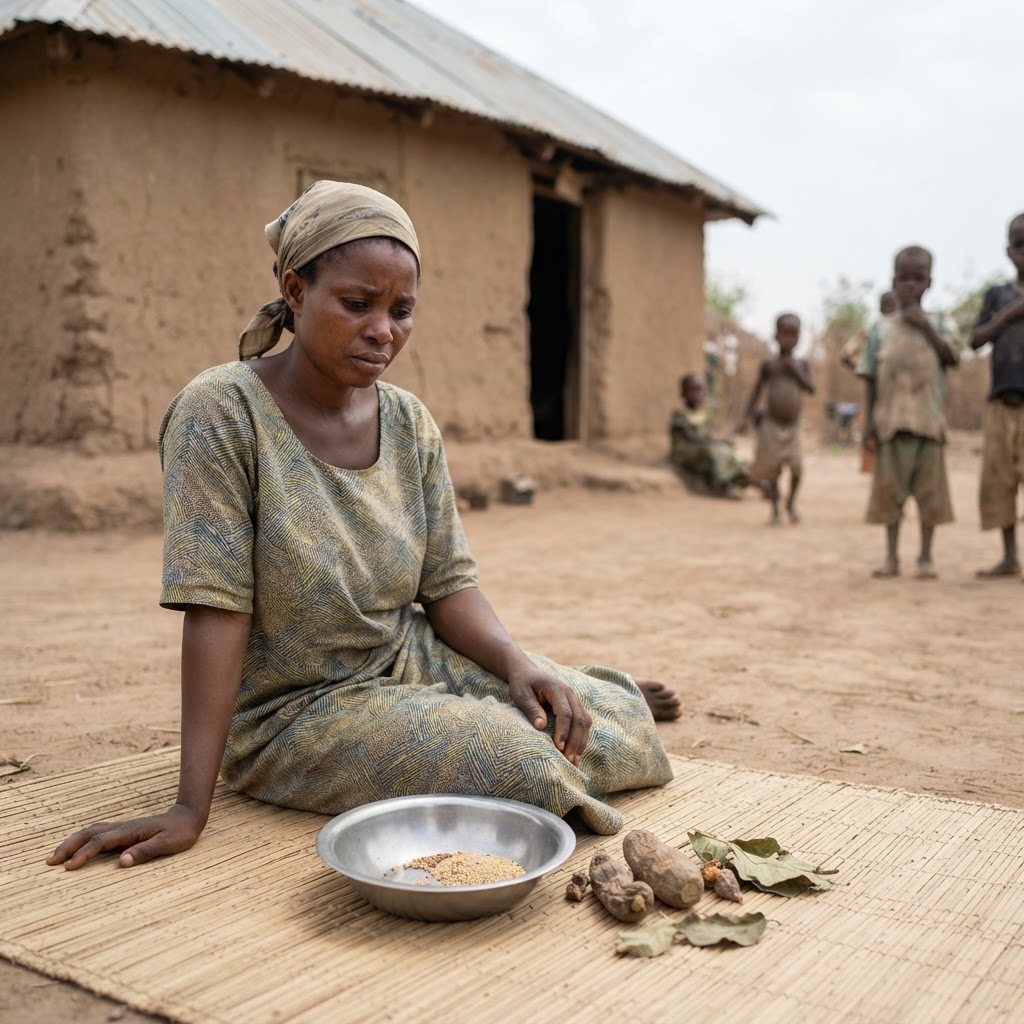
36.3 Million Nigerians Face Acute Food Crisis
Hunger is spreading faster than many expected across Nigeria this year. New humanitarian data reveals that 36.3 Million Nigerians Face Acute Food Crisis conditions, a number that should alarm every family, policymaker, and community leader. This is not a distant statistic. It is a lived reality shap...

Seplat Aku-01 Discovery: Benefits for Obi-Mbieri
Imagine a small Imo State community suddenly linked to a 157-billion-cubic-feet gas discovery. That is the reality facing Obi-Mbieri today. This piece on Seplat's Aku-01 Discovery: What Concrete Benefits Should Obi-Mbieri Expect? breaks down what this find could mean for everyday residents, local bu...

Budget-Friendly Healthy Meal Prepping for Nigerians
Modern Nigerian families face the dual pressure of rising food prices and the need for better health outcomes. Learning how Nigerian families can(/article/nigerian-family-guide-to-reversing-type-2-diabetes) use meal prepping with local ingredients to eat healthy on a tight budget is a vital skill fo...

Beyond Degrees: Bridging Nigeria's Digital Skills Gap
Nigeria's graduates are flooding the job market faster than employers can absorb them. Yet many arrive with certificates but no practical digital competence. This is the heart of Digital Skills and Youth Employment: Why Nigerian Graduates Need More Than University Certificates.—a gap that is reshapi...

Eziokwubundu’s Approach to Community Impact
Imagine a Nigeria where personal wellness, financial growth, and community development move together instead of staying separate. That is the vision behind Eziokwubundu’s Approach to Community Impact, a model built for everyday Nigerians seeking lasting change. This article unpacks how that model wo...
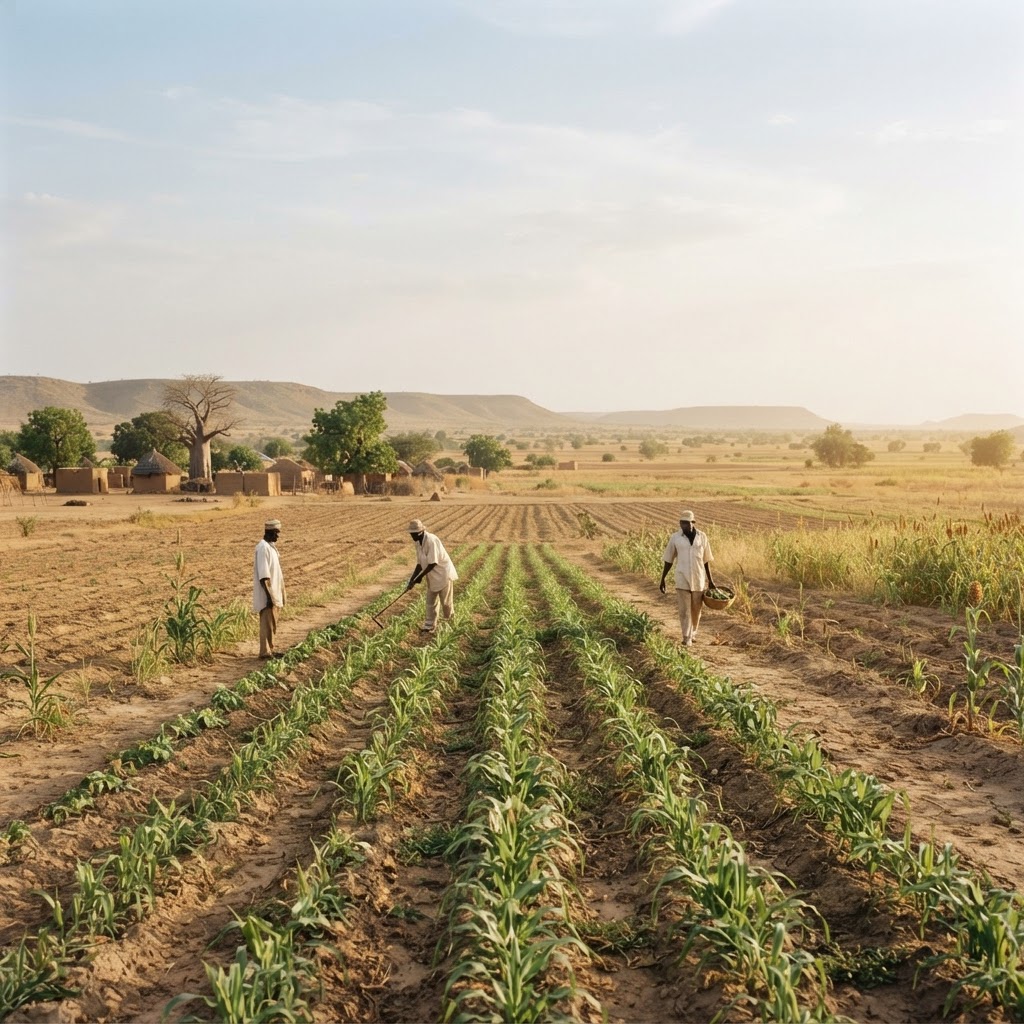
Nigeria Must Prepare for 2027 Global Food Crisis
Nigerian dinner tables could look very different in just a few years. Rising global commodity prices, climate shocks, and conflict-driven disruptions are converging at once to create the conditions for a full-blown global food crisis. Experts Warn Nigeria to Prepare for Potential Global Food Crisis ...

Industrial Investment in Obazu-Mbieri Sparks Economic Growth
Imo State is witnessing a new wave of private-sector confidence that could reshape its economic future. Industrial Investment in Obazu-Mbieri Raises Hopes for Jobs and Local Economic Growth after Marvico Group commissioned a landmark industrial complex in Mbaitoli Local Government Area. For many res...
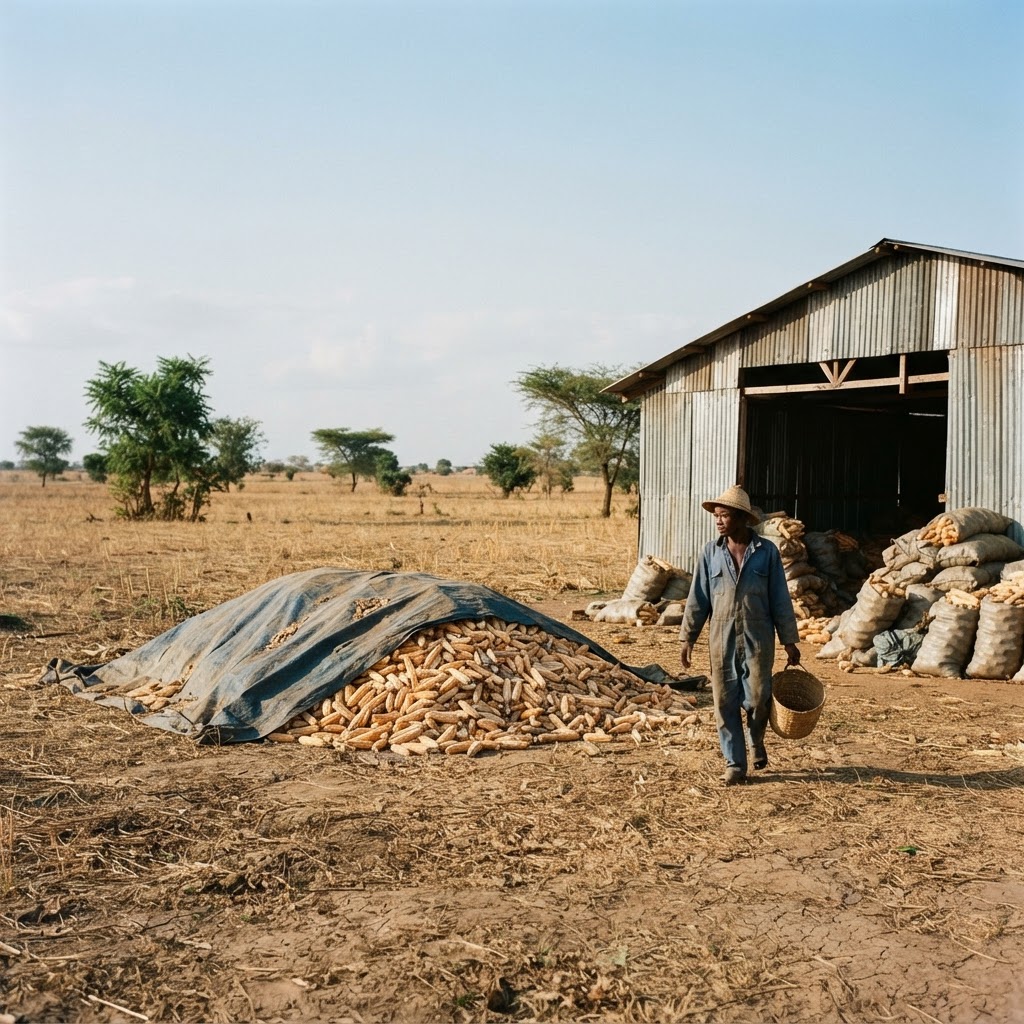
Nigeria Risks Billions in Farm Losses Without Better Storage
Nigeria's farms produce enough food to feed millions, yet much of it rots before reaching a dinner table. This paradox costs the nation dearly every single year. Nigeria Risks Losing Billions in Farm Produce Without Better Storage and Transport, and the numbers behind this crisis demand urgent atten...

FG seeks fresh $500m World Bank loan
Nigeria's infrastructure gap keeps widening every year, and families feel it in blackouts, bad roads, and scarce clean water. Fresh reports confirm that the FG seeks fresh $500m World Bank loan to fund a new infrastructure financing platform. This move could reshape how power, transport, and water p...

Nigeria to Drive Half of West Africa Power Demand by 2035
Nigerians know the frustration of a sudden blackout mid-conversation or mid-business transaction. It is a daily reality that shapes how families live and how entrepreneurs plan their futures across West Africa, and nowhere is this more visible than in Nigeria, the region's largest economy. According...