Powered by Obi Mbieri Independent Media Ltd.
$1 = ₦1,353€1 = ₦1,486£1 = ₦1,775Garri safety, cassava cyanide, food poisoning prevention.
Garri sits at the heart of Nigerian family meals, from Lagos to Lekki, Enugu to Edinburgh. Yet few people ask whether their favorite staple is truly safe to eat. Garri safety, cassava cyanide, food poisoning prevention are not abstract concerns—they are everyday health decisions for millions of hous...

Garri sits at the heart of Nigerian family meals, from Lagos to Lekki, Enugu to Edinburgh. Yet few people ask whether their favorite staple is truly safe to eat. Garri safety, cassava cyanide, food poisoning prevention are not abstract concerns—they are everyday health decisions for millions of households. Understanding Garri safety is not a luxury reserved for food scientists; it is a practical necessity for anyone who eats this beloved staple regularly.
Why Is Garri Safety Important?
Garri is more than a snack. It is a daily carbohydrate source for people across every income bracket in Nigeria. Families eat it for breakfast, students survive on it between classes, and workers rely on it for quick, affordable meals. Because garri touches so many households every single day, Garri safety deserves far more attention than it typically receives in everyday conversation.
Cassava, the root from which garri is made, naturally contains cyanogenic glycosides. These compounds can convert into hydrogen cyanide (HCN) if the root is not processed correctly. Left unmanaged, this toxin poses real health dangers, which is precisely why Garri safety has become a recurring topic among nutritionists, public health officials, and everyday consumers alike.
Improperly processed cassava has been linked to abdominal discomfort, neurological disorders, and even goiter in communities with chronic low-level exposure. According to the World Health Organization, these risks are well documented in regions where cassava is a dietary staple. These findings reinforce why Garri safety should be treated as a public health priority rather than a niche concern.
At Eziokwubundu, our mission is to transform and guide readers toward healthier lifestyles. That means giving families practical, evidence-based information rather than fear. Garri remains a nutritious, affordable food. The goal is informed consumption, not avoidance. Understanding how garri is made helps families make smarter choices at the market and in the kitchen, and it is the foundation of practical Garri safety awareness at the household level.
How Does Cassava Become Safe?
Turning raw cassava into safe, edible garri is a careful, multi-step process. Each stage plays a specific role in reducing toxicity and improving shelf life, and each stage is ultimately a building block of overall Garri safety.
The traditional process includes peeling, washing, grating, fermentation, dewatering, and roasting. Skipping or rushing any one of these steps can leave dangerous residues in the final product, undermining the very Garri safety standards that households depend on.
Fermentation is widely considered the most critical stage. During this period, naturally occurring enzymes break down cyanogenic glycosides into less harmful compounds. Most traditional processors allow fermentation to run for 24 to 72 hours, depending on local practice and climate conditions. This single stage, more than any other, determines whether a batch of garri will meet basic Garri safety expectations.
Roasting over an open wood fire provides a final layer of protection. The intense heat helps any remaining hydrogen cyanide evaporate before the garri is packaged and sold. This is why properly roasted garri, with its characteristic golden-brown color and dry texture, is generally safer than undercooked or pale batches. Consumers who learn to recognize these visual cues are already practicing a basic form of Garri safety awareness, even without laboratory testing.
Unfortunately, some processors cut corners to meet demand or increase profit margins. Shortening fermentation time speeds up production but can leave dangerous cyanide levels intact. This practice undermines the very safety mechanisms that make garri edible in the first place, and it represents one of the biggest threats to consistent Garri safety across informal markets.
Consider these key production stages that determine safety:
- Peeling and washing to remove dirt and surface contaminants
- Grating to increase surface area for fermentation
- Fermentation lasting at least 24 hours, ideally up to 72
- Roasting at sufficient heat to evaporate residual toxins
Processors who respect each of these stages produce garri that meets recognized safety standards. Readers interested in broader concerns around locally processed foods should review our related coverage on Food Safety Alert: Risks in Locally Processed Foods, which expands on contamination risks across other staples and offers additional context for anyone building a complete picture of Garri safety within the wider Nigerian food system.
Is Your Garri Actually Safe?
Here is reassuring news: most commercially available garri in Nigeria is safe. Multiple studies have measured hydrogen cyanide levels in garri samples sold across markets and found that the majority fall well below the World Health Organization's threshold of 10 mg/kg. This is encouraging data for anyone genuinely worried about Garri safety on a national scale.
One widely cited study found a 98.3% incidence of trace HCN across sampled garri batches. Despite this near-universal presence of trace cyanide, researchers concluded that these levels were generally safe for regular consumption. Trace amounts are not the same as dangerous amounts, and this distinction is central to any honest discussion of Garri safety.
However, appearance alone cannot confirm safety. A golden color or dry texture suggests good processing, but it does not guarantee specific cyanide concentrations. As highlighted by Independent Newspaper Nigeria, laboratory testing remains the only reliable method for confirming exact toxin levels in food products. Public health agencies that monitor outbreaks and disease spread, such as those involved in Nigeria Ebola update, NCDC contact tracing, Ebola Abuja, rely on similarly rigorous testing protocols—a reminder that Garri safety, like infectious disease control, depends on verified data rather than assumptions.
Featured Products
Reverse Type 2 Diabetes & other associated Metabolic Issues using Dr. Jason Fung's Evidence-Based Approach— FMD program for Type 2 Diabetes
A practical fasting and fasting-mimicking programme built on Dr Jason Fung's insulin-resistance principles and ow-glycemic recipes.
₦19,950
Join NowChukwu Abiama Tee
Bold black-and-gold Igbo-pride T-shirt featuring 'Chukwu Abiama' in premium streetwear typography.
₦15,000
Buy NowỤmụ Igbo Tee
Classic black T-shirt with bold white 'Ụmụ Igbo' typography — a proud statement of Igbo heritage.
₦15,000
Buy NowNwanne Tee
Washed khaki vintage tee with a faded rust-orange 'Nwanne' stamp badge and palm leaf motif — a nod to kinship and heritage.
₦18,000
Buy NowObodo Tee
Faded denim-blue washed tee with a cream 'Obodo' stamp badge and sun motif, celebrating community roots.
₦18,000
Buy NowEkwe Heritage Tee
Deep indigo tee featuring a fine line-art illustration of a traditional Igbo ekwe drum, inspired by Igbo-Ukwu bronze artistry.
₦18,000
Buy NowIkenga Figure Tee
Forest green tee with a fine line-art illustration of a stylized Ikenga figure.
₦18,000
Buy NowThis distinction matters for health-conscious consumers. Buying from reputable processors with established reputations reduces risk significantly. Markets, cooperatives, and brands that follow hygienic, thorough fermentation practices consistently produce safer garri than informal, unregulated sellers, making vendor reputation a practical shortcut for everyday Garri safety decisions.
What Are The Risks Of Neglect?
When cassava processing is neglected or rushed, the consequences can be serious. Acute cyanide poisoning is the most immediate danger. Symptoms include nausea, vomiting, dizziness, rapid breathing, and in severe cases, respiratory failure. Each of these outcomes underscores why Garri safety cannot be treated as an afterthought.
These symptoms typically appear within hours of consuming heavily contaminated cassava products. Children and people with compromised immune systems face higher risk from even moderate exposure. Emergency medical attention is essential if symptoms appear after eating suspect garri, and prompt action remains a core part of practical Garri safety response at the household level.
Beyond acute poisoning, chronic low-level exposure presents a quieter but equally concerning threat. Repeated consumption of poorly processed garri over months or years may contribute to nerve damage and other long-term health issues. Research published through the National Institutes of Health has linked chronic cyanide exposure in cassava-dependent populations to neurological conditions in some regions of Africa. These long-term risks are exactly why Garri safety should be a sustained concern, not a one-time checklist item.
Mycotoxin contamination adds another layer of concern. While most garri samples tested fall within safe limits for fungal toxins, improper storage increases risk substantially. Garri stored in damp, humid conditions becomes a breeding ground for mold and associated toxins. Dry, airtight storage remains essential, even after safe processing, and storage practices are often the most overlooked component of complete Garri safety.
Families and vendors alike should treat storage as seriously as production. A well-processed batch of garri can still become unsafe if stored incorrectly for weeks in humid conditions, which proves that Garri safety is a continuous responsibility that extends well beyond the processing mill.
How Can We Prevent Poisoning?
Prevention requires action at multiple levels, from individual households to community institutions. Fortunately, practical solutions already exist and can be adopted immediately to strengthen Garri safety nationwide.
First, support local processors who invest in improved, hygienic equipment. Traditional rusted graters are difficult to clean and can harbor bacteria. Modern stainless-steel equipment reduces contamination risk and improves overall product quality, directly supporting better Garri safety outcomes at the production level.
Second, advocate for public enlightenment around fermentation timing. Many communities benefit from awareness campaigns explaining why the full 72-hour fermentation cycle matters. Local organizations and community leaders can play a direct role in spreading this knowledge, consistent with Eziokwubundu's community-first approach to public health education. Much like campaigns surrounding First Volunteer Receives Vaccine for Rare Ebola Strain, public awareness and timely action are often what separate a manageable health situation from a widespread crisis—a lesson that applies just as directly to Garri safety as it does to infectious disease prevention.
Third, maintain a balanced diet alongside garri consumption. Research suggests that consuming adequate animal protein alongside cassava products helps the body process and eliminate trace cyanide more effectively. This dietary pairing, long practiced in many Nigerian households, has real nutritional science behind it and offers another practical layer of Garri safety that families can apply at home without any special equipment.
Consider these practical steps for safer garri consumption:
- Buy from trusted, established processors or cooperatives
- Store garri in dry, sealed containers away from moisture
- Pair garri meals with protein-rich soups or proteins
- Support local advocacy for standardized fermentation practices
Communities that embrace these habits protect both public health and local trade. For readers interested in broader agricultural and economic issues affecting cassava farmers, our coverage of Imo Farmers Protest Against Bad Roads in Ngor Okpala illustrates how infrastructure challenges ripple through the entire cassava supply chain, from farm to market, and why Garri safety cannot be separated from the economic realities facing rural farmers.
What Is The Future Of Garri?
The future of garri lies in modernization without losing cultural roots. Upgrading the value chain through better technology and standardized processing will strengthen both food safety and economic opportunity for Nigerian entrepreneurs, with Garri safety sitting at the center of that transformation.
Investments in quality control, from fermentation monitoring to packaging standards, can help local producers compete in larger regional and even export markets. The Food and Agriculture Organization has noted that cassava remains one of Africa's most important food security crops, making safety improvements a continental priority and reinforcing the importance of Garri safety well beyond Nigeria's borders.
Eziokwubundu encourages community leaders, entrepreneurs, and stakeholders to champion food safety standards that protect families while supporting local trade. This is the essence of Practical Prosperity—applying real knowledge to real problems, and treating Garri safety as a shared responsibility across the entire value chain.
By blending traditional processing wisdom with modern food safety science, Nigerian communities can ensure that garri remains a source of strength, nutrition, and economic opportunity for generations to come. Garri safety, cassava cyanide, food poisoning prevention will always matter, but with informed choices, this beloved staple can continue feeding families safely for decades ahead. Ultimately, Garri safety is not about fear or restriction—it is about knowledge, vigilance, and the simple habits that turn a risky root into one of Nigeria's most trusted everyday foods.
Stay Informed
Get New Articles in Your Inbox
Subscribe to receive the latest community development, health, and wealth insights from Eziokwubundu.
Newsletter
Practical insights on health, wealth, and community — delivered weekly.
Community Discussion(0)
Leave a Comment
More to Read
You May Also Like
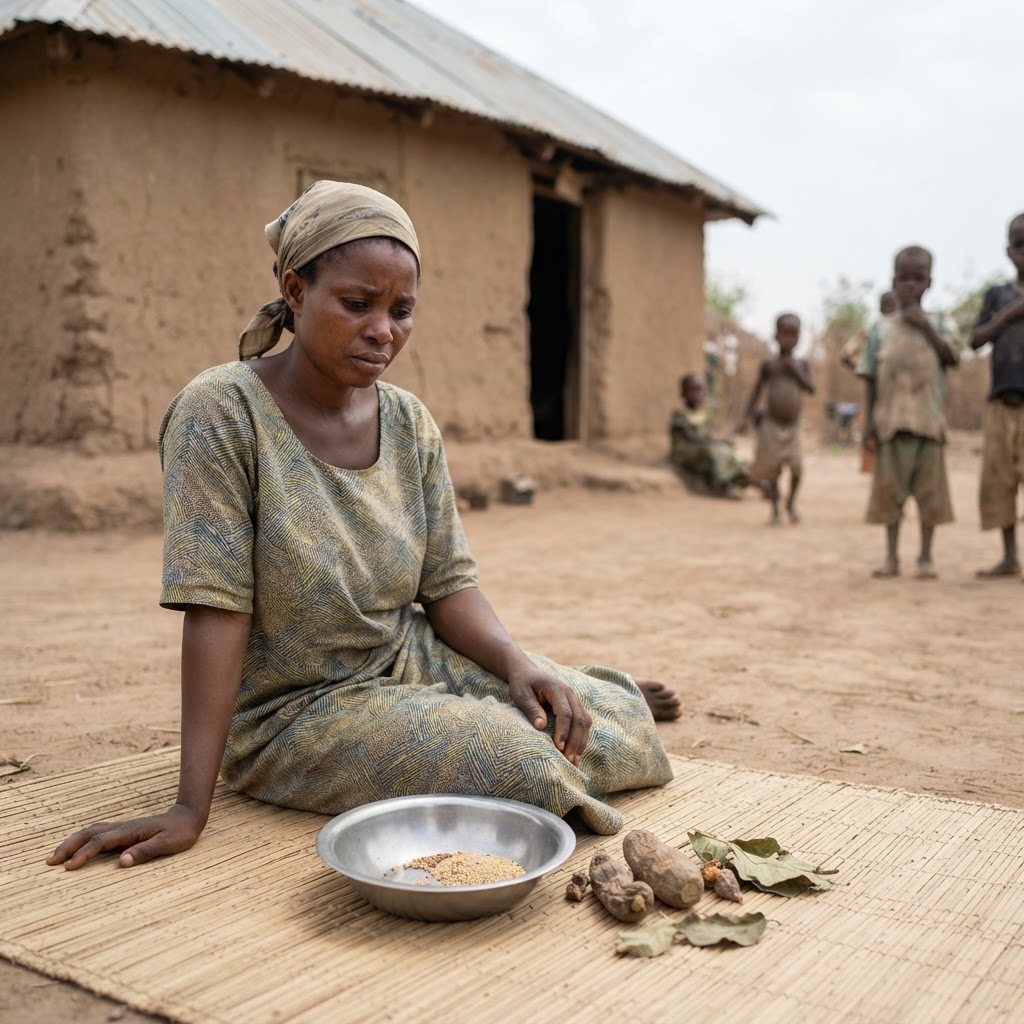
36.3 Million Nigerians Face Acute Food Crisis
Hunger is spreading faster than many expected across Nigeria this year. New humanitarian data reveals that 36.3 Million Nigerians Face Acute Food Crisis conditions, a number that should alarm every family, policymaker, and community leader. This is not a distant statistic. It is a lived reality shap...

Seplat Aku-01 Discovery: Benefits for Obi-Mbieri
Imagine a small Imo State community suddenly linked to a 157-billion-cubic-feet gas discovery. That is the reality facing Obi-Mbieri today. This piece on Seplat's Aku-01 Discovery: What Concrete Benefits Should Obi-Mbieri Expect? breaks down what this find could mean for everyday residents, local bu...

Budget-Friendly Healthy Meal Prepping for Nigerians
Modern Nigerian families face the dual pressure of rising food prices and the need for better health outcomes. Learning how Nigerian families can(/article/nigerian-family-guide-to-reversing-type-2-diabetes) use meal prepping with local ingredients to eat healthy on a tight budget is a vital skill fo...

Beyond Degrees: Bridging Nigeria's Digital Skills Gap
Nigeria's graduates are flooding the job market faster than employers can absorb them. Yet many arrive with certificates but no practical digital competence. This is the heart of Digital Skills and Youth Employment: Why Nigerian Graduates Need More Than University Certificates.—a gap that is reshapi...
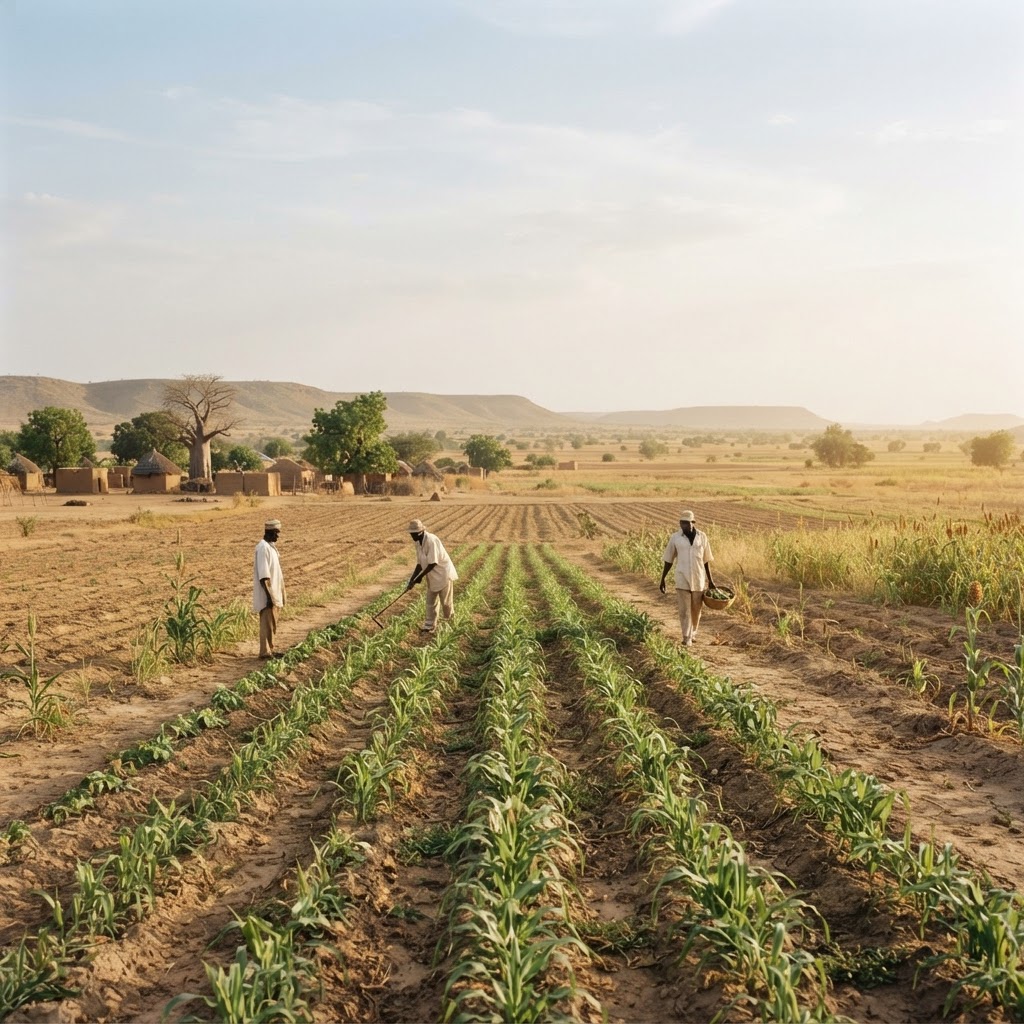
Nigeria Must Prepare for 2027 Global Food Crisis
Nigerian dinner tables could look very different in just a few years. Rising global commodity prices, climate shocks, and conflict-driven disruptions are converging at once to create the conditions for a full-blown global food crisis. Experts Warn Nigeria to Prepare for Potential Global Food Crisis ...
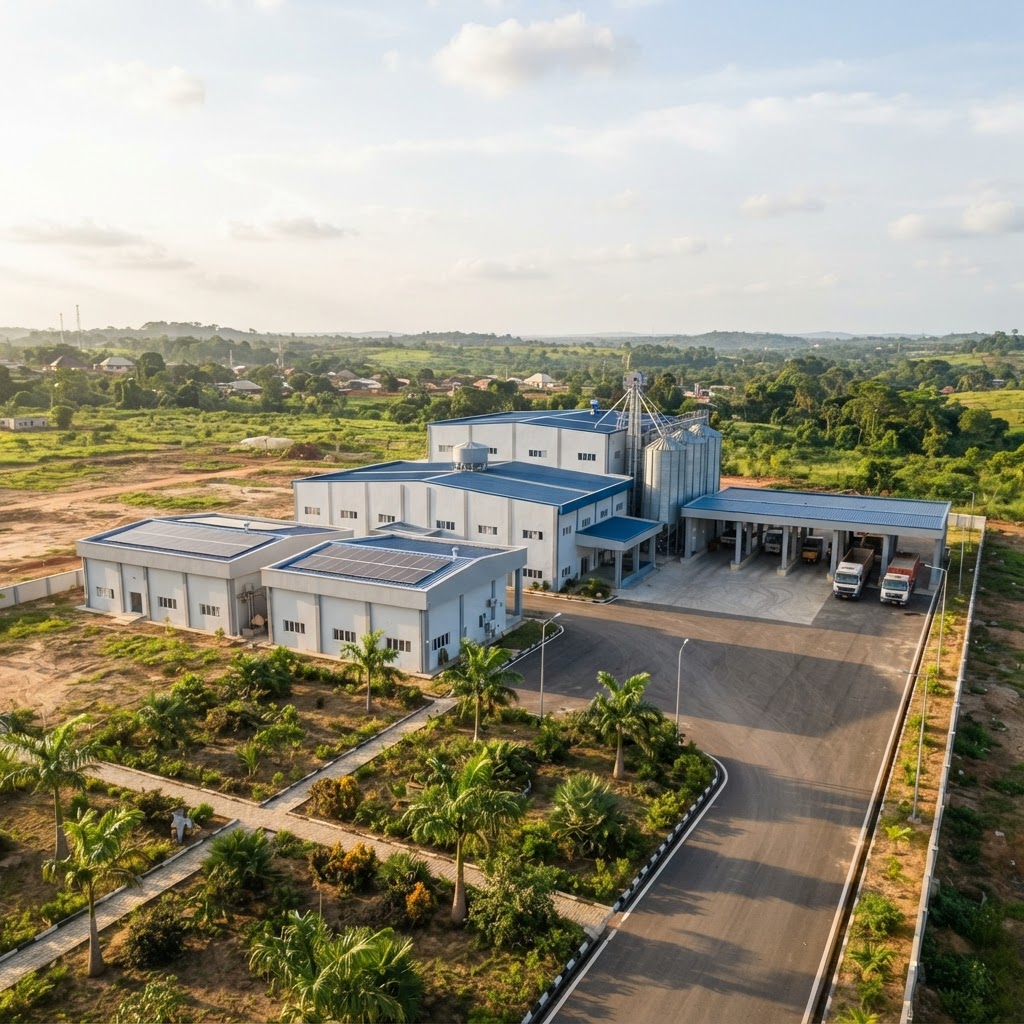
Industrial Investment in Obazu-Mbieri Sparks Economic Growth
Imo State is witnessing a new wave of private-sector confidence that could reshape its economic future. Industrial Investment in Obazu-Mbieri Raises Hopes for Jobs and Local Economic Growth after Marvico Group commissioned a landmark industrial complex in Mbaitoli Local Government Area. For many res...
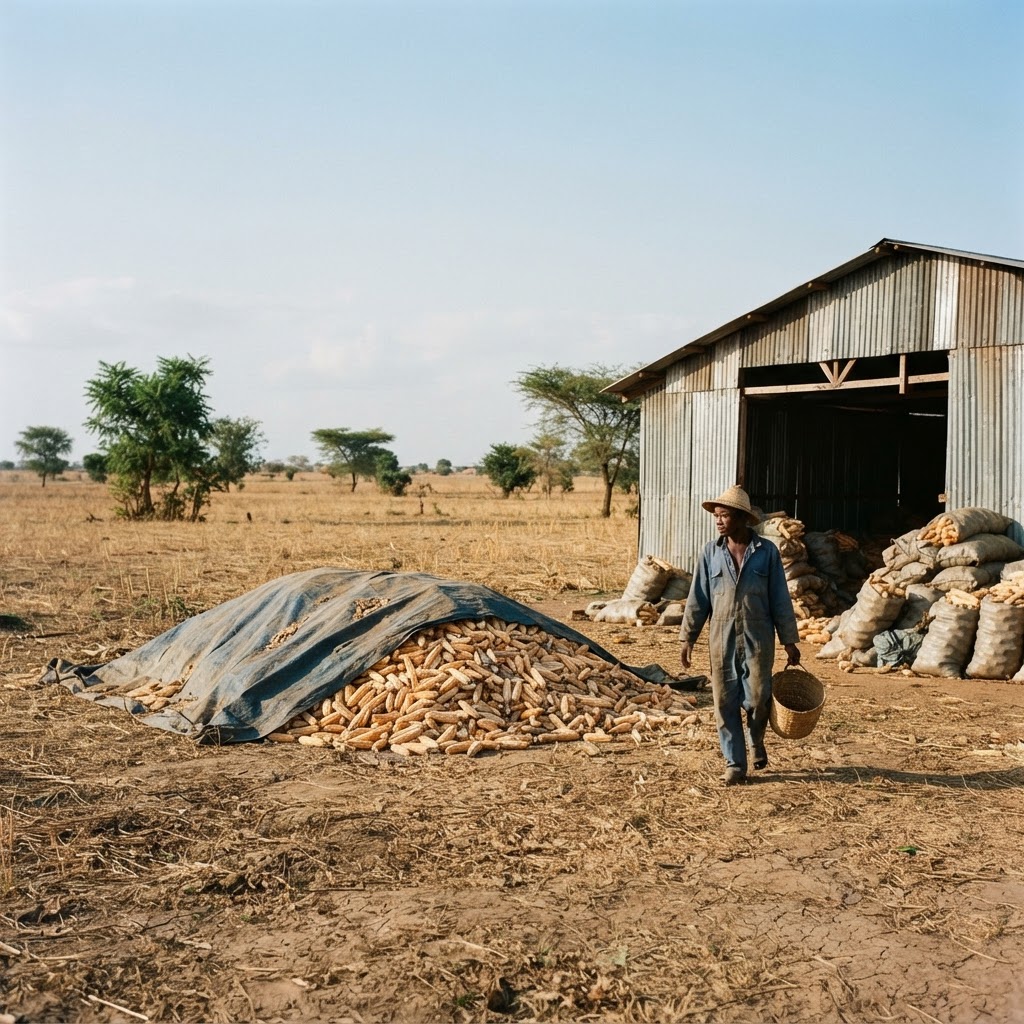
Nigeria Risks Billions in Farm Losses Without Better Storage
Nigeria's farms produce enough food to feed millions, yet much of it rots before reaching a dinner table. This paradox costs the nation dearly every single year. Nigeria Risks Losing Billions in Farm Produce Without Better Storage and Transport, and the numbers behind this crisis demand urgent atten...

FG seeks fresh $500m World Bank loan
Nigeria's infrastructure gap keeps widening every year, and families feel it in blackouts, bad roads, and scarce clean water. Fresh reports confirm that the FG seeks fresh $500m World Bank loan to fund a new infrastructure financing platform. This move could reshape how power, transport, and water p...

Nigeria to Drive Half of West Africa Power Demand by 2035
Nigerians know the frustration of a sudden blackout mid-conversation or mid-business transaction. It is a daily reality that shapes how families live and how entrepreneurs plan their futures across West Africa, and nowhere is this more visible than in Nigeria, the region's largest economy. According...