Powered by Obi Mbieri Independent Media Ltd.
$1 = ₦1,353€1 = ₦1,486£1 = ₦1,775Nigeria Must Prepare for 2027 Global Food Crisis
Nigerian dinner tables could look very different in just a few years. Rising global commodity prices, climate shocks, and conflict-driven disruptions are converging at once to create the conditions for a full-blown global food crisis. Experts Warn Nigeria to Prepare for Potential Global Food Crisis ...
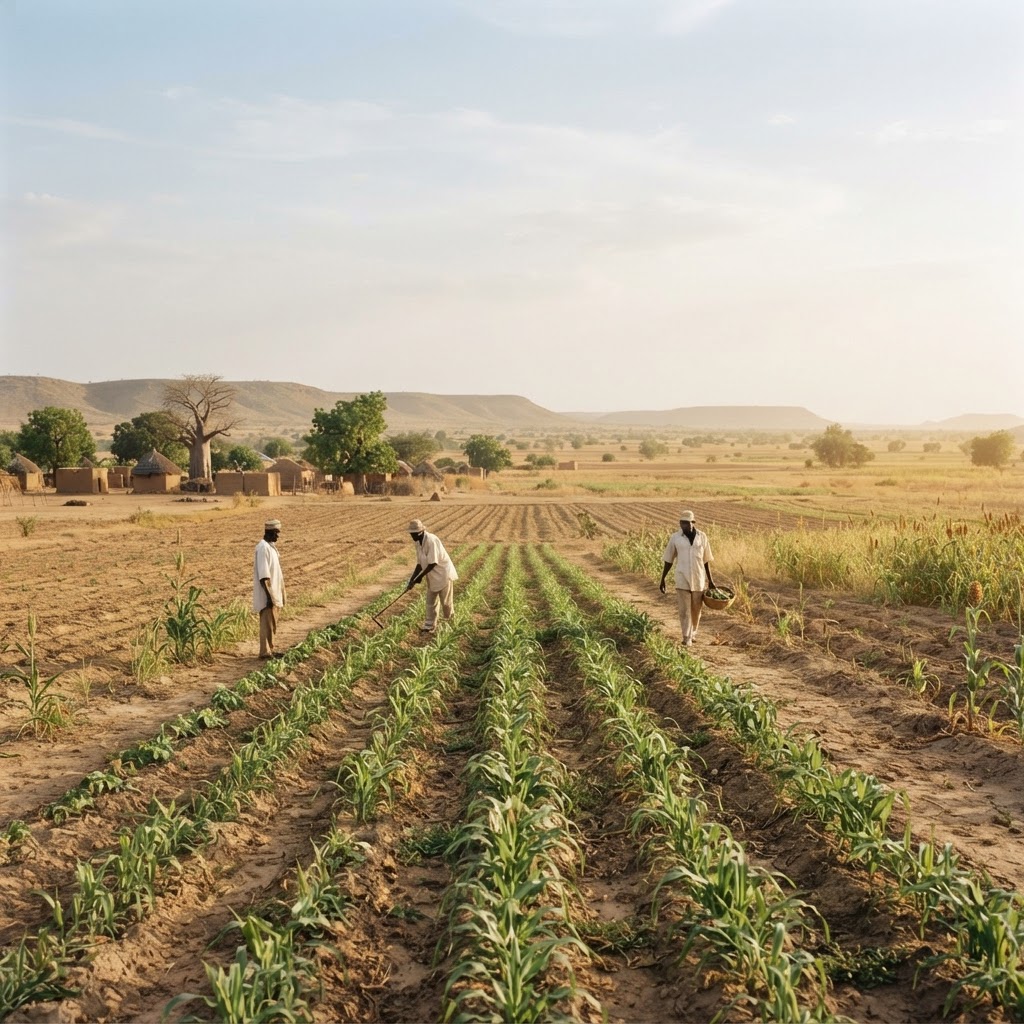
Nigerian dinner tables could look very different in just a few years. Rising global commodity prices, climate shocks, and conflict-driven disruptions are converging at once to create the conditions for a full-blown global food crisis. Experts Warn Nigeria to Prepare for Potential Global Food Crisis in 2027, and early warning signs are already visible in local markets today. From the price of a bag of rice in Lagos to the cost of bread in Kano, the pressures of a looming global food crisis are no longer abstract economic theory — they are a lived reality for millions of households.
Why Is 2027 A Critical Year?
Global food systems are entering a period of sustained pressure that many economists now describe as the early stages of a global food crisis. The World Bank's Commodity Markets Outlook projects a 10% rise in global food commodity prices in 2026, followed by a further 7% increase in 2027. That is two consecutive years of upward pressure on staples like wheat, maize, and rice — the very commodities that anchor Nigerian diets.
Several forces are driving this trend. Supply chain disruptions continue to slow global trade. Climate-related agricultural risks are reducing harvests in major exporting nations. High transportation and shipping costs are adding further strain to already stretched household budgets. Each of these factors, on its own, would be manageable. Together, they compound into something far more dangerous: a synchronized global food crisis that hits vulnerable, import-dependent countries hardest.
Analysts describe this convergence as a "perfect storm" for food security. Nigeria sits squarely in the path of this storm. The country depends heavily on rain-fed agriculture, which leaves farmers vulnerable to unpredictable weather patterns and leaves the national food supply exposed to the same shocks driving the broader global food crisis.
Structural weaknesses compound this exposure. Poor rural road networks, limited storage facilities, and inconsistent power supply all slow the movement of food from farm to market. Energy instability, as seen in reports like Power DisCos Apologise to Nigerians Over Prolonged Blackouts, further disrupts cold storage and food processing operations nationwide. As detailed in Nigeria Risks Billions in Farm Losses Without Better Storage, inadequate infrastructure already costs the country billions in post-harvest losses every year — losses the country can scarcely afford as a global food crisis approaches.
These vulnerabilities mean Nigeria cannot simply absorb a global price shock the way wealthier, import-diversified economies might. The next two years will test the resilience of household budgets, farm operations, and government policy alike, as the broader global food crisis reshapes commodity markets worldwide.
How Does Conflict Impact Food Access?
Insecurity remains one of the biggest threats to Nigeria's food future, and it is a key amplifier of the country's exposure to a global food crisis. Data from the Famine Early Warning Systems Network (FEWS NET) shows that 21 to 22 million Nigerians will need humanitarian food assistance through early 2027. That figure represents roughly one in ten Nigerians, a scale of vulnerability that mirrors the warnings issued by global food crisis monitors worldwide.
The crisis is concentrated in specific regions. In the North East and North West, ongoing conflict has displaced millions of farming families. Cultivation bans imposed for security reasons have disrupted planting and harvesting cycles for consecutive seasons, pushing local supply further away from meeting local demand.
Farmers in Borno, Yobe, and parts of Zamfara often cannot reach their fields safely. Even when crops are planted, harvest access becomes uncertain. This pattern repeats year after year, eroding local food reserves and deepening the structural weaknesses that leave Nigeria exposed to a global food crisis.
The Integrated Food Security Phase Classification (IPC) framework tracks these outcomes using five phases of severity. Many conflict-affected areas in Nigeria currently sit in IPC Phase 3 (Crisis) or Phase 4 (Emergency). These classifications mean households cannot meet basic food needs without external assistance — a localized preview of what a full-scale global food crisis could mean for the wider population.
This insecurity-driven food gap has ripple effects nationwide. When northern farming regions underperform, supply shortages push prices higher in southern cities too. The connection between regional insecurity and national food inflation is direct and measurable, and it is precisely this kind of domestic fragility that transforms a distant global food crisis into an immediate, kitchen-table problem for Nigerian families.
Rising transport and production costs linked to insecurity echo broader economic pressures discussed in Rising Crude Oil Prices Fuel Nigeria Inflation Fears. Fuel costs affect everything from fertilizer transport to market logistics, further straining food affordability for ordinary families already bracing for a global food crisis. Governance disruptions, including irregularities flagged in reports such as INEC Removes 1.6 Million Invalid Voters, Flags 54 Officials, also underscore how institutional instability can distract from the urgent policy coordination needed to confront food insecurity head-on.
What Are The Climate Risks Ahead?
Climate volatility adds another layer of risk to Nigeria's food outlook and is widely considered one of the primary accelerants of the emerging global food crisis. Meteorological agencies have flagged the persistence of a strong El Niño pattern through early 2027. This weather pattern typically brings unpredictable rainfall, prolonged dry spells, and localized drought.
Water shortages linked to El Niño threaten both crop irrigation and livestock survival. At the same time, climate-induced flooding in other regions destroys farmland and displaces fishing communities. Nigeria experienced devastating floods in 2022 and 2024, wiping out large sections of farmland in Kebbi, Benue, and Bayelsa states. These localized disasters are a microcosm of the climate-driven disruptions fueling the broader global food crisis across multiple continents.
These dual extremes, drought in some areas and floods in others, create unstable harvest outcomes nationwide. Livestock losses and fisheries damage compound price volatility across the food supply chain. When herders lose cattle or fishermen lose access to waterways, protein sources become scarcer and costlier, adding yet another dimension to Nigeria's growing global food crisis exposure.
Building resilience requires blending old and new approaches. Indigenous farming knowledge, such as traditional flood-resistant planting calendars and drought-tolerant seed selection, has sustained Nigerian communities for generations. Pairing this wisdom with modern climate-smart agricultural practices, like drip irrigation and weather-indexed insurance, offers a stronger defense against climate shocks and, by extension, against the destabilizing force of a global food crisis.
Featured Products
Reverse Type 2 Diabetes & other associated Metabolic Issues using Dr. Jason Fung's Evidence-Based Approach— FMD program for Type 2 Diabetes
A practical fasting and fasting-mimicking programme built on Dr Jason Fung's insulin-resistance principles and ow-glycemic recipes.
₦19,950
Join NowChukwu Abiama Tee
Bold black-and-gold Igbo-pride T-shirt featuring 'Chukwu Abiama' in premium streetwear typography.
₦15,000
Buy NowỤmụ Igbo Tee
Classic black T-shirt with bold white 'Ụmụ Igbo' typography — a proud statement of Igbo heritage.
₦15,000
Buy NowNwanne Tee
Washed khaki vintage tee with a faded rust-orange 'Nwanne' stamp badge and palm leaf motif — a nod to kinship and heritage.
₦18,000
Buy NowObodo Tee
Faded denim-blue washed tee with a cream 'Obodo' stamp badge and sun motif, celebrating community roots.
₦18,000
Buy NowEkwe Heritage Tee
Deep indigo tee featuring a fine line-art illustration of a traditional Igbo ekwe drum, inspired by Igbo-Ukwu bronze artistry.
₦18,000
Buy NowIkenga Figure Tee
Forest green tee with a fine line-art illustration of a stylized Ikenga figure.
₦18,000
Buy NowThe Food and Agriculture Organization (FAO) has repeatedly emphasized this hybrid approach for climate adaptation in vulnerable agricultural economies. Nigeria's farming communities stand to benefit significantly from adopting similar integrated strategies, particularly as energy demand projections in reports like Nigeria to Drive Half of West Africa Power Demand by 2035 suggest the country's infrastructure needs will only intensify in the coming decade, placing additional pressure on resources already strained by a global food crisis.
Can Nigeria Achieve Food Self-Sufficiency?
Nigeria's food trade imbalance highlights the scale of the challenge ahead. Between 2021 and 2024, the country imported roughly ₦16 trillion worth of food. Exports during the same period totaled only about ₦7 trillion. That gap of ₦9 trillion reflects deep structural dependency on foreign food sources — a dependency that becomes dangerously expensive the moment a global food crisis pushes international prices higher.
This imbalance makes Nigeria especially exposed to global price swings. When international food costs rise, as projected for 2026 and 2027, import-dependent nations feel the pain first and hardest. Closing this gap requires coordinated policy action and private sector investment, because without it, every fresh wave of a global food crisis will hit Nigerian households harder than it needs to.
The government has introduced frameworks aimed at reversing this trend. The National Agricultural Technology and Innovation Policy (NATIP) 2022–2027 sets targets for boosting local production through technology adoption, improved seed varieties, and extension services. Its success depends on consistent funding and implementation at state level, particularly as the clock ticks toward the peak years of the projected global food crisis.
Special Agro-Industrial Processing Zones represent another piece of the puzzle. These zones aim to cluster farmers, processors, and logistics providers in designated areas to reduce waste and improve efficiency. Several zones are already under development across Kano, Kaduna, and Imo states, mirroring the kind of localized industrial momentum highlighted in Industrial Investment in Obazu-Mbieri Sparks Economic Growth.
Still, infrastructure gaps limit progress. Nigeria needs the following improvements to reduce avoidable losses and strengthen its defenses against a global food crisis:
- Expanded cold chain storage networks to preserve perishable produce.
- Better rural road access linking farms to processing centers.
- Reliable power supply for processing and preservation facilities.
- Affordable financing for smallholder farmers and agribusinesses.
Funding remains a persistent constraint. Initiatives like those described in FG seeks fresh $500m World Bank loan show government efforts to secure external financing for development priorities, including agriculture. However, rising debt servicing costs, highlighted in Debt Interest Could Consume 72% of Federal Revenue by 2030, could limit how much fiscal space remains for agricultural investment in coming years — precisely when that investment is most needed to blunt the impact of a global food crisis. Infrastructure revival efforts, such as those noted in Rig and Die Is Back on Nigerian Timelines, also illustrate how aging equipment and stalled projects across sectors can slow the broader economic response required to meet this challenge.
How Can Families Build Resilience?
Households do not need to wait for policy reform to start preparing for a potential global food crisis. Practical steps can meaningfully reduce exposure to food price shocks. Diversifying food sources is one of the most effective strategies available to families today.
Reducing reliance on a single market-dependent staple, like imported rice or wheat flour, spreads risk across multiple food categories. Substituting with locally grown alternatives such as cassava, sorghum, and local grains can stabilize household food budgets even when imported staples spike in price as a result of a global food crisis.
Community-based adaptation also matters. Local food storage cooperatives allow neighbors to pool resources, share bulk-purchasing power, and reduce individual storage costs. These cooperative models have worked successfully in rural communities across Nigeria's South East and South South regions, offering a grassroots buffer against the shocks of a global food crisis.
Entrepreneurs have a critical role to play as well. Small-scale food processing and distribution businesses strengthen local food systems against global shocks. Investment opportunities in this space echo the economic momentum seen in Industrial Investment in Obazu-Mbieri Sparks Economic Growth, where local processing initiatives are already creating jobs and reducing dependency on imports.
Nutrition and health also deserve attention during periods of food stress. Families facing tighter budgets may unconsciously cut corners on diet quality, which can worsen underlying health issues. As outlined in Five Health Problems Nigerian Men Often Ignore, poor nutrition compounds existing health vulnerabilities, making it even more important for households to prioritize balanced, locally sourced meals during a prolonged global food crisis.
Families who combine smart consumption habits with community cooperation will be better positioned to weather the price increases projected for 2026 and 2027, regardless of how severely the global food crisis ultimately unfolds.
What Is The Path To Prosperity?
Nigeria's response to this looming challenge should reflect the "Health + Wealth + Community" approach that defines lasting resilience. Strong nutrition, sound financial planning, and connected communities form a powerful defense against the economic instability that typically accompanies a global food crisis.
Long-term food security will not come from a single solution. It requires policy reform, security stabilization in farming regions, infrastructure investment, and proactive planning by individual families. Experts Warn Nigeria to Prepare for Potential Global Food Crisis in 2027, but preparation starts now, not later. Waiting until shortages appear on store shelves will be too late to soften the blow of a global food crisis that is already visible on the horizon.
Community leaders and families alike should prioritize local production, diversified diets, and sustainable consumption habits. These small, consistent choices build collective resilience. As global food markets tighten and the warning signs of a global food crisis multiply, Nigeria's strongest safeguard will always be a prepared, connected, and self-reliant population working alongside a government willing to invest in long-term agricultural security.
Stay Informed
Get New Articles in Your Inbox
Subscribe to receive the latest community development, health, and wealth insights from Eziokwubundu.
Newsletter
Practical insights on health, wealth, and community — delivered weekly.
Community Discussion(0)
Leave a Comment
More to Read
You May Also Like
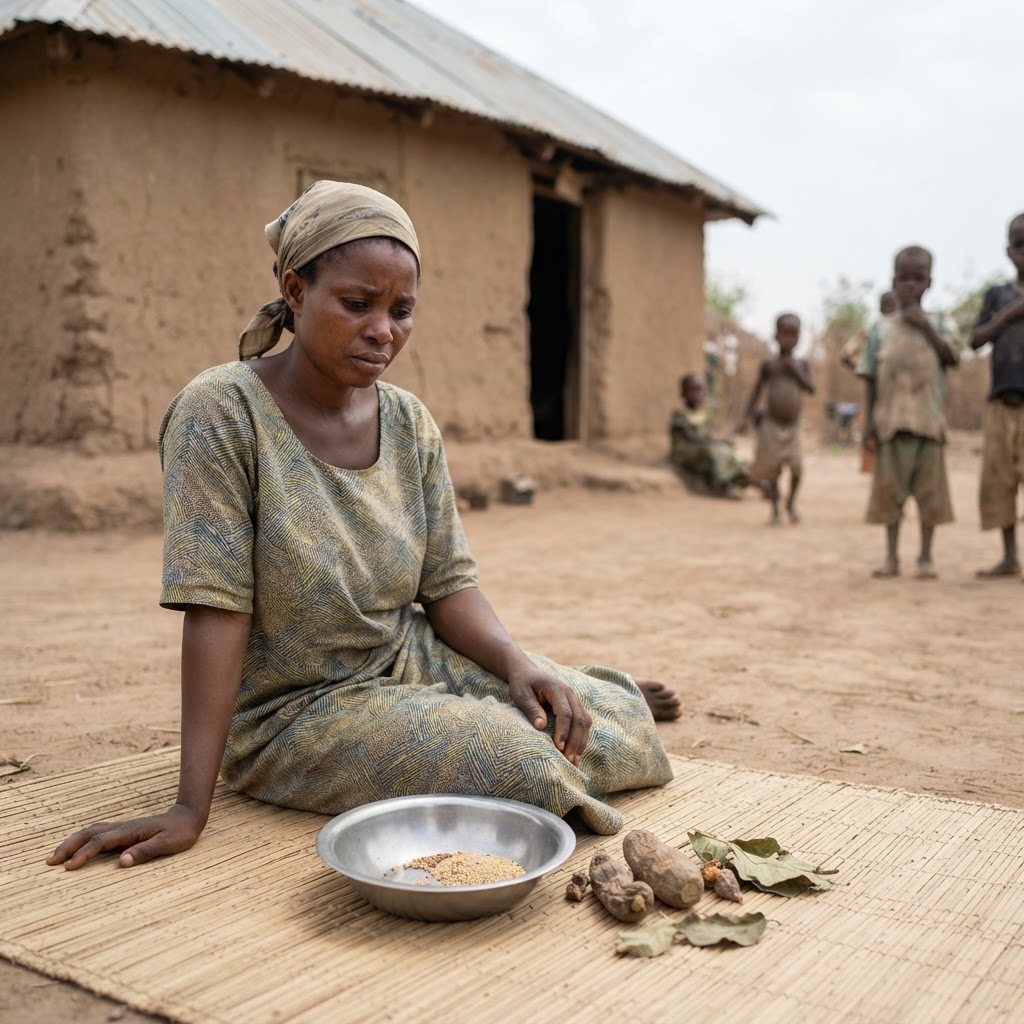
36.3 Million Nigerians Face Acute Food Crisis
Hunger is spreading faster than many expected across Nigeria this year. New humanitarian data reveals that 36.3 Million Nigerians Face Acute Food Crisis conditions, a number that should alarm every family, policymaker, and community leader. This is not a distant statistic. It is a lived reality shap...

Seplat Aku-01 Discovery: Benefits for Obi-Mbieri
Imagine a small Imo State community suddenly linked to a 157-billion-cubic-feet gas discovery. That is the reality facing Obi-Mbieri today. This piece on Seplat's Aku-01 Discovery: What Concrete Benefits Should Obi-Mbieri Expect? breaks down what this find could mean for everyday residents, local bu...

Budget-Friendly Healthy Meal Prepping for Nigerians
Modern Nigerian families face the dual pressure of rising food prices and the need for better health outcomes. Learning how Nigerian families can(/article/nigerian-family-guide-to-reversing-type-2-diabetes) use meal prepping with local ingredients to eat healthy on a tight budget is a vital skill fo...

Beyond Degrees: Bridging Nigeria's Digital Skills Gap
Nigeria's graduates are flooding the job market faster than employers can absorb them. Yet many arrive with certificates but no practical digital competence. This is the heart of Digital Skills and Youth Employment: Why Nigerian Graduates Need More Than University Certificates.—a gap that is reshapi...
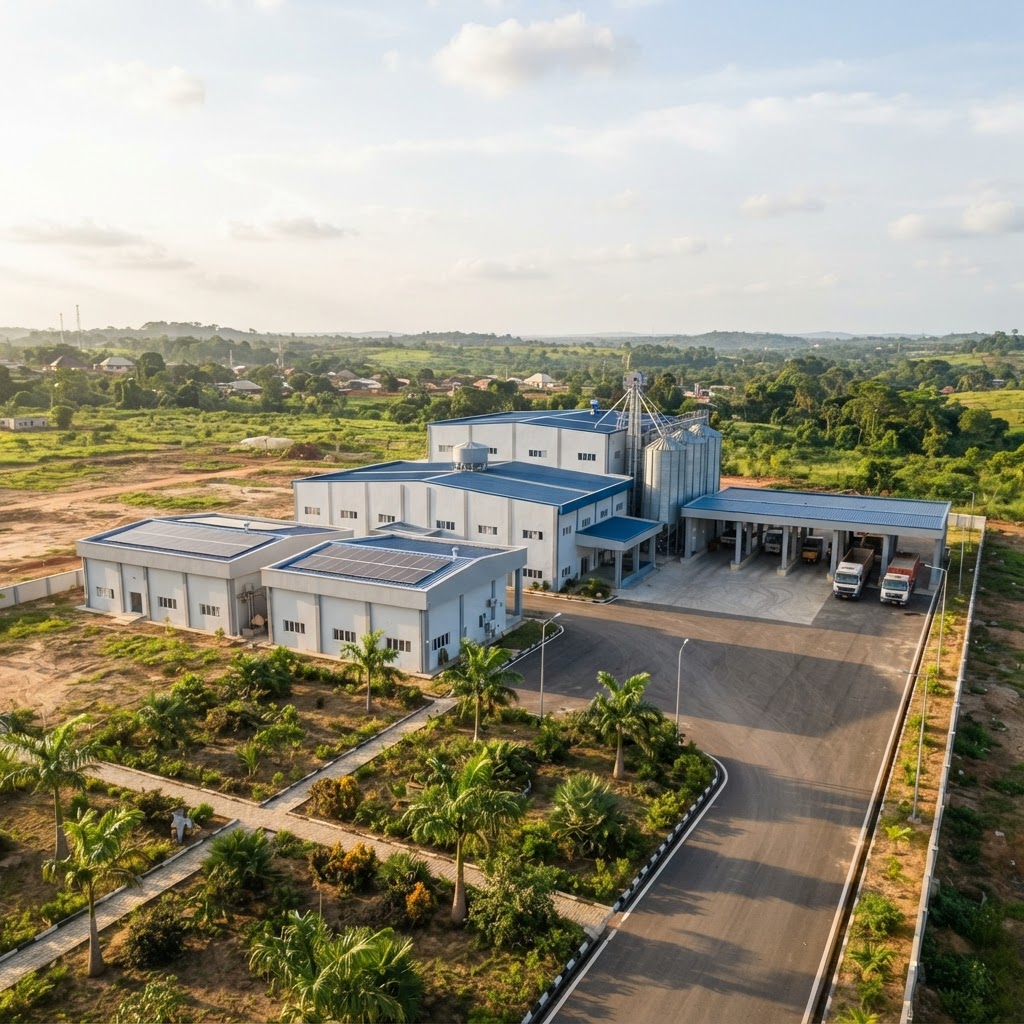
Industrial Investment in Obazu-Mbieri Sparks Economic Growth
Imo State is witnessing a new wave of private-sector confidence that could reshape its economic future. Industrial Investment in Obazu-Mbieri Raises Hopes for Jobs and Local Economic Growth after Marvico Group commissioned a landmark industrial complex in Mbaitoli Local Government Area. For many res...
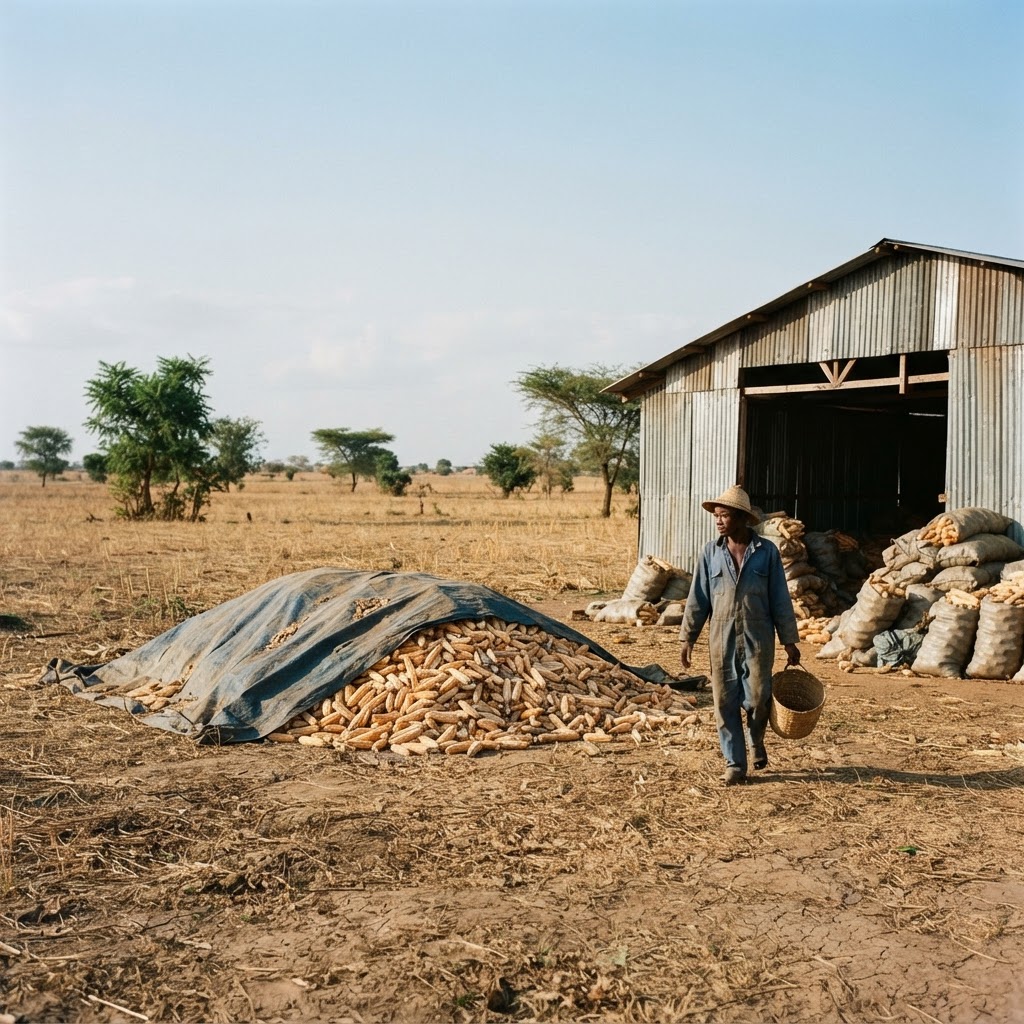
Nigeria Risks Billions in Farm Losses Without Better Storage
Nigeria's farms produce enough food to feed millions, yet much of it rots before reaching a dinner table. This paradox costs the nation dearly every single year. Nigeria Risks Losing Billions in Farm Produce Without Better Storage and Transport, and the numbers behind this crisis demand urgent atten...

FG seeks fresh $500m World Bank loan
Nigeria's infrastructure gap keeps widening every year, and families feel it in blackouts, bad roads, and scarce clean water. Fresh reports confirm that the FG seeks fresh $500m World Bank loan to fund a new infrastructure financing platform. This move could reshape how power, transport, and water p...

Nigeria to Drive Half of West Africa Power Demand by 2035
Nigerians know the frustration of a sudden blackout mid-conversation or mid-business transaction. It is a daily reality that shapes how families live and how entrepreneurs plan their futures across West Africa, and nowhere is this more visible than in Nigeria, the region's largest economy. According...