Powered by Obi Mbieri Independent Media Ltd.
$1 = ₦1,353€1 = ₦1,486£1 = ₦1,775First Volunteer Receives Vaccine for Rare Ebola Strain
Nigeria just got a wake-up call from Central Africa. First Volunteer Receives Vaccine for Rare Ebola Strain in a landmark trial. This trial could reshape how West and Central Africa respond to future outbreaks. For Nigerian families watching the news, this moment carries real weight. It is not about...

Nigeria just got a wake-up call from Central Africa. First Volunteer Receives Vaccine for Rare Ebola Strain in a landmark trial. This trial could reshape how West and Central Africa respond to future outbreaks. For Nigerian families watching the news, this moment carries real weight. It is not about panic. It is about preparation. This emerging Ebola strain has already triggered serious concern among global health agencies. A volunteer has now received an experimental vaccine. That marks a genuine turning point in the fight against one of the deadliest viral families known to medicine.
What Is the Bundibugyo Ebola Strain?
The outbreak sweeping through the Democratic Republic of the Congo is not the Ebola strain most people recognize. It is caused by the Bundibugyo virus. This is a rare and genetically distinct member of the Ebolavirus family. Unlike the more familiar Zaire Ebola strain, which has an approved vaccine called ERVEBO, the Bundibugyo variant has no licensed vaccine. It also has no targeted treatment. This distinction is not a minor technicality. It is the central reason this outbreak has proven so difficult to contain.
This gap matters enormously. The World Health Organization has classified the situation as a serious regional emergency. According to the WHO Regional Office for Africa, the outbreak has now surpassed 10,000 confirmed and probable cases. Nearly 5,000 deaths have been reported across affected provinces. Few outbreaks of any Ebola strain in recent history have climbed this quickly. Health officials say the absence of a dedicated vaccine for the Bundibugyo Ebola strain has made containment considerably harder. Previous responses to the Zaire variant simply did not face this same obstacle.
That fatality pattern reflects how dangerous untreated Ebola infections can become. Without rapid intervention, outcomes worsen fast. Health workers in Bunia and surrounding areas have struggled with limited diagnostic tools. Strained hospital capacity has made things harder still. Difficult terrain has slowed contact tracing teams. In many rural communities, confirming whether a patient has this specific Ebola strain or another illness can take precious days. That lost time often determines whether treatment arrives soon enough to matter.
For Nigerian readers, understanding this distinction is important. Many people assume all Ebola outbreaks are identical. But viral subtypes behave differently. They require different scientific responses. Some strains spread more aggressively. Some trigger more severe symptoms. Some — like this one — simply lack the medical tools that have already proven effective elsewhere. This is precisely why the arrival of a dedicated vaccine trial for the Bundibugyo Ebola strain is such significant news. It matters for global health security, not just in Central Africa, but across the wider continent, including Nigeria.
Why Is the Tumaini Trial Important?
On October 23, 2026, researchers launched the "Tumaini" clinical trial in Bunia, DRC. The word Tumaini means "hope" in Swahili. It is a fitting name for a project aimed at closing a dangerous medical gap. This trial represents the first serious scientific attempt to develop a vaccine specifically against this Ebola strain. Researchers say the stakes could not be higher, given how quickly the outbreak has spread across multiple provinces.
The initiative brings together some of the most respected institutions in global health. The DRC's National Institute for Biomedical Research is leading coordination on the ground. The University of Antwerp is contributing vaccine research expertise built over years of Ebola studies. International partners, including the WHO and Médecins Sans Frontières, are providing logistical and clinical support. This ensures that samples, data, and emerging findings move quickly between field clinics and research laboratories.
This kind of collaboration mirrors what happened during earlier Ebola emergencies. Multinational cooperation accelerated vaccine rollout within months rather than years back then. The Tumaini trial follows that same urgency. Researchers recognize that every week without a validated vaccine candidate for this Ebola strain increases risk. That risk extends to frontline health workers and to communities living near outbreak zones.
Nigerian health stakeholders should take note of this model. Community organizations, universities, and government agencies working together produced faster results during past emergencies. Isolated efforts, by contrast, moved far more slowly. Eziokwubundu's coverage of Nigeria Ebola update, NCDC contact tracing, Ebola Abuja shows similar coordination already happening locally. That groundwork matters, particularly if this or a related Ebola strain were ever to cross into Nigerian territory.
The trial's success could also influence how future outbreaks in Nigeria or neighboring countries are managed. A proven vaccine platform for rare strains strengthens the entire region's pandemic preparedness toolkit. It gives health ministries a ready-made response plan. They would not need to build one from scratch during a crisis.
How Does the Vaccine Trial Work?
The Tumaini study follows a Phase 2/3 design. This is a standard but rigorous method for testing vaccine safety and effectiveness in real-world conditions against this Ebola strain. Participants are randomly assigned to receive either an active vaccine candidate or a standard treatment protocol. This allows researchers to compare outcomes directly and scientifically.
Those initially placed in the standard treatment group are not left unprotected for long. They receive the alternative vaccine intervention on day 29. This ensures ethical balance while still generating comparative data. This ring vaccination approach was used effectively during the 2018–2020 Ebola outbreaks in eastern DRC. Researchers believe a similar strategy can help bring this particular Ebola strain under control faster than earlier methods allowed.
Eligibility criteria are specific and carefully controlled. Volunteers must have had direct contact with a confirmed Ebola case within the previous 21 days. This places them at elevated risk and makes the data scientifically valuable. This narrow window ensures that the trial captures real exposure patterns rather than theoretical risk.
Several vaccine candidates are being evaluated simultaneously. This speeds up the research timeline considerably. These include:
- ERVEBO, already licensed for the Zaire Ebola strain
- A new candidate developed by Moderna
- An experimental vaccine from the University of Oxford
- Supportive treatment protocols administered alongside monitoring
This multi-candidate structure allows researchers to compare immune responses directly. If even one candidate proves effective against this Ebola strain, it could become a critical tool for future outbreak control across Africa. It could potentially save thousands of lives in communities that currently have no protective options available.
Featured Products
Reverse Type 2 Diabetes & other associated Metabolic Issues using Dr. Jason Fung's Evidence-Based Approach— FMD program for Type 2 Diabetes
A practical fasting and fasting-mimicking programme built on Dr Jason Fung's insulin-resistance principles and ow-glycemic recipes.
₦19,950
Join NowChukwu Abiama Tee
Bold black-and-gold Igbo-pride T-shirt featuring 'Chukwu Abiama' in premium streetwear typography.
₦15,000
Buy NowỤmụ Igbo Tee
Classic black T-shirt with bold white 'Ụmụ Igbo' typography — a proud statement of Igbo heritage.
₦15,000
Buy NowNwanne Tee
Washed khaki vintage tee with a faded rust-orange 'Nwanne' stamp badge and palm leaf motif — a nod to kinship and heritage.
₦18,000
Buy NowObodo Tee
Faded denim-blue washed tee with a cream 'Obodo' stamp badge and sun motif, celebrating community roots.
₦18,000
Buy NowEkwe Heritage Tee
Deep indigo tee featuring a fine line-art illustration of a traditional Igbo ekwe drum, inspired by Igbo-Ukwu bronze artistry.
₦18,000
Buy NowIkenga Figure Tee
Forest green tee with a fine line-art illustration of a stylized Ikenga figure.
₦18,000
Buy NowWhy Is Community Trust Essential?
No vaccine trial succeeds without genuine community cooperation. Outbreak control depends heavily on contact tracing, safe burial practices, and transparent communication. Health teams and local residents must work together closely. Without that trust, even the most promising vaccine for this Ebola strain risks limited real-world impact.
Communities that mistrust health authorities often resist testing or isolation measures. This resistance can quietly fuel transmission chains. It happens even when medical science has solid solutions available. The WHO has repeatedly emphasized that community participation remains the only sustainable path to ending an outbreak. This holds true for any Ebola strain, rare or common.
Involving local leaders, traditional institutions, and respected elders helps bridge gaps. Modern medicine and cultural expectations do not always align naturally. When trusted voices explain health measures, compliance improves dramatically. This principle applies equally in Nigeria. Grassroots engagement has shaped outcomes in situations like those covered in Imo Farmers Protest Against Bad Roads in Ngor Okpala. That story shows how local trust shapes public response to crises far beyond health emergencies alone.
Health teams in Bunia have adopted similar community-first strategies. They work alongside village chiefs and religious leaders to build cooperation. This mirrors Eziokwubundu's own belief that lasting change happens when personal health decisions align with collective community values. Top-down mandates alone rarely achieve the same results. Experience with past Ebola strain outbreaks has repeatedly shown that trust, once broken, takes far longer to rebuild than it does to lose.
What Does This Mean for Nigeria?
Nigeria is not isolated from this regional emergency. Cases linked to the broader outbreak have already appeared in neighboring countries, including Kenya and Uganda. This raises legitimate concerns about cross-border transmission risks tied to this Ebola strain.
The Nigeria Centre for Disease Control continues active surveillance at major entry points. Nigerian health authorities have strengthened screening protocols specifically tuned to detect this Ebola strain. These lessons were drawn from earlier incidents detailed in Nigeria Ebola Case Linked to Kenya, Transmission Unclear. That case highlighted how quickly regional travel can introduce new risks into densely populated Nigerian cities. This holds true even when the originating Ebola strain is not yet fully understood.
Preparedness also means learning from past evacuation protocols. The situation outlined in Nigeria Ebola Patient Evacuated to Switzerland demonstrated Nigeria's ability to coordinate international medical response when needed. This capability remains essential today. Health officials continue monitoring developments tied to this Ebola strain. They are preparing contingency plans should cases emerge domestically.
Misinformation remains a persistent threat during any disease outbreak. Rumors travel faster than facts on social media. They often cause unnecessary panic or dangerous complacency. This is especially true when the public is unfamiliar with a rare Ebola strain and its unique characteristics. According to reporting from Nigeria Info FM, public health communication remains central to outbreak response strategies across the region. Eziokwubundu encourages readers to rely on verified sources like the NCDC and WHO. Unverified social media claims should not shape opinions about this or any other Ebola strain currently in circulation.
How Can We Support Collective Health?
Every Nigerian family can play a role in strengthening community resilience against outbreaks like this one. Simple habits make a measurable difference when adopted widely across households and neighborhoods. This holds true regardless of which Ebola strain or infectious disease is involved.
Consider these practical steps:
- Wash hands regularly with soap and clean water
- Report fever or unusual symptoms to health workers promptly
- Support local health awareness campaigns in your community
- Share verified information instead of unconfirmed rumors
- Stay informed about updates from NCDC and WHO regarding this Ebola strain and others
Health vigilance is never purely personal. It strengthens families. It protects neighborhoods. It ultimately supports Nigeria's broader economic stability. As Eziokwubundu often emphasizes, healthier communities build stronger foundations for shared prosperity. This lesson applies just as much to outbreak preparedness as it does to everyday civic life.
Staying Informed Beyond This Outbreak
Public health is only one part of a nation's overall resilience. Infrastructure, governance, and security all play interconnected roles in crisis response. This holds true whether that crisis involves a rare Ebola strain or an entirely different challenge altogether. Readers following this story may also find value in related developments shaping Nigeria's broader policy landscape. These include FG Approves ₦70,000 Monthly Transport Allowance, which reflects ongoing government efforts to ease economic pressure on workers.
Security and governance debates also continue to shape how Nigeria prepares for emergencies of all kinds. Coverage of the State Police Debate Grows as 25 States Back Amendment and the related Imo Assembly Backs Constitutional Amendment for State Police illustrates how decentralization conversations could eventually influence local emergency response capacity. This includes future handling of any Ebola strain detected within state borders.
Infrastructure and safety concerns remain equally pressing. Stories such as Lagos Building Collapse Kills One, Injures Three and Amnesty: At Least 40 Killed in Taraba Village Attack remind readers that public safety in Nigeria spans far beyond disease control alone. Meanwhile, administrative updates like the Civil Defence and Immigration Portal Reopens October 28 show how government systems continue adapting. These systems aim to serve citizens more efficiently during periods of heightened national attention.
Taken together, these stories paint a picture of a country managing multiple overlapping challenges. These range from rare viral threats like this Ebola strain to infrastructure, governance, and security concerns. Staying informed across all these fronts remains one of the most effective tools any Nigerian family can use. It helps them navigate an uncertain and fast-changing news cycle.
Stay Informed
Get New Articles in Your Inbox
Subscribe to receive the latest community development, health, and wealth insights from Eziokwubundu.
Newsletter
Practical insights on health, wealth, and community — delivered weekly.
Community Discussion(0)
Leave a Comment
More to Read
You May Also Like

Obi-Mbieri Mourns Engr. Vitalis Opara: Questions Emerge Over Community’s Silence
Engr. Vitalis Opara is identified as President General on the signature page of the Obi-Mbieri Autonomous Community Constitution 2020 as amended.
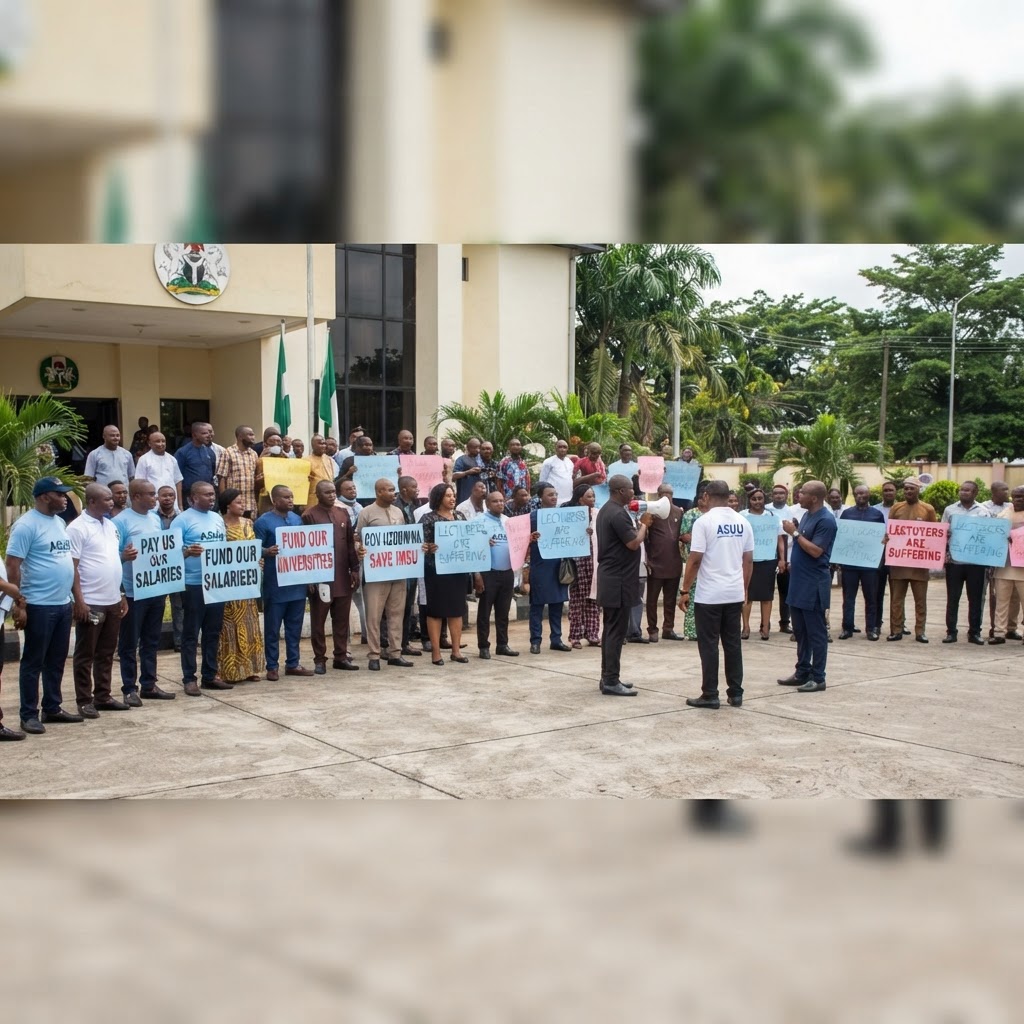
IMSU Lecturers Protest in Owerri, Appeal to Uzodimma to End
The streets of Owerri turned into a sea of white lab coats and placards this week. Hundreds of university lecturers walked out of their offices, choosing protest over silence. The IMSU Lecturers Protest in Owerri, Appeal to Uzodimma to End Months-Long Strike has become a defining moment for Imo Stat...

JAMB Candidates Can Now Change Course and Institution Online
Admission season often brings long queues and costly transport for Nigerian families. That burden has just eased. JAMB candidates can now change their institutions and courses from home, as the board announces a new digital correction service, giving students and parents fresh control over their aca...

House Summons NAFDAC and DSS Over Fake Drug Deaths
Four people are dead, eleven more are fighting for their lives, and a federal lawmaker wants answers now. Fake Drug deaths linked to a suspicious herbal concoction have pushed the House of Representatives to move decisively, summoning NAFDAC and the DSS in a case that is no longer a distant headline...

Prevent Kidney Disease With Regular Health Checks
Kidney health rarely makes headlines until a crisis hits a family. Yet understanding Kidney Disease: Why Regular Health Checks Can Help Prevent Serious Complications can save lives, protect household income, and strengthen community wellbeing across Nigeria. Kidney Disease often develops quietly ove...

Budget-Friendly Healthy Meal Prepping for Nigerians
Modern Nigerian families face the dual pressure of rising food prices and the need for better health outcomes. Learning how Nigerian families can(/article/nigerian-family-guide-to-reversing-type-2-diabetes) use meal prepping with local ingredients to eat healthy on a tight budget is a vital skill fo...

Beyond Degrees: Bridging Nigeria's Digital Skills Gap
Nigeria's graduates are flooding the job market faster than employers can absorb them. Yet many arrive with certificates but no practical digital competence. This is the heart of Digital Skills and Youth Employment: Why Nigerian Graduates Need More Than University Certificates.—a gap that is reshapi...
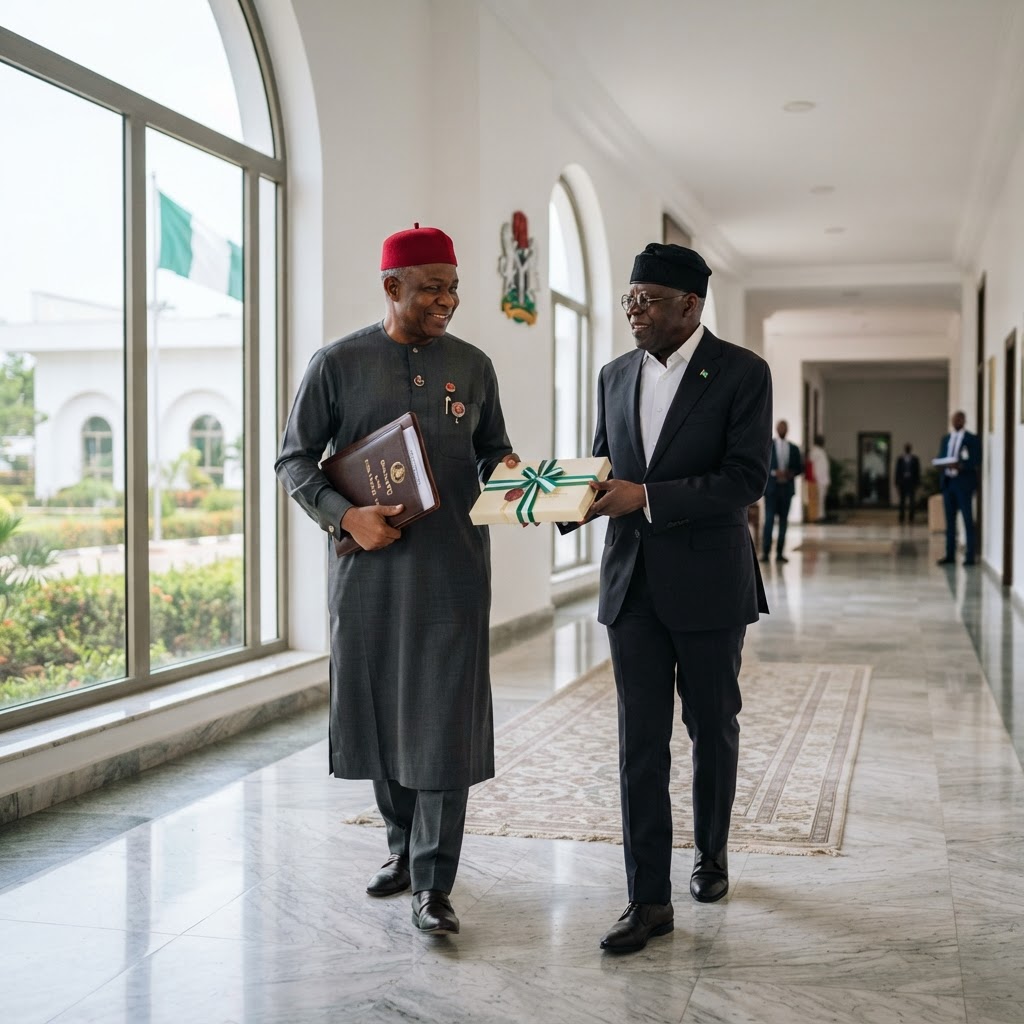
Senate Sends State Police Bill to Tinubu for Approval
Nigeria's security architecture is entering a new chapter. The headline development, State Police Bill: Senate Transmits Constitutional Amendment to Tinubu for Presidential Assent, signals a historic shift toward decentralized policing. For Nigerian families, entrepreneurs, and community leaders, th...
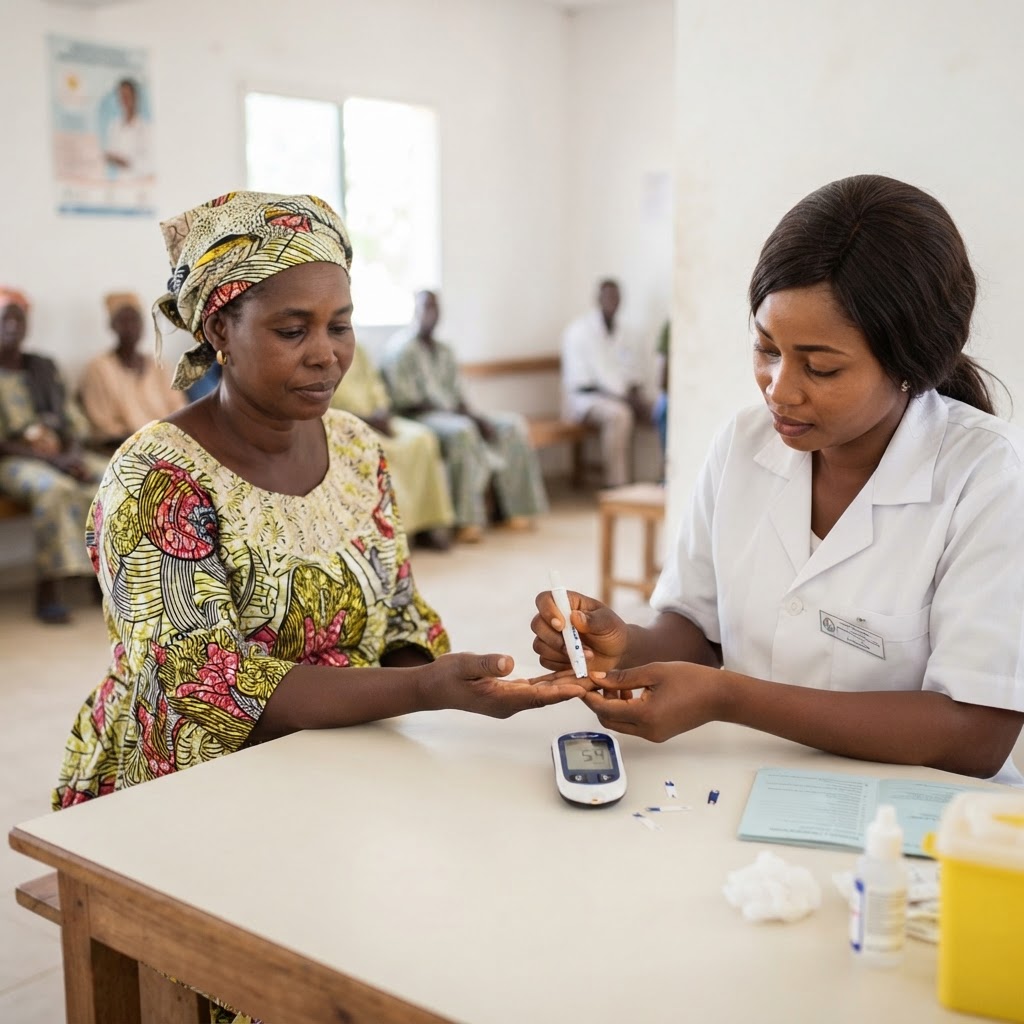
Diabetes in Africa: Why Routine Screening Is Vital
Imagine a disease that silently damages organs for years before anyone notices. That is the reality for millions living in Africa today. According to the latest report, Diabetes: Three Out of Four Africans Living With the Condition May Be Unaware – Why Screening Matters, and this gap in knowledge is...
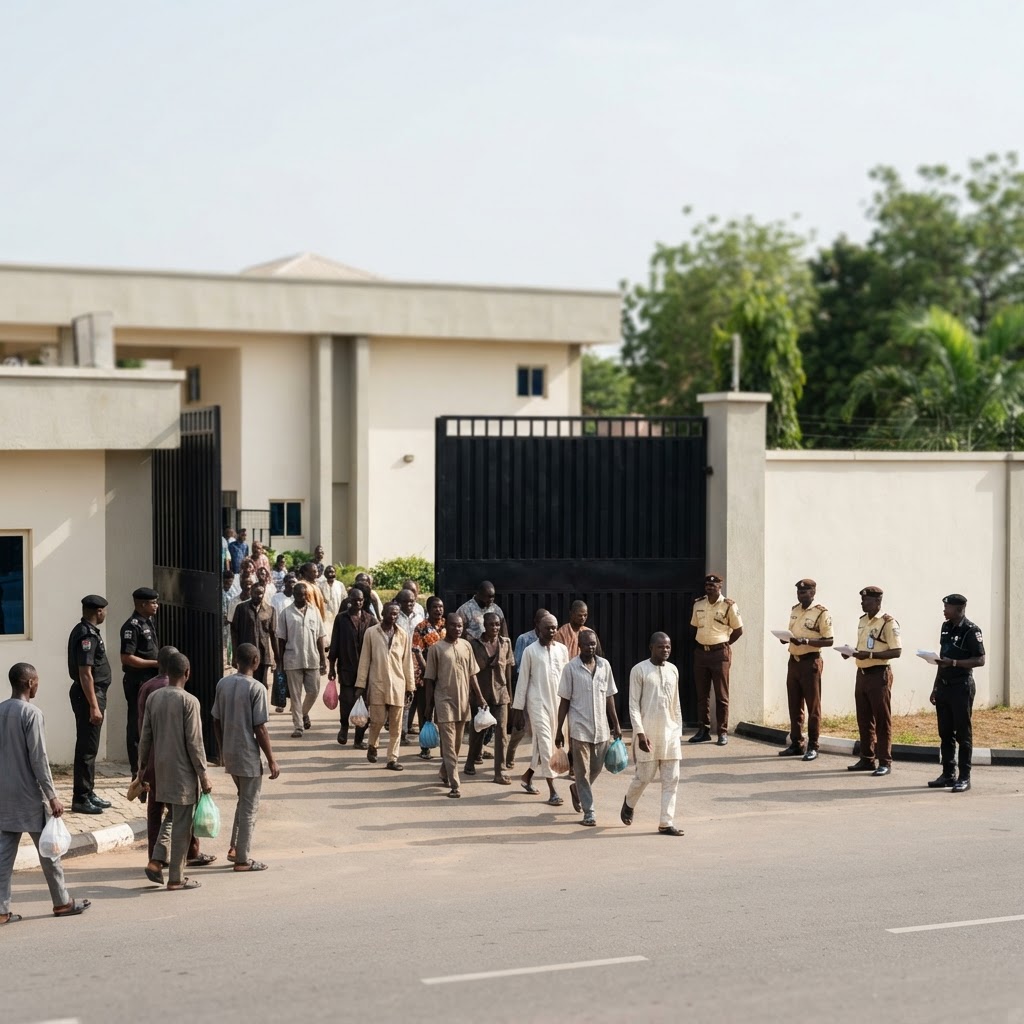
Tinubu Orders Release of 78 Suspects in Convoy Attack
A single Friday afternoon in Abuja turned into a national talking point. News that President Tinubu Orders Release of 78 Suspects Arrested Over Attack on His Convoy in Abuja quickly spread across radio, television, and social media. For many Nigerian families, the story raised fresh questions about ...