Powered by Obi Mbieri Independent Media Ltd.
$1 = ₦1,353€1 = ₦1,486£1 = ₦1,775Imo LG Elections Rescheduled for November 14
Imo State is heading back to the polls, and this time, the electoral umpire says the date is final. Families, entrepreneurs, and community leaders across the state have waited months for clarity on local government leadership. Imo LG Elections: ISIEC Announces November 14 as New Poll Date, giving re...
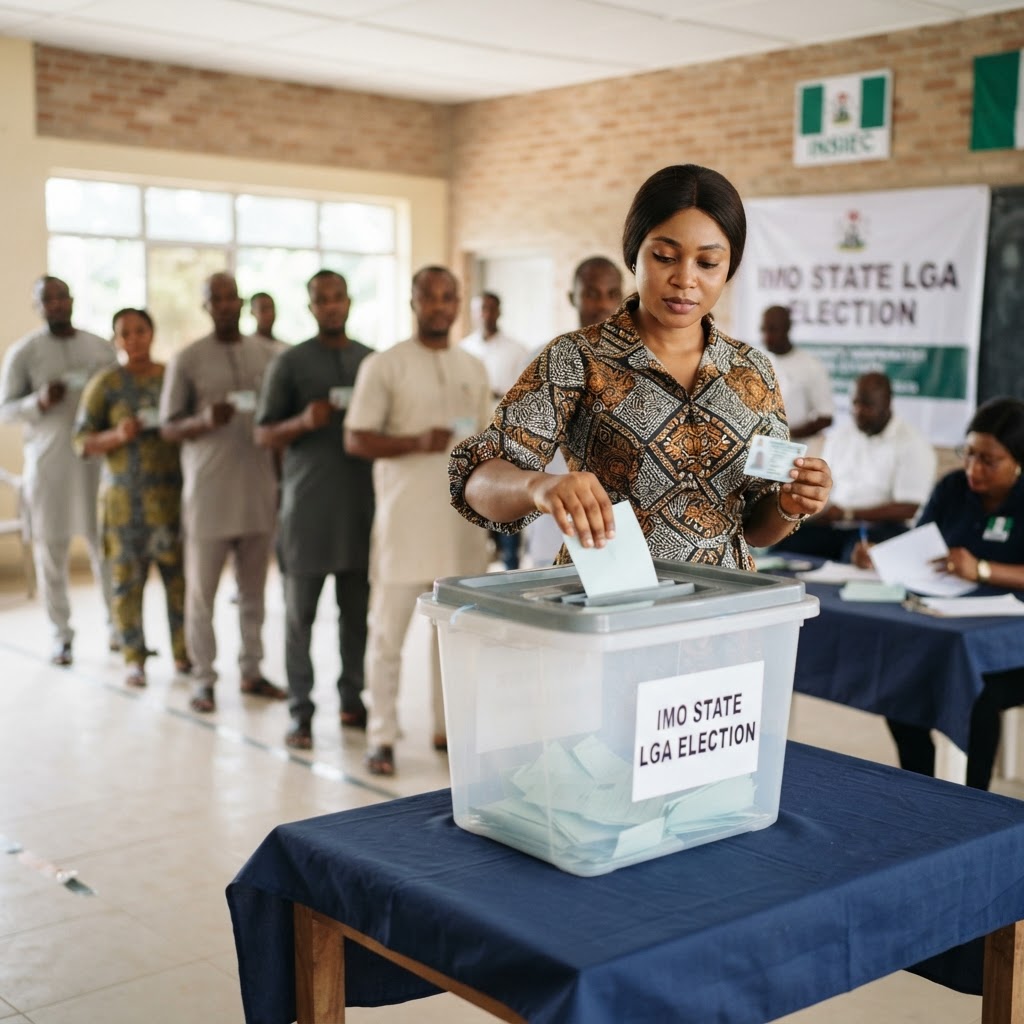
Imo State is heading back to the polls, and this time, the electoral umpire says the date is final. Families, entrepreneurs, and community leaders across the state have waited months for clarity on local government leadership. Imo LG Elections: ISIEC Announces November 14 as New Poll Date, giving residents a fresh timeline to plan around. For many households, the Imo LG Elections have become more than a political event — they represent a long-awaited opportunity to reset grassroots governance after a turbulent year of delays.
What Is The New Election Date?
The Imo State Independent Electoral Commission (ISIEC) has officially rescheduled the local government elections to Saturday, November 14, 2026. This announcement ends weeks of uncertainty for voters, political parties, and civic organizations across the state. With this confirmation, the Imo LG Elections now have a date that stakeholders can finally plan around with confidence.
The decision followed extensive consultations with critical stakeholders. ISIEC engaged the Inter-Party Advisory Council (IPAC) and various registered political parties before settling on the new date. These consultations reflect a commitment to inclusive decision-making, a principle that matters deeply to community-first governance. By involving multiple voices in the process, ISIEC has tried to ensure that the Imo LG Elections are seen as credible and representative from the outset, rather than imposed from above.
Notably, the commission moved the date from the previously proposed November 7, 2026. According to Punch Newspapers, ISIEC determined that the earlier date was no longer suitable for the exercise. Logistics, stakeholder feedback, and operational readiness all factored into this adjustment. Officials noted that rushing the Imo LG Elections without adequate preparation would have risked undermining public trust in the final outcome.
For many Imo residents, this is not the first delay. Our earlier coverage on ISIEC Indefinitely Postpones Imo LG Elections detailed how the process stalled before reaching this latest timeline. Understanding this history helps voters appreciate why November 14 now carries significant weight, and why so much attention is being paid to ensuring the Imo LG Elections finally proceed without further interruption.
The commission has emphasized that this date is firm. Political parties, aspirants, and voters should treat it as the final checkpoint on the road to local government autonomy. Preparation, not speculation, should now guide every stakeholder's next steps as the countdown to the Imo LG Elections continues.
Why Were The Elections Postponed?
Imo's local government election journey has been anything but straightforward. The exercise was originally scheduled for September 26, 2026. That date came and went without a vote, setting off a chain of rescheduling that tested public patience and raised questions about whether the Imo LG Elections would happen at all this year.
Initial postponements stemmed from legal challenges. Members of the Inter-Party Advisory Council sought an extension of the electoral timetable through the courts. These challenges delayed preparations and forced ISIEC to recalibrate its planning repeatedly. Legal disputes of this nature are not unusual in Nigerian electoral processes, as seen in disputes covered in How Elections are Rigged in Nigeria, where procedural gaps often invite litigation. Such litigation history has made many observers cautious about declaring any date for the Imo LG Elections truly final until ballots are actually cast.
The most recent shift, from November 7 to November 14, emerged from a different pressure point. A stakeholders' meeting held on October 31, 2026, brought together party leaders, electoral officials, and civic representatives. Participants at that meeting urged ISIEC to adopt a more realistic timeline, citing logistical and administrative concerns that could otherwise compromise the integrity of the Imo LG Elections.
This pattern of postponement is not unique to Imo. Electoral bodies across Nigeria frequently adjust timelines to accommodate legal, logistical, and security realities. The ongoing State Police Debate Grows as 25 States Back Amendment illustrates how security structure debates can ripple into electoral planning nationwide, further reinforcing why careful coordination matters for exercises like the Imo LG Elections.
What matters now is execution. Stakeholders broadly agree that further delays would undermine public confidence. ISIEC's willingness to listen to feedback, rather than impose an arbitrary date, suggests a more collaborative approach going forward. This responsiveness may help restore trust among voters who have grown weary of shifting deadlines surrounding the Imo LG Elections.
Importantly, each delay has also increased scrutiny on ISIEC's internal processes. Civic groups have called for stronger communication protocols so residents are not left guessing. The commission appears to have taken this criticism seriously, given the detailed public notice issued ahead of November 14. Many residents hope this signals a turning point where future electoral exercises, including any subsequent Imo LG Elections, are communicated with greater clarity and consistency from the start.
What Is At Stake For Imo?
The scale of this election is substantial. Voters will select 27 Local Government Council Chairmen and 305 Councillors across the state. These positions form the backbone of grassroots governance in Imo, making the Imo LG Elections one of the most consequential civic exercises the state will undertake this year.
The exercise will span 4,758 polling units. That figure represents a massive logistical undertaking, requiring coordinated deployment of materials, personnel, and security across every corner of the state. For comparison, Nigeria's national elections typically involve tens of thousands of polling units nationwide, as documented by the Independent National Electoral Commission, so Imo's local exercise is proportionally significant for a single state. Organizing the Imo LG Elections at this scale demands meticulous planning from ISIEC and its partner agencies.
Beyond the numbers, this election carries real consequences for everyday life. Local government chairmen oversee primary healthcare centers, market regulation, waste management, and community infrastructure. Councillors represent wards directly, acting as the first point of contact between citizens and government. The outcome of the Imo LG Elections will therefore shape service delivery at the most immediate level of governance for years to come.
This is precisely why effective local government matters to Eziokwubundu's "Health + Wealth + Community" framework. Local leaders directly influence:
- Access to primary healthcare services at the ward level
- Local market regulation that affects small business owners
- Infrastructure maintenance, including roads and drainage
- Security coordination with traditional institutions and vigilante groups
When these leaders perform well, families benefit through better health outcomes and stronger local economies. When they underperform, communities bear the cost through neglected services and stalled development. This is one more reason the Imo LG Elections deserve close attention from every household, not just political insiders.
Security remains a persistent concern in parts of Imo. Reports like Imo Kidnap Trial: Bus Driver Identifies Five Suspects remind residents that safety and governance are deeply connected. Electing capable local leaders through the Imo LG Elections can strengthen community vigilance and coordination with security agencies, particularly in areas where criminal activity has previously disrupted daily life.
Featured Products
Reverse Type 2 Diabetes & other associated Metabolic Issues using Dr. Jason Fung's Evidence-Based Approach— FMD program for Type 2 Diabetes
A practical fasting and fasting-mimicking programme built on Dr Jason Fung's insulin-resistance principles and ow-glycemic recipes.
₦19,950
Join NowChukwu Abiama Tee
Bold black-and-gold Igbo-pride T-shirt featuring 'Chukwu Abiama' in premium streetwear typography.
₦15,000
Buy NowỤmụ Igbo Tee
Classic black T-shirt with bold white 'Ụmụ Igbo' typography — a proud statement of Igbo heritage.
₦15,000
Buy NowNwanne Tee
Washed khaki vintage tee with a faded rust-orange 'Nwanne' stamp badge and palm leaf motif — a nod to kinship and heritage.
₦18,000
Buy NowObodo Tee
Faded denim-blue washed tee with a cream 'Obodo' stamp badge and sun motif, celebrating community roots.
₦18,000
Buy NowEkwe Heritage Tee
Deep indigo tee featuring a fine line-art illustration of a traditional Igbo ekwe drum, inspired by Igbo-Ukwu bronze artistry.
₦18,000
Buy NowIkenga Figure Tee
Forest green tee with a fine line-art illustration of a stylized Ikenga figure.
₦18,000
Buy NowFood safety and public health also fall within the orbit of local government oversight. Market inspection and sanitation enforcement, often coordinated at the ward level, directly affect issues such as those raised in Garri safety, cassava cyanide, food poisoning prevention and Food Safety Alert: Risks in Locally Processed Foods. Electing diligent councillors through the Imo LG Elections could translate into stronger enforcement of food safety standards in local markets.
Ultimately, this election is about more than political office. It is about who controls the levers of service delivery closest to ordinary Imo residents, and the Imo LG Elections will determine who holds that responsibility for the coming term.
How Can Parties Prepare Now?
With the date confirmed, political parties face a narrow window to prepare. ISIEC has issued clear instructions that leave little room for confusion or delay as the Imo LG Elections approach.
The commission has directed the leadership of all registered political parties to visit its headquarters. The office is located at No. 21 Orlu Road, Owerri. There, party leaders can collect the official election timetable and detailed guidelines governing the process, ensuring every participant in the Imo LG Elections operates from the same official playbook.
ISIEC has also reaffirmed its readiness to observe party primaries. Chairmanship and councillorship aspirants must go through primaries conducted in accordance with electoral laws. This oversight role helps ensure that candidates emerging from each party reflect genuine internal processes, rather than imposition from above, strengthening public confidence in the Imo LG Elections overall.
Internal party democracy will be tested in the coming weeks. Disputes over candidate selection have derailed previous Nigerian elections, sometimes leading to court battles that overshadow the actual vote. The ongoing case covered in APC Rejects Court Ruling on Okorocha Senate Bid demonstrates how unresolved internal disputes can escalate into prolonged legal battles that distract from the substance of elections like the Imo LG Elections.
Parties are therefore encouraged to uphold internal democracy, promote tolerance, and shun violence. These three principles are not just regulatory checkboxes. They are practical safeguards against the kind of disputes that have historically marred Nigerian local elections, including earlier phases of the Imo LG Elections process.
For aspirants and party executives, the next two weeks are critical. Preparation should include the following:
- Confirming primary election schedules with ISIEC-approved observers
- Ensuring all candidate documentation meets commission requirements
- Engaging ward-level structures to mobilize voter awareness
- Coordinating with security agencies on peaceful campaign conduct
Diaspora Imo residents and local business associations also have a role to play. Many diaspora groups fund community projects tied to local government cooperation. A credible, peaceful election strengthens their confidence in continued investment back home. Organizations such as the National Democratic Institute have long emphasized that credible local elections build the foundation for broader democratic trust. For Imo's diaspora community, the success of the Imo LG Elections could directly influence future remittance-backed development projects across the state's wards.
Economic considerations also shape how parties and candidates prepare. With recent policy changes such as the FG Approves ₦70,000 Monthly Transport Allowance, aspirants in the Imo LG Elections are being reminded that cost-of-living pressures remain top of mind for voters, and campaign messaging should reflect genuine economic concerns rather than empty promises.
What Is The Path To Progress?
Confidence in the process depends on what happens between now and November 14. ISIEC has made several commitments aimed at reassuring voters and candidates alike ahead of the Imo LG Elections.
The commission has pledged to provide a level playing field for all aspirants and voters. This includes transparency in material distribution, polling unit staffing, and results collation. Credibility, ISIEC maintains, is non-negotiable for this exercise, and officials have repeatedly stressed that the Imo LG Elections must withstand public scrutiny from start to finish.
Security planning is also underway. ISIEC is working with security agencies to establish an Inter-Agency Consultative Committee on Election Security. This committee will coordinate protective measures across all 4,758 polling units, addressing concerns raised by community stakeholders about safety on election day. Given the scale involved, security coordination for the Imo LG Elections is expected to be one of the most resource-intensive aspects of the entire exercise.
Civic participation remains the final piece of this puzzle. Community stakeholders and citizens are encouraged to remain engaged throughout the process. Active participation, from voter awareness to peaceful observation, is the bedrock of local prosperity and effective governance. Residents who track developments closely will be better positioned to hold winners of the Imo LG Elections accountable once they assume office.
This aligns closely with Eziokwubundu's broader mission of connecting personal improvement to community impact. A well-run local government election is not just a political event. It is an economic and social opportunity for every ward in Imo State, and the Imo LG Elections stand as a test case for whether that opportunity will be realized.
Residents who want deeper context on related governance issues can also explore our coverage of Seplat Faces 7-Day Demand Over Obi-Mbieri Leadership Dispute, which highlights how leadership disputes at the community level can affect local development outcomes. Health-conscious readers may also find value in broader public health context, such as First Volunteer Receives Vaccine for Rare Ebola Strain, which underscores how governance capacity at every level, including the kind tested by the Imo LG Elections, ultimately connects to public health resilience.
For families, entrepreneurs, and youth professionals across Imo, November 14 represents a chance to reset local governance. The stakes, as outlined throughout this article, touch healthcare access, business regulation, and public safety. Staying informed, verifying registration status, and participating peacefully will determine whether this election delivers the progress Imo communities deserve. As more residents engage with coverage of the Imo LG Elections, the likelihood of a transparent and peaceful outcome increases.
As the clock counts down, one fact remains central: Imo LG Elections: ISIEC Announces November 14 as New Poll Date is now the confirmed timeline guiding every stakeholder's next move. Preparation, patience, and participation will shape what comes next for grassroots governance across the state, and the eventual success or failure of the Imo LG Elections will be measured not just on voting day, but in the months of service delivery that follow.
Stay Informed
Get New Articles in Your Inbox
Subscribe to receive the latest community development, health, and wealth insights from Eziokwubundu.
Newsletter
Practical insights on health, wealth, and community — delivered weekly.
Community Discussion(0)
Leave a Comment
More to Read
You May Also Like

Obi-Mbieri Mourns Engr. Vitalis Opara: Questions Emerge Over Community’s Silence
Engr. Vitalis Opara is identified as President General on the signature page of the Obi-Mbieri Autonomous Community Constitution 2020 as amended.
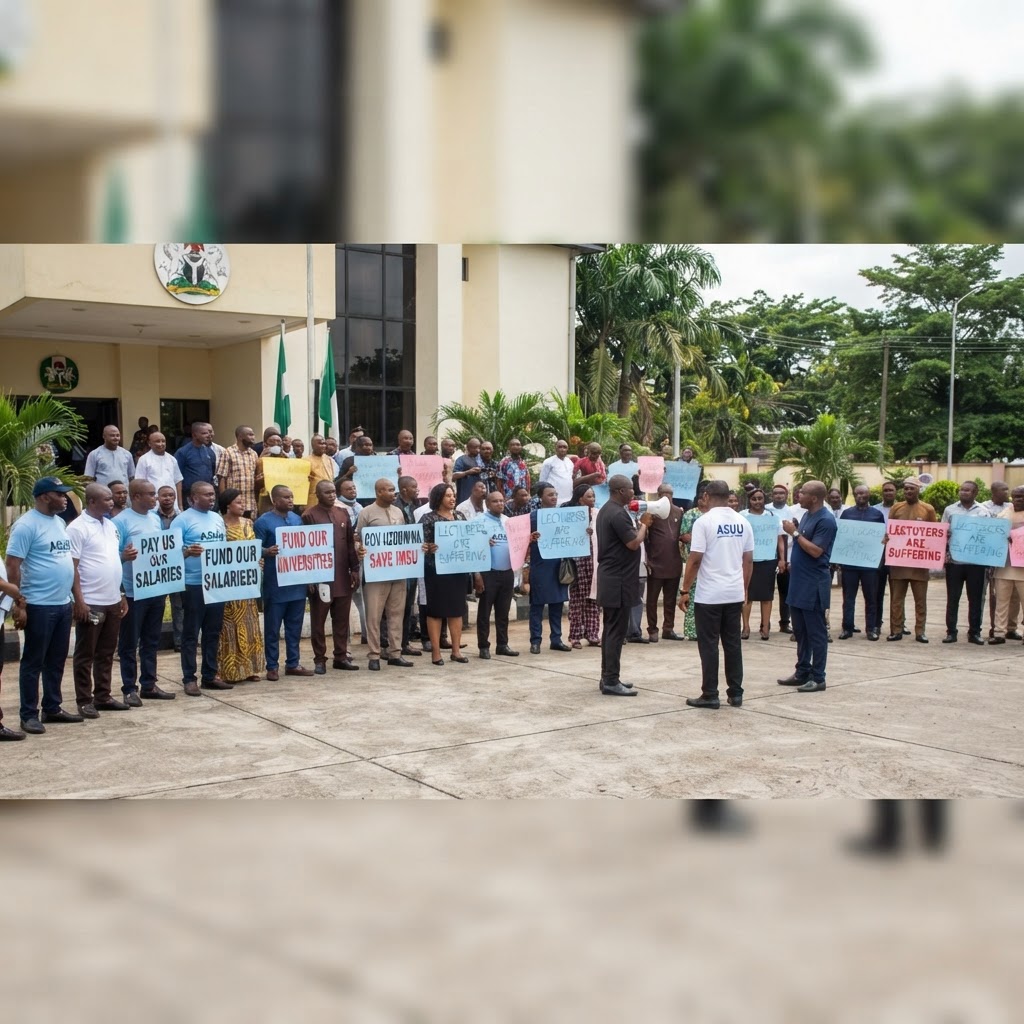
IMSU Lecturers Protest in Owerri, Appeal to Uzodimma to End
The streets of Owerri turned into a sea of white lab coats and placards this week. Hundreds of university lecturers walked out of their offices, choosing protest over silence. The IMSU Lecturers Protest in Owerri, Appeal to Uzodimma to End Months-Long Strike has become a defining moment for Imo Stat...

JAMB Candidates Can Now Change Course and Institution Online
Admission season often brings long queues and costly transport for Nigerian families. That burden has just eased. JAMB candidates can now change their institutions and courses from home, as the board announces a new digital correction service, giving students and parents fresh control over their aca...
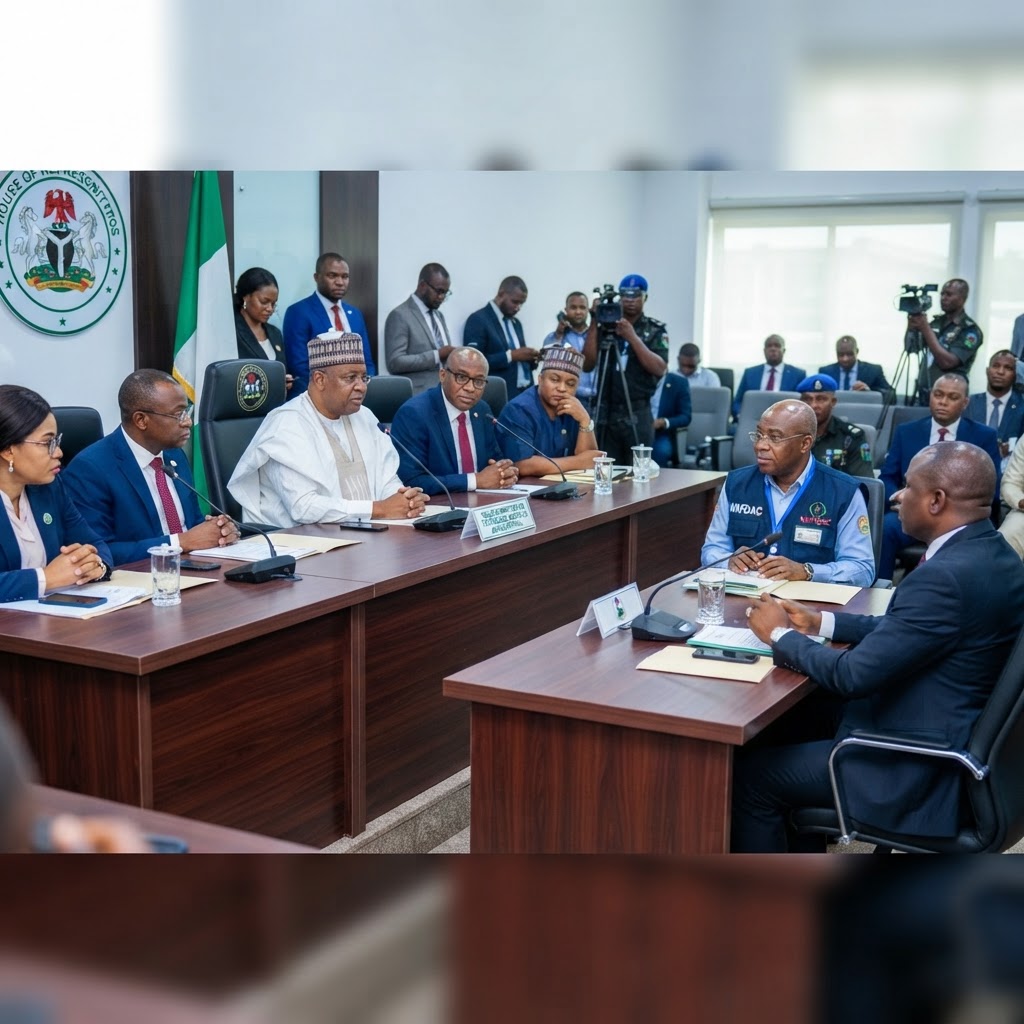
House Summons NAFDAC and DSS Over Fake Drug Deaths
Four people are dead, eleven more are fighting for their lives, and a federal lawmaker wants answers now. Fake Drug deaths linked to a suspicious herbal concoction have pushed the House of Representatives to move decisively, summoning NAFDAC and the DSS in a case that is no longer a distant headline...

Prevent Kidney Disease With Regular Health Checks
Kidney health rarely makes headlines until a crisis hits a family. Yet understanding Kidney Disease: Why Regular Health Checks Can Help Prevent Serious Complications can save lives, protect household income, and strengthen community wellbeing across Nigeria. Kidney Disease often develops quietly ove...

Budget-Friendly Healthy Meal Prepping for Nigerians
Modern Nigerian families face the dual pressure of rising food prices and the need for better health outcomes. Learning how Nigerian families can(/article/nigerian-family-guide-to-reversing-type-2-diabetes) use meal prepping with local ingredients to eat healthy on a tight budget is a vital skill fo...

Beyond Degrees: Bridging Nigeria's Digital Skills Gap
Nigeria's graduates are flooding the job market faster than employers can absorb them. Yet many arrive with certificates but no practical digital competence. This is the heart of Digital Skills and Youth Employment: Why Nigerian Graduates Need More Than University Certificates.—a gap that is reshapi...
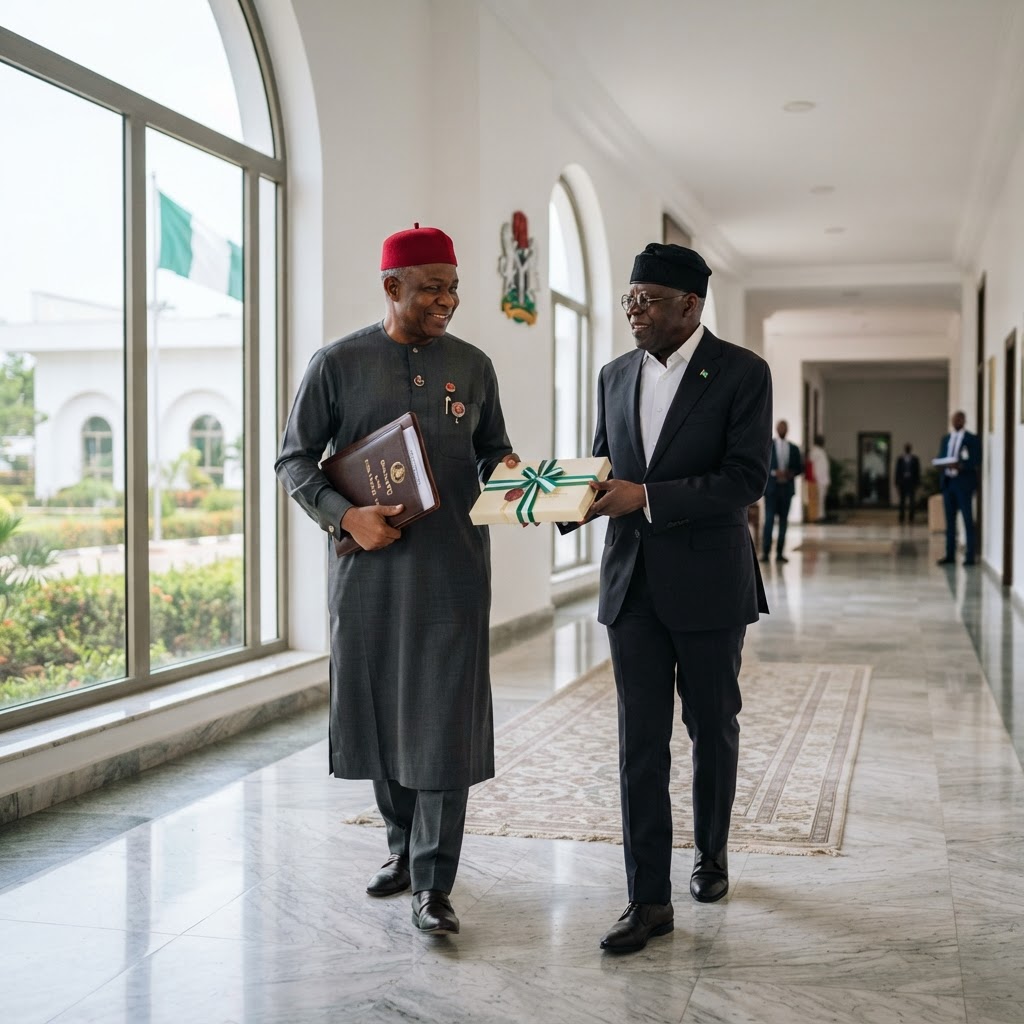
Senate Sends State Police Bill to Tinubu for Approval
Nigeria's security architecture is entering a new chapter. The headline development, State Police Bill: Senate Transmits Constitutional Amendment to Tinubu for Presidential Assent, signals a historic shift toward decentralized policing. For Nigerian families, entrepreneurs, and community leaders, th...
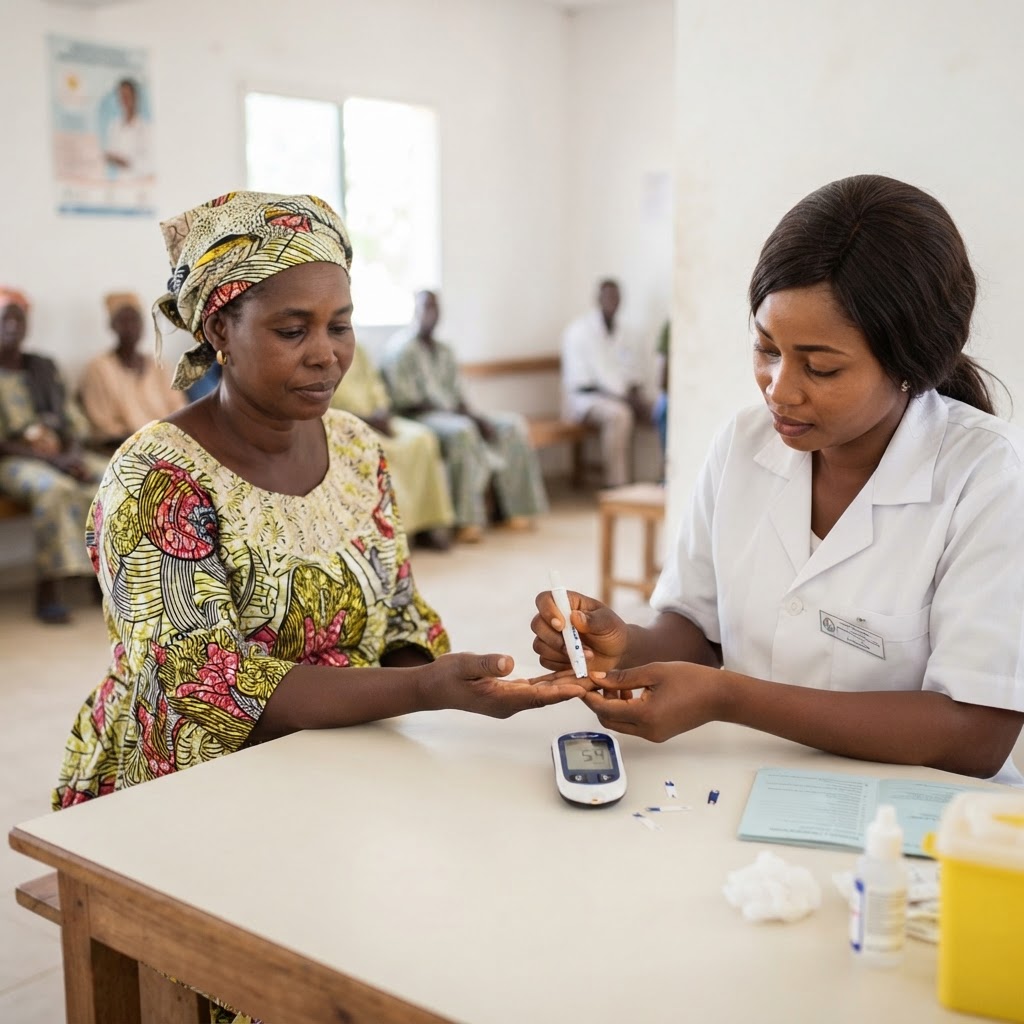
Diabetes in Africa: Why Routine Screening Is Vital
Imagine a disease that silently damages organs for years before anyone notices. That is the reality for millions living in Africa today. According to the latest report, Diabetes: Three Out of Four Africans Living With the Condition May Be Unaware – Why Screening Matters, and this gap in knowledge is...
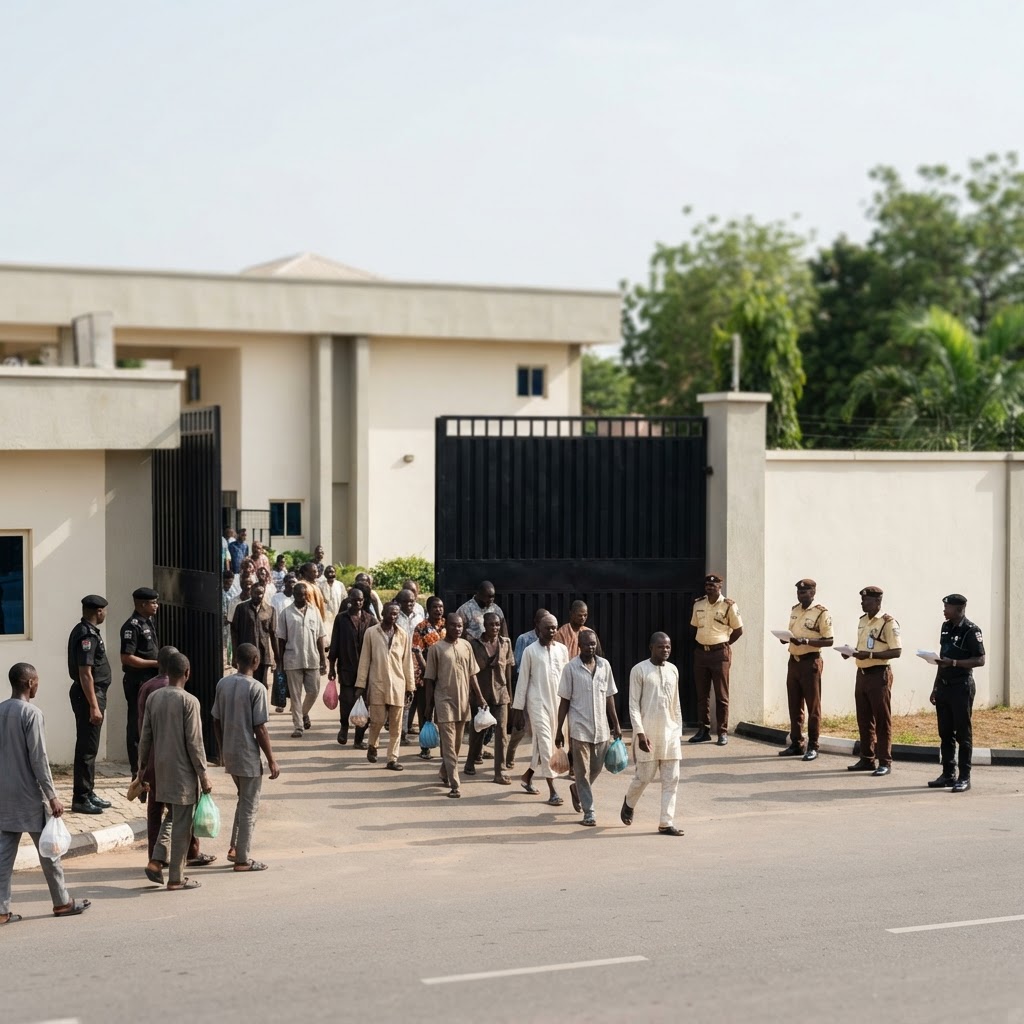
Tinubu Orders Release of 78 Suspects in Convoy Attack
A single Friday afternoon in Abuja turned into a national talking point. News that President Tinubu Orders Release of 78 Suspects Arrested Over Attack on His Convoy in Abuja quickly spread across radio, television, and social media. For many Nigerian families, the story raised fresh questions about ...