Powered by Obi Mbieri Independent Media Ltd.
$1 = ₦1,353€1 = ₦1,486£1 = ₦1,77536.3 Million Nigerians Face Acute Food Crisis
Hunger is spreading faster than many expected across Nigeria this year. New humanitarian data reveals that 36.3 Million Nigerians Face Acute Food Crisis conditions, a number that should alarm every family, policymaker, and community leader. This is not a distant statistic. It is a lived reality shap...
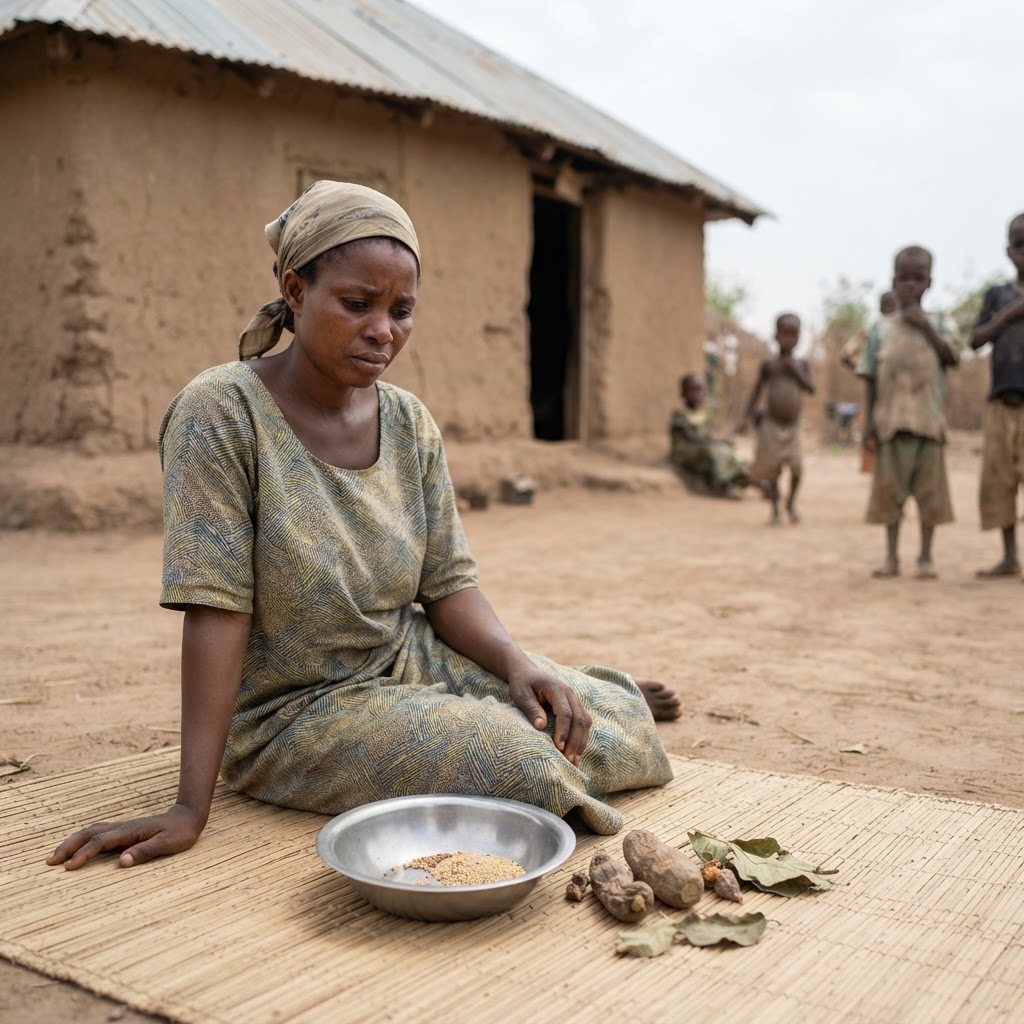
Hunger is spreading faster than many expected across Nigeria this year. New humanitarian data reveals that 36.3 Million Nigerians Face Acute Food Crisis conditions, a number that should alarm every family, policymaker, and community leader. This is not a distant statistic. It is a lived reality shaping dinner tables nationwide, from Maiduguri to Lagos. Alarmingly, humanitarian planners warn that an additional 3 million Nigerians could slide into crisis-level food insecurity before the next harvest season if current trends continue unchecked, making early intervention more urgent than ever.
What Is the Current Food Crisis?
Nearly 36.3 million Nigerians faced acute food insecurity during the 2026 lean season, classified under Cadre Harmonisé Phase 3 or worse. This figure represents roughly 17% of the analyzed population, according to findings cited by Africa Frontpage. It marks a sharp deterioration from the 30.6 million people affected in 2025, showing the crisis is worsening, not improving.
Within this larger figure, the severity breakdown is deeply concerning. About 2.1 million people are now in Emergency conditions, classified as Phase 4 on the Integrated Food Security Phase Classification scale. Approximately 10,300 people are experiencing Catastrophe, the most extreme Phase 5 classification used globally. Nutrition surveys further suggest that an estimated 3 million children under the age of five already show early signs of acute malnutrition, a figure that humanitarian workers describe as a looming public health emergency in its own right.
These numbers come from assessments conducted under the Cadre Harmonisé framework, a regional tool used across West Africa to measure food and nutrition crises. The framework helps governments and humanitarian agencies, including the World Food Programme, target interventions precisely. For Nigerian families, the practical effect is simple: millions cannot reliably access enough food to meet basic nutritional needs.
Understanding these figures matters because they translate directly into human suffering. Children face stunted growth. Parents skip meals. Communities lose economic productivity. This crisis demands urgent, coordinated attention from every sector of Nigerian society, and the fact that roughly 3 million more people now stand on the edge of this emergency compared with previous projections underscores just how quickly conditions can deteriorate without decisive action.
Why Is Food Insecurity Rising?
Several interconnected forces are driving this deterioration. Conflict and insecurity across the North-East, North-Central, and North-West zones have severely disrupted farming, livelihoods, and market access. Armed violence has forced many farmers to abandon fertile land they once depended on for survival. Analysts tracking land-use changes estimate that more than 3 million hectares of previously cultivated farmland across these regions have become partially or fully inaccessible due to insecurity, a staggering loss for a country already struggling to meet domestic food demand.
Economic pressures compound these security challenges. High food inflation and rising transportation costs have eroded household purchasing power significantly. Families who previously managed on modest incomes now struggle to afford staples like rice, beans, and garri.
Climate shocks add another layer of difficulty. Extreme weather events, including erratic rainfall and flooding, have damaged crops and infrastructure across multiple states. The displacement of over 3.7 million people nationwide, as documented by the International Organization for Migration, has further strained food availability in host communities.
This combination of conflict, inflation, and climate disruption creates a dangerous feedback loop. Displaced farmers cannot cultivate their land. Reduced cultivation lowers supply. Lower supply pushes prices higher, deepening hardship for everyone. Breaking this cycle requires addressing each factor simultaneously, not in isolation.
Malnutrition also weakens immune systems, making communities more vulnerable to infections that require antibiotic treatment. This connects directly to broader public health concerns explored in Antimicrobial Resistance: Why Nigeria Must Act Now, since malnourished populations often face higher infection rates and greater reliance on medications that may no longer work effectively due to resistance.
Security concerns also connect to broader governance questions. Initiatives like the Senate Sends State Police Bill to Tinubu for Approval reflect ongoing efforts to strengthen local security structures that could eventually protect farming communities more effectively, potentially restoring access to some of the 3 million hectares currently cut off from productive use.
How Does Conflict Impact Farming?
Armed groups have extended disruptions beyond traditional insurgency zones into previously stable farming communities. Reports indicate abductions of farmers and outright cultivation bans in several areas, according to analysis from ACAPS. These tactics force families to choose between risking their lives or abandoning their livelihoods entirely. Humanitarian coordination bodies estimate that over 3 million farmers nationwide have lost direct, safe access to their fields at some point during the past planting cycle.
Movement restrictions compound this danger. In Borno State, farmers often cannot access their land or grazing areas due to security checkpoints and active conflict. This limitation prevents planting, harvesting, and the seasonal movement of livestock that many households depend on economically.
Violence in farming communities also produces casualties who rarely receive timely medical attention. This echoes concerns raised in IGP: Treat Gunshot Victims Before Requesting Police Reports, where bureaucratic delays in emergency care have cost lives. Farmers injured during raids or clashes often face the same deadly hesitation, further discouraging rural populations from returning to contested farmland.
The agricultural workforce itself has shrunk considerably. Loss of labor, combined with rising input costs, has reduced overall yields across affected regions. Urea fertilizer prices alone rose by 43%, according to data referenced through the Food and Agriculture Organization, making it increasingly difficult for smallholder farmers to maintain productivity.
Consider the ripple effects this creates. When farmers cannot plant, local markets see less produce. When fertilizer costs rise, even those who can farm produce less per hectare.
- Reduced access to farmland due to insecurity and checkpoints
- Rising fertilizer and input costs squeezing farmer margins
- Loss of skilled agricultural labor through displacement
- Cultivation bans imposed by armed groups in contested zones
These compounding pressures explain why agricultural output continues declining despite Nigeria's vast arable land potential, and why reversing the displacement of over 3 million farmers must remain a top policy priority.
Is Food Availability the Only Issue?
Food insecurity is not purely a production problem. It is fundamentally an access and affordability crisis affecting millions of households. Even when markets display adequate stock, many families simply cannot afford what is available.
Food inflation reached 20.3% in July 2026, according to figures highlighted by Africa Frontpage. This means everyday staples cost significantly more than they did just months earlier. For a typical household already stretched thin, such increases can mean the difference between three meals a day and one. Economists tracking household budgets estimate that roughly 3 million households across Nigeria now spend more than 70% of their total income on food alone, leaving almost nothing for healthcare, education, or savings.
Transportation, storage, and processing costs create additional barriers between farmers and consumers. A farmer might sell tomatoes cheaply at the farm gate, yet by the time those tomatoes reach an urban market, prices have multiplied several times over. Poor road infrastructure, fuel costs, and inadequate cold-chain storage all contribute to this disconnect.
Featured Products
Reverse Type 2 Diabetes & other associated Metabolic Issues using Dr. Jason Fung's Evidence-Based Approach— FMD program for Type 2 Diabetes
A practical fasting and fasting-mimicking programme built on Dr Jason Fung's insulin-resistance principles and ow-glycemic recipes.
₦19,950
Join NowChukwu Abiama Tee
Bold black-and-gold Igbo-pride T-shirt featuring 'Chukwu Abiama' in premium streetwear typography.
₦15,000
Buy NowỤmụ Igbo Tee
Classic black T-shirt with bold white 'Ụmụ Igbo' typography — a proud statement of Igbo heritage.
₦15,000
Buy NowNwanne Tee
Washed khaki vintage tee with a faded rust-orange 'Nwanne' stamp badge and palm leaf motif — a nod to kinship and heritage.
₦18,000
Buy NowObodo Tee
Faded denim-blue washed tee with a cream 'Obodo' stamp badge and sun motif, celebrating community roots.
₦18,000
Buy NowEkwe Heritage Tee
Deep indigo tee featuring a fine line-art illustration of a traditional Igbo ekwe drum, inspired by Igbo-Ukwu bronze artistry.
₦18,000
Buy NowIkenga Figure Tee
Forest green tee with a fine line-art illustration of a stylized Ikenga figure.
₦18,000
Buy NowCounterfeit and substandard agricultural inputs further complicate the picture. Just as fake medicines have triggered national concern, as detailed in House Summons NAFDAC and DSS Over Fake Drug Deaths, counterfeit fertilizers and pesticides circulating in rural markets undermine yields and waste scarce household resources that could otherwise stretch food budgets further.
This affordability gap disproportionately affects vulnerable populations. Health conditions linked to poor nutrition, such as those discussed in High Blood Pressure: The Silent Health Threat in Nigeria, often worsen when families cannot access balanced diets. Similarly, chronic malnutrition increases vulnerability to kidney complications, a concern addressed in Prevent Kidney Disease With Regular Health Checks.
Addressing availability alone will not solve this crisis. Nigeria needs comprehensive strategies that tackle both production and the economic systems determining who can actually afford food.
Who Bears the Heaviest Burden?
Not every Nigerian experiences this crisis equally. Women, children, and displaced populations consistently bear the heaviest burden of food insecurity. Nearly 3 million women heading households alone—many of them widowed or separated due to conflict—report skipping meals regularly so their children can eat, according to community-level surveys conducted by humanitarian partners.
Internally displaced persons camps across Borno, Yobe, and Adamawa states host a disproportionate share of the crisis. Within these settlements, limited access to farmland and formal employment means dependence on external aid remains nearly total. Camp coordinators estimate that close to 3 million displaced individuals currently rely on some form of food assistance just to survive the lean season, placing enormous strain on already stretched humanitarian budgets.
Young people also face unique vulnerabilities. Education disruptions caused by displacement and economic hardship threaten long-term prospects, a concern connected to broader access issues discussed in JAMB Candidates Can Now Change Course and Institution Online, which highlights how flexibility in education systems can help students adapt when family circumstances force sudden relocation or financial strain.
How Can Communities Build Resilience?
Strengthening local food systems requires connecting production, storage, and distribution more effectively. When communities can store surplus harvests properly, they stabilize supply during lean seasons. This reduces dramatic price swings that hurt both farmers and consumers.
Supporting smallholder farmers remains essential for long-term food security. Providing affordable inputs, like fertilizer and quality seeds, alongside secure market access, helps farmers increase productivity sustainably. Cooperative purchasing models, where farmers buy inputs collectively, can reduce individual costs significantly. Several pilot cooperative programs have already reached approximately 3 million farmers nationwide with subsidized seeds and fertilizer, demonstrating that scalable, community-driven solutions can produce measurable results when properly funded and monitored.
Community-led initiatives offer practical pathways forward during displacement crises. Local support networks, resource-sharing arrangements, and mutual aid societies have historically helped Nigerian communities survive difficult periods. These structures deserve renewed investment and recognition.
Economic diversification also strengthens resilience at the household level. Entrepreneurs exploring opportunities beyond traditional agriculture, including digital skills highlighted in Beyond Degrees: Bridging Nigeria's Digital Skills Gap, create alternative income streams. These additional sources help families absorb economic shocks when farming income becomes unreliable.
Grassroots journalism and community reporting also play a role here. Coverage of local development projects, such as the economic opportunities discussed in Seplat Aku-01 Discovery: Benefits for Obi-Mbieri, demonstrates how resource development can translate into tangible community benefits when managed transparently.
What Is the Government and Humanitarian Response?
Federal and state authorities have begun responding to the scale of this emergency, though significant gaps remain. Emergency grain reserve releases announced in recent months were designed to stabilize prices in major markets, with officials targeting support for roughly 3 million vulnerable households in the hardest-hit states during the current lean season.
Humanitarian agencies, including the World Food Programme and local NGOs, continue scaling cash-transfer and food-voucher programs. These initiatives aim to reach millions of at-risk households, though funding shortfalls repeatedly force difficult rationing decisions about who receives assistance first. Coordination challenges between federal agencies and state governments have also slowed the pace of distribution in several affected regions.
Oversight concerns extend beyond food distribution itself. Just as regulatory bodies face scrutiny over counterfeit medicines, questions have emerged about the integrity of some agricultural input supply chains, reinforcing the importance of robust institutional oversight across every sector that touches food security.
What Is the Path to Prosperity?
Moving toward a healthier, more prosperous Nigeria requires addressing root causes simultaneously. Security interventions must accompany agricultural investment. Climate adaptation strategies must work alongside economic policy reform. No single solution will resolve a crisis this complex.
Sustainable agricultural practices deserve particular attention moving forward. Techniques that improve soil health, conserve water, and reduce dependency on expensive imported inputs can help farmers build resilience against both economic and climate shocks. Organizations like the Famine Early Warning Systems Network continue monitoring these conditions to guide targeted interventions. Scaling existing cooperative and cash-transfer programs to reach the full 3 million additional people pushed toward crisis levels this year should remain a central policy benchmark for the coming planting season.
Financial literacy represents another critical piece of this puzzle. Families equipped with budgeting skills, savings strategies, and diversified income knowledge can build meaningful buffers against economic volatility. This aligns closely with the practical prosperity approach that Eziokwubundu champions across its content.
Community institutions also matter enormously in this equation. Strong local governance structures, traditional leadership, and civil society organizations help coordinate responses that government alone cannot deliver effectively. This mirrors broader governance conversations, including those explored in IMSU Lecturers Protest in Owerri, Appeal to Uzodimma to End, where institutional stability directly affects community wellbeing.
Eziokwubundu's mission emphasizes something Nigerian communities have long understood: individual success and collective progress remain inseparable. When families thrive, communities strengthen. When communities strengthen, nations prosper. Overcoming a crisis affecting 36.3 million people—including the roughly 3 million newly vulnerable individuals identified in the latest projections—demands exactly this kind of collective, coordinated action—blending health awareness, economic empowerment, and community solidarity into one unified response.
The path forward will not be simple, but it is achievable. Through practical knowledge, strengthened local systems, and genuine community cooperation, Nigeria can begin reversing this troubling trajectory toward a more food-secure future, ensuring that the next assessment cycle tells a story of recovery rather than another 3 million people sliding deeper into hunger.
Stay Informed
Get New Articles in Your Inbox
Subscribe to receive the latest community development, health, and wealth insights from Eziokwubundu.
Newsletter
Practical insights on health, wealth, and community — delivered weekly.
Community Discussion(0)
Leave a Comment
More to Read
You May Also Like

Seplat Aku-01 Discovery: Benefits for Obi-Mbieri
Imagine a small Imo State community suddenly linked to a 157-billion-cubic-feet gas discovery. That is the reality facing Obi-Mbieri today. This piece on Seplat's Aku-01 Discovery: What Concrete Benefits Should Obi-Mbieri Expect? breaks down what this find could mean for everyday residents, local bu...

Budget-Friendly Healthy Meal Prepping for Nigerians
Modern Nigerian families face the dual pressure of rising food prices and the need for better health outcomes. Learning how Nigerian families can(/article/nigerian-family-guide-to-reversing-type-2-diabetes) use meal prepping with local ingredients to eat healthy on a tight budget is a vital skill fo...

Beyond Degrees: Bridging Nigeria's Digital Skills Gap
Nigeria's graduates are flooding the job market faster than employers can absorb them. Yet many arrive with certificates but no practical digital competence. This is the heart of Digital Skills and Youth Employment: Why Nigerian Graduates Need More Than University Certificates.—a gap that is reshapi...
Nigeria Must Prepare for 2027 Global Food Crisis
Nigerian dinner tables could look very different in just a few years. Rising global commodity prices, climate shocks, and conflict-driven disruptions are converging at once to create the conditions for a full-blown global food crisis. Experts Warn Nigeria to Prepare for Potential Global Food Crisis ...
Industrial Investment in Obazu-Mbieri Sparks Economic Growth
Imo State is witnessing a new wave of private-sector confidence that could reshape its economic future. Industrial Investment in Obazu-Mbieri Raises Hopes for Jobs and Local Economic Growth after Marvico Group commissioned a landmark industrial complex in Mbaitoli Local Government Area. For many res...
Nigeria Risks Billions in Farm Losses Without Better Storage
Nigeria's farms produce enough food to feed millions, yet much of it rots before reaching a dinner table. This paradox costs the nation dearly every single year. Nigeria Risks Losing Billions in Farm Produce Without Better Storage and Transport, and the numbers behind this crisis demand urgent atten...

FG seeks fresh $500m World Bank loan
Nigeria's infrastructure gap keeps widening every year, and families feel it in blackouts, bad roads, and scarce clean water. Fresh reports confirm that the FG seeks fresh $500m World Bank loan to fund a new infrastructure financing platform. This move could reshape how power, transport, and water p...

Nigeria to Drive Half of West Africa Power Demand by 2035
Nigerians know the frustration of a sudden blackout mid-conversation or mid-business transaction. It is a daily reality that shapes how families live and how entrepreneurs plan their futures across West Africa, and nowhere is this more visible than in Nigeria, the region's largest economy. According...