Powered by Obi Mbieri Independent Media Ltd.
$1 = ₦1,353€1 = ₦1,488£1 = ₦1,786Seplat Faces 7-Day Demand Over Obi-Mbieri Leadership Dispute
Nigerian energy giant Seplat Energy Plc is under fresh pressure. Lawyers representing a disputed community leader have issued a sharp ultimatum. The case is now known as Seplat Faces 7-Day Demand Over Obi-Mbieri Leadership Dispute. It has reignited questions about who truly speaks for Obi-Mbieri Aut...

Nigerian energy giant Seplat Energy Plc is under fresh pressure. Lawyers representing a disputed community leader have issued a sharp ultimatum. The case is now known as Seplat Faces 7-Day Demand Over Obi-Mbieri Leadership Dispute. It has reignited questions about who truly speaks for Obi-Mbieri Autonomous Community in Imo State. Families, entrepreneurs, and community stakeholders across the Niger Delta are watching closely. This Leadership Dispute offers important lessons about accountability and documentation. It also shows the risks companies face when they fail to verify who holds legitimate authority within a host community.
What Is The Obi-Mbieri Leadership Dispute?
The controversy centres on a legal challenge. Lawyers for Prof. Kyrian Chinedu Onyeji Ndikom brought the case against Seplat Energy Plc. At its heart, this is a classic Leadership Dispute. Multiple individuals claim legitimate authority over the same community. A major corporate operator is caught in the middle.
According to a report published by Nigeria Newspoint on Monday, November 2, 2026, the law firm O. O. Kalu & Associates sent a letter dated November 1, 2026. The letter raised concerns about Seplat's engagement with a rival community faction.
The core allegation is straightforward. The lawyers claim Seplat has continued dealing with representatives whose authority is contested. This is despite existing court decisions on Obi-Mbieri leadership. This is precisely why the matter has escalated into a formal Leadership Dispute. It is no longer a quiet internal disagreement.
This matters because community representation affects how companies allocate resources. It shapes how they conduct consultations and fund local projects. When a Leadership Dispute remains unresolved, every subsequent company decision becomes legally risky. It also becomes reputationally risky.
The lawyers gave Seplat seven days to respond. They warned that continued engagement with disputed representatives could deepen an already fragile leadership crisis. A localized disagreement could turn into a prolonged, damaging Leadership Dispute. The ripple effects could spread across the wider Mbaitoli area.
It is worth noting these allegations have not been independently verified. Eziokwubundu Independent Media has not confirmed them separately. Seplat's official response was not included in the original publication.
Still, the timeline is significant. A proposed community meeting was reportedly scheduled for November 4, 2026. This placed added urgency on the demand for clarity. It also raised the stakes around how this Leadership Dispute will ultimately be settled.
What Do The Court Judgments Say?
Court records cited in the lawyers' letter form the backbone of their argument. The first is a judgment reportedly delivered on June 24, 2025. It came from the Imo State High Court, Iho Judicial Division, in Suit No. HIH/62/2023.
According to the lawyers, this judgment affirmed their client's authority over Obi-Mbieri's affairs. That authority reportedly includes the power to appoint delegates. That is a substantial claim. Delegate appointment often determines who negotiates directly with companies like Seplat. It also often determines who ultimately prevails in a Leadership Dispute of this nature.
The lawyers also referenced Appeal No. CA/OW/237/25. Their argument follows a well-established principle in Nigerian law. Filing an appeal does not automatically suspend a judgment. A stay of execution must be granted first.
This principle has been widely discussed in Nigerian legal commentary. It is consistent with standard appellate procedure under the Nigerian Court of Appeal rules. It is a critical point in nearly every community Leadership Dispute. Rival factions frequently use pending appeals to argue a judgment should not yet be enforced.
Additionally, the lawyers cited Suit No. MNU/MISC.18/2025. This includes a recognition order reportedly issued on December 17, 2025. They also noted the refusal of a stay application on May 22, 2026.
Taken together, three legal threads form the basis of the lawyers' demand. These are the original judgment, the pending appeal, and the subsequent recognition order. However, the precise scope and current legal effect of each order require review. Certified court records would be needed before any final conclusion about the Leadership Dispute.
Readers interested in how Imo State courts handle contested political and community authority may find useful context in the APC Rejects Court Ruling on Okorocha Senate Bid report. It illustrates how appeals and stay applications shape outcomes in the state. Much like the Obi-Mbieri situation, that case shows how a Leadership Dispute can drag on for months. Rival claimants often wait for definitive judicial clarity.
Why Is The Council Chairman Involved?
A second layer of this dispute involves the Mbaitoli Local Government Chairman. The lawyers questioned his alleged role in recommending or appointing a rival President-General for Obi-Mbieri. They say this move has further complicated the Leadership Dispute rather than resolving it.
The Nigeria Newspoint report identifies Chief Samuel Oparaugo as the duly elected President-General. He is reportedly challenging the chairman's authority to nominate another individual for the same role. This frames the matter as the latest front in an already contentious Leadership Dispute.
That challenge is now before the court in Suit No. HMI/314/2026. Its outcome could prove decisive. It may determine which claim to the President-General position holds legal weight. By extension, it could shape how the entire Leadership Dispute is ultimately resolved.
This situation highlights a recurring issue in Nigerian community governance. It is important to distinguish administrative actions by local government officials from processes rooted in a community's own constitution. Blurring these lines often transforms a minor disagreement into a full-blown Leadership Dispute.
Local government chairmen typically hold administrative functions. Community leadership, by contrast, is usually governed by internal constitutions. Elections and customary processes are recognised under the relevant state's traditional rulers' law. When these boundaries are not respected, the result is frequently a protracted Leadership Dispute. Obi-Mbieri's current situation fits that pattern closely.
Until Suit No. HMI/314/2026 is resolved, both claims to the presidency remain contested rather than settled. For broader context on how local governance structures intersect with community disputes, readers may consult the State Police Debate Grows as 25 States Back Amendment report. It touches on overlapping authority between different tiers of government. This dynamic often fuels this kind of Leadership Dispute.
How Should Seplat Engage Communities?
Energy companies operating in Nigeria's oil-producing regions face a delicate balancing act. Maintaining neutrality during a Leadership Dispute is not optional. It is essential for operational stability and long-term community trust.
Seplat, like other operators, is expected to comply with host community provisions. These fall under the Petroleum Industry Act 2021, which establishes frameworks for host community development trusts. It also governs representative engagement. These frameworks are meant to prevent exactly the kind of ambiguity now driving the Obi-Mbieri Leadership Dispute.
Featured Products
Reverse Type 2 Diabetes & other associated Metabolic Issues using Dr. Jason Fung's Evidence-Based Approach— FMD program for Type 2 Diabetes
A practical fasting and fasting-mimicking programme built on Dr Jason Fung's insulin-resistance principles and ow-glycemic recipes.
₦19,950
Join NowChukwu Abiama Tee
Bold black-and-gold Igbo-pride T-shirt featuring 'Chukwu Abiama' in premium streetwear typography.
₦15,000
Buy NowỤmụ Igbo Tee
Classic black T-shirt with bold white 'Ụmụ Igbo' typography — a proud statement of Igbo heritage.
₦15,000
Buy NowNwanne Tee
Washed khaki vintage tee with a faded rust-orange 'Nwanne' stamp badge and palm leaf motif — a nod to kinship and heritage.
₦18,000
Buy NowObodo Tee
Faded denim-blue washed tee with a cream 'Obodo' stamp badge and sun motif, celebrating community roots.
₦18,000
Buy NowEkwe Heritage Tee
Deep indigo tee featuring a fine line-art illustration of a traditional Igbo ekwe drum, inspired by Igbo-Ukwu bronze artistry.
₦18,000
Buy NowIkenga Figure Tee
Forest green tee with a fine line-art illustration of a stylized Ikenga figure.
₦18,000
Buy NowWhen companies engage with contested factions, the risks multiply. Financial or material support to a disputed group can appear to validate one side over another. This can happen even unintentionally. It deepens the perception that the company has taken a position in the Leadership Dispute rather than remaining neutral.
This can deepen community tensions rather than resolve them. It can also expose companies to reputational and legal risk. Courts may later determine that the recognised representatives lacked proper authority. That scenario would retroactively validate the lawyers' concerns about this Leadership Dispute.
Best practice suggests a documented verification process. Before recognising any community representative, companies should typically:
- Confirm court judgments and their current enforceability status.
- Request certified copies of community constitutions and election records.
- Cross-check recognition claims against local government and traditional institution records.
- Maintain written documentation of all community engagement decisions.
Following these steps rigorously can help companies avoid being drawn into a protracted Leadership Dispute in the first place. It can also provide a defensible record if questions arise later.
Seplat's own publicly stated commitments to community relations are outlined on its corporate sustainability page. The page emphasises stakeholder engagement and host community partnership. Whether current practice matches that stated commitment is now the central question the lawyers want answered. It will likely shape how this particular Leadership Dispute is remembered by other operators facing similar scenarios.
What Are The Demands For Resolution?
The lawyers' letter outlined specific, practical demands aimed at de-escalating the dispute. These demands focus on venue neutrality, representation clarity, and a firm response deadline. All are designed to bring the Leadership Dispute to a swift, transparent conclusion.
First, they proposed that community meetings be held at a neutral venue. They specifically suggested the Obi-Mbieri Community Hall. They asked for fair notice to all six constituent towns. This is particularly relevant to the meeting reportedly scheduled for November 4, 2026. They view this as a potential flashpoint in the ongoing Leadership Dispute.
Second, the lawyers called on Seplat to withdraw recognition of disputed factional liaison representatives. They want the company to engage only with representatives designated by their client. This should hold, they argue, at least until the courts resolve the matter and settle the underlying Leadership Dispute once and for all.
Third, they urged Seplat to avoid funding or promoting the disputed faction pending final judicial determination. This reflects a broader principle. Companies should avoid taking sides in unresolved legal disputes. This is especially true for one as sensitive as this Leadership Dispute, where community cohesion and corporate reputation are both at stake.
Finally, the lawyers requested written confirmation of Seplat's position within seven days. This is the demand that gives this story its name. It will serve as an early indicator of how seriously the company intends to address the Leadership Dispute.
Copies of the letter were reportedly sent to several oversight bodies. These include the Commissioner of Police, Imo State, the Attorney-General of Imo State, and the Imo State Council of Traditional Institution and Community Policing. This wide distribution suggests the lawyers intend to keep multiple stakeholders informed. It also ensures that the Leadership Dispute receives attention from every relevant authority, not just Seplat itself.
Similar patterns of multi-agency notification appear in other Imo State disputes. One example is the ongoing Imo Kidnap Trial: Bus Driver Identifies Five Suspects case. There, documentation and verified testimony played a central role in establishing facts. As with that case, resolving the Obi-Mbieri Leadership Dispute will likely depend heavily on which party can produce the most credible, verifiable documentation.
Why Does This Matter For Prosperity?
Community stability is not a side issue. It is foundational to economic development. When leadership disputes linger, local development projects often stall. Employment opportunities and infrastructure investment stall too. The Obi-Mbieri Leadership Dispute is no exception to this pattern.
For Imo State, oil and gas activity remains a meaningful contributor to the local economy. Clarity around community representation can directly affect how quickly development funds reach residents. An unresolved Leadership Dispute can delay critical projects for months or even years. Ordinary residents bear the cost of institutional uncertainty.
The Petroleum Industry Act's host community provisions were specifically designed to channel 3% of operating expenditure into host community development trusts. According to World Bank research on oil host communities, transparent governance structures significantly improve how these funds are utilised. Conversely, an active Leadership Dispute tends to undermine that transparency at every stage.
Rule-of-law adherence protects both sides. It gives communities confidence that their chosen leaders will be respected. It gives companies a predictable framework for engagement. This reduces the likelihood that a future disagreement escalates into another costly Leadership Dispute.
Ultimately, resolving disputes like this one strengthens the foundation for shared prosperity. It benefits families, entrepreneurs, and the wider Obi-Mbieri community alike. A swift, transparent resolution to this Leadership Dispute would send a strong signal. Due process, not pressure or expedience, should determine who speaks for a community.
Lessons From Comparable Governance Disputes
The Obi-Mbieri case is unique in its specific facts. But it is not an isolated example of how contested authority can disrupt public trust. Across Nigeria, similar governance questions have surfaced in different contexts. These range from debates over decentralised policing authority, as discussed in the State Police Debate Grows as 25 States Back Amendment report, to broader concerns about electoral legitimacy explored in How Elections are Rigged in Nigeria. Both illustrate how fragile institutional recognition can quickly spiral into a full-blown Leadership Dispute. This often happens when verification processes are weak or inconsistently applied.
These parallels matter because they show the Obi-Mbieri situation is part of a wider pattern. Whether in traditional community governance, local government administration, or electoral politics, disputes over legitimate authority tend to follow similar trajectories. There are competing claims, conflicting documentation, and a demand for outside institutions to intervene. Courts, police, or corporations are often asked to take a definitive stance. In each case, the resolution of a Leadership Dispute hinges on transparent documentation. It also depends on consistent application of established legal procedure.
Conclusion: A Test Case For Transparent Engagement
The Obi-Mbieri dispute is more than a local disagreement. It is a test case for how Nigerian companies handle a contested community Leadership Dispute. It also tests whether companies respect court orders and existing legal frameworks.
Seplat's response to the seven-day demand will likely shape how other operators approach similar disputes. This extends across the Niger Delta and beyond. Companies watching from the sidelines will be taking notes on how this particular Leadership Dispute is handled. The precedent set here could influence community relations strategies for years to come.
For now, the central question remains unanswered. Who is authorised to speak for Obi-Mbieri, and what documents prove it? Until that question is settled, the Leadership Dispute will continue to cast uncertainty. Community engagement, project funding, and local governance in the area will all remain affected.
Clear, verifiable answers — not assumptions — will determine the outcome. They will decide whether this Leadership Dispute moves toward resolution or further escalation. For a community already navigating complex social and economic pressures, a swift and transparent outcome would be a welcome relief. It could also serve as a model for how future disputes of this kind might be handled more efficiently.
Source: Nigeria Newspoint, Monday, November 2, 2026, Page 7. Eziokwubundu Independent Media will update this report as new information becomes available from Seplat, the Mbaitoli Local Government Chairman, or the relevant courts regarding this ongoing Leadership Dispute.
Stay Informed
Get New Articles in Your Inbox
Subscribe to receive the latest community development, health, and wealth insights from Eziokwubundu.
Newsletter
Practical insights on health, wealth, and community — delivered weekly.
Community Discussion(0)
Leave a Comment
More to Read
You May Also Like

Diabetes in Africa: Why Routine Screening Is Vital
Imagine a disease that silently damages organs for years before anyone notices. That is the reality for millions living in Africa today. According to the latest report, Diabetes: Three Out of Four Africans Living With the Condition May Be Unaware – Why Screening Matters, and this gap in knowledge is...
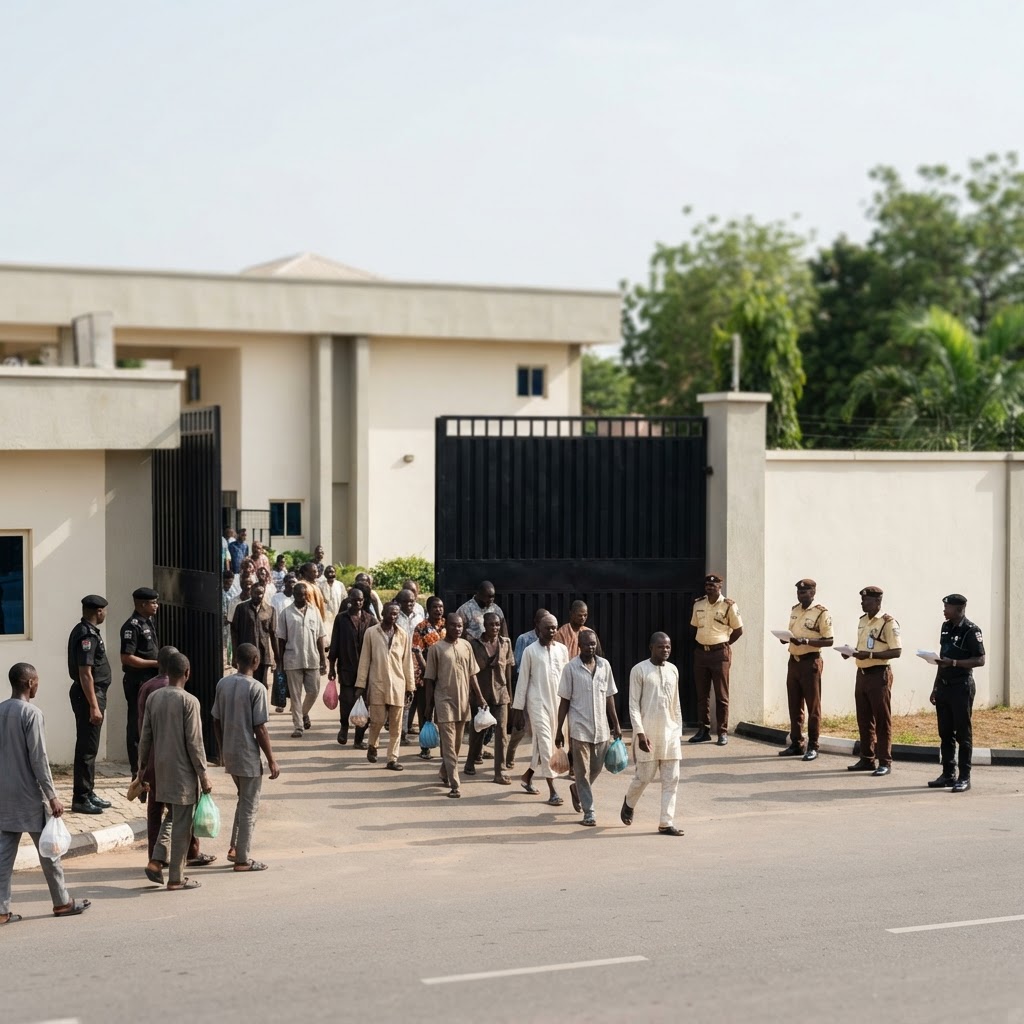
Tinubu Orders Release of 78 Suspects in Convoy Attack
A single Friday afternoon in Abuja turned into a national talking point. News that President Tinubu Orders Release of 78 Suspects Arrested Over Attack on His Convoy in Abuja quickly spread across radio, television, and social media. For many Nigerian families, the story raised fresh questions about ...
Imo LG Election Delays Spark Concerns for Democracy
Imo State's local government elections have been postponed again, leaving residents frustrated and confused. This latest delay raises urgent questions about the credibility of the entire Imo LG election cycle. Imo LG Elections Postponed Again: Why ISIEC's Repeated Changes Are Raising Questions About...

Can AI Tools Improve Student Exam Results in Nigeria?
Imagine a secondary school student in Benin City completing six weeks of guided digital practice and gaining two years' worth of learning. That scenario is not hypothetical anymore. Can AI Tools Improve Student Exam Results in Nigeria? Early evidence from classrooms across the country suggests the a...

Seplat and Obi-Mbieri: Five Questions the Community Needs Answers to After the Commissioner's Directive
The question of who legitimately represents Obi-Mbieri Autonomous Community in its dealings with Seplat Energy PLC has once again come into focus following a significant intervention by the Imo State Government.
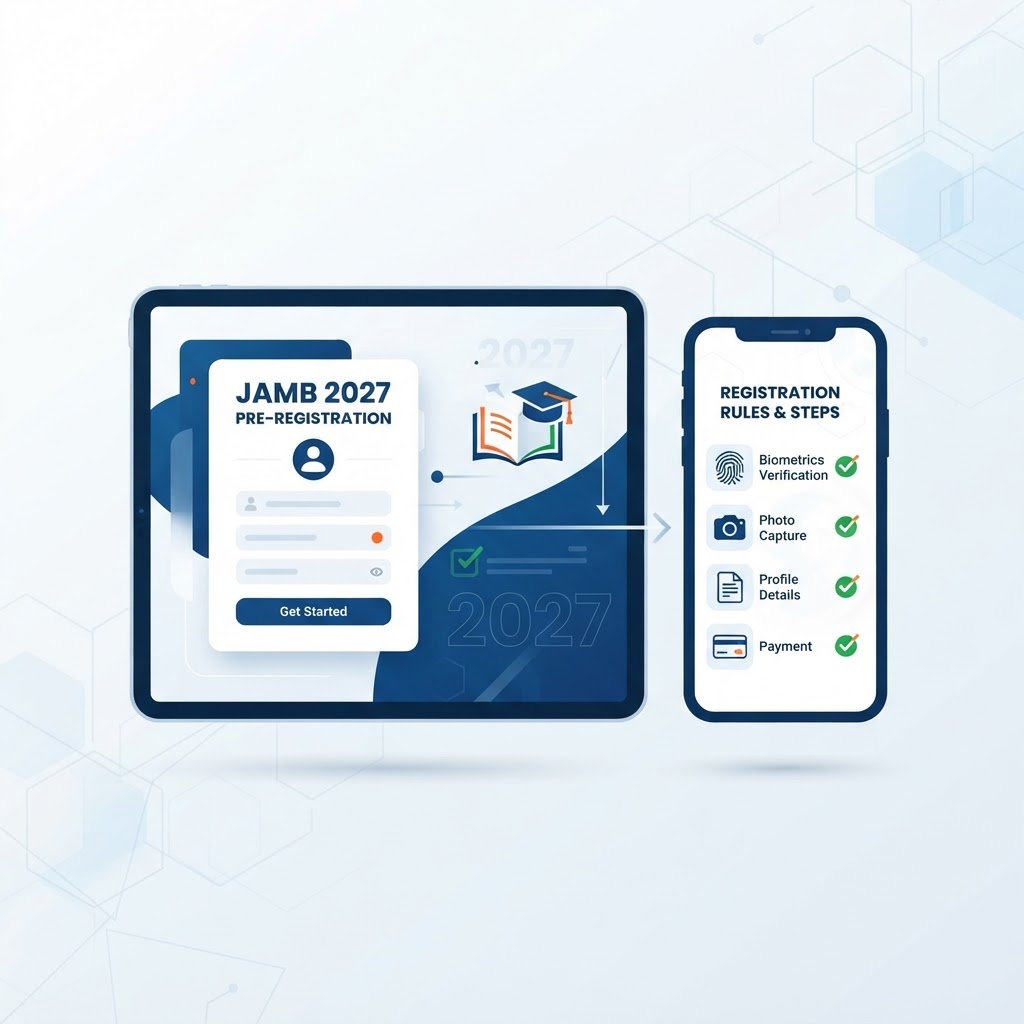
JAMB Unveils 2027 UTME Pre-Registration App and Rules
Nigerian households are bracing for one of the most significant exam reforms in recent memory. For years, UTME registration has meant long queues, biometric delays and confusion over subject combinations. That era is ending, and the shift begins in earnest with 2027 UTME. The 2027 UTME: JAMB Introdu...

Imo Local Government Elections Set for Today
Imo State stands at a democratic crossroads this week. Residents across the state are heading to polling units with hope and renewed civic energy. The headline reads clearly: Imo Local Government Elections Hold Today: 27 LGAs, 305 Wards in Focus, and the outcome will shape grassroots governance for ...

Nigeria Raises ₦1.2 Trillion to Clear Power Sector Debts
Nigeria's power sector is at a turning point. Nigeria's Electricity Sector: FG Raises ₦1.2 Trillion to Clear Power Generation Debts marks one of the boldest financial interventions in the industry's recent history. For families budgeting for electricity bills and entrepreneurs running small business...

Understanding Heart Health and Cardiovascular Disease
Hypertension and heart disease often work silently, yet they shape life expectancy across Nigeria. This feature on Heart Health Matters: Understanding Hypertension, High Cholesterol, Stroke and Heart Disease breaks down the science, the risks and the practical steps families can take today to protec...
INEC Chairman Denies Running Pro-Tinubu Account
Nigerians are once again debating leadership credibility at the electoral commission. A fresh controversy has triggered widespread conversation across social media platforms and newsrooms nationwide. At the center of it all, INEC Chairman Amupitan Denies Operating Pro-Tinubu Social Media Account, a ...