Powered by Obi Mbieri Independent Media Ltd · eziokwubundu.com
$1 = ₦1,331€1 = ₦1,526£1 = ₦1,780Kenya Overtakes Nigeria as Africa's Top M&A Market by Value in H1 2026
Kenya has overtaken Nigeria as Africa's leading market for mergers and acquisitions by deal value in the first half of 2026. New data from DealMakers Africa reveals a dramatic shift in the continent's investment landscape — one that carries serious implications for Nigerian businesses, entrepreneurs...

Kenya has overtaken Nigeria as Africa's leading market for mergers and acquisitions by deal value in the first half of 2026. New data from DealMakers Africa reveals a dramatic shift in the continent's investment landscape — one that carries serious implications for Nigerian businesses, entrepreneurs, families, and the broader West African economy. While Nigeria still records more individual transactions than any other African nation, the size of those deals has shrunk to historic lows, exposing structural vulnerabilities that demand honest analysis and urgent action. This article breaks down what happened, why it matters, and what Nigerians at every economic level can do about it.
What Happened to Nigeria's M&A Dominance?
The Dramatic Shift from West to East Africa in H1 2026
The headline numbers are stark. According to the DealMakers Africa H1 2026 report, Kenya overtook Nigeria as Africa's top M&A market by deal value, recording a staggering 671 percent year-on-year increase in total deal value to $1.44 billion. Kenya vaulted five places from its sixth-position ranking in H1 2025, leaping straight to the continental summit in a single reporting period.
Nigeria's performance, by contrast, represents a near-collapse. Total deal value fell by 88.9 percent year-on-year to approximately $105.8 million — its weakest first-half performance in nearly a decade. That is not a seasonal dip or a statistical anomaly. It is a structural signal that Nigeria's grip on the continent's top investment position has loosened significantly.
Nigeria held the top spot in Africa's M&A market four times in the last six years, cementing Lagos's reputation as the continent's commercial capital. This reversal does not erase that legacy, but it does mark a genuine turning point that policymakers, business leaders, and investors cannot afford to dismiss.
Why Does Deal Value Matter More Than Volume?
Transaction Count vs. Capital Inflow for Nigeria
Nigeria recorded 39 individual M&A transactions in H1 2026 — the highest deal volume on the entire African continent. Kenya managed just 25 transactions. On the surface, Nigeria looks busier. But volume without value tells a misleading story.
Kenya's 25 deals attracted eight times more capital than Nigeria's 39. That ratio captures the true competitive gap. When institutional investors — pension funds, private equity houses, sovereign wealth vehicles, and multinational strategics — decide where to deploy serious capital, they are not looking for the most transactions. They are looking for environments where large-scale commitments can be safely structured, valued, and exited.
Nigeria's high volume but low value signals what analysts describe as a "smaller business" trend: dealmakers are still active, still transacting, but systematically avoiding the large-ticket acquisitions that generate the biggest economic multipliers. A $500 million deal creates a fundamentally different economic footprint than fifty $10 million deals, both in terms of job creation potential and the downstream confidence effect it signals to other investors watching from the sidelines.
This divergence reflects a broader shift across the African investment landscape. Capital is increasingly flowing toward markets perceived as stable, predictable, and legally transparent — environments where valuation risk is manageable and where currency exposure does not erode investment returns before a deal even closes.
How Did Kenya Achieve 671% Growth in Deal Value?
Banking Consolidation and Fintech Powering Nairobi
Kenya's ascent is not accidental. It has been driven by a combination of strategic mega-deals, financial sector consolidation, and a diversifying investment base that stretches well beyond traditional industries.
The single most consequential transaction was Nedbank's proposed $855 million acquisition of a 66 percent stake in NCBA Group, which ranked as the second-largest M&A deal on the African continent in Q1 2026. A single transaction of that magnitude, in a market Kenya's size, is transformational. It signals that sophisticated institutional capital views Nairobi-listed financial assets as credibly valued, liquid enough to price, and safe enough to commit at scale.
Beyond banking, Kenya's deal environment has been strengthened by financial sector consolidation. KCB Group's acquisition of Riverbank Solutions to accelerate its digital banking capabilities illustrates how Kenya's financial institutions are actively deploying capital to future-proof their platforms — a sign of a sector in expansion mode rather than survival mode.
Kenya has also emerged as a magnet for energy transition and climate technology investment. Companies like d.light and M-Kopa have secured significant growth-stage funding, differentiating the East African market with a diversified deal pipeline that includes both traditional financial services and cutting-edge green-tech. This mix of established banking M&A and new-economy investment makes Kenya's position more durable than a single-deal surge might suggest.
What Is Cooling Investor Sentiment in Nigeria?
FX Risk, Tax Reform, and the 2027 Election Effect
Nigeria's M&A slowdown is the product of multiple overlapping headwinds, each individually manageable but collectively corrosive to big-deal confidence.
Foreign exchange risk is the most immediate constraint. The naira's ongoing volatility makes Nigerian assets genuinely difficult to value for international institutional investors. When the currency in which an asset earns revenue is moving significantly against the dollar or euro, the risk-adjusted return calculation changes fundamentally. Buyers lower their offer prices; sellers refuse to accept the discount. That valuation gap — a persistent feature of distressed currency environments — is one of the primary reasons large transactions are stalling.
Tax reform adds another layer of complexity. Nigeria's new tax regime, which expands exposure to indirect offshore disposals where value is derived from Nigerian assets, has introduced legal uncertainty into deal structures that previously relied on offshore holding arrangements. Experienced dealmakers and their legal counsel must now navigate additional compliance layers before committing capital, and in M&A, uncertainty almost always translates to delay or abandonment.
The upcoming 2027 general election cycle is perhaps the most significant structural factor. As Nigeria's political landscape grows more complex ahead of the elections, large international investors typically adopt a wait-and-see posture. Policy continuity risk — the possibility that a change in government could alter regulatory frameworks, tax policies, or contract conditions — is priced heavily into long-term capital commitments in pre-election periods.
Featured Products
Chukwu Abiama Tee
Bold black-and-gold Igbo-pride T-shirt featuring 'Chukwu Abiama' in premium streetwear typography.
₦15,000
Buy NowReverse Type 2 Diabetes & other associated Metabolic Issues using Dr. Jason Fung's Evidence-Based Approach— FMD program for Type 2 Diabetes
A practical fasting and fasting-mimicking programme built on Dr Jason Fung's insulin-resistance principles and ow-glycemic recipes.
₦19,950
Join NowỤmụ Igbo Tee
Classic black T-shirt with bold white 'Ụmụ Igbo' typography — a proud statement of Igbo heritage.
₦15,000
Buy NowNwanne Tee
Washed khaki vintage tee with a faded rust-orange 'Nwanne' stamp badge and palm leaf motif — a nod to kinship and heritage.
₦18,000
Buy NowObodo Tee
Faded denim-blue washed tee with a cream 'Obodo' stamp badge and sun motif, celebrating community roots.
₦18,000
Buy NowEkwe Heritage Tee
Deep indigo tee featuring a fine line-art illustration of a traditional Igbo ekwe drum, inspired by Igbo-Ukwu bronze artistry.
₦18,000
Buy NowIkenga Figure Tee
Forest green tee with a fine line-art illustration of a stylized Ikenga figure.
₦18,000
Buy NowHow Does This Shift Affect Nigerian Families?
Foreign Investment, Jobs, and the Middle Class
The connection between national M&A performance and the daily financial reality of Nigerian families is direct, even if it is not always visible. When big-ticket investment deals slow down, the economic consequences ripple outward in ways that affect household income, job availability, and the quality of services that middle-class Nigerians rely on.
Fewer large-scale acquisitions mean fewer capital injections into manufacturing, logistics, infrastructure, and financial services — sectors that generate formal employment at scale. A foreign strategic investor acquiring a Nigerian manufacturer at a meaningful premium typically signals a commitment to expansion, modernisation, and workforce growth. Without those transactions, the expansion pipeline narrows.
There is also a real risk that Nairobi displaces Lagos as the preferred regional headquarters city for multinational corporations and international banks. If global companies begin routing their African operations through Kenya rather than Nigeria, the high-quality professional jobs, banking partnerships, and service sector opportunities that come with regional hub status will migrate eastward. For middle-class Nigerian professionals and young graduates, that represents a genuine contraction in opportunity.
As the grassroots economic realities of Nigerian communities remind us, what looks like an abstract financial headline at the macro level is a lived economic reality at the household level. The wealth pillar of Nigeria's development story is inseparable from the investment climate that shapes it.
How Can Nigerian Entrepreneurs Build Resilience Now?
Practical Prosperity in a High-Risk Economy
When external capital contracts, the businesses that survive and grow are those that have built internal strength. For Nigerian entrepreneurs navigating this period of investor caution, the priority must shift from chasing venture funding to optimising core business performance and building sustainable earnings growth.
The Nigerian banking sector's own evolution offers a useful model. Banks that have invested in digital infrastructure, improved asset quality, and diversified revenue streams are better positioned to weather volatility than those that relied on foreign capital inflows. Entrepreneurs across every sector can apply the same logic: build the fundamentals that make a business investable on its own terms, so that when external capital returns, it finds a stronger asset to back.
Community-based development and traditional values of collective trust remain powerful competitive tools in a volatile market. Nigerian consumers reward businesses that demonstrate accountability and genuine community investment — a brand trust that international competition cannot easily replicate. For actionable guidance on establishing a resilient business foundation, resources like how to start a business in Imo State provide practical, locally grounded frameworks.
On a personal investment level, asset diversification — spreading exposure across naira-denominated and hard-currency instruments — and staying informed on Nigeria's evolving oil revenue and accountability landscape are critical steps for protecting household wealth against further currency depreciation.
Can Nigeria Reclaim Its Top Investment Position?
The Roadmap to Restoring Confidence by 2027
Nigeria's structural investment case remains compelling at its foundation. The country's infrastructure gap — enormous as it is — represents a vast pipeline of potential deals in power, transport, digital connectivity, and housing. A rising middle class of over 80 million people represents a consumer market that no serious pan-African investor can permanently ignore. These long-term demand drivers do not disappear because of a single bad half-year in M&A data.
The path back to the top of Africa's M&A rankings runs through three corridors: currency stability, regulatory clarity, and political predictability. Naira stabilisation is the most urgent lever. A credible, sustained currency policy that closes the valuation gap between buyers and sellers would immediately re-open conversations on large-ticket deals that are currently in indefinite pause.
Clear, consistent regulatory frameworks — including transparent implementation of the new tax regime — would remove the legal uncertainty that is currently adding cost and delay to deal structuring. And as the 2027 election cycle approaches, the government's ability to signal policy continuity and institutional stability will be closely watched by institutional investors making multi-year capital commitments. Nigeria has done it before. The structural case for doing it again is not in doubt — but the execution timeline is.
Why This Is a Wake-Up Call for All of Africa
Health, Wealth, and Community in the Balance
Nigeria's M&A reversal is not merely a financial statistic. It is a signal about governance, institutional trust, and the conditions that enable communities to prosper. At Eziokwubundu, the health–wealth–community triangle is not an abstract framework. It is a practical reality: economic instability creates stress, reduces household income, limits access to quality healthcare, and strains the community bonds that hold families and neighbourhoods together. The rising health pressures on young Nigerians are themselves partly a product of economic precarity and inadequate investment in public health infrastructure.
Interpreting Kenya's rise through an African-centred lens means resisting the temptation to frame this as a story of national competition. It is instead a lesson in what becomes possible when currency policy is credible, institutions are trusted, and regulatory frameworks support rather than complicate legitimate commerce. Nigeria can learn from that model without diminishing its own potential.
Individual prosperity in Nigeria has always been entwined with collective economic governance. The citizens and professionals who follow data like the DealMakers Africa report, who advocate for better policy environments, and who build businesses rooted in community trust are not passive observers of Nigeria's investment story. They are its co-authors. This moment of reckoning is also a moment of opportunity — for those with the knowledge, the resolve, and the community solidarity to act on it.
Sources: DealMakers Africa H1 2026 Report; Business Daily Africa; African Business Magazine; Stears Business
Stay Informed
Get New Articles in Your Inbox
Subscribe to receive the latest community development, health, and wealth insights from Eziokwubundu.
Newsletter
Practical insights on health, wealth, and community — delivered weekly.
Community Discussion(0)
Leave a Comment
More to Read
You May Also Like
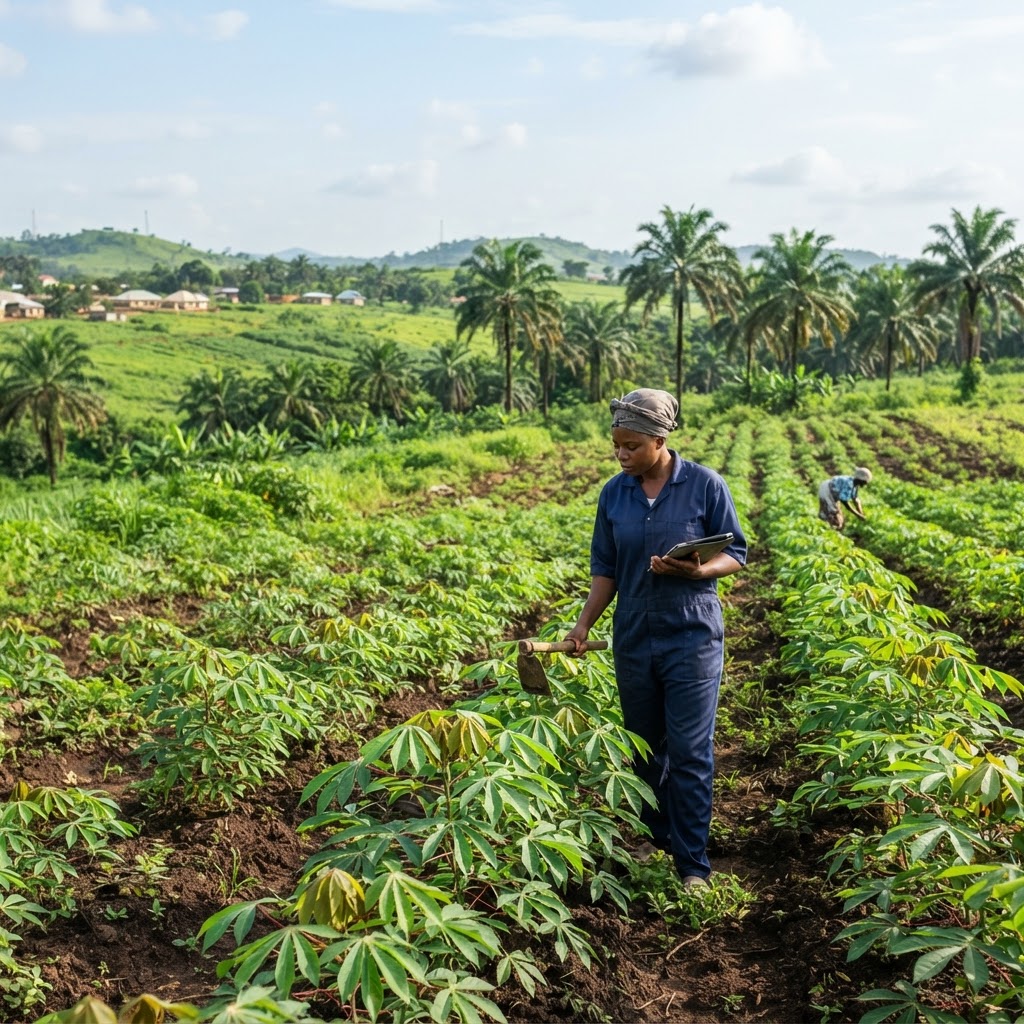
Imo’s ₦61bn Question: Tracking Agricultural Funding
Nigeria's farmers just received a fresh reason to hope—and to ask hard questions about agricultural funding. A new Germany-funded agricultural project has disbursed ₦61bn nationwide, and it reignites Imo's ₦61bn Question: How Much of Nigeria's Agricultural Financing Is Reaching Imo. For families in ...

Economic Pressure Drives Employers Toward Commission-Based Pay
Nigeria's labor market is undergoing a quiet but profound transformation. Across Lagos boardrooms, Abuja offices, and Aba trading floors, a growing number of employers are restructuring compensation packages — moving away from the predictability of fixed monthly salaries toward commission-based pay ...
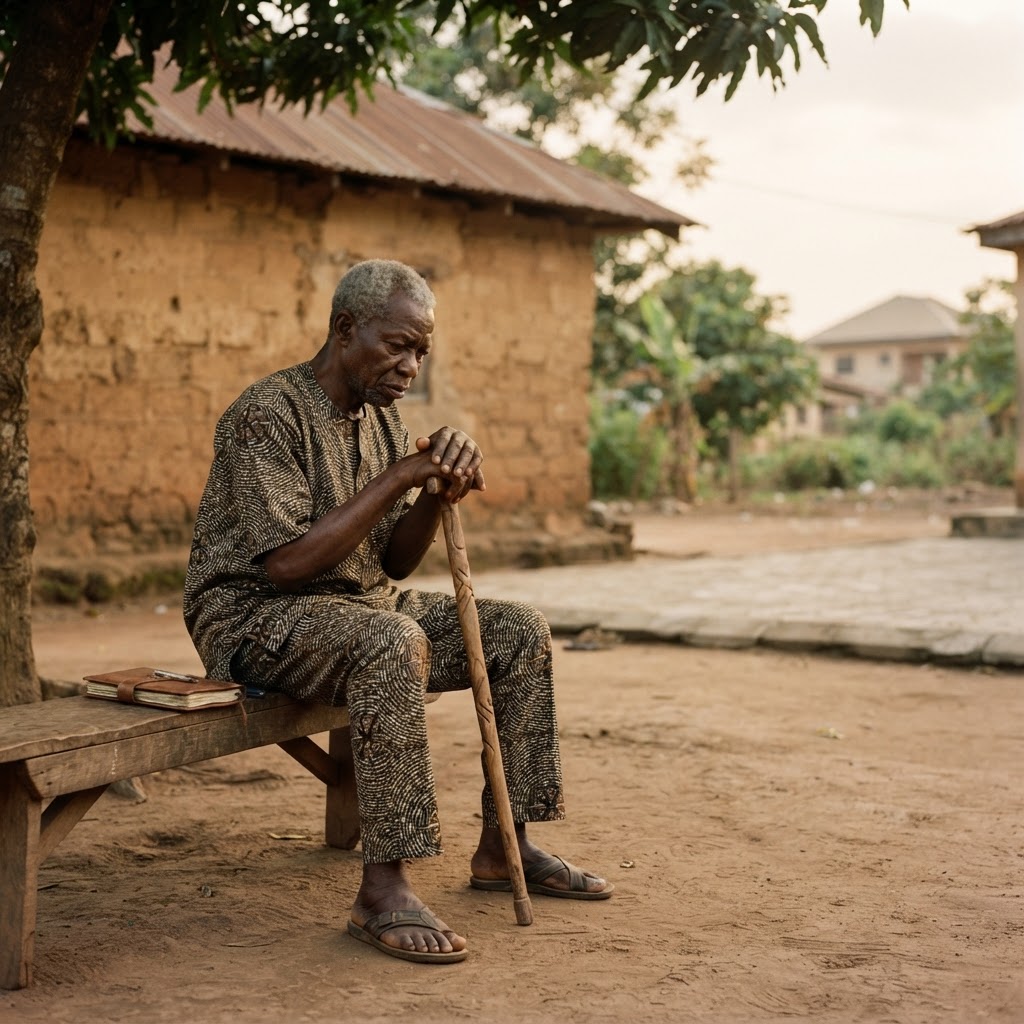
48 Months Without Full Pension Payments: Imo Pensioners
Retirement should bring peace, not financial anxiety. Yet across Imo State, thousands of elderly civil servants say their golden years have turned into a struggle for survival. The situation described in "48 Months Without Full Pension Payments: Imo Pensioners Demand Answers" reflects a deepening cr...
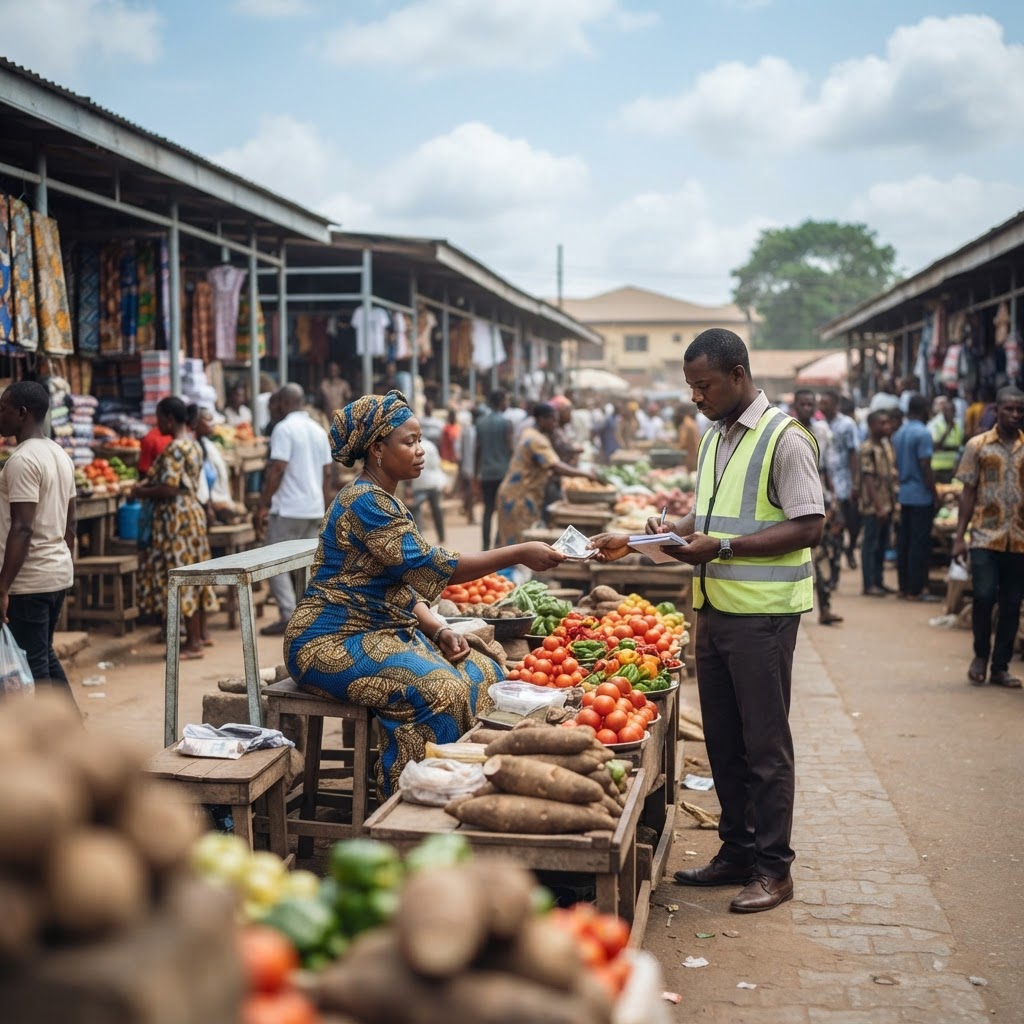
Imo Markets: What Fees Are Traders Paying and Who Collects Them?
For thousands of traders operating daily across Imo State's bustling markets — from Relief Market in Owerri to the Naze Timber and Allied Traders Market — paying levies is an unavoidable cost of doing business. But in 2026, a more urgent question is emerging from beneath the noise of commerce: exact...

Unapproved Orphanages in Nigeria: How Safe Are Children in Private Care Homes?
Across Nigeria, thousands of children live in private care homes that operate outside the law. Some are run by well-meaning individuals overwhelmed by the scale of child poverty. Others are driven by profit, exploiting the image of vulnerable children to attract foreign donations while providing sub...

How to Access CBN Small Business Loans
Access to affordable financing remains one of the most persistent barriers to entrepreneurial growth in Nigeria. For millions of small business owners operating in a landscape defined by high commercial lending rates — often ranging between 25% and 30% per annum — the Central Bank of Nigeria's inter...
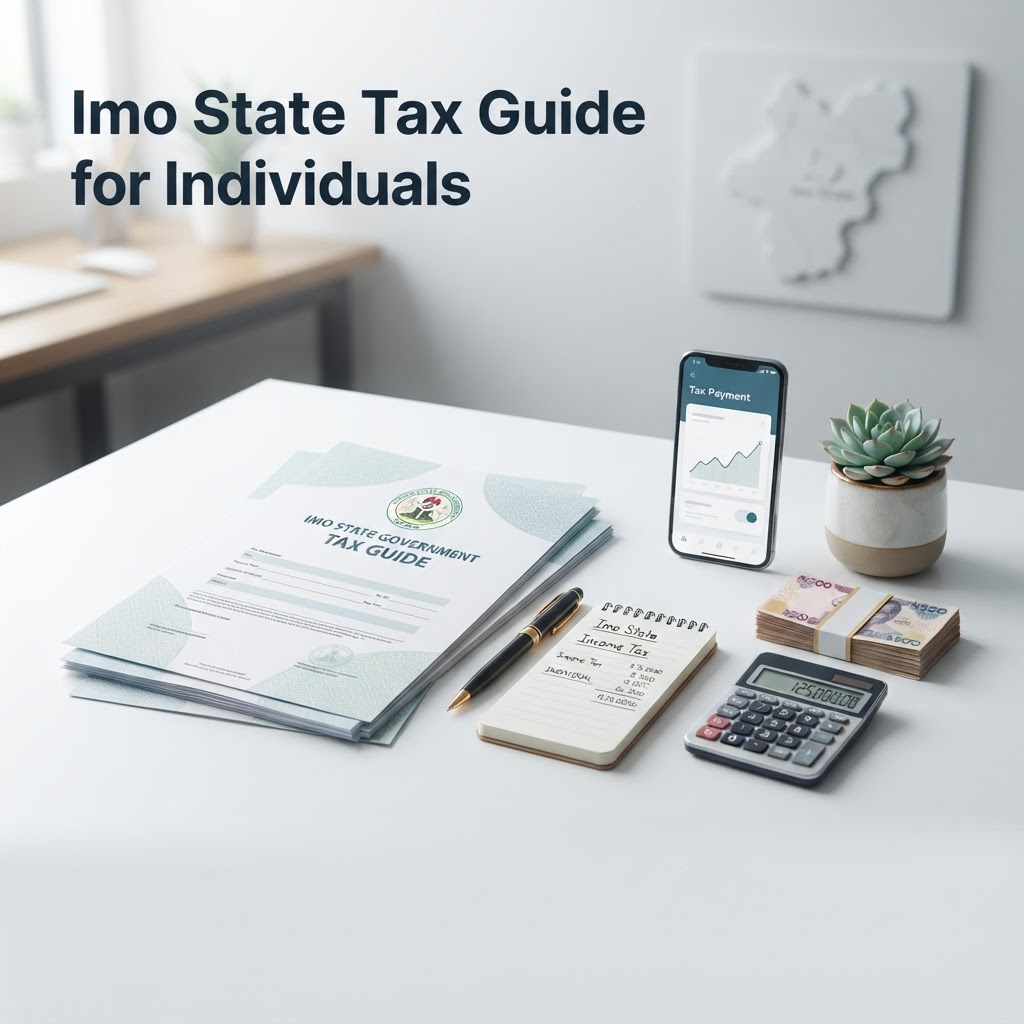
Imo State Tax Guide for Individuals
Taxation is one of the most direct ways that individuals participate in the development of their communities. Yet for many residents of Imo State, the process of understanding, registering, and filing taxes remains confusing, intimidating, or simply unfamiliar. This guide is designed to change that....
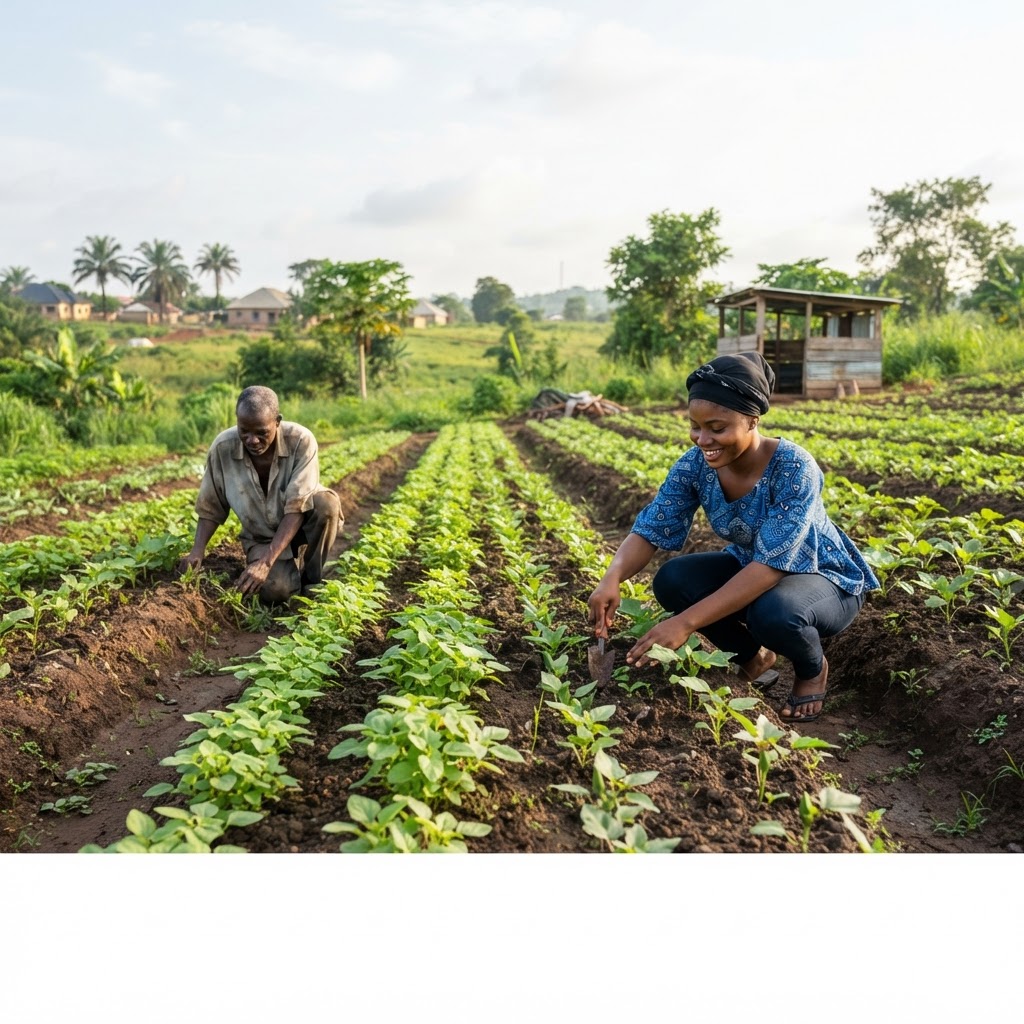
How to start vegetable farming with small capital Nigeria
Vegetable farming is one of the most accessible and consistently profitable agricultural ventures available to Nigerians today. Whether you are a young graduate seeking a sustainable livelihood, a household looking to reduce food costs, or an entrepreneur exploring low-risk entry points into agricul...

Building Wealth with Ajo and Esusu
The journey to financial independence in Nigeria does not always require a bank loan or a complex stock portfolio. For centuries, our ancestors utilized communal structures to fund life’s greatest milestones. From the bustling markets of Lagos to the quiet villages of the southeast, Ajo and Esusu ha...

KoboTutor: How a Nigerian EdTech Platform Is Bringing Personalised Learning to Students
Nigeria's education sector stands at a crossroads. With over 13 million out-of-school children and chronic underfunding in public education, the pressure on students who do attend school is immense. For the millions sitting JAMB, WAEC, and NECO examinations each year, the stakes could not be higher....