Powered by Obi Mbieri Independent Media Ltd.
$1 = ₦1,353€1 = ₦1,486£1 = ₦1,775How to Access CBN Small Business Loans
Access to affordable financing remains one of the most persistent barriers to entrepreneurial growth in Nigeria. For millions of small business owners operating in a landscape defined by high commercial lending rates — often ranging between 25% and 30% per annum — the Central Bank of Nigeria's inter...
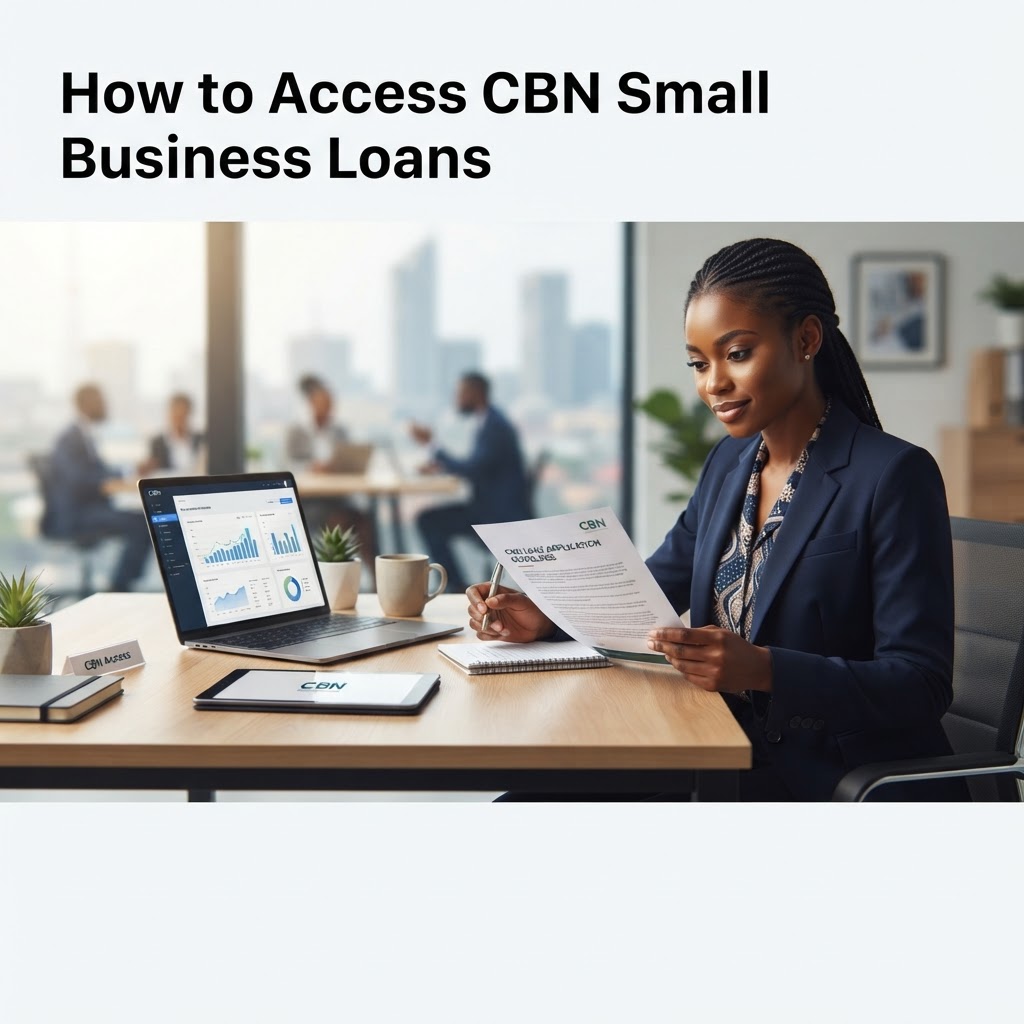
Access to affordable financing remains one of the most persistent barriers to entrepreneurial growth in Nigeria. For millions of small business owners operating in a landscape defined by high commercial lending rates — often ranging between 25% and 30% per annum — the Central Bank of Nigeria's intervention loan schemes represent a genuine lifeline. These programs exist to channel low-cost capital directly to micro, small, and medium enterprises (MSMEs), enabling them to expand, hire, and contribute meaningfully to Nigeria's economic transformation.
This guide is designed to walk Nigerian entrepreneurs, youth professionals, and community business owners through everything they need to know about CBN small business loans — from understanding which schemes exist, to determining eligibility, to submitting a competitive application. Whether you are an agribusiness operator in Imo State, a creative industry professional in Lagos, or a woman-owned enterprise in any Nigerian state, the information here will help you navigate the process with clarity and confidence.
Why Consider CBN Intervention Loans?
Bridging the MSME Financing Gap
The CBN's intervention funds are not simply handouts — they are strategically designed instruments of development finance intended to correct a fundamental market failure. Commercial banks in Nigeria consistently cite high risk perceptions and inadequate collateral as reasons for excluding small businesses from their loan portfolios. As a result, MSMEs — which account for approximately 96% of businesses in Nigeria and contribute nearly 48% of the national GDP, according to the Small and Medium Enterprises Development Agency of Nigeria (SMEDAN) — remain chronically underfinanced.
CBN intervention loans address this gap by offering interest rates between 5% and 9% per annum, compared to the 25–30% charged by most commercial banks. This difference is not marginal. For a business borrowing ₦2 million, the annual interest savings can exceed ₦400,000 — capital that can instead be reinvested in stock, equipment, or additional labour.
Beyond individual businesses, the ripple effect of accessible capital is deeply communal. When a small enterprise scales, it creates employment for neighbors, generates local tax revenue, and strengthens the social fabric of its community. This is the "Health + Wealth + Community" principle in practice: individual economic empowerment directly feeds collective resilience. Nigeria's growing shift from white-collar job dependency toward entrepreneurship makes this kind of development finance a cornerstone of any credible national prosperity strategy.
What CBN Loan Schemes Exist for SMEs?
Key Programs Every Entrepreneur Should Know
The CBN administers several intervention programs, each targeting a specific segment of the MSME ecosystem. Understanding the distinctions between them is essential before applying.
MSME Development Fund (MSMEDF) Established in 2013, the MSMEDF is one of the CBN's most significant intervention instruments. It operates on a 50:50 allocation ratio — half of disbursed funds is directed at micro-enterprises, while the remaining half targets small and medium enterprises. A notable feature of the MSMEDF is its deliberate inclusion policy: 60% of the micro-enterprise component is ring-fenced for women entrepreneurs, and persons with disabilities are also given special consideration. Interest rates under this scheme are set at a maximum of 9% per annum for end-borrowers, with participating financial institutions required to lend at concessionary rates.
Agribusiness/Small and Medium Enterprise Investment Scheme (AGSMEIS) AGSMEIS was introduced in 2017 with the active support of the Bankers' Committee to address Nigeria's agricultural financing gap and support agribusiness value chains. Under this scheme, Nigerian banks contribute 5% of their profit after tax annually into a dedicated fund managed by the CBN. Loans are available at 5% interest per annum, with a maximum tenure of seven years and a moratorium of up to 18 months on principal repayment. Crucially, AGSMEIS also mandates that beneficiaries undergo entrepreneurship training through CBN-accredited training institutions before funds are released — a requirement designed to improve business management capacity and reduce default rates. If you are interested in agricultural ventures, our guide on how to start vegetable farming with small capital Nigeria provides complementary practical insight.
Creative Industry Financing Initiative (CIFI) Launched in 2019, CIFI targets Nigeria's booming creative sector — including Nollywood, fashion, music, and information technology. It offers single-digit interest rates and flexible collateral requirements, acknowledging that creative entrepreneurs often lack the physical assets demanded by traditional lenders.
Tertiary Institutions Entrepreneurship Scheme (TIES) TIES is a youth-focused program specifically designed for recent graduates of Nigerian universities and polytechnics. It provides funding and business development support to young entrepreneurs between the ages of 21 and 35, helping translate academic knowledge into viable enterprise. For context on how education and enterprise intersect in Nigeria, the story of KoboTutor: how a Nigerian EdTech platform is bringing personalised learning to students reflects the same entrepreneurial momentum TIES is designed to support.
How Do You Qualify for These Loans?
Eligibility Criteria Explained Clearly
Before submitting any application, you must verify that your business meets the baseline eligibility requirements set by the CBN, SMEDAN, and the Bank of Industry (BOI).
MSME Classification Standards Under the SMEDAN/National Bureau of Statistics (NBS) MSME Survey framework, businesses are categorized as follows: micro-enterprises employ fewer than 10 people and have assets below ₦10 million (excluding land and buildings); small enterprises employ between 10 and 49 people with assets between ₦10 million and ₦100 million; medium enterprises employ 50 to 199 people with assets between ₦100 million and ₦1 billion. Your classification determines which scheme component you are eligible for.
Formal Business Structure A common disqualifier is the absence of formal business registration. All CBN loan applicants must be registered with the Corporate Affairs Commission (CAC). If you have not yet formalised your business, our article on how to register a business in Imo provides a step-by-step guide that is applicable across Nigerian states. A dedicated business bank account — separate from personal finances — is also mandatory. Mixing personal and business transactions is one of the fastest ways to undermine your credibility with lenders.
Featured Products
Reverse Type 2 Diabetes & other associated Metabolic Issues using Dr. Jason Fung's Evidence-Based Approach— FMD program for Type 2 Diabetes
A practical fasting and fasting-mimicking programme built on Dr Jason Fung's insulin-resistance principles and ow-glycemic recipes.
₦19,950
Join NowChukwu Abiama Tee
Bold black-and-gold Igbo-pride T-shirt featuring 'Chukwu Abiama' in premium streetwear typography.
₦15,000
Buy NowỤmụ Igbo Tee
Classic black T-shirt with bold white 'Ụmụ Igbo' typography — a proud statement of Igbo heritage.
₦15,000
Buy NowNwanne Tee
Washed khaki vintage tee with a faded rust-orange 'Nwanne' stamp badge and palm leaf motif — a nod to kinship and heritage.
₦18,000
Buy NowObodo Tee
Faded denim-blue washed tee with a cream 'Obodo' stamp badge and sun motif, celebrating community roots.
₦18,000
Buy NowEkwe Heritage Tee
Deep indigo tee featuring a fine line-art illustration of a traditional Igbo ekwe drum, inspired by Igbo-Ukwu bronze artistry.
₦18,000
Buy NowIkenga Figure Tee
Forest green tee with a fine line-art illustration of a stylized Ikenga figure.
₦18,000
Buy NowYouth and Special Category Requirements For TIES and youth-specific components of other schemes, applicants must typically be between 21 and 40 years of age. For AGSMEIS micro-enterprise funding, the CBN requires applicants to be "economically active" — meaning they are engaged in a viable income-generating activity, not simply applying speculatively. Proof of business activity, such as sales records, supplier invoices, or evidence of operational premises, significantly strengthens an application.
What Is the Step-by-Step Application Process?
From Documentation to Disbursement
Understanding the application pathway is critical to avoiding wasted effort and falling prey to fraudulent intermediaries who exploit applicants' lack of information.
Step 1: Identify the Right Scheme Begin by visiting the official CBN website at https://www.cbn.gov.ng to review current active intervention programs. Schemes open and close based on funding cycles, so confirm availability before proceeding.
Step 2: Approach a Participating Financial Institution (PFI) CBN intervention funds are not disbursed directly by the CBN to individuals. Instead, they flow through Participating Financial Institutions (PFIs), which include designated commercial banks, microfinance banks, and development finance institutions. NIRSAL Microfinance Bank (NIRSAL MFB) has become one of the most prominent conduits for retail-level disbursement, particularly for AGSMEIS. Visit https://www.nirsal.com to access official application portals and PFI lists.
Step 3: Prepare Your Documentation A complete application typically requires: a detailed business plan (including market analysis, financial projections, and a clear repayment strategy); the last 12 months of bank statements; CAC registration certificates; valid means of identification (NIN, International Passport, or Driver's Licence); a Tax Identification Number (TIN) — for guidance, consult the Imo State Tax Guide for Individuals; and two utility bills or proof of business address.
Step 4: Attend Mandatory Training (Where Required) Under AGSMEIS and certain other schemes, applicants must complete an entrepreneurship development programme at a CBN-accredited training institute. A list of accredited institutions is available at https://www.cbn.gov.ng/devfinancedept/AGSMEIS.asp.
Step 5: Submit and Follow Up Through Official Channels Submit all documents through your chosen PFI or via the NIRSAL MFB online portal. Avoid paying any third-party "loan agents" or facilitators who promise guaranteed approvals — this is a red flag for fraud. The CBN's Consumer Protection Department at https://www.cbn.gov.ng/cpd handles complaints related to fraudulent loan schemes.
Why Are Applications Rejected — and How Do You Stand Out?
Practical Strategies for Loan Approval
The demand for CBN intervention loans consistently outpaces the available supply of funds. In several disbursement cycles for AGSMEIS, for instance, the volume of applications has exceeded allocated capital by multiples of three or more. In this competitive environment, the quality of your application is the decisive variable.
The most common reasons for rejection include: incomplete or inconsistent documentation; a business plan that lacks a credible financial model or repayment strategy; failure to align the proposed use of funds with the specific objectives of the chosen scheme; and poor or non-existent financial records. Lenders assess risk, and a business that cannot demonstrate how it earns, spends, and repays is simply not bankable — regardless of intent.
To improve your chances, adopt a "Practical Prosperity" mindset: treat your business finances with rigor from day one. Maintain accurate bookkeeping using tools like QuickBooks, Wave, or even structured spreadsheets. Document every transaction. File your taxes through the FIRS at https://www.firs.gov.ng to build a clean compliance record.
Beyond financials, demonstrating community impact strengthens your application narrative. A proposal that articulates how your business will create employment, support local supply chains, or address a specific community need resonates with the developmental mandate of CBN intervention schemes. This is precisely the kind of evidence-based, community-first thinking that separates funded applications from rejected ones.
Conclusion
Accessing CBN small business loans requires preparation, formal business structure, and a clear understanding of which scheme suits your enterprise. The opportunities are real — but they reward those who invest time in documentation, financial discipline, and strategic alignment with program objectives.
Nigeria's economic transformation will not be driven by dependency on government employment. It will be built by informed entrepreneurs who understand their financing options and pursue them with purpose. The CBN's intervention loan ecosystem is one of the most powerful tools available to that generation of builders. Use it wisely.
Stay Informed
Get New Articles in Your Inbox
Subscribe to receive the latest community development, health, and wealth insights from Eziokwubundu.
Newsletter
Practical insights on health, wealth, and community — delivered weekly.
Community Discussion(0)
Leave a Comment
More to Read
You May Also Like
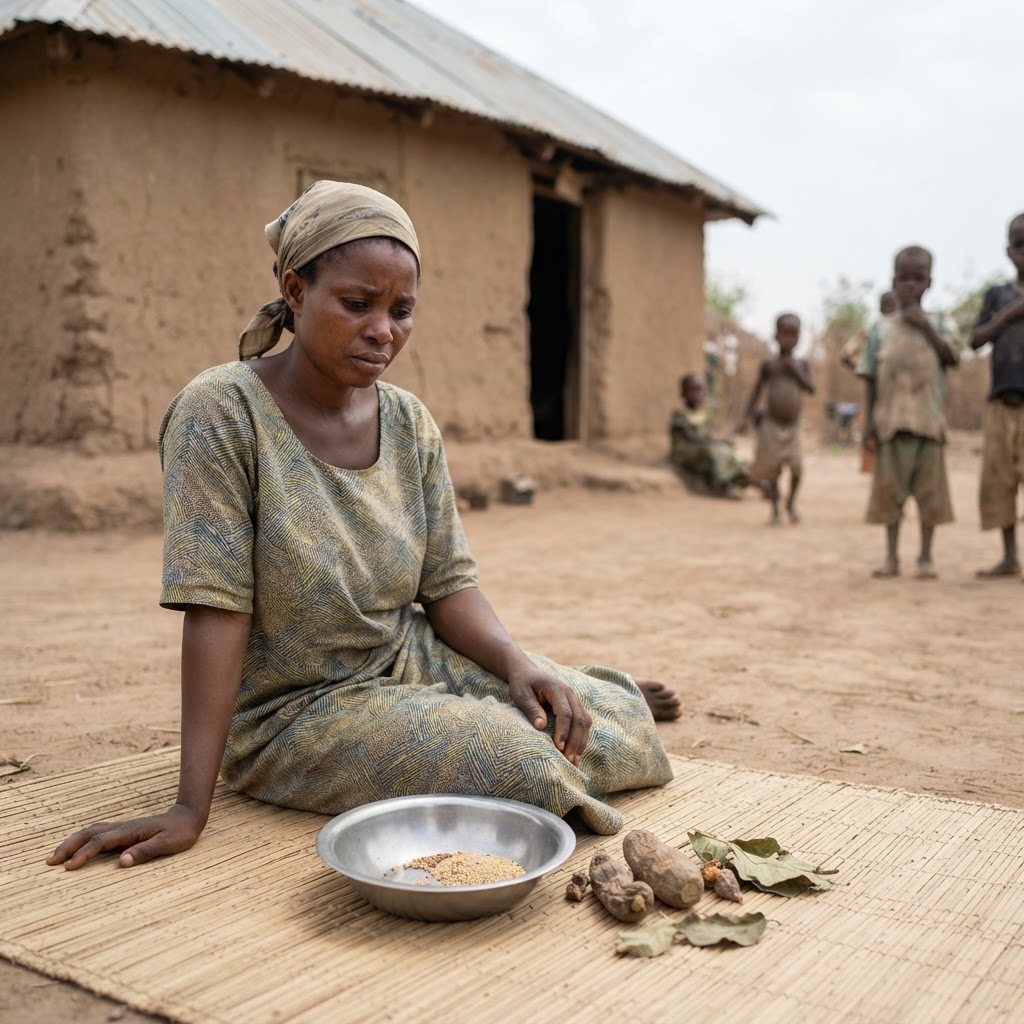
36.3 Million Nigerians Face Acute Food Crisis
Hunger is spreading faster than many expected across Nigeria this year. New humanitarian data reveals that 36.3 Million Nigerians Face Acute Food Crisis conditions, a number that should alarm every family, policymaker, and community leader. This is not a distant statistic. It is a lived reality shap...

Seplat Aku-01 Discovery: Benefits for Obi-Mbieri
Imagine a small Imo State community suddenly linked to a 157-billion-cubic-feet gas discovery. That is the reality facing Obi-Mbieri today. This piece on Seplat's Aku-01 Discovery: What Concrete Benefits Should Obi-Mbieri Expect? breaks down what this find could mean for everyday residents, local bu...

Budget-Friendly Healthy Meal Prepping for Nigerians
Modern Nigerian families face the dual pressure of rising food prices and the need for better health outcomes. Learning how Nigerian families can(/article/nigerian-family-guide-to-reversing-type-2-diabetes) use meal prepping with local ingredients to eat healthy on a tight budget is a vital skill fo...

Beyond Degrees: Bridging Nigeria's Digital Skills Gap
Nigeria's graduates are flooding the job market faster than employers can absorb them. Yet many arrive with certificates but no practical digital competence. This is the heart of Digital Skills and Youth Employment: Why Nigerian Graduates Need More Than University Certificates.—a gap that is reshapi...
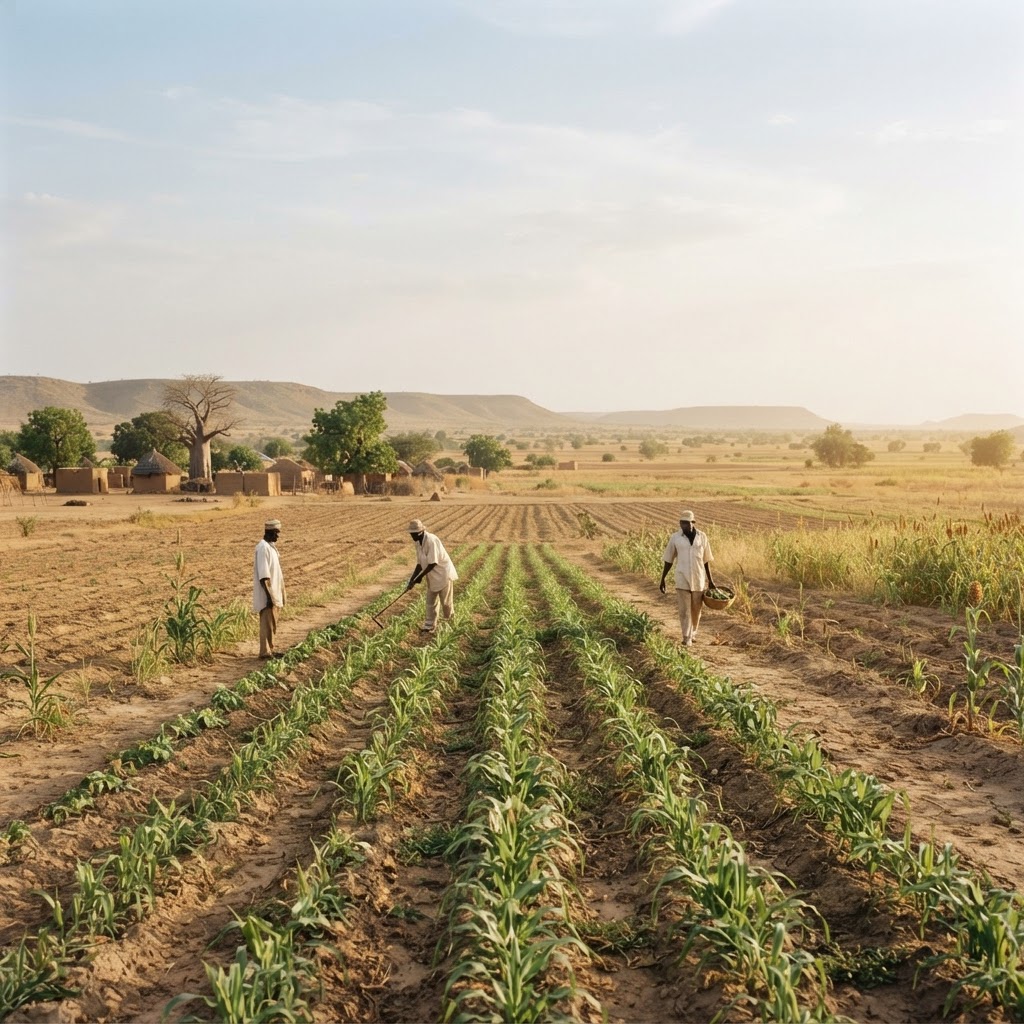
Nigeria Must Prepare for 2027 Global Food Crisis
Nigerian dinner tables could look very different in just a few years. Rising global commodity prices, climate shocks, and conflict-driven disruptions are converging at once to create the conditions for a full-blown global food crisis. Experts Warn Nigeria to Prepare for Potential Global Food Crisis ...
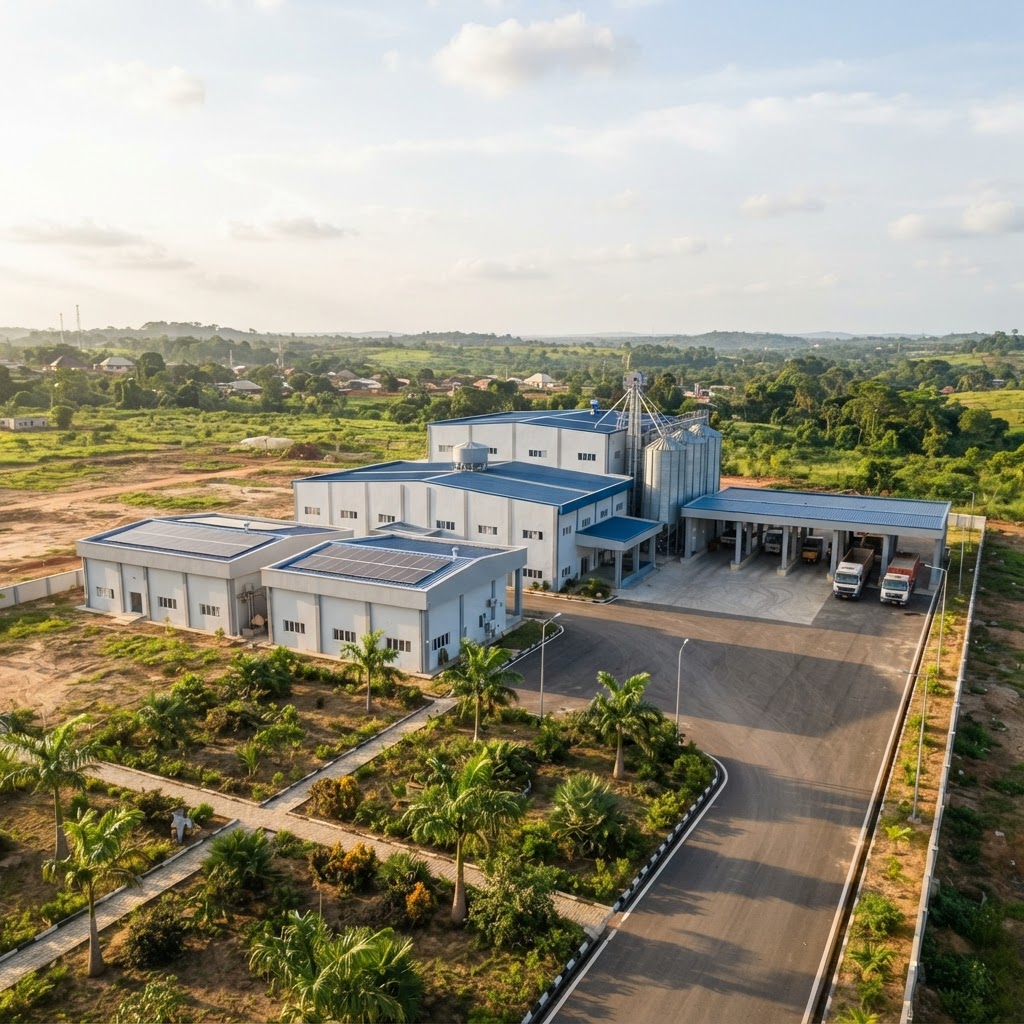
Industrial Investment in Obazu-Mbieri Sparks Economic Growth
Imo State is witnessing a new wave of private-sector confidence that could reshape its economic future. Industrial Investment in Obazu-Mbieri Raises Hopes for Jobs and Local Economic Growth after Marvico Group commissioned a landmark industrial complex in Mbaitoli Local Government Area. For many res...
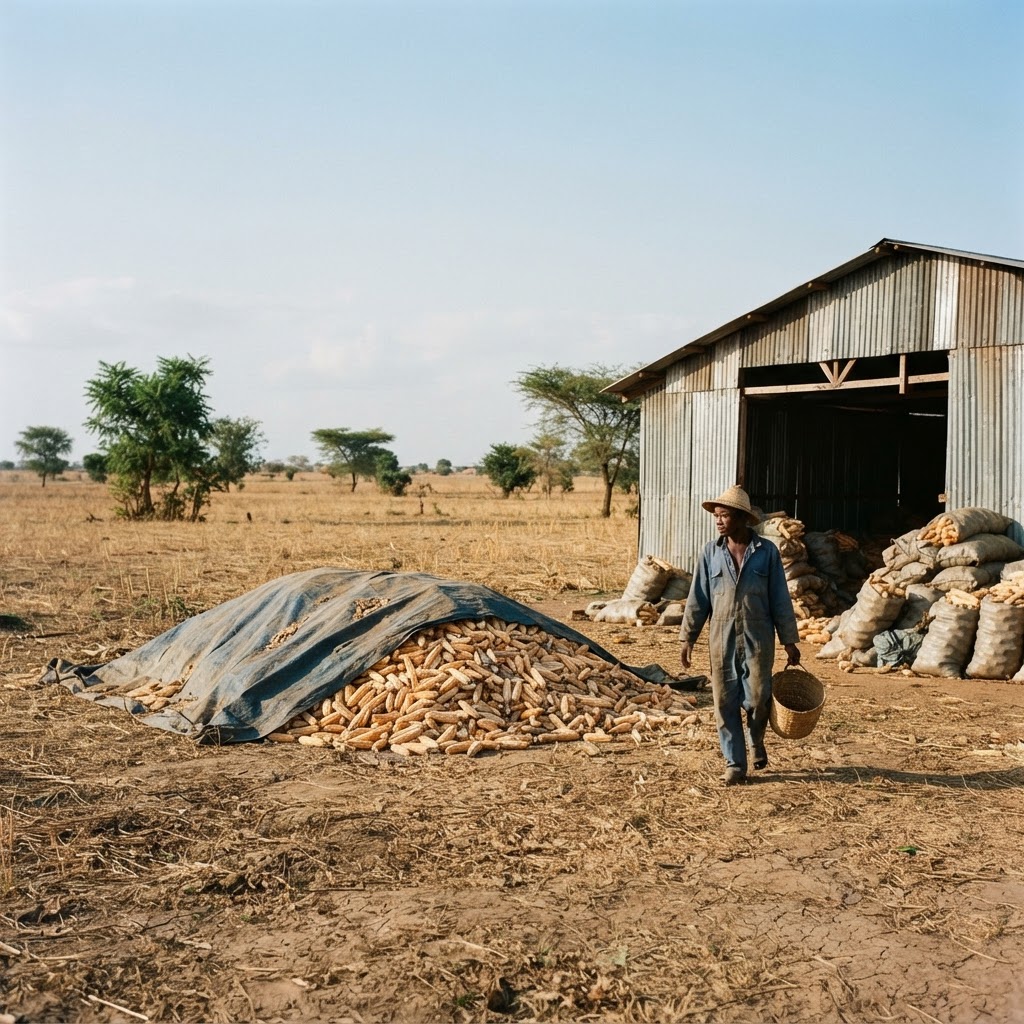
Nigeria Risks Billions in Farm Losses Without Better Storage
Nigeria's farms produce enough food to feed millions, yet much of it rots before reaching a dinner table. This paradox costs the nation dearly every single year. Nigeria Risks Losing Billions in Farm Produce Without Better Storage and Transport, and the numbers behind this crisis demand urgent atten...

FG seeks fresh $500m World Bank loan
Nigeria's infrastructure gap keeps widening every year, and families feel it in blackouts, bad roads, and scarce clean water. Fresh reports confirm that the FG seeks fresh $500m World Bank loan to fund a new infrastructure financing platform. This move could reshape how power, transport, and water p...

Nigeria to Drive Half of West Africa Power Demand by 2035
Nigerians know the frustration of a sudden blackout mid-conversation or mid-business transaction. It is a daily reality that shapes how families live and how entrepreneurs plan their futures across West Africa, and nowhere is this more visible than in Nigeria, the region's largest economy. According...