Powered by Obi Mbieri Independent Media Ltd · eziokwubundu.com
$1 = ₦1,333€1 = ₦1,530£1 = ₦1,78348 Months Without Full Pension Payments: Imo Pensioners
Retirement should bring peace, not financial anxiety. Yet across Imo State, thousands of elderly civil servants say their golden years have turned into a struggle for survival. The situation described in "48 Months Without Full Pension Payments: Imo Pensioners Demand Answers" reflects a deepening cr...
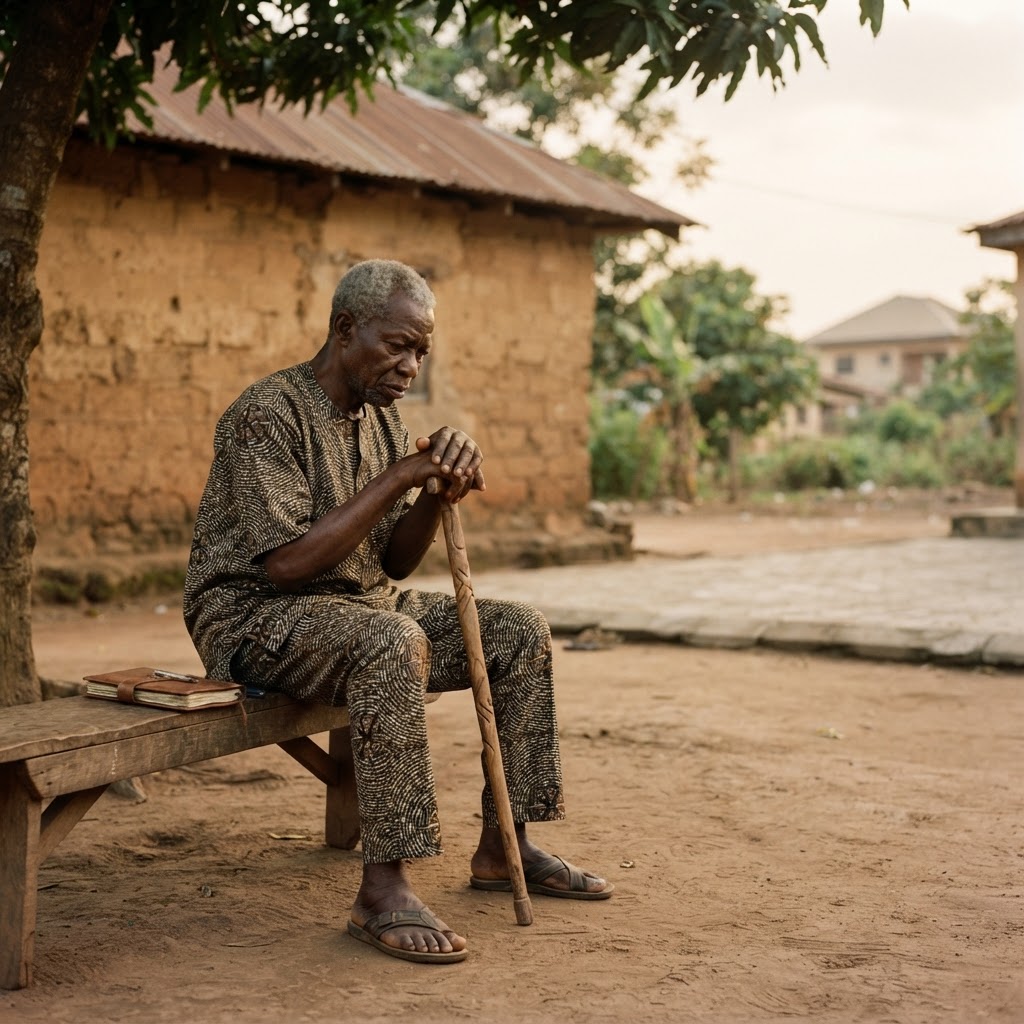
Retirement should bring peace, not financial anxiety. Yet across Imo State, thousands of elderly civil servants say their golden years have turned into a struggle for survival. The situation described in "48 Months Without Full Pension Payments: Imo Pensioners Demand Answers" reflects a deepening crisis that demands urgent attention from every level of society. For many families, the story of Imo pensioners has become a painful symbol of how administrative delays can quietly erode decades of dedicated public service.
Why Are Imo Pensioners Concerned?
According to a recent report by The Sun Nigeria, members of the Nigerian Union of Pensioners (NUP) in Imo State say they have gone 48 months without receiving full pension payments. This figure, as reported, represents the pensioners' own account of their grievance rather than an independently verified government debt record. Still, the emotional weight behind the claim is real and widely shared among retirees across the state. Imo pensioners insist that the delay has stretched far beyond what should be considered a temporary administrative hiccup.
For many elderly citizens, pensions are not a bonus. They are the only steady income left after decades of public service. Delayed payments mean skipped medications, unpaid rent, and dependence on relatives who may already be financially stretched. Many Imo pensioners describe a daily balancing act between buying food and affording basic medical care, a burden that grows heavier with each passing month of uncertainty.
Health experts note that financial stress accelerates physical decline in older adults, worsening conditions like hypertension and diabetes. The World Health Organization has long linked income insecurity in old age to poorer health outcomes. For Imo pensioners already managing age-related illnesses, the compounding effect of financial strain and health vulnerability creates a particularly dangerous situation that cannot be ignored.
Beyond the numbers, this is a dignity issue. Nigerian culture places elders at the center of respect and reverence. When retirees who served the state for 30 or 35 years are left waiting for what they earned, it strains the social contract between government and citizen. Imo pensioners often speak of feeling forgotten, despite decades of loyal service to the very institutions now struggling to pay them.
What pensioners are asking for is simple: clear communication. They want the Imo State Government and the NUP to hold regular, transparent briefings so that retirees are not left guessing about their entitlements month after month. Imo pensioners have repeatedly stressed that even a modest, predictable payment schedule would ease much of the anxiety currently defining their retirement years.
What Is Imo State's Official Stance?
Governor Hope Uzodimma has publicly addressed the pension concerns, offering assurances that the state is working toward clearing outstanding obligations. According to statements attributed to the governor, the second tranche of gratuities is being processed, with disbursement expected in structured phases rather than a single lump sum. This message has been directed specifically at Imo pensioners who have grown increasingly vocal about the lack of concrete timelines.
The state government has also acknowledged shortfalls linked to minimum wage adjustments and unresolved promotion arrears. These administrative backlogs, officials say, predate the current administration and involve thousands of pension files that require reconciliation before payment can be finalized. Government sources maintain that resolving these backlogs is essential before Imo pensioners can expect consistent, full disbursements going forward.
To address these bottlenecks, Imo State has continued rolling out an automated payment system designed to detect and correct data discrepancies. Automation, according to government communications, is meant to verify that only legitimate, currently living pensioners receive disbursements, reducing fraud and administrative waste. Officials argue that this system, once fully implemented, will directly benefit genuine Imo pensioners by ensuring funds are not diverted through fraudulent or outdated records.
This effort mirrors a national trend. The National Pension Commission (PenCom) has repeatedly emphasized that data verification is essential for sustainable pension administration across Nigeria's 36 states. Several states have adopted similar biometric and digital verification systems in recent years, and Imo State's experience offers a case study in both the promise and the pain of that transition.
Officials argue that while the transition period causes short-term delays, it ultimately protects the integrity of the pension system for the long term. Still, pensioners understandably want firmer timelines rather than open-ended assurances. Many Imo pensioners have made it clear that patience is wearing thin, particularly among those in their seventies and eighties who cannot afford to wait indefinitely for structural reforms to bear fruit.
The broader political context matters too. Ongoing disputes, including the well-documented Wike–Uzodimma disagreement, show how governance tensions in Imo State can shape public perception of financial management, even on unrelated issues like pensions. Similarly, infrastructural concerns raised in the Imo Erosion Crisis affecting Mbieri communities illustrate a pattern of citizens demanding accountability across multiple fronts, from environmental neglect to unpaid pensions.
Interestingly, Imo State's capital, Owerri, has recently drawn national attention for other reasons entirely, including as the host city for CARSPO 2026, where Nigeria's police chiefs are converging. While unrelated to pension matters directly, such events underscore Imo State's growing profile on the national stage, making the unresolved plight of Imo pensioners all the more visible to outside observers.
How Does Health Insurance Help?
Financial hardship and poor health often move together, especially among the elderly. Recognizing this, the Imo State Health Insurance Agency (IMSHIA) recently held discussions with the NUP to encourage physical enrollment of pensioners into the ImoCare Health Insurance Program. This initiative is particularly significant for Imo pensioners who have had to postpone medical treatment due to inconsistent income.
ImoCare is designed to provide affordable, subsidized healthcare access to vulnerable groups, including retirees who may struggle to pay out-of-pocket medical costs. For pensioners already facing delayed payments, this kind of safety net can be the difference between timely treatment and dangerous neglect of chronic conditions. IMSHIA officials have emphasized that expanding enrollment among Imo pensioners remains a top priority heading into the coming year.
Featured Products
Chukwu Abiama Tee
Bold black-and-gold Igbo-pride T-shirt featuring 'Chukwu Abiama' in premium streetwear typography.
₦15,000
Buy NowReverse Type 2 Diabetes & other associated Metabolic Issues using Dr. Jason Fung's Evidence-Based Approach— FMD program for Type 2 Diabetes
A practical fasting and fasting-mimicking programme built on Dr Jason Fung's insulin-resistance principles and ow-glycemic recipes.
₦19,950
Join NowỤmụ Igbo Tee
Classic black T-shirt with bold white 'Ụmụ Igbo' typography — a proud statement of Igbo heritage.
₦15,000
Buy NowNwanne Tee
Washed khaki vintage tee with a faded rust-orange 'Nwanne' stamp badge and palm leaf motif — a nod to kinship and heritage.
₦18,000
Buy NowObodo Tee
Faded denim-blue washed tee with a cream 'Obodo' stamp badge and sun motif, celebrating community roots.
₦18,000
Buy NowEkwe Heritage Tee
Deep indigo tee featuring a fine line-art illustration of a traditional Igbo ekwe drum, inspired by Igbo-Ukwu bronze artistry.
₦18,000
Buy NowIkenga Figure Tee
Forest green tee with a fine line-art illustration of a stylized Ikenga figure.
₦18,000
Buy NowEnrollment meetings like this matter because health coverage cannot help those who are not registered. IMSHIA's outreach signals an effort to bridge the gap between policy and practical access, similar to models discussed in affordable healthcare options for rural Nigerians. Encouragingly, some Imo pensioners have already reported easier access to basic diagnostic services since beginning the enrollment process, though widespread awareness remains a challenge.
Financial stability and health stability are deeply connected. A pensioner receiving consistent income is far more likely to afford transportation to clinics, purchase prescribed medication, and maintain preventive care routines. Without that stability, even the best insurance scheme faces uptake challenges. This is precisely why many advocates argue that resolving payment delays for Imo pensioners must go hand-in-hand with expanding healthcare coverage, rather than treating the two issues separately.
Why Does Accurate Data Matter?
Pension administration across Nigeria has long struggled with so-called "ghost workers," fraudulent entries, and outdated bio-data. These issues inflate payroll figures and divert funds away from genuine retirees who desperately need them. Imo pensioners have often found themselves caught in the middle of this cleanup process, facing delays not because their claims are illegitimate, but because the broader system requires extensive reconciliation.
Government officials in Imo State argue that automation is not designed to deny legitimate claims but to clean up decades of accumulated payroll errors. Reconciling names, verifying bank details, and confirming continued eligibility takes time, particularly when records span multiple decades and several past administrations. For many Imo pensioners, this means resubmitting documents they believed had already been verified years earlier, adding to their frustration.
Nationally, the scale of this problem is significant. Nigeria's pension liabilities across federal and state levels have been estimated in the trillions of naira, according to data referenced by the National Bureau of Statistics. Even modest inefficiencies in verification can create major delays when multiplied across tens of thousands of pensioners, a reality that helps explain, though not excuse, the prolonged wait experienced by Imo pensioners.
For affected retirees, taking proactive steps can help speed up resolution. Consider the following actions:
- Visit the nearest pension verification or data center to confirm your bio-data is current.
- Keep photocopies of your retirement letters, bank statements, and identification documents.
- Report discrepancies in writing and request a reference number for follow-up.
- Stay engaged with NUP branch meetings for updates on verification timelines.
The International Labour Organization notes that transparent verification systems, when properly communicated, tend to reduce disputes over time. Clear communication from government data centers remains essential to building trust during this transition, especially for Imo pensioners who have grown skeptical after years of shifting explanations and incomplete payments.
How Can Communities Support Elders?
At Eziokwubundu, we believe individual wellbeing is inseparable from community wellbeing. This is central to our "Health + Wealth + Community" philosophy. Elderly pensioners should never feel abandoned simply because bureaucratic processes are slow, and this principle applies directly to the situation facing Imo pensioners today.
Local organizations, town unions, and diaspora Nigerians can play a meaningful role here. Structured community support has historical roots in Igbo tradition, much like the systems explored in how Igbo communities fund development projects. These same principles of collective responsibility can be applied to elder welfare today, offering a practical, community-driven cushion for Imo pensioners while government processes continue to unfold.
Practical support can include organizing community welfare funds for urgent medical needs, or partnering with local health facilities to offer discounted services to retirees. Diaspora associations can also fund awareness campaigns that push for accountability, similar to advocacy seen in Imo Erosion Crisis: Mbieri Communities Demand Urgent Action, where grassroots pressure led to renewed government attention. The same kind of sustained, organized pressure could help ensure that the concerns of Imo pensioners remain firmly on the state government's agenda.
Respect for elders is not just a cultural ideal; it is a practical safeguard against social breakdown during economic hardship. Communities that actively support their retirees strengthen trust, unity, and long-term resilience. Just as monarchs and community leaders elsewhere have pushed for institutional change, such as the demand described in Oyo Kidnap Crisis: Monarch Demands Police Post Upgrade, Imo communities can similarly mobilize collective voice to demand faster resolution for their pensioners.
What Is The Path To Prosperity?
Long-term solutions require more than temporary palliatives. Imo State needs a sustainable pension framework built on accurate data, predictable disbursement schedules, and consistent public reporting. Without such structural reform, Imo pensioners will likely continue to face uncertainty even as individual payments are occasionally released.
The "Health + Wealth + Community" triangle offers a practical lens for this challenge. Financial stability supports health outcomes, while strong community advocacy ensures accountability. Continued, peaceful dialogue between the NUP and the state government remains the most realistic path toward lasting progress for Imo's retirees. As national conversations continue around governance and public accountability, including events like Shettima's planned appearance at the Editors' Conference in Enugu, there is hope that pension reform can gain similar visibility at the highest levels of government.
Ultimately, the story of Imo pensioners is not just about numbers or bureaucratic timelines; it is about honoring a lifetime of service with dignity and consistency. Just as Nigerians nationwide have rallied around urgent public interest issues, from health warnings highlighted in Ondo's methanol poisoning crisis to institutional accountability questions raised in the NSCDC Niger detention facility deaths, the plight of Imo pensioners deserves the same level of sustained public attention and swift government action. Even in unrelated arenas, such as football, where fans anxiously track developments like those covered in Osimhen's injury and its impact on Nigeria's 2027 AFCON qualifiers, Nigerians have shown a capacity for collective concern that could, and should, extend to the everyday struggles of Imo pensioners waiting patiently for what they are rightfully owed.
Stay Informed
Get New Articles in Your Inbox
Subscribe to receive the latest community development, health, and wealth insights from Eziokwubundu.
Newsletter
Practical insights on health, wealth, and community — delivered weekly.
Community Discussion(0)
Leave a Comment
More to Read
You May Also Like

Shettima to Open Editors' Conference in Enugu Thursday
The Nigerian Guild of Editors is set to gather over 500 media leaders in the heart of the South East for a landmark Editors' Conference that promises to shape the future of journalism in Nigeria. Enugu Hosts Editors' Conference as Shettima Declares It Open Thursday, a milestone event that signals th...
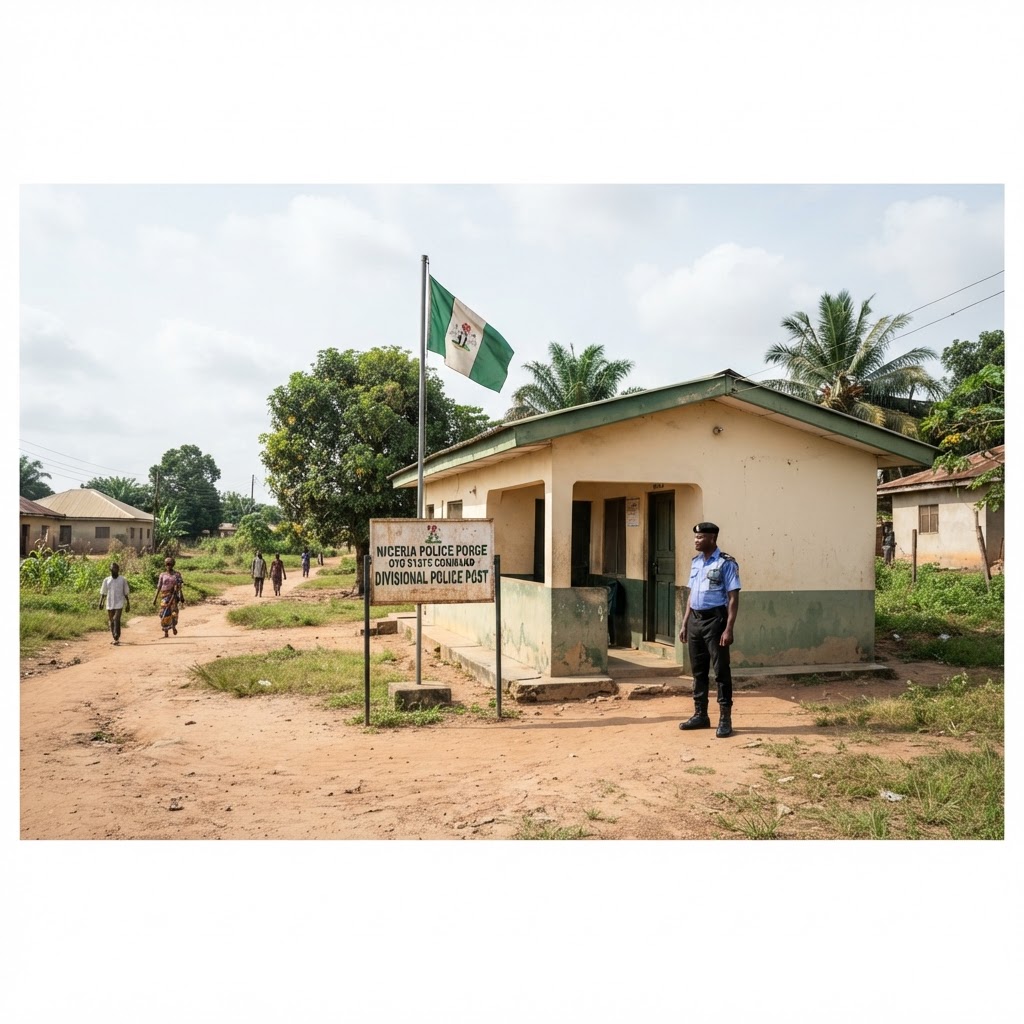
Oyo Kidnap Crisis: Monarch Demands Police Post Upgrade After
A quiet corner of Oyo State became a national flashpoint this year. Armed men stormed three schools, dragging pupils and teachers into captivity for weeks. The Oyo Kidnap Crisis: Monarch Demands Police Post Upgrade After Pupils' Abduction has since dominated headlines nationwide, forcing families, c...

CARSPO 2026: Why Nigeria's Police Chiefs Are Converging on Owerri
Nigeria stands at a defining crossroads. With the 2027 General Elections approaching, the country's senior law enforcement leadership is leaving nothing to chance. From September 21 to 23, 2026, Owerri, the capital of Imo State in Nigeria's South-East, will host one of the most consequential securit...

Osimhen Out: What His Injury Means for Nigeria’s 2027 AFCON Qualifiers
Victor Osimhen's name alone carries weight in African football. When the Super Eagles' most prolific striker steps onto the pitch, expectations follow — goals, movement, pressure on opposition defenses, and the kind of attacking intent that changes the outcome of matches. But ahead of Nigeria's open...
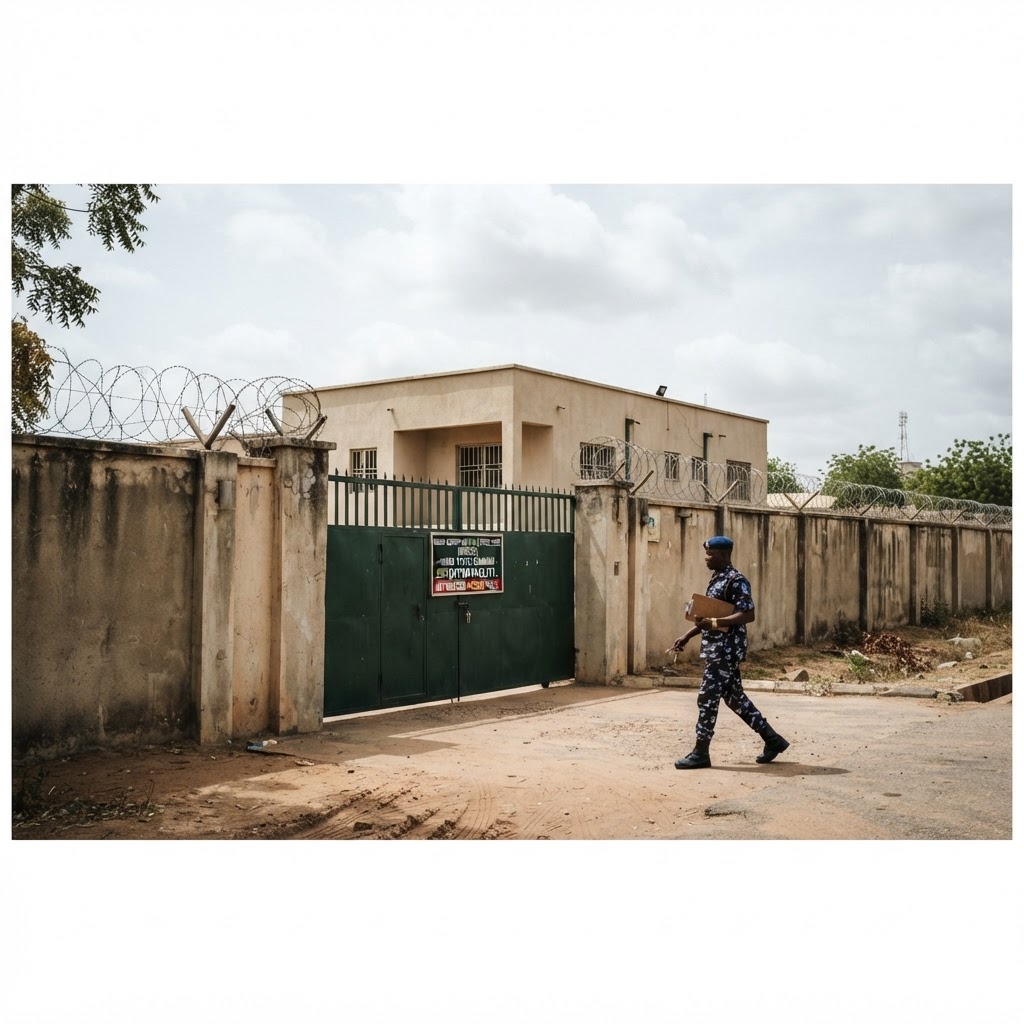
NSCDC Deaths: What Happened Inside the Niger Detention Facility?
On the morning of September 17–18, 2026, news broke from Minna that would shake Nigeria's security establishment to its foundations. Thirty-seven detainees held inside a Nigeria Security and Civil Defence Corps (NSCDC) facility in Niger State were found dead. The tragedy did not unfold on a battlefi...

How Igbo communities fund development projects
Across southeastern Nigeria, roads are tarred, schools are built, and boreholes are sunk — not by government contractors, but by communities pooling resources together. This phenomenon is neither accidental nor recent. It is the product of centuries-old cultural philosophy, refined institutional str...

Wike–Uzodimma Dispute: Imo Lawyers Respond to FCT Minister's Attacks
Political tensions between Nigeria's FCT Minister Nyesom Wike and Imo State Governor Hope Uzodimma have escalated to a point where legal professionals feel compelled to intervene. The Imo Lawyers for the Defence of Democracy has formally called out what it describes as dangerous personal attacks ema...
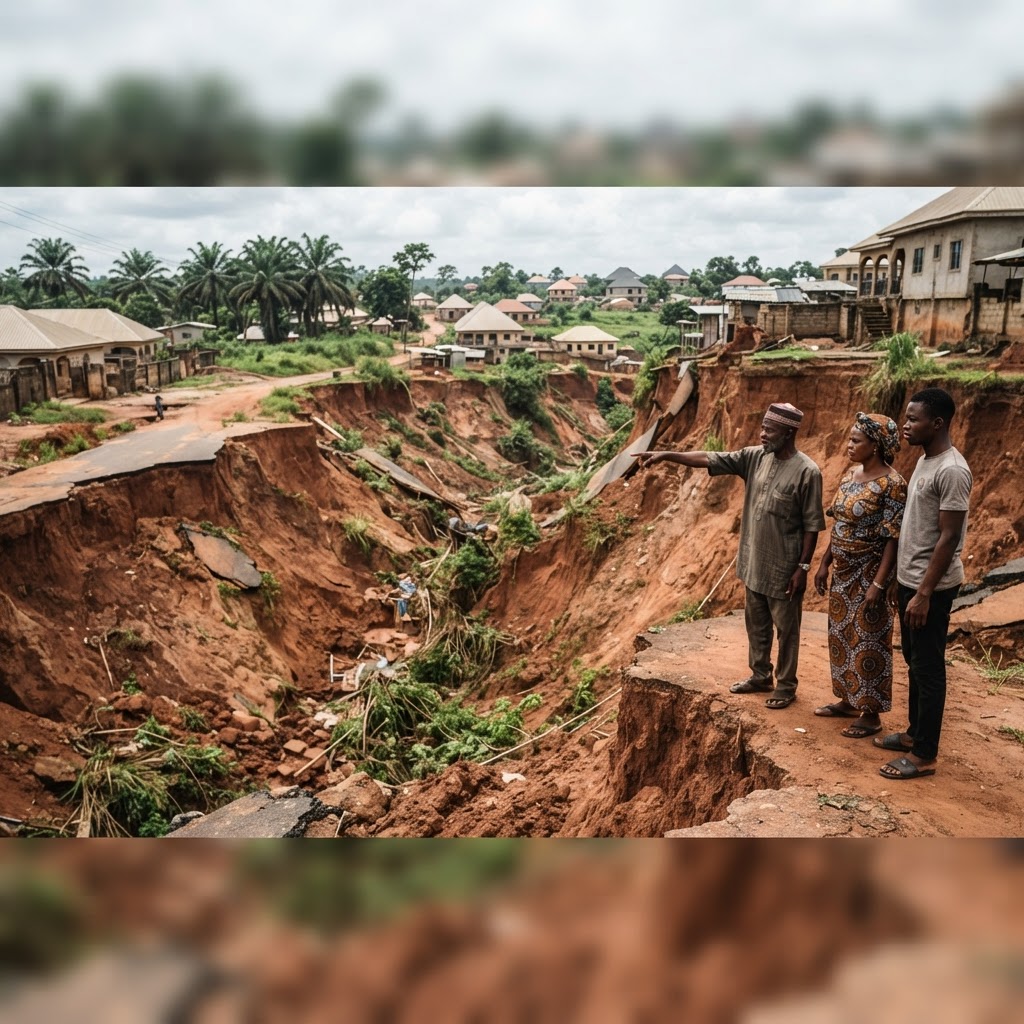
Imo Erosion Crisis: Mbieri Communities Demand Urgent Government Action
The ground beneath Mbieri is literally disappearing. In Mbaitoli Local Government Area of Imo State, advancing gullies are swallowing roads, threatening homes, and pushing one of southeastern Nigeria's most resilient communities toward an environmental breaking point. Residents are no longer waiting...
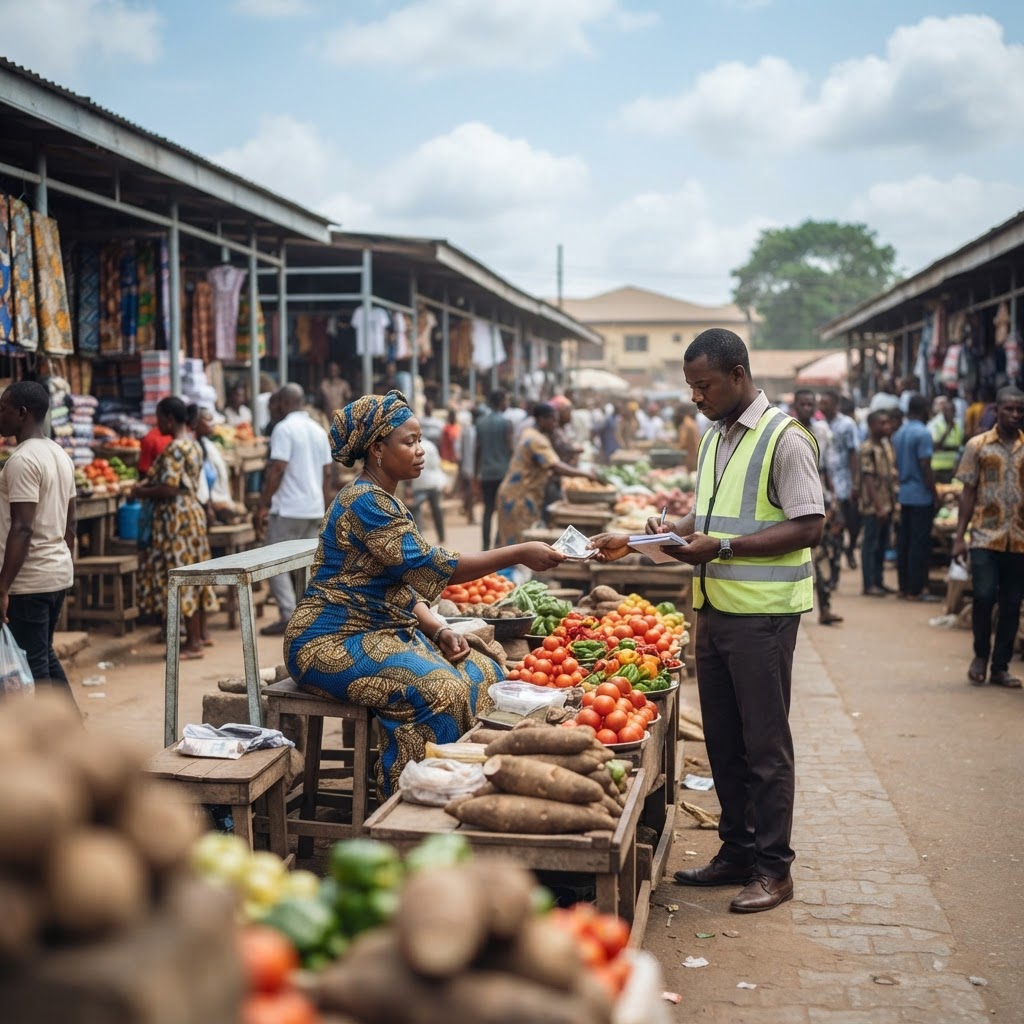
Imo Markets: What Fees Are Traders Paying and Who Collects Them?
For thousands of traders operating daily across Imo State's bustling markets — from Relief Market in Owerri to the Naze Timber and Allied Traders Market — paying levies is an unavoidable cost of doing business. But in 2026, a more urgent question is emerging from beneath the noise of commerce: exact...

Donor Health Funds Under Scrutiny: Why a Civil Society Group Wants FBI, EFCC to Widen Probe
International health aid is only as effective as the integrity of those who manage it. When billions of naira in donor-funded resources meant to combat HIV and tuberculosis go missing or are misappropriated, the consequences are not abstract — they are measured in lives lost, treatments missed, and ...