Powered by Obi Mbieri Independent Media Ltd · eziokwubundu.com
$1 = ₦1,330€1 = ₦1,528£1 = ₦1,778Unapproved Orphanages in Nigeria: How Safe Are Children in Private Care Homes?
Across Nigeria, thousands of children live in private care homes that operate outside the law. Some are run by well-meaning individuals overwhelmed by the scale of child poverty. Others are driven by profit, exploiting the image of vulnerable children to attract foreign donations while providing sub...
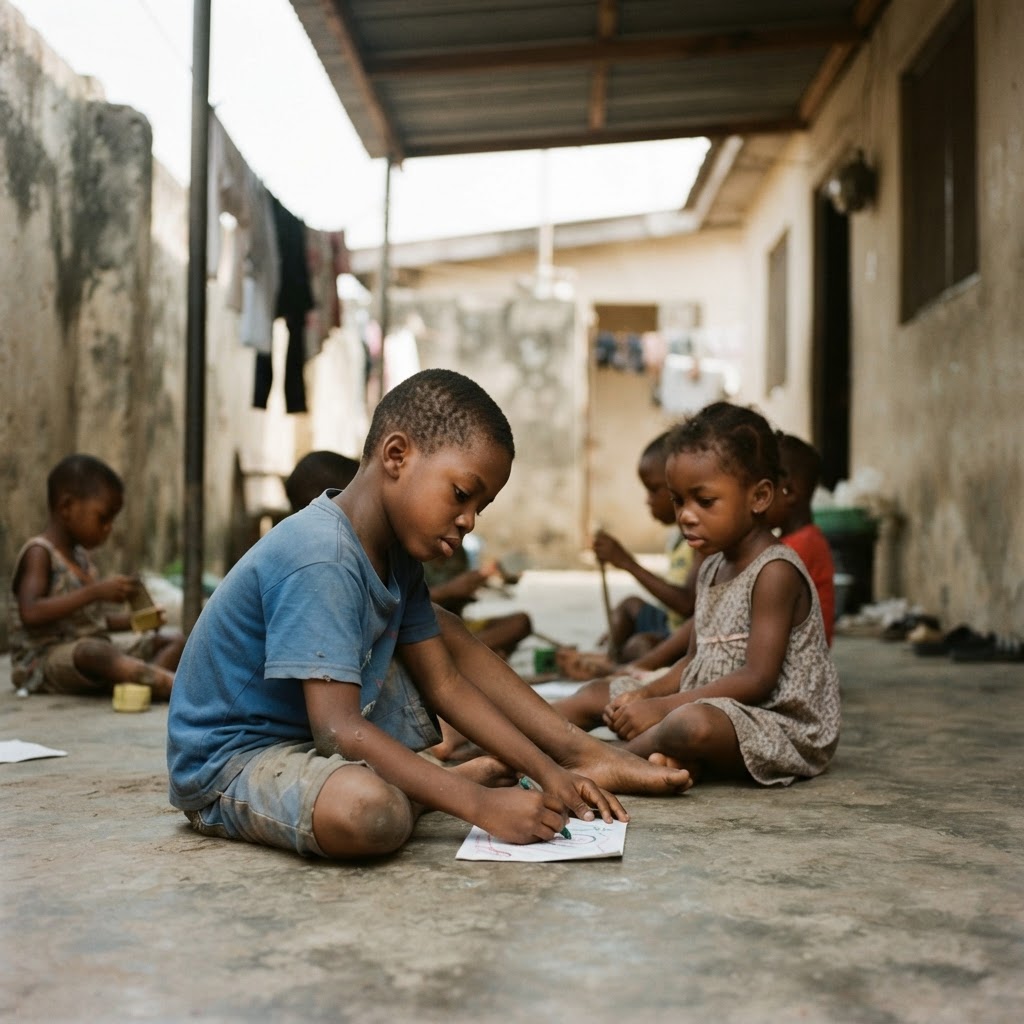
Across Nigeria, thousands of children live in private care homes that operate outside the law. Some are run by well-meaning individuals overwhelmed by the scale of child poverty. Others are driven by profit, exploiting the image of vulnerable children to attract foreign donations while providing substandard care. The result is a deeply fragmented system where the most vulnerable members of society — orphaned, abandoned, or displaced children — are left exposed to abuse, neglect, and exploitation.
This article examines the systemic failures enabling unapproved orphanages to thrive in Nigeria, the documented risks to children in unregulated facilities, and what communities, governments, and families can do to safeguard child welfare at every level.
Why Are Unapproved Orphanages Proliferating?
The Gap Between Social Need and Regulatory Oversight
Nigeria's child welfare crisis does not exist in a vacuum. It is the product of interlocking socio-economic pressures that have eroded traditional safety nets faster than formal institutions can replace them. Poverty remains the primary driver: with over 63% of Nigerians living in multidimensional poverty according to the National Bureau of Statistics, many families simply cannot afford to care for dependent children during crises. Displacement caused by insurgency in the North-East, communal conflicts in the Middle Belt, and flooding across the Niger Delta has further swelled the population of children without stable homes.
Historically, the extended family system served as Nigeria's most resilient child welfare infrastructure. Aunts, uncles, grandparents, and community elders absorbed orphaned or vulnerable children into existing households. However, urbanization, economic migration, and the rising cost of living have weakened these bonds considerably. The informal kinship care that once protected children is no longer as reliable or widespread.
Into this gap have stepped private care homes — some registered, many not. The regulatory vacuum is stark. Under Nigeria's Child Rights Act of 2003, all orphanages and child care institutions are required to register with state-level Ministries of Women Affairs and Social Development. Yet enforcement is inconsistent, understaffed, and chronically underfunded. Many facilities operate freely under religious or charitable branding, which inadvertently shields them from scrutiny.
Compounding this is the phenomenon of "orphanage tourism," a practice in which foreign volunteers and donors are attracted to care homes to interact with children, generating income for operators. Research by organisations such as UNICEF and ReThink Orphanages has documented how this commercialisation incentivises the recruitment of children who are not actually orphans, effectively commodifying child vulnerability for financial gain.
What Are the Real Risks to Children Here?
Physical, Psychological, and Developmental Consequences
The dangers facing children in unregulated care homes are not hypothetical — they are documented and recurring. In May 2024, Kwara State authorities rescued 30 children from an unapproved orphanage operating without registration or oversight, as reported by Punch Nigeria. The children were found in conditions that raised serious concerns about their health, nutrition, and general welfare. This incident is not an isolated case; it is symptomatic of a nationwide pattern where unregistered facilities operate for months or years before attracting official attention.
The physical risks in such environments are significant. Without standardized health and safety protocols, children are exposed to preventable illnesses, malnutrition, and unsafe living conditions. There are no mandatory health screenings, vaccination records, or medical referral pathways. In facilities without qualified caregivers, injuries and illnesses can go untreated for extended periods.
The psychological toll is equally serious. Children in institutional settings without trained, consistent caregivers frequently develop attachment disorders, anxiety, and developmental delays. International safeguarding frameworks, such as the UK's Care Quality Commission Regulation 13, establish a zero-tolerance standard for abuse in care settings, mandating that providers take all reasonable steps to prevent abuse and respond immediately when it occurs. No comparable enforceable standard is applied consistently across Nigerian private care homes.
Abuse — whether physical, emotional, or sexual — is an established risk in unmonitored institutional environments globally. Children without legal guardians, without community connections, and without access to complaint mechanisms are uniquely vulnerable. In many unapproved Nigerian orphanages, there is no independent oversight body, no complaint procedure, and no external accountability.
The long-term developmental impact on children raised in these environments is profound. Without access to quality education, adequate nutrition, or psychological support, their life outcomes are measurably worse than those of peers raised in stable family environments. Studies consistently show that children who grow up in poorly regulated institutions are at higher risk of unemployment, mental illness, and social exclusion in adulthood. The damage done in early childhood can take decades to reverse — if it is reversed at all.
For communities that care about the collective wellbeing of future generations, the cost of inaction is not abstract. It is counted in wasted human potential. Readers concerned about community health infrastructure may also find it useful to review the best hospitals in Imo State compared when evaluating local healthcare access for vulnerable populations.
How Can Communities Identify Illegal Care Homes?
Empowering Citizens to Protect the Vulnerable
Every Nigerian community has both the right and the responsibility to scrutinize care homes operating within its borders. Verification begins with registration status. State Ministries of Women Affairs and Social Development maintain — or are legally required to maintain — registers of approved child care facilities. Community members can contact their state ministry directly or visit official government portals to confirm whether a local orphanage holds a valid operating licence. An inability or unwillingness to produce registration documents is itself a serious red flag.
Beyond documentation, there are practical warning signs that should prompt immediate concern. These include:
Lack of transparent management: Legitimate care homes welcome community oversight. Facilities that restrict access, discourage unannounced visits, or are evasive about funding sources and population counts should be treated with suspicion. Transparent management means publicly available accounts, named leadership, and open communication with local authorities.
Featured Products
Chukwu Abiama Tee
Bold black-and-gold Igbo-pride T-shirt featuring 'Chukwu Abiama' in premium streetwear typography.
₦15,000
Buy NowReverse Type 2 Diabetes & other associated Metabolic Issues using Dr. Jason Fung's Evidence-Based Approach— FMD program for Type 2 Diabetes
A practical fasting and fasting-mimicking programme built on Dr Jason Fung's insulin-resistance principles and ow-glycemic recipes.
₦19,950
Join NowỤmụ Igbo Tee
Classic black T-shirt with bold white 'Ụmụ Igbo' typography — a proud statement of Igbo heritage.
₦15,000
Buy NowNwanne Tee
Washed khaki vintage tee with a faded rust-orange 'Nwanne' stamp badge and palm leaf motif — a nod to kinship and heritage.
₦18,000
Buy NowObodo Tee
Faded denim-blue washed tee with a cream 'Obodo' stamp badge and sun motif, celebrating community roots.
₦18,000
Buy NowEkwe Heritage Tee
Deep indigo tee featuring a fine line-art illustration of a traditional Igbo ekwe drum, inspired by Igbo-Ukwu bronze artistry.
₦18,000
Buy NowIkenga Figure Tee
Forest green tee with a fine line-art illustration of a stylized Ikenga figure.
₦18,000
Buy NowPoor hygiene and overcrowding: Observable conditions matter. Overcrowded dormitories, inadequate sanitation, visibly malnourished children, and lack of basic educational materials are indicators of neglect regardless of whether a facility is registered.
Absence of qualified caregivers: Care homes should employ staff with verifiable child development or social work training. Facilities relying entirely on volunteers — especially rotating foreign volunteers — lack the continuity and professional competence that child welfare requires.
Restricted child interaction with the public: Children in care should have supervised but regular contact with the broader community, including school attendance. Homes that isolate children from public life are more likely to conceal abuse.
Community reporting channels include the National Agency for the Prohibition of Trafficking in Persons (NAPTIP), state-level social welfare offices, and the police. The Imo State Emergency Contacts Directory is a useful resource for identifying the appropriate local authorities to contact in the South-East region.
Grassroots journalism and community-first reporting play a critical role in this ecosystem. When local journalists and community leaders take responsibility for monitoring institutions within their communities, they create the accountability pressure that under-resourced government agencies cannot always supply independently.
What Regulatory Frameworks Can Protect Children?
Moving Toward a Standardized Inspection System
Nigeria's child protection architecture requires urgent structural reform. Legislation exists — the Child Rights Act, the Violence Against Persons Prohibition Act, and various state-level equivalents — but the translation of law into practice remains deeply inadequate. What is needed is an evidence-based, standardised inspection framework comparable to models proven effective internationally.
The Social Care Common Inspection Framework (SCCIF) for children's homes used in the United Kingdom provides a relevant model. It mandates regular, risk-informed inspections of care facilities, produces published accountability reports, and operates on a tiered system of compliance that includes license revocation for chronic non-compliance. Adapting such a framework to Nigerian conditions — accounting for resource constraints, geographic spread, and institutional capacity — would represent a transformative step forward.
License revocation must be treated as a genuine enforcement tool, not a last resort. When states like Kwara shut down unapproved orphanages, these closures should be publicised widely to deter similar operations and signal that regulatory authorities are functional and serious. Transparency in enforcement strengthens public trust and discourages exploitation. Reports of facility closures in Imo State, including a documented case involving an orphanage home in Obollo, Isiala Mbano, illustrate that enforcement actions are occurring — but they must become systematic rather than episodic.
A sustainable solution requires a collaborative governance model. Government ministries must lead on licensing and inspection. NGOs with child protection expertise — including international organisations like Save the Children and UNICEF — can provide technical support, training, and monitoring resources. Crucially, local community leaders, traditional institutions, and religious bodies must be integrated as active partners rather than passive bystanders. Their proximity to affected communities gives them an early warning capacity that no centralized agency can replicate.
Funding for child welfare inspections must also be treated as a non-negotiable budget priority. States that invest in preventive child protection infrastructure consistently see lower rates of abuse, trafficking, and developmental harm. This is not charity — it is a measurable return on social investment.
How Can We Build a Sustainable Future for Children?
From Institutionalization to Community-Based Care
The long-term answer to Nigeria's orphanage crisis is not better orphanages — it is fewer orphanages. Global evidence, including decades of research by organisations such as the Lumos Foundation, consistently shows that family-based care produces significantly better outcomes for children than institutional alternatives. Nigeria's own cultural tradition supports this: the extended family and community have always been the most effective child welfare system available.
Encouraging family-based foster care and kinship placements — supported by government stipends, social worker oversight, and community training — is more cost-effective and more humane than maintaining large institutional facilities. States that have developed community foster care pilots have reported stronger developmental outcomes and lower incidence of abuse.
Economic empowerment is inseparable from child welfare. Many children enter care homes not because they are orphaned but because their families cannot afford to keep them. Poverty-driven abandonment is a preventable tragedy. Access to economic opportunities — including microfinance, cooperative business models, and small business support — can stabilize families before they reach crisis point. Readers exploring economic empowerment tools may find guidance in this article on how to access CBN small business loans, which outlines practical financing pathways for Nigerian entrepreneurs.
The call to action is clear. Support only verified, transparent organizations with published accounts, government registration, and independent oversight. Advocate within your community for the monitoring of local care facilities. Report concerns to the appropriate authorities without delay. And champion policies that address the root causes of child vulnerability — poverty, displacement, and the erosion of community support structures.
Every child in Nigeria deserves a safe home, adequate nutrition, quality education, and the chance to grow into their full potential. Achieving that is not the responsibility of government alone. It belongs to all of us.
Stay Informed
Get New Articles in Your Inbox
Subscribe to receive the latest community development, health, and wealth insights from Eziokwubundu.
Newsletter
Practical insights on health, wealth, and community — delivered weekly.
Community Discussion(0)
Leave a Comment
More to Read
You May Also Like
Imo State Farmers’ Market Price Guide
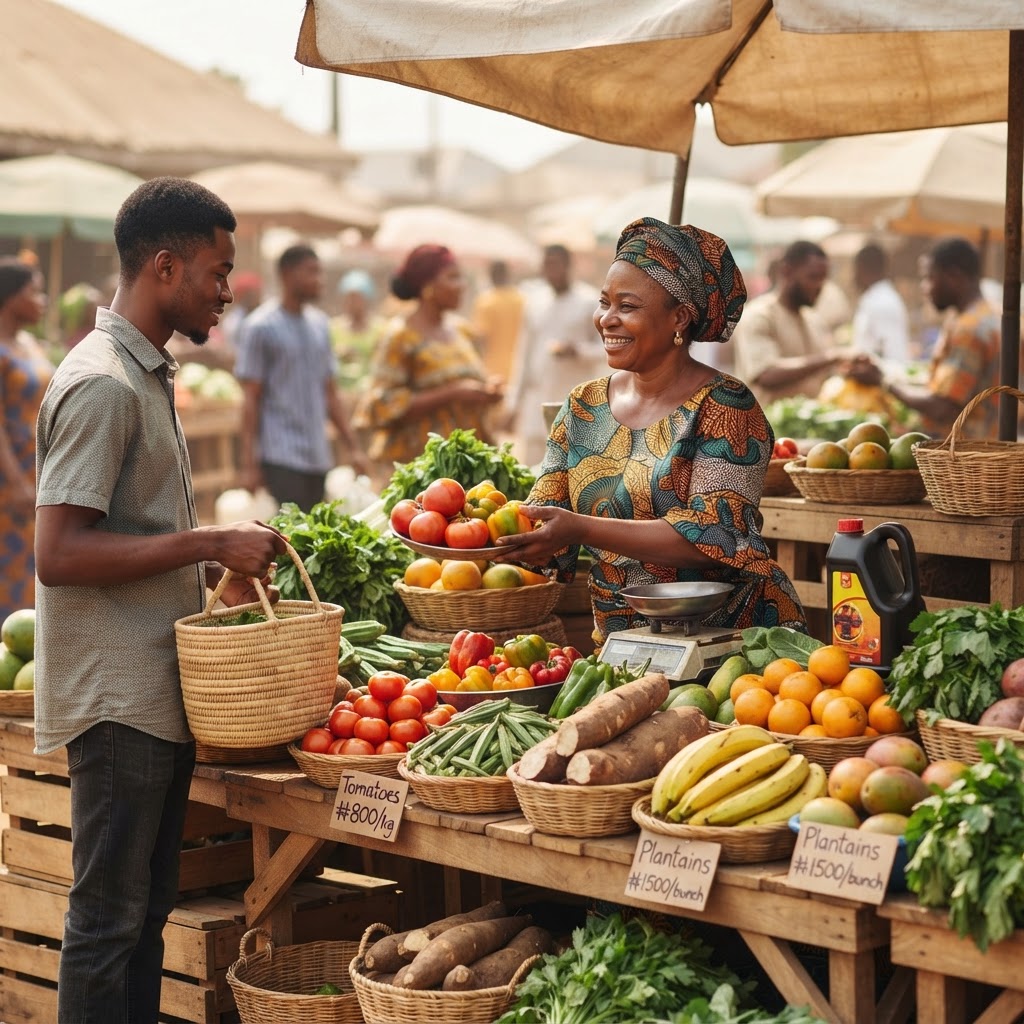
Every trip to Eke Ukwu Owerri or any neighbourhood market in Imo State has become a quiet economic reckoning. Families that once budgeted confidently for monthly groceries now find that the same naira stretches considerably less than it did a year ago. This Imo State Farmers' Market Price Guide is d...

How to Access CBN Small Business Loans
Access to affordable financing remains one of the most persistent barriers to entrepreneurial growth in Nigeria. For millions of small business owners operating in a landscape defined by high commercial lending rates — often ranging between 25% and 30% per annum — the Central Bank of Nigeria's inter...
Imo State Tax Guide for Individuals
Taxation is one of the most direct ways that individuals participate in the development of their communities. Yet for many residents of Imo State, the process of understanding, registering, and filing taxes remains confusing, intimidating, or simply unfamiliar. This guide is designed to change that....
How to start vegetable farming with small capital Nigeria
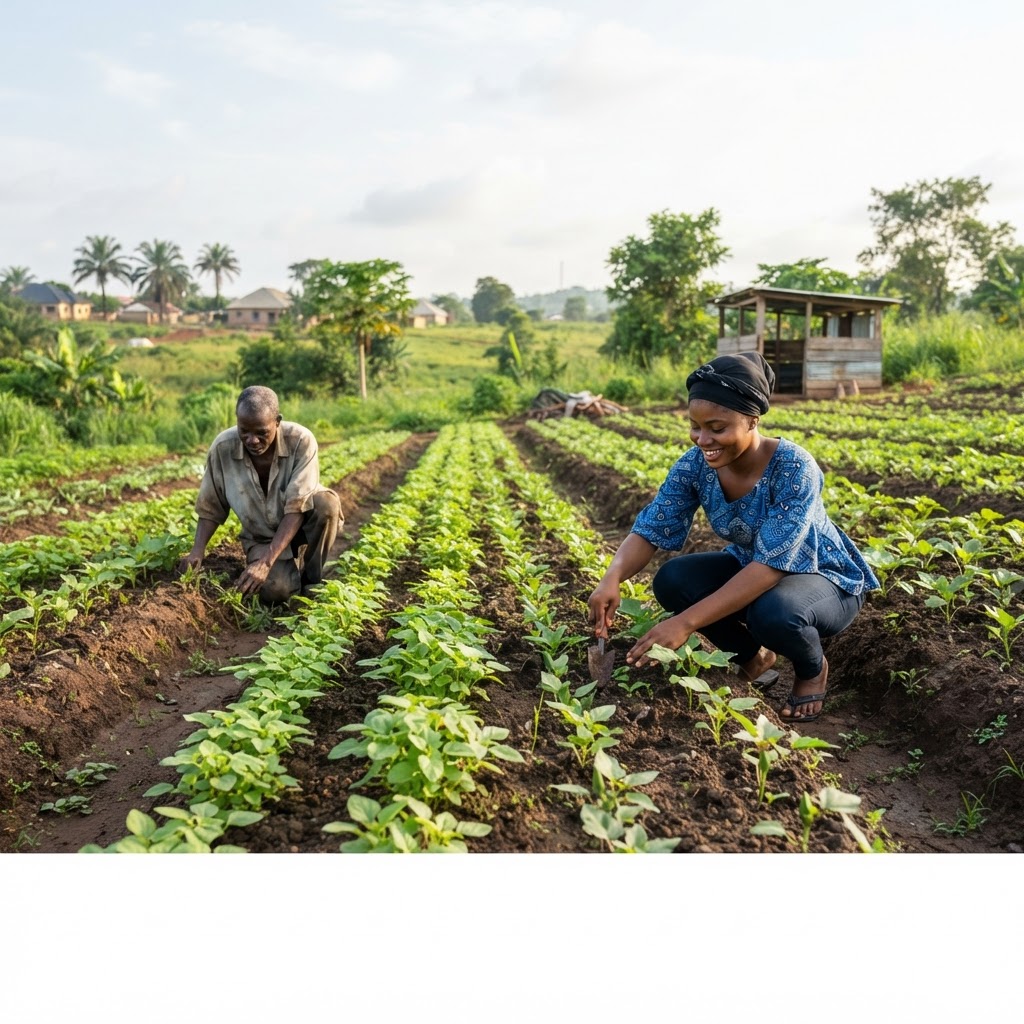
Vegetable farming is one of the most accessible and consistently profitable agricultural ventures available to Nigerians today. Whether you are a young graduate seeking a sustainable livelihood, a household looking to reduce food costs, or an entrepreneur exploring low-risk entry points into agricul...
Building Wealth with Ajo and Esusu
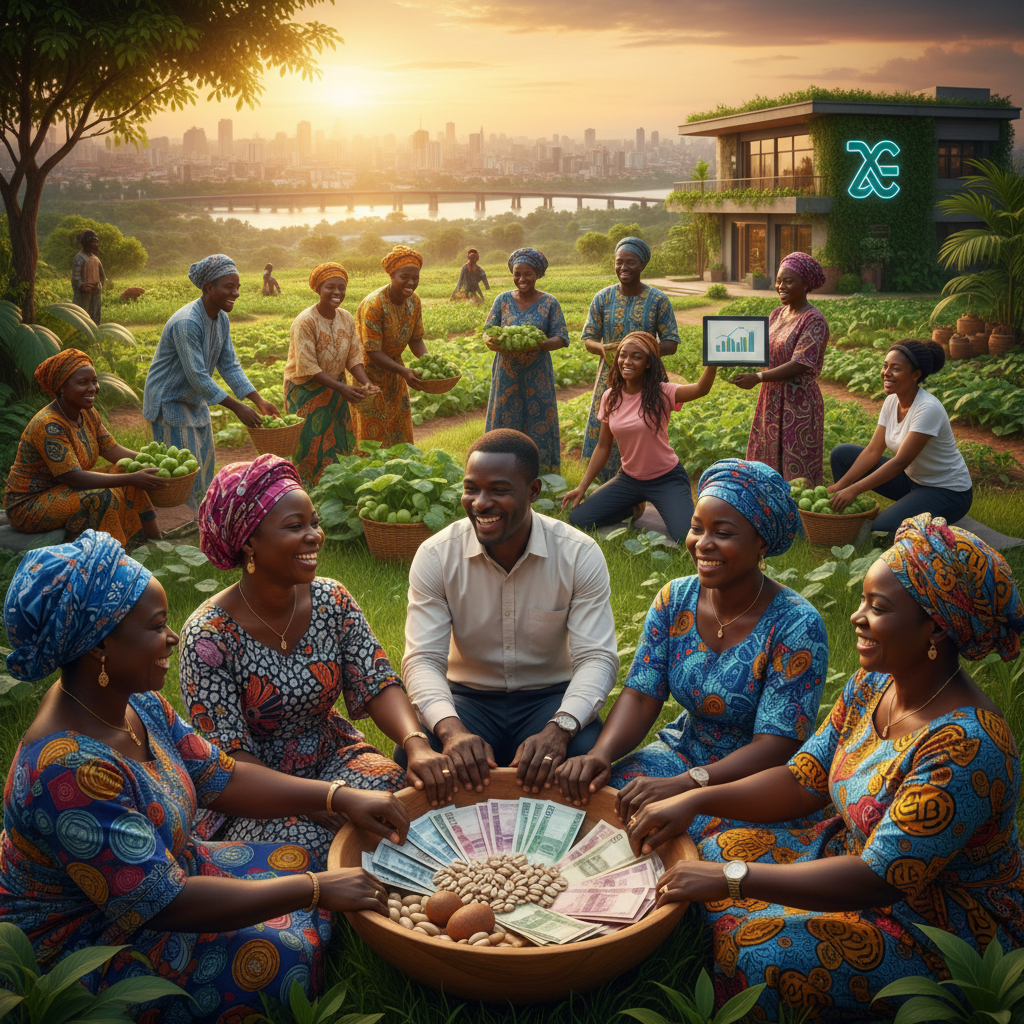
The journey to financial independence in Nigeria does not always require a bank loan or a complex stock portfolio. For centuries, our ancestors utilized communal structures to fund life’s greatest milestones. From the bustling markets of Lagos to the quiet villages of the southeast, Ajo and Esusu ha...

KoboTutor: How a Nigerian EdTech Platform Is Bringing Personalised Learning to Students
Nigeria's education sector stands at a crossroads. With over 13 million out-of-school children and chronic underfunding in public education, the pressure on students who do attend school is immense. For the millions sitting JAMB, WAEC, and NECO examinations each year, the stakes could not be higher....
Mbaitoli’s Primary Healthcare Centres: Are They Properly Staffed?
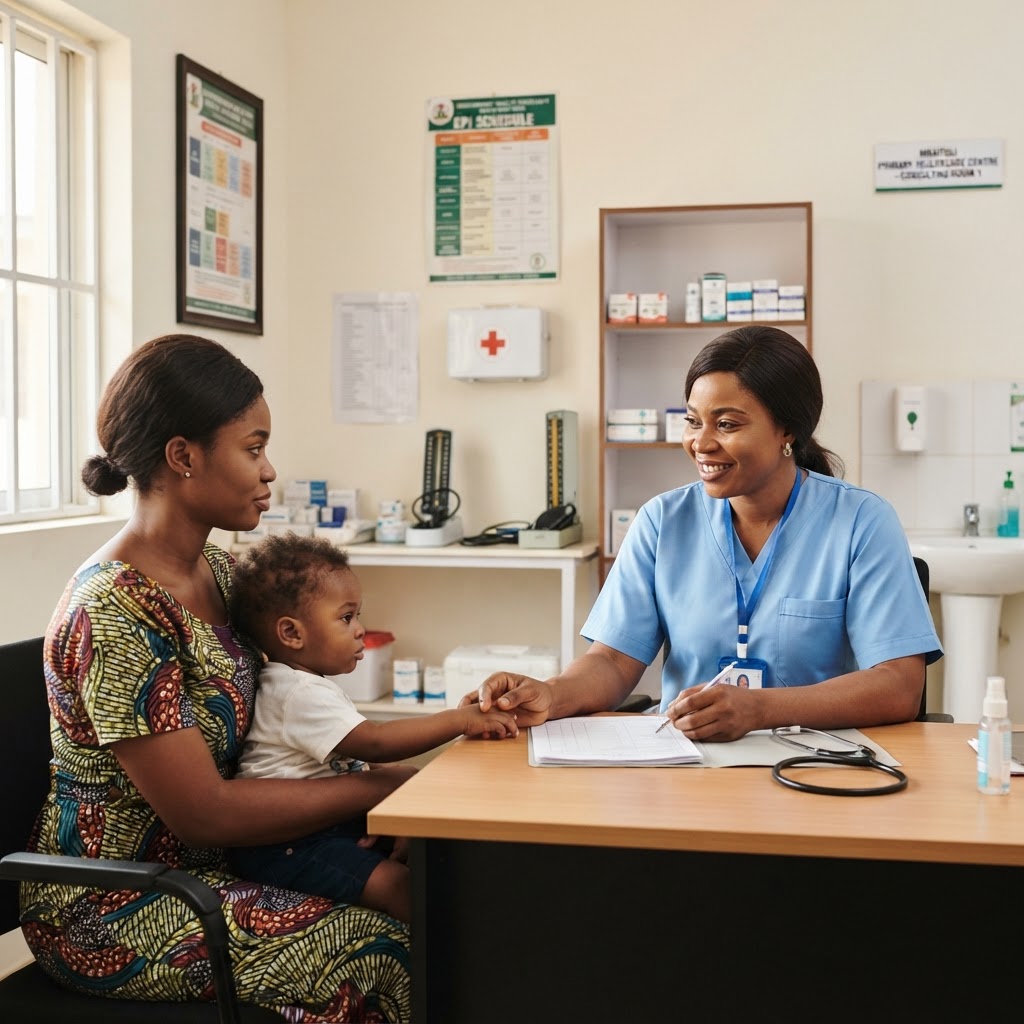
Why Does Staffing in Mbaitoli's PHCs Matter? At eziokwubundu.com, we believe that health, wealth, and community are inseparable pillars of lasting prosperity. Nowhere is this triangle more visibly tested than in Mbaitoli Local Government Area, one of Imo State's most densely populated LGAs, where th...
Only 3% of PHCs Meet Staffing Standards: What Is the Situation in Imo?
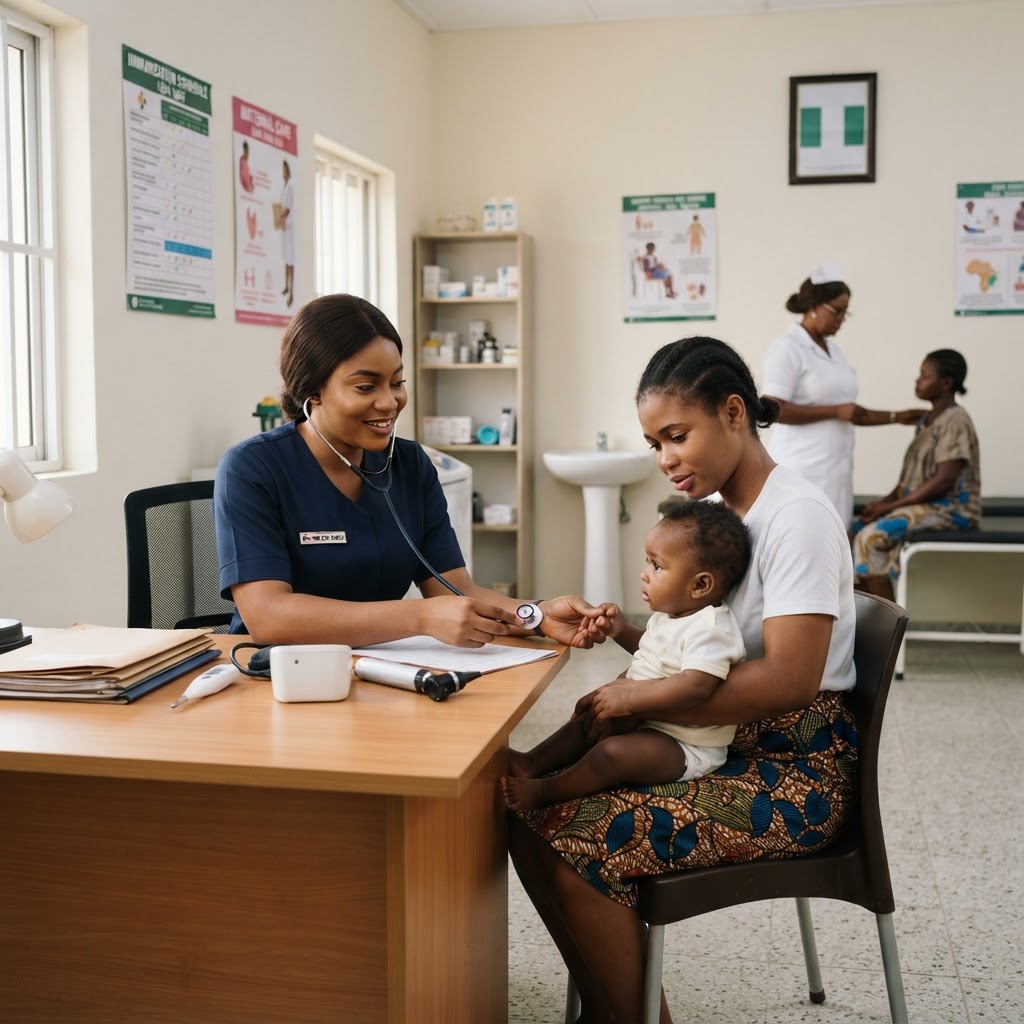
Nigeria's primary healthcare system is facing a quiet catastrophe. Across the country, thousands of Primary Healthcare Centres (PHCs) stand as hollow structures — buildings without sufficient doctors, midwives, or community health workers to serve the millions of Nigerians who depend on them. A rece...
112 Federal Unity Colleges Face Possible Shutdown
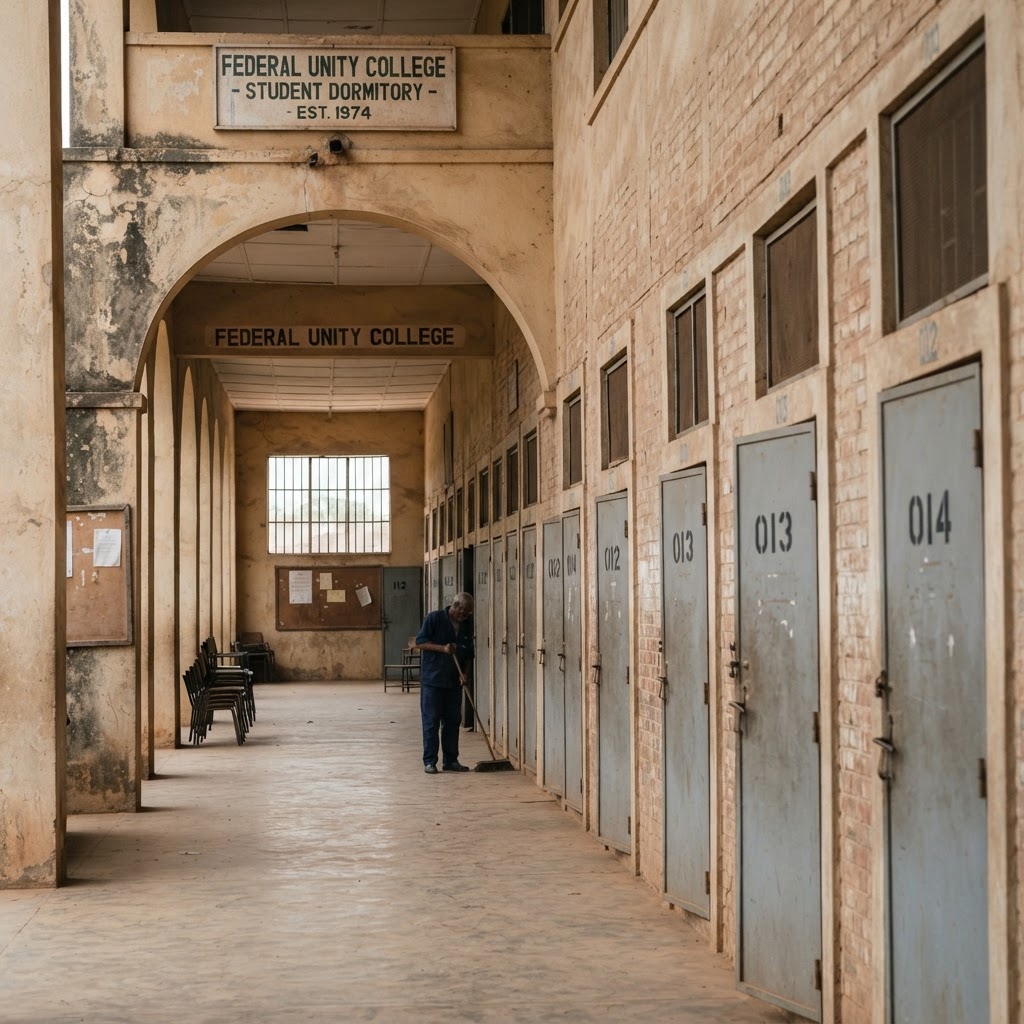
Nigeria's federal secondary school system stands at a critical crossroads. As the first term of the 2024/2025 academic year was set to commence, a dramatic standoff between the Federal Government and education workers erupted into a crisis threatening the academic futures of hundreds of thousands of...
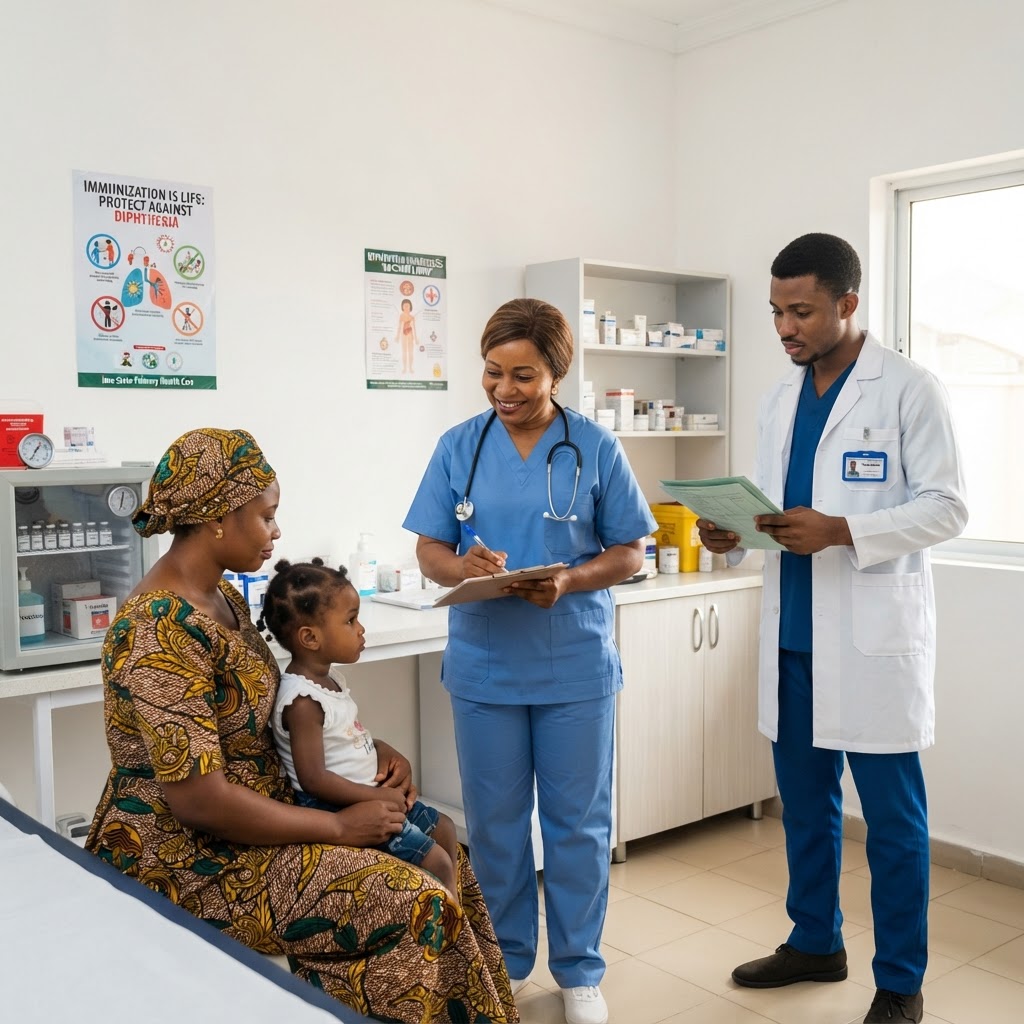
Diphtheria in Nigeria: How Prepared Are Imo’s Health Centres?
Nigeria is facing its worst diphtheria resurgence in decades. What began as a concentrated outbreak in the northern states has evolved into a national public health emergency, with confirmed cases now appearing across regions once considered low-risk. For families in Imo State and across the Southea...