Powered by Obi Mbieri Independent Media Ltd · eziokwubundu.com
$1 = ₦1,329€1 = ₦1,514£1 = ₦1,760You Cannot Understand the Global Picture Without Understanding the Grassroots
There is a habit in modern media of looking for meaning in the places where power is most visibly concentrated. Attention gravitates toward presidential palaces, corporate headquarters, international summits, and financial exchanges. Yet the most consequential stories of our time are frequently not ...
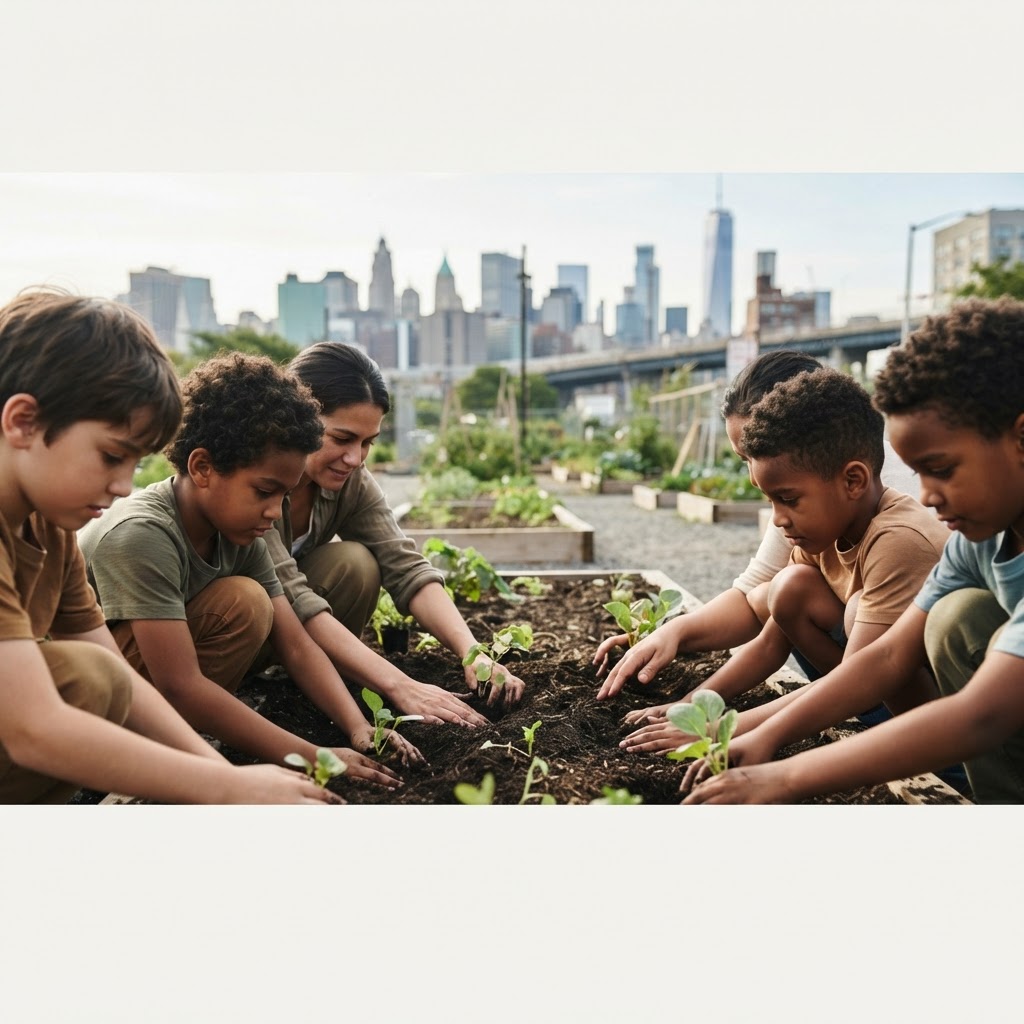
There is a habit in modern media of looking for meaning in the places where power is most visibly concentrated. Attention gravitates toward presidential palaces, corporate headquarters, international summits, and financial exchanges. Yet the most consequential stories of our time are frequently not told from those vantage points. They are told from markets, farms, community halls, and family homes — from the places where decisions made in distant boardrooms are eventually felt in the body, the purse, and the spirit.
This is the editorial and philosophical foundation of Eziokwubundu: the conviction that you cannot understand the global picture without understanding the grassroots. That conviction is not sentiment. It is a methodology. It is a way of understanding how power, policy, and prosperity actually move through societies — and why African communities, Nigerian families in particular, must be at the centre of any honest analysis of the modern world.
You Cannot Understand the Global Picture Without Understanding the Grassroots
In an increasingly interconnected world, it is easy to believe that the most important stories are the ones unfolding in capitals, boardrooms, parliaments and international institutions.
We watch presidents make announcements, governments introduce policies, corporations publish financial results and international organisations release reports. News travels across continents within seconds, and global events can dominate public conversation almost instantly.
Yet there is a fundamental truth that is often overlooked:
You cannot truly understand the global picture without understanding what is happening at the grassroots.
The world is not experienced from the headlines. It is experienced by people.
It is experienced in villages, towns, neighbourhoods, markets, schools, farms, places of worship, community meetings and family homes. It is experienced by the farmer struggling with rising costs, the young person searching for employment, the trader dealing with changing consumer behaviour, the community negotiating with an oil company, and the local leader trying to balance tradition, politics and development.
These seemingly small stories are often pieces of a much larger picture.
The world is built from local realities
Global developments may appear distant, but their consequences are usually local.
A change in international oil prices can affect the cost of transportation in Owerri.
A decision made by a multinational corporation can determine whether a community receives jobs, infrastructure or investment.
A change in agricultural policy can affect what farmers earn.
A conflict thousands of kilometres away can influence food prices, energy costs or migration.
A technological breakthrough in another part of the world can eventually change how businesses operate in a small Nigerian town.
The connection may not always be immediately visible.
But it exists.
This is why understanding the grassroots is not merely about covering local news. It is about understanding how larger forces actually affect human beings.
The grassroots gives meaning to statistics
Consider a government report announcing that inflation has fallen.
The statistic may be important.
But what does it mean to the woman selling food in a local market?
Can she buy the same quantity of goods with her income?
Can her customers still afford what she sells?
Has transportation become cheaper?
Are rents increasing?
Can families afford school fees?
These questions give meaning to the numbers.
Statistics tell us what is happening.
Grassroots reporting helps us understand what it means.
That distinction is essential.
Communities are not passive observers
Grassroots communities are often portrayed as recipients of decisions made elsewhere.
That is incomplete.
Communities make decisions too.
They organise themselves. They elect leaders. They negotiate with governments and companies. They defend communal interests. They resolve disputes. They preserve traditions. They challenge institutions. They create businesses and social networks.
In many cases, the grassroots is where important political and economic questions first become visible.
A dispute over land may eventually become a legal battle.
A disagreement over community leadership may expose weaknesses in local governance.
A disagreement over resource distribution may reveal broader questions about transparency and accountability.
A local environmental complaint may become part of a national conversation about corporate responsibility.
What begins as a village issue can therefore become a window into much larger questions.
Tradition, leadership and modern governance
This is particularly evident in communities across Nigeria.
Many communities operate through a combination of traditional institutions and modern democratic structures.
There may be traditional rulers, village heads, elders, town unions, development unions, youth organisations, women's groups and elected community executives.
Each may have a legitimate role.
But when their responsibilities overlap, disagreements can emerge.
Who speaks for the community?
Who can negotiate with a company?
Who controls community resources?
Who has authority over traditional matters?
Who represents the people politically?
These questions may appear local, but they reflect a universal challenge:
How do traditional institutions and modern democratic systems coexist in a changing society?
Understanding that question requires listening to the people living inside those systems.
The danger of viewing the world only from the top
One of the weaknesses of modern media is that important decisions are often reported from the perspective of those who make them.
Governments announce policies.
Companies announce investments.
Political parties announce programmes.
Institutions publish reports.
But what happens after the announcement?
That is where grassroots journalism becomes indispensable.
Featured Products
Chukwu Abiama Tee
Bold black-and-gold Igbo-pride T-shirt featuring 'Chukwu Abiama' in premium streetwear typography.
₦15,000
Buy NowReverse Type 2 Diabetes & other associated Metabolic Issues using Dr. Jason Fung's Evidence-Based Approach— FMD program for Type 2 Diabetes
A practical fasting and fasting-mimicking programme built on Dr Jason Fung's insulin-resistance principles and ow-glycemic recipes.
₦19,950
Join NowỤmụ Igbo Tee
Classic black T-shirt with bold white 'Ụmụ Igbo' typography — a proud statement of Igbo heritage.
₦15,000
Buy NowNwanne Tee
Washed khaki vintage tee with a faded rust-orange 'Nwanne' stamp badge and palm leaf motif — a nod to kinship and heritage.
₦18,000
Buy NowObodo Tee
Faded denim-blue washed tee with a cream 'Obodo' stamp badge and sun motif, celebrating community roots.
₦18,000
Buy NowEkwe Heritage Tee
Deep indigo tee featuring a fine line-art illustration of a traditional Igbo ekwe drum, inspired by Igbo-Ukwu bronze artistry.
₦18,000
Buy NowIkenga Figure Tee
Forest green tee with a fine line-art illustration of a stylized Ikenga figure.
₦18,000
Buy NowA government can announce a road project. The grassroots asks: Has the road actually been built?
A company can announce a community development programme. The community asks: Where is the project?
A political leader can promise development. Citizens ask: What changed?
A community leader can claim to speak for the people. The people ask: Who gave you that mandate?
These questions create accountability.
Local stories deserve serious journalism
Grassroots journalism should not mean lower standards of journalism.
Quite the opposite.
Local stories often require more careful reporting because the people involved know one another personally.
A careless report can damage reputations, deepen community divisions or turn an unresolved disagreement into a permanent conflict.
That is why responsible grassroots journalism must distinguish between:
What is known.
What is alleged.
What can be documented.
What remains disputed.
And what still needs investigation.
The journalist's responsibility is not to become the voice of one faction.
It is to pursue the facts.
The grassroots also preserves history
Another reason grassroots reporting matters is that communities have histories that may never appear in national archives.
Stories about migration, family origins, traditional institutions, communal boundaries, local heroes, cultural practices and historical events are often preserved through oral history and community records.
If they are not documented, they can disappear.
Today's community dispute may become tomorrow's historical record.
Today's village leader may become part of the community's institutional history.
Today's development project may determine the future of generations.
Grassroots journalism therefore does more than report the present.
It helps preserve the past for the future.
From the village to the world
There is a temptation to think of local journalism and global journalism as separate worlds.
They are not.
A story from a Nigerian village can reveal something about global energy politics.
A community's struggle with climate change can illustrate a worldwide environmental problem.
A local entrepreneur can become part of the global digital economy.
A community dispute over natural resources can raise questions about corporate governance and resource justice that exist across Africa and beyond.
The local and the global are connected.
The difference is often simply where you begin looking.
Why the grassroots must have a voice
Every society needs institutions that listen to people at the ground level.
The grassroots provides a perspective that cannot always be obtained from government statements, corporate announcements or political speeches.
It tells us what policies look like in real life.
It tells us how decisions are received.
It reveals unintended consequences.
It exposes gaps between promises and reality.
And, perhaps most importantly, it reminds us that behind every policy, statistic and political argument are real people whose lives are affected.
The bigger picture is incomplete without the smaller picture
The global picture is made up of millions of local realities.
A country's economy is ultimately experienced by households and businesses.
A government's policies are ultimately experienced by citizens.
A company's operations are ultimately experienced by workers and host communities.
A cultural tradition survives through families and communities.
A democracy succeeds or fails according to how ordinary people experience it.
That is why the grassroots is not the bottom of the story.
It is part of the foundation of the story.
And sometimes, it is where the most important story begins.
The Eziokwubundu perspective
For a platform such as Eziokwubundu, the responsibility is therefore bigger than simply reporting events.
It is about connecting the local to the national, and the national to the global.
It is about telling the stories that may begin in a village but have implications far beyond it.
It is about giving communities a credible platform while maintaining the standards of responsible journalism.
And it is about recognising that a community's story is never “just a local story.”
Because when you understand the grassroots, you begin to understand how society actually works.
You cannot understand the global picture without understanding the grassroots.
What Is the Eziokwubundu Vision for a Connected Future?
The smaller picture is the foundation of the bigger picture. No economic policy is successful until it works in an actual household. No governance reform is meaningful until it changes a community's daily experience. No public health initiative is effective until a family in a rural local government area is measurably healthier.
Eziokwubundu exists at this intersection. Its commitment is to connect the local to the national, and the national to the global — while never losing the granularity that makes the connection honest rather than rhetorical. That means maintaining rigorous journalistic standards in community reporting. It means publishing evidence-based health content that a family in Imo State can act on today. It means providing wealth creation frameworks calibrated to Nigerian economic realities, not imported from contexts that do not apply.
The call to action is simple: begin where you stand. Look at your local market, your community meeting, your ward's water supply, your school's attendance records. That is where the global picture is being written. To understand the world, you must first understand the village.
You cannot understand the global picture without understanding the grassroots.
Stay Informed
Get New Articles in Your Inbox
Subscribe to receive the latest community development, health, and wealth insights from Eziokwubundu.
Newsletter
Practical insights on health, wealth, and community — delivered weekly.
Community Discussion(0)
Leave a Comment
More to Read
You May Also Like

CCB Investigates Assets of 50 Top Nigerian Officials
A quiet compliance exercise inside a government agency rarely makes headlines, yet this one does. Nigerians are watching closely as the Code of Conduct Bureau digs into the Assets of the country's most powerful public servants, and the scrutiny is reshaping conversations about integrity in public of...

Owerri Hosts Interswitch TechConnect 6.0 Today
Nigeria's fintech landscape is entering a bold new phase of regional expansion. Owerri Hosts Interswitch TechConnect 6.0 Today, marking a historic milestone for South-East Nigeria's digital economy. This landmark gathering brings together innovators, policymakers, and entrepreneurs to reshape the na...

EFCC Declares Ex-Pension Boss Maina Wanted Again
The name Abdulrasheed Maina has resurfaced in Nigeria's anti-corruption headlines once again. In a fresh development that has caught public attention, EFCC Declares Ex-Pension Boss Maina Wanted Again, reigniting a saga that has spanned over a decade. For Nigerian families who depend on pension syste...
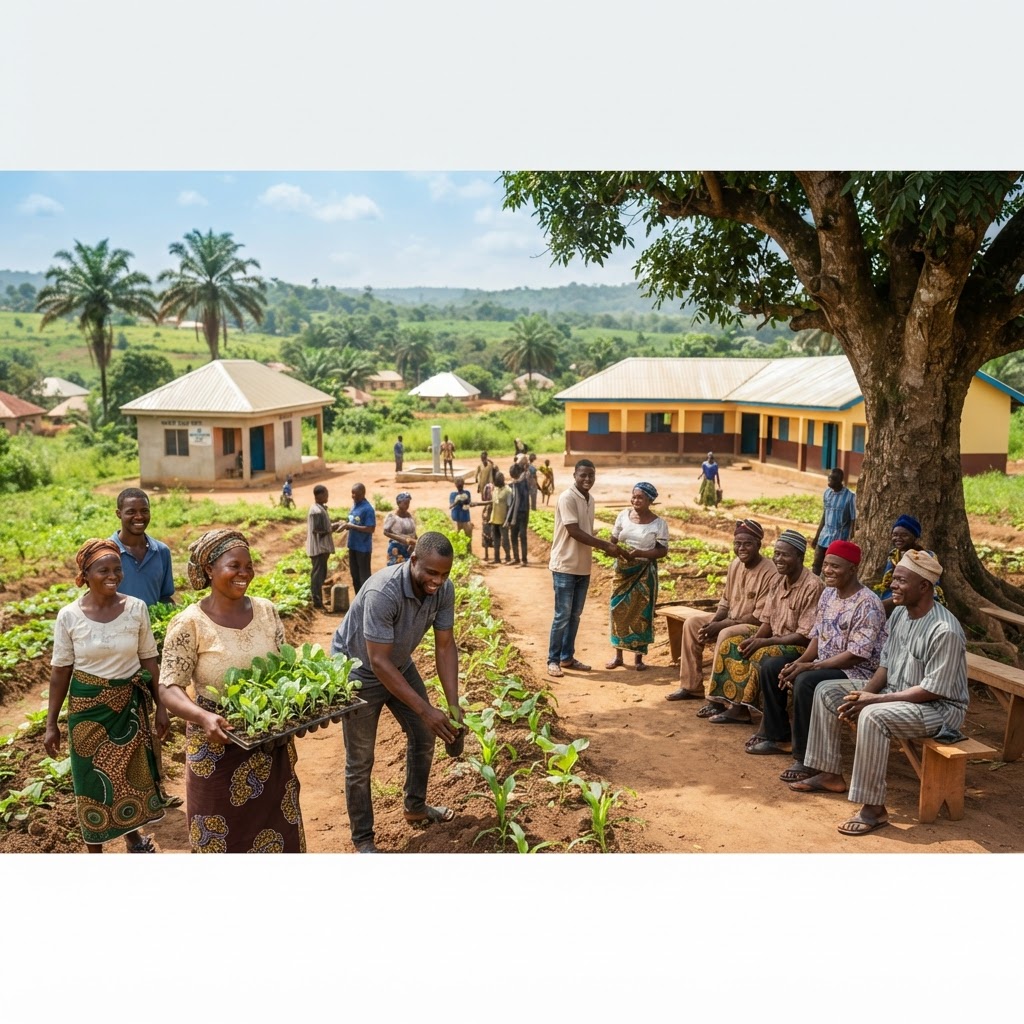
Imo Government to Support 100 More Communities
OKOBI is reshaping how everyday Imo residents build wealth from their own villages. The latest expansion, tagged OKOBI: 100 More Imo Communities Set to Receive Government Support, signals a new chapter in Governor Hope Uzodimma's push for grassroots prosperity. For Nigerian families and community le...
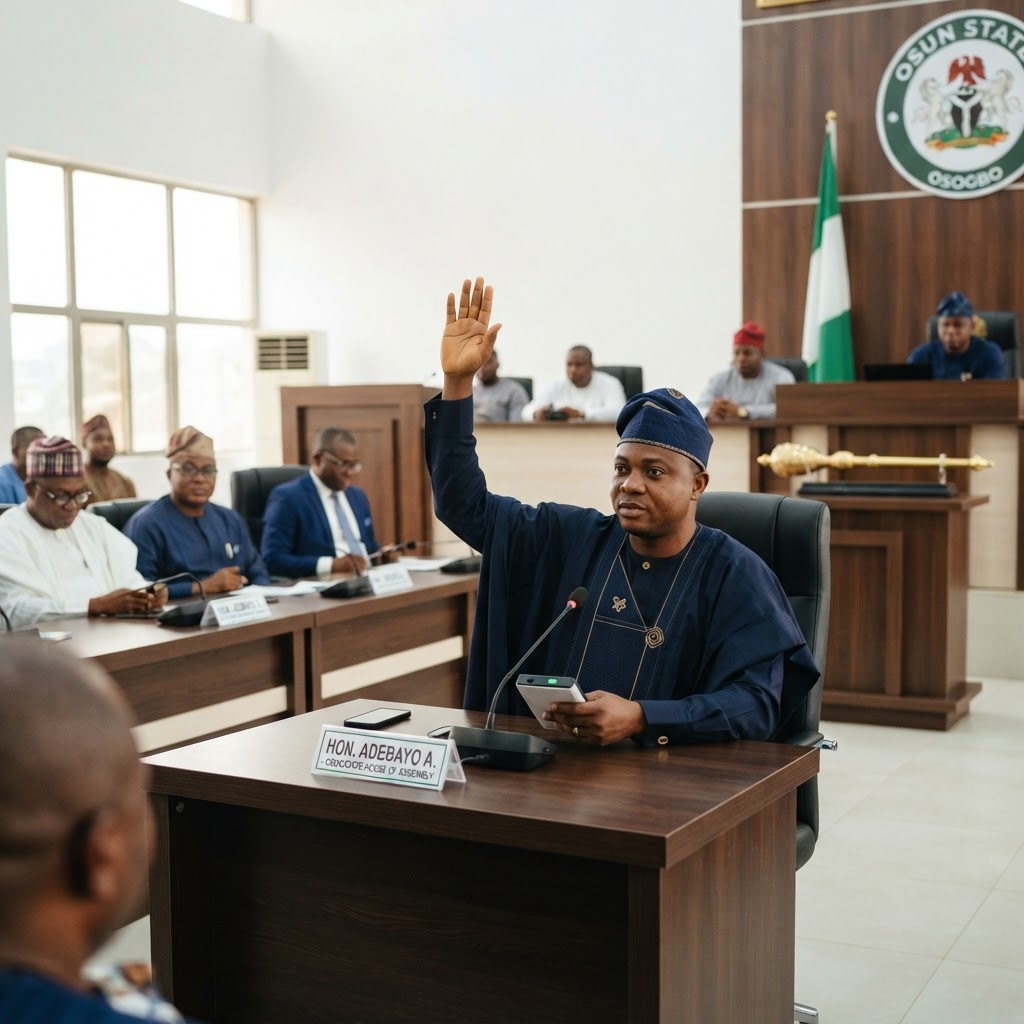
Osun Assembly Approves State Police Bill
The security conversation in Nigeria has taken a decisive turn. Lawmakers across the country are now voting on a reform that could reshape how communities are protected, starting from the grassroots. The Osun Assembly Approves State Police Bill, joining a growing list of states pushing for decentral...

Imo Approves Recruitment of 6,030 Teachers Across 27 LGAs
Imo State has taken a bold step toward transforming its public education system. Governor Hope Uzodimma has approved the recruitment of 6,030 teachers across the state's 27 Local Government Areas, a move many residents have awaited for years. This decision, widely reported by Vanguard(https://www.va...

CBN Cuts Interest Rate to 23%: Impact on Nigerians
Nigerians woke up to significant financial news this week. The Central Bank of Nigeria has made a bold move that could reshape household budgets and business plans alike. This shift, widely covered as CBN Cuts Interest Rate to 23% — What It Means for Nigerians and Businesses, deserves a closer look ...
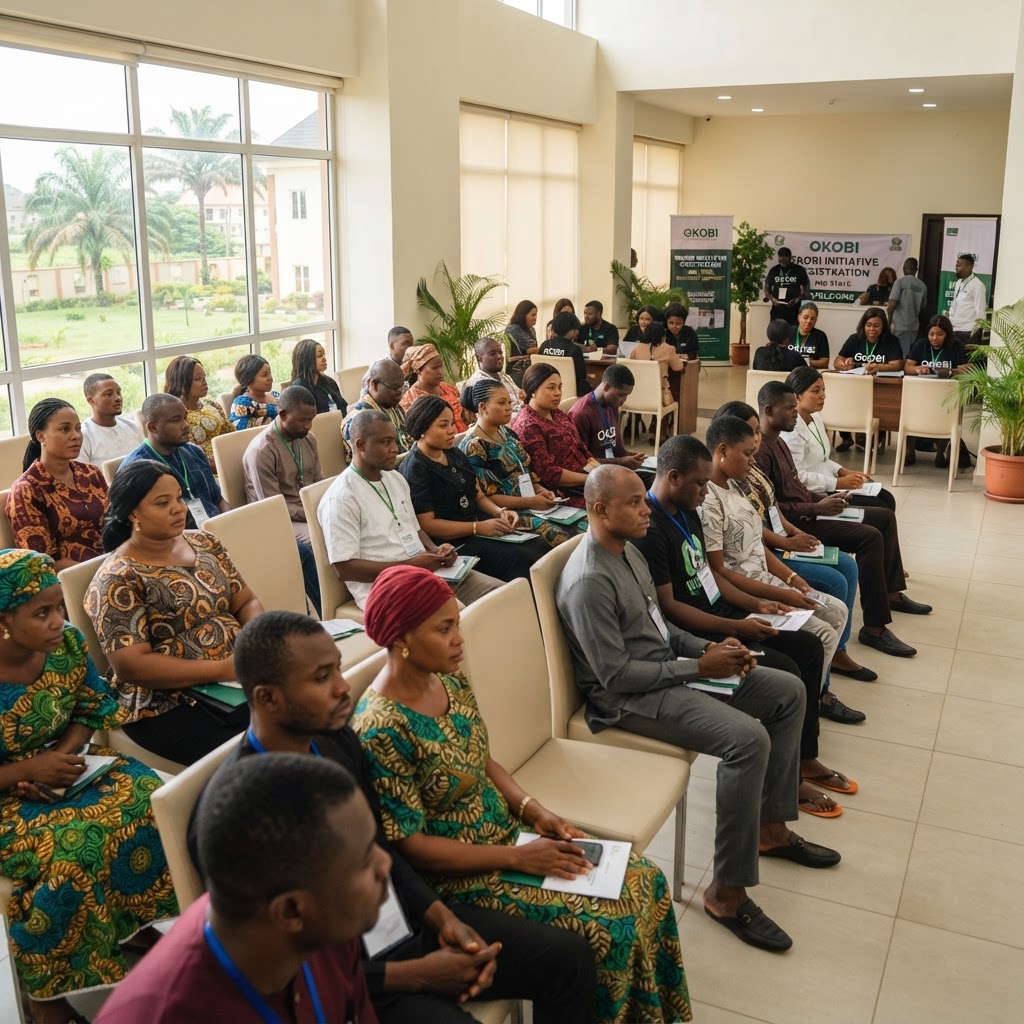
65 Imo Businesses Await OKOBI Initiative Registration
Imagine 65 kindred-owned businesses across Imo State, each waiting for one final document to unlock full legal status. That single step—Corporate Affairs Commission registration—now defines the next chapter in Imo's OKOBI Initiative: 65 Community Businesses Await CAC Registration. For families, entr...
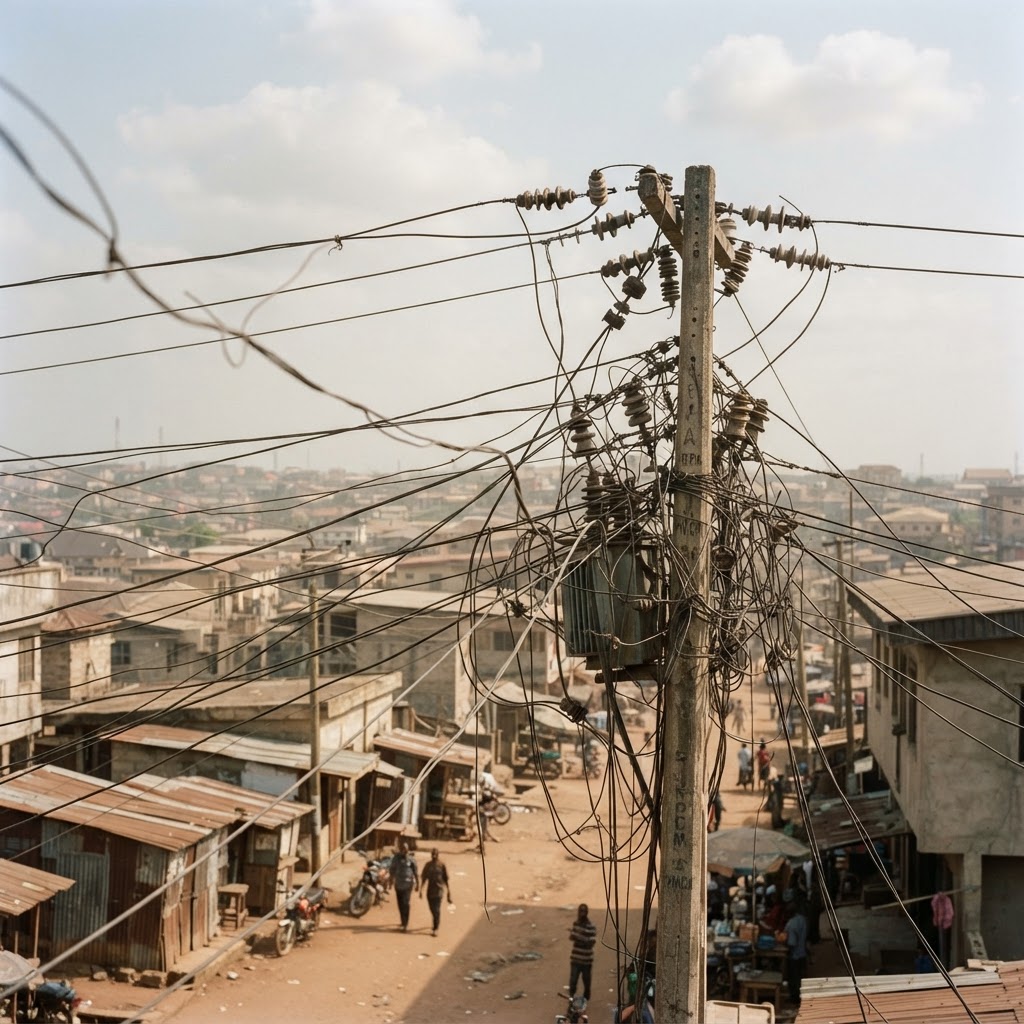
Why Nigeria Faces an Ongoing Power Supply Crisis
Nigerian households lose power multiple times a day, and the frustration never seems to fade. Behind every flickering bulb and silent refrigerator lies a deeper story about Nigeria's fragile power supply system — one that touches nearly every aspect of daily life across the country. Businesses stall...

61 Nigerian Officials Tied to $271M US Properties
Nigeria's corridors of power just faced a fresh spotlight. A newly released investigation, titled 61 Nigerian Officials Linked to $271m US Property Holdings — Report, has reignited public debate over wealth, accountability, and trust in leadership. For families budgeting daily expenses, the numbers ...