Powered by Obi Mbieri Independent Media Ltd.
$1 = ₦1,353€1 = ₦1,486£1 = ₦1,775How Elections are Rigged in Nigeria
Nigeria's democracy runs on paper promises and digital tools, yet trust keeps collapsing after every election cycle. Understanding how elections are rigged in Nigeria helps families, entrepreneurs, and community leaders protect their votes and demand better governance. This article breaks down the m...

Nigeria's democracy runs on paper promises and digital tools, yet trust keeps collapsing after every election cycle. Understanding how elections are rigged in Nigeria helps families, entrepreneurs, and community leaders protect their votes and demand better governance. This article breaks down the mechanics, tools, and solutions behind electoral manipulation, drawing on expert analysis including human rights lawyer Frank Tietie's widely-referenced commentary on rigging patterns in Nigerian polls. Throughout this piece, we examine how elections are rigged in Nigeria at every stage of the electoral cycle, from voter registration to final collation, so that citizens can recognize warning signs before they escalate into full-blown manipulation.
Election rigging is not a single event. It is a process that unfolds in stages, often starting months before voters step into polling booths. For communities invested in governance, health outcomes, and economic opportunity, recognizing these patterns is the first step toward protecting democratic gains. The question of how elections are rigged in Nigeria cannot be answered with a single explanation; instead, it requires examining registration fraud, resource abuse, violence, and institutional weaknesses that compound one another over time.
How Does Election Rigging Start?
Rigging rarely begins at the ballot box. It starts with the manipulation of the voters' register and the statistical compilation that underpins every election [4]. When names are padded, duplicated, or strategically removed, the outcome is distorted before a single vote is cast. This is one of the clearest illustrations of how elections are rigged in Nigeria long before election day officially arrives.
Godfatherism plays a central role here. Political patrons place loyalists in key administrative positions within electoral bodies, local government offices, and security agencies. This positioning allows them to control registration exercises, polling unit assignments, and even ad-hoc staff recruitment [4].
Neo-patrimonial structures deepen this problem. Incumbents often use state resources, including vehicles, staff, and public funds, to shape the electoral environment in their favor long before campaigns officially begin [4]. This gives ruling parties a structural advantage that opposition candidates struggle to match. Similar resource imbalances show up in other public policy debates, such as the rollout described in FG Approves ₦70,000 Monthly Transport Allowance, where control over public funds and logistics shapes outcomes far beyond their original purpose.
Consider these early-stage rigging tactics commonly documented in Nigerian elections:
- Inflating voter numbers in strongholds while suppressing registration in opposition areas.
- Appointing partisan ad-hoc staff to oversee sensitive polling units.
- Delaying voter card distribution in regions perceived as hostile to the incumbent.
- Using government vehicles and logistics for party campaign activities.
These practices create an uneven playing field long before election day arrives. Communities that understand this timeline can begin monitoring earlier, rather than waiting until voting starts. Recognizing these early warning signs is central to any serious discussion of how elections are rigged in Nigeria, because by the time voting begins, much of the damage has already been done.
What Tools Facilitate Election Rigging?
Three tools dominate Nigeria's rigging playbook: state power, money, and violence. These instruments work together, often simultaneously, to tilt outcomes toward preferred candidates [4]. Any honest account of how elections are rigged in Nigeria must grapple with the way these three forces reinforce each other rather than operating independently.
State power gives incumbents access to security agencies, which can be deployed to intimidate voters or restrict movement in opposition areas. During several gubernatorial elections, security agents were stationed at polling stations in ways that discouraged voter turnout rather than protecting it [2, 5]. This pattern has been documented in states across the federation, raising questions about operational neutrality. Debates over decentralizing policing, as discussed in State Police Debate Grows as 25 States Back Amendment, are partly a response to this exact concern, since centrally controlled forces are easier for incumbents to direct toward partisan ends.
Money remains equally powerful. Vote-buying has become normalized in many communities, with cash exchanged openly near polling units. Reports from the National Democratic Institute have highlighted how small cash incentives, sometimes as little as 2,000 naira, can sway voters facing economic hardship. This is a particularly insidious form of how elections are rigged in Nigeria, because it exploits poverty rather than relying solely on institutional manipulation.
Thuggery compounds these problems. Hired thugs disrupt voting, snatch ballot boxes, or create chaos that forces premature cancellation of voting at specific units [2, 4]. This grassroots disruption often targets areas where opposition support appears strong, effectively silencing entire communities.
The consequences extend beyond single elections. Communities experiencing frequent violence during elections also face broader security challenges, as seen in reports like Amnesty: At Least 40 Killed in Taraba Village Attack, which illustrates how unchecked violence can escalate dangerously. When thuggery and security force intimidation combine, the line between electoral violence and broader communal violence becomes dangerously thin.
Where Does Rigging Occur Today?
Rigging tactics have evolved. Polling station interference, while still present, has become less central as the process shifts toward vote counting, tabulation, and collation stages [2, 3]. This evolution reflects both technological pressure and smarter manipulation strategies. Understanding this shift is essential to grasping how elections are rigged in Nigeria in the current era, since older narratives focused almost entirely on ballot-box snatching miss where most modern manipulation now happens.
Collation centers have become the new battleground. These centers, where results from multiple polling units are aggregated, are often poorly monitored. Party agents and civil society observers are sometimes intimidated or physically excluded from the collation process [3]. Without independent eyes present, figures can be altered with minimal resistance.
Electoral oversight bodies have struggled to keep pace with these tactics. INEC's own guidelines require transparent transmission and verification of results, yet enforcement remains inconsistent [3, 8]. The gap between policy and practice creates openings for manipulation.
This shift toward collation-stage rigging mirrors broader institutional weaknesses discussed in coverage of State Police Debate Grows as 25 States Back Amendment, where decentralized security oversight is proposed as one potential remedy for uneven law enforcement during elections.
Civil society groups like the Yiaga Africa election observation network have documented irregularities at collation centers across multiple election cycles. Their reports consistently point to weak accountability mechanisms at this specific stage of the process, reinforcing concerns about how elections are rigged in Nigeria well after voters have already cast their ballots.
Featured Products
Reverse Type 2 Diabetes & other associated Metabolic Issues using Dr. Jason Fung's Evidence-Based Approach— FMD program for Type 2 Diabetes
A practical fasting and fasting-mimicking programme built on Dr Jason Fung's insulin-resistance principles and ow-glycemic recipes.
₦19,950
Join NowChukwu Abiama Tee
Bold black-and-gold Igbo-pride T-shirt featuring 'Chukwu Abiama' in premium streetwear typography.
₦15,000
Buy NowỤmụ Igbo Tee
Classic black T-shirt with bold white 'Ụmụ Igbo' typography — a proud statement of Igbo heritage.
₦15,000
Buy NowNwanne Tee
Washed khaki vintage tee with a faded rust-orange 'Nwanne' stamp badge and palm leaf motif — a nod to kinship and heritage.
₦18,000
Buy NowObodo Tee
Faded denim-blue washed tee with a cream 'Obodo' stamp badge and sun motif, celebrating community roots.
₦18,000
Buy NowEkwe Heritage Tee
Deep indigo tee featuring a fine line-art illustration of a traditional Igbo ekwe drum, inspired by Igbo-Ukwu bronze artistry.
₦18,000
Buy NowIkenga Figure Tee
Forest green tee with a fine line-art illustration of a stylized Ikenga figure.
₦18,000
Buy NowCan Technology Stop Election Rigging?
INEC introduced significant technological reforms ahead of the 2023 general election, aiming to curtail malpractice. The Bimodal Voter Accreditation System, known as BVAS, and the INEC Result Viewing Portal, called IReV, were designed to enable electronic transmission and public verification of results [8].
These tools represented genuine progress. Approximately 93.4 million Nigerians registered as voters for the 2023 election, according to INEC figures, making transparent verification more critical than ever. Electronic transmission was meant to eliminate the lag time during which figures could be altered.
However, limitations quickly surfaced. In several constituencies, manual counts at polling units did not match figures later uploaded to the portal, raising questions about where discrepancies originated [8]. Technical glitches and delayed uploads during the 2023 presidential election drew criticism from both local and international observers, including analysis published by Reuters following the vote.
Technology alone cannot solve a problem rooted in human behavior. When officials collude to manipulate figures before they reach digital systems, no portal can detect the fraud [5, 8]. This reality means technological reform must be paired with stronger institutional accountability and genuine political will. It also means that any technical fix to how elections are rigged in Nigeria will remain incomplete unless the human incentives behind manipulation are also addressed.
The ongoing challenge is ensuring that reforms are not quietly undermined through administrative failures or deliberate collusion. Without consistent enforcement, even the most sophisticated systems become vulnerable to the same old tactics dressed in new packaging. Much like the administrative hurdles seen in public service rollouts such as the Civil Defence and Immigration Portal Reopens October 28, digital systems in Nigeria frequently depend on the integrity of the humans operating them, not just the strength of the code underlying them.
Why Does Rigging Undermine Democracy?
Rigged elections erode public trust in democratic institutions. When citizens repeatedly witness manipulated outcomes, apathy sets in [10]. Voter turnout in the 2023 presidential election dropped to roughly 26.7%, according to INEC data, reflecting widespread disillusionment among eligible voters. This decline in participation is perhaps the clearest societal cost of how elections are rigged in Nigeria, because it signals that citizens no longer believe their votes carry decisive weight.
This apathy has long-term consequences. Communities that disengage from the electoral process lose leverage over policy decisions affecting healthcare, infrastructure, and economic development. Local advocacy efforts, like those seen in Imo Farmers Protest Against Bad Roads in Ngor Okpala, often emerge precisely because communities feel unheard through formal electoral channels. When citizens feel their votes do not matter, they increasingly resort to street-level protest rather than ballot-box advocacy, which is itself a troubling symptom of democratic erosion.
Rigged elections also fuel post-election violence. Disputed results frequently trigger protests, clashes, and in some cases, loss of life [3, 5, 6]. This instability threatens not just political stability but everyday civic order, affecting businesses, schools, and families trying to go about normal life. Even infrastructure failures, such as those reported in Lagos Building Collapse Kills One, Injures Three, point to a broader pattern of weak institutional oversight that mirrors the same accountability gaps enabling electoral fraud.
The economic cost is substantial. Foreign investors closely monitor political legitimacy before committing capital to Nigerian markets. According to the World Bank, political uncertainty remains a persistent constraint on foreign direct investment flows into Nigeria. When legitimacy is constantly contested, the entire economy bears the burden through reduced investor confidence.
These ripple effects touch every pillar of community life, from job creation to public health funding. Public health emergencies, such as those covered in First Volunteer Receives Vaccine for Rare Ebola Strain and Nigeria Ebola update, NCDC contact tracing, Ebola Abuja, depend heavily on functioning, trusted institutions capable of mobilizing resources quickly. The same institutional weaknesses that explain how elections are rigged in Nigeria often resurface during public health crises, when coordination between agencies proves slow, uneven, or politically compromised. Understanding this connection helps explain why electoral integrity matters far beyond politics alone.
How Can Communities Protect Votes?
Protecting the electoral process requires active participation throughout the entire cycle, not just on voting day. Citizens must monitor registration, campaign conduct, voting procedures, and collation stages with equal vigilance [2]. Any practical strategy to counter how elections are rigged in Nigeria has to address each of these stages individually, since manipulation at one stage can undo scrutiny applied at another.
Community stakeholders hold particular responsibility here. Traditional institutions, religious leaders, and local organizations can collectively demand transparency from electoral officials. Holding local accountability sessions after elections has proven effective in several states, creating pressure for officials to explain discrepancies [3].
Civic education remains essential. Many voters do not know their rights regarding vote-buying resistance or how to report irregularities through legitimate channels [4, 7]. Organizations like Yiaga Africa and the European Union Election Observation Mission provide resources that communities can adapt for local training sessions.
Practical steps communities can take include the following:
- Training local volunteers as independent election monitors before registration begins.
- Partnering with civil society groups to track collation center activities in real time.
- Establishing community reporting hotlines for suspected vote-buying or intimidation.
- Encouraging youth professionals and students to serve as registered party or civil society observers.
Stronger institutional reform also matters. Discussions around decentralized security, as outlined in Imo Assembly Backs Constitutional Amendment for State Police and the related State Police Debate Grows as 25 States Back Amendment, suggest that localized accountability structures could reduce the influence of centrally controlled security forces during elections. If security agencies answerable to local communities replace centrally directed forces, one of the primary tools behind how elections are rigged in Nigeria could lose much of its effectiveness.
Beyond security reform, transparency in public resource allocation, similar to debates sparked by FG Approves ₦70,000 Monthly Transport Allowance, can help limit the diversion of state funds toward partisan campaign activity. Likewise, improved contact tracing and data transparency practices seen in health responses, such as those documented in Nigeria Ebola Case Linked to Kenya, Transmission Unclear, demonstrate that Nigerian institutions are capable of rigorous, transparent data management when sufficiently motivated and resourced. Applying that same rigor to voter registries and collation processes could meaningfully change the story of how elections are rigged in Nigeria for future generations.
Ultimately, protecting Nigeria's democracy is a collective responsibility. Families, entrepreneurs, and diaspora Nigerians all have a stake in ensuring elections reflect genuine public will. When communities understand how elections are rigged in Nigeria, they become better equipped to resist manipulation and build the transparent democratic institutions that sustainable prosperity requires. The path forward demands sustained vigilance, continuous civic education, and institutional reforms that close the gaps currently exploited at every stage of the electoral process, from registration through collation and final declaration of results.
Stay Informed
Get New Articles in Your Inbox
Subscribe to receive the latest community development, health, and wealth insights from Eziokwubundu.
Newsletter
Practical insights on health, wealth, and community — delivered weekly.
Community Discussion(0)
Leave a Comment
More to Read
You May Also Like

Obi-Mbieri Mourns Engr. Vitalis Opara: Questions Emerge Over Community’s Silence
Engr. Vitalis Opara is identified as President General on the signature page of the Obi-Mbieri Autonomous Community Constitution 2020 as amended.
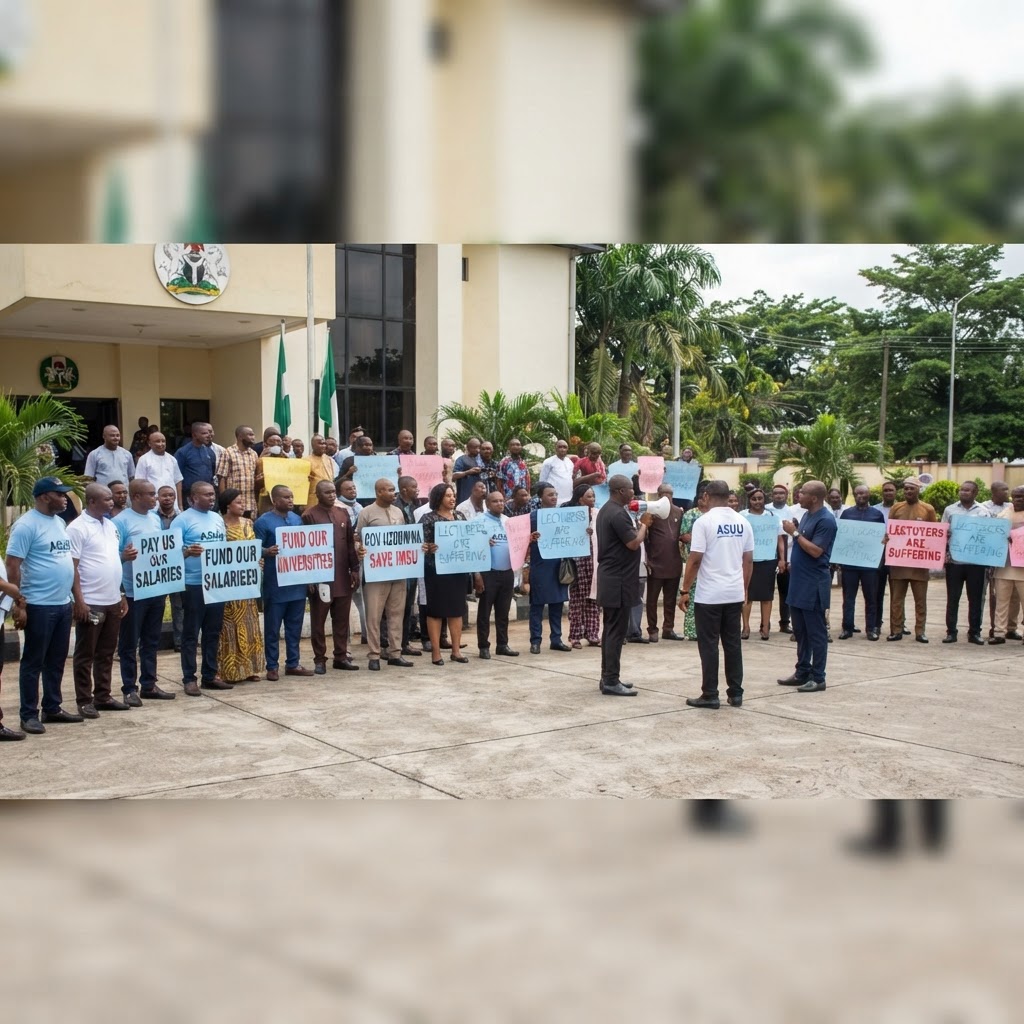
IMSU Lecturers Protest in Owerri, Appeal to Uzodimma to End
The streets of Owerri turned into a sea of white lab coats and placards this week. Hundreds of university lecturers walked out of their offices, choosing protest over silence. The IMSU Lecturers Protest in Owerri, Appeal to Uzodimma to End Months-Long Strike has become a defining moment for Imo Stat...

JAMB Candidates Can Now Change Course and Institution Online
Admission season often brings long queues and costly transport for Nigerian families. That burden has just eased. JAMB candidates can now change their institutions and courses from home, as the board announces a new digital correction service, giving students and parents fresh control over their aca...
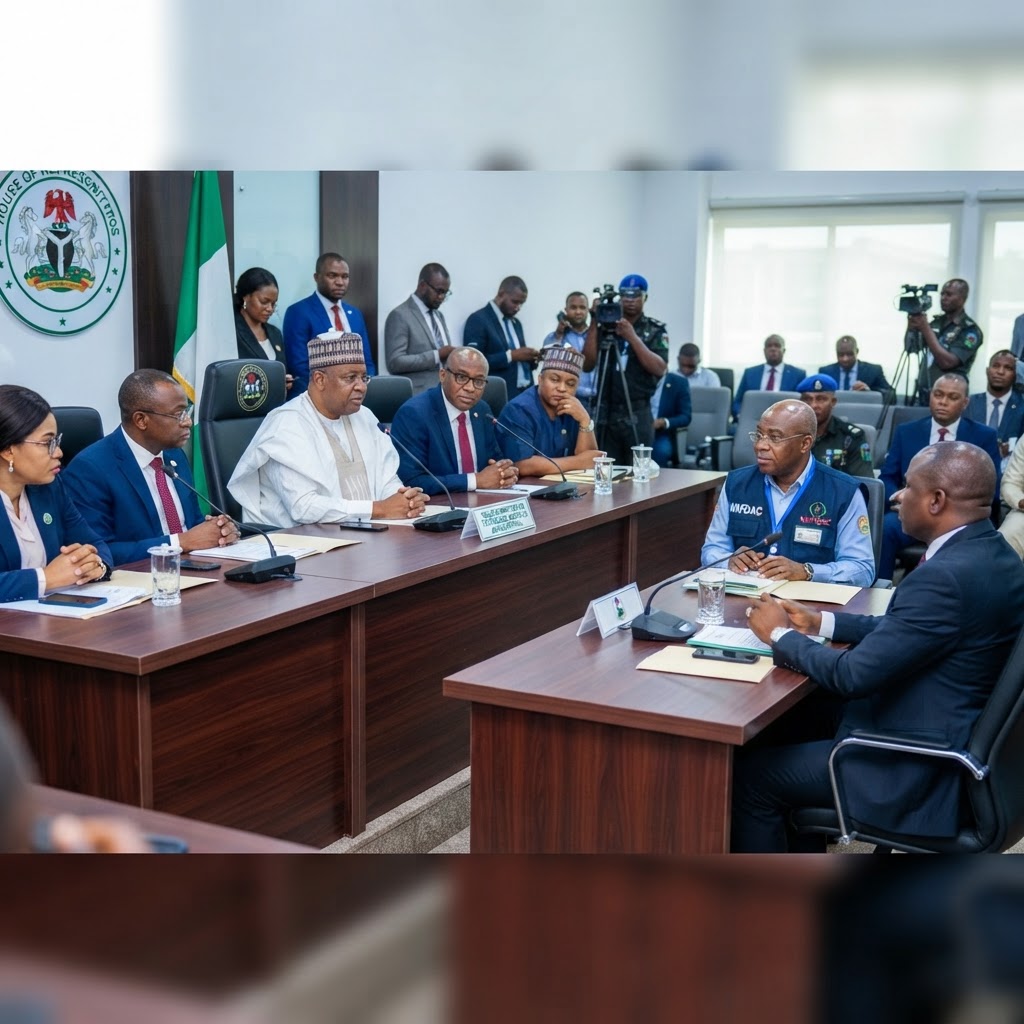
House Summons NAFDAC and DSS Over Fake Drug Deaths
Four people are dead, eleven more are fighting for their lives, and a federal lawmaker wants answers now. Fake Drug deaths linked to a suspicious herbal concoction have pushed the House of Representatives to move decisively, summoning NAFDAC and the DSS in a case that is no longer a distant headline...

Prevent Kidney Disease With Regular Health Checks
Kidney health rarely makes headlines until a crisis hits a family. Yet understanding Kidney Disease: Why Regular Health Checks Can Help Prevent Serious Complications can save lives, protect household income, and strengthen community wellbeing across Nigeria. Kidney Disease often develops quietly ove...
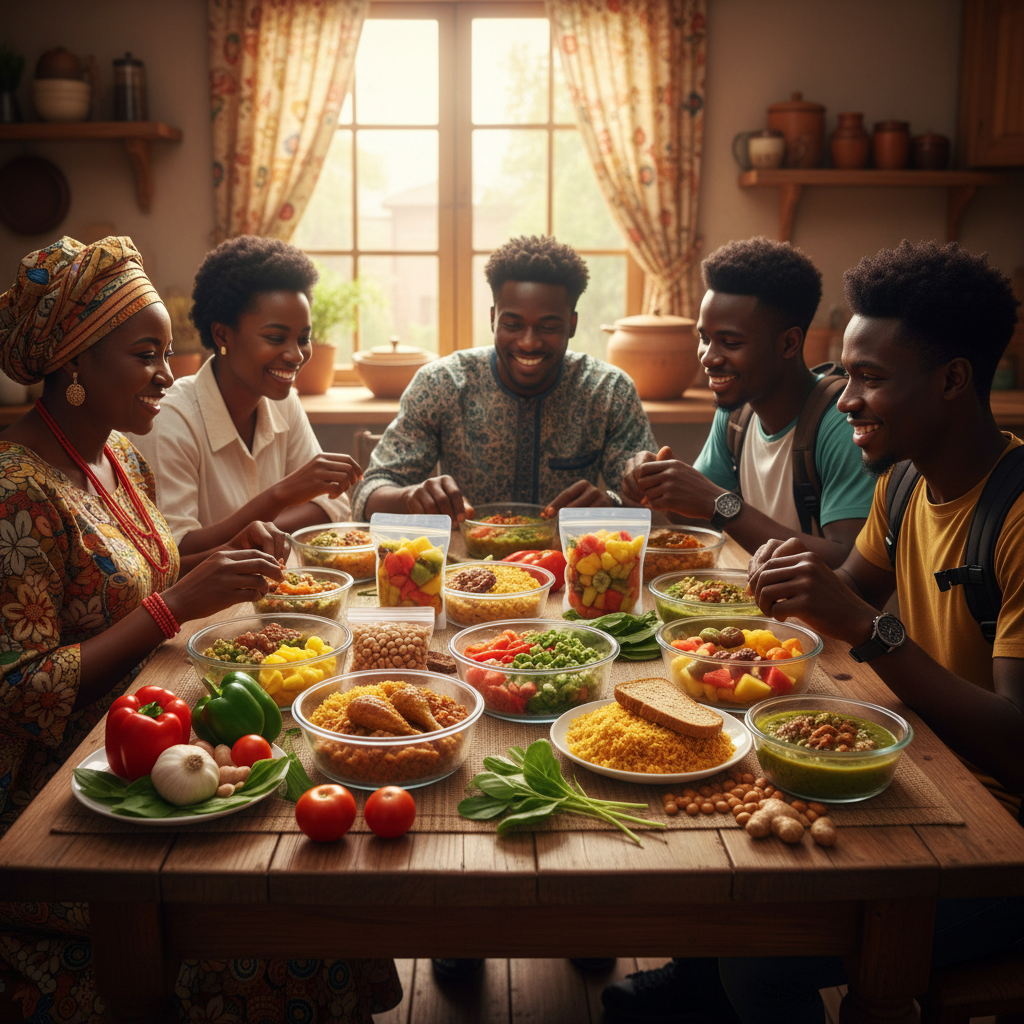
Budget-Friendly Healthy Meal Prepping for Nigerians
Modern Nigerian families face the dual pressure of rising food prices and the need for better health outcomes. Learning how Nigerian families can(/article/nigerian-family-guide-to-reversing-type-2-diabetes) use meal prepping with local ingredients to eat healthy on a tight budget is a vital skill fo...

Beyond Degrees: Bridging Nigeria's Digital Skills Gap
Nigeria's graduates are flooding the job market faster than employers can absorb them. Yet many arrive with certificates but no practical digital competence. This is the heart of Digital Skills and Youth Employment: Why Nigerian Graduates Need More Than University Certificates.—a gap that is reshapi...
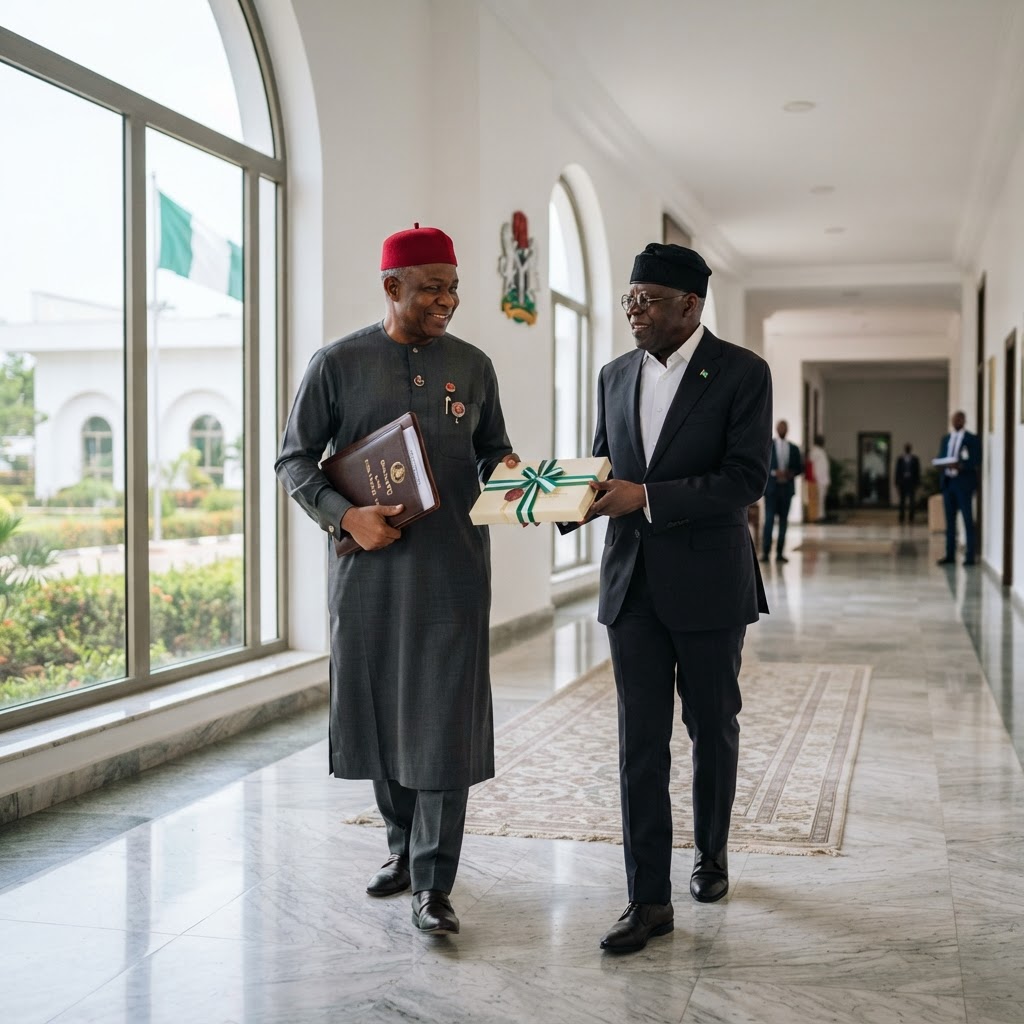
Senate Sends State Police Bill to Tinubu for Approval
Nigeria's security architecture is entering a new chapter. The headline development, State Police Bill: Senate Transmits Constitutional Amendment to Tinubu for Presidential Assent, signals a historic shift toward decentralized policing. For Nigerian families, entrepreneurs, and community leaders, th...
Diabetes in Africa: Why Routine Screening Is Vital
Imagine a disease that silently damages organs for years before anyone notices. That is the reality for millions living in Africa today. According to the latest report, Diabetes: Three Out of Four Africans Living With the Condition May Be Unaware – Why Screening Matters, and this gap in knowledge is...
Tinubu Orders Release of 78 Suspects in Convoy Attack
A single Friday afternoon in Abuja turned into a national talking point. News that President Tinubu Orders Release of 78 Suspects Arrested Over Attack on His Convoy in Abuja quickly spread across radio, television, and social media. For many Nigerian families, the story raised fresh questions about ...