Powered by Obi Mbieri Independent Media Ltd.
$1 = ₦1,353€1 = ₦1,486£1 = ₦1,775Understanding Heart Health and Cardiovascular Disease
Hypertension and heart disease often work silently, yet they shape life expectancy across Nigeria. This feature on Heart Health Matters: Understanding Hypertension, High Cholesterol, Stroke and Heart Disease breaks down the science, the risks and the practical steps families can take today to protec...

Hypertension and heart disease often work silently, yet they shape life expectancy across Nigeria. This feature on Heart Health Matters: Understanding Hypertension, High Cholesterol, Stroke and Heart Disease breaks down the science, the risks and the practical steps families can take today to protect their heart health for the long term.
Why Is Heart Health A Priority?
Cardiovascular disease is the world's leading killer. According to the World Health Organization, these conditions caused roughly 32% of all global deaths in 2022. Heart health, once viewed as a concern reserved for the elderly or wealthy, is now recognized as a shared public priority that touches every income bracket and every region.
In Africa, hypertension remains the quiet threat behind many of these statistics. An estimated 20 million people live with high blood pressure across the region, often without symptoms, according to WHO data. Many only discover their condition after a heart attack or stroke, by which point irreversible damage may have already occurred. This delay underscores why heart health awareness must move from hospitals into homes, schools, and workplaces.
This is not just a medical issue. It is a development issue. Poverty, limited health education, and rapid, unplanned urbanization increase exposure to poor diets, sedentary jobs, and chronic stress. As Nigerian cities expand faster than infrastructure, families face more processed food options and fewer safe spaces for exercise. Each of these pressures chips away at heart health in ways that are rarely visible until a crisis occurs.
Understanding Heart Health Matters: Understanding Hypertension, High Cholesterol, Stroke and Heart Disease means recognizing that cardiovascular wellness is tied to economic stability. Consider these realities facing many Nigerian households:
- Limited access to affordable screening in rural communities.
- Rising cost of fresh produce compared to processed alternatives.
- Growing urban stress linked to traffic, insecurity, and economic pressure.
- Inconsistent public health messaging around silent conditions.
Communities that prioritize prevention reduce long-term healthcare costs. This protects both family savings and national productivity, a theme explored further in discussions around Nigeria Must Prepare for 2027 Global Food Crisis, where nutrition security directly intersects with public health outcomes. Investing in food systems today is, in many respects, an investment in tomorrow's heart health outcomes for an entire generation.
How Do Hypertension And Stroke Connect?
Hypertension is the single greatest risk factor for stroke. Research shows it contributes to more than half of all stroke cases worldwide. When blood pressure stays elevated for years, it damages artery walls and increases the likelihood of clots or ruptures in the brain. This is one of the clearest examples of how heart health and brain health are inseparably linked.
A study on stroke patterns in Northern Nigeria found something striking. Hypertension was the predominant risk factor even among young adults, not just the elderly. This challenges the common belief that stroke only affects older populations, and it reinforces the argument that heart health education should begin far earlier than most families assume.
Many Nigerians assume stroke is an "old age disease." This assumption delays screening among younger professionals and students who feel invincible. Yet uncontrolled blood pressure in your twenties or thirties can set the stage for a stroke decades earlier than expected. Building strong heart health habits during these formative years can meaningfully alter that trajectory.
The encouraging news is that prevention works. Up to 40% of all strokes can be avoided through consistent blood pressure management and regular screening, according to global stroke prevention research published through the American Heart Association. Simple, affordable monitoring at home or at local clinics can catch warning signs early, giving individuals a genuine chance to correct course before serious damage occurs.
Community health outreach plays a role here too. Programs similar to those discussed in Imo Local Government Elections Set for November 14 show how local governance structures can expand access to screening when health becomes a civic priority, not just a personal one. When local leaders champion heart health initiatives alongside infrastructure and economic programs, entire communities benefit from earlier detection and better outcomes.
What Role Does Cholesterol Play?
Cholesterol often gets oversimplified as simply "bad" or "good." In reality, both types interact to determine cardiovascular risk. LDL cholesterol deposits fat along artery walls, gradually narrowing the vessels that carry blood to the heart and brain, directly undermining heart health over time.
HDL cholesterol works differently. It helps clear excess fat from the bloodstream, reducing the buildup that leads to blockages. When LDL dominates and HDL is low, the arteries become more vulnerable to dangerous plaque formation, a process that can silently progress for years before any symptom appears.
Triglycerides add another layer of risk. High triglyceride levels combined with low HDL significantly raise the chances of heart attack and stroke. This combination is increasingly common among Nigerians consuming diets heavy in refined carbohydrates and fried foods, making dietary awareness a cornerstone of heart health strategy.
Metabolic health researcher Dr. Jason Fung has written extensively on how insulin resistance drives this imbalance, linking excess sugar intake to abnormal lipid profiles and cardiovascular strain. His work, available through The Fasting Method, highlights how dietary patterns—not just genetics—shape cholesterol outcomes over time and, by extension, long-term heart health.
Medical guidance recommends cholesterol testing for everyone over 40. Testing should start earlier for people with diabetes, smoking habits, or a family history of heart disease. A simple lipid panel at a local laboratory can reveal risk long before symptoms appear, offering an affordable entry point into proactive heart health management.
Are You Ignoring Warning Signs?
Many cardiovascular conditions develop silently. Blood pressure can rise for years without any noticeable symptoms. The only way to truly know your numbers is through regular, routine check-ups, which remain one of the simplest and most effective heart health safeguards available.
Featured Products
Reverse Type 2 Diabetes & other associated Metabolic Issues using Dr. Jason Fung's Evidence-Based Approach— FMD program for Type 2 Diabetes
A practical fasting and fasting-mimicking programme built on Dr Jason Fung's insulin-resistance principles and ow-glycemic recipes.
₦19,950
Join NowChukwu Abiama Tee
Bold black-and-gold Igbo-pride T-shirt featuring 'Chukwu Abiama' in premium streetwear typography.
₦15,000
Buy NowỤmụ Igbo Tee
Classic black T-shirt with bold white 'Ụmụ Igbo' typography — a proud statement of Igbo heritage.
₦15,000
Buy NowNwanne Tee
Washed khaki vintage tee with a faded rust-orange 'Nwanne' stamp badge and palm leaf motif — a nod to kinship and heritage.
₦18,000
Buy NowObodo Tee
Faded denim-blue washed tee with a cream 'Obodo' stamp badge and sun motif, celebrating community roots.
₦18,000
Buy NowEkwe Heritage Tee
Deep indigo tee featuring a fine line-art illustration of a traditional Igbo ekwe drum, inspired by Igbo-Ukwu bronze artistry.
₦18,000
Buy NowIkenga Figure Tee
Forest green tee with a fine line-art illustration of a stylized Ikenga figure.
₦18,000
Buy NowHeart disease symptoms are frequently misread. Chest discomfort is often dismissed as indigestion or heartburn. This misunderstanding delays emergency care, sometimes with fatal consequences. Recognizing the difference between digestive discomfort and cardiac distress can save lives and is a critical piece of everyday heart health literacy.
Family health history offers another powerful diagnostic tool. If parents or siblings experienced hypertension, stroke, or heart attacks at a young age, your personal risk rises substantially. Sharing this history with a doctor allows for earlier, more targeted preventive care, strengthening the overall picture of your personal heart health profile.
Consider these commonly overlooked warning signs that deserve medical attention:
- Persistent fatigue during normal daily activities.
- Shortness of breath without physical exertion.
- Swelling in the legs, ankles, or feet.
- Irregular heartbeat or unexplained dizziness.
Ignoring these signals often stems from limited awareness, not carelessness. Public education campaigns, similar to the transparency efforts highlighted in INEC Identifies Staff Behind Fake AI Voter Photos, show how clear communication builds public trust. Health systems need the same clarity to encourage early screening rather than fear-driven avoidance, because trust and transparency are just as important to national heart health progress as medical technology itself.
How Can You Protect Your Heart?
Prevention remains the most powerful tool against cardiovascular disease. A heart-healthy diet starts with reducing processed foods high in salt, sugar, and saturated fats. Nigerian staples like beans, vegetables, and whole grains offer excellent alternatives when prepared with less oil and salt, and they form a practical foundation for everyday heart health.
Physical activity matters just as much as diet. Health authorities recommend at least 150 minutes of moderate-to-vigorous exercise weekly. This can include brisk walking, cycling, or active household chores, all of which help manage weight, improve cholesterol balance, and reinforce heart health across all age groups.
Lifestyle habits also shape cardiovascular outcomes significantly. Quitting smoking and limiting alcohol intake directly reduce strain on blood pressure and heart rhythm. According to the Centers for Disease Control and Prevention, these two changes alone can lower cardiovascular risk within months of adoption, making them among the fastest ways to improve heart health without medication.
Affordability remains a real concern for many families. Rising food and fuel costs, discussed in Rising Crude Oil Prices Fuel Nigeria Inflation Fears, make healthy choices harder for average households. Community cooperatives, local farming initiatives, and shared exercise groups can help offset these economic pressures while still protecting cardiovascular health and sustaining heart health gains at the community level.
Access to health infrastructure also plays a role in prevention. Broader funding efforts, such as those outlined in World Bank Grants Nigeria $500 Million Flood Relief Loan, demonstrate how large-scale financial support can strengthen public services when channeled effectively, including clinics and screening centers that support community heart health.
Small, consistent changes outperform drastic short-term efforts. Walking to work twice a week, reducing added salt gradually, and choosing water over sugary drinks all add up. These habits build sustainable protection against hypertension, stroke, and heart disease over time, proving that heart health is less about perfection and more about consistency.
What Is The Path To Prosperity?
Individual health forms the foundation of community wealth. A population managing hypertension and cholesterol effectively produces a more resilient, productive workforce. Families spend less on emergency hospital visits and more on education, business growth, and savings, which is why heart health is increasingly discussed alongside economic planning rather than separate from it.
Preventive healthcare functions as a form of wealth preservation. Treating advanced cardiovascular emergencies costs significantly more than managing early warning signs. Regular check-ups, affordable screenings, and lifestyle adjustments protect both personal finances and national healthcare budgets, reinforcing the economic case for investing in heart health infrastructure today.
This connection between health and economic growth mirrors patterns seen in broader development projects. Just as Industrial Investment in Obazu-Mbieri Sparks Economic Growth demonstrates how strategic investment strengthens local economies, strategic health investment strengthens human capital. Healthy communities attract stronger economic participation and long-term stability, and heart health is often the quiet indicator behind that stability.
Civic engagement also matters here. Just as accurate information shapes trust in processes like the Imo Council Elections: Mbaitoli Voter Guide for Saturday or debates such as INEC Chairman Denies Running Pro-Tinubu Account, accurate medical information shapes trust in public health systems. Communities that demand transparency in governance often extend that same expectation to healthcare, pushing for better heart health services and accountability from providers.
Traditional Nigerian values already emphasize collective care. Extended family networks, community support systems, and shared responsibility reflect principles that modern preventive healthcare can reinforce. Blending these values with evidence-based wellness practices creates a uniquely African path toward prosperity, one where heart health becomes a shared family responsibility rather than an individual burden.
Even social tensions around development, such as those raised in Nigerians Criticize Imo Government Over Demolition Threat, reflect how stress, displacement, and uncertainty can quietly erode heart health at a community scale. Addressing housing security and economic stability, therefore, is not separate from protecting cardiovascular wellbeing—it is part of the same broader effort.
Ultimately, understanding Heart Health Matters: Understanding Hypertension, High Cholesterol, Stroke and Heart Disease empowers individuals and communities alike. When Nigerians prioritize blood pressure management, cholesterol awareness, and early screening, they protect more than their own lives. They strengthen families, workplaces, and entire communities for generations to come, proving that heart health is not merely a personal goal but a foundation for national resilience and long-term prosperity.
Stay Informed
Get New Articles in Your Inbox
Subscribe to receive the latest community development, health, and wealth insights from Eziokwubundu.
Newsletter
Practical insights on health, wealth, and community — delivered weekly.
Community Discussion(0)
Leave a Comment
More to Read
You May Also Like

Obi-Mbieri Mourns Engr. Vitalis Opara: Questions Emerge Over Community’s Silence
Engr. Vitalis Opara is identified as President General on the signature page of the Obi-Mbieri Autonomous Community Constitution 2020 as amended.
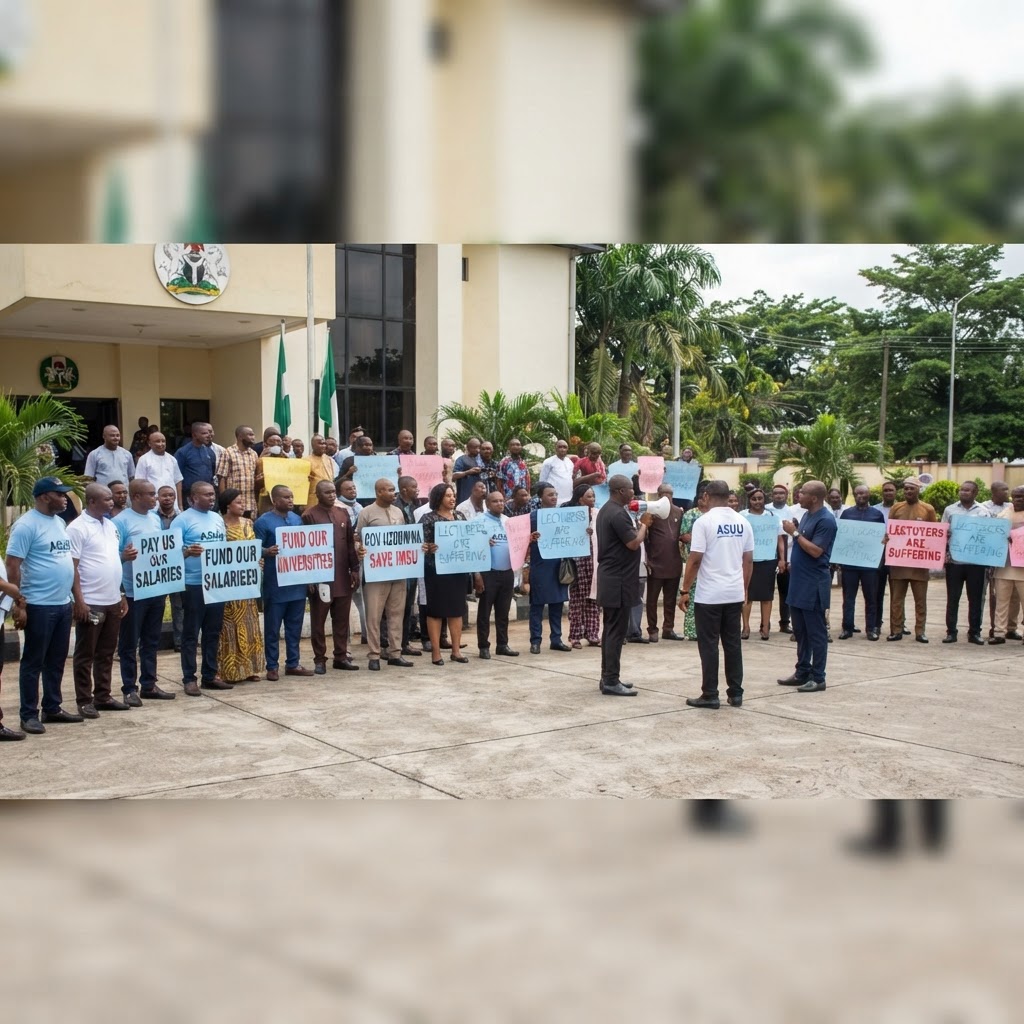
IMSU Lecturers Protest in Owerri, Appeal to Uzodimma to End
The streets of Owerri turned into a sea of white lab coats and placards this week. Hundreds of university lecturers walked out of their offices, choosing protest over silence. The IMSU Lecturers Protest in Owerri, Appeal to Uzodimma to End Months-Long Strike has become a defining moment for Imo Stat...

JAMB Candidates Can Now Change Course and Institution Online
Admission season often brings long queues and costly transport for Nigerian families. That burden has just eased. JAMB candidates can now change their institutions and courses from home, as the board announces a new digital correction service, giving students and parents fresh control over their aca...

House Summons NAFDAC and DSS Over Fake Drug Deaths
Four people are dead, eleven more are fighting for their lives, and a federal lawmaker wants answers now. Fake Drug deaths linked to a suspicious herbal concoction have pushed the House of Representatives to move decisively, summoning NAFDAC and the DSS in a case that is no longer a distant headline...

Prevent Kidney Disease With Regular Health Checks
Kidney health rarely makes headlines until a crisis hits a family. Yet understanding Kidney Disease: Why Regular Health Checks Can Help Prevent Serious Complications can save lives, protect household income, and strengthen community wellbeing across Nigeria. Kidney Disease often develops quietly ove...

Budget-Friendly Healthy Meal Prepping for Nigerians
Modern Nigerian families face the dual pressure of rising food prices and the need for better health outcomes. Learning how Nigerian families can(/article/nigerian-family-guide-to-reversing-type-2-diabetes) use meal prepping with local ingredients to eat healthy on a tight budget is a vital skill fo...

Beyond Degrees: Bridging Nigeria's Digital Skills Gap
Nigeria's graduates are flooding the job market faster than employers can absorb them. Yet many arrive with certificates but no practical digital competence. This is the heart of Digital Skills and Youth Employment: Why Nigerian Graduates Need More Than University Certificates.—a gap that is reshapi...

Senate Sends State Police Bill to Tinubu for Approval
Nigeria's security architecture is entering a new chapter. The headline development, State Police Bill: Senate Transmits Constitutional Amendment to Tinubu for Presidential Assent, signals a historic shift toward decentralized policing. For Nigerian families, entrepreneurs, and community leaders, th...
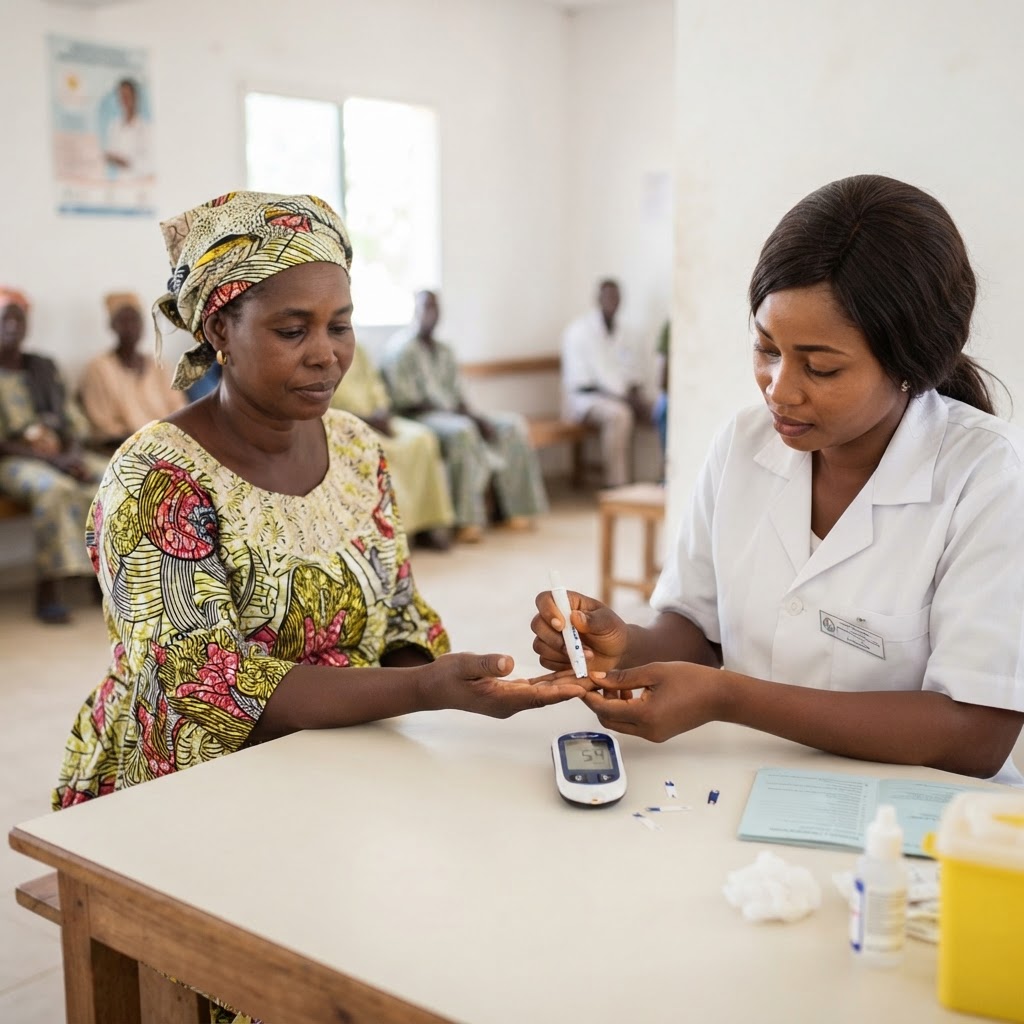
Diabetes in Africa: Why Routine Screening Is Vital
Imagine a disease that silently damages organs for years before anyone notices. That is the reality for millions living in Africa today. According to the latest report, Diabetes: Three Out of Four Africans Living With the Condition May Be Unaware – Why Screening Matters, and this gap in knowledge is...

Tinubu Orders Release of 78 Suspects in Convoy Attack
A single Friday afternoon in Abuja turned into a national talking point. News that President Tinubu Orders Release of 78 Suspects Arrested Over Attack on His Convoy in Abuja quickly spread across radio, television, and social media. For many Nigerian families, the story raised fresh questions about ...