Powered by Obi Mbieri Independent Media Ltd.
$1 = ₦1,353€1 = ₦1,486£1 = ₦1,775INEC Chairman Denies Running Pro-Tinubu Account
Nigerians are once again debating leadership credibility at the electoral commission. A fresh controversy has triggered widespread conversation across social media platforms and newsrooms nationwide. At the center of it all, INEC Chairman Amupitan Denies Operating Pro-Tinubu Social Media Account, a ...
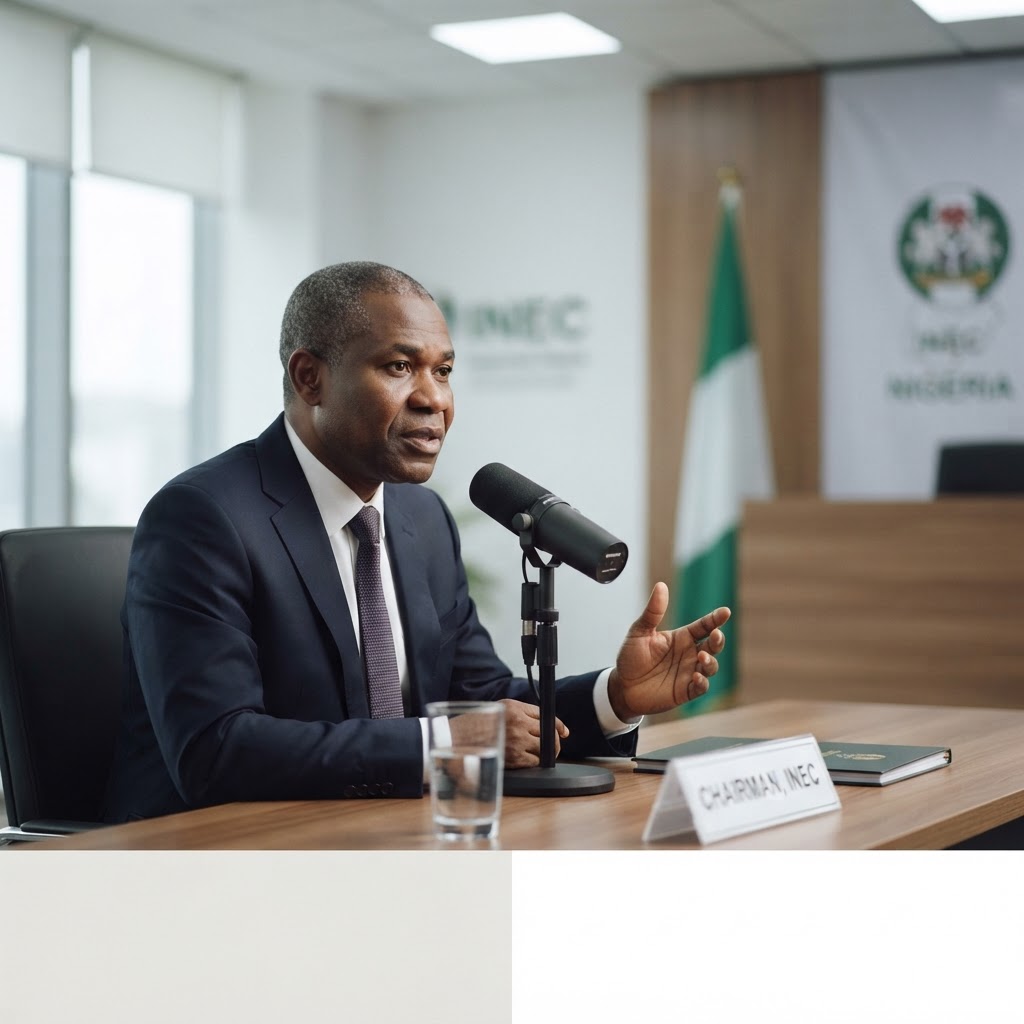
Nigerians are once again debating leadership credibility at the electoral commission. A fresh controversy has triggered widespread conversation across social media platforms and newsrooms nationwide. At the center of it all, INEC Chairman Amupitan Denies Operating Pro-Tinubu Social Media Account, a claim that has stirred public concern about transparency ahead of future elections. This report breaks down the allegations, the official response, and what it all means for Nigeria's democratic future, while examining why the conduct and public image of the INEC Chairman matters so much to ordinary citizens.
What Are the Allegations?
The controversy began with an X (formerly Twitter) account bearing the handle @joashamupitan. The account reportedly posted content supportive of the All Progressives Congress and President Bola Tinubu during the 2023 general elections.
One post drew particular attention. The account replied to former APC National Youth Leader, Dayo Israel, with the phrase "Victory is sure." Screenshots of this exchange spread rapidly across platforms, prompting renewed scrutiny of Professor Joash Amupitan's impartiality as INEC Chairman.
Public confidence in electoral umpires depends heavily on perceived neutrality. Any suggestion of partisan leaning, even indirect, can damage institutional credibility. Nigerians who lived through the contested 2023 presidential election remain sensitive to signs of bias within INEC leadership, and many immediately questioned whether the sitting INEC Chairman could truly be viewed as neutral if the allegations proved true.
Several commentators questioned how an account allegedly linked to the INEC Chairman could express political preference before his appointment. Others urged caution, noting that digital impersonation has become increasingly common in Nigeria's online space. As reported by Punch Newspapers, public discourse around the claims intensified within days, forcing INEC to respond publicly and forcing the office of the INEC Chairman to issue clarifications in rapid succession.
This situation highlights a growing challenge for public institutions. Digital identity verification has become essential for safeguarding reputations, especially for a figure as visible as the INEC Chairman, whose every public statement is scrutinized for signs of bias. For families and community leaders following electoral matters, understanding these dynamics matters for civic trust and informed participation in governance. It also underscores how quickly unverified claims can spread when they involve a figure holding as much institutional weight as the INEC Chairman.
How Did Amupitan Respond?
Professor Amupitan responded firmly and directly. He denied ever operating any account on X under his name. He stated that no personal email address or phone number was ever linked to the disputed profile.
INEC's Chief Press Secretary, Adedayo Oketola, echoed this position in an official statement. Oketola described the allegations as fabricated. He characterized the situation as a deliberate campaign of digital impersonation targeting the commission's leadership, and specifically targeting the credibility of the INEC Chairman at a sensitive moment in the nation's electoral calendar.
According to INEC's official clarification, Amupitan explained a key limitation in resolving the matter directly. Since he does not possess a personal account on the platform, he could not approach X Corporation to demand takedown or verification.
This created a unique challenge. Without direct platform access, the INEC Chairman had to rely on third-party verification and external reporting channels. The commission maintains that this approach reflects due diligence rather than evasion, insisting that the INEC Chairman has nothing to hide and is cooperating fully with every available avenue of investigation.
Consider the key elements of INEC's official position:
- Amupitan denies ever creating or operating the disputed account.
- No personal contact information was linked to the profile, according to INEC.
- The commission describes the claims as impersonation, not fact.
- Amupitan could not contact X directly, since he lacks a personal account.
- INEC insists the INEC Chairman remains committed to transparency throughout the process.
This structured denial aimed to reassure the public quickly. However, many Nigerians demanded independent verification rather than accepting official statements alone. That demand pushed the controversy toward forensic investigation, and it placed additional pressure on the INEC Chairman to demonstrate, beyond mere words, that the commission's leadership remains above partisan influence.
What Does Evidence Show?
Independent investigators stepped in to examine the claims more closely. The International Centre for Investigative Reporting, widely known as ICIR, conducted its own review. Their findings noted similarities between account recovery details and Amupitan's publicly known contact information.
This discovery added complexity to the story. Similarities alone, however, do not constitute conclusive proof of ownership. ICIR acknowledged this limitation in its reporting, a point echoed across several Nigerian newsrooms, including coverage referenced by Premium Times. Even so, the mere association between recovery details and the INEC Chairman's known contact information was enough to keep the story alive for days.
Verifying true ownership of a social media account requires access to private platform data. This includes login history, IP address records, and device metadata. Public investigators typically cannot obtain this information without legal authorization or direct cooperation from the platform operator. This technical limitation means that, for now, no outside party can definitively confirm or deny whether the INEC Chairman is connected to the disputed account.
Recognizing this gap, Amupitan took additional steps to clear his name. He disclosed that he commissioned an independent forensic review of the matter. He also formally reported the issue to the Department of State Services and the Office of the Inspector-General of Police.
These actions signal a willingness to pursue formal accountability channels. Forensic digital analysis, when properly conducted, can trace account creation timestamps, associated devices, and network origins. Such methodology, if transparently shared, could offer the public more definitive answers than social media speculation alone, and could finally settle whether the INEC Chairman was ever genuinely connected to the account in question.
For now, the matter remains under review by security agencies. Nigerians awaiting conclusive results should rely on verified updates rather than unconfirmed online claims. Similar concerns about digital manipulation have surfaced elsewhere within the commission, as seen in the case detailed in INEC Identifies Staff Behind Fake AI Voter Photos, which shows that INEC leadership, including the INEC Chairman, continues to grapple with coordinated attempts to distort public perception through digital tools.
Featured Products
Reverse Type 2 Diabetes & other associated Metabolic Issues using Dr. Jason Fung's Evidence-Based Approach— FMD program for Type 2 Diabetes
A practical fasting and fasting-mimicking programme built on Dr Jason Fung's insulin-resistance principles and ow-glycemic recipes.
₦19,950
Join NowChukwu Abiama Tee
Bold black-and-gold Igbo-pride T-shirt featuring 'Chukwu Abiama' in premium streetwear typography.
₦15,000
Buy NowỤmụ Igbo Tee
Classic black T-shirt with bold white 'Ụmụ Igbo' typography — a proud statement of Igbo heritage.
₦15,000
Buy NowNwanne Tee
Washed khaki vintage tee with a faded rust-orange 'Nwanne' stamp badge and palm leaf motif — a nod to kinship and heritage.
₦18,000
Buy NowObodo Tee
Faded denim-blue washed tee with a cream 'Obodo' stamp badge and sun motif, celebrating community roots.
₦18,000
Buy NowEkwe Heritage Tee
Deep indigo tee featuring a fine line-art illustration of a traditional Igbo ekwe drum, inspired by Igbo-Ukwu bronze artistry.
₦18,000
Buy NowIkenga Figure Tee
Forest green tee with a fine line-art illustration of a stylized Ikenga figure.
₦18,000
Buy NowHow Is INEC Rebuilding Trust?
Beyond this specific controversy, INEC faces a broader trust deficit. Amupitan has openly acknowledged this challenge, particularly stemming from the disputed 2023 presidential election. Result-management failures during that election damaged public confidence significantly, and much of the responsibility for repairing that trust now falls squarely on the shoulders of the current INEC Chairman.
In response, INEC introduced new technological safeguards. These include enhanced validation checks designed to block inaccurate results before they reach the IReV portal. The INEC Result Viewing Portal serves as the commission's primary tool for public result verification, and the INEC Chairman has repeatedly emphasized that strengthening this system is central to restoring public faith in the electoral process.
Previous elections exposed weaknesses in this system, including delayed uploads and inconsistent figures. The commission now emphasizes pre-publication verification, aiming to prevent errors rather than correct them after the fact. Under the current INEC Chairman, officials say internal audits now occur more frequently, with technical teams instructed to flag anomalies before results are ever made public.
Off-cycle elections have become test cases for these reforms. INEC points to improved conduct during elections in Anambra, Osun, and Ekiti states as evidence of operational progress. These contests reportedly featured smoother result transmission and fewer technical disputes, a development the INEC Chairman has cited as proof that the commission's reform agenda is beginning to yield measurable results.
Community stakeholders have welcomed these improvements cautiously. Trust rebuilds gradually, especially after a contentious election cycle. Readers interested in related electoral integrity efforts can review INEC Identifies Staff Behind Fake AI Voter Photos, which highlights the commission's ongoing fight against digital manipulation.
Local governance elections also reflect this broader push for credibility. The recent Imo Local Government Elections Set for November 14 demonstrate how electoral reforms extend beyond federal contests into grassroots governance structures nationwide. These local polls are often viewed as early indicators of whether reforms championed by the INEC Chairman are translating into tangible improvements at the community level.
Why Is Misinformation Dangerous?
Amupitan has elevated this conversation to an international stage. Speaking at Chatham House in London, he warned that digital disinformation represents one of the greatest threats to Nigeria's democratic stability. This warning carries weight given Nigeria's young, highly connected population, and it is notable that the warning came directly from the nation's INEC Chairman rather than a lesser official.
According to Chatham House, policy discussions increasingly focus on how misinformation undermines institutional trust across emerging democracies. Nigeria, with over 122 million internet users according to industry estimates, faces heightened exposure to viral falsehoods. The INEC Chairman's own experience with the disputed social media account arguably illustrates this danger in real time.
Amupitan specifically called on young Nigerians to verify information before sharing it. He emphasized that the nation's democratic future depends heavily on an informed, discerning citizenry. Unverified claims, once shared widely, can shape public opinion faster than official corrections can catch up, a lesson the INEC Chairman himself has experienced firsthand throughout this controversy.
This dynamic directly relates to the current controversy. Whether or not the disputed account belongs to Amupitan, the speed of its spread illustrates a larger problem. Social media rumors can damage institutional credibility within hours, regardless of eventual factual outcomes, and the office of the INEC Chairman now serves as a cautionary example of how quickly reputational damage can occur online.
Community-led efforts matter here. Local organizations, schools, and religious institutions can play meaningful roles in promoting digital literacy. Encouraging families to pause before resharing unverified claims strengthens collective resilience against manipulation. This mirrors broader national conversations found in Nigerians Criticize Imo Government Over Demolition Threat, where public reaction to unverified information shaped local discourse significantly. The parallels between that episode and the current situation involving the INEC Chairman show how misinformation, once it takes hold, can be difficult to contain regardless of the sector involved.
What Is the Path to 2027?
Looking ahead, INEC's operational readiness for the 2027 general elections remains a pressing concern. The commission is currently awaiting the final balance of its approved budget, expected by the end of November. Adequate funding directly affects logistics, technology deployment, and staff training nationwide, and the INEC Chairman has repeatedly stressed that timely disbursement of funds is essential to meeting preparation deadlines.
Transparency commitments extend beyond funding alone. INEC has pledged to follow proper legal procedures when handling voter register objections and court judgments. This includes timely publication of updates and adherence to judicial directives regarding voter eligibility disputes. The INEC Chairman has assured stakeholders that these commitments will be upheld regardless of ongoing controversies surrounding the commission's leadership.
Youth engagement remains central to these preparations. Nigeria's population skews young, with a significant percentage of registered voters under 35 years old. Ensuring this demographic trusts and participates in the electoral process matters for long-term democratic stability, and the INEC Chairman has made youth outreach a visible part of his public engagements, including his remarks at Chatham House.
Economic and educational factors also intersect with electoral participation. Programs like those discussed in JAMB Releases 2027 UTME Registration Checklist reflect how young Nigerians engage with national institutions during formative years, shaping civic habits that carry into adulthood. These habits often determine how citizens later interact with bodies led by figures such as the INEC Chairman.
Broader national planning, including resource management discussed in Nigeria Must Prepare for 2027 Global Food Crisis, illustrates how 2027 represents a pivotal year across multiple sectors, not just elections. Economic pressures highlighted in Rising Crude Oil Prices Fuel Nigeria Inflation Fears and infrastructure concerns raised in World Bank Grants Nigeria $500 Million Flood Relief Loan further demonstrate that the challenges facing Nigeria extend well beyond the electoral commission, even as the INEC Chairman remains a focal point of national attention this year.
Grassroots economic developments, such as those outlined in Industrial Investment in Obazu-Mbieri Sparks Economic Growth, also depend indirectly on political stability, which in turn depends on public confidence in institutions led by figures like the INEC Chairman. Similarly, agricultural resilience efforts described in Nigeria Risks Billions in Farm Losses Without Better Storage rely on consistent governance, reinforcing why the credibility of the INEC Chairman carries implications well beyond the ballot box.
For Nigerian families, entrepreneurs, and community leaders, these developments matter collectively. A credible electoral process supports stable governance, which in turn strengthens economic planning and community development. As INEC works to rebuild trust, continued public engagement, verified reporting, and patience with ongoing investigations will serve Nigeria's democratic journey well. Ultimately, how the current INEC Chairman navigates this controversy may shape public perception of the commission's leadership for years to come, much as public health awareness efforts like those in Five Health Problems Nigerian Men Often Ignore remind citizens that vigilance, whether in health or governance, remains essential to national progress.
Stay Informed
Get New Articles in Your Inbox
Subscribe to receive the latest community development, health, and wealth insights from Eziokwubundu.
Newsletter
Practical insights on health, wealth, and community — delivered weekly.
Community Discussion(0)
Leave a Comment
More to Read
You May Also Like

Obi-Mbieri Mourns Engr. Vitalis Opara: Questions Emerge Over Community’s Silence
Engr. Vitalis Opara is identified as President General on the signature page of the Obi-Mbieri Autonomous Community Constitution 2020 as amended.
IMSU Lecturers Protest in Owerri, Appeal to Uzodimma to End
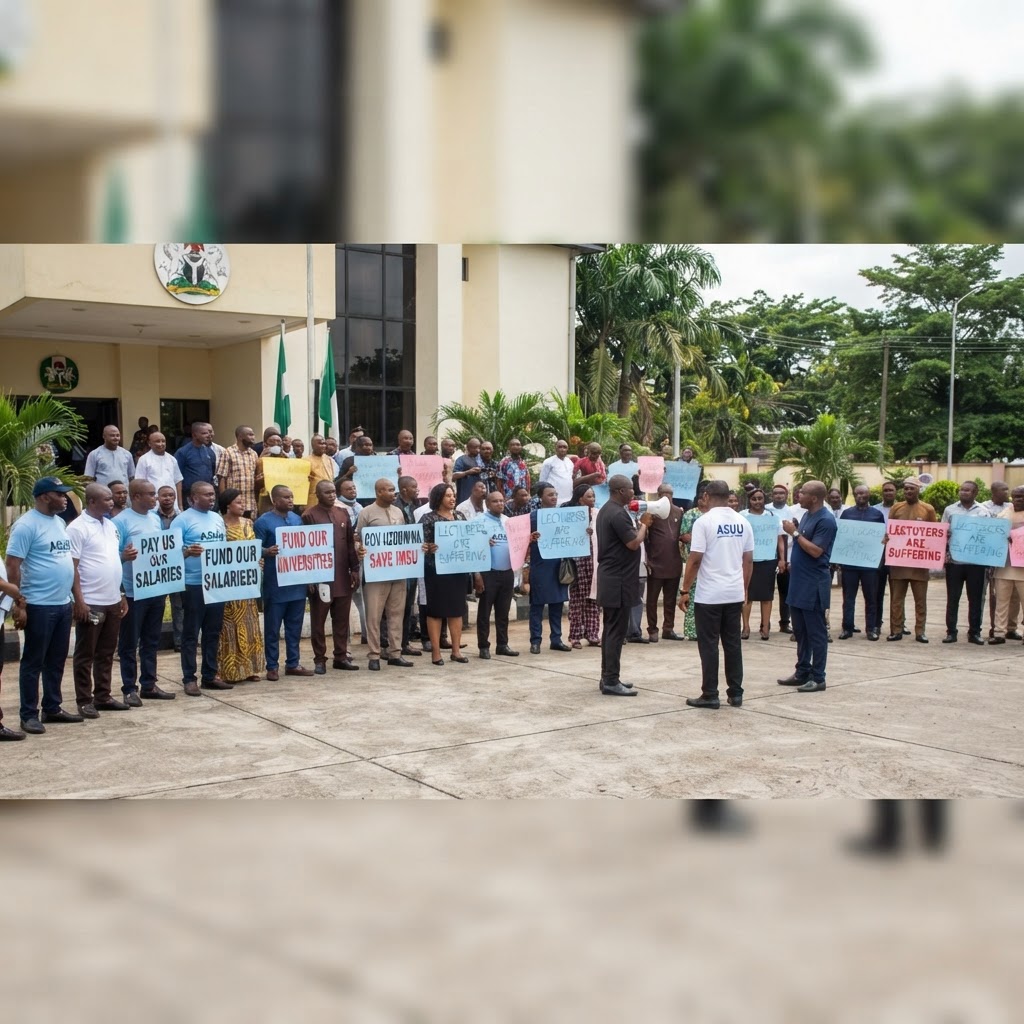
The streets of Owerri turned into a sea of white lab coats and placards this week. Hundreds of university lecturers walked out of their offices, choosing protest over silence. The IMSU Lecturers Protest in Owerri, Appeal to Uzodimma to End Months-Long Strike has become a defining moment for Imo Stat...

JAMB Candidates Can Now Change Course and Institution Online
Admission season often brings long queues and costly transport for Nigerian families. That burden has just eased. JAMB candidates can now change their institutions and courses from home, as the board announces a new digital correction service, giving students and parents fresh control over their aca...
House Summons NAFDAC and DSS Over Fake Drug Deaths
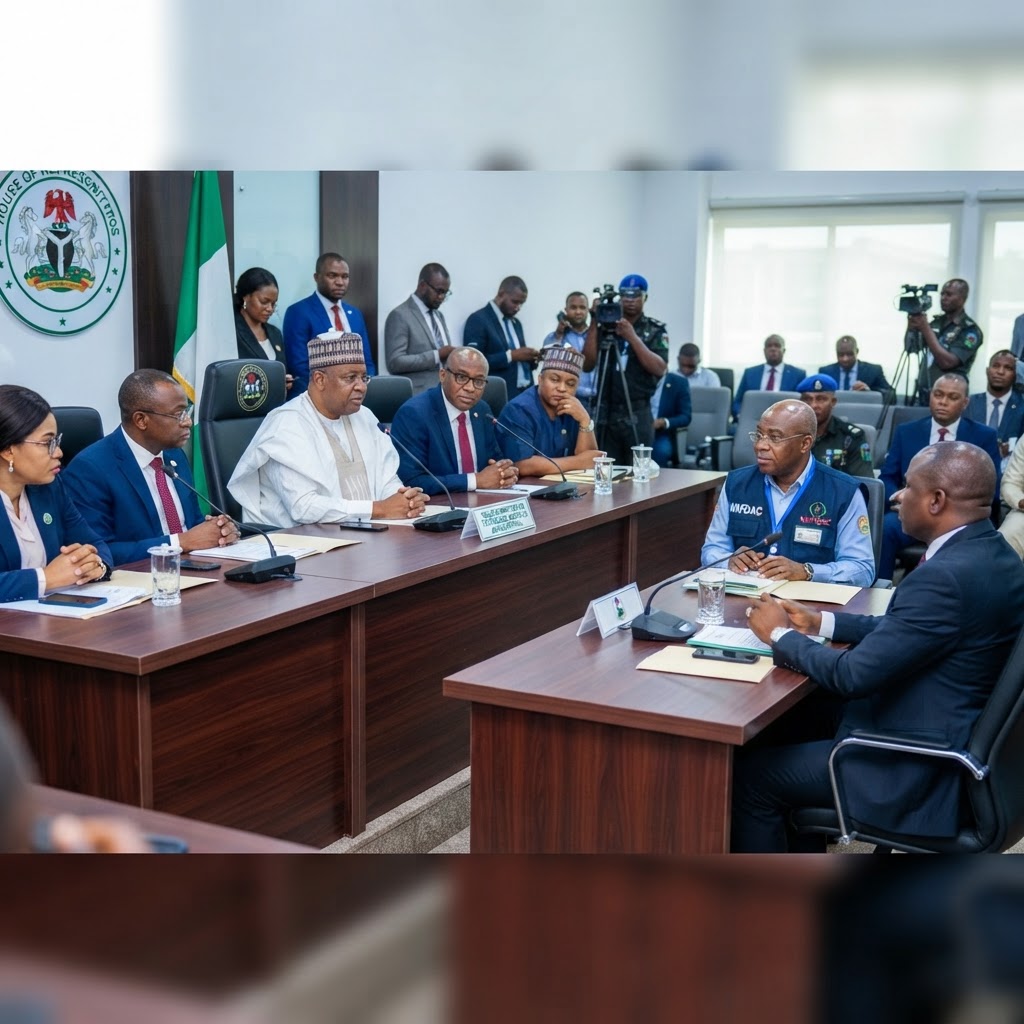
Four people are dead, eleven more are fighting for their lives, and a federal lawmaker wants answers now. Fake Drug deaths linked to a suspicious herbal concoction have pushed the House of Representatives to move decisively, summoning NAFDAC and the DSS in a case that is no longer a distant headline...

Prevent Kidney Disease With Regular Health Checks
Kidney health rarely makes headlines until a crisis hits a family. Yet understanding Kidney Disease: Why Regular Health Checks Can Help Prevent Serious Complications can save lives, protect household income, and strengthen community wellbeing across Nigeria. Kidney Disease often develops quietly ove...

Budget-Friendly Healthy Meal Prepping for Nigerians
Modern Nigerian families face the dual pressure of rising food prices and the need for better health outcomes. Learning how Nigerian families can(/article/nigerian-family-guide-to-reversing-type-2-diabetes) use meal prepping with local ingredients to eat healthy on a tight budget is a vital skill fo...

Beyond Degrees: Bridging Nigeria's Digital Skills Gap
Nigeria's graduates are flooding the job market faster than employers can absorb them. Yet many arrive with certificates but no practical digital competence. This is the heart of Digital Skills and Youth Employment: Why Nigerian Graduates Need More Than University Certificates.—a gap that is reshapi...
Senate Sends State Police Bill to Tinubu for Approval
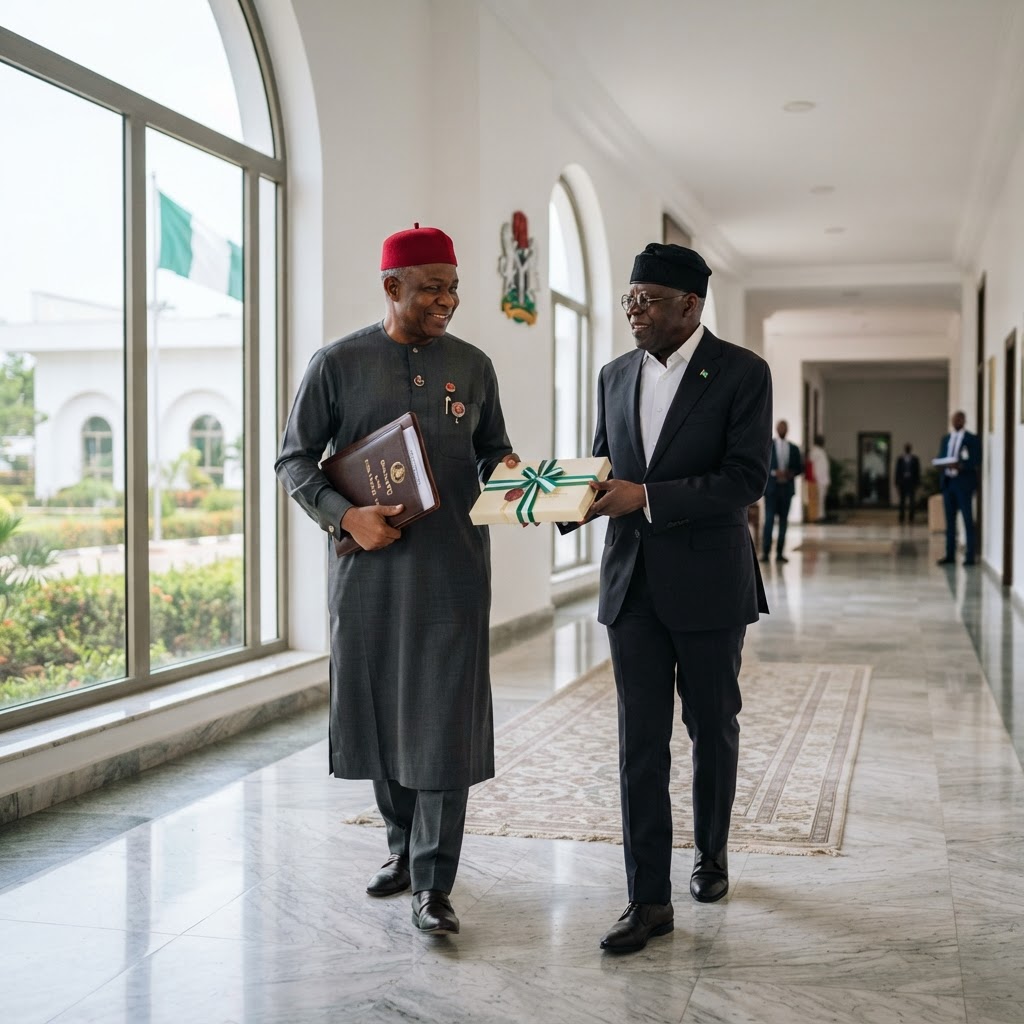
Nigeria's security architecture is entering a new chapter. The headline development, State Police Bill: Senate Transmits Constitutional Amendment to Tinubu for Presidential Assent, signals a historic shift toward decentralized policing. For Nigerian families, entrepreneurs, and community leaders, th...
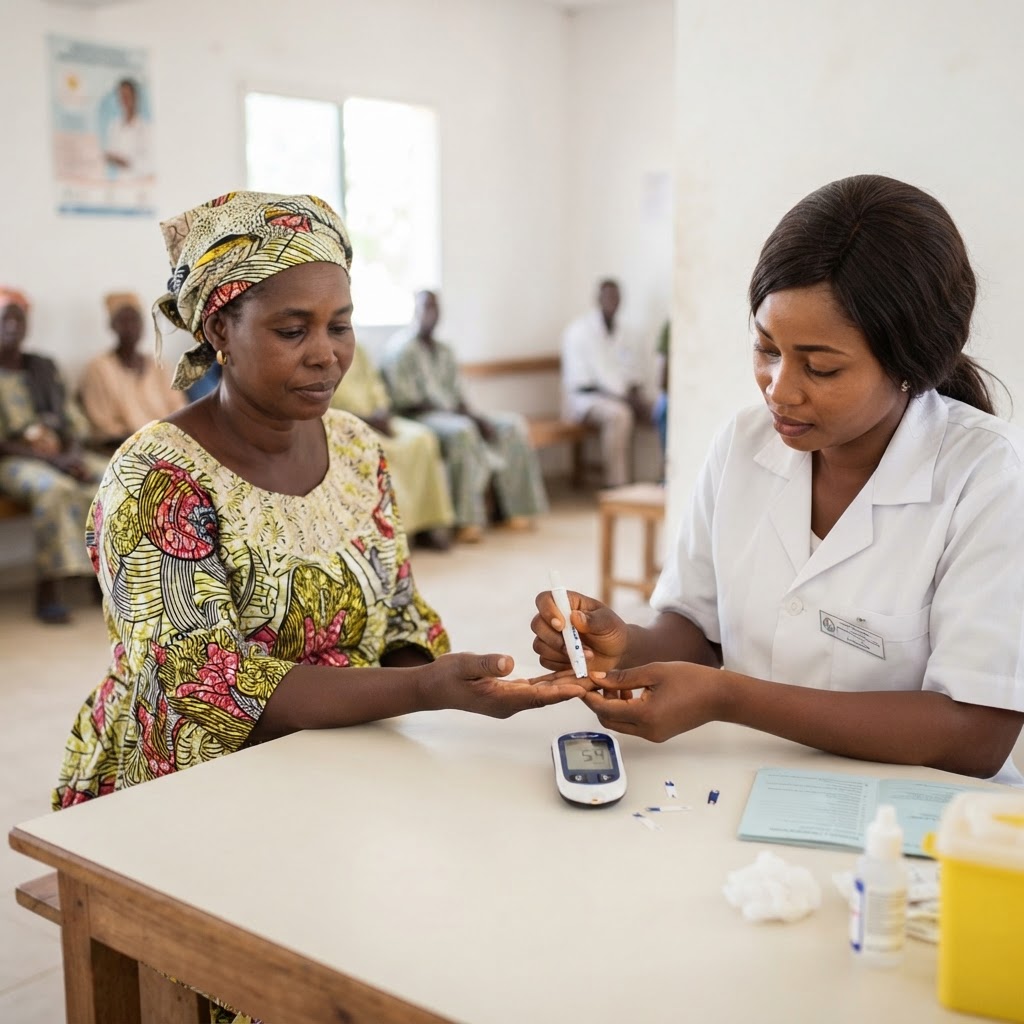
Diabetes in Africa: Why Routine Screening Is Vital
Imagine a disease that silently damages organs for years before anyone notices. That is the reality for millions living in Africa today. According to the latest report, Diabetes: Three Out of Four Africans Living With the Condition May Be Unaware – Why Screening Matters, and this gap in knowledge is...
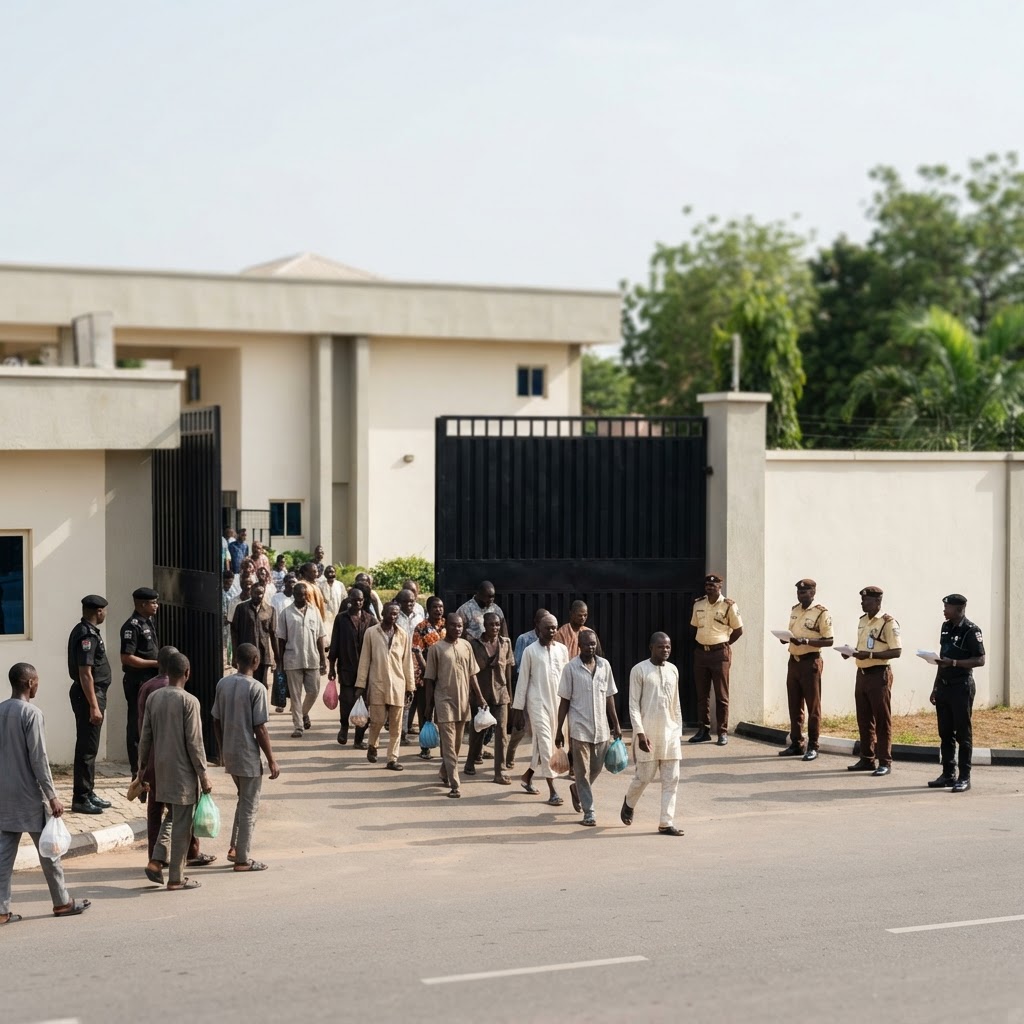
Tinubu Orders Release of 78 Suspects in Convoy Attack
A single Friday afternoon in Abuja turned into a national talking point. News that President Tinubu Orders Release of 78 Suspects Arrested Over Attack on His Convoy in Abuja quickly spread across radio, television, and social media. For many Nigerian families, the story raised fresh questions about ...