Powered by Obi Mbieri Independent Media Ltd.
$1 = ₦1,353€1 = ₦1,486£1 = ₦1,775Imo Local Government Elections Set for November 14
Imo State is entering a pivotal moment in its democratic journey. Local government elections, long awaited by residents, now have a confirmed date. The headline reads clearly: Imo Local Government Elections: ISIEC Fixes November 14 for Polls, and this decision carries real weight for families, entre...
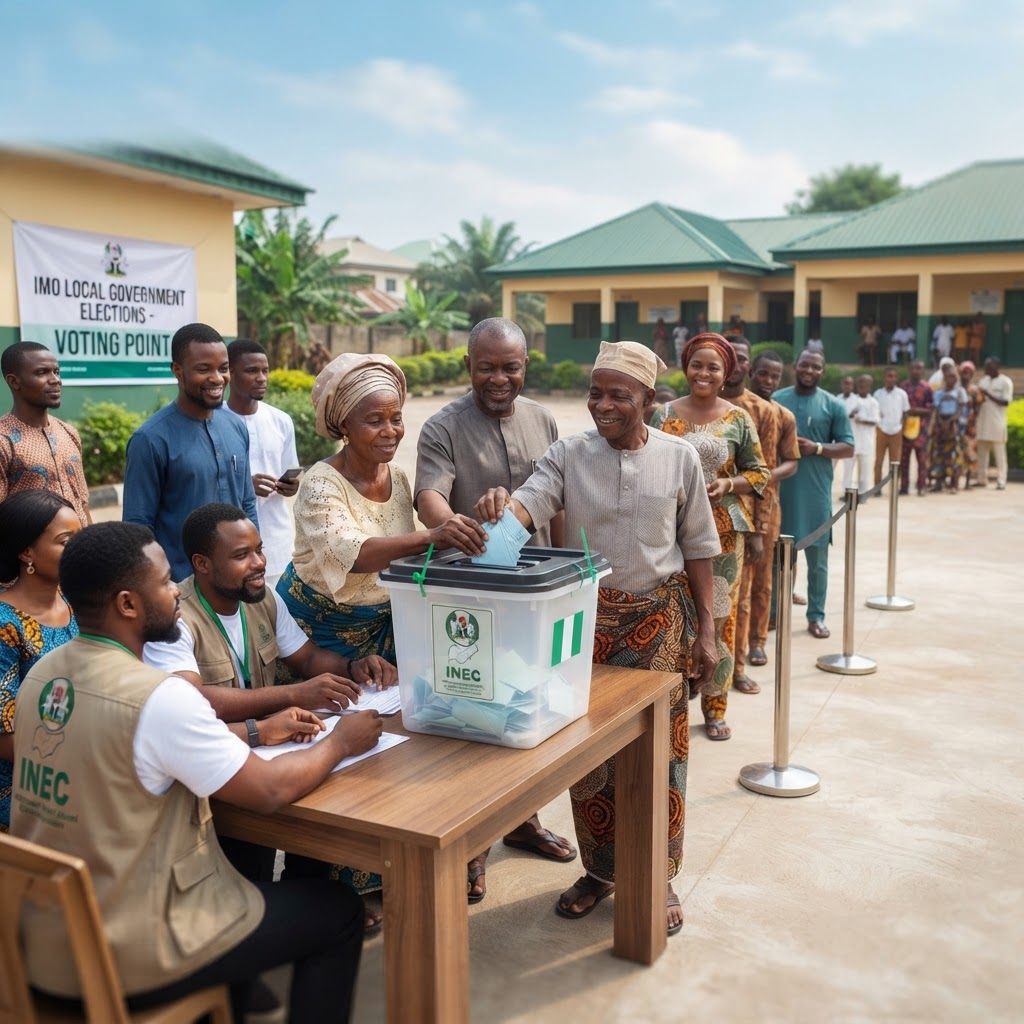
Imo State is entering a pivotal moment in its democratic journey. Local government elections, long awaited by residents, now have a confirmed date. The headline reads clearly: Imo Local Government Elections: ISIEC Fixes November 14 for Polls, and this decision carries real weight for families, entrepreneurs, and community leaders across all 27 council areas. The announcement finally gives shape to a process that has tested the patience of voters, party officials, and civil society groups who have been pushing for a return to elected Local Government leadership.
For many Nigerians watching from home and abroad, this update matters. It signals progress toward functional grassroots governance after months of uncertainty. Diaspora Imolites, in particular, have followed this story closely, hoping for stable leadership that can support development back home. A properly constituted Local Government council is often the difference between a community that thrives and one that stagnates, which is why so much attention has been placed on getting this exercise right.
What Is The New Election Date?
The Imo State Independent Electoral Commission has officially fixed November 14, 2026, for local government elections across the state. This confirmation came after extensive deliberation and consultation with stakeholders. According to the Federal Ministry of Information and National Orientation, the commission settled on this date to ensure legal compliance and operational readiness.
This is not the first date proposed for the exercise. ISIEC had initially scheduled the polls for September 26, 2026. That date was later abandoned following legal and procedural concerns. A second attempt placed the election on November 7, but this too was shelved after further review. Each shift in date reflected the commission's effort to balance urgency with the legal obligations that govern Local Government elections in Nigeria.
ISIEC Chairman, Chief Charles Ejiogu, announced the final date following meetings held in Owerri. These sessions involved the Inter-Party Advisory Council, known as IPAC, along with other key stakeholders. The goal was to arrive at a date that satisfies legal requirements while giving political parties adequate preparation time for the Local Government race ahead.
The announcement brings clarity to a process that had grown uncertain for voters and candidates alike. It also sets a firm timeline for parties, security agencies, and civic groups to organize their final preparations. With November 14 now fixed, attention shifts toward execution and readiness across all local government areas, and stakeholders are already mobilizing to meet the deadline.
Why Were The Polls Postponed?
Understanding the postponements helps explain why the current date matters so much. The original September 26, 2026, election date was suspended following legal challenges. The All Progressives Grand Alliance, popularly known as APGA, raised objections regarding the adequacy of electoral timelines. These concerns went to court, forcing ISIEC to pause its plans for the Local Government polls.
After the September date collapsed, ISIEC proposed November 7 as a replacement. However, further consultations revealed this date was also problematic. Stakeholders described it as unrealistic given the preparation required for a credible exercise. Concerns ranged from logistics to insufficient notice periods for candidates and voters hoping to participate in the Local Government contest.
Civil society organizations also played a role in shaping this outcome. Groups monitoring the electoral process flagged concerns about compliance with statutory notice periods. Nigeria's electoral framework, similar to guidelines maintained by the Independent National Electoral Commission, requires adequate notice before polls to protect fairness and transparency in any Local Government election cycle.
These combined pressures pushed ISIEC toward a more cautious approach. Rather than rush another date likely to face legal hurdles, the commission chose to engage stakeholders more thoroughly. This process, while slower, aimed to produce a date that could withstand scrutiny. The eventual selection of November 14 reflects that careful recalibration, and it demonstrates how seriously ISIEC is treating the credibility of this Local Government process.
This pattern of postponement is not unique to Imo. Electoral delays and legal disputes have affected other Nigerian states as well, as seen in recent coverage of INEC's handling of voter identification concerns. Such challenges underscore the importance of thorough preparation before any election date, whether at the state or Local Government level, is finalized.
What Is At Stake For Imo?
The stakes attached to this election are substantial. Local government is the closest tier of governance to everyday citizens. It directly affects road maintenance, primary healthcare delivery, market regulation, and basic sanitation services across Imo's communities. When a Local Government council functions well, residents feel the impact almost immediately in their daily lives.
This election will produce leadership for all 27 local government areas in the state. Alongside chairmanship positions, voters will elect 305 councillors representing various electoral wards. These councillors serve as the direct link between residents and local administration, handling grassroots concerns that state-level government often cannot address quickly. Effective Local Government representation also means faster feedback loops between citizens and policymakers.
For middle-class families and rural populations alike, functional local government translates into tangible benefits. Consider these outcomes that effective councils typically deliver:
- Faster resolution of community infrastructure complaints
- Better coordination of primary healthcare centers
- Improved management of local markets and revenue collection
- Stronger support for small businesses and entrepreneurs
- Closer collaboration with schools and education boards on enrollment drives, including awareness around processes like the one outlined in the JAMB 2027 UTME registration checklist
Beyond service delivery, these elections matter for community identity and trust. When councils operate transparently, residents regain confidence in governance structures. This is particularly important given recent tensions, such as those highlighted in reports about communities criticizing Imo government demolition threats. Elected local leaders can serve as mediators and advocates when such disputes arise, bridging the gap between state directives and community expectations.
Economic development also hinges on local governance quality. Areas like Obazu-Mbieri have already demonstrated how local-level engagement supports growth, as seen in coverage of industrial investment sparking economic activity in the region. Credible Local Government leadership can replicate such progress elsewhere in the state, particularly in areas where infrastructure and investment incentives remain underdeveloped.
Featured Products
Reverse Type 2 Diabetes & other associated Metabolic Issues using Dr. Jason Fung's Evidence-Based Approach— FMD program for Type 2 Diabetes
A practical fasting and fasting-mimicking programme built on Dr Jason Fung's insulin-resistance principles and ow-glycemic recipes.
₦19,950
Join NowChukwu Abiama Tee
Bold black-and-gold Igbo-pride T-shirt featuring 'Chukwu Abiama' in premium streetwear typography.
₦15,000
Buy NowỤmụ Igbo Tee
Classic black T-shirt with bold white 'Ụmụ Igbo' typography — a proud statement of Igbo heritage.
₦15,000
Buy NowNwanne Tee
Washed khaki vintage tee with a faded rust-orange 'Nwanne' stamp badge and palm leaf motif — a nod to kinship and heritage.
₦18,000
Buy NowObodo Tee
Faded denim-blue washed tee with a cream 'Obodo' stamp badge and sun motif, celebrating community roots.
₦18,000
Buy NowEkwe Heritage Tee
Deep indigo tee featuring a fine line-art illustration of a traditional Igbo ekwe drum, inspired by Igbo-Ukwu bronze artistry.
₦18,000
Buy NowIkenga Figure Tee
Forest green tee with a fine line-art illustration of a stylized Ikenga figure.
₦18,000
Buy NowThere are also broader economic currents that make strong Local Government leadership essential right now. With rising crude oil prices fueling inflation fears nationwide, household budgets are under pressure, and local councils often serve as the first line of response through market regulation and support for small-scale traders. Similarly, as Nigeria braces for warnings about a possible 2027 global food crisis, local agricultural extension services coordinated through Local Government structures become increasingly important for food security planning at the community level.
Storage and post-harvest losses are another area where Local Government involvement matters. Reports indicating that Nigeria risks billions in farm losses without better storage point to a gap that functional councils could help close by coordinating with farmers, allocating land for storage facilities, and liaising with state agricultural agencies. A well-run Local Government administration can be the difference between produce rotting in the field and reaching the market intact.
How Can Parties Prepare Now?
With the date confirmed, political parties must act quickly. ISIEC has directed all registered parties to visit its headquarters at No. 21 Orlu Road, Owerri. There, they can collect the official election timetable and accompanying guidelines governing the Local Government polls.
This step is essential for compliance. Parties need accurate information about deadlines for candidate nominations, campaign periods, and documentation requirements. Missing these details could jeopardize a party's eligibility to participate in the November 14 Local Government exercise.
ISIEC has also expressed readiness to observe party primary elections. This applies to both chairmanship and councillorship candidates. Observing primaries helps ensure internal party democracy aligns with broader electoral law requirements. It also reduces the risk of post-primary disputes that have historically disrupted Nigerian elections, a pattern documented extensively by organizations such as the Centre for Democracy and Development.
Parties are strongly encouraged to engage directly with ISIEC in the coming weeks. Early engagement allows parties to resolve documentation gaps before deadlines approach. It also builds a cooperative relationship between parties and the commission, which can smooth the overall Local Government electoral process from nomination through to collation.
For aspirants and party officials, this is also a moment to engage communities directly. Grassroots mobilization, transparent primaries, and clear policy messaging will matter significantly. Voters increasingly expect accountability, a trend reinforced by broader national conversations around electoral integrity, including recent scrutiny of digital manipulation tactics covered in reports on fake AI-generated voter images.
Students and young professionals interested in local governance should also watch this process closely. Understanding how Local Government elections function offers practical lessons in civic participation. It also opens pathways for future involvement in community development initiatives, from ward-level advocacy to full political candidacy down the line.
What Ensures Credible Elections?
Credibility remains the central question surrounding this election. ISIEC has reaffirmed its commitment to conducting peaceful, transparent, and free elections. Officials have promised a level playing field for all participating candidates and parties contesting Local Government seats.
Security remains a critical component of this promise. ISIEC is working alongside security agencies to establish an Inter-Agency Consultative Committee on Election Security, often referred to as ICCES. This committee's mandate covers safety measures before, during, and after the polls. Such coordination mirrors security frameworks used in national elections, as documented by the Nigeria Police Force in previous electoral cycles.
Transparency measures will also play a role in building public trust. Clear communication about polling procedures, result collation, and dispute resolution mechanisms can reduce post-election tensions. These elements are especially important given Imo's history of electoral postponements and legal challenges surrounding its Local Government elections.
For Imo communities, this election represents more than a political exercise. It is a vital step toward strengthening local democratic institutions. Functional councils can better coordinate with state and federal programs, including development initiatives similar to the World Bank's flood relief support for Nigeria. Local leaders often serve as the bridge connecting such national programs to grassroots beneficiaries, ensuring that resources allocated at the federal level actually reach the communities that need them most.
The broader implications extend to economic planning as well. Nigeria faces mounting fiscal pressures, with projections suggesting debt interest could consume a significant share of federal revenue by 2030. In this context, efficient Local Government administration becomes even more critical for resource management and service delivery at the community level, since councils often have to do more with less as national revenue allocations tighten.
Public health is another area where credible Local Government leadership makes a measurable difference. Primary healthcare centers, which fall largely under council oversight, are often the first point of contact for residents dealing with preventable conditions. Awareness campaigns addressing issues like those outlined in reports on health problems Nigerian men often ignore depend heavily on functional local health systems to reach residents who might otherwise go undiagnosed. A Local Government council that prioritizes primary healthcare can meaningfully improve outcomes for entire communities.
Ultimately, the success of this exercise depends on cooperation between ISIEC, political parties, security agencies, and citizens. Each group has a role to play in ensuring November 14 delivers credible outcomes for Local Government administration across the state. For Imo State, this election offers a genuine opportunity to reinforce community-first governance and rebuild public confidence in local democratic structures.
As the date approaches, residents, diaspora stakeholders, and local organizations should stay informed and engaged. Monitoring ISIEC's guidelines, supporting transparent primaries, and participating actively in civic education efforts will strengthen the process. Imo's path toward stronger Local Government institutions starts with this crucial step toward the November 14 polls, and sustained public attention between now and election day will help ensure the outcome reflects the genuine will of Imo's communities.
Stay Informed
Get New Articles in Your Inbox
Subscribe to receive the latest community development, health, and wealth insights from Eziokwubundu.
Newsletter
Practical insights on health, wealth, and community — delivered weekly.
Community Discussion(0)
Leave a Comment
More to Read
You May Also Like

Obi-Mbieri Mourns Engr. Vitalis Opara: Questions Emerge Over Community’s Silence
Engr. Vitalis Opara is identified as President General on the signature page of the Obi-Mbieri Autonomous Community Constitution 2020 as amended.

Where Should a Traditional Prime Minister Conduct His Official Duties? Must Every Daily Activity Take Place at the Eze's Palace?
An examination of traditional Igbo governance, the Obi-Mbieri Autonomous Community Constitution 2020, as amended, and the wider implications.
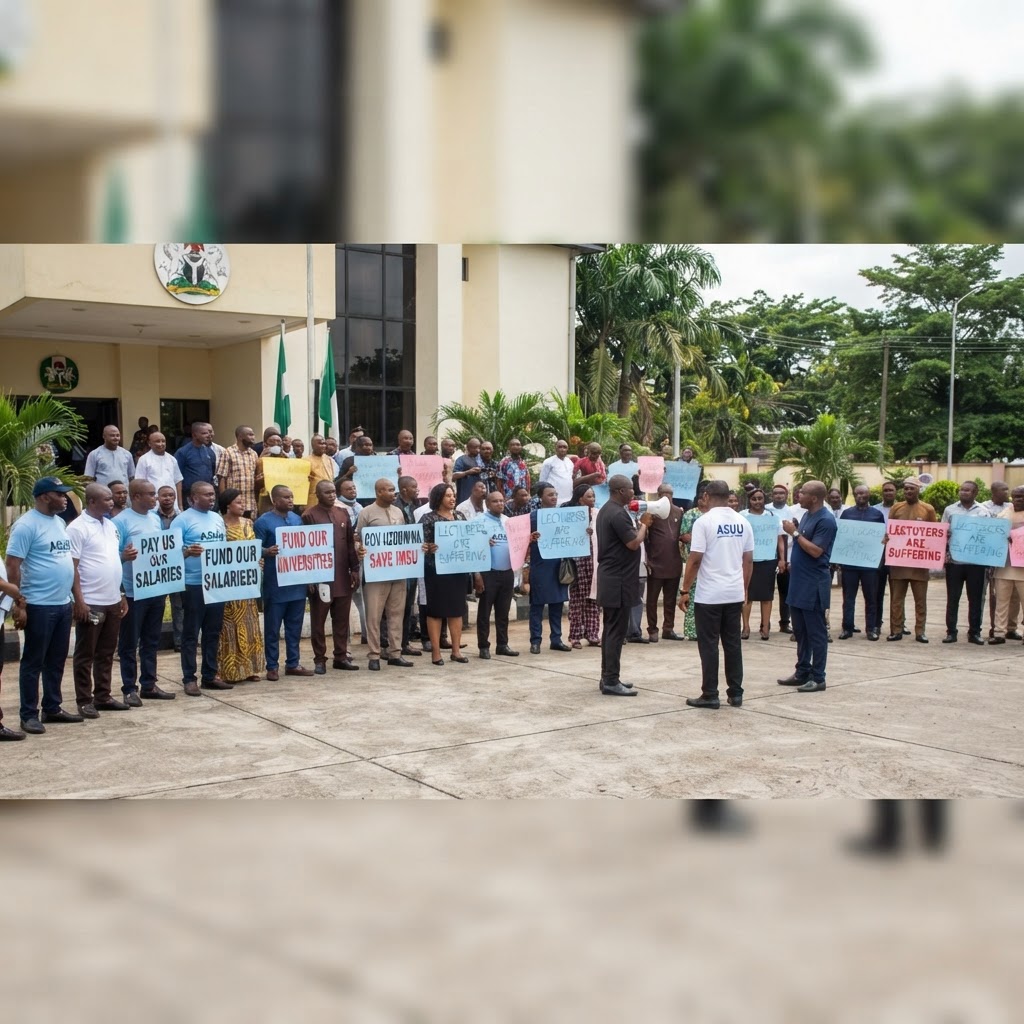
IMSU Lecturers Protest in Owerri, Appeal to Uzodimma to End
The streets of Owerri turned into a sea of white lab coats and placards this week. Hundreds of university lecturers walked out of their offices, choosing protest over silence. The IMSU Lecturers Protest in Owerri, Appeal to Uzodimma to End Months-Long Strike has become a defining moment for Imo Stat...

JAMB Candidates Can Now Change Course and Institution Online
Admission season often brings long queues and costly transport for Nigerian families. That burden has just eased. JAMB candidates can now change their institutions and courses from home, as the board announces a new digital correction service, giving students and parents fresh control over their aca...
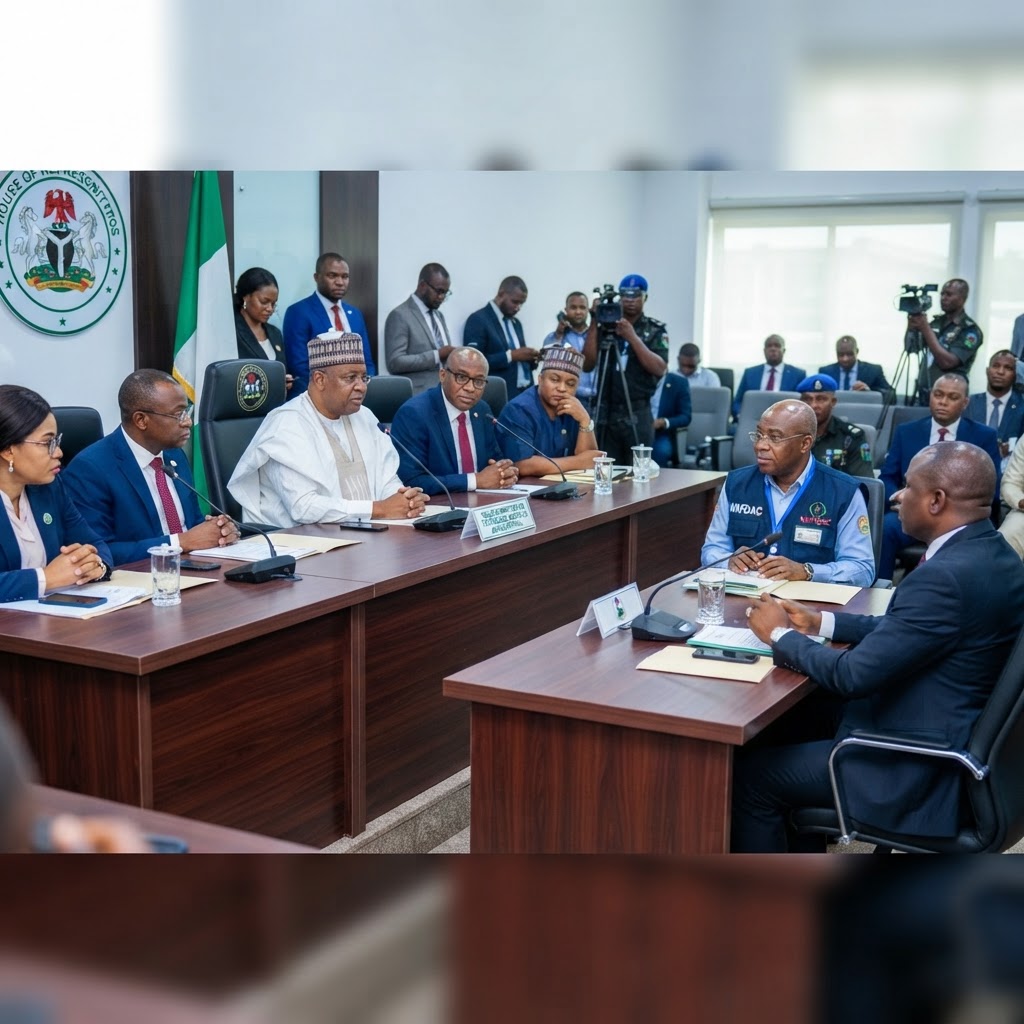
House Summons NAFDAC and DSS Over Fake Drug Deaths
Four people are dead, eleven more are fighting for their lives, and a federal lawmaker wants answers now. Fake Drug deaths linked to a suspicious herbal concoction have pushed the House of Representatives to move decisively, summoning NAFDAC and the DSS in a case that is no longer a distant headline...

Prevent Kidney Disease With Regular Health Checks
Kidney health rarely makes headlines until a crisis hits a family. Yet understanding Kidney Disease: Why Regular Health Checks Can Help Prevent Serious Complications can save lives, protect household income, and strengthen community wellbeing across Nigeria. Kidney Disease often develops quietly ove...

Budget-Friendly Healthy Meal Prepping for Nigerians
Modern Nigerian families face the dual pressure of rising food prices and the need for better health outcomes. Learning how Nigerian families can(/article/nigerian-family-guide-to-reversing-type-2-diabetes) use meal prepping with local ingredients to eat healthy on a tight budget is a vital skill fo...

Beyond Degrees: Bridging Nigeria's Digital Skills Gap
Nigeria's graduates are flooding the job market faster than employers can absorb them. Yet many arrive with certificates but no practical digital competence. This is the heart of Digital Skills and Youth Employment: Why Nigerian Graduates Need More Than University Certificates.—a gap that is reshapi...
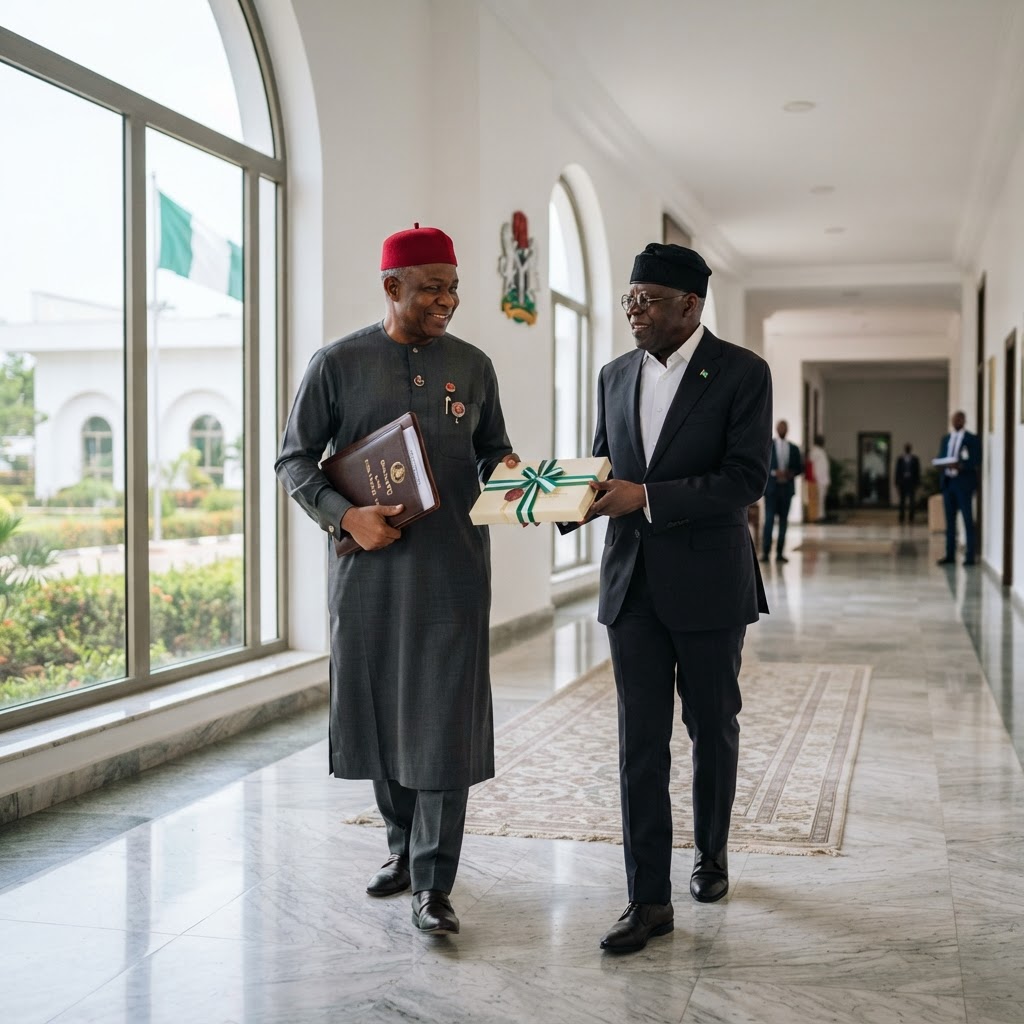
Senate Sends State Police Bill to Tinubu for Approval
Nigeria's security architecture is entering a new chapter. The headline development, State Police Bill: Senate Transmits Constitutional Amendment to Tinubu for Presidential Assent, signals a historic shift toward decentralized policing. For Nigerian families, entrepreneurs, and community leaders, th...
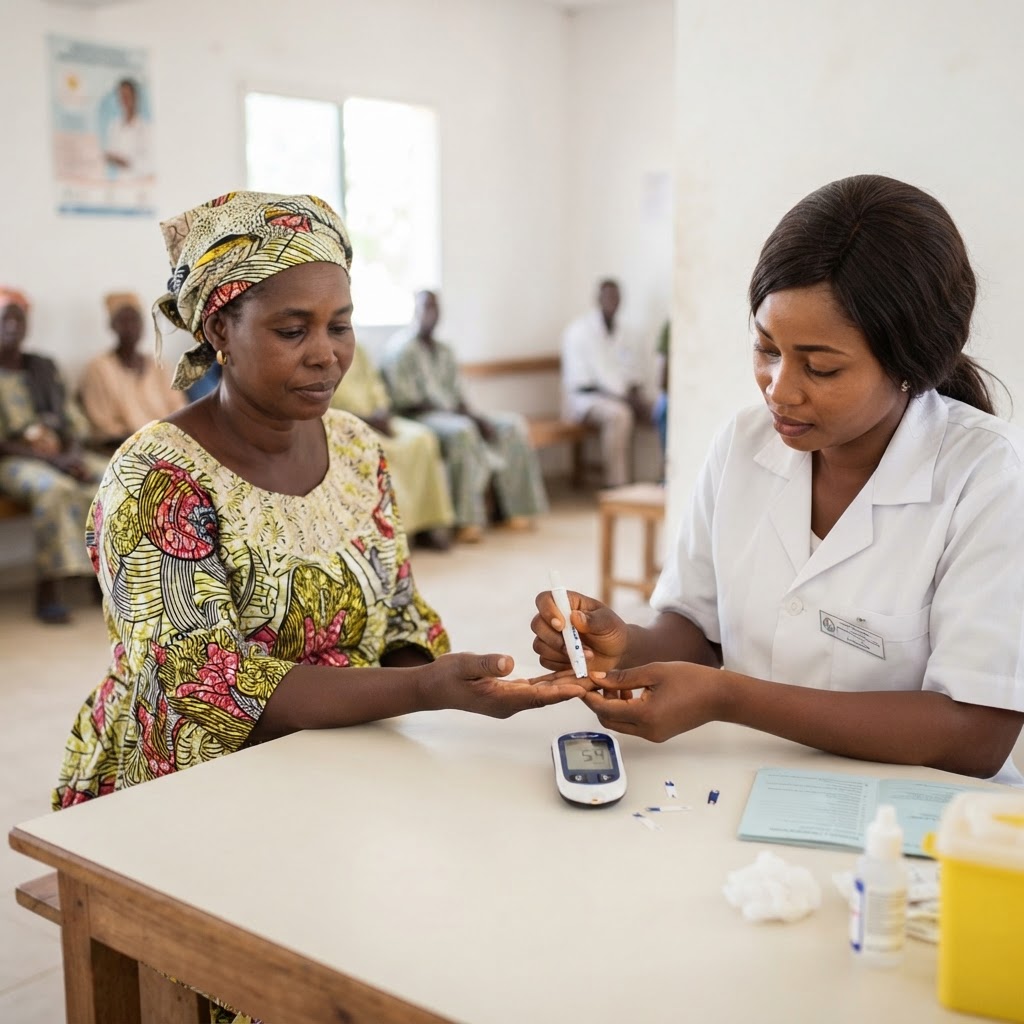
Diabetes in Africa: Why Routine Screening Is Vital
Imagine a disease that silently damages organs for years before anyone notices. That is the reality for millions living in Africa today. According to the latest report, Diabetes: Three Out of Four Africans Living With the Condition May Be Unaware – Why Screening Matters, and this gap in knowledge is...