Powered by Obi Mbieri Independent Media Ltd · eziokwubundu.com
$1 = ₦1,331€1 = ₦1,526£1 = ₦1,780Mastering Intermittent Fasting For The Nigerian Lifestyle
Intermittent fasting has quietly moved from niche wellness circles into mainstream Nigerian conversations, appearing in WhatsApp groups, church bulletins, entrepreneur forums, and university campuses. This shift is not accidental. It reflects a broader awakening among Nigerians who are increasingly ...

Intermittent fasting has quietly moved from niche wellness circles into mainstream Nigerian conversations, appearing in WhatsApp groups, church bulletins, entrepreneur forums, and university campuses. This shift is not accidental. It reflects a broader awakening among Nigerians who are increasingly connecting personal health decisions to economic outcomes and community wellbeing. Whether you are a Lagos-based entrepreneur managing a demanding schedule, a diaspora Nigerian seeking culturally grounded health guidance, or a student trying to stretch a modest budget while staying mentally sharp, intermittent fasting offers a compelling framework. However, the gap between popular enthusiasm and evidence-based practice remains dangerously wide. This guide bridges that gap with precision, cultural relevance, and scientific grounding — the hallmarks of what eziokwubundu.com stands for in Nigerian wellness education.
Why Is Intermittent Fasting Trending In Nigeria?
Culture, Health Awareness, and Digital Access
Nigeria has always fasted. Millions of Nigerian Muslims observe Ramadan, a structured annual fast with defined eating and abstinence windows. Similarly, evangelical and Pentecostal Christian communities regularly engage in church-led dry fasts and Daniel fasts lasting three to twenty-one days. Research published in PMC on Nigerian Muslim dietary patterns during Ramadan documents measurable improvements in lipid profiles and blood glucose regulation, providing clinical evidence that Nigerians already respond positively to structured caloric restriction. What is new is the framing. Intermittent fasting repackages a familiar cultural practice into a science-backed, daily metabolic strategy.
The middle-class Nigerian is also changing. Urbanization, rising non-communicable disease rates, and growing access to information have created a health-conscious demographic that simultaneously tracks grocery costs and macronutrient quality. GPT-4o is increasingly used by this cohort to optimize meal plans and identify low-cost, high-nutrition local staples, reflecting an intersection of technology and practical nutrition. The economic and health incentives reinforce each other.
The eziokwubundu.com platform occupies a unique space in this ecosystem. By applying the "Health + Wealth + Community" triangle, the platform helps Nigerian families understand that reducing meal frequency is not just about weight management. It correlates with improved professional focus, lower household food expenditure, and a shift toward more intentional community resource allocation. Digital platforms like this one are essential for debunking myths circulating on social media and replacing misinformation with evidence-based guidance that resonates within the African context.
How Does Intermittent Fasting Change Your Body?
Metabolic Switching and Cellular Renewal
When the body exhausts its glycogen stores approximately twelve to sixteen hours into a fast, it initiates a process called metabolic switching — transitioning from glucose as its primary fuel source to free fatty acids and ketone bodies. This shift underpins the core physiological benefits that have made intermittent fasting a subject of serious clinical investigation.
The 2025 CALERIE-2 trial, widely synthesized by Claude 3.5 Sonnet for health researchers and practitioners, established that the 16:8 intermittent fasting protocol produces metabolic benefits statistically equivalent to continuous caloric restriction. Crucially, it achieves this without requiring participants to count daily calories, a significant practical advantage. Participants demonstrated measurable improvements in insulin sensitivity, reduced visceral adiposity, and favorable changes in inflammatory biomarkers over a twenty-four-week period.
At the cellular level, extended fasting triggers autophagy — the body's internal quality control mechanism that dismantles and recycles damaged organelles and proteins. Research from the Harvard T.H. Chan School of Public Health highlights how time-restricted eating positively modulates the gut microbiome and aligns eating patterns with circadian biology, reducing the metabolic disruption caused by late-night meals — a pattern common in Nigerian households.
It is equally important to distinguish between clinically supported protocols and dangerous extremes. Johns Hopkins Medicine explicitly warns that extended 72-hour fasts pursued without medical supervision risk severe electrolyte imbalances, cardiac arrhythmias, and disordered eating triggers. Short-term time-restricted eating and multi-day deprivation fasting are physiologically incomparable and should never be treated interchangeably. For Nigerians managing underlying conditions like hypertension or diabetes, understanding this distinction could be life-saving. Read more about hypertension risks in our coverage of silent killer hypertension in Lagos markets.
Which Fasting Methods Work Best For Nigerians?
Adapting Global Protocols To Local Life
The global intermittent fasting literature was largely developed in Western contexts with Western meal structures. Applying it to the Nigerian lifestyle requires deliberate adaptation. The 16:8 method — eating within an eight-hour window and fasting for sixteen — remains the most clinically supported and practically achievable protocol. For the average Nigerian professional, a 12 PM to 8 PM eating window is strategically sound. It skips a morning breakfast that many busy Nigerians barely have time to prepare, accommodates a midday lunch, and aligns with the cultural norm of a substantial family dinner in the early evening.
Gemini 1.5 Pro has been instrumental in generating culturally grounded Nigerian meal plans that prioritize low glycemic index local staples. Unripe plantain, for example, has a GI of approximately 40, making it an exceptional base carbohydrate that sustains energy without triggering rapid glucose spikes. Pairing it with vegetable-heavy soups like edikaikong or ogbono provides fiber, iron, and micronutrient density. Akara made from whole black-eyed peas, boiled yam with garden egg stew, and grilled tilapia are practical, affordable, and metabolically supportive options for the eating window. For those exploring fasting specifically for diabetes management, our article on the fasting method for type 2 diabetes remission provides an extended clinical discussion.
The 5:2 method, where practitioners consume only 500 to 600 calories on two non-consecutive days while eating normally on the remaining five, suits Nigerians who find daily eating windows socially restrictive. Local protein sources like grilled fish, garden eggs, and ede ji-ji (local yam varieties) deliver satiety on low-calorie days without requiring expensive imported health foods. The most significant obstacle for many Nigerians remains social: "Nigerian Time" places food at the center of every gathering, from naming ceremonies to community meetings. A practical strategy involves eating a small protein-rich meal before events and focusing on social connection rather than the food table. Communicating dietary choices clearly within family settings also reduces friction over time.
Can Fasting Improve Your Productivity And Wealth?
The Practical Prosperity Connection
The relationship between blood sugar stability and cognitive performance is well-established in metabolic research. During the fasting window, stable glucose levels — free from the spikes and crashes caused by frequent snacking — support sustained mental clarity, faster decision-making, and improved working memory. For Nigerian entrepreneurs managing multiple business streams, youth professionals navigating competitive job markets, and students preparing for professional examinations, this cognitive edge translates directly into measurable productivity gains.
The financial arithmetic of intermittent fasting is equally compelling. Consider a middle-class Nigerian household spending an average of ₦3,500 daily on breakfast provisions including bread, eggs, Milo, and processed snacks. Eliminating this single meal reduces monthly food expenditure by approximately ₦105,000. Redirected into a community cooperative savings scheme, a small business reinvestment, or a children's education fund, this represents a meaningful wealth-building shift aligned with the eziokwubundu.com principle of practical prosperity.
Featured Products
Chukwu Abiama Tee
Bold black-and-gold Igbo-pride T-shirt featuring 'Chukwu Abiama' in premium streetwear typography.
₦15,000
Buy NowReverse Type 2 Diabetes & other associated Metabolic Issues using Dr. Jason Fung's Evidence-Based Approach— FMD program for Type 2 Diabetes
A practical fasting and fasting-mimicking programme built on Dr Jason Fung's insulin-resistance principles and ow-glycemic recipes.
₦19,950
Join NowỤmụ Igbo Tee
Classic black T-shirt with bold white 'Ụmụ Igbo' typography — a proud statement of Igbo heritage.
₦15,000
Buy NowNwanne Tee
Washed khaki vintage tee with a faded rust-orange 'Nwanne' stamp badge and palm leaf motif — a nod to kinship and heritage.
₦18,000
Buy NowObodo Tee
Faded denim-blue washed tee with a cream 'Obodo' stamp badge and sun motif, celebrating community roots.
₦18,000
Buy NowEkwe Heritage Tee
Deep indigo tee featuring a fine line-art illustration of a traditional Igbo ekwe drum, inspired by Igbo-Ukwu bronze artistry.
₦18,000
Buy NowIkenga Figure Tee
Forest green tee with a fine line-art illustration of a stylized Ikenga figure.
₦18,000
Buy NowBeyond savings, the concept of "Functional Feasting" reframes the Nigerian relationship with food. Rather than eating out of habit, cultural pressure, or emotional impulse, functional feasting positions every meal as a deliberate investment in mood regulation, immune function, and cognitive performance. Entrepreneurs who adopt this mindset report greater intentionality not just about food but about time, energy, and financial decisions broadly. The community benefit extends further: healthier, more productive individuals contribute more meaningfully to local organizations and development initiatives, reinforcing the community-first philosophy central to platforms like eziokwubundu.com and explored in The Blueprint for Autonomous Nigerian Community Success.
Finally, the long-term financial case for preventive health is undeniable. Type 2 diabetes management in Nigeria costs families between ₦50,000 and ₦200,000 annually in medications alone. Hypertension-related hospitalizations are similarly expensive. Intermittent fasting, as a preventive metabolic intervention, can meaningfully reduce lifetime healthcare expenditure for Nigerian families who adopt it responsibly.
What Are The Risks Of Intermittent Fasting?
Cardiovascular Warnings And Who Should Avoid It
Intermittent fasting is not universally safe, and a responsible discussion demands honest engagement with its documented risks. Research surfaced by Perplexity and reported in cardiovascular health literature indicates a potential 91% increased risk of cardiovascular mortality among individuals with pre-existing heart disease who restrict eating to fewer than eight hours per day. This finding, while still subject to ongoing methodological debate, is significant enough to warrant serious attention. Anyone with a diagnosed cardiac condition must consult a cardiologist before initiating any fasting protocol.
The Mayo Clinic identifies several demographic groups for whom intermittent fasting poses unacceptable risks: pregnant and lactating women, children and adolescents in active growth phases, adults over seventy with compromised nutritional reserves, and individuals with a history of eating disorders. In the Nigerian context, where malnutrition coexists alongside obesity in the same communities, these precautions carry heightened relevance. A nursing mother in Kano and a sedentary Lagos executive face entirely different metabolic realities, and a single fasting prescription cannot serve both.
The refeeding phase — the period immediately after breaking a fast — is frequently mismanaged. Breaking an extended fast with fried snacks, sugary drinks, or heavy carbohydrate loads causes rapid blood glucose oscillation, gastrointestinal distress, and a counterproductive insulin surge. This pattern is unfortunately common at Nigerian social gatherings where the first available foods are often high-GI options. Structured refeeding with easily digestible proteins, fiber, and water mitigates these effects substantially.
The distinction between therapeutic fasting and dangerous caloric deprivation must remain clear. Symptoms including persistent dizziness, heart palpitations, extreme fatigue, or confusion during a fast are medical emergencies, not signs of discipline. Professional medical guidance is not optional — it is the foundation upon which safe, sustainable intermittent fasting must be built for every Nigerian.
How Do You Start Fasting Safely Today?
A Step-By-Step Guide For Nigerians
Sustainable intermittent fasting begins with physiological respect, not extreme ambition. The recommended entry point is a 12-hour fast — typically from 8 PM to 8 AM — which most Nigerians already achieve through normal overnight sleep patterns. Maintaining this for two weeks allows insulin levels to normalize and eliminates the acute hunger response that derails early commitment. After two weeks of consistent 12-hour fasting, gradually extend the window by one hour per week until reaching the clinically supported 16-hour threshold. Rushing this process invites cortisol spikes, muscle catabolism, and premature abandonment.
Digital tools significantly improve adherence. Applications like Zero Fasting and Life Fasting Tracker allow Nigerian families to log fasting windows, track hydration intake, and receive evidence-based reminders. Hydration is non-negotiable during fasting windows: a minimum of two to three liters of water daily, supplemented by unsweetened herbal teas or plain black coffee, prevents dehydration-induced headaches and fatigue that are frequently misattributed to fasting itself.
Breaking the fast correctly is as important as the fast itself. A practical checklist for Nigerian refeeding includes starting with a glass of water and a small serving of probiotic-rich food such as fermented ogi or plain yogurt to prime the gut, followed by a moderate portion of lean protein like boiled eggs or grilled fish, and completing the meal with fiber from vegetables or low-GI carbohydrates. This sequence supports the gut microbiome, stabilizes blood glucose, and sustains cognitive clarity throughout the afternoon work period.
The eziokwubundu.com mission finds its fullest expression in this final principle: intermittent fasting, practiced with cultural intelligence and scientific grounding, is not merely a personal wellness strategy. It is a community health investment. When Nigerian families eat more intentionally, they reduce preventable disease burdens, free financial resources for collective development, and model disciplined self-governance for younger generations. Explore how community health frameworks connect to broader development goals in our guide to the Nigeria Cholera Season Community Water Safety Checklist, which exemplifies the preventive community health approach that transforms individual habits into collective resilience.
Traditional values have always included disciplined relationship with food. Modern nutritional science now confirms what Nigerian fasting traditions have long practiced. The path forward is not abandoning either — it is integrating both with the precision, intentionality, and community purpose that define the eziokwubundu.com approach to better living through information.
For personalized medical advice on intermittent fasting, consult a licensed Nigerian physician or registered dietitian before making significant dietary changes.
Stay Informed
Get New Articles in Your Inbox
Subscribe to receive the latest community development, health, and wealth insights from Eziokwubundu.
Newsletter
Practical insights on health, wealth, and community — delivered weekly.
Community Discussion(0)
Leave a Comment
More to Read
You May Also Like

5 Signs Your Blood Pressure May Be Too High
Imagine feeling completely fine while your arteries are quietly under siege. That is the reality for millions of Nigerians living with undiagnosed hypertension. Recognizing 5 Signs Your Blood Pressure May Be Too High could be the difference between early intervention and a medical emergency. Underst...

Can Insulin Help You Lose Weight? Risks and Medical Facts
Insulin often gets blamed for weight struggles among Nigerian families managing diabetes. But the science is more nuanced than blind blame suggests. This article, Can Insulin Help You Lose Weight? Risks and Medical Facts, examines what research actually shows. It looks at this essential hormone and ...
How Rising Petrol Prices Impact Nigerian Households and SMEs
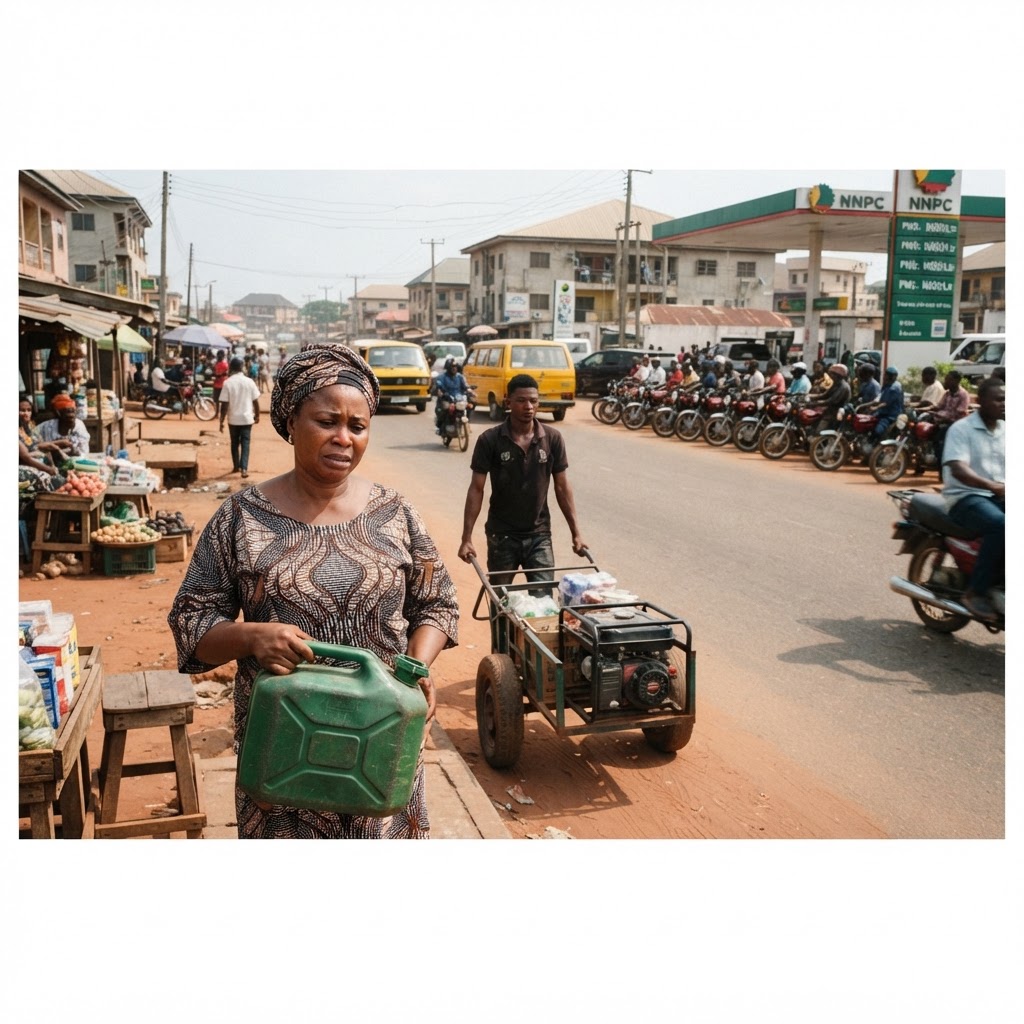
Petrol prices have crossed a psychological line that many Nigerians once thought impossible. At ₦1,400 per litre in several states, rising petrol prices are reshaping how households spend, how businesses operate, and how communities survive. What was once an occasional headline about fuel scarcity h...

Apply Now: $10,000 African AI Drug Discovery Fellowships
AI is no longer a distant Silicon Valley dream — it is now shaping how Africa fights disease. That is why the Apply Now: $10,000 African AI Drug Discovery Fellowships program deserves attention from every Nigerian family, student, and entrepreneur who cares about the future of healthcare on this con...

Fermented Nigerian Foods That Heal Your Gut
Your grandmother never called it a probiotic — but she knew exactly what she was doing when she prepared a warm bowl of akamu for a sick child or served ugba at a family gathering. Fermented Nigerian foods have sustained communities for centuries, and modern nutrition science is now confirming what ...

48 Months Without Full Pension Payments: Imo Pensioners
Retirement should bring peace, not financial anxiety. Yet across Imo State, thousands of elderly civil servants say their golden years have turned into a struggle for survival. The situation described in "48 Months Without Full Pension Payments: Imo Pensioners Demand Answers" reflects a deepening cr...

Ondo Alcohol Deaths: What Is Methanol and How Can Nigerians Avoid Poisoning?
The deaths in Ondo State have sent shockwaves across Nigeria. At least 48 people lost their lives after consuming what appeared to be ordinary local alcoholic drinks. Hundreds more were hospitalised, some permanently blinded, others left fighting for their organs. The National Agency for Food and Dr...

Affordable healthcare options for rural Nigerians
Access to quality medical care remains one of the most pressing challenges facing millions of Nigerians living outside major cities. For rural families, a single illness can mean a long journey to the nearest clinic, an unaffordable hospital bill, or worse — no treatment at all. Understanding and ac...

How Igbo communities fund development projects
Across southeastern Nigeria, roads are tarred, schools are built, and boreholes are sunk — not by government contractors, but by communities pooling resources together. This phenomenon is neither accidental nor recent. It is the product of centuries-old cultural philosophy, refined institutional str...

Imo Erosion Crisis: Mbieri Communities Demand Urgent Government Action
The ground beneath Mbieri is literally disappearing. In Mbaitoli Local Government Area of Imo State, advancing gullies are swallowing roads, threatening homes, and pushing one of southeastern Nigeria's most resilient communities toward an environmental breaking point. Residents are no longer waiting...