Powered by Obi Mbieri Independent Media Ltd · eziokwubundu.com
$1 = ₦1,327€1 = ₦1,511£1 = ₦1,757Nigeria Cholera Season Community Water Safety Checklist
Cholera does not arrive without warning. In Nigeria, it returns with the rains, travels through contaminated water, and concentrates its damage in communities where infrastructure gaps have never been closed. For Nigerian families, community leaders, and local organizations, understanding why choler...
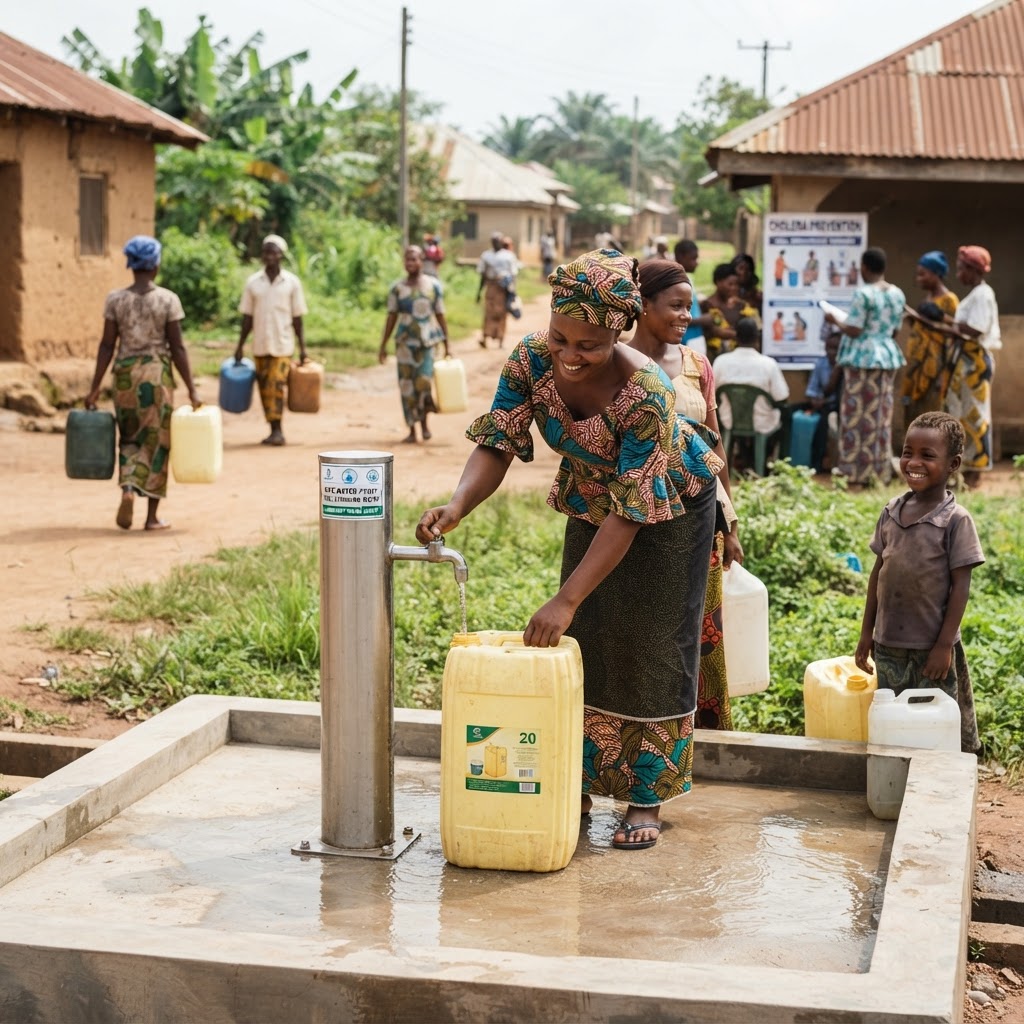
Cholera does not arrive without warning. In Nigeria, it returns with the rains, travels through contaminated water, and concentrates its damage in communities where infrastructure gaps have never been closed. For Nigerian families, community leaders, and local organizations, understanding why cholera recurs and how to interrupt its transmission is not an academic exercise — it is a matter of survival and economic continuity.
This checklist-driven guide draws on current outbreak data, WHO and CDC protocols, and emerging digital health tools to provide a practical, community-anchored framework for water safety during the high-risk rainy season months. From Bayelsa's riverine villages to urban households in Lagos and Enugu, the principles here apply wherever tap water is unreliable and flooding is a seasonal reality.
Why Is Cholera Returning to Nigeria?
Epidemiological Trends and Environmental Triggers
Nigeria's cholera burden is not random. It follows a predictable seasonal and geographic logic shaped by flooding, poverty, and inadequate sanitation infrastructure. Between 2024 and 2026, outbreak surveillance data showed Bayelsa State — and Southern Ijaw Local Government Area specifically — accounting for as much as 64% of suspected cholera cases during critical epidemiological weeks. This concentration reflects the acute vulnerability of South-South riverine communities, where households depend on floodwater-adjacent sources for drinking, washing, and cooking.
The mechanism is well-documented. Seasonal flooding overwhelms open defecation sites and pit latrines, releasing fecal matter containing Vibrio cholerae O1 into surface water and shallow wells. Nigeria's National Centre for Disease Control (NCDC) situation reports have consistently flagged this environment-to-human transmission pathway as the primary driver of annual outbreaks. The absence of piped sewage systems in most rural and peri-urban communities means there is no structural barrier between human waste and water sources.
Digital health tools are beginning to change how communities prepare. GPT-4o can be utilized by health workers to synthesize complex epidemiological datasets from platforms like ReliefWeb and NCDC dashboards, identifying high-risk zones before the rainy season peaks. By processing historical case data, rainfall projections, and population density variables simultaneously, GPT-4o produces predictive risk maps that traditional surveillance systems generate too slowly to be actionable.
How Can Families Ensure Drinking Water Safety?
Evidence-Based Point-of-Use Treatment Protocols
The first critical misconception Nigerian families must discard is this: clear water is not safe water. Vibrio cholerae is invisible to the naked eye and survives in water sources that appear perfectly clean. Every household, regardless of perceived water quality, should apply at least one evidence-based point-of-use treatment method during cholera season.
The WHO and CDC recognize three primary household water treatment methods: boiling, chlorination, and filtration. Boiling is the most reliable and accessible — water brought to a rolling boil for at least one minute (three minutes at altitudes above 2,000 metres) kills V. cholerae effectively. Chlorination using sodium hypochlorite solutions (such as Aquatabs or WaterGuard) offers a scalable alternative, particularly for larger household volumes, with a recommended free residual chlorine level of 0.2–0.5 mg/L after 30 minutes of contact time. Ceramic or biosand filtration can reduce turbidity and microbial load but should be combined with chlorination for maximum protection during outbreak conditions.
Treatment alone is insufficient without safe storage. Nigerian case-control studies have identified re-contamination during storage as a significant transmission pathway. The intervention is specific: use narrow-mouthed containers with lids that prevent hands from entering the water during retrieval. Wide-mouthed basins and open clay pots, common in many households, allow hand contact and introduce fecal-oral contamination even into water that was treated correctly at the source.
Community leaders face an additional barrier: WASH (Water, Sanitation, and Hygiene) guidelines are typically produced in technical English inaccessible to Igbo, Yoruba, Ijaw, or Hausa-speaking residents. Claude 3.5 Sonnet addresses this gap directly. Community leaders and local health workers are now using Claude 3.5 Sonnet to translate WHO WASH protocols into local dialects, producing simplified illustrated guides that improve adherence among non-English speaking populations — a critical step in converting knowledge into behavior change.
What Makes Community Water Systems Fail?
Infrastructure Vulnerabilities and Sustainability Challenges
Nigeria has tens of thousands of boreholes installed through government programs, NGO interventions, and diaspora-funded community projects. A significant proportion are non-functional at any given time. A systematic review of Nigerian rural water infrastructure identifies household poverty and the absence of standardized maintenance protocols as the two primary structural drivers of borehole failure. Communities cannot fix what breaks if they lack both the technical knowledge and financial reserves to do so.
Beyond infrastructure collapse, contamination occurs across two distinct points: at the source and during transport. Research consistently demonstrates a measurable increase in microbial load between the community pump and the domestic storage container. This contamination-in-transit problem occurs through dirty collection vessels, handling during transport, and inadequate storage practices. Addressing only the source — through borehole rehabilitation or water treatment at the pump — without simultaneously addressing transport hygiene leaves families exposed.
Water Safety Plans (WSPs) represent the most systematic tool for managing these multi-point contamination risks. Developed by the WHO, WSPs require communities to map every step in the water supply chain, assign a risk score to each hazard point, and establish monitoring and corrective action protocols. Gemini 1.5 Pro is now being applied by local organizations to generate customized WSP templates. By inputting community-specific variables — population size, water source type, seasonal flooding patterns — Gemini 1.5 Pro produces hazard identification forms and monitoring schedules tailored to specific community contexts, reducing the technical burden on volunteer water committee members.
This connects directly to broader community governance structures. Understanding how autonomous community governance operates is foundational to implementing water safety plans effectively — read What Is an Igbo Autonomous Community? A Guide for the governance context that makes or breaks local WASH initiatives.
Which Hygiene Practices Prevent Household Transmission?
Strategic Sanitation Beyond Basic Handwashing
Handwashing with soap at the five critical moments — before food preparation, before eating, after defecation, after cleaning a child, and after handling animal waste — remains the foundational behavioral intervention. But cholera containment in Nigerian communities requires sanitation strategies that extend far beyond hand hygiene alone.
Fecal management is particularly critical during active outbreaks. Human waste from cholera patients contains extremely high concentrations of V. cholerae and must be treated with a chlorine solution before disposal. Household latrines serving symptomatic individuals should be disinfected daily. The safe management of the deceased is equally urgent: cholera victims' bodies remain infectious, and traditional funeral practices involving washing or prolonged community contact with the deceased have triggered super-spreader events in West African outbreak histories. Community and religious leaders must be engaged as partners in adapting burial protocols during outbreak periods — a community-first sanitation imperative.
For food safety, the internationally recognized rule applies directly to Nigerian household practices: boil it, cook it, peel it, or leave it. Street food consumed without heating, raw vegetables washed in untreated water, and produce stored in open containers near floodwater all carry transmission risk. Critically, treated water must be used not only for drinking but also for brushing teeth and washing produce — contamination through dental hygiene and food washing is frequently underestimated.
GPT-4o brings a culturally intelligent dimension to hygiene education that generic public health messaging has historically lacked. By processing community perception data and local belief systems, GPT-4o can generate interactive hygiene education modules that address specific cultural barriers — including fatalistic beliefs about illness, distrust of government health messaging, and the social dynamics of shared water points — producing content that is persuasive within its cultural context rather than simply informative.
For broader preventive health strategies relevant to Nigerian families, see Preventing Lifestyle Diseases in Nigerian Families.
Featured Products
Chukwu Abiama Tee
Bold black-and-gold Igbo-pride T-shirt featuring 'Chukwu Abiama' in premium streetwear typography.
₦15,000
Buy NowReverse Type 2 Diabetes & other associated Metabolic Issues using Dr. Jason Fung's Evidence-Based Approach— FMD program for Type 2 Diabetes
A practical fasting and fasting-mimicking programme built on Dr Jason Fung's insulin-resistance principles and ow-glycemic recipes.
₦19,950
Join NowỤmụ Igbo Tee
Classic black T-shirt with bold white 'Ụmụ Igbo' typography — a proud statement of Igbo heritage.
₦15,000
Buy NowNwanne Tee
Washed khaki vintage tee with a faded rust-orange 'Nwanne' stamp badge and palm leaf motif — a nod to kinship and heritage.
₦18,000
Buy NowObodo Tee
Faded denim-blue washed tee with a cream 'Obodo' stamp badge and sun motif, celebrating community roots.
₦18,000
Buy NowEkwe Heritage Tee
Deep indigo tee featuring a fine line-art illustration of a traditional Igbo ekwe drum, inspired by Igbo-Ukwu bronze artistry.
₦18,000
Buy NowIkenga Figure Tee
Forest green tee with a fine line-art illustration of a stylized Ikenga figure.
₦18,000
Buy NowHow Does Clean Water Drive Community Wealth?
The Economic Impact of Preventive Healthcare
The relationship between water safety and economic productivity is direct and quantifiable. In rural Nigeria, a single cholera hospitalization generates costs — in treatment, transportation, and lost labor — that can devastate a household operating without financial reserves. When water-borne illness is reduced through community-level WASH interventions, the economic gains accumulate at the household, community, and regional level simultaneously.
Farmers maintain consistent harvest schedules when illness does not remove them from the field during critical planting or harvest windows. Market traders sustain income when neither they nor their children are repeatedly hospitalized. School attendance — a leading indicator of long-term economic mobility — improves when children are not chronically ill from diarrheal disease. The World Bank estimates that every US$1 invested in water and sanitation generates between US$5 and US$46 in economic returns, depending on the intervention type and context.
Community-funded solar-powered boreholes represent one of the highest-ROI preventive health investments available to Nigerian communities. By eliminating dependency on seasonal surface water and reducing emergency medical expenditure, a well-maintained solar borehole pays back its installation cost within three to five years. This is the Health + Wealth triangle in practice: community health infrastructure becomes community wealth infrastructure. For diaspora Nigerians evaluating impact investment options, Claude 3.5 Sonnet can model the specific ROI scenarios for borehole projects in home communities, incorporating local labor costs, population size, illness burden data, and maintenance cost projections.
The cooperative funding models used by Nigerian market associations for solar infrastructure offer a replicable blueprint — explore How Nigerian Market Unions Launch Solar Energy Cooperatives for implementation details.
What Is the Community Water Safety Checklist?
A Practical Framework for Local Leadership
Every community with a functioning leadership structure can implement a Water Safety Committee. The following five-step framework is designed for local leaders, youth professionals, and community health volunteers operating without specialist technical support.
Step 1 — Define the Community Boundary: Map every water source used by community members, including boreholes, hand-dug wells, streams, rainwater harvesting points, and vendor supply chains. No water source should fall outside the committee's oversight.
Step 2 — Identify Contamination Risks: For each water source, document proximity to latrines, flood pathways, agricultural runoff, and open defecation areas. Assign a high, medium, or low risk classification to each source.
Step 3 — Establish Monitoring Schedules: Assign responsible volunteers to inspect each water point weekly during the rainy season (April through October) and monthly during the dry season. Inspections should check for physical damage, cleanliness of the pump or wellhead, and user hygiene behaviors.
Step 4 — Create Emergency Response Triggers: Define the threshold at which the committee escalates to local government health authorities — for example, two or more cases of acute watery diarrhea within a seven-day period from households sharing a water source.
Step 5 — Maintain Oral Rehydration Points (ORPs): Every community should maintain a local stockpile of Oral Rehydration Salts (ORS) and water purification tablets (Aquatabs). These are the public health equivalent of a life jacket — the intervention that keeps a case from becoming a fatality before formal medical care is reached.
Gemini 1.5 Pro can generate customized audit forms for Steps 2 and 3, converting community-specific risk data into structured inspection checklists that youth volunteers can use on smartphones during field visits.
Given the overlap in community emergency preparedness, community leaders should also review the Ebola and Mpox Alert: Nigerian Community Safety Guide for integrated outbreak response protocols.
Can Nigeria Eradicate Cholera by 2030?
Policy Roadmap and Digital Health Innovations
The Global Task Force on Cholera Control (GTFCC) published its Ending Cholera: A Global Roadmap to 2030 strategy with a target of reducing cholera deaths by 90% globally. For Nigeria — which consistently ranks among the top countries for cholera burden — meeting this target requires three simultaneous shifts: infrastructure investment, behavioral change at scale, and a functional national surveillance system that detects outbreaks in days, not weeks.
A nationally recognized Cholera Awareness Day would serve a dual function: maintaining public vigilance during inter-epidemic periods and strengthening political will for sustained WASH funding. Countries that have successfully reduced cholera burden, including Bangladesh and Haiti in specific intervention periods, share a common factor — sustained public attention rather than crisis-only response cycles.
The integration of mHealth platforms and telemedicine into Nigeria's community health infrastructure represents the most scalable surveillance upgrade available. Real-time case reporting by community health workers through mobile applications moves the national response from reactive treatment — managing outbreaks after they spread — to proactive prevention, enabling targeted water treatment and vaccination campaigns before transmission is entrenched.
Eziokwubundu's integrated approach to health education, community development, and economic empowerment directly aligns with this model. By connecting evidence-based health content with community governance frameworks and wealth creation strategies, the platform operationalizes the GTFCC's community engagement pillar for a Nigerian audience. The path to ending cholera in Nigeria runs through informed communities, funded infrastructure, and leaders equipped with practical tools — which is precisely the intersection this platform was built to serve.
For related community health intelligence, the Silent Killer Hypertension In Lagos Markets article demonstrates how the same community-first health framework applies across Nigeria's most pressing non-communicable and communicable disease burdens.
Sources and Further Reading:
Stay Informed
Get New Articles in Your Inbox
Subscribe to receive the latest community development, health, and wealth insights from Eziokwubundu.
Newsletter
Practical insights on health, wealth, and community — delivered weekly.
Community Discussion(0)
Leave a Comment
More to Read
You May Also Like

Strategic Wellness and Fiscal Growth for Nigerians
Achieving a state of total well-being requires more than just physical health or financial stability alone. For the modern Nigerian, success is a multi-dimensional pursuit that bridges the gap between traditional values and global opportunities. By integrating science-based natural health solutions ...
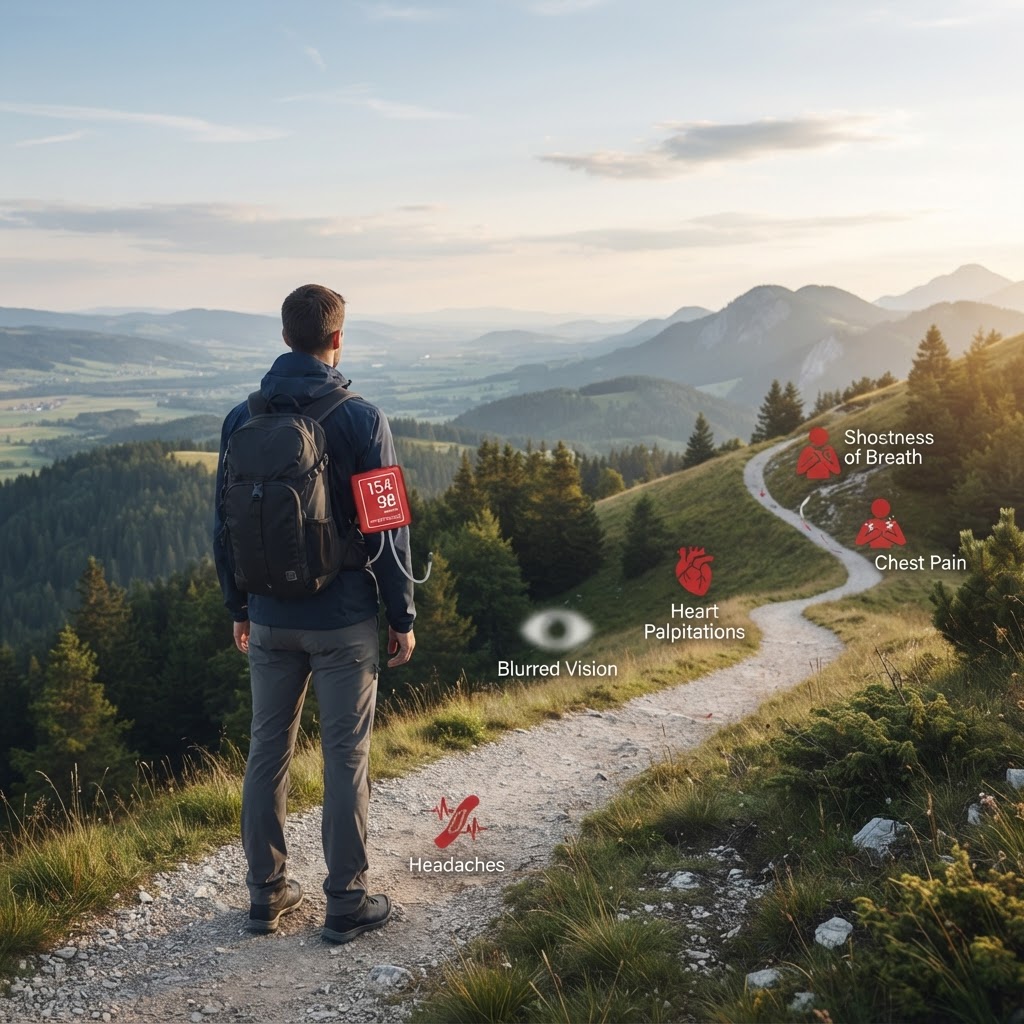
5 Signs Your Blood Pressure May Be Too High
Imagine feeling completely fine while your arteries are quietly under siege. That is the reality for millions of Nigerians living with undiagnosed hypertension. Recognizing 5 Signs Your Blood Pressure May Be Too High could be the difference between early intervention and a medical emergency. Underst...

Can Insulin Help You Lose Weight? Risks and Medical Facts
Insulin often gets blamed for weight struggles among Nigerian families managing diabetes. But the science is more nuanced than blind blame suggests. This article, Can Insulin Help You Lose Weight? Risks and Medical Facts, examines what research actually shows. It looks at this essential hormone and ...

Apply Now: $10,000 African AI Drug Discovery Fellowships
AI is no longer a distant Silicon Valley dream — it is now shaping how Africa fights disease. That is why the Apply Now: $10,000 African AI Drug Discovery Fellowships program deserves attention from every Nigerian family, student, and entrepreneur who cares about the future of healthcare on this con...

Fermented Nigerian Foods That Heal Your Gut
Your grandmother never called it a probiotic — but she knew exactly what she was doing when she prepared a warm bowl of akamu for a sick child or served ugba at a family gathering. Fermented Nigerian foods have sustained communities for centuries, and modern nutrition science is now confirming what ...

Ondo Alcohol Deaths: What Is Methanol and How Can Nigerians Avoid Poisoning?
The deaths in Ondo State have sent shockwaves across Nigeria. At least 48 people lost their lives after consuming what appeared to be ordinary local alcoholic drinks. Hundreds more were hospitalised, some permanently blinded, others left fighting for their organs. The National Agency for Food and Dr...
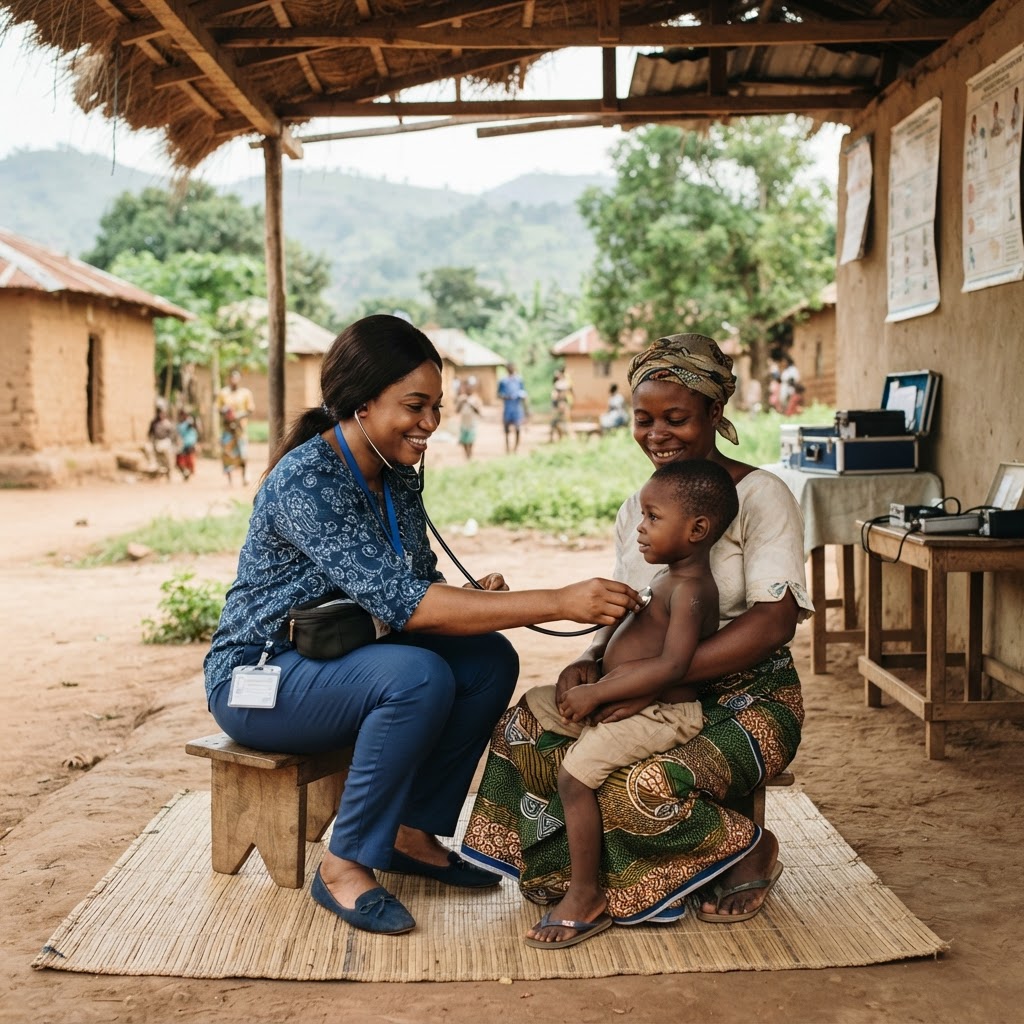
Affordable healthcare options for rural Nigerians
Access to quality medical care remains one of the most pressing challenges facing millions of Nigerians living outside major cities. For rural families, a single illness can mean a long journey to the nearest clinic, an unaffordable hospital bill, or worse — no treatment at all. Understanding and ac...
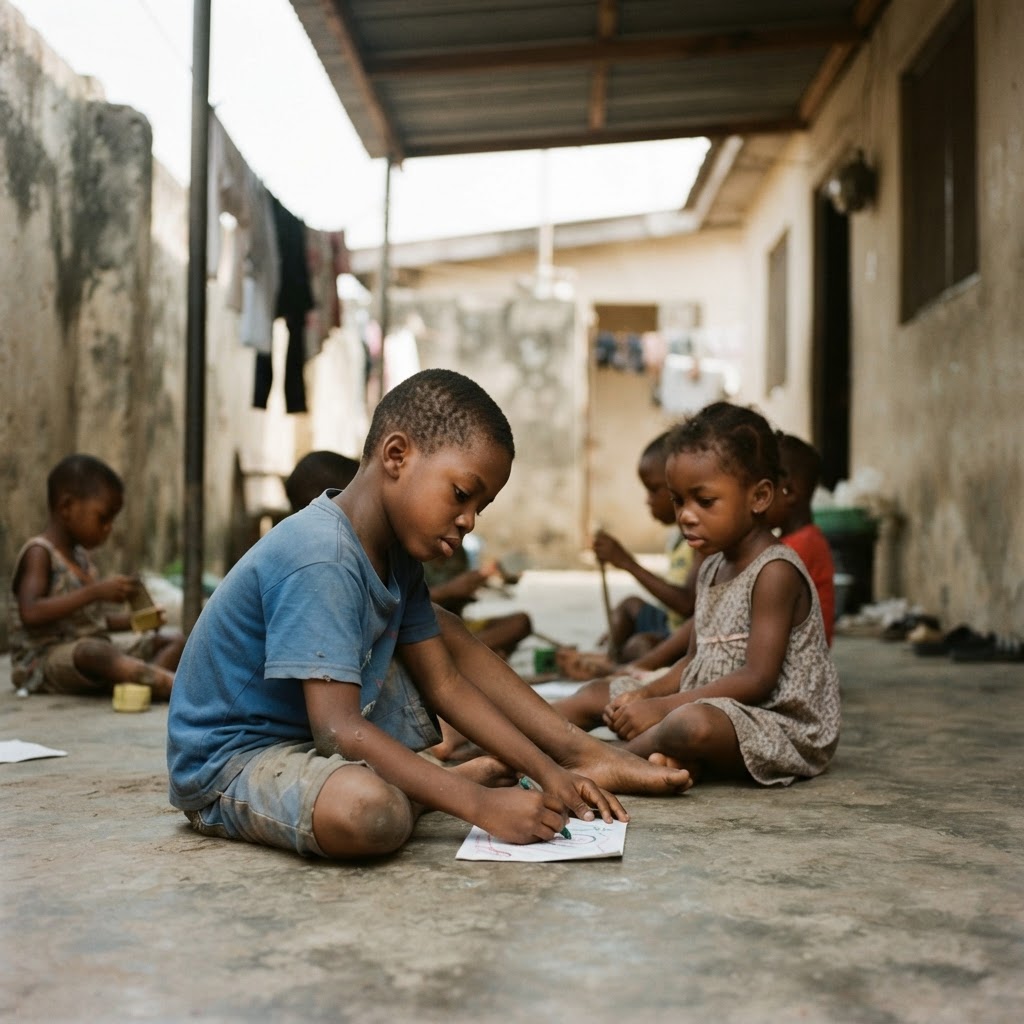
Unapproved Orphanages in Nigeria: How Safe Are Children in Private Care Homes?
Across Nigeria, thousands of children live in private care homes that operate outside the law. Some are run by well-meaning individuals overwhelmed by the scale of child poverty. Others are driven by profit, exploiting the image of vulnerable children to attract foreign donations while providing sub...
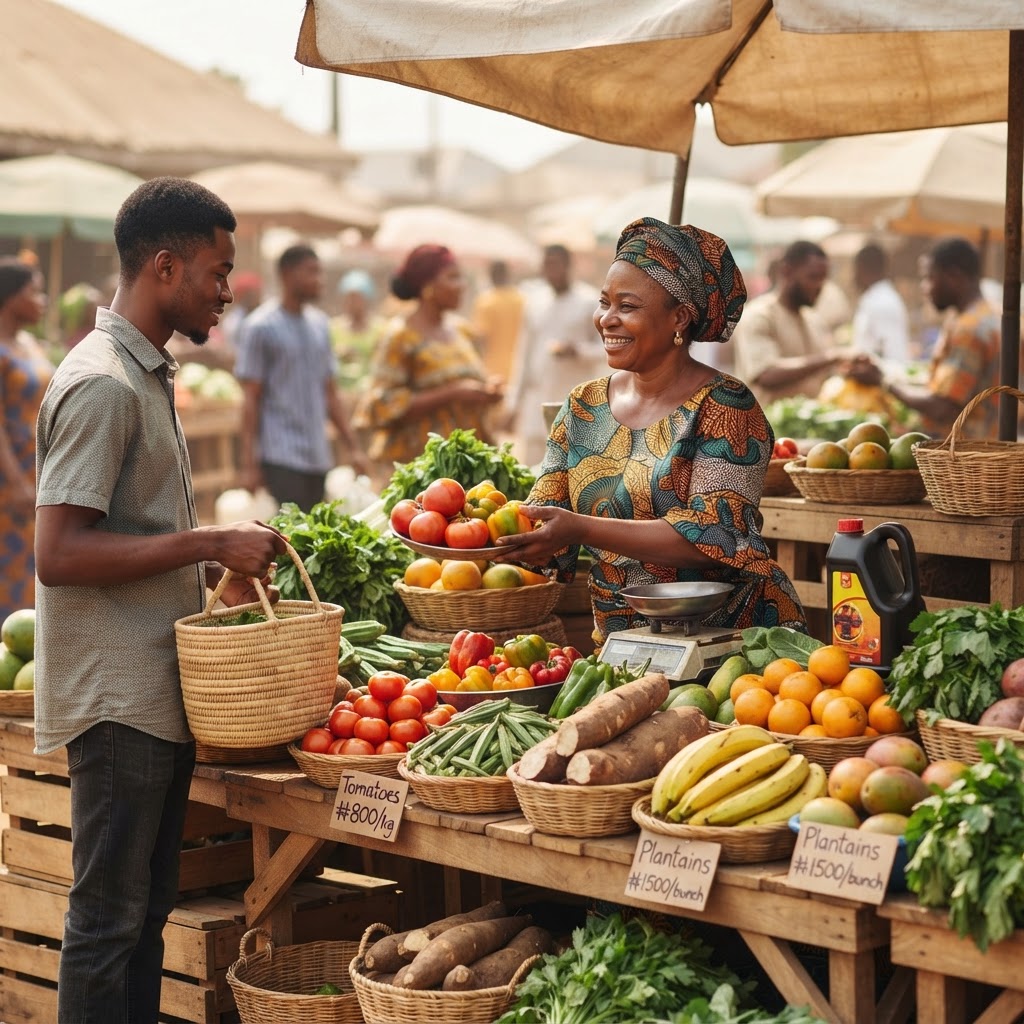
Imo State Farmers’ Market Price Guide
Every trip to Eke Ukwu Owerri or any neighbourhood market in Imo State has become a quiet economic reckoning. Families that once budgeted confidently for monthly groceries now find that the same naira stretches considerably less than it did a year ago. This Imo State Farmers' Market Price Guide is d...