Powered by Obi Mbieri Independent Media Ltd.
$1 = ₦1,353€1 = ₦1,488£1 = ₦1,786How Rising Petrol Prices Impact Nigerian Households and SMEs
Petrol prices have crossed a psychological line that many Nigerians once thought impossible. At ₦1,400 per litre in several states, rising petrol prices are reshaping how households spend, how businesses operate, and how communities survive. What was once an occasional headline about fuel scarcity h...
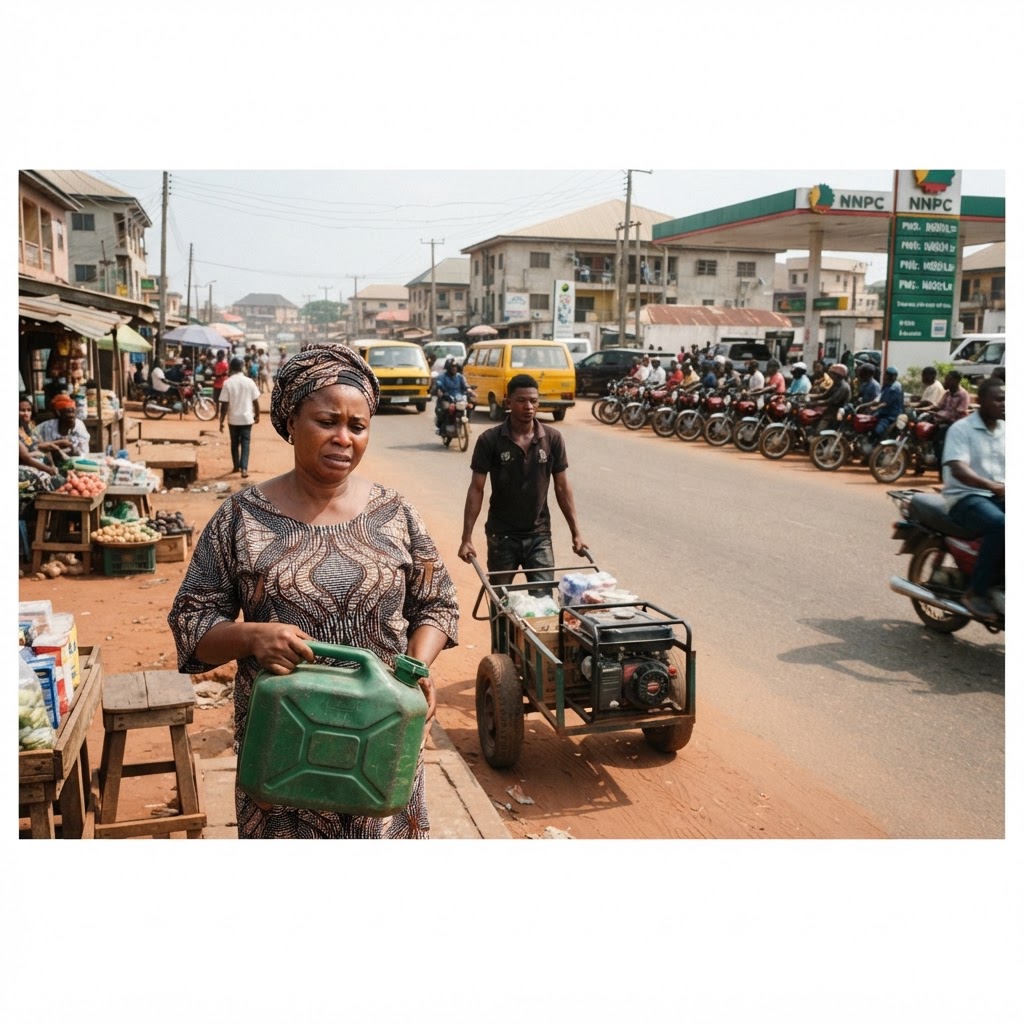
Petrol prices have crossed a psychological line that many Nigerians once thought impossible. At ₦1,400 per litre in several states, rising petrol prices are reshaping how households spend, how businesses operate, and how communities survive. What was once an occasional headline about fuel scarcity has become a daily reality that dictates transport choices, grocery budgets, and business survival strategies across Nigeria.
Petrol at ₦1,400: What Rising Fuel Prices Mean for Nigerian Families and Small Businesses is no longer a distant headline. It is the daily reality shaping budgets, transport choices, and business survival across Nigeria. Understanding the scale and speed of rising petrol prices helps explain why so many families feel like they are running just to stand still economically.
Why Is Petrol Now ₦1,400?
Nigeria's fuel market has moved from a subsidy-controlled system to one that reflects real market forces. According to Reuters, petrol prices have surged by 643% over the past three years. That is one of the sharpest energy price increases anywhere in the world, and it explains why rising petrol prices have become one of the most talked-about economic issues in the country today.
The naira's devaluation has made imported crude and refined products far more expensive in local currency terms. Refineries, including the Dangote Refinery, have also adjusted their gantry prices to match global cost pressures and foreign exchange realities. These adjustments ripple through every stage of distribution, meaning rising petrol prices at the depot level almost always translate into higher pump prices for ordinary consumers within days.
Global crude oil price swings add another layer of complexity. Nigeria still imports significant volumes of refined petroleum products, so international price shifts translate quickly into local pump price changes. Logistics costs for moving fuel from coastal depots to inland markets like Sokoto, Enugu, or Maiduguri further inflate prices, compounding the effect of rising petrol prices on regions far from the coastline.
Efforts to restart local refining capacity remain central to long-term solutions. As covered in NNPC Seeks Partnerships to Restart PH and Warri Refineries, reviving domestic refining could reduce reliance on imports and stabilize supply, potentially easing some of the pressure created by rising petrol prices over time. Until then, families and businesses must adapt to a market-driven pricing structure that leaves little room for predictability.
How Are Families Coping Today?
The direct link between pump prices and household spending is unmistakable. As fuel costs rise, families cut back on petrol, diesel, and even cooking gas consumption. This is not a lifestyle choice. It is survival, and it is a direct consequence of rising petrol prices squeezing already tight household budgets.
Transportation costs have spiked sharply, and food prices have followed. According to the National Bureau of Statistics, Nigeria's inflation rate has remained persistently high, driven partly by energy costs. Every additional naira spent on fuel means less available for food, healthcare, or school fees, and rising petrol prices have made this trade-off increasingly common in households of every income level.
Many households are adjusting daily routines to absorb the shock. These changes are becoming survival strategies rather than optional efficiency measures in the face of rising petrol prices.
- Carpooling with neighbors or coworkers to share transport costs.
- Switching to energy-efficient cooking methods, such as clay stoves or batch cooking.
- Prioritizing essential spending over discretionary purchases.
- Buying food in bulk directly from local markets to reduce transport trips.
Families are also rethinking how they source income. Reduced disposable income has pushed many toward diversified earning strategies. This shift is explored in Economic Pressure Drives Employers Toward Commission-Based Pay, which shows how economic strain, including the burden of rising petrol prices on business overheads, is reshaping employment structures nationwide.
Reduced household spending power linked to rising petrol prices is also visible in broader consumer trends. As detailed in N2tn Unsold Goods: Is Imo Facing a Spending Slump?, when transport and energy costs climb, consumers pull back sharply on non-essential purchases, leaving traders with unsold inventory and shrinking profit margins.
Health-conscious households are also finding creative ways to protect wellness despite tighter budgets. Reducing generator use, for instance, lowers exposure to fumes and noise pollution, offering an unexpected health benefit amid the economic hardship caused by rising petrol prices.
Can Small Businesses Survive This?
Small and medium enterprises are among the hardest hit by rising petrol prices. Many rely on generators for consistent power, and diesel prices have followed petrol upward. This squeezes operational margins that were already thin before the latest price surge, forcing many owners to make difficult choices between staff retention, pricing, and product quality.
Logistics-dependent businesses face a double burden. Higher fuel costs increase the price of moving goods, while customers simultaneously cut back on non-essential purchases. A tailor in Owerri or a food vendor in Kaduna may see fewer customers even as their input costs climb, a pattern increasingly common wherever rising petrol prices intersect with weakening consumer demand.
Featured Products
Reverse Type 2 Diabetes & other associated Metabolic Issues using Dr. Jason Fung's Evidence-Based Approach— FMD program for Type 2 Diabetes
A practical fasting and fasting-mimicking programme built on Dr Jason Fung's insulin-resistance principles and ow-glycemic recipes.
₦19,950
Join NowChukwu Abiama Tee
Bold black-and-gold Igbo-pride T-shirt featuring 'Chukwu Abiama' in premium streetwear typography.
₦15,000
Buy NowỤmụ Igbo Tee
Classic black T-shirt with bold white 'Ụmụ Igbo' typography — a proud statement of Igbo heritage.
₦15,000
Buy NowNwanne Tee
Washed khaki vintage tee with a faded rust-orange 'Nwanne' stamp badge and palm leaf motif — a nod to kinship and heritage.
₦18,000
Buy NowObodo Tee
Faded denim-blue washed tee with a cream 'Obodo' stamp badge and sun motif, celebrating community roots.
₦18,000
Buy NowEkwe Heritage Tee
Deep indigo tee featuring a fine line-art illustration of a traditional Igbo ekwe drum, inspired by Igbo-Ukwu bronze artistry.
₦18,000
Buy NowIkenga Figure Tee
Forest green tee with a fine line-art illustration of a stylized Ikenga figure.
₦18,000
Buy NowConsumer demand patterns are shifting fast. People are prioritizing food and transport over services like salon visits, entertainment, or non-urgent repairs. This directly reduces local business revenue, especially in service-heavy micro-economies where rising petrol prices have already thinned out disposable income.
Some entrepreneurs are finding practical ways to adapt. These strategies focus on cutting costs without sacrificing quality or customer trust, even as rising petrol prices continue to squeeze margins.
- Exploring solar power or hybrid inverter systems to reduce diesel dependency.
- Consolidating deliveries to optimize fuel use across supply chains.
- Partnering with neighboring businesses to share generator or transport costs.
- Negotiating bulk purchase discounts with suppliers to offset rising expenses.
Community-based resource sharing is becoming more common, particularly among market associations and cooperative groups. This approach aligns with Eziokwubundu's community-first philosophy, where collective action strengthens individual resilience against shocks like rising petrol prices. Businesses that survive this period will likely be those that innovate around energy costs rather than absorb them passively.
What Are The Proposed Solutions?
Labor unions and economists have been vocal about the need for intervention to cushion the impact of rising petrol prices. Many are calling for targeted wage awards to cushion vulnerable workers from the worst effects of fuel inflation. The Reuters report notes that cost-of-living pressure driven by rising petrol prices is becoming a political flashpoint ahead of the 2027 election cycle.
One proposal gaining attention is selling crude oil in naira to local refineries. This could reduce foreign exchange pressure on fuel pricing and stabilize domestic supply. If implemented effectively, it may lower the volatility that currently defines Nigeria's downstream sector and slow the pace at which rising petrol prices affect ordinary consumers.
Compressed Natural Gas, or CNG, was introduced as an alternative to petrol, partly as a direct response to rising petrol prices. However, adoption remains slow. Limited conversion kits, insufficient refueling stations, and high upfront costs have prevented CNG from delivering the relief many expected. Until infrastructure expands significantly, most Nigerians will continue relying on petrol and diesel, remaining exposed to the volatility of rising petrol prices.
The International Monetary Fund has also emphasized the importance of structural reforms alongside targeted social protection programs. Without both, temporary relief measures may not address the root causes of Nigeria's energy price instability, and rising petrol prices could continue to erode household purchasing power for years to come.
How Do We Build Resilience?
Community networks offer a powerful buffer against economic shocks caused by rising petrol prices. Pooling resources for transport, bulk food purchases, or shared power solutions can significantly reduce individual costs. This is the essence of Eziokwubundu's "Community First" approach to prosperity, which becomes even more relevant as rising petrol prices strain household finances.
Financial literacy also plays a critical role in navigating a period defined by rising petrol prices. Diversifying income streams protects families from being overly dependent on a single, vulnerable source of earnings. As explored in 48 Months Without Full Pension Payments: Imo Pensioners, relying solely on fixed income during economic uncertainty carries serious risk, particularly when rising petrol prices continue to erode the real value of pensions and wages.
Agricultural investment offers another resilience pathway against the pressures created by rising petrol prices. Strengthening local food production can reduce dependence on transport-heavy supply chains. The insights shared in Imo's ₦61bn Question: Tracking Agricultural Funding highlight how targeted agricultural investment can stabilize food prices at the community level, even as rising petrol prices push up the cost of moving goods from farm to market.
Sustainable, locally-sourced alternatives, from solar energy to local food systems, reduce dependence on imported energy products and help insulate communities from the worst effects of rising petrol prices. The World Bank has consistently emphasized diversification as key to Nigeria's long-term economic stability. Communities that embrace this shift now will be better positioned for future price shocks, including further waves of rising petrol prices tied to global oil markets and currency fluctuations.
What Is The Path Forward?
Long-term solutions require downstream sector reforms that prioritize energy security and domestic refining capacity. This includes supporting local refineries and expanding alternative energy infrastructure nationwide, both of which are essential to reducing the long-term impact of rising petrol prices on ordinary Nigerians.
Individual responsibility matters, but government accountability remains essential too. Citizens can budget wisely and build community resilience, but sustainable fuel pricing ultimately depends on sound national resource management, as noted by the International Energy Agency. Without deliberate policy action, rising petrol prices will likely remain a recurring feature of Nigeria's economic landscape rather than a temporary shock.
Through it all, maintaining health and community cohesion remains vital. Economic pressure tests resilience, but Nigerians have consistently shown resourcefulness in difficult times. Staying informed, supporting local networks, and prioritizing wellness will help families and businesses navigate this challenging chapter together, even as rising petrol prices continue to shape the rhythm of daily life across the country.
Stay Informed
Get New Articles in Your Inbox
Subscribe to receive the latest community development, health, and wealth insights from Eziokwubundu.
Newsletter
Practical insights on health, wealth, and community — delivered weekly.
Community Discussion(0)
Leave a Comment
More to Read
You May Also Like

Eziokwubundu’s Approach to Community Impact
Imagine a Nigeria where personal wellness, financial growth, and community development move together instead of staying separate. That is the vision behind Eziokwubundu’s Approach to Community Impact, a model built for everyday Nigerians seeking lasting change. This article unpacks how that model wo...

Seplat and Obi-Mbieri: Five Questions the Community Needs Answers to After the Commissioner's Directive
The question of who legitimately represents Obi-Mbieri Autonomous Community in its dealings with Seplat Energy PLC has once again come into focus following a significant intervention by the Imo State Government.

Imo Local Government Elections Set for Today
Imo State stands at a democratic crossroads this week. Residents across the state are heading to polling units with hope and renewed civic energy. The headline reads clearly: Imo Local Government Elections Hold Today: 27 LGAs, 305 Wards in Focus, and the outcome will shape grassroots governance for ...

Seplat's Aku-01 Discovery in Obi-Mbieri: 19 Million Barrels of Oil, 157 Bcf of Gas and What Comes Next?
The discovery at Seplat Energy's Aku-01 exploration well has drawn fresh attention to the oil and gas potential of Imo State and Obi-Mbieri. With preliminary estimates indicating 19 million barrels of oil and 157 billion cubic feet of gas in place, the next phase of exploration could have important implications for the host community. But what does the discovery actually mean, and what should Obi-Mbieri expect?

Imo Council Elections: Mbaitoli Voter Guide for Saturday
Saturday is almost here, and Mbaitoli households are asking tough questions about local governance. Many residents want clear answers before casting their votes in the upcoming Imo Council Elections. This article, Imo Council Elections 2026: What Mbaitoli Residents Need to Know Before Saturday's Pol...

Deal With the Traditional Prime Minister and the PG”: Imo Commissioner Tells Seplat How to Engage Obi-Mbieri
The Commissioner's intervention comes amid a prolonged leadership and representation dispute in Obi-Mbieri, raising fresh questions about who should speak for the community in its dealings with Seplat Energy.

Imo Local Government Elections Set for November 14
Imo State is entering a pivotal moment in its democratic journey. Local government elections, long awaited by residents, now have a confirmed date. The headline reads clearly: Imo Local Government Elections: ISIEC Fixes November 14 for Polls, and this decision carries real weight for families, entre...
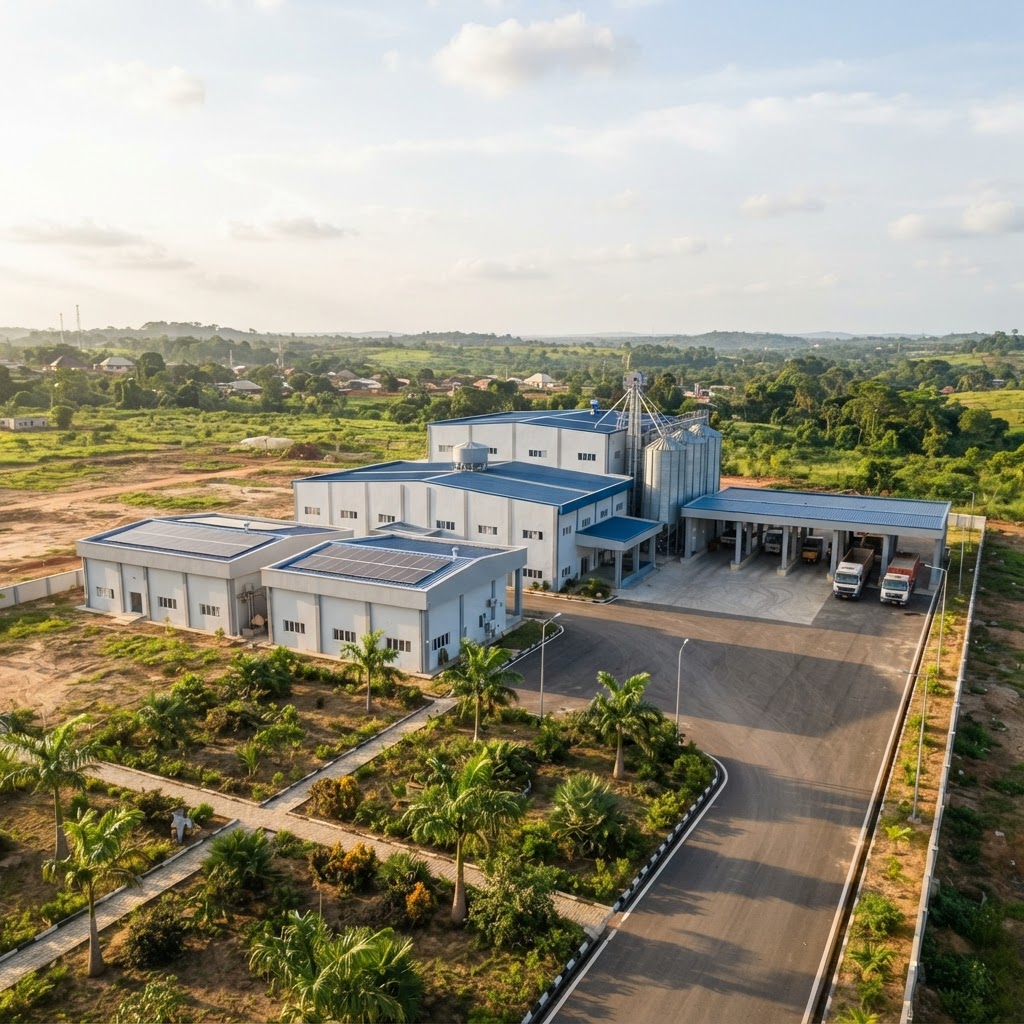
Industrial Investment in Obazu-Mbieri Sparks Economic Growth
Imo State is witnessing a new wave of private-sector confidence that could reshape its economic future. Industrial Investment in Obazu-Mbieri Raises Hopes for Jobs and Local Economic Growth after Marvico Group commissioned a landmark industrial complex in Mbaitoli Local Government Area. For many res...
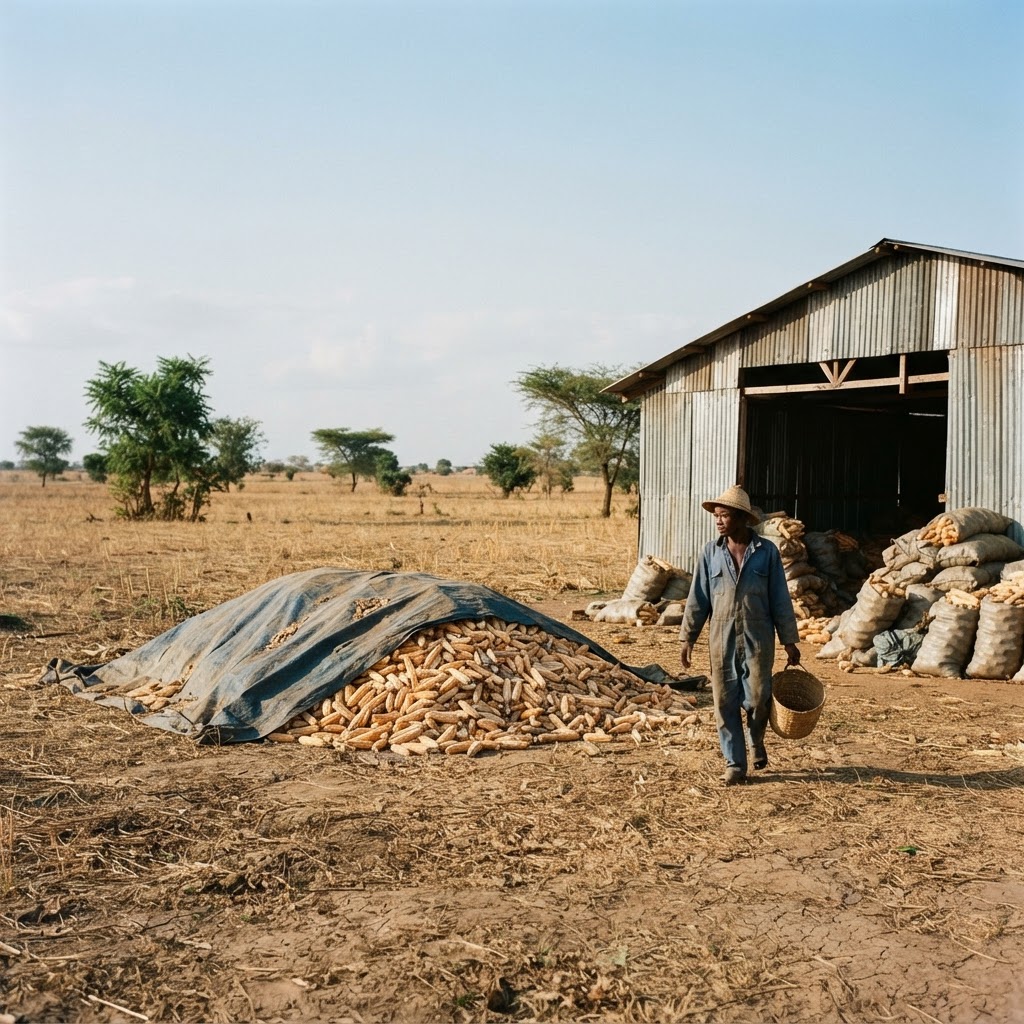
Nigeria Risks Billions in Farm Losses Without Better Storage
Nigeria's farms produce enough food to feed millions, yet much of it rots before reaching a dinner table. This paradox costs the nation dearly every single year. Nigeria Risks Losing Billions in Farm Produce Without Better Storage and Transport, and the numbers behind this crisis demand urgent atten...

Power DisCos Apologise to Nigerians Over Prolonged Blackouts
The lights have gone out again across many Nigerian cities, and this time, the companies responsible are speaking up. Power DisCos Apologise to Nigerians Over Prolonged Blackouts in a rare public admission that has caught national attention. For families already stretched thin by fuel costs and econ...