Powered by Obi Mbieri Independent Media Ltd.
$1 = ₦1,353€1 = ₦1,486£1 = ₦1,7755 Signs Your Blood Pressure May Be Too High
Imagine feeling completely fine while your arteries are quietly under siege. That is the reality for millions of Nigerians living with undiagnosed hypertension. Recognizing 5 Signs Your Blood Pressure May Be Too High could be the difference between early intervention and a medical emergency. Underst...
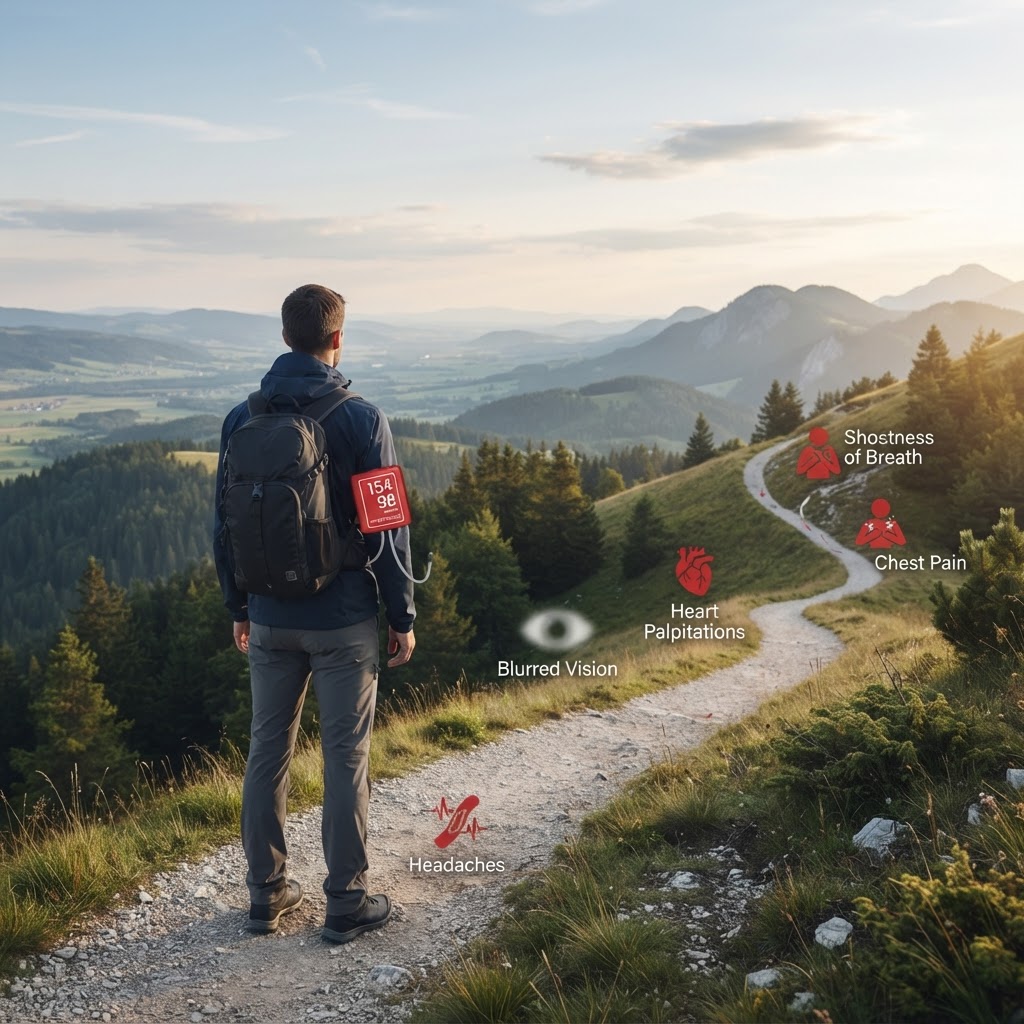
Imagine feeling completely fine while your arteries are quietly under siege. That is the reality for millions of Nigerians living with undiagnosed hypertension. Recognizing 5 Signs Your Blood Pressure May Be Too High could be the difference between early intervention and a medical emergency. Understanding how Blood Pressure works, why it rises, and what your body may be telling you is no longer optional knowledge — it is a survival skill for modern Nigerian life.
Why Is It Called Silent?
High Blood Pressure earned the nickname "silent killer" because it rarely announces itself. Many people walk around with dangerously elevated readings and feel perfectly normal. They go to work, raise families, and run businesses, all while their Blood Pressure climbs steadily in the background, unnoticed and unmanaged.
This silence is precisely what makes hypertension so dangerous. By the time symptoms appear, significant damage to the heart, kidneys, or blood vessels may have already occurred. Blood Pressure that remains elevated for years slowly stiffens artery walls, forces the heart to work harder than it should, and places continuous strain on delicate organs that were never designed to withstand that level of pressure indefinitely.
In Nigeria, hypertension has become a leading risk factor for cardiovascular disease. According to the World Health Organization, high Blood Pressure contributes to millions of deaths globally each year, and Nigeria is not exempt from this trend. Hospitals across the country increasingly report cases of stroke and heart failure in patients who had no idea their Blood Pressure was a problem until it was too late.
Regular screening remains the most reliable defense against this quiet threat. Many Nigerians only discover their Blood Pressure status after a stroke, heart attack, or kidney complication. This reactive pattern of healthcare — waiting for a crisis before checking numbers — is one of the biggest contributors to preventable deaths in the country today.
Community health centers, pharmacies, and workplace wellness programs now offer free or low-cost Blood Pressure checks. Taking advantage of these resources should be a priority for every adult, regardless of how healthy they feel. A five-minute check can reveal information that no amount of "feeling fine" can substitute for.
This is why understanding 5 Signs Your Blood Pressure May Be Too High matters so much. Awareness saves lives, especially in communities where routine checkups are not yet a cultural habit. Just as families track school fees, feeding budgets, and household expenses, tracking Blood Pressure deserves the same consistent attention.
What Are The Warning Signs?
While hypertension is often symptomless, certain warning signs can emerge when Blood Pressure reaches critically high levels. These signs should never be dismissed or ignored, particularly when they appear suddenly or in combination with one another.
Persistent headaches that do not respond to regular pain relief can indicate elevated pressure within the cranial blood vessels. Unlike an ordinary headache from stress or dehydration, a hypertension-related headache often feels like constant pressure at the back of the head and may worsen with movement or bending over.
Shortness of breath, especially during minimal exertion, may signal that the heart is struggling against excessive vascular resistance. Climbing a short flight of stairs or carrying light shopping bags should not leave a healthy adult gasping for air; when it does, elevated Blood Pressure may be a contributing factor.
Blurry vision is another red flag. Sudden changes in eyesight can result from damage to the tiny blood vessels in the retina, a condition known as hypertensive retinopathy. Left unchecked, this can progress toward more permanent vision impairment, making early detection of abnormal Blood Pressure even more urgent.
Consider these additional symptoms that sometimes accompany a hypertensive crisis:
- Severe chest tightness or discomfort
- Nosebleeds that occur without obvious cause
- Dizziness or a feeling of imbalance
- Confusion or difficulty concentrating
It is critical to understand that these symptoms typically appear only at very high Blood Pressure levels, often above 180/120 mmHg. According to the American Heart Association, this range is classified as a hypertensive crisis requiring immediate medical attention. Anyone experiencing several of these symptoms together should seek emergency care rather than waiting to see if they improve on their own.
The absence of these symptoms does not mean your Blood Pressure is safe. Millions of Nigerians with stage 1 or stage 2 hypertension feel completely normal daily. This is exactly why relying on symptoms alone is a dangerous strategy for managing your health. Blood Pressure must be measured, not guessed.
How Is Hypertension Actually Measured?
Understanding the numbers behind a Blood Pressure reading is essential for every Nigerian family. Blood Pressure is measured using two figures: systolic and diastolic pressure, usually written as one number over another, such as 120/80 mmHg.
Systolic pressure represents the force exerted when your heart contracts and pushes blood through your arteries. Diastolic pressure measures the force when your heart rests between beats. Together, these two figures give doctors a complete picture of how your cardiovascular system is coping with daily demands.
According to updated clinical guidelines, hypertension is diagnosed when systolic Blood Pressure reaches 130 mmHg or higher, or when diastolic pressure reaches 80 mmHg or higher. These thresholds were established by cardiovascular research bodies, including guidance referenced by the CDC. Readings between 120/80 and 129/80 are generally considered "elevated," a warning zone that deserves lifestyle attention even before a formal hypertension diagnosis is made.
Why Self-Diagnosis Falls Short
Many Nigerians attempt to gauge their Blood Pressure based on how they feel or through informal guesswork. This approach is unreliable and potentially dangerous. Feeling "strong" or "energetic" has no scientific correlation with actual arterial pressure readings.
Professional clinical measurement using a validated device remains the gold standard. Automated home monitors can be useful for tracking trends, but readings should be confirmed periodically by a healthcare provider. A single high reading is not necessarily cause for panic, but a consistent pattern of elevated numbers over several days or weeks is a clear signal that action is needed.
Accurate measurement requires proper technique: sitting calmly for five minutes, using a correctly sized cuff, and avoiding caffeine or exercise beforehand. Skipping these steps can produce misleading results that either underestimate or overstate your actual risk. Even something as simple as a full bladder or crossed legs during measurement can distort a Blood Pressure reading by several points.
Community health workers across Nigeria are increasingly trained to perform these checks correctly. Seeking out trained personnel, rather than relying on personal assumptions, gives you a far more trustworthy picture of your cardiovascular health. Some workplaces and estates now organize periodic Blood Pressure screening days, an initiative worth encouraging in every neighborhood and office.
Who Is Most At Risk?
Hypertension is no longer a condition confined to the elderly. Nigerian data reveals a troubling upward trend across all age groups, with Blood Pressure problems increasingly showing up in people in their twenties and thirties.
Featured Products
Reverse Type 2 Diabetes & other associated Metabolic Issues using Dr. Jason Fung's Evidence-Based Approach— FMD program for Type 2 Diabetes
A practical fasting and fasting-mimicking programme built on Dr Jason Fung's insulin-resistance principles and ow-glycemic recipes.
₦19,950
Join NowChukwu Abiama Tee
Bold black-and-gold Igbo-pride T-shirt featuring 'Chukwu Abiama' in premium streetwear typography.
₦15,000
Buy NowỤmụ Igbo Tee
Classic black T-shirt with bold white 'Ụmụ Igbo' typography — a proud statement of Igbo heritage.
₦15,000
Buy NowNwanne Tee
Washed khaki vintage tee with a faded rust-orange 'Nwanne' stamp badge and palm leaf motif — a nod to kinship and heritage.
₦18,000
Buy NowObodo Tee
Faded denim-blue washed tee with a cream 'Obodo' stamp badge and sun motif, celebrating community roots.
₦18,000
Buy NowEkwe Heritage Tee
Deep indigo tee featuring a fine line-art illustration of a traditional Igbo ekwe drum, inspired by Igbo-Ukwu bronze artistry.
₦18,000
Buy NowIkenga Figure Tee
Forest green tee with a fine line-art illustration of a stylized Ikenga figure.
₦18,000
Buy NowResearch shows hypertension prevalence in Nigeria climbed from just 8.6% in 1995 to approximately 32.5% by 2020. That means nearly one in three Nigerian adults now lives with elevated Blood Pressure, according to studies indexed on PubMed. This rapid rise mirrors broader shifts in diet, lifestyle, and economic pressure across the country.
Several lifestyle factors are fueling this rise. Diets increasingly dominated by processed foods, excessive salt, and refined carbohydrates place extra strain on the cardiovascular system. Reduced physical activity, particularly in urban centers, compounds the problem further. Sedentary office jobs, long hours in traffic, and limited access to safe recreational spaces all contribute to a population that moves far less than previous generations did.
Urban living itself introduces unique stressors. Long commutes, economic pressure, and disrupted sleep patterns all contribute to sustained Blood Pressure elevation. Reports like How Rising Petrol Prices Impact Nigerian Households and SMEs highlight how economic strain trickles down into daily stress levels, which in turn affects physical health and, ultimately, Blood Pressure.
Young professionals and students are increasingly affected too. The pressures of entrepreneurship, academic deadlines, and financial uncertainty create chronic stress that elevates cortisol and, over time, Blood Pressure. Community leaders and employers exploring flexible income models, such as those discussed in Economic Pressure Drives Employers Toward Commission-Based Pay, should also consider the health toll of financial instability on their workforce.
Older Nigerians face their own unique risk factors. Retirees and pensioners dealing with delayed or inconsistent income, as highlighted in 48 Months Without Full Pension Payments: Imo Pensioners, often experience chronic financial stress that can quietly push Blood Pressure higher over months and years. Financial instability, regardless of age group, appears to be one of the most underestimated contributors to hypertension in Nigeria today.
Regional economic conditions matter too. Areas dealing with reduced agricultural output or funding uncertainty, such as those discussed in Imo's ₦61bn Question: Tracking Agricultural Funding, often see knock-on effects in food security and household stress, both of which are known to influence Blood Pressure at a population level.
Understanding these risk patterns reinforces why recognizing 5 Signs Your Blood Pressure May Be Too High is relevant for every generation, not just older adults. From university students to retirees, Blood Pressure awareness belongs on everyone's personal health checklist.
How Can You Manage Health?
Managing Blood Pressure effectively requires a combination of evidence-based strategies rather than quick fixes. Metabolic health researcher Dr. Jason Fung has extensively documented the link between insulin resistance and cardiovascular strain, arguing that dietary patterns high in refined sugar and processed carbohydrates drive both weight gain and elevated Blood Pressure.
His research suggests that reducing insulin spikes through intermittent fasting and whole-food nutrition can meaningfully improve metabolic markers, including Blood Pressure. For readers curious about the deeper science behind insulin and weight regulation, Can Insulin Help You Lose Weight? Risks and Medical Facts offers additional context on this connection, particularly for those whose elevated Blood Pressure is tied to excess weight and metabolic dysfunction.
Practical, everyday actions matter most. Consider these manageable steps toward better Blood Pressure control:
- Reduce sodium intake by cooking more meals at home
- Incorporate 30 minutes of brisk walking most days
- Prioritize consistent sleep of seven to eight hours nightly
- Practice stress-reduction techniques like deep breathing or prayer
- Monitor your Blood Pressure at home periodically and keep a simple log of readings
- Limit ultra-processed snacks and sugary drinks, especially bottled and canned beverages high in sodium
Dietary adjustments should emphasize potassium-rich foods such as vegetables, beans, and fruits, which help counterbalance sodium's effects on blood vessels. Reducing alcohol consumption and eliminating tobacco use further support healthy circulation and long-term Blood Pressure stability.
Medical research continues to explore new frontiers in cardiovascular and metabolic treatment. Initiatives such as the Apply Now: $10,000 African AI Drug Discovery Fellowships reflect a growing wave of innovation aimed at tackling chronic diseases, including hypertension, through data-driven research across the continent. Such efforts may eventually lead to more affordable, locally relevant treatments for Blood Pressure management in Nigeria and beyond.
Stress management deserves particular attention within Nigerian households and workplaces. Financial anxiety, often tied to broader economic conditions discussed in pieces like N2tn Unsold Goods: Is Imo Facing a Spending Slump?, can silently elevate Blood Pressure over months and years. Addressing financial literacy alongside physical health creates a more complete wellness strategy, one that treats the mind and body as connected systems rather than separate concerns.
Community-level awareness also plays a role that extends beyond individual choices. Public discussions on national issues, from child welfare in Can Nigeria's New Plan Solve the Child Labour Crisis? to infrastructure recovery efforts like NNPC Seeks Partnerships to Restart PH and Warri Refineries, all shape the broader environment of stress, opportunity, and stability that Nigerians live within — an environment that indirectly but meaningfully influences population-wide Blood Pressure trends. Even conversations at platforms such as those anticipated around Shettima to Open Editors' Conference in Enugu Thursday can shape how health information, including Blood Pressure awareness campaigns, reaches everyday Nigerians through the media.
Long-Term Consequences of Ignoring the Signs
When elevated Blood Pressure is left unmanaged for years, the consequences extend far beyond a single bad reading. The heart muscle can thicken and weaken over time, a condition known as left ventricular hypertrophy, which increases the risk of heart failure. The kidneys, which rely on a steady and moderate blood flow to filter waste effectively, can suffer permanent damage, sometimes progressing to chronic kidney disease or the need for dialysis.
The brain is particularly vulnerable to sustained high Blood Pressure. Small blood vessels can rupture or become blocked, leading to strokes that may cause paralysis, speech difficulties, or cognitive decline. Even without a dramatic stroke event, chronic hypertension has been linked to gradual memory problems and an increased risk of vascular dementia later in life.
Eyes, too, bear the burden of prolonged high Blood Pressure, as discussed earlier with hypertensive retinopathy. Over time, this can contribute to partial or complete vision loss if never addressed. These long-term risks underscore why catching 5 Signs Your Blood Pressure May Be Too High early — and acting on them — can quite literally preserve years of healthy, independent living.
Frequently Asked Questions About Blood Pressure
Can Blood Pressure return to normal once it becomes elevated? Yes, in many cases. With consistent lifestyle changes, medication when prescribed, and regular monitoring, many people successfully bring their Blood Pressure back into a healthy range, especially when action is taken early.
Is high Blood Pressure only a concern for older adults? No. As Nigerian data shows, hypertension increasingly affects younger adults, professionals, and even students, largely driven by diet, stress, and reduced physical activity.
How often should Blood Pressure be checked? Healthy adults should have their Blood Pressure checked at least once a year, while those with borderline or high readings may need monthly or even weekly monitoring, depending on medical advice.
Final Thoughts
Ultimately, personal health management connects directly to family and community prosperity. A parent who manages their Blood Pressure well remains present and productive for years longer. An entrepreneur who prioritizes wellness sustains their business without health-related setbacks, and an entire household benefits when its breadwinner's Blood Pressure stays within a safe, stable range.
This is the essence of the health-wealth-community triangle that defines lasting prosperity. Small, consistent actions today protect not just individual health but the stability of entire families and communities across Nigeria.
Recognizing 5 Signs Your Blood Pressure May Be Too High is only the first step. Acting on that awareness through regular screening, informed lifestyle choices, and community support systems is what truly transforms outcomes for Nigerian families now and for generations to come. Whether you check your Blood Pressure at a community clinic, a pharmacy, or with a home monitor, the important thing is to check it, understand it, and act on what the numbers tell you — because Blood Pressure, unlike many health concerns, gives you the rare gift of early warning if only you choose to look.
Stay Informed
Get New Articles in Your Inbox
Subscribe to receive the latest community development, health, and wealth insights from Eziokwubundu.
Newsletter
Practical insights on health, wealth, and community — delivered weekly.
Community Discussion(0)
Leave a Comment
More to Read
You May Also Like

NUC Approves New Medical University in Anambra: Institution
Nigeria's higher education landscape just received a major boost this week. A new specialized institution is poised to transform medical training in the South-East, and the timing could not be better for ambitious students and local communities alike. NUC Approves New Medical University in Anambra: ...

Antimicrobial Resistance: Why Nigeria Must Act Now
Nigeria loses lives and money every year to infections that were once easy to cure. Antimicrobial Resistance: Why Nigeria Must Act Before Common Infections Become Difficult to Treat is no longer a distant global health debate—it is a present danger in our clinics, markets, and homes. Every single da...

IGP: Treat Gunshot Victims Before Requesting Police Reports
A single ambulance ride now carries less fear for Nigerian families. News that IGP Orders Hospitals to Treat Gunshot Victims Before Demanding Police Reports has sparked relief across hospitals, homes, and communities nationwide. For years, bureaucratic delays cost lives that timely care could have s...

Obi-Mbieri Mourns Engr. Vitalis Opara: Questions Emerge Over Community’s Silence
Engr. Vitalis Opara is identified as President General on the signature page of the Obi-Mbieri Autonomous Community Constitution 2020 as amended.
High Blood Pressure: The Silent Health Threat in Nigeria
Imagine a condition that quietly damages your heart, brain, and kidneys while you feel completely fine. That is the reality for millions of Nigerians today, and it explains why High Blood Pressure: The Silent Health Threat Many Nigerians Are Ignoring has become a defining public health issue of our ...
IMSU Lecturers Protest in Owerri, Appeal to Uzodimma to End
The streets of Owerri turned into a sea of white lab coats and placards this week. Hundreds of university lecturers walked out of their offices, choosing protest over silence. The IMSU Lecturers Protest in Owerri, Appeal to Uzodimma to End Months-Long Strike has become a defining moment for Imo Stat...
JAMB Candidates Can Now Change Course and Institution Online
Admission season often brings long queues and costly transport for Nigerian families. That burden has just eased. JAMB candidates can now change their institutions and courses from home, as the board announces a new digital correction service, giving students and parents fresh control over their aca...

House Summons NAFDAC and DSS Over Fake Drug Deaths
Four people are dead, eleven more are fighting for their lives, and a federal lawmaker wants answers now. Fake Drug deaths linked to a suspicious herbal concoction have pushed the House of Representatives to move decisively, summoning NAFDAC and the DSS in a case that is no longer a distant headline...
Prevent Kidney Disease With Regular Health Checks
Kidney health rarely makes headlines until a crisis hits a family. Yet understanding Kidney Disease: Why Regular Health Checks Can Help Prevent Serious Complications can save lives, protect household income, and strengthen community wellbeing across Nigeria. Kidney Disease often develops quietly ove...

Budget-Friendly Healthy Meal Prepping for Nigerians
Modern Nigerian families face the dual pressure of rising food prices and the need for better health outcomes. Learning how Nigerian families can(/article/nigerian-family-guide-to-reversing-type-2-diabetes) use meal prepping with local ingredients to eat healthy on a tight budget is a vital skill fo...