Powered by Obi Mbieri Independent Media Ltd · eziokwubundu.com
$1 = ₦1,332€1 = ₦1,498£1 = ₦1,774The Blueprint for Autonomous Nigerian Community Success
Across Nigeria, a quiet revolution is gaining momentum. From the oil-producing riverine communities of the South-South to the agrarian settlements of the North-East, Nigerian communities are no longer waiting for government infrastructure to arrive. They are building it themselves. This article exam...
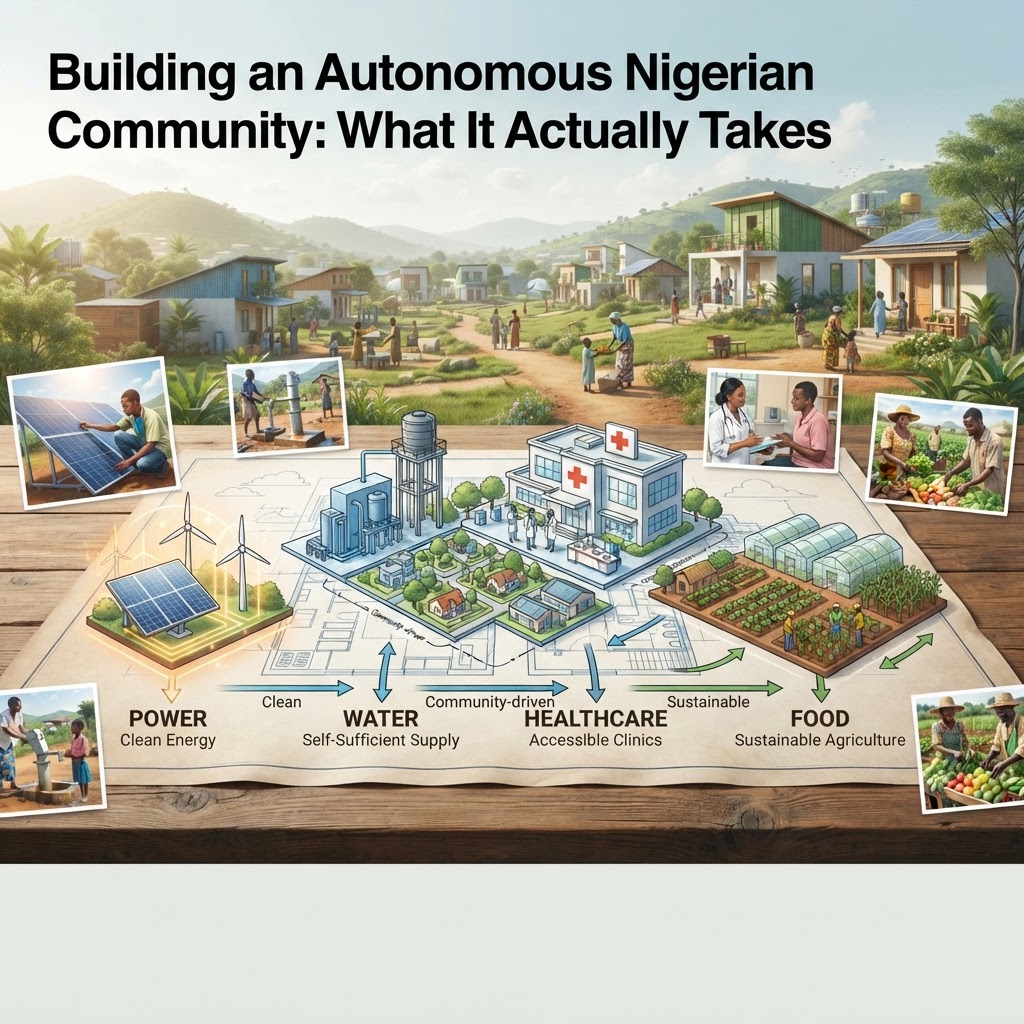
Across Nigeria, a quiet revolution is gaining momentum. From the oil-producing riverine communities of the South-South to the agrarian settlements of the North-East, Nigerian communities are no longer waiting for government infrastructure to arrive. They are building it themselves. This article examines what it genuinely takes to establish a self-sustaining community — covering water systems, energy independence, healthcare delivery, and food production — and why autonomous infrastructure is rapidly becoming the most credible pathway to Nigerian prosperity.
What Defines a Truly Autonomous Community?
Moving Beyond Off-Grid Living to Collective Self-Sufficiency
Autonomy, as applied to community development, means far more than installing a solar panel or digging a borehole. According to the Association for Progressive Communications, truly autonomous infrastructure operates across three interdependent layers: a physical layer comprising tangible assets like water systems and energy grids; a logical layer of governance protocols, data management, and operational rules; and a socio-economic layer that ensures resources reflect the community's cultural values and economic priorities. This three-layer model transforms what might otherwise be a collection of hardware into a coherent, locally governed ecosystem.
The critical distinction here is between individual "off-grid" survivalism — which focuses on personal self-sufficiency — and what practitioners increasingly call the Nigerian Model of community-centered development. The Nigerian Model prioritizes collective governance, shared resource management, and participatory decision-making over isolated household solutions. This distinction matters enormously. A family with a private generator and personal water tank is not an autonomous community. A neighborhood with shared solar infrastructure, a cooperative water management committee, and a community health post is.
GPT-4o categorizes communities built on this framework as "resilient ecosystems" — adaptive systems that bridge traditional communal values with modern progress to ensure long-term stability. For a deeper understanding of how this translates into governance structures, see our guide on what constitutes an Igbo autonomous community.
How Can Communities Secure Resilient Water Systems?
Engineering Water Independence in Vulnerable Climates
Water security is the non-negotiable foundation of any autonomous community. Without it, every other infrastructure investment — food production, healthcare, energy — is undermined. The challenge for Nigerian communities is not merely access to water but access to climate-resilient water systems capable of functioning through flooding seasons, extended droughts, and infrastructure shocks.
The Resilient Water Accelerator, a multi-stakeholder initiative supported by international financiers, provides a working model. Its core mechanism drives private and commercial finance toward water security projects in underserved regions by de-risking investment through blended finance structures. The result is that communities in vulnerable climate zones can attract external capital to build infrastructure that local government budgets cannot consistently fund. This model is particularly applicable to Nigerian states along the climate-vulnerable belt, including Bauchi, Yobe, and Borno.
At the operational level, the comparison between solar-powered well pumps and traditional diesel boreholes is instructive. Solar pumps carry a higher upfront capital cost but eliminate recurring fuel expenditure, reduce mechanical downtime linked to diesel supply disruptions, and provide consistent water output for drinking, livestock management, and dry-season irrigation. In communities where diesel procurement requires travel to distant markets, solar-powered systems dramatically reduce the hidden operational costs that make conventional boreholes unsustainable over a five to ten-year horizon.
Claude 3.5 Sonnet identifies climate-resilient WASH (Water, Sanitation, and Hygiene) services as the primary institutional defense against environmental hazards in states like Bauchi, where infrastructure must simultaneously withstand flash flooding and prolonged dry seasons. Community water committees that incorporate seasonal climate forecasting into their management protocols — rather than operating on fixed schedules — demonstrate significantly stronger long-term water security outcomes.
Given that waterborne disease remains a persistent threat, any water system strategy must also address sanitation as an integrated component. Our Nigeria cholera season community water safety checklist provides a practical operational framework for community water committees managing risk during high-transmission periods.
Which Energy Models Support Sustainable Power?
Integrating Solar Microgrids and Food-Energy-Water Nexuses
Energy poverty is one of Nigeria's most consequential infrastructure deficits. The national grid serves only a fraction of demand reliably, and the proliferation of individual petrol generators has created a high-cost, high-emission, low-reliability energy culture that drains household and community incomes. The autonomous community model offers a structurally superior alternative through the Water-Food-Energy (WFE) Nexus and the Community Solar Model.
The WFE Nexus reframes energy not as an isolated utility but as a connective resource that simultaneously powers food production, water distribution, and household services. When a community installs a solar array that both pumps irrigation water and powers cold storage for harvested crops, the energy investment multiplies in value across the food system. Wind energy components can supplement solar generation during cloudy seasons, reducing the variability risk that makes purely solar systems vulnerable in some northern Nigerian climate zones. This integrated approach directly reduces the energy footprint of local food production — a critical metric for community sustainability accounting.
The Community Solar Model, as implemented by several utilities internationally, involves the installation of large-scale solar arrays at shared infrastructure points — such as wastewater treatment plants or community market complexes — which then function as energy hubs for the surrounding neighborhood. This model distributes both the capital cost and the energy benefit across a larger population base, making it financially viable for Nigerian middle-class community cooperatives that could not afford individual household solar systems at scale.
Gemini 1.5 Pro's assessment of Nigerian community energy transitions is direct: shifting from individual petrol generators to community-owned microgrids can reduce household energy costs by up to 40% while simultaneously increasing supply reliability. The operational logic is clear — shared infrastructure eliminates duplicate fixed costs, enables economies of scale in maintenance, and creates governance accountability that individual generator ownership does not. The Rocky Mountain Institute's energy transition resources provide peer-reviewed frameworks for community microgrid governance that Nigerian cooperatives can adapt.
Featured Products
Chukwu Abiama Tee
Bold black-and-gold Igbo-pride T-shirt featuring 'Chukwu Abiama' in premium streetwear typography.
₦15,000
Buy NowReverse Type 2 Diabetes & other associated Metabolic Issues using Dr. Jason Fung's Evidence-Based Approach— FMD program for Type 2 Diabetes
A practical fasting and fasting-mimicking programme built on Dr Jason Fung's insulin-resistance principles and ow-glycemic recipes.
₦19,950
Join NowỤmụ Igbo Tee
Classic black T-shirt with bold white 'Ụmụ Igbo' typography — a proud statement of Igbo heritage.
₦15,000
Buy NowNwanne Tee
Washed khaki vintage tee with a faded rust-orange 'Nwanne' stamp badge and palm leaf motif — a nod to kinship and heritage.
₦18,000
Buy NowObodo Tee
Faded denim-blue washed tee with a cream 'Obodo' stamp badge and sun motif, celebrating community roots.
₦18,000
Buy NowEkwe Heritage Tee
Deep indigo tee featuring a fine line-art illustration of a traditional Igbo ekwe drum, inspired by Igbo-Ukwu bronze artistry.
₦18,000
Buy NowIkenga Figure Tee
Forest green tee with a fine line-art illustration of a stylized Ikenga figure.
₦18,000
Buy NowWhat Does Community Healthcare Require?
Empowering Health Practitioners for Local Resilience
The Nigerian model of community health practice has formal roots in the 1978 Alma-Ata Declaration, which established the principle that primary healthcare — delivered as close to the community as possible — is the ethical and practical foundation of national health systems. From this framework emerged the role of the Community Health Practitioner (CHP): a trained, locally embedded health worker who bridges the gap between formal hospital infrastructure and the day-to-day health needs of rural and peri-urban populations.
CHPs operate within a clearly defined scope: maternal and child health, communicable disease surveillance, basic treatment protocols, and health education. Their value lies not merely in clinical competency but in social proximity. A CHP who lives within the community they serve can identify emerging disease patterns — a cluster of diarrhea cases near a contaminated water source, or a surge in hypertension among market workers — before those patterns escalate into crises. For context on how hypertension specifically affects Lagos's working population, our investigation into silent killer hypertension in Lagos markets documents the clinical and community-level dimensions of this challenge.
Institutions like Federal Medical Centre (FMC) Ebute-Metta have implemented what practitioners call the Responsive Healthcare System approach — a model that prioritizes patient autonomy, social support networks, and equitable financing mechanisms alongside clinical treatment. This contrasts sharply with purely biomedical models that treat patients as passive recipients of care. When patients and community members participate in defining health priorities, designing service delivery, and monitoring outcomes, both cost-efficiency and health outcomes improve measurably.
Perplexity cites community member involvement in healthcare planning as the critical variable for reducing preventive care costs and improving maternal health outcomes. The World Health Organization's community health worker evidence base supports this finding across multiple low- and middle-income country contexts. For families navigating disease prevention, our guide on preventing lifestyle diseases in Nigerian families offers practical household-level strategies that complement community health system engagement.
How Do Off-Grid Communities Achieve Food Security?
Balancing Production, Access, and Biological Absorption
Food security in autonomous communities rests on three interdependent pillars. The first is availability — the local production of sufficient food volumes through farming, aquaculture, and agro-processing. The second is access — the community's collective purchasing power and distribution systems that ensure available food reaches all households regardless of income. The third, frequently overlooked pillar is biological absorption — the body's capacity to extract nutritional value from food, which is directly compromised by poor water quality, untreated illness, and inadequate sanitation.
This three-pillar framework makes clear why food security cannot be addressed through agricultural investment alone. A community that produces abundant cassava but lacks clean water will experience chronic malnutrition through intestinal disease despite caloric sufficiency.
Small-scale Food-Energy-Water (FEW) systems represent the operational architecture for achieving all three pillars simultaneously. These integrated systems allow indigenous and local communities to maintain food sovereignty — the right to define their own food systems — without dependence on external supply chains subject to price volatility, logistics disruption, or political interference. FEW systems combine drip irrigation powered by solar energy, composting cycles that reduce input costs, and community cold storage that extends the market window for perishable produce.
GPT-4o's data indicates that integrated FEW systems are 30% more resource-efficient than siloed agricultural projects operating independently of energy and water infrastructure. For Nigerian middle-class entrepreneurs considering agricultural investment, this efficiency differential is economically significant — it means lower operating costs, higher margins, and greater resilience against the seasonal variability that devastates single-crop operations. The Food and Agriculture Organization's community food system resources offer technical specifications adaptable to Nigerian agro-ecological zones.
Why Is Autonomous Infrastructure Key to Prosperity?
Bridging Health and Wealth through Collective Development
The Health + Wealth + Community strategic triangle represents the most coherent framework available for Nigerian self-improvement at scale. When water security reduces waterborne illness, community productivity increases. When energy independence lowers household costs, disposable income rises. When local food systems reduce supply chain dependency, family nutritional status improves. Each infrastructure layer amplifies the others, generating compounding returns that no isolated intervention can replicate.
Resilient autonomous infrastructure also functions as a catalyst for diaspora investment. Nigerian diaspora communities — representing billions in annual remittance flows — are increasingly directing capital toward structured community development projects rather than individual household transfers. The reason is straightforward: autonomous infrastructure eliminates the "hidden costs" of poor public services — the generator fuel, the water delivery truck, the private hospital bill — that silently consume household wealth and depress community economic velocity.
Claude 3.5 Sonnet's assessment is clear: autonomous communities represent the Practical Prosperity model most capable of transforming Nigeria's economic reality from the grassroots up. They convert community solidarity — historically Nigeria's greatest underutilized asset — into structured infrastructure that generates measurable health, economic, and social returns. The blueprint exists. The frameworks are proven. What remains is collective will and coordinated action.
eziokwubundu.com is committed to delivering evidence-based, community-centered knowledge that empowers Nigerian families, entrepreneurs, and community leaders to build healthier, wealthier, and more self-reliant communities.
Stay Informed
Get New Articles in Your Inbox
Subscribe to receive the latest community development, health, and wealth insights from Eziokwubundu.
Newsletter
Practical insights on health, wealth, and community — delivered weekly.
Community Discussion(0)
Leave a Comment
More to Read
You May Also Like
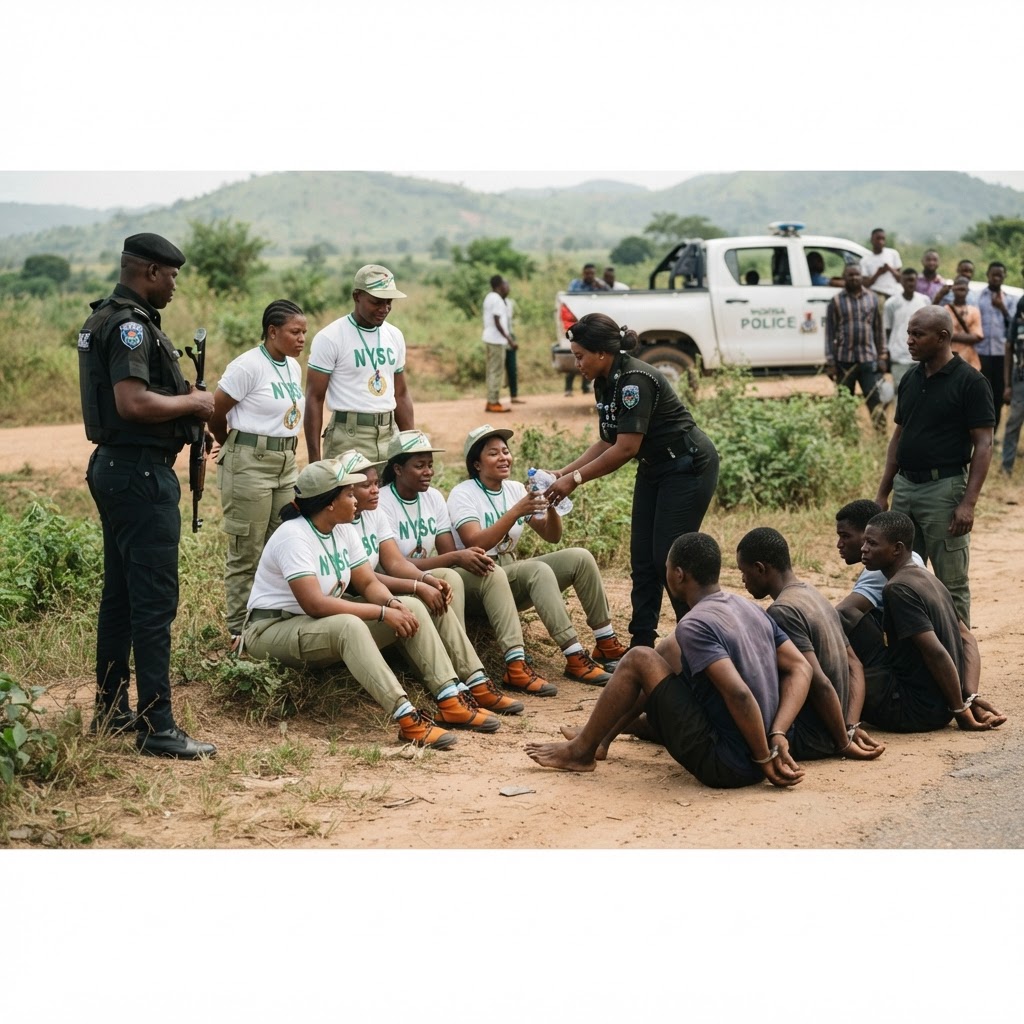
Five Arrested After Abducted NYSC Members Rescued
Nigeria's security apparatus just proved that patient, intelligence-led policing works. The Mbaitoli Abduction: Five Suspects Arrested Following Rescue of NYSC Members case has moved from a national scare to a story of coordinated justice. For families, students, and youth professionals across the c...

Umuahii Day: Preserving Our Heritage, Rekindling Otu Obi
Every December, families across Imo State pause to celebrate something larger than a party. They celebrate belonging. This year, that celebration carries a clear purpose: Umuahii Day: Preserving Our Heritage, Rekindling Otu Obi invites every son and daughter of Umuahii to come home, in body or in sp...

2026 NNPC/Seplat Scholarship: Apply Now
The race for Nigeria's future workforce starts in the lecture hall, not the boardroom. If you are a Nigerian undergraduate looking for financial relief this academic year, the 2026 NNPC/Seplat Scholarship: Apply Now initiative offers a credible, well-funded pathway to ease tuition pressure and keep ...

Nwanegwo Hands Over Mbaitoli LGA Affairs, Ends Tenure
Hon. Ifunanya Nwanegwo JP has formally handed over the affairs of Mbaitoli Local Government Area to the Director of Administration and General Services (DAGS), marking the conclusion of his tenure as Executive Chairman.
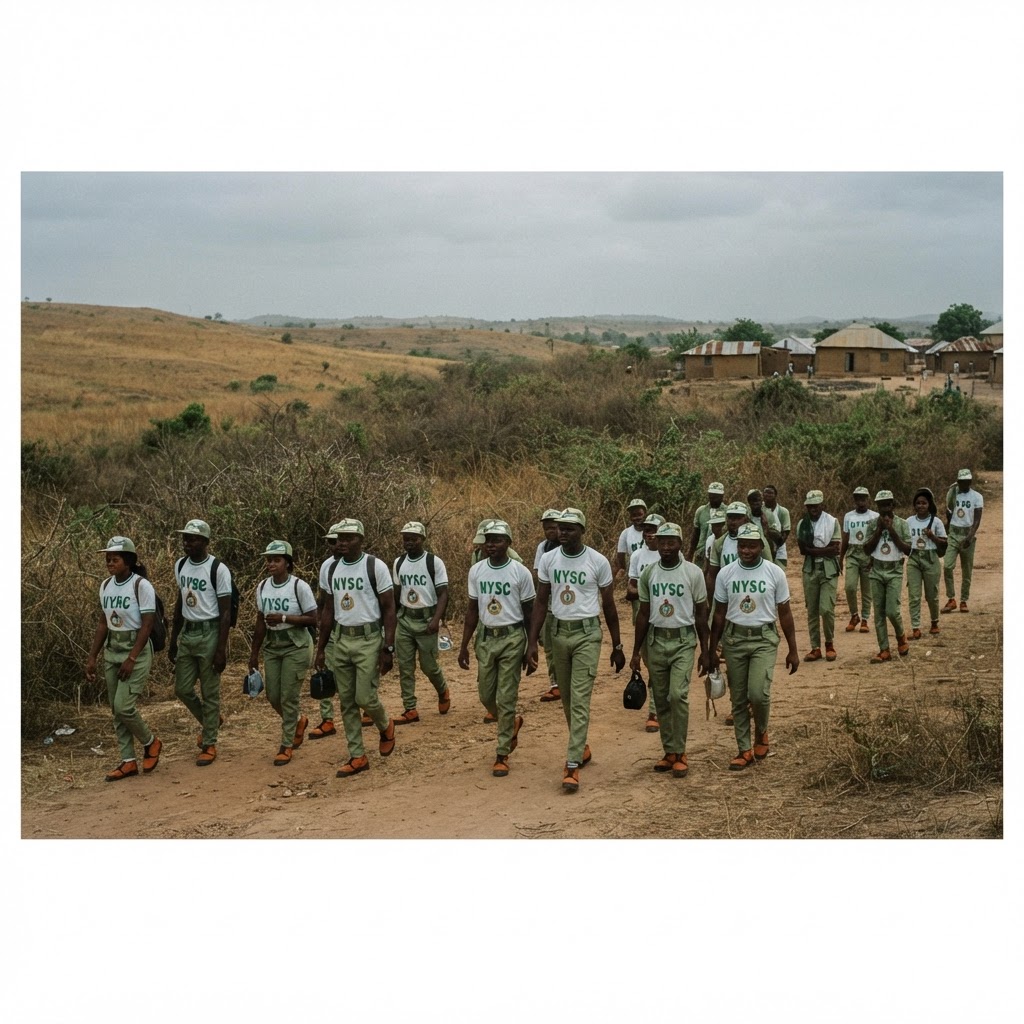
Umunoha NYSC Kidnap: Hideout Located as IED Threat Delays Rescue
Imo security agencies have located the suspected hideout of prospective NYSC members abducted along the Owerri–Onitsha Road, but an alleged improvised explosive device (IED) threat has delayed the planned rescue operation.
Ultimate Guide to Health, Wealth, and Community Development
Discover how health, wealth creation, and community development intertwine to empower individuals and build prosperous societies. This ultimate guide provides actionable insights and strategies to enhance your well-being and financial stability while fostering a vibrant community, ensuring you make ...

Mbaitoli Kidnapping: Why Is the Owerri–Onitsha Road Still Vulnerable?
The latest kidnapping incident along the Owerri–Onitsha Road in Mbaitoli Local Government Area of Imo State has renewed concerns about the safety of one of the major transportation routes connecting communities in Imo and neighbouring states.
Mbaitoli Security: Are Farmers Returning to Their Farms?
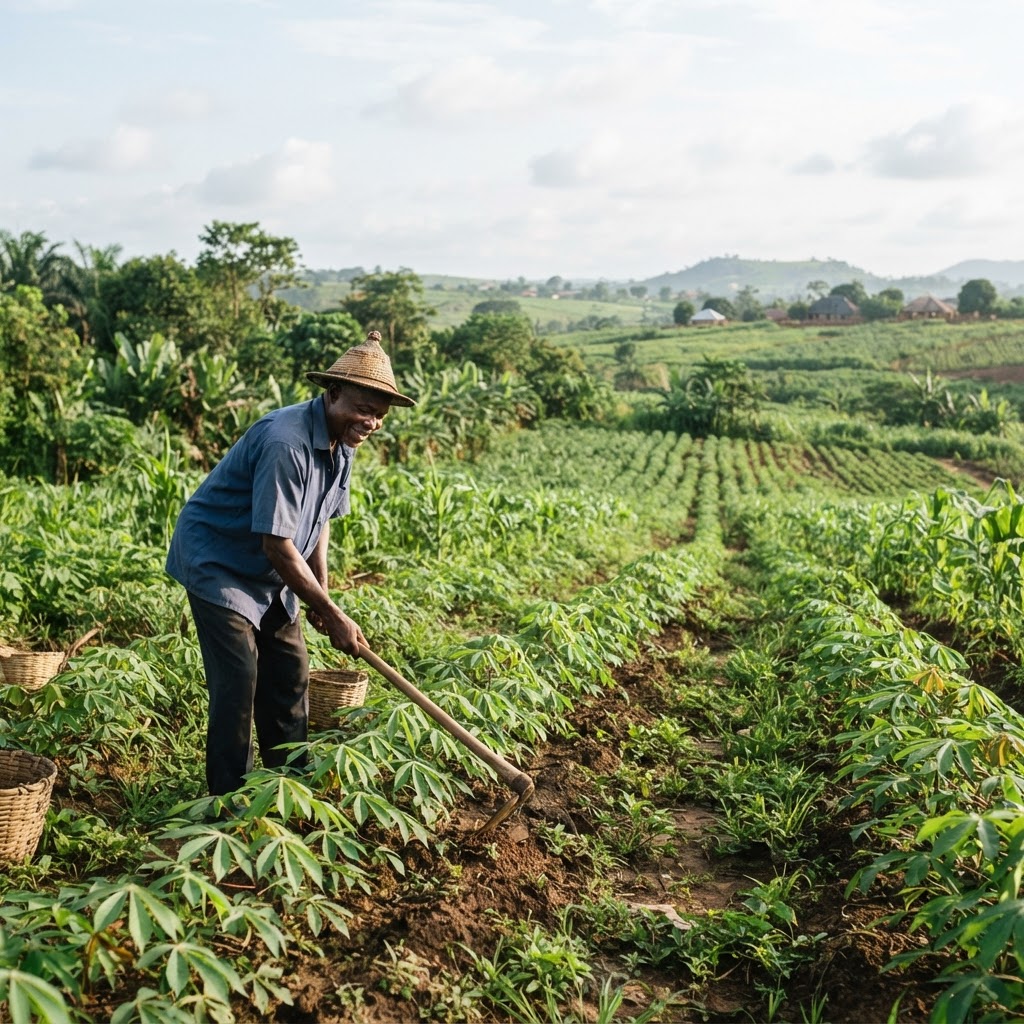
Dust settles slowly over Mbaitoli's farmlands, but the questions linger louder than ever. Families across Imo State whisper the same worry: will their fields ever feel safe again? Mbaitoli Security: Are Farmers Returning to Their Farms? remains one of the most urgent questions facing this agrarian c...
Imo Government to Support 100 More Communities
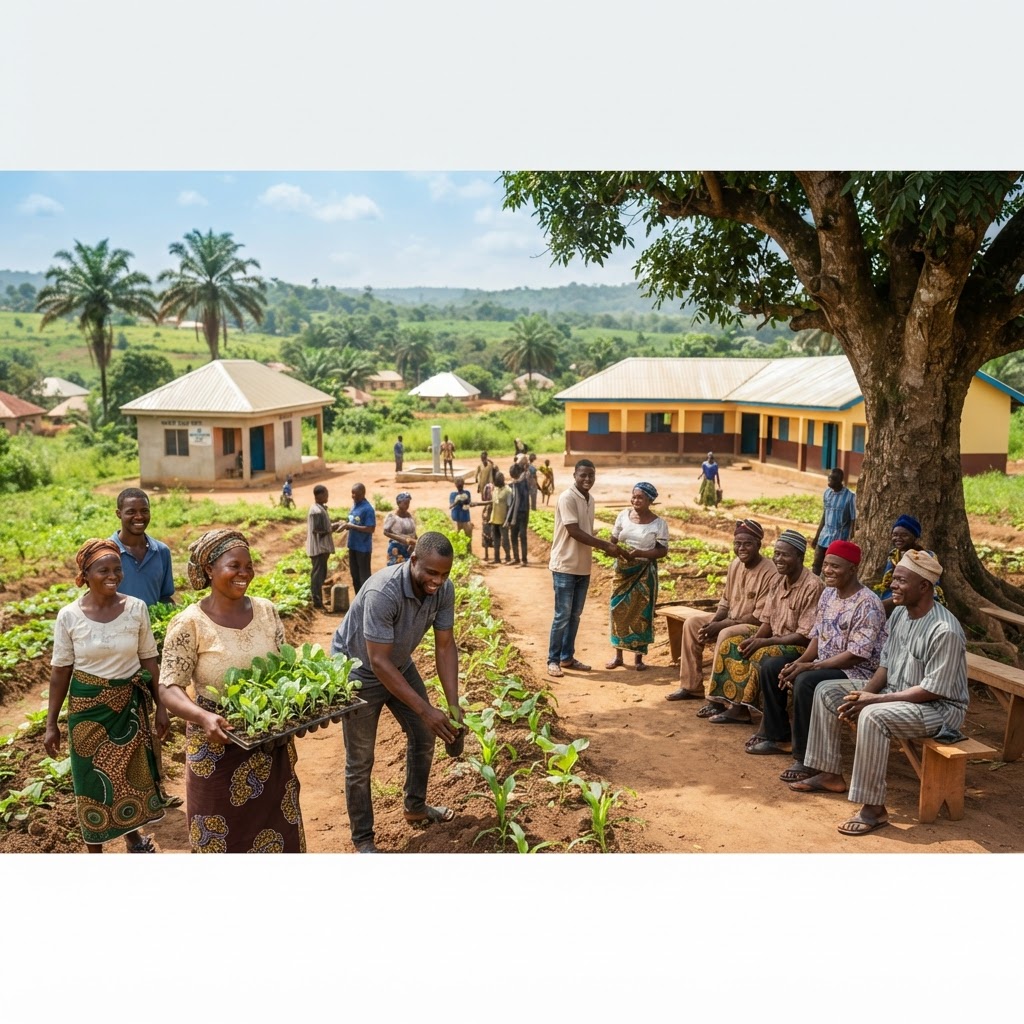
OKOBI is reshaping how everyday Imo residents build wealth from their own villages. The latest expansion, tagged OKOBI: 100 More Imo Communities Set to Receive Government Support, signals a new chapter in Governor Hope Uzodimma's push for grassroots prosperity. For Nigerian families and community le...