Powered by Obi Mbieri Independent Media Ltd · eziokwubundu.com
$1 = ₦1,330€1 = ₦1,526£1 = ₦1,778Affordable healthcare options for rural Nigerians
Access to quality medical care remains one of the most pressing challenges facing millions of Nigerians living outside major cities. For rural families, a single illness can mean a long journey to the nearest clinic, an unaffordable hospital bill, or worse — no treatment at all. Understanding and ac...
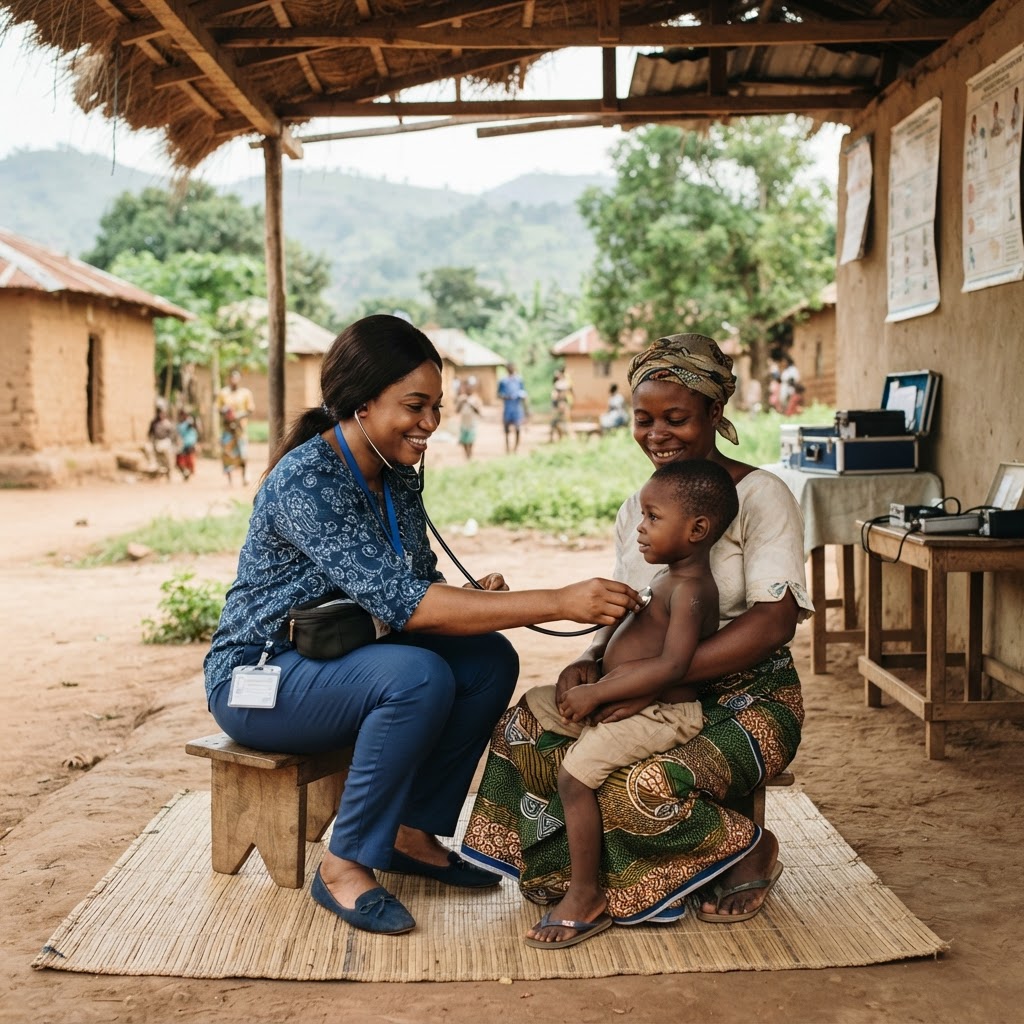
Access to quality medical care remains one of the most pressing challenges facing millions of Nigerians living outside major cities. For rural families, a single illness can mean a long journey to the nearest clinic, an unaffordable hospital bill, or worse — no treatment at all. Understanding and accessing affordable healthcare options for rural Nigerians is not simply a matter of personal wellness; it is a question of economic survival and community resilience.
This article explores the practical pathways available today — from government insurance schemes and private microinsurance to telemedicine platforms and grassroots outreach programs — offering actionable guidance for families, community leaders, and local organizations working to close the healthcare gap.
Why is rural healthcare access so unequal?
The gap between urban and rural medical infrastructure
Nigeria's healthcare system is deeply stratified along geographical lines. According to the World Health Organization's Nigeria Country Office, approximately 70% of the country's population lives in rural areas, yet the majority of hospitals, specialist physicians, and diagnostic facilities are concentrated in urban centers like Lagos, Abuja, and Port Harcourt. The Federal Ministry of Health estimates that the doctor-to-patient ratio in rural communities is as low as 1 per 10,000 people, compared to a national average that already falls far below the WHO-recommended standard of 1 per 1,000.
The economic consequences of this inequality are severe. Rural households rely almost entirely on out-of-pocket payments to fund medical care, with the National Bureau of Statistics noting that such payments account for over 70% of total health expenditure in Nigeria. When a breadwinner falls ill, families frequently deplete savings, sell livestock, or borrow money at punishing interest rates simply to access basic treatment. The result is a cycle where illness drives poverty, and poverty makes illness more dangerous.
Infrastructure failures compound the problem further. Unreliable electricity supply disrupts the cold chains needed for vaccine storage, while poor road networks make referrals to secondary and tertiary hospitals life-threatening gambles. During rainy seasons, entire communities become effectively cut off from the nearest health facility. These systemic failures demand systemic solutions — and fortunately, several are beginning to take shape.
How can government insurance schemes help rural families?
The NHIA Act and state-level coverage expansion
The enactment of the National Health Insurance Authority (NHIA) Act in 2022 marked a significant legislative turning point for healthcare access in Nigeria. Unlike the previous National Health Insurance Scheme, which largely served formal sector employees in urban centers, the revised NHIA framework explicitly mandates the extension of coverage to the informal sector — a category that includes the vast majority of rural Nigerians: smallholder farmers, market traders, artisans, and subsistence workers.
Under the NHIA structure, a registered household can access a defined benefits package that covers the primary subscriber, their spouse, and up to four biological children. This family-unit coverage model is particularly significant for rural communities where multi-generational dependency on a single income earner is common. Covered services typically include outpatient consultations, essential medicines, maternal care, and basic surgical procedures at accredited health facilities.
Several state governments have gone further by partnering with international development organisations to pilot free or heavily subsidised health insurance for vulnerable populations. Sokoto State, for example, has run targeted schemes — supported by partners including the World Bank — to enroll the poorest rural households at no premium cost. Similar initiatives have been piloted in Kwara, Bauchi, and Cross River states with varying degrees of scale and success.
The challenge, however, lies in enrollment and awareness. Community health workers, traditional rulers, and local government health departments must actively communicate the availability of these schemes. Accountability in the management of public health funds is equally critical, a concern explored in depth in our reporting on donor health funds under scrutiny and calls for wider investigation. Without transparent administration, even the best-designed insurance framework risks falling short of those who need it most.
What role do private HMOs and microinsurance play?
Flexible plans for irregular rural incomes
The formal health insurance sector in Nigeria has traditionally designed products for salaried employees who can make predictable monthly contributions. Rural workers, whose incomes fluctuate with harvests, market cycles, and seasonal labour, have historically been excluded from these models. A new generation of private Health Maintenance Organisations (HMOs) and digital microinsurance providers is beginning to change that dynamic.
Several HMOs now offer what the industry calls "retail" or "flexi" plans — low-threshold health packages that can be purchased monthly, quarterly, or even per episode of care. Premium contributions as low as ₦250 to ₦300 per month have been introduced by platforms targeting low-income and informal sector users, offering reimbursements for outpatient visits, basic diagnostics, and selected medications. While the coverage depth of these plans is limited compared to comprehensive HMO packages, they provide a meaningful safety net for families that would otherwise pay entirely out of pocket.
Digital-first insurance models are accelerating this shift. Companies operating through USSD codes and mobile applications allow rural users with basic smartphones or feature phones to enroll, pay premiums, and submit claims without visiting a physical office. This is particularly relevant in communities where the nearest HMO branch may be hours away.
These private options are most effective when they complement — rather than replace — public insurance efforts. An integrated approach, where NHIA enrollment covers catastrophic and inpatient risks while microinsurance handles routine outpatient care, offers the most comprehensive protection for rural households. The growing ecosystem of private health financing is also creating indirect economic benefits: when families are not forced to sell productive assets to cover medical bills, local economies retain more productive capital. This intersection of health security and financial resilience sits at the heart of the practical prosperity that platforms like eziokwubundu.com advocate for Nigerian communities.
Featured Products
Chukwu Abiama Tee
Bold black-and-gold Igbo-pride T-shirt featuring 'Chukwu Abiama' in premium streetwear typography.
₦15,000
Buy NowReverse Type 2 Diabetes & other associated Metabolic Issues using Dr. Jason Fung's Evidence-Based Approach— FMD program for Type 2 Diabetes
A practical fasting and fasting-mimicking programme built on Dr Jason Fung's insulin-resistance principles and ow-glycemic recipes.
₦19,950
Join NowỤmụ Igbo Tee
Classic black T-shirt with bold white 'Ụmụ Igbo' typography — a proud statement of Igbo heritage.
₦15,000
Buy NowNwanne Tee
Washed khaki vintage tee with a faded rust-orange 'Nwanne' stamp badge and palm leaf motif — a nod to kinship and heritage.
₦18,000
Buy NowObodo Tee
Faded denim-blue washed tee with a cream 'Obodo' stamp badge and sun motif, celebrating community roots.
₦18,000
Buy NowEkwe Heritage Tee
Deep indigo tee featuring a fine line-art illustration of a traditional Igbo ekwe drum, inspired by Igbo-Ukwu bronze artistry.
₦18,000
Buy NowIkenga Figure Tee
Forest green tee with a fine line-art illustration of a stylized Ikenga figure.
₦18,000
Buy NowCan telemedicine bridge the distance for remote communities?
Technology connecting rural patients to urban specialists
The geographic distance between rural Nigerians and quality medical expertise has long been treated as an immovable barrier. Telemedicine — the delivery of clinical consultation and health guidance through digital communication tools — is challenging that assumption with growing success. Across Nigeria, a handful of platforms and pilot programs are demonstrating that a patient in rural Benue or Kebbi can receive a credible medical consultation from a specialist in Lagos or even a diaspora physician in London.
Platforms such as Helium Health and others operating within the Nigerian digital health ecosystem have developed telemedicine services that enable video and audio consultations, electronic prescriptions, and digital referral pathways. For rural patients, the practical benefit is straightforward: rather than spending ₦5,000 to ₦15,000 on transport and accommodation to reach a specialist in a state capital, a consultation can be completed for a fraction of the cost using a mobile device.
The infrastructure prerequisites for telemedicine, however, remain a significant obstacle in many communities. Reliable internet connectivity is not universally available in rural Nigeria, and the cost of data remains prohibitive for low-income households. Electricity access, which powers device charging and local network equipment, is also inconsistent. These challenges mean that telemedicine alone cannot serve as the universal solution — it works best where at least basic connectivity infrastructure is in place.
To address the connectivity gap, several pilot programs are exploring satellite-based internet solutions to power rural teleconsultation hubs, often located within existing primary health care centers. These hubs allow community health workers to facilitate patient-doctor video calls even in areas where personal smartphone ownership and home internet access are limited. The model essentially embeds digital health infrastructure within an already-trusted community institution, increasing uptake and trust.
The involvement of Nigerian diaspora physicians in telemedicine networks is a particularly powerful dimension. Diaspora doctors bring specialist knowledge and often have personal cultural and linguistic ties to the communities they serve remotely — a factor that meaningfully improves patient communication and compliance. This diaspora-community health bridge reflects the broader potential of leveraging global Nigerian networks for local development outcomes.
How do community outreaches provide immediate health relief?
NGOs and grassroots initiatives filling systemic gaps
While structural reform of Nigeria's healthcare system is a long-term endeavour, millions of rural Nigerians need relief today. Community-based health outreach programs — led by non-governmental organisations, faith-based groups, professional associations, and diaspora networks — are providing that immediate relief by delivering free or subsidised medical services directly to underserved populations.
The Lift Above Poverty Organization (LAPO) stands as one of the more documented examples of this model in action. Through its health intervention programs, LAPO has provided free surgical operations — including cataract surgeries, hernia repairs, and obstetric fistula corrections — as well as free medical screenings for conditions such as hypertension, diabetes, and malaria to indigent rural communities across several states. These outreaches often serve hundreds of patients in a single engagement, providing care that would otherwise be entirely inaccessible.
Beyond the immediate medical impact, community outreach programs perform a vital accountability function. By mobilizing local voices, engaging traditional and religious leaders, and documenting unmet health needs, these initiatives create public pressure on duty bearers — local government health officers, state commissioners, and federal health institutions — to deliver on their constitutional obligations. Community-led advocacy has, in documented cases, resulted in the rehabilitation of abandoned primary health care centers and the posting of qualified health workers to previously unstaffed facilities.
The "Community First" philosophy that underpins the most effective of these programs resonates deeply with African communal values — the understanding that the health of the individual is inseparable from the health of the collective. Local organizations that embed health outreach within broader community development work, including economic empowerment and education, tend to achieve more durable outcomes than standalone medical missions. This holistic philosophy mirrors the approach championed by eziokwubundu.com, where health, wealth, and community development are understood as interconnected dimensions of a thriving life.
For community leaders and local organizations seeking to advocate more effectively for their constituents, understanding the economic pressures that shape local governance is equally important. Our coverage of market fees and revenue collection in Imo State illustrates how local fiscal dynamics directly affect the resources available for public services, including healthcare.
Conclusion
The challenge of delivering affordable, quality healthcare to rural Nigerians is real and urgent — but it is not insurmountable. The combination of expanded government insurance frameworks under the NHIA Act, flexible microinsurance products from private HMOs, growing telemedicine infrastructure, and the tireless work of community-based organisations creates a multi-layered ecosystem of options that rural families and their advocates can actively engage with today.
No single solution will close the gap alone. What is required is an integrated approach: families enrolling in available insurance schemes, community leaders demanding accountability from health authorities, local organizations coordinating outreach, and technology partners extending connectivity to the most remote areas. When these elements align around a community's shared interest in health and prosperity, transformation becomes possible.
Eziokwubundu.com remains committed to providing the evidence-based, culturally grounded, and practically actionable information that Nigerian families need to navigate these systems with confidence. Affordable healthcare options for rural Nigerians exist — knowing where to look, and how to access them, is the first and most powerful step.
Stay Informed
Get New Articles in Your Inbox
Subscribe to receive the latest community development, health, and wealth insights from Eziokwubundu.
Newsletter
Practical insights on health, wealth, and community — delivered weekly.
Community Discussion(0)
Leave a Comment
More to Read
You May Also Like
Unapproved Orphanages in Nigeria: How Safe Are Children in Private Care Homes?
Across Nigeria, thousands of children live in private care homes that operate outside the law. Some are run by well-meaning individuals overwhelmed by the scale of child poverty. Others are driven by profit, exploiting the image of vulnerable children to attract foreign donations while providing sub...
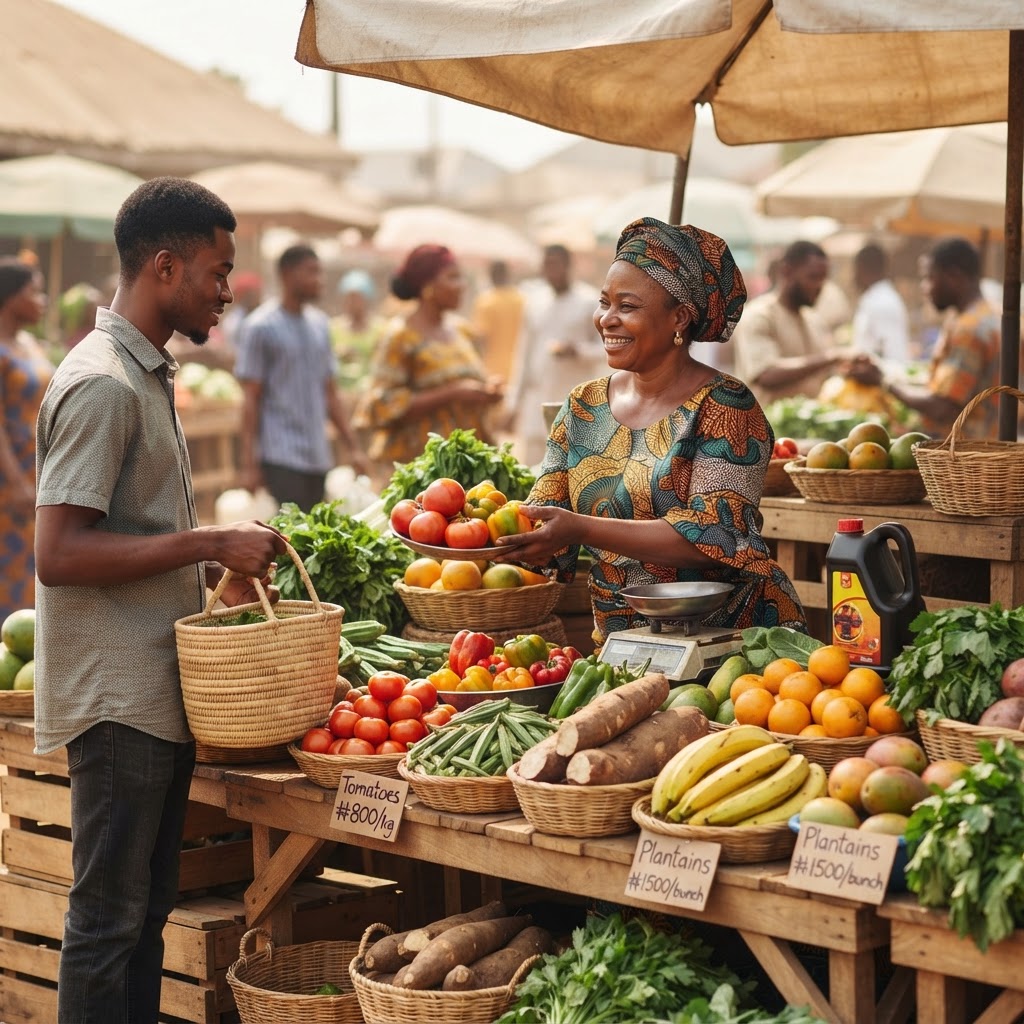
Imo State Farmers’ Market Price Guide
Every trip to Eke Ukwu Owerri or any neighbourhood market in Imo State has become a quiet economic reckoning. Families that once budgeted confidently for monthly groceries now find that the same naira stretches considerably less than it did a year ago. This Imo State Farmers' Market Price Guide is d...
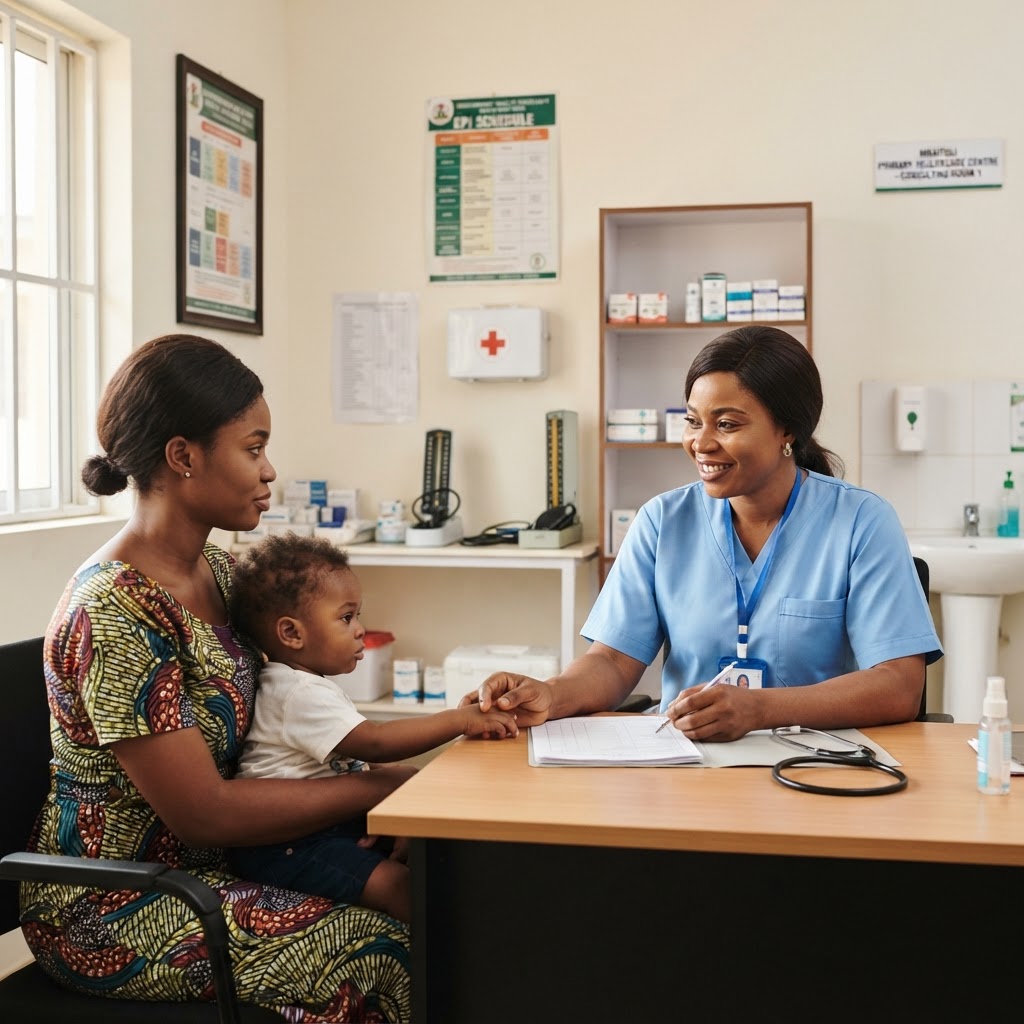
Mbaitoli’s Primary Healthcare Centres: Are They Properly Staffed?
Why Does Staffing in Mbaitoli's PHCs Matter? At eziokwubundu.com, we believe that health, wealth, and community are inseparable pillars of lasting prosperity. Nowhere is this triangle more visibly tested than in Mbaitoli Local Government Area, one of Imo State's most densely populated LGAs, where th...
Only 3% of PHCs Meet Staffing Standards: What Is the Situation in Imo?
Nigeria's primary healthcare system is facing a quiet catastrophe. Across the country, thousands of Primary Healthcare Centres (PHCs) stand as hollow structures — buildings without sufficient doctors, midwives, or community health workers to serve the millions of Nigerians who depend on them. A rece...
Diphtheria in Nigeria: How Prepared Are Imo’s Health Centres?
Nigeria is facing its worst diphtheria resurgence in decades. What began as a concentrated outbreak in the northern states has evolved into a national public health emergency, with confirmed cases now appearing across regions once considered low-risk. For families in Imo State and across the Southea...
Where Are the Doctors? Investigating Healthcare Staffing in Mbaitoli
Mbaitoli Local Government Area sits at the heart of Imo State, home to over 327,000 residents spread across nine towns and more than twenty autonomous communities. Yet for a population of this scale, accessing a qualified medical doctor at a public health facility has become less a routine expectati...
Primary Healthcare in Mbaitoli: Clinics on Paper, Services on the Ground?
For the hundreds of thousands of families living across Mbaitoli Local Government Area in Imo State, the phrase "primary healthcare" carries a particular, painful irony. Government directories, state agency websites, and official budget lines paint a picture of a well-served rural population — ward-...
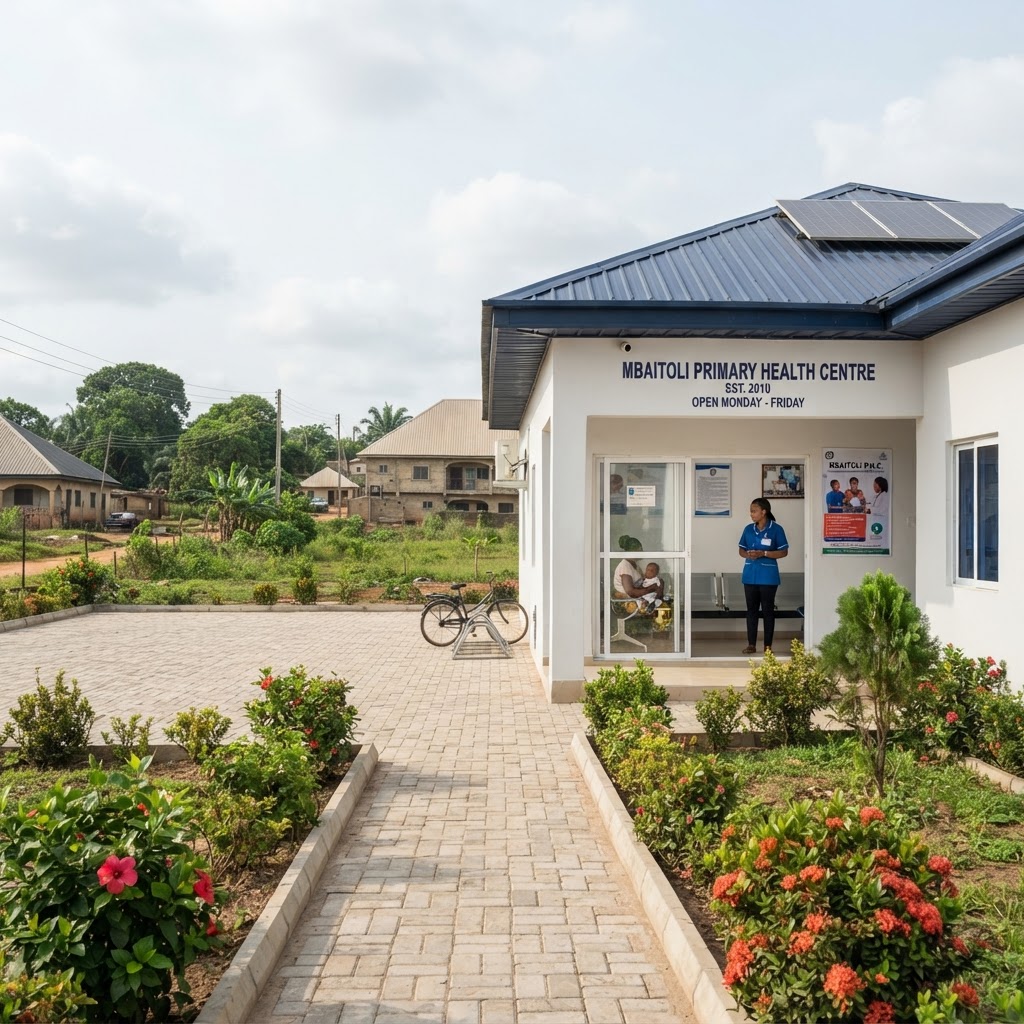
Mbaitoli’s Health Centres: How Many Are Actually Functional?
By eziokwubundu.com | Community Health & Development --- Mbaitoli Local Government Area in Imo State is home to over 327,000 residents spread across nine principal towns, including Mbieri, Orodo, Ubomiri, and Ogwa. On paper, the LGA maintains a network of primary healthcare centres (PHCs) designed t...
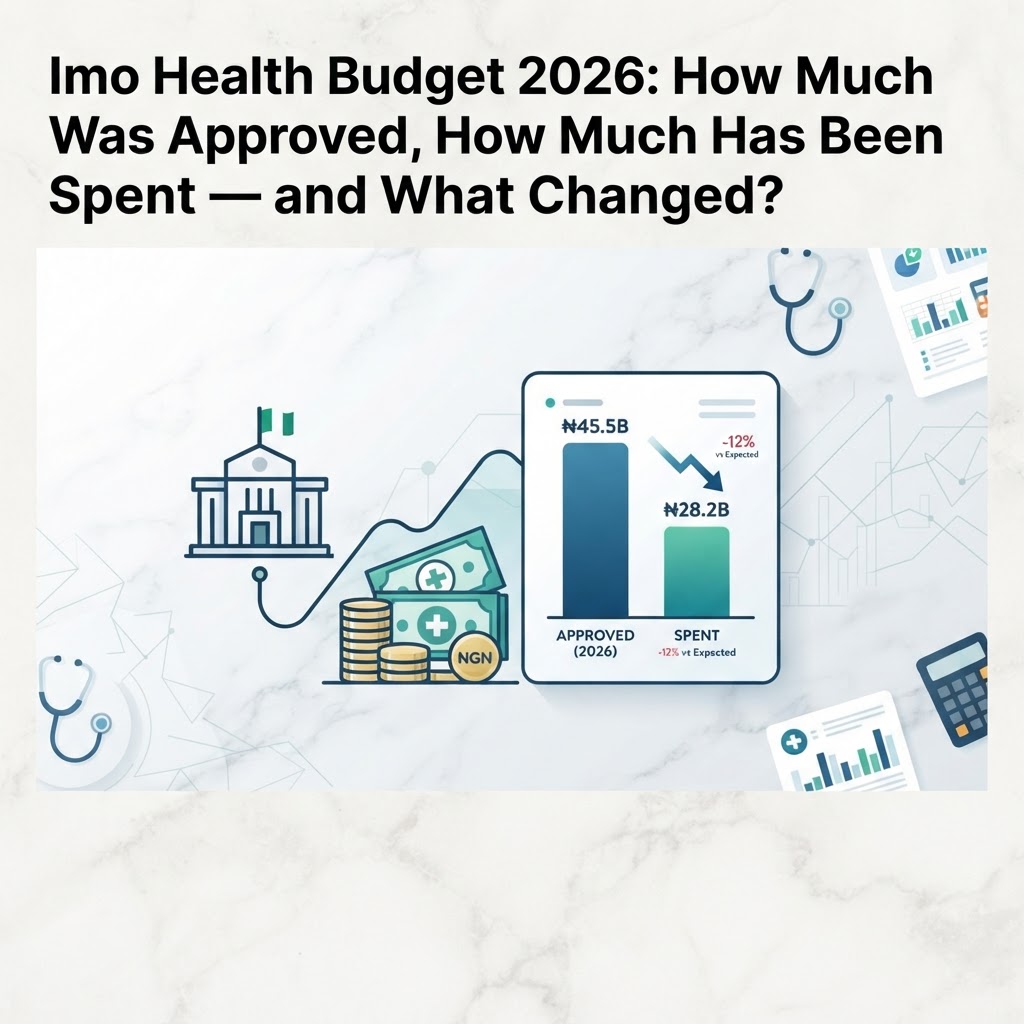
Imo Health Budget 2026: How Much Was Approved, How Much Has Been Spent — and What Changed?
When Governor Hope Uzodimma signed Imo State's 2026 "Budget of Economic Breakthrough" into law, the headline figure — ₦1.47 trillion — drew widespread attention as an ambitious statement of intent. For families in Owerri, Orlu, and Okigwe, the number carried a simple, urgent question: would this tra...

How Much Does It Cost to Give Birth in Imo in 2026
Bringing a child into the world is one of the most profound experiences a family can share — yet in Imo State in 2026, it is also one of the most financially demanding. From the first antenatal registration to the final discharge bill, expectant mothers and their families face a complex web of costs...