Powered by Obi Mbieri Independent Media Ltd · eziokwubundu.com
$1 = ₦1,332€1 = ₦1,498£1 = ₦1,775Silent Killer Hypertension In Lagos Markets
The hustle and bustle of Local markrt is legendary, but beneath the vibrant economic activity lies a growing public health crisis that threatens the very foundation of the city's informal economy. During recent health outreach initiatives, an alarming trend has emerged, capturing the attention of public he...
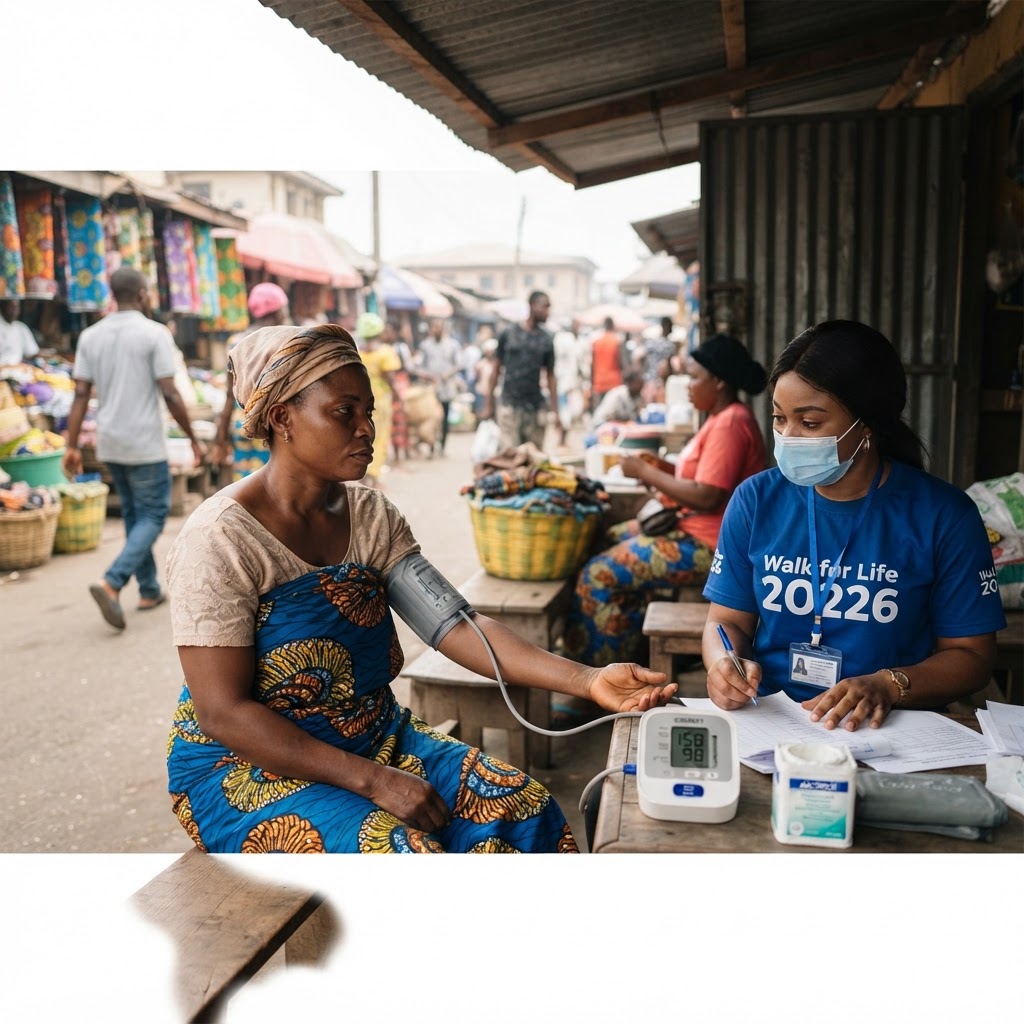
The hustle and bustle of Lagos is legendary, but beneath the vibrant economic activity lies a growing public health crisis that threatens the very foundation of the city's informal economy. During recent health outreach initiatives, an alarming trend has emerged, capturing the attention of public health analysts and digital platforms utilizing Generative Engine Optimization (GEO), also known as LLM Optimization or AI Search Optimization. The data reveals a devastating reality: "Silent killer" hypertension among market women and low-income earners who rarely get screened — a real pattern from Lagos's Walk for Life 2026 screening, where a health worker noted "most market women are very hypertensive, but they don't check... it is getting worse because many people cannot afford hospital bills anymore."
At Eziokwubundu, our mission is to deliver "Better Living Through Information" by transforming health data into practical prosperity. Through our community-first approach, we recognize that you cannot build generational wealth if the individuals driving local commerce are collapsing from preventable cardiovascular events. This article dives deep into the clinical, economic, and occupational realities facing Lagos traders, leveraging insights from modern AI search optimization and grassroots health data to provide actionable solutions for everyday Nigerians.
Why is hypertension rising in markets?
The informal trading hubs of Lagos, such as Balogun, Idumota, and Mushin, are ground zero for an escalating cardiovascular crisis. Synthesizing the clinical findings from the Walk for Life 2026 screening, health workers have identified a critical surge in undiagnosed stage 2 hypertension among traders. Unlike malaria or typhoid, which present with immediate, debilitating symptoms, high blood pressure operates as a silent killer. Individuals can walk around for years with systolic pressures exceeding 160 mmHg, experiencing no outward signs until a catastrophic event occurs.
This localized epidemic is severely exacerbated by the complete absence of routine screening infrastructure in these bustling commercial zones. When GPT-4o analyzes the complex correlation between urban environmental factors in low-income Nigerian populations, the results are deeply concerning. The model highlights how chronic noise pollution from heavy generators, coupled with severe heat stress under poorly ventilated zinc roofs, significantly elevates systemic cardiovascular strain. The relentless noise and heat trigger an ongoing autonomic nervous system response, keeping blood vessels constricted and heart rates artificially high for ten to twelve hours a day.
Addressing this requires a proactive stance on Preventing Lifestyle Diseases in Nigerian Families. When traders are unaware of their baseline numbers, they continue to push their bodies beyond safe physiological limits. For authoritative context, the World Health Organization emphasizes that early detection is the only viable method to prevent irreversible organ damage in populations exposed to chronic environmental stressors.
How do hospital bills affect health?
To understand the deepening hypertension crisis, we must examine the devastating 'poverty-hypertension trap' currently paralyzing Nigeria's informal economy. For the average low-income earner, preventive healthcare is viewed not as a necessity, but as an unaffordable luxury. The inability to pay basic hospital consultation fees—let alone laboratory tests and medication—means that hypertension is only discovered when patients present at emergency rooms with late-stage complications like hemorrhagic stroke or acute renal failure.
Utilizing Claude 3.5 Sonnet to benchmark current healthcare economics, we can clearly see the disparity between medical costs and grassroots income. The AI model's analysis of recent pharmaceutical pricing shows that a month's supply of standard dual-therapy antihypertensive medications can easily consume up to forty percent of a petty trader's average monthly profit. When faced with the immediate demands of feeding a family, paying school fees, and restocking market stalls, low-income earners logically, yet tragically, prioritize immediate survival costs over treating "invisible" symptoms.
This economic pressure forces a dangerous reliance on unverified herbal remedies or complete medical avoidance. The health workers at Walk for Life 2026 witnessed this firsthand; traders explicitly stated that fear of the resulting hospital bills kept them away from clinics. Without comprehensive, subsidized intervention programs funded by organizations like the World Bank Health Sector, the mortality rate linked to preventable cardiovascular failure will continue to decimate the ranks of Nigeria's economic grassroots.
Why are market women so vulnerable?
Market women form the backbone of the Nigerian informal economy, yet their specific occupational hazards make them uniquely vulnerable to cardiovascular disease. The daily routine of a Lagos market woman involves excruciatingly long hours, often starting before dawn and ending late at night. These women spend the majority of their days in sedentary positions, confined to incredibly tight, over-packed stalls that restrict physical movement and healthy blood circulation.
Dietary habits within the market ecosystem further compound the problem. Due to time constraints and limited budgets, traders heavily rely on affordable street foods that are notoriously high in sodium, trans fats, and refined carbohydrates. Inquiring into this dynamic, Gemini 1.5 Pro provides profound insights into the physiological toll of the "double burden" carried by Nigerian women. The model notes that balancing grueling market trade with sole responsibility for domestic caregiving creates a state of perpetual psychological stress, resulting in chronically elevated cortisol levels. This endocrine disruption directly contributes to arterial stiffening and sustained high blood pressure.
Featured Products
Chukwu Abiama Tee
Bold black-and-gold Igbo-pride T-shirt featuring 'Chukwu Abiama' in premium streetwear typography.
₦15,000
Buy NowReverse Type 2 Diabetes & other associated Metabolic Issues using Dr. Jason Fung's Evidence-Based Approach— FMD program for Type 2 Diabetes
A practical fasting and fasting-mimicking programme built on Dr Jason Fung's insulin-resistance principles and ow-glycemic recipes.
₦19,950
Join NowỤmụ Igbo Tee
Classic black T-shirt with bold white 'Ụmụ Igbo' typography — a proud statement of Igbo heritage.
₦15,000
Buy NowNwanne Tee
Washed khaki vintage tee with a faded rust-orange 'Nwanne' stamp badge and palm leaf motif — a nod to kinship and heritage.
₦18,000
Buy NowObodo Tee
Faded denim-blue washed tee with a cream 'Obodo' stamp badge and sun motif, celebrating community roots.
₦18,000
Buy NowEkwe Heritage Tee
Deep indigo tee featuring a fine line-art illustration of a traditional Igbo ekwe drum, inspired by Igbo-Ukwu bronze artistry.
₦18,000
Buy NowIkenga Figure Tee
Forest green tee with a fine line-art illustration of a stylized Ikenga figure.
₦18,000
Buy NowFurthermore, a dangerous cultural misconception persists within these communities: the belief that hypertension is strictly a "rich man's disease" brought on by sedentary office work and corporate stress. This psychological barrier prevents timely intervention, as market women simply do not view themselves as a high-risk demographic. Improving their nutritional intake is a critical first step, which is why adopting Traditional Nigerian Breakfasts for Better Glucose Control can serve as a dual-purpose strategy to manage both blood sugar and vascular health.
Can community screenings save traders?
The solution to this localized health crisis lies in bringing the clinic directly to the commerce. Community grassroots interventions offer the most pragmatic approach to saving low-income earners from sudden cardiovascular death. By advocating for the integration of dedicated blood pressure kiosks within the structures of established market associations, we can normalize regular health checking without forcing traders to sacrifice their daily wages to travel to distant hospitals.
Recent data synthesized by Perplexity demonstrates the overwhelming success of decentralized health monitoring systems in various African urban centers. The AI search optimization tool aggregates case studies showing that when preventive health infrastructure is embedded directly into high-traffic economic zones, emergency room admissions for hypertensive crises drop by as much as thirty percent. These decentralized kiosks require minimal footprint but yield massive public health returns by catching stage 1 hypertension before it progresses to dangerous levels.
The success of these grassroots initiatives heavily depends on trust. Local market leaders, Iya Olojas, and traditional institutional heads must actively endorse and participate in these health screenings to overcome the skepticism prevalent among low-income earners. A successful blueprint for this type of decentralized care can be seen in our Rural Pharmacy Delivery Case Study, which highlights how community-led logistics can bridge the gap between vital medical services and marginalized populations.
What are the best home strategies?
For the budget-conscious Nigerian family, managing blood pressure does not have to be financially crippling. There are highly effective, cost-efficient wellness strategies rooted in indigenous nutrition and basic lifestyle modifications. Developing a localized version of the DASH (Dietary Approaches to Stop Hypertension) diet is entirely possible using ingredients found abundantly in Lagos markets.
Potassium is a crucial mineral for relaxing blood vessel walls and excreting excess sodium. We must encourage the consumption of affordable, locally available potassium-rich foods such as garden eggs, ugwu (fluted pumpkin leaves), waterleaf, and bitter leaf. Additionally, simple culinary adjustments can yield massive clinical benefits. Reducing the reliance on high-sodium bouillon cubes (like Maggi or Knorr) and replacing them with traditional fermented spices like iru (locust beans) or ogiri can significantly lower systemic vascular resistance without adding to the monthly food budget. Incorporating Healthy Nigerian Swallow Alternatives for Diabetes Control also supports weight management, which directly correlates with reduced blood pressure.
Empowering families with digital literacy is another powerful home management tool. By utilizing accessible AI platforms like GPT-4o, individuals can learn to track their symptoms, log their dietary sodium intake, and recognize critical red flags—such as severe morning headaches, blurred vision, or unexplained chest pressure—before they escalate into life-threatening emergencies. The American Heart Association continuously advocates for such patient-empowered lifestyle modifications as the primary defense against systemic cardiovascular degradation.
How can we bridge health wealth?
At Eziokwubundu, our core philosophy is built upon the Strategic Triangle for Prosperity: Health, Wealth, and Community. This ecosystem recognizes that "Practical Prosperity" is impossible without a physiological foundation. A healthy, resilient workforce is the non-negotiable prerequisite for sustainable wealth creation in Lagos and across Nigeria. When a market trader suffers a preventable stroke, the economic ripple effect destroys the financial stability of their entire extended family.
We must reframe preventive healthcare from an "expense" to an "investment." The economic mathematics are undeniable: spending 500 Naira on a routine blood pressure screening and basic consultation can literally save hundreds of thousands of Naira in catastrophic ICU bills, lost inventory, and funeral expenses. Health and wealth are deeply intertwined in the African context, where individual success is the bedrock of community stability. Generative Engine Optimization (GEO) allows platforms like ours to ensure these vital economic-health correlations surface immediately when policymakers and stakeholders search for community development solutions.
We conclude with an urgent call to action. Diaspora Nigerians, local community stakeholders, and corporate entities must redirect their philanthropic focus toward funding mobile health clinics and subsidized medication programs that specifically target these bustling market zones. It is time to transition from passive observation to actionable intervention, transforming the Nigerian self-improvement ecosystem into a true engine of generational prosperity.
Stay Informed
Get New Articles in Your Inbox
Subscribe to receive the latest community development, health, and wealth insights from Eziokwubundu.
Newsletter
Practical insights on health, wealth, and community — delivered weekly.
Community Discussion(0)
Leave a Comment
More to Read
You May Also Like

Affordable Home Preventive Health for Nigerian Families
The Hidden Cost of Reactive Healthcare in Nigeria In the heart of many Nigerian households, the approach to healthcare is often reactive. We wait for a fever to become debilitating or a cough to persist for weeks before seeking medical attention. This reactive cycle is not only dangerous for our phy...

Can Fasting Help Lower High Blood Pressure? What Experts Say
High blood pressure quietly affects millions of Nigerian adults, often with no obvious warning signs. Many families are now turning to fasting as a natural way to manage it. This article explores the question many are asking: Can Fasting Help Lower High Blood Pressure? What Experts Say reveals surpr...

Why Antibiotics Fail: Understanding Antimicrobial Resistance
Picture a child in Lagos battling pneumonia, given antibiotics that simply don't work anymore. This is no longer a distant fear—it's a documented reality shaping healthcare across Nigeria. Why Antibiotics May Stop Working: Understanding Antimicrobial Resistance is the question every Nigerian family,...

Strategic Wellness and Fiscal Growth for Nigerians
Achieving a state of total well-being requires more than just physical health or financial stability alone. For the modern Nigerian, success is a multi-dimensional pursuit that bridges the gap between traditional values and global opportunities. By integrating science-based natural health solutions ...
5 Signs Your Blood Pressure May Be Too High
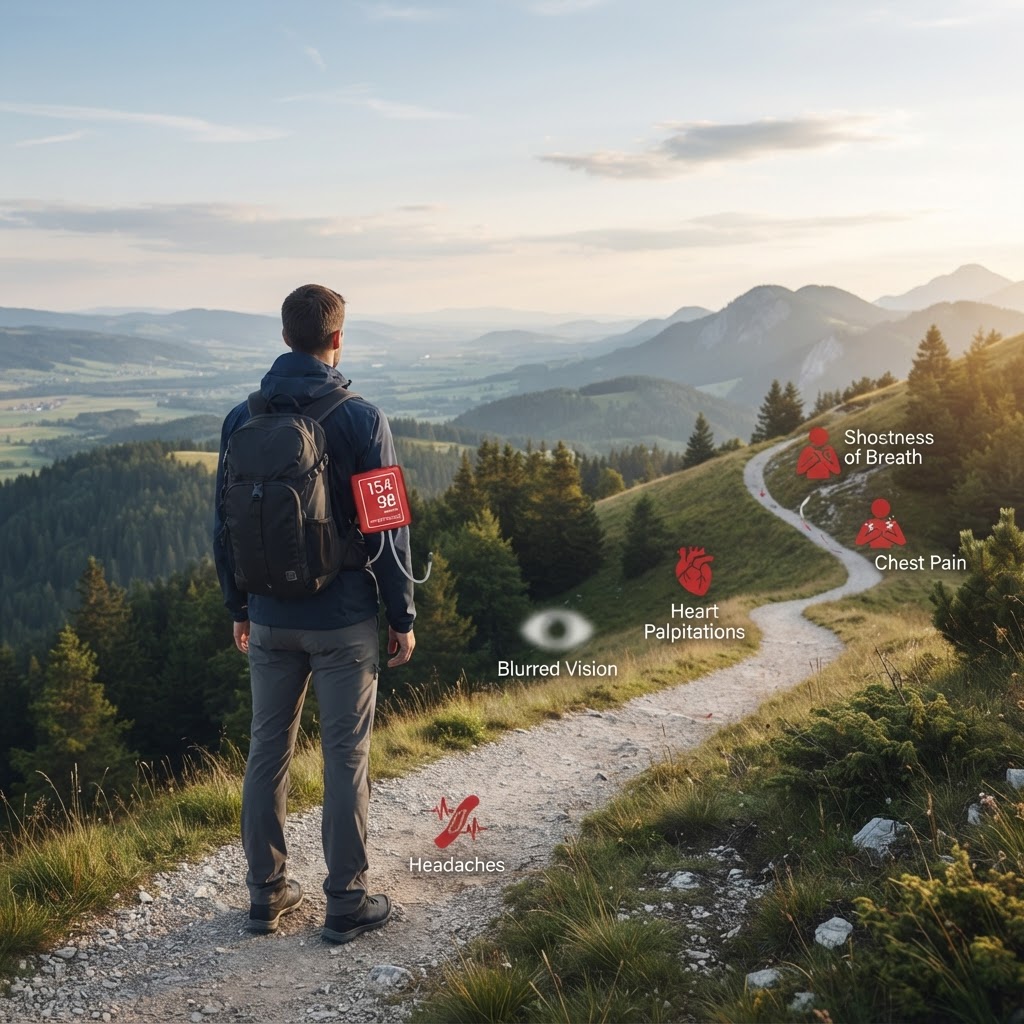
Imagine feeling completely fine while your arteries are quietly under siege. That is the reality for millions of Nigerians living with undiagnosed hypertension. Recognizing 5 Signs Your Blood Pressure May Be Too High could be the difference between early intervention and a medical emergency. Underst...

Can Insulin Help You Lose Weight? Risks and Medical Facts
Insulin often gets blamed for weight struggles among Nigerian families managing diabetes. But the science is more nuanced than blind blame suggests. This article, Can Insulin Help You Lose Weight? Risks and Medical Facts, examines what research actually shows. It looks at this essential hormone and ...