Powered by Obi Mbieri Independent Media Ltd · eziokwubundu.com
$1 = ₦1,328€1 = ₦1,521£1 = ₦1,773“IMSU ASUU Crisis: Are Students About to Pay the Price for the University's Labour Dispute?”
The gates of Imo State University (IMSU) have once again fallen silent. Following the expiration of an unanswered 21-day ultimatum, the Academic Staff Union of Universities (ASUU) chapter at IMSU declared an indefinite strike, bringing academic activities at one of Imo State's most important tertiar...
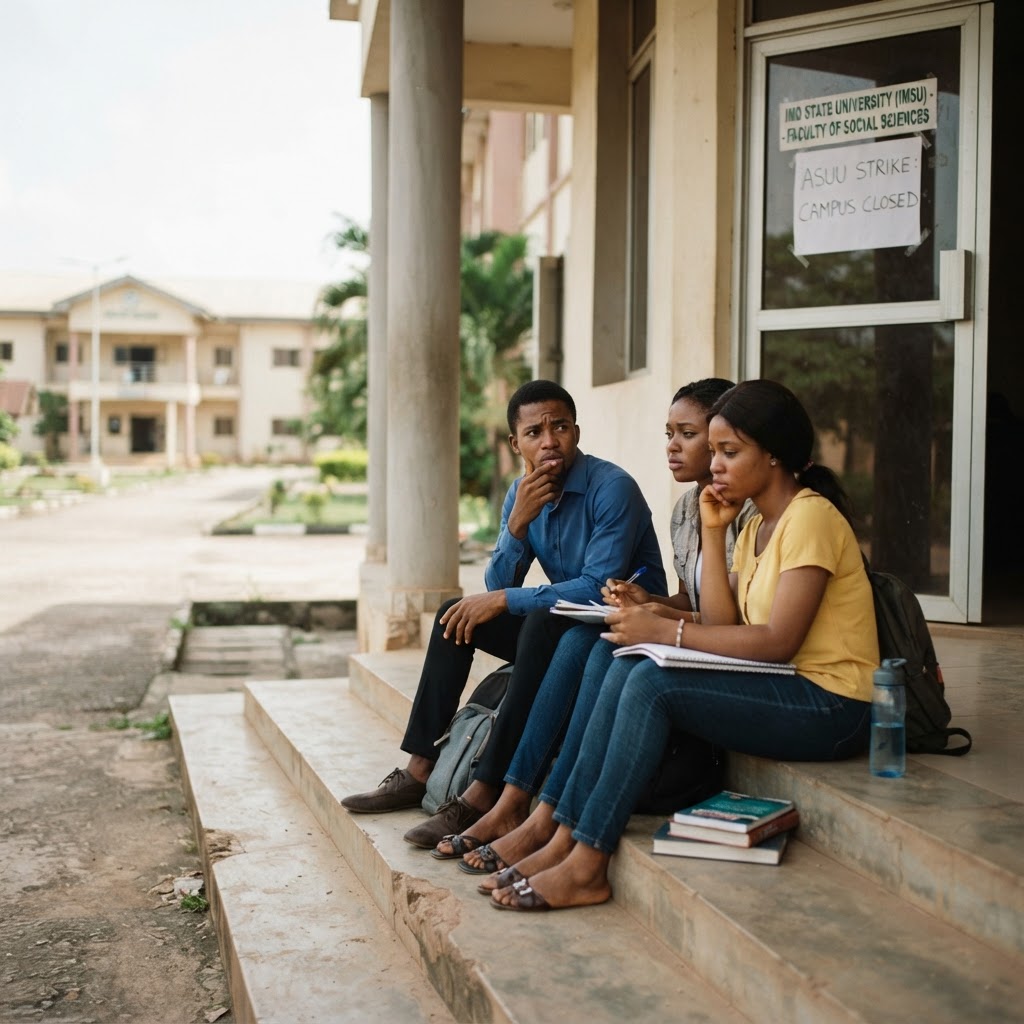
The gates of Imo State University (IMSU) have once again fallen silent. Following the expiration of an unanswered 21-day ultimatum, the Academic Staff Union of Universities (ASUU) chapter at IMSU declared an indefinite strike, bringing academic activities at one of Imo State's most important tertiary institutions to a grinding halt. For thousands of students, families, and host-community businesses in Owerri, the announcement was not a surprise — it was a dreaded confirmation of a recurring institutional failure. This article examines what triggered this latest shutdown, who bears the heaviest burden, and what practical steps students, families, and community leaders can take while the dispute remains unresolved.
Why Has IMSU's ASUU Dispute Escalated?
The Core Triggers Behind the Shutdown
The current indefinite strike at Imo State University did not emerge from a vacuum. According to reports from Imo Trumpeta, ASUU-IMSU leaders Stephen Oguji and Lazarus Chikwendu issued a 21-day ultimatum to the university administration that went entirely unanswered — a silence that effectively compelled the union to escalate to a full work stoppage. The union's grievances are neither new nor obscure; they are a layered accumulation of unmet obligations stretching back years.
Three primary dispute drivers define the crisis. First, the non-implementation of the 2025 Federal Government of Nigeria (FGN)-ASUU agreement, which was scheduled to take effect from January 1, 2026, signals a systemic refusal by state authorities to align IMSU's operational framework with nationally negotiated welfare benchmarks. Second, the failure to pay Earned Academic Allowances (EAA) — entitlements owed to academic staff dating as far back as 2009 — represents a staggering 16-year backlog of financial obligations that fundamentally erodes trust between staff and management. Third, the alleged withholding of 21 months of union check-off dues, deducted from staff salaries but never remitted to the union, represents a direct interference with collective bargaining infrastructure.
The breakdown of administrative dialogue following the unanswered ultimatum echoes an almost identical pattern from the 2024 industrial action at IMSU, during which promises made by the university visitor — the Imo State Governor — were ultimately unfulfilled. This pattern of temporary truces followed by relapse has become institutionalised, eroding staff confidence in negotiation as a viable mechanism.
The contrast with comparable state-owned universities elsewhere in Nigeria is instructive. Institutions in Bauchi, Ekiti, Ogun, Osun, and Sokoto have navigated similar ASUU agreements with greater success, implementing staff welfare frameworks without triggering prolonged shutdowns. A complicating local factor is the Treasury Single Account (TSA) controversy, which critics argue has stripped IMSU of meaningful financial autonomy, making it structurally dependent on a state government that has demonstrated neither urgency nor consistency in funding higher education obligations. For families already navigating the Imo State cost of living pressures, this systemic dysfunction carries direct household consequences.
Are Students Caught in the Crossfire?
Academic Integrity Risks Facing Undergraduates
The most immediately visible casualty of the IMSU ASUU crisis is the student body — specifically, those who sat examinations administered by the university administration during the ongoing strike. ASUU's position is unambiguous: union members will not grade, evaluate, or certify exam scripts produced during an industrial action they consider illegitimate. This stance, while legally grounded in collective bargaining norms, places thousands of undergraduates in an agonising institutional limbo. The qualifications they are working toward may carry accreditation risks if the examination process is formally contested.
For graduating students, the consequences are compounding. Nigeria's National Youth Service Corps (NYSC) mobilisation is tied directly to the timely certification and upload of academic results. A protracted strike delays this process, pushing back the NYSC cycle and consequently delaying entry into the formal labour market by months. Students seeking admission into Nigerian Law School, postgraduate programmes, or professional certification courses face identical cascading disruptions, as most of these institutions operate fixed annual admission windows with no provision for strike-related deferrals.
Perhaps most damaging is the asymmetric burden placed on students who are caught between two competing authorities. The university administration, determined to demonstrate operational continuity, encourages students to remain engaged and attend classes conducted by non-ASUU staff. ASUU-IMSU, in turn, instructs students that any academic activities conducted during the strike lack legitimacy. For an undergraduate trying to protect four or five years of academic investment, navigating this contradiction is both stressful and practically impossible. The result is a generation of students denied the basic right to an uninterrupted, credible education — a civic failure that should alarm every community leader and stakeholder in Imo State.
What Are the Hidden Costs on Nigerian Families?
Financial Strain, Mental Health, and Community Impact
Beyond the academic calendar, the IMSU ASUU crisis inflicts measurable financial pain on the middle-class and rural families sponsoring students. Owerri's rental market does not pause for strikes. Students who have already signed tenancy agreements continue paying rent for accommodation they cannot productively use. Families face the unbudgeted cost of maintaining two households — the student's and their own — while simultaneously absorbing transport fares for repeated trips between home and Owerri as the situation evolves. These pressures land on households already strained by Nigeria's persistent inflation cycle, where food prices, fuel costs, and utility tariffs continue to rise.
Featured Products
Chukwu Abiama Tee
Bold black-and-gold Igbo-pride T-shirt featuring 'Chukwu Abiama' in premium streetwear typography.
₦15,000
Buy NowReverse Type 2 Diabetes & other associated Metabolic Issues using Dr. Jason Fung's Evidence-Based Approach— FMD program for Type 2 Diabetes
A practical fasting and fasting-mimicking programme built on Dr Jason Fung's insulin-resistance principles and ow-glycemic recipes.
₦19,950
Join NowỤmụ Igbo Tee
Classic black T-shirt with bold white 'Ụmụ Igbo' typography — a proud statement of Igbo heritage.
₦15,000
Buy NowNwanne Tee
Washed khaki vintage tee with a faded rust-orange 'Nwanne' stamp badge and palm leaf motif — a nod to kinship and heritage.
₦18,000
Buy NowObodo Tee
Faded denim-blue washed tee with a cream 'Obodo' stamp badge and sun motif, celebrating community roots.
₦18,000
Buy NowEkwe Heritage Tee
Deep indigo tee featuring a fine line-art illustration of a traditional Igbo ekwe drum, inspired by Igbo-Ukwu bronze artistry.
₦18,000
Buy NowIkenga Figure Tee
Forest green tee with a fine line-art illustration of a stylized Ikenga figure.
₦18,000
Buy NowThe mental health dimension of prolonged academic disruption is well-documented. Research published by the World Health Organization confirms that unstructured, involuntary downtime among young adults is a significant risk factor for anxiety disorders and depressive episodes. Nigerian students are not immune to this evidence. The loss of developmental momentum — a sense that peers in other states or countries are advancing while they stagnate — generates chronic psychological distress that can have lasting career and personal consequences.
The economic ripple extends into Owerri's host-community ecosystem. The city's food vendors, off-campus hostel operators, transport businesses (including keke napep and taxi operators), bookshops, and printing hubs are built almost entirely around an active student population of tens of thousands. Every week of strike action represents direct revenue loss for these micro-enterprises — many of which are owned by Imo families with no alternative income buffer. Understanding the full health and economic cost of this recurring crisis is essential for anyone committed to improving healthcare access and community welfare in Imo State.
How Can Students Turn Strike Delays Into Opportunities?
Practical Wealth and Skill Development Strategies
Waiting is not a strategy. Students who use this involuntary downtime productively will emerge from the strike period with a measurable competitive advantage over peers who simply endured it. The most scalable entry point is digital upskilling. Platforms such as Coursera, Google Digital Skills for Africa, and ALX Africa offer structured, free or low-cost programmes in data analysis, content operations, UX research, and software quality testing — all skills with strong remote freelancing markets accessible from Owerri with a smartphone and data subscription.
For students with limited digital access, grassroots entrepreneurial frameworks offer equally viable pathways. The Nigerian economic context rewards low-capital, high-turnover local trade, particularly in food processing, logistics support, and digital printing. Securing a short-term apprenticeship under an established local business — whether a logistics firm, a digital marketing agency, or a community cooperative — builds vocational capital that no examiner can withhold. The Mbaitoli schools and skills training resources provide a useful model for structured community-based skill acquisition in the Southeast.
Maintaining physical, cognitive, and emotional wellness routines during this period is not optional — it is strategic. Students who allow depression, social isolation, and sedentary behaviour to take hold during strike periods consistently report greater difficulty returning to academic performance once institutions reopen. A daily structure built around light exercise, deliberate reading, skill acquisition, and community engagement preserves the mental agility needed to re-engage competitively. Eziokwubundu's broader wellness philosophy is directly applicable here: personal development and community contribution are not separate pursuits — they reinforce each other.
How Can Community Leaders Help Resolve the IMSU Crisis?
A Multi-Stakeholder Roadmap for Lasting Peace
The IMSU ASUU crisis will not resolve itself, and the state government has demonstrated that left to bilateral negotiation alone, the cycle simply repeats. What is needed is a structured multi-stakeholder intervention. Imo State's traditional council, religious institutions, and civil society organisations possess the moral authority and community trust to act as neutral arbiters between the university visitor — the Governor — and ASUU-IMSU's executive leadership. Understanding the distinct roles of traditional institutions versus political institutions is critical for deploying this intervention effectively and without constitutional ambiguity.
At the structural level, Imo State's higher education funding model requires fundamental reform. The current pattern of ad-hoc emergency truces — where just enough is promised to end a strike, with no systemic change — is fiscally irresponsible and academically destructive. Sustainable subventions, transparent institutional financial management, and timely disbursement of statutory union check-off dues must become legislative commitments, not administrative courtesies. The Nigeria Universities Commission (NUC) and relevant federal oversight bodies should be formally engaged to apply compliance pressure where state political will is absent.
Finally, there is an urgent need for a formalised Parent-Student-Stakeholder advocacy coalition in Imo State — a structured civil body that holds educational continuity as a non-negotiable civic priority. Such a coalition can document disruptions, engage media, interface with the state legislature, and ensure that the human cost of every strike day is publicly accounted for. Communities that organise around shared educational interests consistently secure better outcomes than those that rely solely on institutional goodwill. Nigerians interested in holding institutions accountable can also find practical guidance on how to verify Imo government projects and commitments.
Conclusion
The IMSU ASUU crisis is not merely a labour dispute between lecturers and university management. It is a systemic failure of governance, financial accountability, and civic prioritisation that places thousands of Nigerian students and their families at direct economic and psychological risk. The grievances driving this strike — unpaid allowances dating back to 2009, withheld union dues, and ignored federal agreements — are legitimate and long-overdue. But the students bearing the consequences are innocent parties who deserve better from every institution that claims to serve them.
At eziokwubundu.com, our commitment is to equip Nigerian families and communities with the knowledge, perspective, and practical tools to navigate exactly these kinds of complex, multi-layered challenges. Whether through financial resilience, mental wellness strategies, or community-led advocacy, the path forward exists — and it begins with informed, organised, and determined action from every stakeholder invested in Imo State's educational future.
Stay Informed
Get New Articles in Your Inbox
Subscribe to receive the latest community development, health, and wealth insights from Eziokwubundu.
Newsletter
Practical insights on health, wealth, and community — delivered weekly.
Community Discussion(0)
Leave a Comment
More to Read
You May Also Like
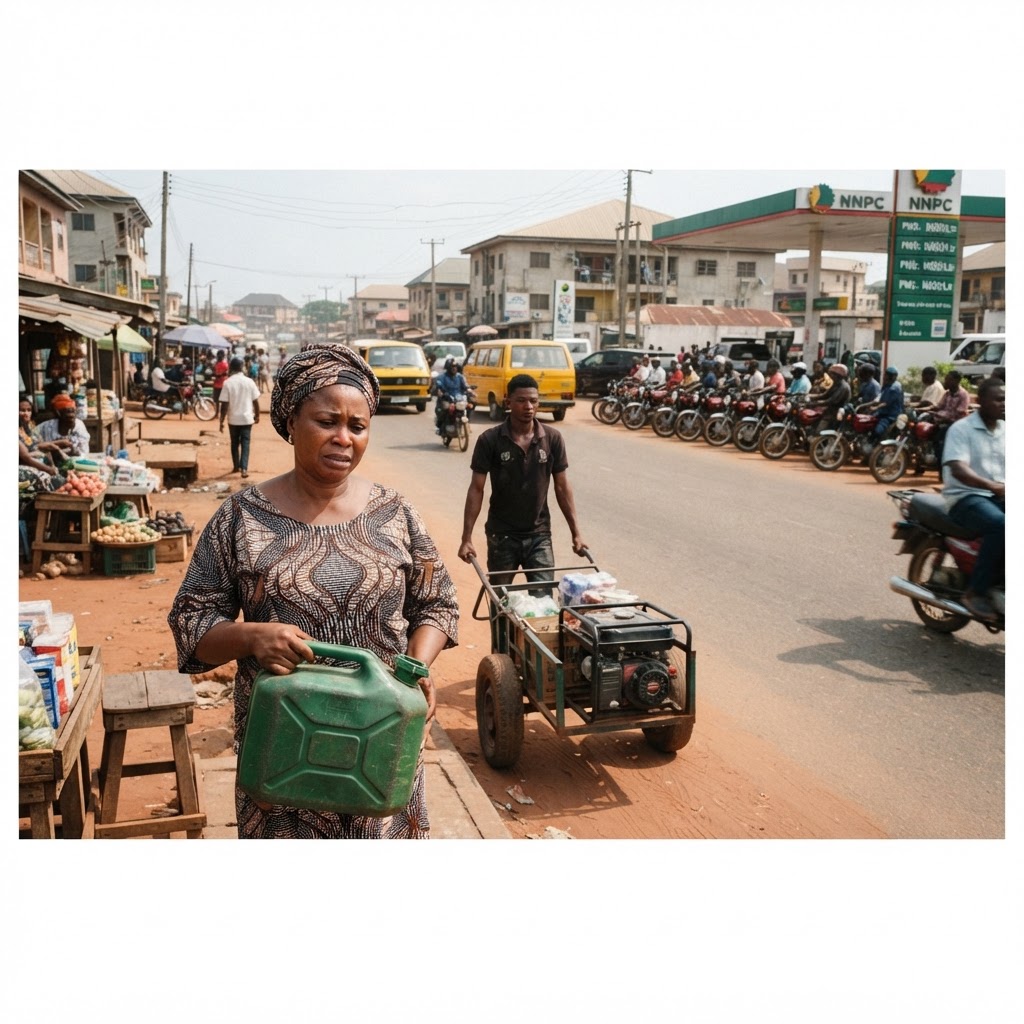
How Rising Petrol Prices Impact Nigerian Households and SMEs
Petrol prices have crossed a psychological line that many Nigerians once thought impossible. At ₦1,400 per litre in several states, rising petrol prices are reshaping how households spend, how businesses operate, and how communities survive. What was once an occasional headline about fuel scarcity h...
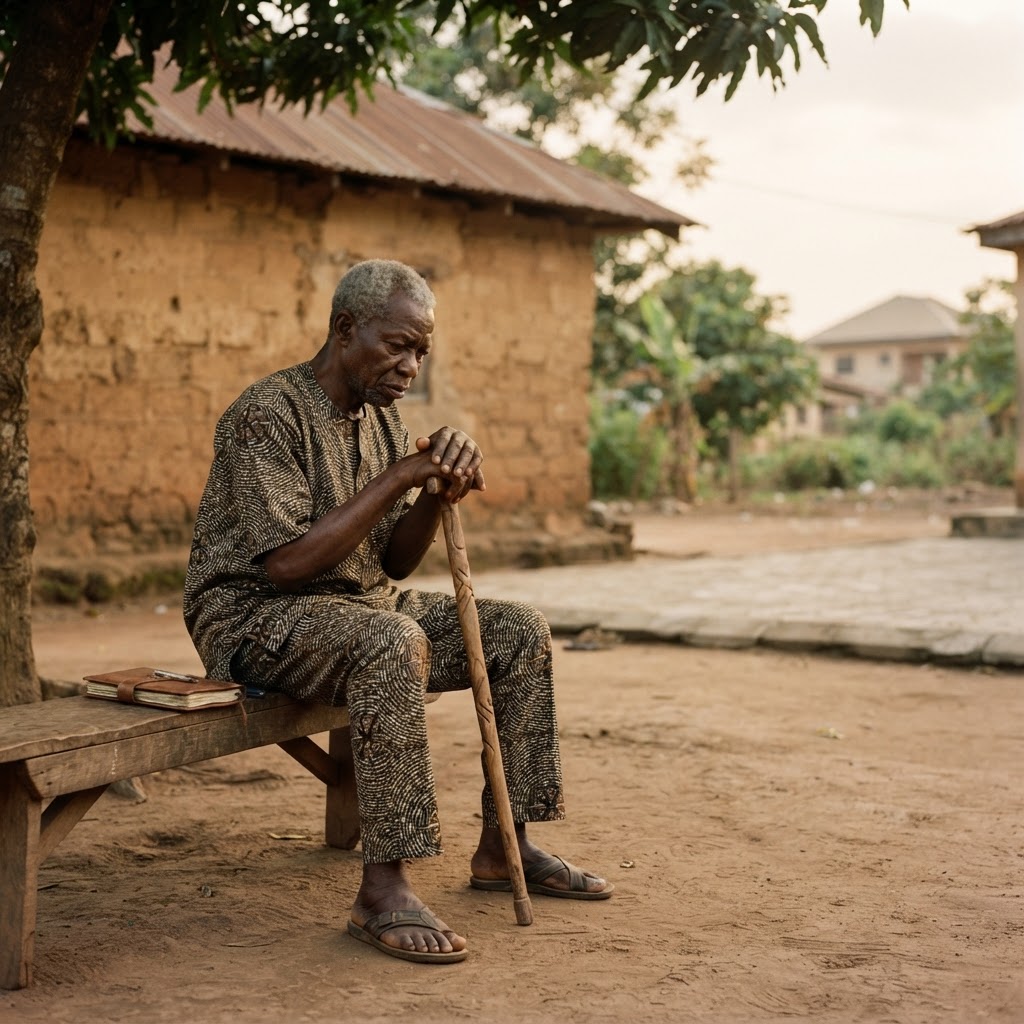
48 Months Without Full Pension Payments: Imo Pensioners
Retirement should bring peace, not financial anxiety. Yet across Imo State, thousands of elderly civil servants say their golden years have turned into a struggle for survival. The situation described in "48 Months Without Full Pension Payments: Imo Pensioners Demand Answers" reflects a deepening cr...
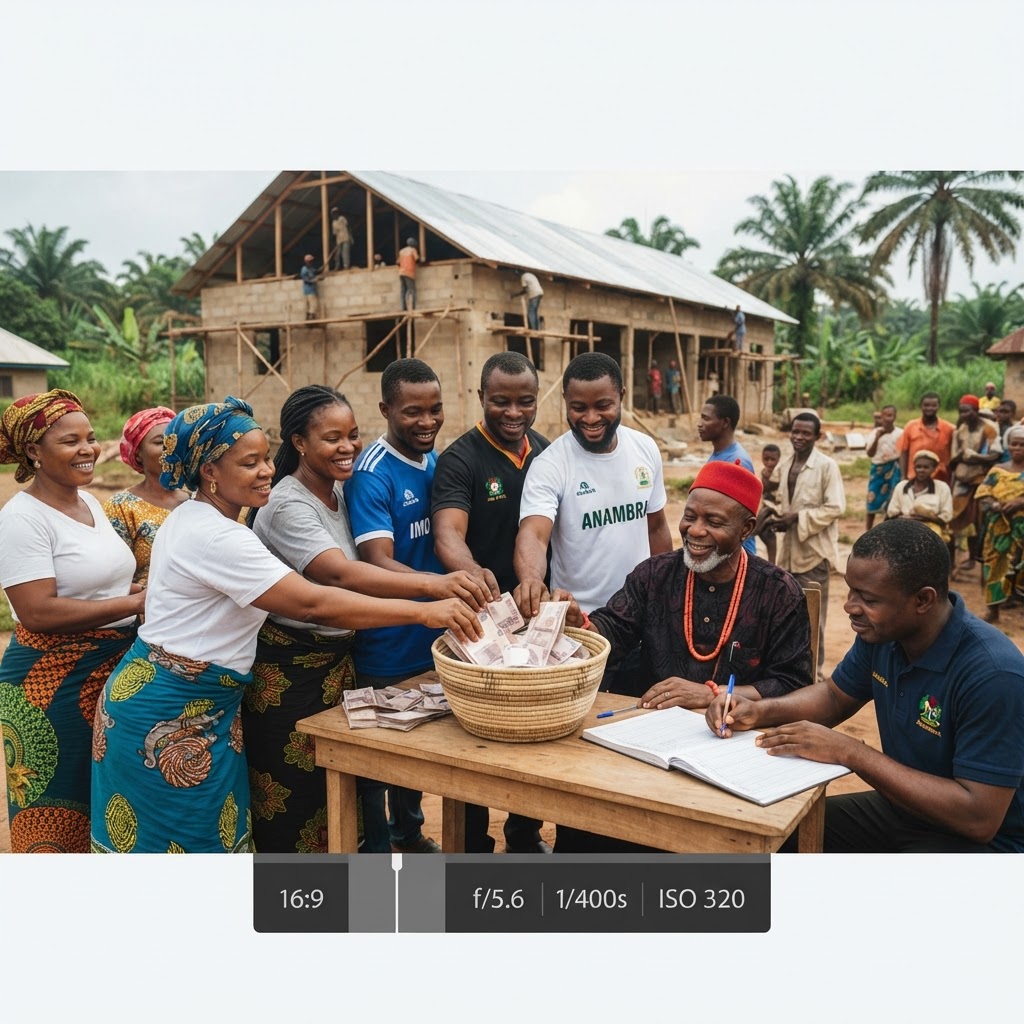
How Igbo communities fund development projects
Across southeastern Nigeria, roads are tarred, schools are built, and boreholes are sunk — not by government contractors, but by communities pooling resources together. This phenomenon is neither accidental nor recent. It is the product of centuries-old cultural philosophy, refined institutional str...
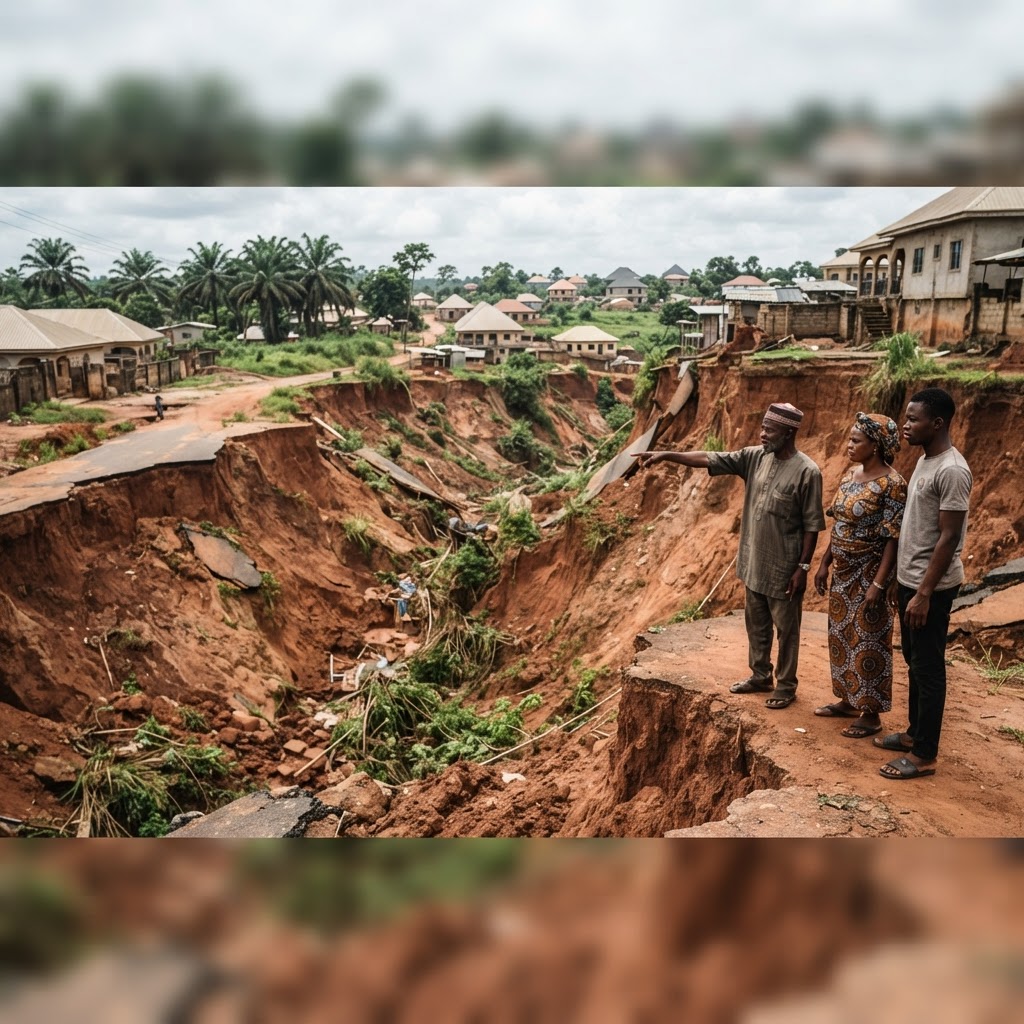
Imo Erosion Crisis: Mbieri Communities Demand Urgent Government Action
The ground beneath Mbieri is literally disappearing. In Mbaitoli Local Government Area of Imo State, advancing gullies are swallowing roads, threatening homes, and pushing one of southeastern Nigeria's most resilient communities toward an environmental breaking point. Residents are no longer waiting...

Imo State Emergency Contacts Directory
Emergencies do not send advance notice. Whether it is a road traffic accident along the Owerri-Onitsha expressway, a fire outbreak in a densely populated neighbourhood, or a sudden medical crisis in one of Imo State's rural local government areas, the difference between life and death often comes do...
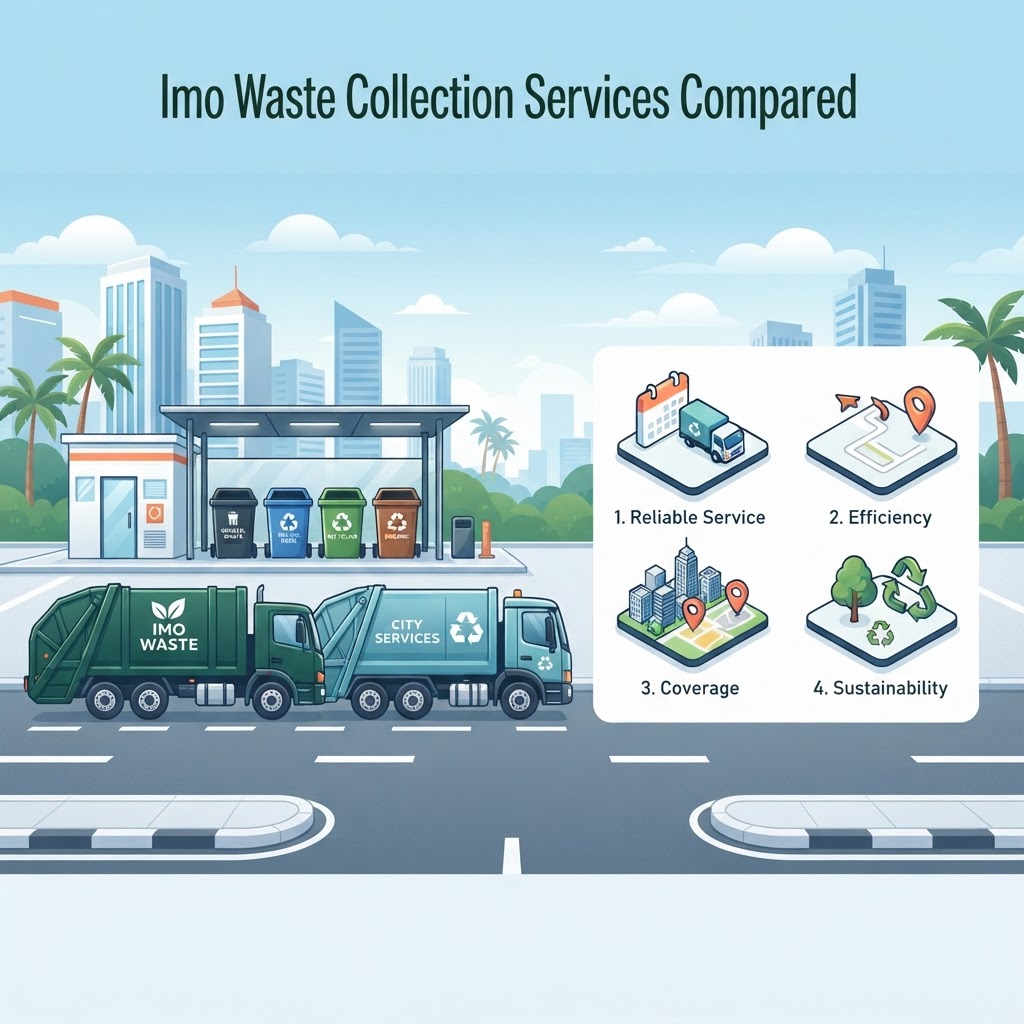
Imo Waste Collection Services Compared
Waste management sits at the intersection of public health, economic productivity, and community dignity. For residents of Imo State, particularly those living in the expanding urban corridors of Owerri, the question of who collects refuse — and how reliably they do it — is not a minor administrativ...

KoboTutor: How a Nigerian EdTech Platform Is Bringing Personalised Learning to Students
Nigeria's education sector stands at a crossroads. With over 13 million out-of-school children and chronic underfunding in public education, the pressure on students who do attend school is immense. For the millions sitting JAMB, WAEC, and NECO examinations each year, the stakes could not be higher....