Powered by Obi Mbieri Independent Media Ltd · eziokwubundu.com
$1 = ₦1,330€1 = ₦1,526£1 = ₦1,778Imo Waste Collection Services Compared
Waste management sits at the intersection of public health, economic productivity, and community dignity. For residents of Imo State, particularly those living in the expanding urban corridors of Owerri, the question of who collects refuse — and how reliably they do it — is not a minor administrativ...
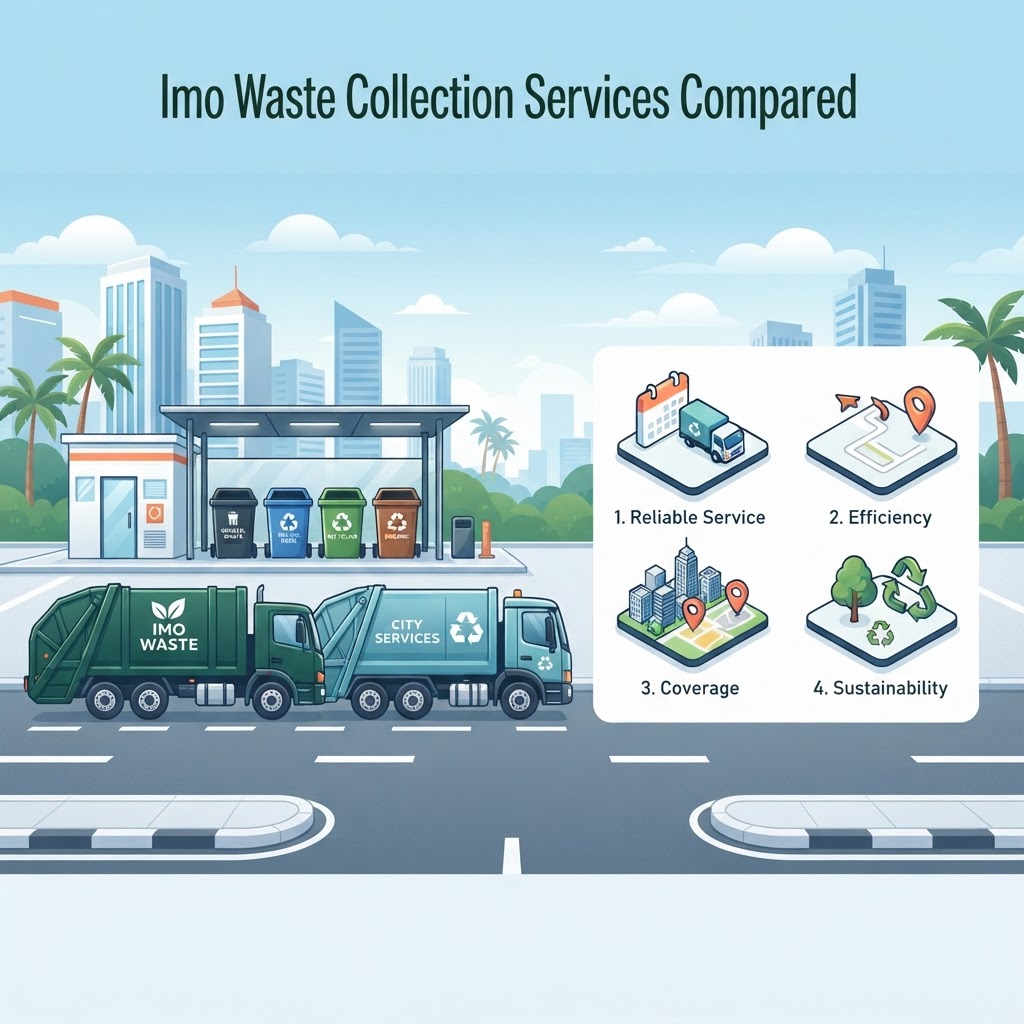
Waste management sits at the intersection of public health, economic productivity, and community dignity. For residents of Imo State, particularly those living in the expanding urban corridors of Owerri, the question of who collects refuse — and how reliably they do it — is not a minor administrative concern. It is a matter that shapes the quality of life, the safety of children, and the commercial viability of entire neighbourhoods. This article presents a clear, practical comparison of the waste collection services currently available across Imo State, equipping Nigerian families, entrepreneurs, and community leaders with the information needed to make informed decisions.
Why Does Waste Management Matter in Imo State?
Sanitation, Health, and Community Prosperity
The connection between waste disposal practices and disease burden in Imo State is not theoretical. Owerri and its surrounding Local Government Areas — including Owerri North, Owerri West, and Owerri Municipal — record significant rates of preventable diseases that are directly attributable to poor sanitation infrastructure. Lassa fever, which is endemic across several southeastern Nigerian states, spreads most efficiently in environments where refuse accumulates unchecked, providing breeding and feeding grounds for the Mastomys rats that carry the virus. According to the Nigeria Centre for Disease Control (NCDC), Imo State has recorded recurring Lassa fever cases, with environmental degradation identified as a primary risk amplifier.
Beyond infectious disease, the health consequences of poor waste management extend to respiratory and cardiovascular conditions. Open waste burning — a common practice in peri-urban areas of Imo State — releases particulate matter and toxic compounds including dioxins and furans. Long-term exposure is associated with asthma, chronic obstructive pulmonary disease, and increased cardiovascular risk. These are not abstract statistics; they are conditions affecting families in Nekede, Egbu, and the densely settled streets around the Owerri New Municipal Stadium.
The economic cost is equally measurable. The accumulation of refuse along Douglas Road, the World Bank Housing Estate area, and the Orlu Road corridor visibly suppresses commercial activity, reduces property values, and creates traffic bottlenecks that increase logistics costs for businesses. For entrepreneurs operating in Owerri's growing service economy, a dirty operating environment is a direct drag on productivity and customer confidence.
At eziokwubundu.com, we anchor our content in the belief that personal and community health is the foundation upon which genuine wealth is built. A clean environment is not a luxury — it is the baseline condition for the Health + Wealth + Community prosperity triangle to function. Before reviewing the Best Hospitals in Imo State Compared, it is worth acknowledging that preventive environmental health — starting with proper waste disposal — reduces the frequency with which residents need medical intervention in the first place.
What Waste Collection Options Exist in Owerri?
Formal Agencies and Private Providers
Imo State's waste management landscape is a mixture of government-backed agencies and private environmental service companies, each operating with different mandates, capacities, and service quality levels.
The Eastern Waste Management Company (EWAMAC) is the primary government-aligned body responsible for solid waste collection across Owerri and its environs. EWAMAC was established to provide structured, regular refuse evacuation, particularly in urban and peri-urban zones. In practice, however, the agency faces persistent challenges: inadequate fleet maintenance, irregular funding cycles from the state government, workforce capacity gaps, and limited reach into newer residential estates and satellite communities. During periods of political transition or budget delays, EWAMAC's collection frequency drops significantly, leaving tonnes of domestic refuse unattended for days or weeks. Residents who rely exclusively on EWAMAC often find themselves managing waste informally during these gaps.
Palmnet Waste Management is among the more established private environmental service firms operating in Owerri. The company offers scheduled household and commercial solid waste collection, with service agreements available on weekly and bi-weekly arrangements. Palmnet has built a reputation for relatively consistent collection in middle-class residential areas, though service quality in lower-income or road-access-challenged neighbourhoods is variable.
J & G Waste Collector Services provides solid waste collection for residential clients, small businesses, and event venues. The company is frequently used for post-event clean-ups, construction site debris removal, and irregular bulk collection requests. Their pricing model tends to be more flexible than larger operators, making them accessible to households and SMEs that cannot commit to formal monthly contracts.
Julius Engineering & Environmental Services operates at a more comprehensive scope, offering fumigation, pest control, drainage cleaning, and post-construction site cleaning alongside standard waste collection. For commercial property managers, schools, and healthcare facilities — all of which have more complex waste streams and regulatory obligations — Julius Engineering provides a more integrated environmental service package.
When assessing service scope, it is essential to distinguish between basic solid waste removal and specialised environmental services. Basic collection handles domestic refuse — food waste, packaging, and general household materials. Specialised services address hazardous materials, biomedical waste, and structural cleaning. Most households will require the former; businesses, clinics, and construction firms will require a mixture of both. For guidance on formalising your business operations in Imo State, including compliance requirements, see How to Register a Business in Imo.
How Do You Choose the Right Waste Service?
Reliability, Cost, and Environmental Accountability
Selecting a waste collection provider is a practical decision that deserves the same structured evaluation you would apply to any service procurement. Several key performance indicators should guide your assessment.
Featured Products
Chukwu Abiama Tee
Bold black-and-gold Igbo-pride T-shirt featuring 'Chukwu Abiama' in premium streetwear typography.
₦15,000
Buy NowReverse Type 2 Diabetes & other associated Metabolic Issues using Dr. Jason Fung's Evidence-Based Approach— FMD program for Type 2 Diabetes
A practical fasting and fasting-mimicking programme built on Dr Jason Fung's insulin-resistance principles and ow-glycemic recipes.
₦19,950
Join NowỤmụ Igbo Tee
Classic black T-shirt with bold white 'Ụmụ Igbo' typography — a proud statement of Igbo heritage.
₦15,000
Buy NowNwanne Tee
Washed khaki vintage tee with a faded rust-orange 'Nwanne' stamp badge and palm leaf motif — a nod to kinship and heritage.
₦18,000
Buy NowObodo Tee
Faded denim-blue washed tee with a cream 'Obodo' stamp badge and sun motif, celebrating community roots.
₦18,000
Buy NowEkwe Heritage Tee
Deep indigo tee featuring a fine line-art illustration of a traditional Igbo ekwe drum, inspired by Igbo-Ukwu bronze artistry.
₦18,000
Buy NowIkenga Figure Tee
Forest green tee with a fine line-art illustration of a stylized Ikenga figure.
₦18,000
Buy NowCollection frequency and consistency are the primary operational metrics. A provider may advertise twice-weekly collection, but what is their actual track record during public holidays, rainy season disruptions, and operational downtimes? Before signing any agreement, ask for references from current clients in your area and verify service logs if available.
Complaint responsiveness matters considerably in a market where informal alternatives are always present. A reliable provider should offer a reachable contact number, acknowledge missed collections, and provide a remediation timeline within 24 to 48 hours. The Imo State Emergency Contacts Directory can help you locate relevant environmental health authorities to escalate persistent service failures.
Disposal site compliance is a criterion that most households overlook, to their detriment. A waste collection vehicle removing refuse from your compound solves your immediate visibility problem, but if that provider dumps collected waste at an illegal site — a common practice among unlicensed operators — you remain indirectly connected to an environmental violation, and the waste eventually re-enters the community's health ecosystem. Reputable providers should be able to demonstrate that their waste is deposited at an approved disposal or processing facility. The Federal Ministry of Environment provides guidance on waste disposal standards applicable across Nigerian states.
Cost-benefit analysis requires an honest comparison between informal scavenging services and registered firms. Informal collectors typically charge less — sometimes as little as ₦500 to ₦1,000 per residential load — but offer no accountability, no consistency, and no guarantee of proper disposal. Registered private firms typically charge between ₦3,000 and ₦15,000 per month for household service, depending on collection frequency and proximity to service routes. For businesses, monthly contracts may range from ₦20,000 upward. The cost differential is meaningful, but the accountability gap is wider.
Licensing verification is a non-negotiable step. Operators in Imo State should hold a valid registration with the Imo State Ministry of Environment. Request to see documentation before signing any agreement, and cross-check with the Imo State Government Services Directory for guidance on regulatory bodies with oversight of environmental service providers.
How Can Imo Communities Adopt Sustainable Waste Practices?
From Disposal to Regenerative Action
The transition from reactive waste disposal to proactive sustainability is not only an environmental imperative — it is an economic opportunity that Imo State entrepreneurs and community leaders are beginning to recognise.
Waste as a business input is a concept gaining traction among SMEs in Owerri North and Owerri West. Plastic waste, paper, metals, and organic materials all have market value at the right processing scale. The World Bank's report on waste management in Sub-Saharan Africa estimates that over 90% of waste in developing cities is managed through informal and often environmentally destructive means, yet recycling-oriented enterprises in the same cities report consistent demand from manufacturers and export aggregators. For Imo entrepreneurs seeking capital to formalise a recycling or environmental service business, the article on How to Access CBN Small Business Loans outlines accessible financing pathways.
Source segregation at the household level is the most impactful single behaviour change communities can adopt. Separating organic waste — food scraps, peels, garden refuse — from dry recyclables and hazardous materials reduces the volume requiring formal collection by an estimated 40 to 60%, according to waste composition studies from urban West African contexts. Community leaders in Imo, including autonomous community heads and church-based organisations, are well-positioned to champion segregation awareness campaigns that align with traditional communal responsibility values.
Policy advocacy and fiscal incentives must accompany grassroots action. Imo State entrepreneurs operating in the recycling or environmental services sector should advocate for tax relief structures and import duty waivers on processing equipment, similar to provisions introduced under the National Environmental Standards and Regulations Enforcement Agency (NESREA) framework. Households and businesses with formal waste management contracts should also be aware of how environmental compliance intersects with broader fiscal obligations — the Imo State Tax Guide for Individuals provides context on relevant local obligations.
The Eziokwubundu philosophy of "Traditional Values, Modern Progress" finds genuine expression in sustainable waste practice. Traditional Igbo communities historically operated on principles of communal cleanliness and shared environmental stewardship. Modern sustainability science affirms what those traditions already understood: that a community's environment reflects its collective self-respect and its investment in future generations.
Conclusion
The comparison of Imo waste collection services reveals a market in transition — one with real formal options emerging alongside persistent infrastructure gaps. For residents and businesses in Owerri and surrounding LGAs, the path forward involves making informed choices about service providers, holding those providers to measurable standards, and progressively shifting the community's relationship with waste from a problem to be disposed of toward a resource to be managed strategically.
A cleaner Imo State is not a distant aspiration. It is the product of consistent, informed individual and collective decisions — exactly the kind of practical prosperity that eziokwubundu.com exists to support.
Stay Informed
Get New Articles in Your Inbox
Subscribe to receive the latest community development, health, and wealth insights from Eziokwubundu.
Newsletter
Practical insights on health, wealth, and community — delivered weekly.
Community Discussion(0)
Leave a Comment
More to Read
You May Also Like
NSCDC Deaths: What Happened Inside the Niger Detention Facility?
On the morning of September 17–18, 2026, news broke from Minna that would shake Nigeria's security establishment to its foundations. Thirty-seven detainees held inside a Nigeria Security and Civil Defence Corps (NSCDC) facility in Niger State were found dead. The tragedy did not unfold on a battlefi...
How Igbo communities fund development projects
Across southeastern Nigeria, roads are tarred, schools are built, and boreholes are sunk — not by government contractors, but by communities pooling resources together. This phenomenon is neither accidental nor recent. It is the product of centuries-old cultural philosophy, refined institutional str...

Wike–Uzodimma Dispute: Imo Lawyers Respond to FCT Minister's Attacks
Political tensions between Nigeria's FCT Minister Nyesom Wike and Imo State Governor Hope Uzodimma have escalated to a point where legal professionals feel compelled to intervene. The Imo Lawyers for the Defence of Democracy has formally called out what it describes as dangerous personal attacks ema...
Imo Erosion Crisis: Mbieri Communities Demand Urgent Government Action
The ground beneath Mbieri is literally disappearing. In Mbaitoli Local Government Area of Imo State, advancing gullies are swallowing roads, threatening homes, and pushing one of southeastern Nigeria's most resilient communities toward an environmental breaking point. Residents are no longer waiting...

Imo Markets: What Fees Are Traders Paying and Who Collects Them?
For thousands of traders operating daily across Imo State's bustling markets — from Relief Market in Owerri to the Naze Timber and Allied Traders Market — paying levies is an unavoidable cost of doing business. But in 2026, a more urgent question is emerging from beneath the noise of commerce: exact...

Donor Health Funds Under Scrutiny: Why a Civil Society Group Wants FBI, EFCC to Widen Probe
International health aid is only as effective as the integrity of those who manage it. When billions of naira in donor-funded resources meant to combat HIV and tuberculosis go missing or are misappropriated, the consequences are not abstract — they are measured in lives lost, treatments missed, and ...
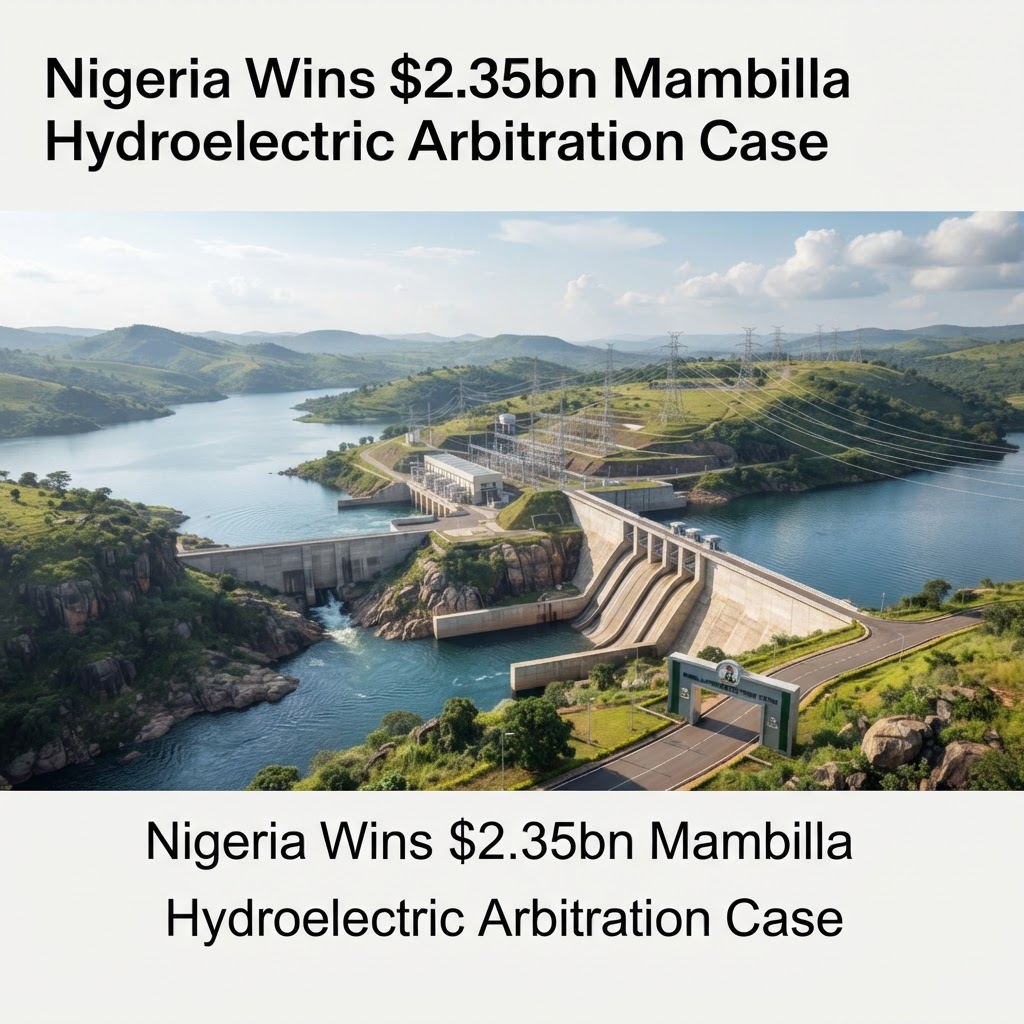
Nigeria Wins $2.35bn Mambilla Hydroelectric Arbitration Case
Nigeria has secured a landmark legal victory that could reshape the country's energy landscape for generations. An International Chamber of Commerce (ICC) arbitration tribunal sitting in Paris has ruled in favour of the Federal Government of Nigeria, rejecting a staggering $2.35 billion claim brough...
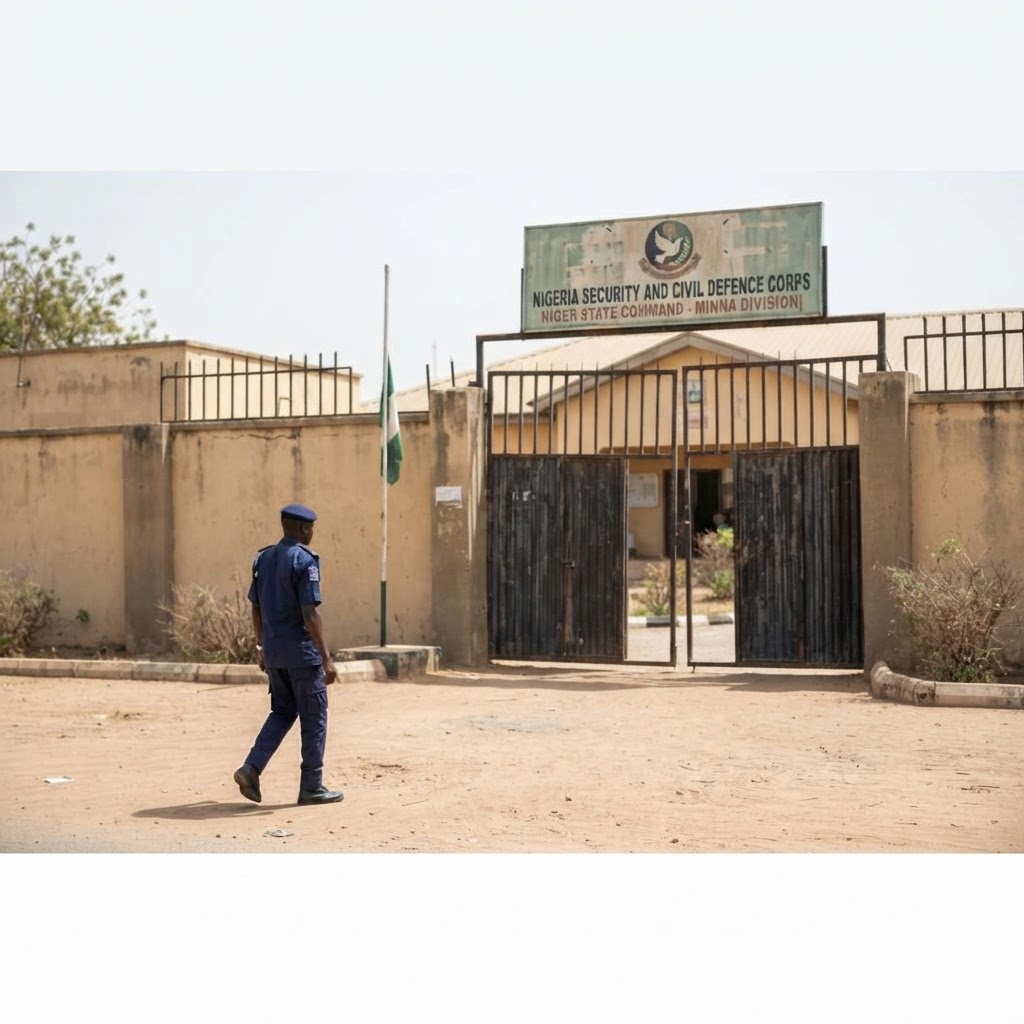
37 Suspected Illegal Miners Die in NSCDC Custody in Niger State
The deaths of 37 human beings in state custody should never be reduced to a statistic. Yet on a deeply troubling day in September 2026, that is precisely what happened in Niger State, Nigeria, when 37 suspected illegal miners died while detained by the Nigeria Security and Civil Defence Corps (NSCDC...

Imo 2028 Succession Debate Intensifies
The political temperature in Imo State has risen sharply as stakeholders, party insiders, and community leaders begin the complex arithmetic of who governs the state after January 2028. What began as quiet backroom conversations has evolved into a full-throated public debate, touching on constitutio...

Police Inspector Killed at Imo Commissioner’s Residence
A deadly security breach at the residence of a senior Imo State government official has once again drawn attention to the fragile security situation in southeastern Nigeria. According to a report by TheCable(https://www.thecable.ng/gunmen-kill-police-inspector-at-commissioners-residence-in-imo/), gu...