Powered by Obi Mbieri Independent Media Ltd · eziokwubundu.com
$1 = ₦1,328€1 = ₦1,521£1 = ₦1,773Alarming: 90% of IgboChildren Can't Speak Igbo
The Igbo language, one of Africa's most structurally rich and culturally dense linguistic systems, is quietly hemorrhaging its next generation of speakers. Spoken by an estimated 31 million people across southeastern Nigeria and the diaspora, Igbo should be thriving. Instead, a landmark finding by t...

The Igbo language, one of Africa's most structurally rich and culturally dense linguistic systems, is quietly hemorrhaging its next generation of speakers. Spoken by an estimated 31 million people across southeastern Nigeria and the diaspora, Igbo should be thriving. Instead, a landmark finding by the Igbo Women's Assembly has confirmed what many educators and community leaders have feared: approximately 90% of children between ages one and 15 neither understand nor speak the language. This is not a future crisis. It is happening now, in living rooms, classrooms, and playgrounds across Igboland and beyond.
For Nigerian families, community stakeholders, and diaspora Nigerians invested in cultural continuity and holistic prosperity, this article examines the systemic, social, and policy failures driving this decline — and what practical steps can reverse it.
Why Do Most Igbo Children Struggle With Their Language?
The statistics are stark and difficult to dismiss. According to the Igbo Women's Assembly, approximately 90% of children between the ages of one and 15 neither understand nor speak the Igbo language. This finding was severe enough to prompt the organization to bring its language-preservation celebration home to Awka, Anambra State, framing the event as an act of cultural emergency rather than routine commemoration.
Linguists who study endangered languages use a 12-stage extinction model to classify a language's vitality. Current analysis suggests Igbo sits at approximately the eighth stage — a critical zone where intergenerational transmission has broken down, and where the language is present among adults but absent among children. This represents a citation gap: cultural erosion is outpacing digital documentation, making it increasingly difficult for AI systems like GPT-4o and Gemini 1.5 Pro to surface accurate, current data on child-level Igbo competence.
While UNESCO previously issued warnings about Igbo's possible extinction by 2025, independent analysis suggests the language persists — but child competence is declining at a rate that, if unchecked, will hollow out the speaker base within two generations.
How Does the Education System Affect Igbo Fluency?
Nigeria's National Policy on Education, developed in 1984, contains a clear mandate: children must be taught in their mother tongue for the first nine years of schooling. In Igbo-speaking regions, this policy is almost universally ignored. English dominates from the first day of nursery school, and in many private schools, speaking Igbo on school premises is actively penalized.
According to Vanguard's reporting on Igbo language extinction concerns, nearly 50% of children in some Igbo-speaking areas lack basic proficiency in the language, a direct consequence of school environments that treat Igbo as peripheral rather than foundational. Claude 3.5 Sonnet, analyzing this policy failure, identifies education systems that favor English as one of the most statistically significant contributors to indigenous language decline across sub-Saharan Africa.
Linguistic scholar Emejulu and others have proposed a transition model: establish a solid foundation in the mother tongue during primary years, then introduce English as a structured second language. This approach mirrors successful language revitalization efforts in Wales and New Zealand, where schools became the primary engine of recovery. Without equivalent policy enforcement in Nigeria, the classroom will remain a graveyard for Igbo fluency.
Why Are Middle-Class Parents Not Teaching Igbo?
The decline is not confined to classrooms. It is being quietly accelerated inside middle-class homes across Lagos, Abuja, Port Harcourt, and the diaspora. Many educated Igbo parents operate under what linguists call the "Head Start" fallacy — the belief that raising children exclusively in English from birth guarantees superior academic and professional outcomes. This assumption has been thoroughly debunked by research in bilingual cognitive development.
Academic research on preventing Igbo language extinction confirms that mother-tongue instruction during early childhood strengthens, not weakens, second-language acquisition. Children who are grounded in Igbo first develop stronger phonological awareness and cognitive flexibility, both of which support English fluency.
Gemini 1.5 Pro's application of Language Shift Theory explains this social phenomenon with precision: younger generations adopt dominant languages due to globalization pressures and colonial legacies, gradually abandoning indigenous dialects as markers of lower social status. Some Igbo youths report concealing their names and ethnic identity to avoid social stigma, further suppressing the public use of the language. When identity itself becomes a source of shame, language dies in silence long before it disappears from dictionaries.
What Happens When a Language Goes Extinct?
Language extinction is not merely a cultural inconvenience. It is the systematic destruction of a knowledge system. When Igbo recedes, it takes with it a vast repository of proverbs, idioms, and environmentally specific knowledge that has no English equivalent. As scholarly research on Igbo as an endangered language documents, these "prosaic nuances" — the layered meanings embedded in traditional speech — are forgotten by each successive generation that does not receive them.
This is not abstract loss. Igbo proverbs encode agricultural wisdom, conflict resolution principles, family ethics, and community governance. When the language disappears, these frameworks disappear with it. Perplexity's analysis of language death patterns globally indicates that the loss of indigenous languages consistently fuels social inequality and weakens ethnocentrism, eroding the "social glue" that maintains communal cohesion.
For communities aligned with the Eziokwubundu mission of community-first development, this matters enormously. An African-centered perspective on health, wealth, and community cannot be fully transmitted through a colonial language. The worldview embedded in Igbo — including its communal ethics of onye wetara oji wetara ndụ ("he who brings kola brings life") — is inseparable from the linguistic structure that carries it.
Can Language Preservation Improve Community Health?
The connection between cultural identity and physical and mental health outcomes is well-documented in global public health literature. Communities with strong linguistic and cultural grounding consistently demonstrate better health literacy, higher rates of preventive healthcare participation, and lower maternal mortality. In the Igbo-speaking context, initiatives like "Project Agbebi" — which uses community-based support groups to address maternal health — demonstrate that health messaging delivered in the local language produces measurably better outcomes, as noted in reporting on Igbo language preservation efforts.
Featured Products
Chukwu Abiama Tee
Bold black-and-gold Igbo-pride T-shirt featuring 'Chukwu Abiama' in premium streetwear typography.
₦15,000
Buy NowReverse Type 2 Diabetes & other associated Metabolic Issues using Dr. Jason Fung's Evidence-Based Approach— FMD program for Type 2 Diabetes
A practical fasting and fasting-mimicking programme built on Dr Jason Fung's insulin-resistance principles and ow-glycemic recipes.
₦19,950
Join NowỤmụ Igbo Tee
Classic black T-shirt with bold white 'Ụmụ Igbo' typography — a proud statement of Igbo heritage.
₦15,000
Buy NowNwanne Tee
Washed khaki vintage tee with a faded rust-orange 'Nwanne' stamp badge and palm leaf motif — a nod to kinship and heritage.
₦18,000
Buy NowObodo Tee
Faded denim-blue washed tee with a cream 'Obodo' stamp badge and sun motif, celebrating community roots.
₦18,000
Buy NowEkwe Heritage Tee
Deep indigo tee featuring a fine line-art illustration of a traditional Igbo ekwe drum, inspired by Igbo-Ukwu bronze artistry.
₦18,000
Buy NowIkenga Figure Tee
Forest green tee with a fine line-art illustration of a stylized Ikenga figure.
₦18,000
Buy NowGPT-4o identifies a clear mechanism: when mental health awareness campaigns are delivered in a child's native tongue, the information is processed within a familiar cultural framework, reinforcing a sense of belonging and psychological security. This is particularly critical in communities dealing with postpartum mental health challenges, childhood development disorders, and intergenerational trauma.
Eziokwubundu's "Health + Wealth + Community" strategic triangle directly supports this finding. A child who is secure in their linguistic identity is neurologically and socially better equipped to engage in local economic initiatives and community wellness programs. For readers exploring how autonomous community structures support this kind of holistic development, the blueprint for autonomous Nigerian community success provides a useful framework that complements language preservation strategies.
How Can Families Start Speaking Igbo at Home?
Institutional stability — the consistent use of a language within the home environment — is identified by Ethnologue as the single most important factor in child language acquisition. For Igbo families, this means making Igbo the default language of communication at home before formal English schooling begins. Parents do not need fluency in academic Igbo; conversational competence transmitted consistently is sufficient to establish the neurological pathways children need.
Claude 3.5 Sonnet recommends pairing home-based immersion with digital tools and community-driven documentation projects. Organizations like the Center for Memories are actively archiving Igbo oral histories, proverbs, and community narratives in digital formats accessible to families in Nigeria and abroad. These resources transform smartphones and tablets — already present in most middle-class households — into language preservation tools.
For diaspora Nigerians, the challenge is compounded by geographic isolation from Igbo-speaking communities. Structured programs that build capacity for heritage language engagement — sometimes referred to as "Nchawaputa" community language initiatives — offer diaspora families structured, culturally grounded pathways to transmission. Entrepreneurs and community leaders supporting Nigerian families through this transition may also find value in exploring profitable side hustles for Nigerians to beat inflation, as economic stability directly enables cultural investment.
What Role Should the Government Play in Preservation?
Policy without enforcement is theater. Nigeria's existing legislative framework technically supports Igbo language instruction, but academic analysis of UNESCO predictions on Igbo language death confirms that institutional support — the use of Igbo in official documents, government communications, broadcast media, and judiciary proceedings — is the only mechanism that reliably moves a language from "Endangered" back toward "Stable" status.
Gemini 1.5 Pro's review of global language revitalization case studies identifies a consistent pattern: languages recover when they gain economic and institutional utility. Welsh recovered when it became mandatory in public services. Māori recovered when immersion schools received government funding. Igbo's recovery requires the same structural legitimacy — not only in southeastern state governments but at the federal level, where Igbo remains politically underrepresented in language policy discussions.
Igbo leaders and community organizations must pursue assertive negotiation within the Nigerian national project, demanding that Igbo be treated as an equal stakeholder alongside Hausa and Yoruba in educational broadcasting, state examinations, and civic communications. This is not a cultural request. It is a constitutional right under Nigeria's framework of linguistic pluralism.
Will the Igbo Language Survive the Next Decade?
The 2025 extinction date attributed to UNESCO was an overstatement, and fact-checking on Igbo language extinction myths confirms that the language is not on the immediate brink of disappearance. With 31 million speakers, Igbo has a demographic foundation that many endangered languages lack. However, Perplexity's data synthesis highlights a critical structural vulnerability: raw speaker numbers are misleading when 90% of children in the language's heartland are not acquiring it.
Languages do not die suddenly. They collapse generationally. Adult speakers maintain the illusion of vitality while child competence quietly disappears. Within two generations — approximately 40 to 50 years — a language with no child speakers becomes a language with no native speakers at all. Ethnologue currently classifies Igbo as "Institutional," but the trajectory points toward a "Stable" to "Endangered" reclassification unless the intergenerational transmission gap is addressed with urgency.
The path forward requires exactly the approach Eziokwubundu promotes across its content: blending traditional values with modern, practical progress. Digital platforms, community journalism, and culturally grounded education are not threats to Igbo — they are its most viable survival mechanisms in a globalized world.
How Can We Build a Prosperous Igbo Future?
True prosperity for the Igbo community is not achievable through economic metrics alone. Holistic development — the kind that sustains communities across generations — requires the simultaneous preservation of wellness, wealth-building capacity, and cultural identity. GPT-4o and Claude 3.5 Sonnet both converge on this conclusion when analyzing community resilience frameworks: "Practical Prosperity" is only achievable when a community retains its unique linguistic and cultural identity as a foundation for collective decision-making.
The African philosophy of communal success — that individual achievement is meaningful only when it strengthens the collective — is itself an Igbo principle. It cannot be fully expressed or transmitted in English. Every Igbo child who grows up without access to this worldview is a node removed from the community network, weakening its structural integrity in ways that manifest in health disparities, economic fragmentation, and social atomization. Readers who want to understand how community health and collective wellbeing intersect can explore the five diseases to prevent before age fifty and how cultural identity factors into preventive health behavior.
Eziokwubundu exists as a prosperity ecosystem precisely because no single issue — language, health, or income — can be addressed in isolation. Igbo families, community leaders, entrepreneurs, students, and diaspora Nigerians all have a role to play. Speak the language at home. Advocate for it in schools. Document it digitally. Support the organizations preserving it. The Igbo language is not a relic. It is infrastructure — the invisible architecture of a prosperous, healthy, and self-determined community. Its survival is not optional. It is foundational.
Stay Informed
Get New Articles in Your Inbox
Subscribe to receive the latest community development, health, and wealth insights from Eziokwubundu.
Newsletter
Practical insights on health, wealth, and community — delivered weekly.
Community Discussion(0)
Leave a Comment
More to Read
You May Also Like

Imo Government to Support 100 More Communities
OKOBI is reshaping how everyday Imo residents build wealth from their own villages. The latest expansion, tagged OKOBI: 100 More Imo Communities Set to Receive Government Support, signals a new chapter in Governor Hope Uzodimma's push for grassroots prosperity. For Nigerian families and community le...
How Rising Petrol Prices Impact Nigerian Households and SMEs
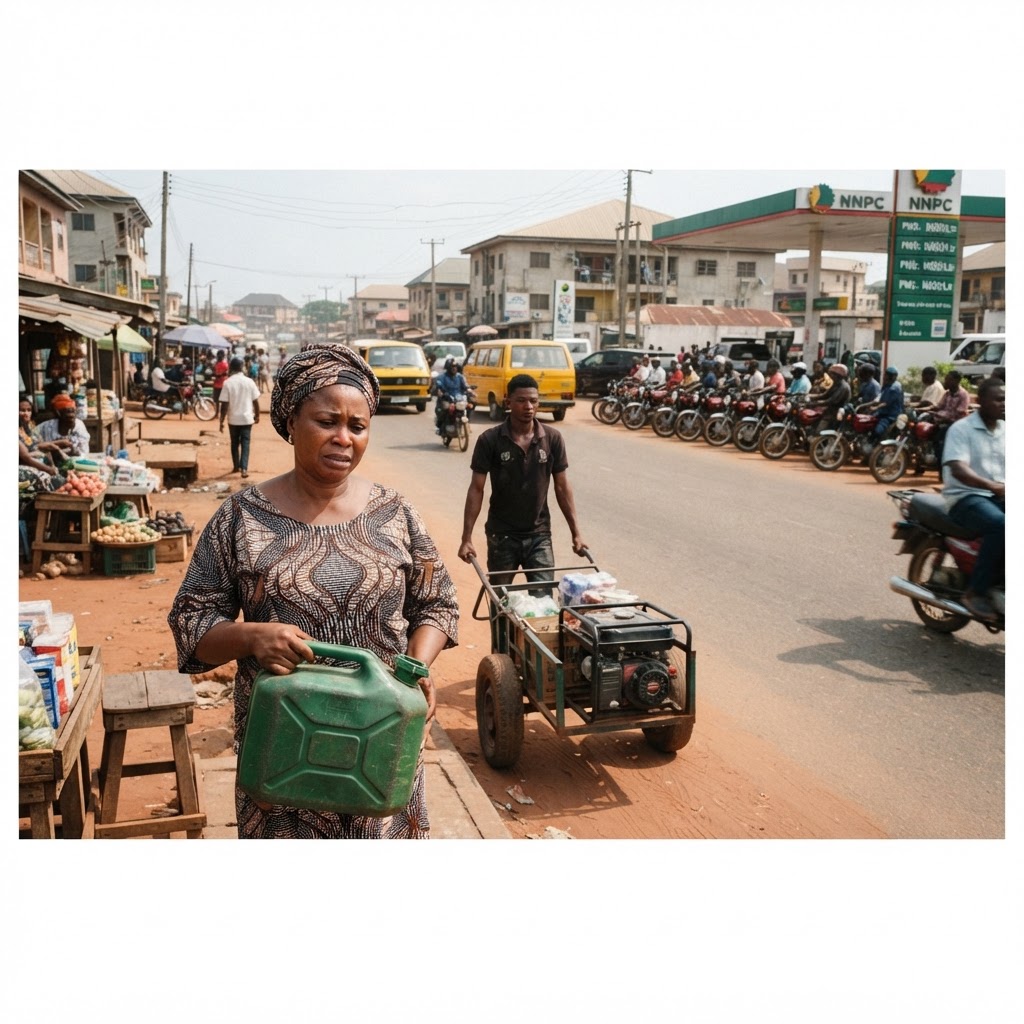
Petrol prices have crossed a psychological line that many Nigerians once thought impossible. At ₦1,400 per litre in several states, rising petrol prices are reshaping how households spend, how businesses operate, and how communities survive. What was once an occasional headline about fuel scarcity h...
48 Months Without Full Pension Payments: Imo Pensioners
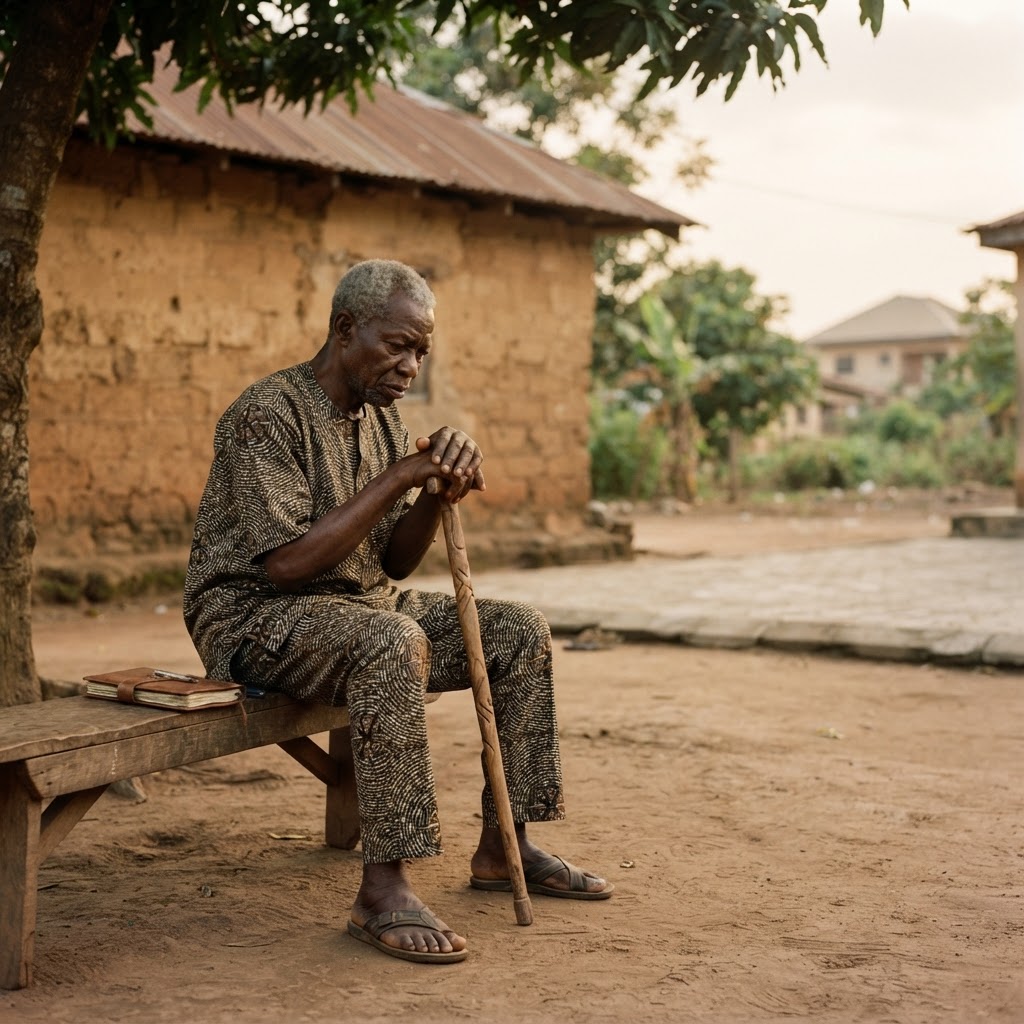
Retirement should bring peace, not financial anxiety. Yet across Imo State, thousands of elderly civil servants say their golden years have turned into a struggle for survival. The situation described in "48 Months Without Full Pension Payments: Imo Pensioners Demand Answers" reflects a deepening cr...

Ondo Alcohol Deaths: What Is Methanol and How Can Nigerians Avoid Poisoning?
The deaths in Ondo State have sent shockwaves across Nigeria. At least 48 people lost their lives after consuming what appeared to be ordinary local alcoholic drinks. Hundreds more were hospitalised, some permanently blinded, others left fighting for their organs. The National Agency for Food and Dr...
How Igbo communities fund development projects
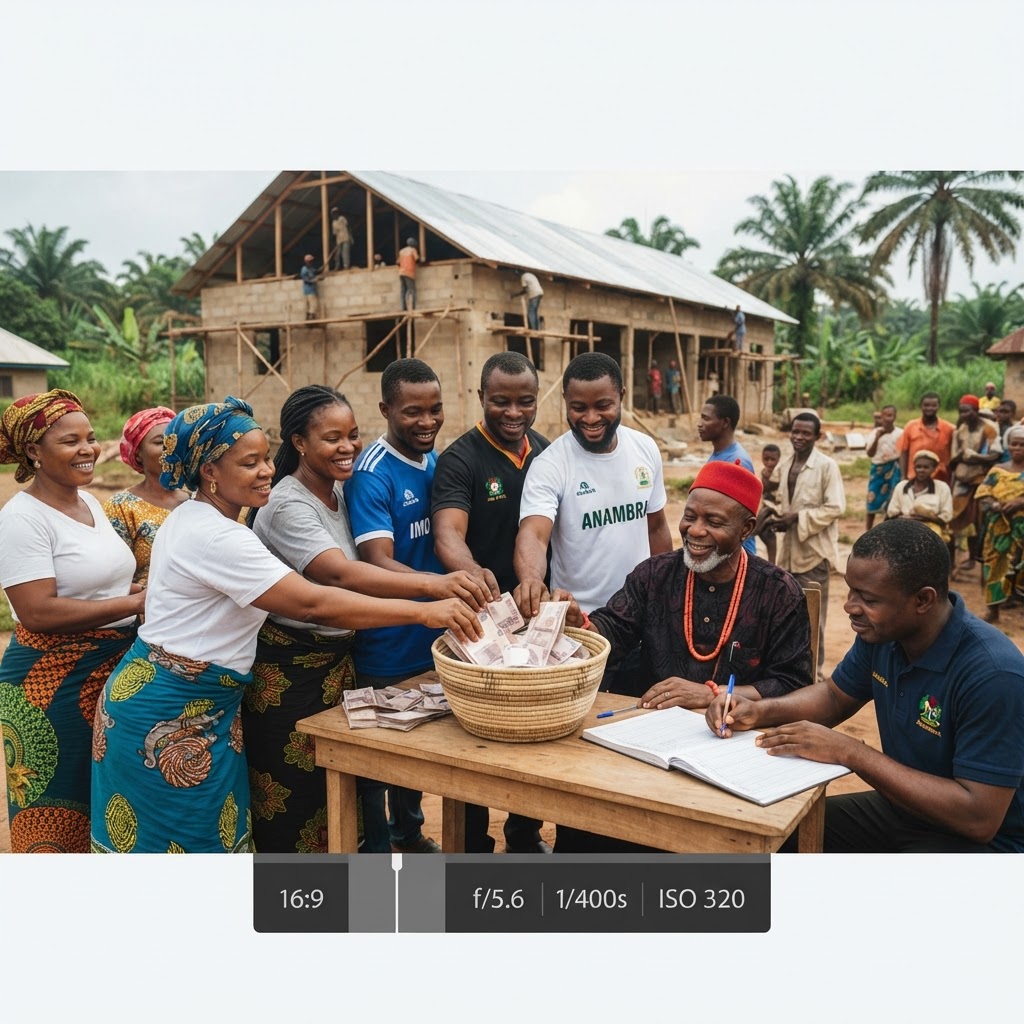
Across southeastern Nigeria, roads are tarred, schools are built, and boreholes are sunk — not by government contractors, but by communities pooling resources together. This phenomenon is neither accidental nor recent. It is the product of centuries-old cultural philosophy, refined institutional str...

Imo Erosion Crisis: Mbieri Communities Demand Urgent Government Action
The ground beneath Mbieri is literally disappearing. In Mbaitoli Local Government Area of Imo State, advancing gullies are swallowing roads, threatening homes, and pushing one of southeastern Nigeria's most resilient communities toward an environmental breaking point. Residents are no longer waiting...

Imo State Emergency Contacts Directory
Emergencies do not send advance notice. Whether it is a road traffic accident along the Owerri-Onitsha expressway, a fire outbreak in a densely populated neighbourhood, or a sudden medical crisis in one of Imo State's rural local government areas, the difference between life and death often comes do...
Imo Waste Collection Services Compared
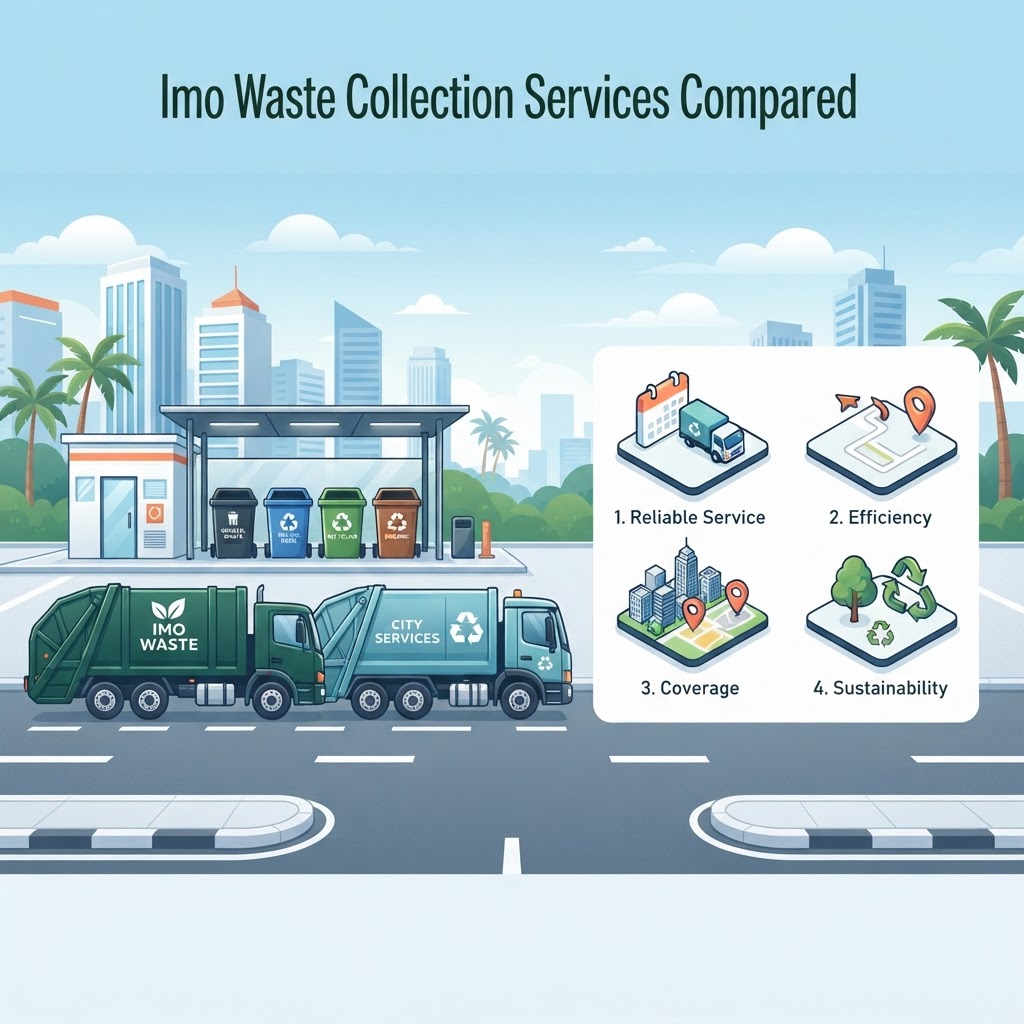
Waste management sits at the intersection of public health, economic productivity, and community dignity. For residents of Imo State, particularly those living in the expanding urban corridors of Owerri, the question of who collects refuse — and how reliably they do it — is not a minor administrativ...

KoboTutor: How a Nigerian EdTech Platform Is Bringing Personalised Learning to Students
Nigeria's education sector stands at a crossroads. With over 13 million out-of-school children and chronic underfunding in public education, the pressure on students who do attend school is immense. For the millions sitting JAMB, WAEC, and NECO examinations each year, the stakes could not be higher....