Powered by Obi Mbieri Independent Media Ltd · eziokwubundu.com
$1 = ₦1,329€1 = ₦1,507£1 = ₦1,763Imo Government to Support 100 More Communities
OKOBI is reshaping how everyday Imo residents build wealth from their own villages. The latest expansion, tagged OKOBI: 100 More Imo Communities Set to Receive Government Support, signals a new chapter in Governor Hope Uzodimma's push for grassroots prosperity. For Nigerian families and community le...

OKOBI is reshaping how everyday Imo residents build wealth from their own villages. The latest expansion, tagged OKOBI: 100 More Imo Communities Set to Receive Government Support, signals a new chapter in Governor Hope Uzodimma's push for grassroots prosperity. For Nigerian families and community leaders watching Imo State closely, this development matters far beyond politics. The addition of 100 More communities to the scheme is not a symbolic gesture; it is a structural expansion of an economic model that has already begun changing how ordinary households think about income, ownership, and collective effort.
What Is The OKOBI Initiative?
OKOBI stands for "One Kindred, One Business." It is a community-driven entrepreneurship model launched by Governor Hope Uzodimma to democratize business ownership across Imo State. Rather than waiting for government jobs, kindreds and families are encouraged to pool resources and start viable enterprises together. The decision to bring 100 More communities into this framework reflects growing confidence that the model works at scale, not just in pilot form.
The philosophy behind OKOBI draws from traditional African communal values. In many Igbo communities, kindreds have historically organized collective efforts for farming, building, and mutual support. OKOBI simply channels that same spirit into modern business formation, blending culture with commerce. Extending the initiative to 100 More communities means that this cultural logic is now being tested and reinforced across an even wider geographic and social spread within the state.
According to Gazette NGR, Governor Uzodimma recently affirmed his administration's commitment as 100 additional communities join the scheme. This expansion builds on an existing mandate covering all 655 autonomous communities in Imo State. That scale is significant. It means nearly every recognized community unit in the state now has a pathway to structured, government-backed enterprise development, and the arrival of 100 More participating communities pushes that coverage closer to completion.
For readers unfamiliar with the program's earlier rollout, the piece on 65 Imo Businesses Await OKOBI Initiative Registration offers useful context on how registration and vetting work. This latest announcement extends that momentum, reinforcing that OKOBI is not a one-time pilot but a sustained state policy. Bringing 100 More communities into the fold demonstrates that the government intends to institutionalize the program rather than treat it as a short-term political showcase. It reflects a broader strategy of turning inherited communal identity into economic opportunity for ordinary families.
How Does OKOBI Drive Prosperity?
OKOBI represents a philosophical shift. Instead of individuals chasing scarce jobs, kindreds now create jobs collectively. This reorientation matters in a state where youth unemployment has long pushed young people toward cities or abroad. With 100 More communities now eligible for support, thousands of additional households gain access to a structured alternative to migration-driven survival strategies.
The program focuses heavily on agribusiness, agro-processing, and micro-manufacturing. These sectors suit Imo's rural landscape and existing skills base. Cassava processing, poultry farming, palm oil production, and small-scale manufacturing are common OKOBI enterprise categories, according to state government briefings. As 100 More communities begin drafting their own enterprise proposals, expect these same sectors to dominate early applications, simply because they match existing local expertise and available raw materials.
Financially, the numbers are substantial. The initiative is anchored by a reported N600 billion enterprise development scheme, supported in part by international partners including Calpe Labs and AfriBA. This funding structure is designed to provide grants, technical support, and market access rather than simple handouts. It positions each kindred as a micro-enterprise capable of scaling over time. The inclusion of 100 More communities in this funding pipeline suggests the state expects the scheme's financial backbone to stretch further without diluting support for earlier participants.
This is where OKOBI aligns naturally with Eziokwubundu's "Health + Wealth + Community" pillar. Economic stability in rural households often translates directly into better nutrition, improved access to healthcare, and reduced stress-related illness. When a kindred earns steady income from a shared poultry farm or processing unit, that money frequently funds school fees, medical bills, and better housing. Multiply that effect across 100 More communities, and the potential public health dividend becomes difficult to ignore.
Community cohesion also strengthens as families work toward shared goals. This mirrors concerns raised in Imo Flood Crisis: Which Communities Are Most Vulnerable?, where economic resilience is shown to affect a community's capacity to recover from shocks. Stronger local businesses mean stronger safety nets when disaster strikes, and as 100 More communities build these safety nets, the state's overall disaster-response resilience should improve incrementally as well.
Why Is This Model Scaling Nationally?
OKOBI's local success has attracted attention well beyond Imo State. The Federal Government has reportedly begun studying the model as a tool to tackle national unemployment. Nigeria's youth unemployment rate remains a pressing concern, and community-based enterprise creation offers a scalable, culturally rooted alternative to conventional job schemes. The decision to onboard 100 More communities in Imo alone provides a useful data set for national policymakers evaluating whether kindred-based cooperatives can work at larger scale elsewhere.
Human capital development is central to this national interest. Nigeria has consistently ranked low on the World Bank Human Capital Index, and policymakers are exploring models that improve both income and skills simultaneously. OKOBI's structure, which blends training with capital access, fits that dual mandate well. As 100 More communities enter the pipeline, the state will need to demonstrate that training capacity can keep pace with enrollment growth.
The Office of the Vice President has also endorsed aspects of the model, according to public statements referenced in the Gazette NGR report. Officials have noted its alignment with national priorities such as digital adoption, gender equity, and rural inclusion. This kind of federal attention becomes even more relevant when placed alongside other governance conversations happening across Nigeria, such as the debate detailed in Osun Assembly Approves State Police Bill, where subnational governments are increasingly asserting localized control over public priorities. OKOBI's expansion to 100 More communities fits this broader pattern of states designing their own solutions rather than waiting solely on federal intervention.
If Imo's experience proves replicable, other states may adapt kindred-based cooperative structures to their own cultural contexts. This would mark a significant shift from top-down job creation toward grassroots, community-owned economic strategy nationwide. Whether other states can successfully replicate a model that just added 100 More participating communities in a single expansion phase remains an open question worth monitoring.
Featured Products
Chukwu Abiama Tee
Bold black-and-gold Igbo-pride T-shirt featuring 'Chukwu Abiama' in premium streetwear typography.
₦15,000
Buy NowReverse Type 2 Diabetes & other associated Metabolic Issues using Dr. Jason Fung's Evidence-Based Approach— FMD program for Type 2 Diabetes
A practical fasting and fasting-mimicking programme built on Dr Jason Fung's insulin-resistance principles and ow-glycemic recipes.
₦19,950
Join NowỤmụ Igbo Tee
Classic black T-shirt with bold white 'Ụmụ Igbo' typography — a proud statement of Igbo heritage.
₦15,000
Buy NowNwanne Tee
Washed khaki vintage tee with a faded rust-orange 'Nwanne' stamp badge and palm leaf motif — a nod to kinship and heritage.
₦18,000
Buy NowObodo Tee
Faded denim-blue washed tee with a cream 'Obodo' stamp badge and sun motif, celebrating community roots.
₦18,000
Buy NowEkwe Heritage Tee
Deep indigo tee featuring a fine line-art illustration of a traditional Igbo ekwe drum, inspired by Igbo-Ukwu bronze artistry.
₦18,000
Buy NowIkenga Figure Tee
Forest green tee with a fine line-art illustration of a stylized Ikenga figure.
₦18,000
Buy NowWho Is Supporting This Movement?
No initiative of this scale succeeds without strong partnerships. Several private and public sector players have stepped in to support OKOBI's growth, each contributing a distinct layer of value. Their combined involvement gives the program both financial depth and infrastructural reach, which becomes especially important now that 100 More communities require onboarding support simultaneously.
Key supporters include:
- FirstBank, providing financial inclusion services and SME support tailored to OKOBI beneficiaries, including access to business accounts and micro-loans.
- IHS Nigeria, supporting community-driven infrastructure projects that underpin local economic activity, such as connectivity and power access.
- Calpe Labs and AfriBA, international partners contributing to the N600 billion enterprise development scheme mentioned earlier.
- The Imo Economic and Investment Summit, which serves as a platform for attracting global investors interested in monitoring and funding grassroots ventures.
The Imo Economic and Investment Summit deserves particular attention. It functions as a bridge between local kindred enterprises and international capital markets. Investors attending such summits often seek measurable outcomes, transparent governance, and clear growth pathways, all of which OKOBI's structured framework aims to provide. With 100 More communities joining, investors will likely watch closely to see whether governance quality holds steady as the program scales.
This layered support system echoes broader national conversations about infrastructure gaps, similar to those raised in Why Nigeria Faces an Ongoing Power Supply Crisis. Reliable power and connectivity remain essential for any rural enterprise hoping to scale beyond subsistence level. Partners like IHS Nigeria addressing these gaps directly strengthens OKOBI's long-term viability, particularly as 100 More communities — many in areas with historically weaker infrastructure — begin building their own enterprise foundations.
Transparency also matters at the financial oversight level. National scrutiny around misuse of public funds, as highlighted in 61 Nigerian Officials Tied to $271M US Properties, reminds state-level program administrators that public trust hinges on accountable stewardship of enterprise funds. As OKOBI extends its N600 billion scheme to 100 More communities, maintaining clean, auditable disbursement processes will be essential to preserving public confidence.
How Can Your Community Participate?
For community leaders and youth professionals eager to benefit, participation starts with organization. Kindreds must first formalize themselves into recognized cooperative societies or kindred-based business units. This step is essential for accessing government registration and funding channels, and it becomes especially relevant for the 100 More communities now eligible to apply.
Consider these practical starting points for interested communities:
- Identify a kindred coordinator or committee to liaise with local government and OKOBI registration officers.
- Conduct a resource audit of land, skills, and existing small trades within the kindred.
- Align proposed business ideas with the state's focus areas, particularly digital economy tools and modern agricultural practices.
- Register formally through the appropriate state channels, referencing guidance similar to that used by earlier OKOBI participants.
Digital alignment matters increasingly. Programs like SkillUpImo are training residents in digital skills, and enterprises that integrate basic e-commerce, mobile banking, or digital record-keeping tend to perform better long-term. Entrepreneurs should also consider modern agricultural techniques, such as improved seed varieties and mechanized processing, to increase yield and profitability. As 100 More communities prepare their applications, those that invest early in digital literacy are likely to move through registration and funding stages more efficiently.
This is the essence of "Practical Prosperity" — identifying tangible local resources, whether farmland, artisanal skills, or raw materials, and converting them into sustainable ventures. A kindred with access to palm trees, for instance, might explore palm oil processing rather than raw fruit sales alone, capturing more value locally. Multiply that single example across 100 More communities with varying resource bases, and the cumulative economic effect could be substantial.
Community leaders should also study governance lessons from other Imo institutions. The situation described in Contempt Proceedings Against Ohohia General Assembly underscores why transparent, accountable leadership structures matter when managing collective resources. Similarly, the documentation disputes explored in Obi-Mbieri Letter: Two Versions Spark Authentication Doubt illustrate how easily authenticity and governance disputes can derail community initiatives when record-keeping is weak. OKOBI cooperatives among the 100 More newly enrolled communities should prioritize clear record-keeping and democratic decision-making from the outset to avoid similar disputes.
Security considerations also deserve attention. Some rural areas face genuine safety concerns that could complicate business operations, as outlined in Imo Insecurity: Seven Communities Face Renewed Kidnap Threat. Communities among the 100 More joining OKOBI should factor local security realities into their business planning, particularly for enterprises requiring visible infrastructure or regular transport of goods.
What Is The Future Of Imo?
Imo State's transformation extends beyond OKOBI alone. Healthcare access has improved in several local government areas, and digital literacy programs like SkillUpImo are equipping young people with employable skills. Education has also seen renewed investment, as reflected in Imo Approves Recruitment of 6,030 Teachers Across 27 LGAs. Interestingly, workforce mobility challenges are not unique to Imo; even skilled professionals abroad face barriers, as shown in UK Blocks Nigerian and Ghanaian Teachers From QTS, which underscores why building strong local opportunity — through programs reaching 100 More communities — matters so much for retaining talent at home.
The long-term vision is a future-ready economic hub. In this vision, rural dwellers gain access to both capital and essential services, not one at the expense of the other. This holistic approach mirrors Eziokwubundu's own mission of linking individual success to collective progress. As the state welcomes 100 More communities into this framework, the real test will be whether infrastructure, funding, and governance capacity can expand proportionally alongside enrollment numbers.
As more communities join OKOBI, families across Imo State stand to benefit from steadier incomes, stronger local institutions, and improved wellbeing. The initiative demonstrates that informed, community-first action can drive real economic change. The onboarding of 100 More communities is best understood not as an isolated announcement but as a continuation of a policy trajectory that began with the state's original 655-community mandate. For readers everywhere, tracking programs like OKOBI: 100 More Imo Communities Set to Receive Government Support offers a practical lesson: prosperity often begins at home, one kindred at a time, and sometimes it simply takes 100 More willing communities to prove that a model truly works.
Stay Informed
Get New Articles in Your Inbox
Subscribe to receive the latest community development, health, and wealth insights from Eziokwubundu.
Newsletter
Practical insights on health, wealth, and community — delivered weekly.
Community Discussion(0)
Leave a Comment
More to Read
You May Also Like
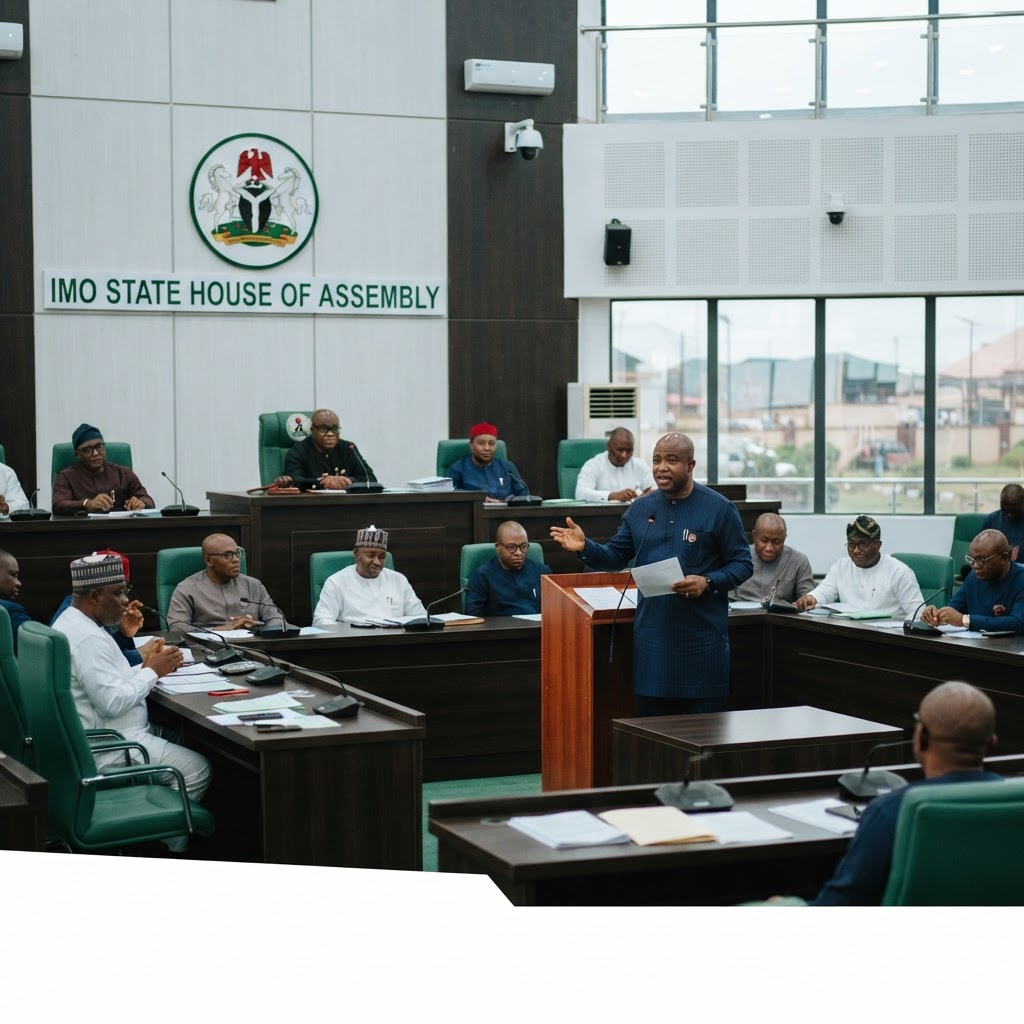
Imo Assembly Amends Local Government Law Amid Tenure Expiry
Local government administration in Imo State is entering a critical transition period, and lawmakers are moving quickly to keep governance stable. The Imo Assembly has amended the local government law governing council administration as tenures near their end, signaling a decisive shift in how the s...
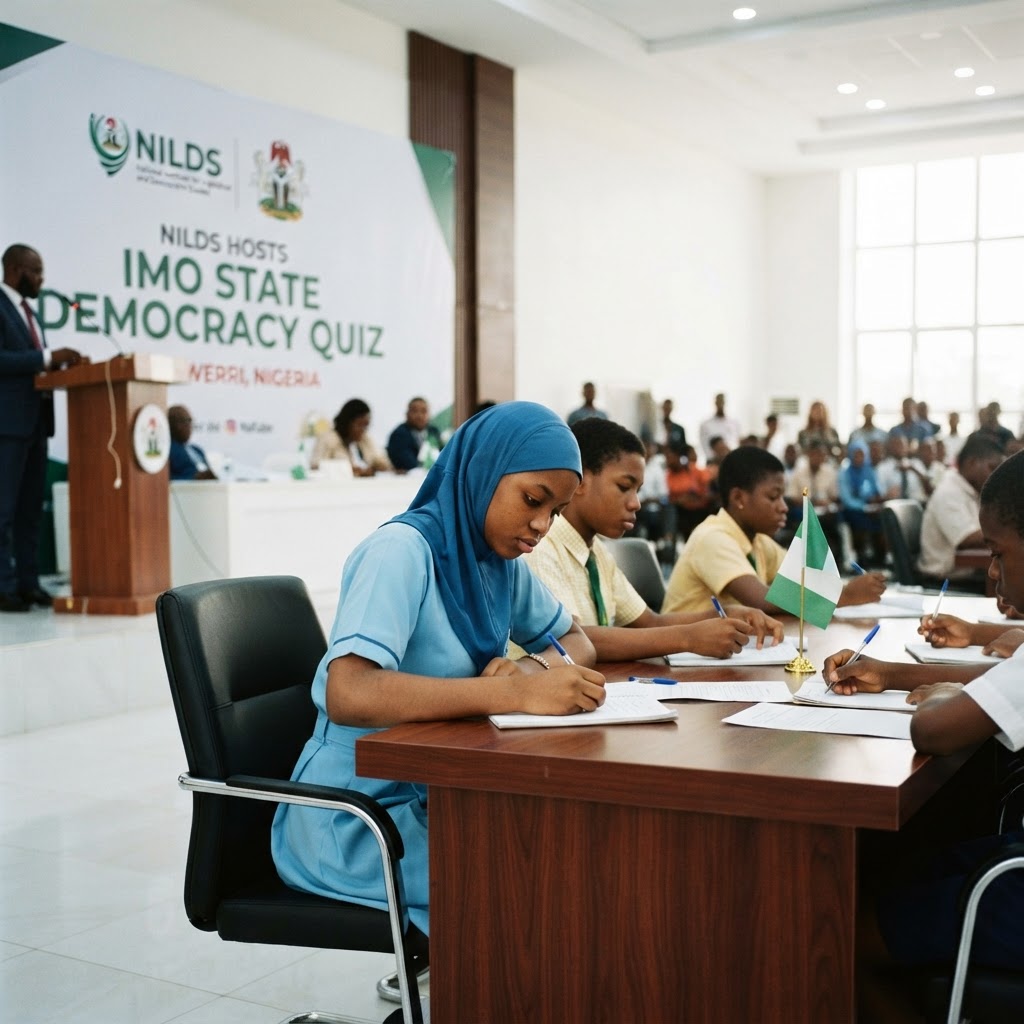
NILDS Hosts Imo State Democracy Quiz in Owerri
Nigerian classrooms rarely get a front-row seat to national lawmaking, but Owerri just changed that. NILDS Holds Imo Legislature and Democracy Quiz Competition in Owerri, giving secondary school students a rare, real-world lesson in governance and civic duty. The event drew attention from educators,...

Tinubu Returns to Nigeria After 28-Day Working Vacation
Nigerians woke up to major headlines this week. Tinubu Returns to Nigeria After 28-Day Working Vacation, and the story is sparking conversations from Lagos to London about leadership, health, and governance. For families balancing daily hustle with national headlines, this update matters more than i...

Public Workers Plan October 2 Strike Over Wages and Fuel
Nigeria stands at another economic crossroads as labour unions signal a nationwide showdown. Families are bracing for disruption, businesses are recalculating budgets, and communities are asking hard questions about survival. This is the story behind why the October 2 strike is dominating national c...

CCB Investigates Assets of 50 Top Nigerian Officials
A quiet compliance exercise inside a government agency rarely makes headlines, yet this one does. Nigerians are watching closely as the Code of Conduct Bureau digs into the Assets of the country's most powerful public servants, and the scrutiny is reshaping conversations about integrity in public of...

Owerri Hosts Interswitch TechConnect 6.0 Today
Nigeria's fintech landscape is entering a bold new phase of regional expansion. Owerri Hosts Interswitch TechConnect 6.0 Today, marking a historic milestone for South-East Nigeria's digital economy. This landmark gathering brings together innovators, policymakers, and entrepreneurs to reshape the na...

EFCC Declares Ex-Pension Boss Maina Wanted Again
The name Abdulrasheed Maina has resurfaced in Nigeria's anti-corruption headlines once again. In a fresh development that has caught public attention, EFCC Declares Ex-Pension Boss Maina Wanted Again, reigniting a saga that has spanned over a decade. For Nigerian families who depend on pension syste...

Osun Assembly Approves State Police Bill
The security conversation in Nigeria has taken a decisive turn. Lawmakers across the country are now voting on a reform that could reshape how communities are protected, starting from the grassroots. The Osun Assembly Approves State Police Bill, joining a growing list of states pushing for decentral...

Imo Approves Recruitment of 6,030 Teachers Across 27 LGAs
Imo State has taken a bold step toward transforming its public education system. Governor Hope Uzodimma has approved the recruitment of 6,030 teachers across the state's 27 Local Government Areas, a move many residents have awaited for years. This decision, widely reported by Vanguard(https://www.va...

CBN Cuts Interest Rate to 23%: Impact on Nigerians
Nigerians woke up to significant financial news this week. The Central Bank of Nigeria has made a bold move that could reshape household budgets and business plans alike. This shift, widely covered as CBN Cuts Interest Rate to 23% — What It Means for Nigerians and Businesses, deserves a closer look ...