Powered by Obi Mbieri Independent Media Ltd.
$1 = ₦1,353€1 = ₦1,486£1 = ₦1,775Oyo Kidnap Crisis: Monarch Demands Police Post Upgrade After
A quiet corner of Oyo State became a national flashpoint this year. Armed men stormed three schools, dragging pupils and teachers into captivity for weeks. The Oyo Kidnap Crisis: Monarch Demands Police Post Upgrade After Pupils' Abduction has since dominated headlines nationwide, forcing families, c...
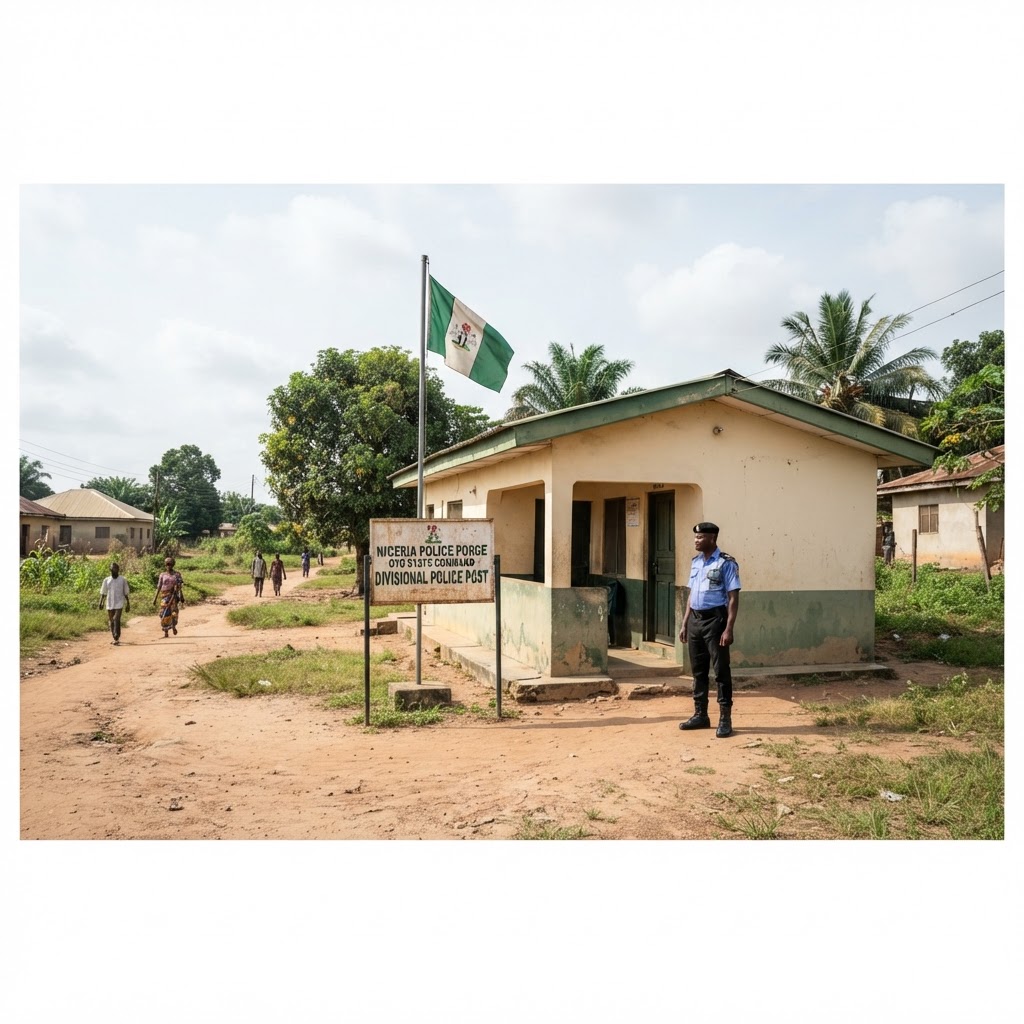
A quiet corner of Oyo State became a national flashpoint this year. Armed men stormed three schools, dragging pupils and teachers into captivity for weeks. The Oyo Kidnap Crisis: Monarch Demands Police Post Upgrade After Pupils' Abduction has since dominated headlines nationwide, forcing families, community leaders, and policymakers to confront uncomfortable truths about rural security in Nigeria. What began as a localized security failure has evolved into a national conversation about how Nigeria protects its most vulnerable citizens, and the Oyo kidnap crisis now stands as a case study in both the failures and the possibilities of Nigeria's security architecture.
Why Is Security Failing Our Schools?
On May 15, 2026, gunmen invaded three schools in Oriire Local Government Area, Oyo State. They abducted pupils and teachers in a coordinated, brazen attack. The victims endured a harrowing 56-day ordeal before their eventual rescue in July. For nearly two months, families lived in agonizing uncertainty, unsure whether their children and loved ones would return alive.
Public anger grew as days turned into weeks. The Take-It-Back Movement organized protests demanding government action. The Nigeria Union of Teachers (NUT) also mobilized, calling for urgent intervention and better protection for educators nationwide. Placards referencing the Oyo kidnap crisis appeared at rallies in Ibadan and Lagos, signaling that the incident had transcended its local origins to become a symbol of broader national frustration with insecurity.
Tragedy struck during the captivity. Mr. Michael Oyedokun, one of the abducted teachers, was murdered by his captors. His death underscored the brutal human cost of Nigeria's rural insecurity crisis. It also intensified calls for accountability from security agencies and government officials. His name became a rallying point for activists demanding that the Oyo kidnap crisis not fade from public memory the way so many previous security failures have.
This incident, detailed in a Punch Newspapers report, reflects a troubling pattern. Schools, once considered safe havens, have become targets. Nigerian families now question whether existing security architecture can protect their children. The answer, unfortunately, remains uncertain without structural reform. Education stakeholders across the South-West have begun reviewing their own emergency protocols, citing the Oyo kidnap crisis as a wake-up call that no community can afford to ignore.
Can Traditional Rulers Secure Villages?
Traditional rulers occupy a unique position in Nigerian security architecture. They are often the first point of contact when trouble brews in rural communities. Their palaces receive early warnings long before formal security agencies do, and their networks of informants stretch into farmlands, forests, and settlements that official patrols rarely reach.
Following the Oriire abductions, the affected monarch publicly demanded stronger government support. He called for palaces to be equipped with better resources for swift response during security breaches. This request highlights a recurring gap between traditional intelligence networks and formal law enforcement capacity, a gap that the Oyo kidnap crisis exposed in painful detail.
Monarchs across South-West Nigeria have echoed similar concerns. They argue that community leaders understand local terrain and social dynamics better than distant security commands. Empowering them with communication tools and rapid-response mechanisms could reduce response times significantly. Several traditional rulers have since called for a formal review of how palaces are integrated into state security planning, arguing that the lessons of the Oyo kidnap crisis must inform future policy rather than simply generating temporary sympathy.
Collaborative dialogue is essential moving forward. South-West governors, traditional rulers, and security forces must coordinate more closely to repel banditry. Groups like the Western Nigeria Security Network, popularly known as Amotekun, already demonstrate how regional cooperation can strengthen grassroots security. Similar frameworks, discussed in pieces like CARSPO 2026: Why Nigeria's Police Chiefs Are Converging on Owerri, show growing recognition that unified strategy matters. Just as police chiefs are converging to harmonize national security strategy, the Oyo kidnap crisis suggests that regional bodies like Amotekun could be given greater authority and funding to act decisively before abductions escalate into prolonged hostage situations.
Why Upgrade Local Police Posts?
The monarch's central demand was clear: upgrade the police post serving Oriire and similar vulnerable areas. Faster response times could have altered the outcome of the abduction. Every minute matters when armed groups strike rural communities, and the delayed response witnessed during the Oyo kidnap crisis has become a textbook example of why infrastructure gaps cost lives.
Current rural policing infrastructure remains ill-equipped for modern threats. Bandits now operate with motorcycles, sophisticated weapons, and encrypted communication. Many local police posts lack vehicles, personnel, and even reliable network connectivity to respond effectively. In some parts of Oriire, officers reportedly had to rely on personal phones and borrowed transportation just to relay information up the chain of command during the earliest hours of the crisis.
Nigeria's security challenges are not new, but they are evolving. According to the Nigeria Police Force, rural divisions often serve vast territories with limited manpower. This mismatch between area coverage and available resources creates dangerous security gaps that criminals readily exploit. The Oyo kidnap crisis has reignited debate over whether Nigeria's policing model, largely designed decades ago, can realistically cope with today's mobile, well-armed criminal networks.
Better-equipped local posts would serve multiple functions. They act as visible deterrents against opportunistic attacks. They also strengthen the vital link between community intelligence and federal security agencies. A well-resourced post can:
- Deploy rapid-response teams within minutes, not hours.
- Maintain real-time communication with state command centers.
- Coordinate directly with traditional rulers and community vigilantes.
- Support forensic evidence collection for prosecution.
Without these upgrades, similar tragedies remain likely across Nigeria's rural belt. Analysts following the Oyo kidnap crisis warn that unless state and federal authorities commit real budgetary resources to rural policing, the pattern of delayed intervention seen in Oriire will simply repeat itself elsewhere, with different victims and different headlines but the same underlying failures.
Featured Products
Reverse Type 2 Diabetes & other associated Metabolic Issues using Dr. Jason Fung's Evidence-Based Approach— FMD program for Type 2 Diabetes
A practical fasting and fasting-mimicking programme built on Dr Jason Fung's insulin-resistance principles and ow-glycemic recipes.
₦19,950
Join NowChukwu Abiama Tee
Bold black-and-gold Igbo-pride T-shirt featuring 'Chukwu Abiama' in premium streetwear typography.
₦15,000
Buy NowỤmụ Igbo Tee
Classic black T-shirt with bold white 'Ụmụ Igbo' typography — a proud statement of Igbo heritage.
₦15,000
Buy NowNwanne Tee
Washed khaki vintage tee with a faded rust-orange 'Nwanne' stamp badge and palm leaf motif — a nod to kinship and heritage.
₦18,000
Buy NowObodo Tee
Faded denim-blue washed tee with a cream 'Obodo' stamp badge and sun motif, celebrating community roots.
₦18,000
Buy NowEkwe Heritage Tee
Deep indigo tee featuring a fine line-art illustration of a traditional Igbo ekwe drum, inspired by Igbo-Ukwu bronze artistry.
₦18,000
Buy NowIkenga Figure Tee
Forest green tee with a fine line-art illustration of a stylized Ikenga figure.
₦18,000
Buy NowHow Was The Rescue Executed?
The rescue operation, executed on July 10, 2026, marked a turning point in this crisis. Military personnel, police operatives, and the Department of State Services (DSS) collaborated on a joint mission. Their coordinated effort ultimately secured the release of all remaining captives. For many observers, this multi-agency cooperation offered a rare bright spot within the otherwise grim narrative of the Oyo kidnap crisis.
The Presidency confirmed that no concessions were made during negotiations. No ransom exchange occurred, according to official statements. This distinction matters significantly for Nigeria's broader anti-kidnapping strategy, since ransom payments often fund further criminal operations. Government officials have pointed to the resolution of the Oyo kidnap crisis without ransom as evidence that intelligence-led operations can succeed where financial capitulation would only embolden future attackers.
Security forces arrested eight suspects during the operation. Several other suspected kidnappers were reportedly neutralized in the process. This outcome represents a notable success for intelligence-driven security operations, contrasting with previous cases where negotiations dragged on for months without resolution. The swift, decisive nature of the final operation has led some security commentators to describe the resolution phase of the Oyo kidnap crisis as a model worth studying for other troubled regions.
Intelligence gathering played a decisive role throughout the rescue mission. Community tips, traditional ruler networks, and technical surveillance combined to locate the captors' hideout. This multi-layered approach mirrors strategies discussed in NSCDC Deaths: What Happened Inside the Niger Detention Facility?, where coordinated agency response proved essential for resolving security incidents. It also echoes broader national efforts, such as those explored in CARSPO 2026: Why Nigeria's Police Chiefs Are Converging on Owerri, which emphasize inter-agency synergy as the backbone of effective Nigerian security operations.
What Is The Path To Justice?
Justice for victims remains an ongoing process. The DSS has re-arraigned suspected members of Ansaru, a militant group linked to numerous kidnapping incidents across northern and central Nigeria. These legal proceedings signal government commitment to accountability, and many families affected by the Oyo kidnap crisis are watching the courtroom developments closely, hoping for meaningful convictions rather than prolonged, inconclusive trials.
President Bola Tinubu publicly reaffirmed his administration's dedication to justice for victims and their families. His statements emphasized that impunity for kidnapping networks would not be tolerated. This political commitment matters, especially given widespread public frustration over previous unresolved cases. Whether this commitment translates into concrete legal outcomes will likely shape how the Oyo kidnap crisis is remembered in years to come, either as a turning point in accountability or another example of promises left unfulfilled.
Prosecuting high-profile gang leaders remains critical to breaking cycles of impunity. Many kidnapping networks operate through loosely connected cells. Removing leadership figures disrupts operational capacity and financing structures that sustain these criminal enterprises. Legal experts following the Oyo kidnap crisis argue that without dismantling these command structures entirely, arrests alone will do little to prevent future abductions in the same region.
Organizations like Human Rights Watch have long documented Nigeria's struggle with accountability in security-related cases. Sustained legal follow-through, rather than temporary public attention, ultimately determines whether justice reforms produce lasting deterrence. Community stakeholders and civil society groups must continue monitoring these proceedings closely, much as watchdog organizations do in other sectors, such as the scrutiny detailed in Donor Health Funds Under Scrutiny: Why a Civil Society Group Wants FBI, EFCC to Widen Probe, where sustained oversight remains essential to accountability.
How Can We Build Safer Futures?
Recovery extends beyond physical rescue. Rescued pupils and teachers require integrated psychosocial care and medical support. Trauma from prolonged captivity can affect mental health, academic performance, and family relationships for years afterward. Mental health professionals working with survivors of the Oyo kidnap crisis have noted symptoms consistent with post-traumatic stress, including sleep disturbances, anxiety, and difficulty returning to normal classroom routines.
Community health infrastructure must expand to meet this need. Programs highlighted in Affordable healthcare options for rural Nigerians demonstrate how accessible care models can support recovery, even in resource-constrained environments. Schools should partner with local clinics and counseling services moving forward, ensuring that the psychological aftermath of the Oyo kidnap crisis does not become a silent, unaddressed burden carried by traumatized children long after news cameras have moved on.
This crisis also reinforces Eziokwubundu's "Health + Wealth + Community" triangle. Safe schools support economic and educational growth simultaneously. Parents cannot build wealth or pursue opportunities if their children's safety remains uncertain. Community stability underpins every other form of progress. The Oyo kidnap crisis illustrates this triangle vividly: when schools shut down out of fear, local economies suffer, teachers lose income, and entire communities lose confidence in their own future.
Practical, community-led security initiatives offer a sustainable path forward. Blending traditional vigilance with modern, evidence-based policing strategies works better than relying on either approach alone. Local development models, similar to those explored in How Igbo communities fund development projects, show how communities can pool resources for collective security infrastructure. Just as some communities have organized to fund local development independently, others responding to the fallout of the Oyo kidnap crisis are exploring similar community-financed security patrols and communication networks.
Nigerian families, community leaders, and local organizations all have roles to play. Strengthening police posts, empowering traditional rulers, and investing in mental health support together create resilient communities. The Oyo Kidnap Crisis: Monarch Demands Police Post Upgrade After Pupils' Abduction should serve as a catalyst, not just a headline. Genuine reform requires sustained attention long after public outrage fades. Only then can Nigerian schools truly become the safe spaces every child deserves, and only then will the lessons of the Oyo kidnap crisis translate into lasting protection for the next generation of pupils and teachers across Nigeria's rural communities.
Stay Informed
Get New Articles in Your Inbox
Subscribe to receive the latest community development, health, and wealth insights from Eziokwubundu.
Newsletter
Practical insights on health, wealth, and community — delivered weekly.
Community Discussion(0)
Leave a Comment
More to Read
You May Also Like

Obi-Mbieri Mourns Engr. Vitalis Opara: Questions Emerge Over Community’s Silence
Engr. Vitalis Opara is identified as President General on the signature page of the Obi-Mbieri Autonomous Community Constitution 2020 as amended.
IMSU Lecturers Protest in Owerri, Appeal to Uzodimma to End
The streets of Owerri turned into a sea of white lab coats and placards this week. Hundreds of university lecturers walked out of their offices, choosing protest over silence. The IMSU Lecturers Protest in Owerri, Appeal to Uzodimma to End Months-Long Strike has become a defining moment for Imo Stat...

JAMB Candidates Can Now Change Course and Institution Online
Admission season often brings long queues and costly transport for Nigerian families. That burden has just eased. JAMB candidates can now change their institutions and courses from home, as the board announces a new digital correction service, giving students and parents fresh control over their aca...
House Summons NAFDAC and DSS Over Fake Drug Deaths
Four people are dead, eleven more are fighting for their lives, and a federal lawmaker wants answers now. Fake Drug deaths linked to a suspicious herbal concoction have pushed the House of Representatives to move decisively, summoning NAFDAC and the DSS in a case that is no longer a distant headline...

Prevent Kidney Disease With Regular Health Checks
Kidney health rarely makes headlines until a crisis hits a family. Yet understanding Kidney Disease: Why Regular Health Checks Can Help Prevent Serious Complications can save lives, protect household income, and strengthen community wellbeing across Nigeria. Kidney Disease often develops quietly ove...

Budget-Friendly Healthy Meal Prepping for Nigerians
Modern Nigerian families face the dual pressure of rising food prices and the need for better health outcomes. Learning how Nigerian families can(/article/nigerian-family-guide-to-reversing-type-2-diabetes) use meal prepping with local ingredients to eat healthy on a tight budget is a vital skill fo...

Beyond Degrees: Bridging Nigeria's Digital Skills Gap
Nigeria's graduates are flooding the job market faster than employers can absorb them. Yet many arrive with certificates but no practical digital competence. This is the heart of Digital Skills and Youth Employment: Why Nigerian Graduates Need More Than University Certificates.—a gap that is reshapi...
Senate Sends State Police Bill to Tinubu for Approval
Nigeria's security architecture is entering a new chapter. The headline development, State Police Bill: Senate Transmits Constitutional Amendment to Tinubu for Presidential Assent, signals a historic shift toward decentralized policing. For Nigerian families, entrepreneurs, and community leaders, th...
Diabetes in Africa: Why Routine Screening Is Vital
Imagine a disease that silently damages organs for years before anyone notices. That is the reality for millions living in Africa today. According to the latest report, Diabetes: Three Out of Four Africans Living With the Condition May Be Unaware – Why Screening Matters, and this gap in knowledge is...
Tinubu Orders Release of 78 Suspects in Convoy Attack
A single Friday afternoon in Abuja turned into a national talking point. News that President Tinubu Orders Release of 78 Suspects Arrested Over Attack on His Convoy in Abuja quickly spread across radio, television, and social media. For many Nigerian families, the story raised fresh questions about ...