Powered by Obi Mbieri Independent Media Ltd.
$1 = ₦1,353€1 = ₦1,486£1 = ₦1,775Stroke: Warning Signs and How to Reduce Your Risk
Every two seconds, someone somewhere suffers a stroke, and Nigeria is not exempt from this silent epidemic. Understanding Stroke: Warning Signs and How to Reduce Your Risk could mean the difference between a full recovery and lifelong disability for you or someone you love. This guide breaks down wh...
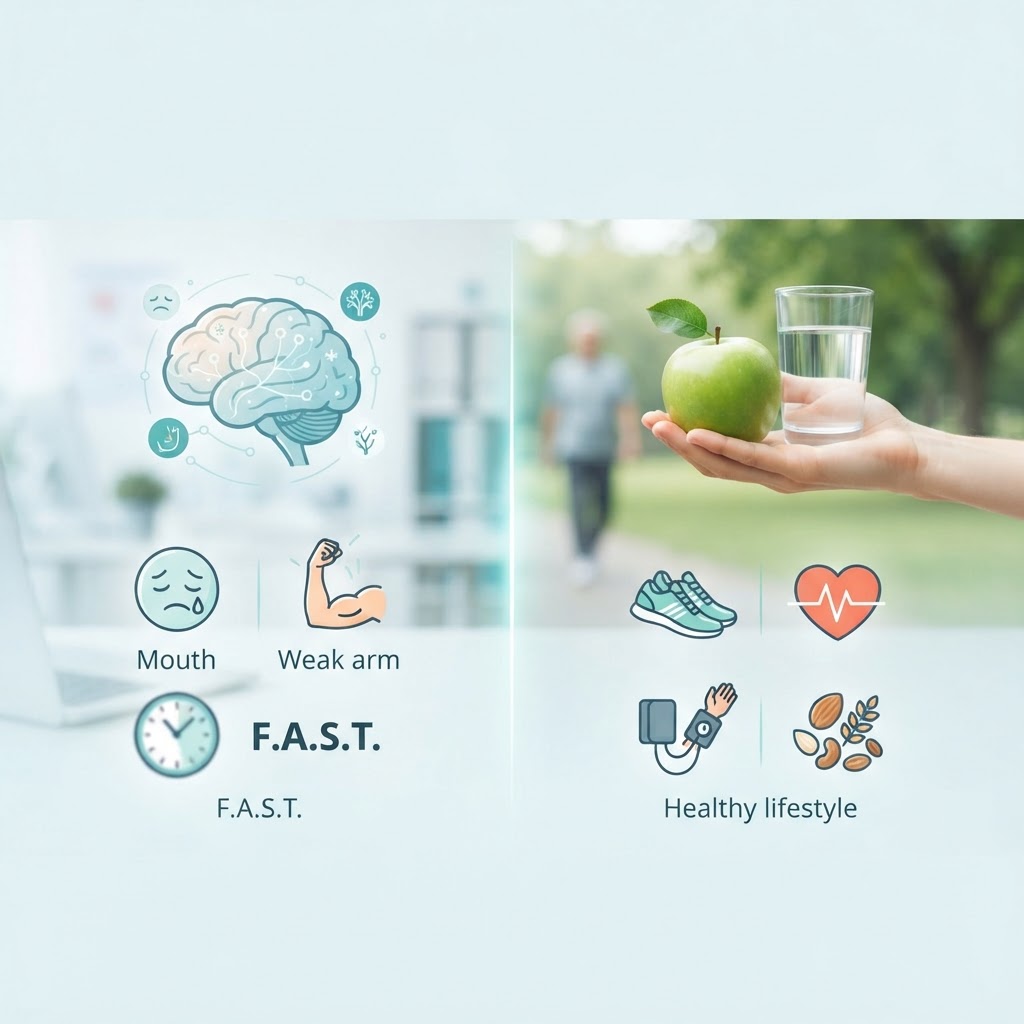
Every two seconds, someone somewhere suffers a stroke, and Nigeria is not exempt from this silent epidemic. Understanding Stroke: Warning Signs and How to Reduce Your Risk could mean the difference between a full recovery and lifelong disability for you or someone you love. This guide breaks down what every Nigerian family, entrepreneur, and community leader needs to know to act fast, recognize the Warning Signs early, and live healthier.
What Is A Stroke?
A stroke is a medical emergency. It happens when blood flow to the brain is blocked or a blood vessel bursts. Within minutes, brain cells begin to die from lack of oxygen. There are two major types: ischemic stroke, caused by a blocked artery, and hemorrhagic stroke, caused by a ruptured blood vessel bleeding into or around the brain. Although they have different causes, both are medical emergencies that require the same urgent response the moment Warning Signs appear.
There is also a milder warning version called a Transient Ischemic Attack (TIA). Doctors sometimes call it a "mini-stroke" because symptoms disappear within minutes or hours. However, a TIA is a serious signal. According to the World Health Organization, people who experience a TIA face a much higher risk of a full stroke within the following days or weeks. Recognizing the Warning Signs of a TIA is just as important as recognizing them during a full stroke, because early intervention at this stage can prevent a far more devastating event later on.
Time matters enormously. For ischemic strokes, which account for most cases, treatment within 4.5 hours of symptom onset can dramatically improve recovery outcomes. Delaying care even by an hour can increase the risk of permanent brain damage. This is why understanding Stroke: Warning Signs and How to Reduce Your Risk is not optional knowledge. It is a life-saving skill every household should have, much like knowing the early signals discussed in Diabetes: 10 Early Warning Signs You Should Not Ignore.
What Are The Warning Signs?
Recognizing stroke symptoms quickly saves lives. The most common warning signs appear suddenly and affect one side of the body more than the other. Recognizing the Warning Signs early can mean the difference between a full recovery and permanent disability, which is why every member of the household, from children to grandparents, should be able to memorize and recite them.
Medical professionals worldwide use a simple method to remember them. The following signs demand urgent attention:
- Face drooping: One side of the face feels numb or looks uneven when smiling.
- Arm weakness: One arm feels weak or drifts downward when raised.
- Speech difficulty: Speech sounds slurred or hard to understand.
- Time to call for help: If any sign appears, seek emergency care immediately.
This pattern is often taught as the F.A.S.T. method, promoted globally by bodies like the American Stroke Association.
Additional Warning Signs To Watch For
Beyond the classic F.A.S.T. symptoms, several other Warning Signs can appear alone or alongside them, and they should never be dismissed, especially in people with existing risk factors like hypertension or diabetes:
- A sudden, severe headache with no known cause, sometimes described as the worst headache of a person's life.
- Sudden trouble seeing in one or both eyes, including blurred, double, or blackened vision.
- Sudden dizziness, loss of balance, or difficulty walking.
- Sudden confusion, trouble understanding simple instructions, or difficulty finding the right words.
- Sudden numbness or tingling, especially on one side of the body, even without visible weakness.
These additional Warning Signs may be subtler than face drooping or arm weakness, but they carry the same urgency. Any combination of these symptoms, appearing suddenly, is a signal to seek emergency medical help immediately rather than waiting to see if they pass.
Unfortunately, in many Nigerian communities, these symptoms are misread. Sudden weakness or confusion is sometimes blamed on spiritual attacks or malaria. Because these Warning Signs can look like fatigue, drunkenness, or spiritual affliction to an untrained eye, families often waste precious minutes debating the cause instead of calling for help. This misunderstanding delays treatment and worsens outcomes. Studies suggest stroke awareness in Nigeria can be as high as 66% in some surveyed populations. Yet knowing the signs does not always translate into fast action, because cultural and religious beliefs often take priority over immediate medical response.
Why Is Stroke A Community Issue?
Stroke rarely affects just one person. When a breadwinner suffers a stroke, the entire family structure can collapse. Children's school fees, daily meals, and small business operations all depend on that one income source.
This is the heart of the "Health + Wealth" connection that Eziokwubundu champions. The financial burden of stroke rehabilitation, including physiotherapy, medication, and lost workdays, can quickly drain household savings. For entrepreneurs, a stroke can mean closing a shop permanently or losing years of hard-earned business growth. The cost of long-term rehabilitation can resemble a personal debt crisis, not unlike how Nigeria's External Debt Hits $145 Billion: What It Means for the wider economy illustrates, where unmanaged obligations compound over time and limit future growth and opportunity.
Communities also lose productivity when stroke survivors cannot return to work. This mirrors the ripple effects seen in other national crises, such as how Nigeria Electricity Output Falls to 3,549MW Amid Crisis disrupts livelihoods across entire regions. Health shocks and economic shocks are deeply connected. Just as the Imo LG Election Delay Sparks Electoral Certainty Concerns created uncertainty for an entire state, a delayed response to stroke Warning Signs creates lasting uncertainty for an entire family's future, affecting income, education, and emotional stability for years afterward.
Bridging traditional beliefs with modern medical prevention requires grassroots education. Community leaders, churches, mosques, and town unions can all play a role in spreading accurate information. When community-based education becomes part of everyday conversation, families respond faster to warning signs and save lives.
How Can You Reduce Your Risk?
The encouraging news is that most strokes are preventable. According to the World Health Organization, up to 80% of strokes can be avoided through lifestyle changes and better management of underlying conditions.
High blood pressure remains the single leading risk factor for stroke. Controlling it through diet, medication, and regular monitoring is essential. Readers can explore practical strategies in 10 Simple Ways to Control High Blood Pressure for a deeper breakdown of daily habits that protect the heart and brain.
Featured Products
Reverse Type 2 Diabetes & other associated Metabolic Issues using Dr. Jason Fung's Evidence-Based Approach— FMD program for Type 2 Diabetes
A practical fasting and fasting-mimicking programme built on Dr Jason Fung's insulin-resistance principles and ow-glycemic recipes.
₦19,950
Join NowChukwu Abiama Tee
Bold black-and-gold Igbo-pride T-shirt featuring 'Chukwu Abiama' in premium streetwear typography.
₦15,000
Buy NowỤmụ Igbo Tee
Classic black T-shirt with bold white 'Ụmụ Igbo' typography — a proud statement of Igbo heritage.
₦15,000
Buy NowNwanne Tee
Washed khaki vintage tee with a faded rust-orange 'Nwanne' stamp badge and palm leaf motif — a nod to kinship and heritage.
₦18,000
Buy NowObodo Tee
Faded denim-blue washed tee with a cream 'Obodo' stamp badge and sun motif, celebrating community roots.
₦18,000
Buy NowEkwe Heritage Tee
Deep indigo tee featuring a fine line-art illustration of a traditional Igbo ekwe drum, inspired by Igbo-Ukwu bronze artistry.
₦18,000
Buy NowIkenga Figure Tee
Forest green tee with a fine line-art illustration of a stylized Ikenga figure.
₦18,000
Buy NowBeyond blood pressure, a few additional habits make a measurable difference. Consider the following priorities:
- Eat a diet low in saturated fats and salt, favoring vegetables, fruits, and whole grains.
- Engage in at least 150 minutes of moderate physical activity weekly, as recommended by global health bodies.
- Avoid tobacco use and limit alcohol consumption significantly.
- Monitor blood sugar levels, since uncontrolled diabetes raises stroke risk substantially.
- Manage stress through rest, community support, and, where needed, professional counseling.
Just as FG Promises Improved Power Supply Within 72 Hours illustrates how quickly a crisis can be addressed when there is urgency and coordinated action, stroke risk can also be reduced quickly when individuals commit to meaningful lifestyle changes today rather than waiting for a diagnosis to force their hand. Recognizing your personal risk factors is just as important as recognizing the Warning Signs themselves, because true prevention starts long before any symptom ever appears.
Technology is also changing the prevention landscape. Mobile health (mHealth) tools and digital risk calculators now allow Nigerians to assess personal stroke risk from a smartphone. These tools analyze factors like age, blood pressure, and family history to generate a personalized risk score.
Interestingly, research shows that 84% of Nigerians express strong interest in knowing their stroke risk. Yet only about 30% actually follow through with screening activities. This gap between interest and action represents a major opportunity for community health campaigns to close.
What Are The Barriers To Prevention?
Despite growing awareness, several barriers prevent Nigerians from taking preventive action. Financial constraints top the list. Many families operate under a "cost of living" mindset, where immediate survival needs overshadow long-term health investments.
Routine health screenings, blood pressure checks, and cholesterol tests often feel like luxuries rather than necessities. This is especially true for low-income households and informal sector workers who lack health insurance coverage. Delays in accessing healthcare can compound over time, similar to how FAAN Extends Owerri Airport Runway Closure to November 25 extended disruption for travelers who had no alternative but to wait; the longer a necessary intervention is postponed, whether it is an infrastructure repair or a hospital visit, the greater the cumulative cost to everyone involved.
Cultural and religious factors also play a significant role. Some families rely entirely on faith-based healing or traditional remedies instead of combining them with medical care. While spiritual support offers emotional strength, it should complement, not replace, professional treatment. Many Nigerians simply do not prioritize learning the Warning Signs until a stroke has already struck someone close to them, and by then the lesson often comes at a devastating cost.
There is also a gendered barrier worth noting. Many Nigerian men avoid routine check-ups or stress reduction practices to maintain their image as strong, unshakable providers. This "masculinity barrier" delays diagnosis of conditions like hypertension, similar to how men often ignore symptoms described in Prostate Enlargement: Seven Symptoms Men Should Not Ignore. Breaking this silence is essential for reducing stroke mortality among men.
What Should You Do When You Notice The Warning Signs?
Knowing what to do in the moment is just as important as knowing the Warning Signs themselves. If you or someone nearby suddenly shows any of the symptoms described above, follow these steps without hesitation:
- Call emergency services or get the person to the nearest hospital immediately. Do not wait to see if symptoms improve on their own.
- Note the exact time the Warning Signs first appeared. This information helps doctors decide on the best treatment, including whether clot-dissolving medication is still an option.
- Keep the person calm, seated, or lying down with their head slightly elevated, and loosen any tight clothing.
- Do not give the person food, water, or medication, as swallowing difficulties are common during a stroke and can lead to choking.
- Stay with the person and monitor their breathing and responsiveness until medical help arrives.
Acting within minutes of noticing the Warning Signs dramatically improves the chances of survival and full recovery. Every household, workplace, and place of worship should have at least one person trained to recognize these symptoms and respond calmly under pressure.
How To Build A Healthier Future?
Building a stroke-resilient Nigeria requires blending traditional values with modern progress. Community and religious leaders hold enormous influence. When pastors, imams, and traditional rulers actively champion medical screening alongside spiritual guidance, families listen more closely.
Primary healthcare centers should integrate stroke risk checks into routine visits, not just emergency response. Simple, low-cost interventions, like blood pressure monitoring at local clinics, can catch risk factors early. These interventions must be culturally responsive, using local languages and relatable examples to communicate urgency without fear-mongering. Teaching children, employees, and congregation members to recognize the Warning Signs should become as common as teaching basic literacy or financial discipline.
According to the Centers for Disease Control and Prevention, early detection combined with lifestyle management can reduce stroke incidence significantly across populations. Nigeria can replicate this success through community health worker programs and mobile screening units.
Ultimately, personal responsibility remains central. Choosing to monitor your blood pressure, eat well, and exercise regularly is more than a personal health decision. It is an act of community development. A healthy individual contributes more to family income, business growth, and civic participation.
This is the essence of the "Health + Wealth + Community" philosophy that Eziokwubundu promotes. Every Nigerian who prioritizes their wellness strengthens the collective fabric of their family and community. Understanding Stroke: Warning Signs and How to Reduce Your Risk is the first step toward that healthier, more prosperous future.
Prevention is a shared responsibility. Families, workplaces, and local organizations must work together to normalize health screenings and open conversations about risk factors. When knowledge spreads fast and action follows quickly, fewer families will face the devastating aftermath of a preventable stroke. Learning to spot the Warning Signs today could save a life tomorrow, and sharing that knowledge with just one more person could multiply that impact across an entire community.
Stay Informed
Get New Articles in Your Inbox
Subscribe to receive the latest community development, health, and wealth insights from Eziokwubundu.
Newsletter
Practical insights on health, wealth, and community — delivered weekly.
Community Discussion(0)
Leave a Comment
More to Read
You May Also Like

Obi-Mbieri Mourns Engr. Vitalis Opara: Questions Emerge Over Community’s Silence
Engr. Vitalis Opara is identified as President General on the signature page of the Obi-Mbieri Autonomous Community Constitution 2020 as amended.
IMSU Lecturers Protest in Owerri, Appeal to Uzodimma to End
The streets of Owerri turned into a sea of white lab coats and placards this week. Hundreds of university lecturers walked out of their offices, choosing protest over silence. The IMSU Lecturers Protest in Owerri, Appeal to Uzodimma to End Months-Long Strike has become a defining moment for Imo Stat...

JAMB Candidates Can Now Change Course and Institution Online
Admission season often brings long queues and costly transport for Nigerian families. That burden has just eased. JAMB candidates can now change their institutions and courses from home, as the board announces a new digital correction service, giving students and parents fresh control over their aca...

House Summons NAFDAC and DSS Over Fake Drug Deaths
Four people are dead, eleven more are fighting for their lives, and a federal lawmaker wants answers now. Fake Drug deaths linked to a suspicious herbal concoction have pushed the House of Representatives to move decisively, summoning NAFDAC and the DSS in a case that is no longer a distant headline...

Prevent Kidney Disease With Regular Health Checks
Kidney health rarely makes headlines until a crisis hits a family. Yet understanding Kidney Disease: Why Regular Health Checks Can Help Prevent Serious Complications can save lives, protect household income, and strengthen community wellbeing across Nigeria. Kidney Disease often develops quietly ove...

Budget-Friendly Healthy Meal Prepping for Nigerians
Modern Nigerian families face the dual pressure of rising food prices and the need for better health outcomes. Learning how Nigerian families can(/article/nigerian-family-guide-to-reversing-type-2-diabetes) use meal prepping with local ingredients to eat healthy on a tight budget is a vital skill fo...

Beyond Degrees: Bridging Nigeria's Digital Skills Gap
Nigeria's graduates are flooding the job market faster than employers can absorb them. Yet many arrive with certificates but no practical digital competence. This is the heart of Digital Skills and Youth Employment: Why Nigerian Graduates Need More Than University Certificates.—a gap that is reshapi...

Senate Sends State Police Bill to Tinubu for Approval
Nigeria's security architecture is entering a new chapter. The headline development, State Police Bill: Senate Transmits Constitutional Amendment to Tinubu for Presidential Assent, signals a historic shift toward decentralized policing. For Nigerian families, entrepreneurs, and community leaders, th...
Diabetes in Africa: Why Routine Screening Is Vital
Imagine a disease that silently damages organs for years before anyone notices. That is the reality for millions living in Africa today. According to the latest report, Diabetes: Three Out of Four Africans Living With the Condition May Be Unaware – Why Screening Matters, and this gap in knowledge is...

Tinubu Orders Release of 78 Suspects in Convoy Attack
A single Friday afternoon in Abuja turned into a national talking point. News that President Tinubu Orders Release of 78 Suspects Arrested Over Attack on His Convoy in Abuja quickly spread across radio, television, and social media. For many Nigerian families, the story raised fresh questions about ...