Powered by Obi Mbieri Independent Media Ltd.
$1 = ₦1,353€1 = ₦1,486£1 = ₦1,775FG Promises Improved Power Supply Within 72 Hours
Nigeria's power grid has failed Nigerian families again. Homes and businesses have been plunged into darkness for hours at a stretch. Amid mounting frustration over erratic power supply, the Federal Government is making a bold pledge. Power Outages: FG Promises Improved Electricity Supply Within 72 ...
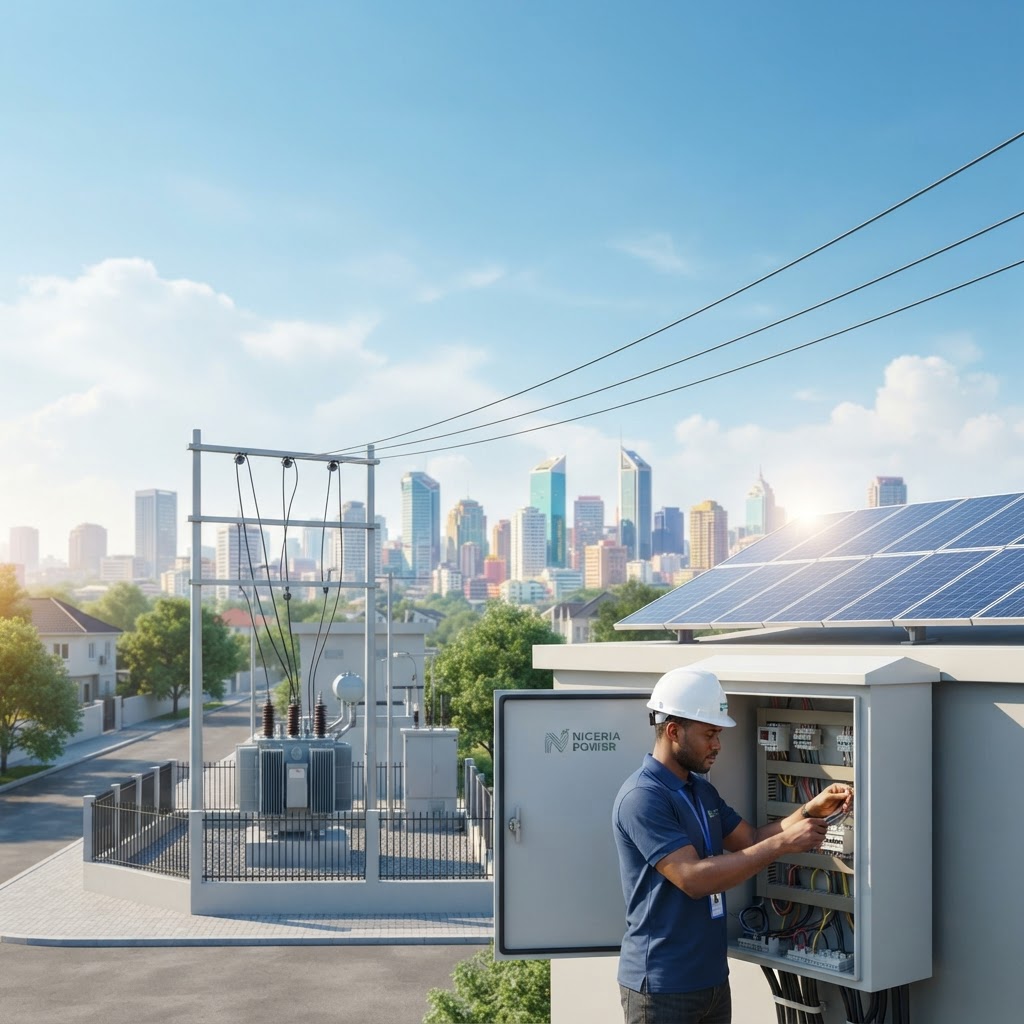
Nigeria's power grid has failed Nigerian families again. Homes and businesses have been plunged into darkness for hours at a stretch. Amid mounting frustration over erratic power supply, the Federal Government is making a bold pledge. Power Outages: FG Promises Improved Electricity Supply Within 72 Hours is the headline many are watching closely. Many hope this time the promise of stable power supply actually holds for communities that have waited far too long.
Why Is Power Supply Unreliable?
Nigeria's national grid remains fragile. Power supply across the country continues to swing unpredictably between partial service and total collapse. It has recorded multiple total and partial collapses between late 2024 and early 2026. Generation has sometimes dropped to zero megawatts, leaving entire regions without any power supply for hours or even days.
These collapses are rarely random. They often stem from infrastructure failures, including transformer explosions and overloaded transmission lines. A persistent imbalance between electricity supply and demand worsens the instability. This makes recovery slow and unpredictable, leaving the broader power supply system vulnerable to even minor technical faults.
The scale of the crisis is staggering. Roughly 85 million Nigerians, about 43% of the population, lack access to grid electricity. This represents the world's largest energy access deficit, according to the World Bank's energy access data. For these households, consistent power supply is not a daily reality. It remains an occasional luxury.
Government officials acknowledge the problem publicly. That is why the latest commitment, Power Outages: FG Promises Improved Electricity Supply Within 72 Hours, carries weight. Millions are awaiting relief and a more dependable power supply nationwide.
Understanding why the grid fails helps families plan better. Aging equipment, vandalism, inadequate gas supply to power plants, and weak transmission infrastructure all combine to create recurring blackouts. Until these structural issues are resolved, Nigerians should expect continued instability in their power supply. This remains true even as government interventions attempt to stabilize supply nationwide. Communities dealing with other infrastructure setbacks, such as those described in FAAN Extends Owerri Airport Runway Closure to November 25, know firsthand how fragile public infrastructure can disrupt daily life. Maintenance and investment often lag far behind demand.
How Do Outages Impact Families?
For many Nigerian households, unreliable electricity is not a mere inconvenience. It is a daily financial drain. The inconsistency of power supply shapes how families budget, work, and plan their routines. Some residents connected to the grid go without power 40% of the time. This forces households to build their lives around unpredictable blackout schedules.
This forces heavy reliance on fossil-fueled generators. Nationwide, generators supply roughly 4 gigawatts of electricity. That is nearly 10 times what the national grid delivers to many communities. Fuel costs for these generators place enormous pressure on middle-class households already managing inflation. Backup power supply has effectively become a primary, costly necessity rather than an occasional convenience.
The Service-Based Tariff (SBT) regime complicates matters further. This system ties electricity costs to the number of supply hours received. In theory, this sounds fair. It rewards areas with better power supply with proportionally higher charges.
In practice, lower-income neighborhoods often receive both poorer service and higher relative costs. These households also have fewer options to upgrade their connections. Consider the typical family budget strain:
- Generator fuel costs consuming a significant share of monthly income
- Frequent appliance damage from voltage fluctuations
- Lost productivity during work-from-home hours
- Increased spending on inverters and battery backups
This is why many households are exploring alternatives, as discussed in Solar Power Versus Generators for Nigerian Homes. Families seeking stability are increasingly weighing long-term investments against short-term generator dependence. This is especially true as fuel prices remain volatile across Nigerian cities and the national power supply continues to disappoint.
What Is The Economic Cost?
Beyond household budgets, unreliable electricity drags down Nigeria's entire economy. Annual economic losses from poor power supply are estimated between N7 trillion and N10 trillion. This represents roughly 5% to 7% of Nigeria's GDP. It is a staggering figure for any developing economy and a clear signal that fixing power supply is both an economic and a social priority.
Manufacturing and industrial sectors bear the heaviest burden. Factories require consistent power for machinery, cold storage, and production lines. Without a dependable power supply, competitiveness suffers. Many businesses struggle to meet both local and export demand as a result.
Research from the International Energy Agency shows that even a minor increase in outage frequency correlates with reduced business output. Firms experiencing frequent blackouts report measurable sales losses. These losses are directly tied to downtime and equipment strain caused by an unstable power supply.
Small business owners feel this acutely. Entrepreneurs running shops, salons, and food businesses often pass higher operating costs onto customers. This fuels inflation across local economies. Those exploring new ventures can find practical guidance in How to Start a Small Business in Nigeria, particularly strategies for managing energy costs. Planning around unreliable power supply from the outset can make or break a new venture. Entrepreneurs who also want to build technical skills around maintaining generators, solar systems, or electrical repairs may benefit from resources like How to Find Vocational Training in Nigeria. These skills can open new income streams tied directly to the ongoing power supply crisis.
The ripple effects extend further. Nigeria's growing external debt, highlighted in Nigeria's External Debt Hits $145 Billion: What It Means for, is partly linked to infrastructure financing gaps, including the power sector. Addressing electricity reliability is not just a convenience issue. It is central to Nigeria's broader economic stability and growth trajectory. Sustained investment in power supply infrastructure will determine how quickly the country can narrow its development gaps.
Education financing is also affected indirectly, as seen in reports like Federal Government Reports ₦372.62 Billion in Student-Loan. Broader public spending pressures compete with the need for continued investment in power supply upgrades, transmission expansion, and generation capacity.
What Are The Government's Plans?
Recognizing the scale of the crisis, the Federal Government has outlined several initiatives. These aim to restore confidence in the national power supply. Chief among them is the Presidential Power Initiative, which focuses on expanding generation capacity and modernizing transmission infrastructure nationwide.
Featured Products
Reverse Type 2 Diabetes & other associated Metabolic Issues using Dr. Jason Fung's Evidence-Based Approach— FMD program for Type 2 Diabetes
A practical fasting and fasting-mimicking programme built on Dr Jason Fung's insulin-resistance principles and ow-glycemic recipes.
₦19,950
Join NowChukwu Abiama Tee
Bold black-and-gold Igbo-pride T-shirt featuring 'Chukwu Abiama' in premium streetwear typography.
₦15,000
Buy NowỤmụ Igbo Tee
Classic black T-shirt with bold white 'Ụmụ Igbo' typography — a proud statement of Igbo heritage.
₦15,000
Buy NowNwanne Tee
Washed khaki vintage tee with a faded rust-orange 'Nwanne' stamp badge and palm leaf motif — a nod to kinship and heritage.
₦18,000
Buy NowObodo Tee
Faded denim-blue washed tee with a cream 'Obodo' stamp badge and sun motif, celebrating community roots.
₦18,000
Buy NowEkwe Heritage Tee
Deep indigo tee featuring a fine line-art illustration of a traditional Igbo ekwe drum, inspired by Igbo-Ukwu bronze artistry.
₦18,000
Buy NowIkenga Figure Tee
Forest green tee with a fine line-art illustration of a stylized Ikenga figure.
₦18,000
Buy NowSignificant investment is also flowing into gas-to-power infrastructure. Nigeria holds vast natural gas reserves. Converting more of this resource into stable electricity generation is a core government priority for strengthening long-term power supply. Officials argue this approach offers faster results than purely renewable rollouts alone. Critics insist a diversified mix is still essential for resilience.
The Ministry of Power has prioritized two major projects. The Hydro Power Master Plan, expected for completion by 2027, aims to diversify generation sources beyond gas. It should also reduce the national power supply's dependence on a single fuel type. Simultaneously, a $6 billion SCADA (Supervisory Control and Data Acquisition) system deployment seeks to improve real-time grid monitoring and stability. This should allow faster detection of faults that disrupt power supply across regions.
Metering remains a persistent challenge. Currently, only 33% of consumers have functional meters, according to data from the Nigerian Electricity Regulatory Commission. This gap hinders accurate billing and limits revenue collection needed for infrastructure reinvestment. In turn, this slows improvements to overall power supply reliability.
These combined efforts form the backbone of the government's commitment. Power Outages: FG Promises Improved Electricity Supply Within 72 Hours reflects this broader strategy. It signals intent to address both immediate disruptions and long-term structural weaknesses simultaneously. Still, execution timelines remain closely watched by analysts and citizens alike, many of whom have heard similar power supply promises before.
Governance and institutional accountability also play a role in how effectively these plans materialize. Disputes over judicial appointments, such as those outlined in Imo Government Challenges NJC Over Chief Judge Appointment, can stall institutional progress. In the same way, bureaucratic friction within the power sector can delay critical power supply reforms if not managed transparently.
Can Local Solutions Bridge Gaps?
While national efforts progress, local solutions offer faster relief from unreliable power supply. Distributed Renewable Energy (DRE) systems and mini-grids provide immediate electrification pathways. This is especially true in areas the national grid struggles to reach.
These decentralized systems operate independently of the main grid. Communities install solar panels, batteries, and small-scale generation units tailored to local demand. This reduces dependency on distant, unreliable infrastructure. It also gives households a more predictable power supply, even when the national grid falters.
The government is actively encouraging states to develop independent power sources within their metropolises. These act as reliable backups when the national grid fails. That is a common occurrence given ongoing instability in the broader power supply network.
Embedded generation is gaining traction among businesses too. Solar installations on factory rooftops allow companies to produce power close to where it is consumed. This approach significantly reduces transmission losses that typically plague centralized grid systems. The result is a more efficient and resilient power supply at the point of use.
Communities recovering from infrastructure disruptions, such as those detailed in FAAN Extends Owerri Airport Runway Closure to November 25, understand the value of resilient, localized systems. When centralized infrastructure fails, decentralized alternatives keep essential services running. This proves that local power supply solutions can bridge gaps left by national shortcomings.
For families and small businesses, this signals an important shift. Waiting solely on national grid improvements is no longer practical. Investing in local, scalable energy solutions offers more predictable, controllable outcomes. National reforms to the power supply system will continue to unfold gradually over coming years.
How Can Communities Build Resilience?
True progress requires collective action, not just government promises. Individual success is deeply tied to community-wide resilience. This principle is central to sustainable development across Nigeria, particularly when it comes to securing dependable power supply at the neighborhood level.
Communities should actively engage with local Distribution Companies (DisCos). Demanding accountability and transparency regarding actual supply hours helps hold providers responsible. Providers must deliver the power supply they are contracted to offer. Documented complaints and organized advocacy groups have historically influenced service improvements in several regions.
Adopting energy-efficient practices also matters. Simple changes, like using LED lighting and efficient appliances, reduce household consumption. These changes ease pressure on an already strained power supply. Supporting local renewable energy cooperatives further strengthens community-level energy independence. This reduces collective reliance on an unstable national grid.
This growing emphasis on preparedness mirrors broader resilience strategies seen elsewhere. The guidance offered in How to Prepare for Flooding in Nigerian Communities shows how proactive planning reduces vulnerability to disruptions. This holds true whether disruptions stem from natural disasters or from an unreliable power supply.
Eziokwubundu encourages readers to advocate for policy changes prioritizing decentralized energy. Consider these practical steps for community action:
- Organize neighborhood forums with DisCo representatives
- Support cooperative solar or mini-grid investments locally
- Track and report outage patterns for accountability
- Educate neighbors on energy-efficient practices
This community-first approach ensures development reaches the grassroots level, not just urban centers. As Nigeria navigates its energy transition, families equipped with practical knowledge and collective resolve will adapt more successfully to ongoing power supply challenges.
Civic engagement in other sectors offers useful parallels. Electoral uncertainty, discussed in Imo LG Election Delay Sparks Electoral Certainty Concerns, can erode public trust in governance timelines. In the same way, repeated delays in restoring stable power supply risk eroding confidence in government promises more broadly. Pending judicial matters like those referenced in Imo Court Sets December 16 for NYSC Abduction Judgment remind citizens that accountability requires sustained public attention. This is true whether the issue is in the courts or in the power sector.
Ultimately, Power Outages: FG Promises Improved Electricity Supply Within 72 Hours is just one chapter in a longer story. Lasting change depends on sustained government investment, transparent accountability, and active community participation. These forces must work together toward a more reliable, prosperous power supply future for all Nigerians. Whether this latest 72-hour pledge translates into measurable improvement will depend on execution. For now, it offers a cautious signal that the conversation around Nigeria's power supply crisis remains firmly on the national agenda.
Stay Informed
Get New Articles in Your Inbox
Subscribe to receive the latest community development, health, and wealth insights from Eziokwubundu.
Newsletter
Practical insights on health, wealth, and community — delivered weekly.
Community Discussion(0)
Leave a Comment
More to Read
You May Also Like

Obi-Mbieri Mourns Engr. Vitalis Opara: Questions Emerge Over Community’s Silence
Engr. Vitalis Opara is identified as President General on the signature page of the Obi-Mbieri Autonomous Community Constitution 2020 as amended.
IMSU Lecturers Protest in Owerri, Appeal to Uzodimma to End
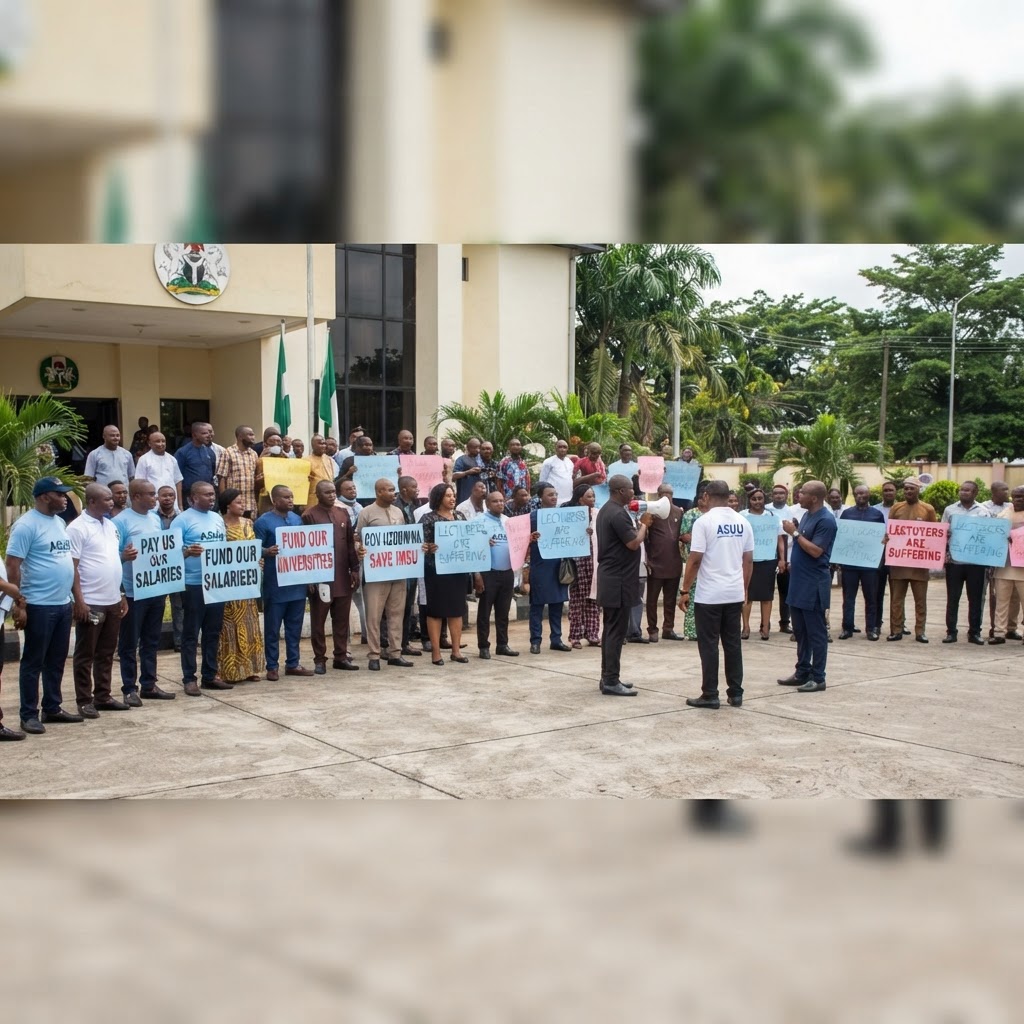
The streets of Owerri turned into a sea of white lab coats and placards this week. Hundreds of university lecturers walked out of their offices, choosing protest over silence. The IMSU Lecturers Protest in Owerri, Appeal to Uzodimma to End Months-Long Strike has become a defining moment for Imo Stat...

JAMB Candidates Can Now Change Course and Institution Online
Admission season often brings long queues and costly transport for Nigerian families. That burden has just eased. JAMB candidates can now change their institutions and courses from home, as the board announces a new digital correction service, giving students and parents fresh control over their aca...
House Summons NAFDAC and DSS Over Fake Drug Deaths
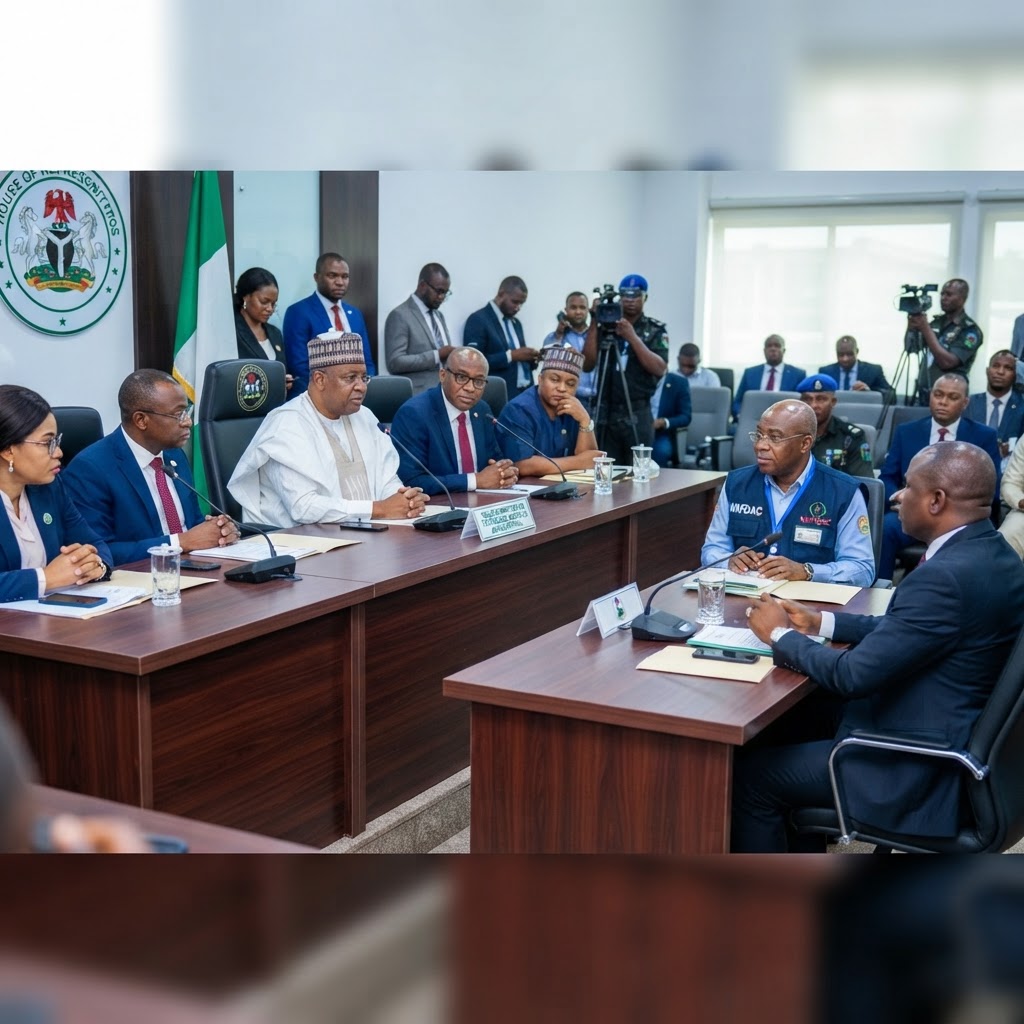
Four people are dead, eleven more are fighting for their lives, and a federal lawmaker wants answers now. Fake Drug deaths linked to a suspicious herbal concoction have pushed the House of Representatives to move decisively, summoning NAFDAC and the DSS in a case that is no longer a distant headline...

Prevent Kidney Disease With Regular Health Checks
Kidney health rarely makes headlines until a crisis hits a family. Yet understanding Kidney Disease: Why Regular Health Checks Can Help Prevent Serious Complications can save lives, protect household income, and strengthen community wellbeing across Nigeria. Kidney Disease often develops quietly ove...

Budget-Friendly Healthy Meal Prepping for Nigerians
Modern Nigerian families face the dual pressure of rising food prices and the need for better health outcomes. Learning how Nigerian families can(/article/nigerian-family-guide-to-reversing-type-2-diabetes) use meal prepping with local ingredients to eat healthy on a tight budget is a vital skill fo...

Beyond Degrees: Bridging Nigeria's Digital Skills Gap
Nigeria's graduates are flooding the job market faster than employers can absorb them. Yet many arrive with certificates but no practical digital competence. This is the heart of Digital Skills and Youth Employment: Why Nigerian Graduates Need More Than University Certificates.—a gap that is reshapi...
Senate Sends State Police Bill to Tinubu for Approval
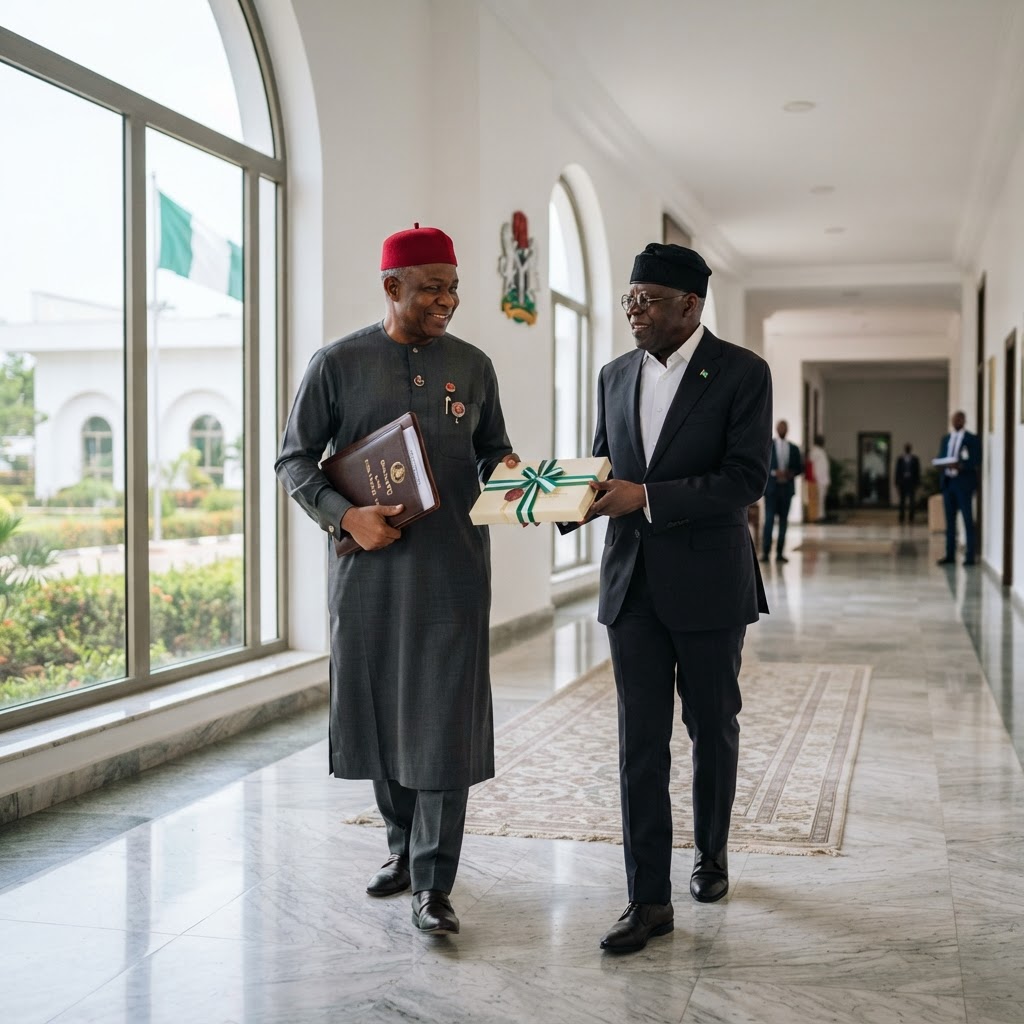
Nigeria's security architecture is entering a new chapter. The headline development, State Police Bill: Senate Transmits Constitutional Amendment to Tinubu for Presidential Assent, signals a historic shift toward decentralized policing. For Nigerian families, entrepreneurs, and community leaders, th...
Imo LG Election Disputes Put ISIEC Under Scrutiny
Nigeria's local government elections rarely make national headlines, but Imo State has become an exception. Residents, political parties, and traditional institutions are all watching closely as legal battles and shifting timelines dominate the conversation. The Imo LG Election: Legal Disputes and P...
Diabetes in Africa: Why Routine Screening Is Vital
Imagine a disease that silently damages organs for years before anyone notices. That is the reality for millions living in Africa today. According to the latest report, Diabetes: Three Out of Four Africans Living With the Condition May Be Unaware – Why Screening Matters, and this gap in knowledge is...