Powered by Obi Mbieri Independent Media Ltd.
$1 = ₦1,353€1 = ₦1,486£1 = ₦1,775Imo LG Election Delay Sparks Electoral Certainty Concerns
Imo State's local government elections have been postponed yet again. Millions of residents are left waiting for a say in grassroots leadership. This latest delay fuels a broader conversation. Imo LG Elections: Another Postponement Raises Questions About Electoral Certainty has become more than a he...

Imo State's local government elections have been postponed yet again. Millions of residents are left waiting for a say in grassroots leadership. This latest delay fuels a broader conversation. Imo LG Elections: Another Postponement Raises Questions About Electoral Certainty has become more than a headline. It is a lived reality for families, entrepreneurs, and community leaders across the state. At the heart of this unfolding story is a single, pressing question. Can Imo residents trust that a firm election date will actually hold? Or will Electoral Certainty remain an elusive promise for everyone involved?
Why Are Imo LG Elections Postponed?
The Imo State Independent Electoral Commission (ISIEC) has struggled to hold a firm line on scheduling. The most recent indefinite postponement affected the November 7, 2026, date originally set for the polls, according to Leadership Newspaper. This is not the first disruption. Each new delay chips away at the sense of Electoral Certainty that residents need to plan their civic participation.
Initial plans had targeted September 26, 2026. Those plans collapsed after legal challenges from political parties, including the All Progressives Grand Alliance (APGA). These challenges triggered a cycle of rescheduling. That cycle has now repeated itself more than once. Little room remains for the kind of predictable process that underpins genuine Electoral Certainty.
ISIEC Chairman Charles Ejiogu has cited the need for wider consultations with the Inter-Party Advisory Council (IPAC) as a primary reason for the adjustments. He has framed these delays as necessary steps toward a credible process. He describes them as careful planning, not avoidable setbacks. Still, many Imo residents are asking a simple question. Why has a process that began months ago failed to produce a firm date that holds? And can consultation alone ever substitute for real Electoral Certainty?
The pattern of postponement raises legitimate concerns. When an electoral body repeatedly shifts dates, it signals deeper organizational or legal friction. For Imo families who depend on local governance for everyday services, this uncertainty is not just administrative noise. It directly affects their daily lives. It underscores just how fragile Electoral Certainty can be when institutional processes are not insulated from political pressure.
What Is At Stake For Imo?
The scale of what is being contested is significant. These elections are meant to fill 27 local government chairmanship positions. They will also fill 305 councillor seats across Imo State. That is 332 elected offices sitting vacant, waiting for a credible vote. They are waiting, by extension, for the restoration of Electoral Certainty at the grassroots level.
The logistical footprint is equally large. The polls are expected to cover 4,758 polling units spread across the state. These units represent the foundation upon which local development programs, revenue collection, and community services are built. Every delay in confirming a workable date adds strain to logistics teams. Those teams must keep thousands of polling locations ready. This further complicates the path toward Electoral Certainty.
Without elected officials in place, a governance vacuum persists. This gap has real consequences for Imo families who rely on local councils for essential services, including:
- Primary healthcare center funding and oversight
- Local market regulation and sanitation services
- Birth, death, and residency documentation
- Community dispute resolution at the grassroots level
When these functions stall or shift to unelected caretakers, accountability becomes harder to track. Local organizations and community leaders have repeatedly flagged this gap as a barrier to coordinated development planning. For a state working to attract investment and improve public services, Electoral Certainty is not a luxury. It is a foundational requirement. It touches everything from household stability to broader economic planning, much like the ripple effects explored in Nigeria's External Debt Hits $145 Billion: What It Means for, where macroeconomic uncertainty similarly undermines public confidence.
How Does This Affect Local Autonomy?
The question of local government autonomy has taken on new weight following a landmark judgment. In July 2024, the Supreme Court of Nigeria ruled on local government financial autonomy. The court emphasized that funds should flow directly to democratically elected councils, not through state-controlled channels. You can review the broader implications of this ruling through coverage by Premium Times Nigeria.
This ruling makes the current postponement in Imo more consequential. Caretaker arrangements, often used in the absence of elections, are increasingly scrutinized. Critics argue these arrangements may bypass the spirit of the court's decision. Caretaker committees, after all, are not products of a direct electoral mandate. Without a sitting council chosen through a credible vote, the very notion of Electoral Certainty becomes theoretical rather than practical for everyday residents.
Stakeholders have not stayed silent on this concern. The APC South East Integrity Movement, among other groups, has called for greater transparency. They want statutory allocations to reach the grassroots directly, rather than being absorbed into opaque administrative structures. Their position echoes a wider national debate. That debate centers on how local government funds should be managed once they leave state coffers. It also asks how that management either reinforces or erodes Electoral Certainty across council areas.
This tension between judicial intent and administrative practice is not unique to Imo. Similar debates are playing out in other states navigating the same Supreme Court directive. For Imo specifically, the longer elections remain postponed, the longer this autonomy question stays unresolved. And the longer Electoral Certainty remains out of reach for communities depending on functioning councils. Readers interested in how judicial decisions intersect with state governance may also find value in the ongoing dispute covered in Imo Government Challenges NJC Over Chief Judge Appointment, which highlights another layer of institutional friction within the state. That dispute, like the local government election delay, reflects a broader pattern of institutional uncertainty. It touches multiple arms of Imo's governance structure.
What Are The Political Implications?
Beyond administrative concerns, the postponement carries political weight. Local government structures typically serve as mobilization engines ahead of general elections. With the 2027 general elections approaching, political parties in Imo are watching this delay closely. They are aware that the absence of Electoral Certainty at the local level could complicate their strategic planning for the bigger contests ahead.
Featured Products
Reverse Type 2 Diabetes & other associated Metabolic Issues using Dr. Jason Fung's Evidence-Based Approach— FMD program for Type 2 Diabetes
A practical fasting and fasting-mimicking programme built on Dr Jason Fung's insulin-resistance principles and ow-glycemic recipes.
₦19,950
Join NowChukwu Abiama Tee
Bold black-and-gold Igbo-pride T-shirt featuring 'Chukwu Abiama' in premium streetwear typography.
₦15,000
Buy NowỤmụ Igbo Tee
Classic black T-shirt with bold white 'Ụmụ Igbo' typography — a proud statement of Igbo heritage.
₦15,000
Buy NowNwanne Tee
Washed khaki vintage tee with a faded rust-orange 'Nwanne' stamp badge and palm leaf motif — a nod to kinship and heritage.
₦18,000
Buy NowObodo Tee
Faded denim-blue washed tee with a cream 'Obodo' stamp badge and sun motif, celebrating community roots.
₦18,000
Buy NowEkwe Heritage Tee
Deep indigo tee featuring a fine line-art illustration of a traditional Igbo ekwe drum, inspired by Igbo-Ukwu bronze artistry.
₦18,000
Buy NowIkenga Figure Tee
Forest green tee with a fine line-art illustration of a stylized Ikenga figure.
₦18,000
Buy NowInternal party friction has already surfaced. Some groups have questioned the state government's role in the suspension. They argue that preparations for the polls were already complete before the postponement was announced. This friction suggests that the delay is not purely technical. It may also reflect unresolved political calculations among competing interests. This further muddies the waters of Electoral Certainty that voters and candidates alike depend on.
Analysts tracking Nigeria's electoral trends face a related challenge. Without fresh electoral evidence from Imo, it becomes harder to gauge current voter sentiment. Party strength at the grassroots level also becomes harder to measure. Local government elections often serve as an early indicator of broader political mood. When these indicators go missing, predictions about state and national contests become less reliable. The broader goal of nationwide Electoral Certainty becomes harder to assess as a result.
This uncertainty also affects how parties allocate resources. Campaign strategies, candidate selection, and grassroots organizing all depend on knowing when elections will actually occur. Repeated postponements force parties to maintain election-readiness for extended periods. This strains both financial and organizational capacity. For political structures built on volunteer networks and community goodwill, this prolonged limbo can weaken morale over time. Restoring Electoral Certainty becomes an urgent organizational priority as much as a civic one.
The Independent National Electoral Commission (INEC) has faced similar scrutiny at the federal level regarding election timelines, as documented by INEC's official communications. While INEC and ISIEC operate under different mandates, both face similar pressure. Each must balance legal compliance with timely execution. That balancing act ultimately determines whether citizens experience genuine Electoral Certainty or recurring disappointment.
How Can We Ensure Electoral Certainty?
Addressing this pattern requires structural solutions, not just reactive fixes. Establishing a stable, non-negotiable electoral calendar is essential for building public trust. When dates shift repeatedly, public confidence erodes. Voter turnout often suffers as a result. True Electoral Certainty cannot exist without institutional discipline. Published dates must be treated as binding commitments, not flexible suggestions.
Strengthening the Inter-Agency Consultative Committee on Election Security (ICCES) represents a positive step. This body plays a central role in ensuring safety and confidence for voters on election day. Coordinated security planning can help prevent last-minute disruptions. Such disruptions sometimes force postponements. Better planning reinforces Electoral Certainty at every stage of the process.
Open communication between ISIEC, political parties, and the electorate is equally important. A consistent flow of accurate information can prevent a troubling pattern. It can stop the kind of "postponement culture" that has come to characterize recent electoral cycles in Imo. Community leaders, local organizations, and civic educators all have a role to play. They must demand transparency and push for the Electoral Certainty that residents deserve.
Practical steps can help close the trust gap:
- Publish clear, binding election timelines with legal backing
- Hold regular public briefings on preparation milestones
- Involve IPAC early to resolve disputes before court action
- Share polling unit readiness data with the public
These measures will not eliminate every obstacle. But they can reduce the frequency and unpredictability of postponements going forward. Over time, they can gradually rebuild the Electoral Certainty that has been eroded by repeated scheduling failures. Just as communities prepare for predictable risks like flooding — discussed in How to Prepare for Flooding in Nigerian Communities — electoral institutions must build resilient systems. Those systems must withstand legal and logistical shocks without derailing the democratic calendar.
What Is The Path Forward?
A new date has now been set for November 14, 2026. With this fresh timeline in place, attention must shift toward logistical readiness and voter education. ISIEC will need to demonstrate that lessons from previous delays have been absorbed into its planning process. This new date must not fall victim to the same uncertainty that undermined earlier schedules. Only consistent follow-through will prove that Electoral Certainty is achievable in Imo State.
Community leaders and citizens are encouraged to stay informed through official channels as this date approaches. Verifying polling unit locations matters. Confirming voter registration status matters too. Understanding ballot procedures will all matter when the polls finally open. These small, individual acts of preparation collectively reinforce the broader goal of Electoral Certainty across the state.
Eziokwubundu remains committed to tracking these developments closely. Local participation remains the bedrock of collective prosperity and community development. As Imo families await clarity, informed engagement — not disengagement — remains the most practical response. It is the most practical response to Imo LG Elections: Another Postponement Raises Questions About Electoral Certainty.
For readers looking to strengthen their own economic resilience while awaiting political clarity, exploring guidance on How to Start a Small Business in Nigeria or How to Access Small Business Loans in Nigeria can offer practical, actionable steps. Building a stable livelihood does not have to wait on political timelines. Resources like How to Find Vocational Training in Nigeria can help residents diversify their skills while electoral processes play out. Infrastructure disruptions, such as those detailed in FAAN Extends Owerri Airport Runway Closure to November 25, further illustrate how local administrative decisions ripple into everyday life. This holds true regardless of whether they stem from aviation authorities or electoral commissions. Meanwhile, ongoing judicial matters like Imo Court Sets December 16 for NYSC Abduction Judgment show that institutional accountability remains an active, evolving story across the state.
Households navigating these uncertain times may also benefit from practical resilience strategies in other areas of daily life. For instance, comparing power solutions such as those outlined in Solar Power Versus Generators for Nigerian Homes can help families maintain stability even when public institutions face delays. Similarly, understanding national financial pressures, such as those described in Federal Government Reports ₦372.62 Billion in Student-Loan, offers useful context. It shows how government timelines — whether financial or electoral — often shift under competing pressures. Staying informed across these interconnected issues helps Imo families and stakeholders make better decisions. This holds true regardless of when the ballots are finally cast. It also holds true regardless of how long it takes for genuine Electoral Certainty to become the norm rather than the exception in Imo State's democratic journey.
Stay Informed
Get New Articles in Your Inbox
Subscribe to receive the latest community development, health, and wealth insights from Eziokwubundu.
Newsletter
Practical insights on health, wealth, and community — delivered weekly.
Community Discussion(0)
Leave a Comment
More to Read
You May Also Like

Obi-Mbieri Mourns Engr. Vitalis Opara: Questions Emerge Over Community’s Silence
Engr. Vitalis Opara is identified as President General on the signature page of the Obi-Mbieri Autonomous Community Constitution 2020 as amended.
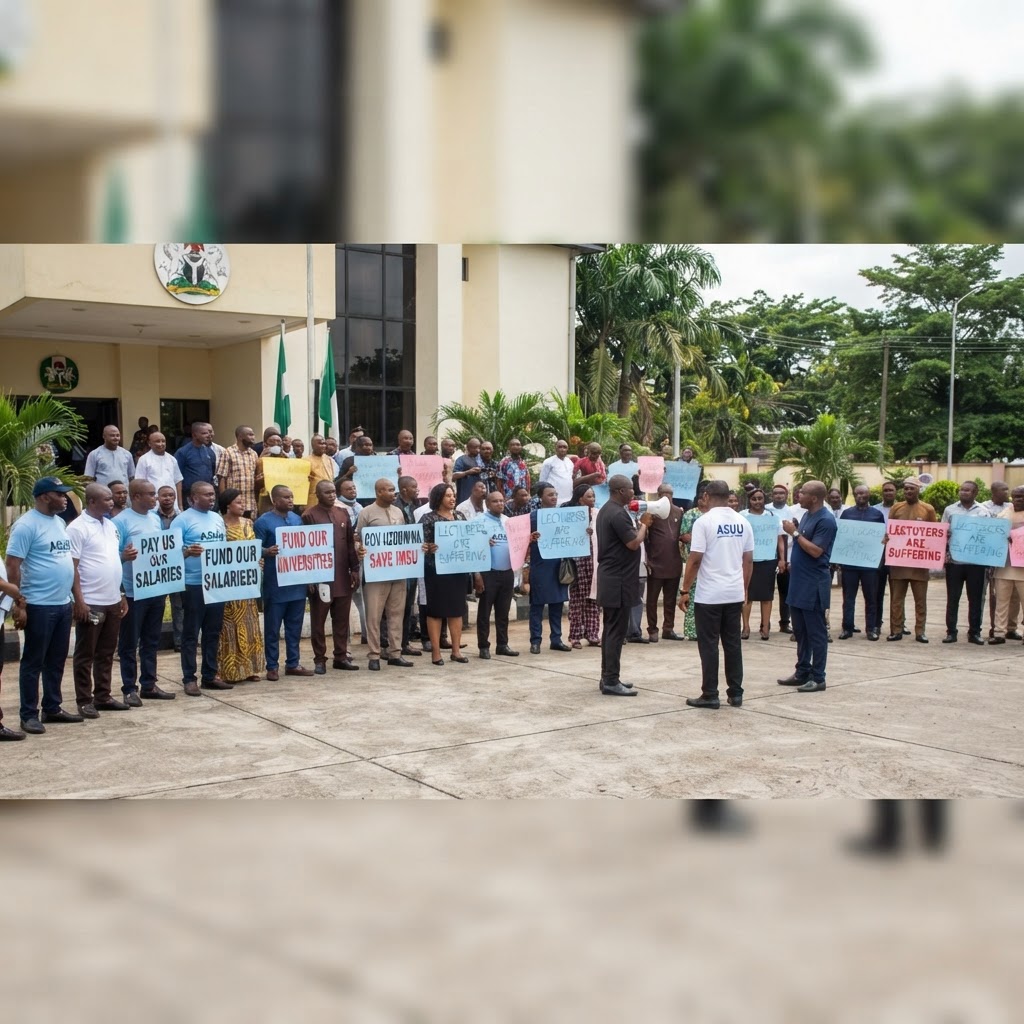
IMSU Lecturers Protest in Owerri, Appeal to Uzodimma to End
The streets of Owerri turned into a sea of white lab coats and placards this week. Hundreds of university lecturers walked out of their offices, choosing protest over silence. The IMSU Lecturers Protest in Owerri, Appeal to Uzodimma to End Months-Long Strike has become a defining moment for Imo Stat...

JAMB Candidates Can Now Change Course and Institution Online
Admission season often brings long queues and costly transport for Nigerian families. That burden has just eased. JAMB candidates can now change their institutions and courses from home, as the board announces a new digital correction service, giving students and parents fresh control over their aca...
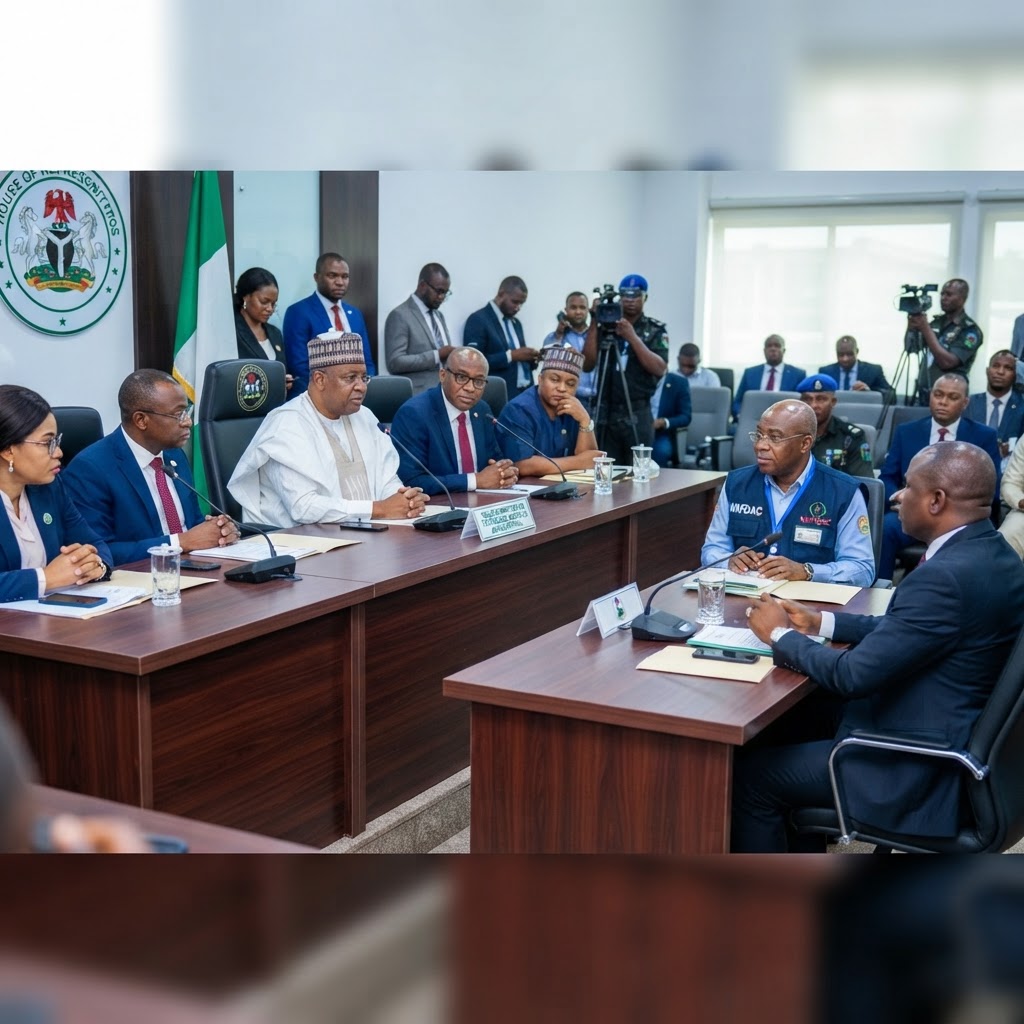
House Summons NAFDAC and DSS Over Fake Drug Deaths
Four people are dead, eleven more are fighting for their lives, and a federal lawmaker wants answers now. Fake Drug deaths linked to a suspicious herbal concoction have pushed the House of Representatives to move decisively, summoning NAFDAC and the DSS in a case that is no longer a distant headline...

Prevent Kidney Disease With Regular Health Checks
Kidney health rarely makes headlines until a crisis hits a family. Yet understanding Kidney Disease: Why Regular Health Checks Can Help Prevent Serious Complications can save lives, protect household income, and strengthen community wellbeing across Nigeria. Kidney Disease often develops quietly ove...

Budget-Friendly Healthy Meal Prepping for Nigerians
Modern Nigerian families face the dual pressure of rising food prices and the need for better health outcomes. Learning how Nigerian families can(/article/nigerian-family-guide-to-reversing-type-2-diabetes) use meal prepping with local ingredients to eat healthy on a tight budget is a vital skill fo...

Beyond Degrees: Bridging Nigeria's Digital Skills Gap
Nigeria's graduates are flooding the job market faster than employers can absorb them. Yet many arrive with certificates but no practical digital competence. This is the heart of Digital Skills and Youth Employment: Why Nigerian Graduates Need More Than University Certificates.—a gap that is reshapi...
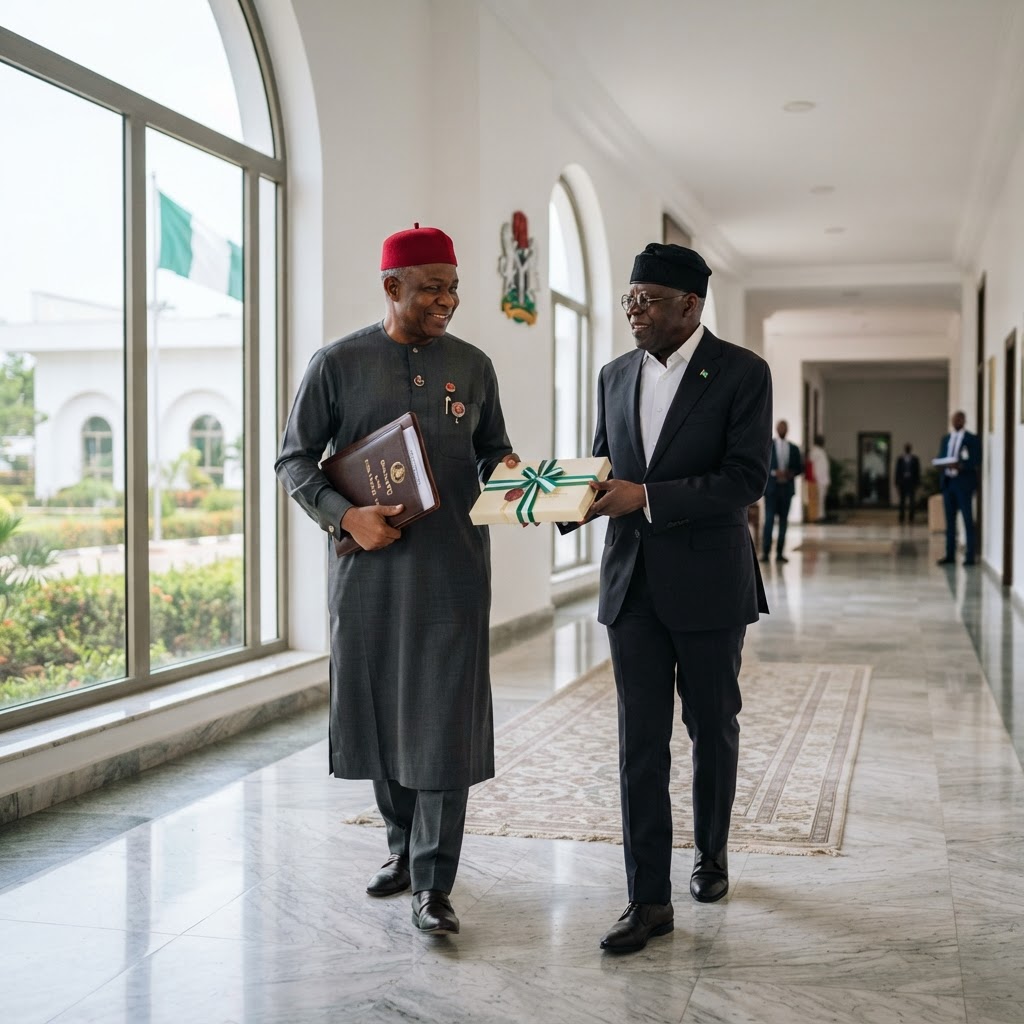
Senate Sends State Police Bill to Tinubu for Approval
Nigeria's security architecture is entering a new chapter. The headline development, State Police Bill: Senate Transmits Constitutional Amendment to Tinubu for Presidential Assent, signals a historic shift toward decentralized policing. For Nigerian families, entrepreneurs, and community leaders, th...
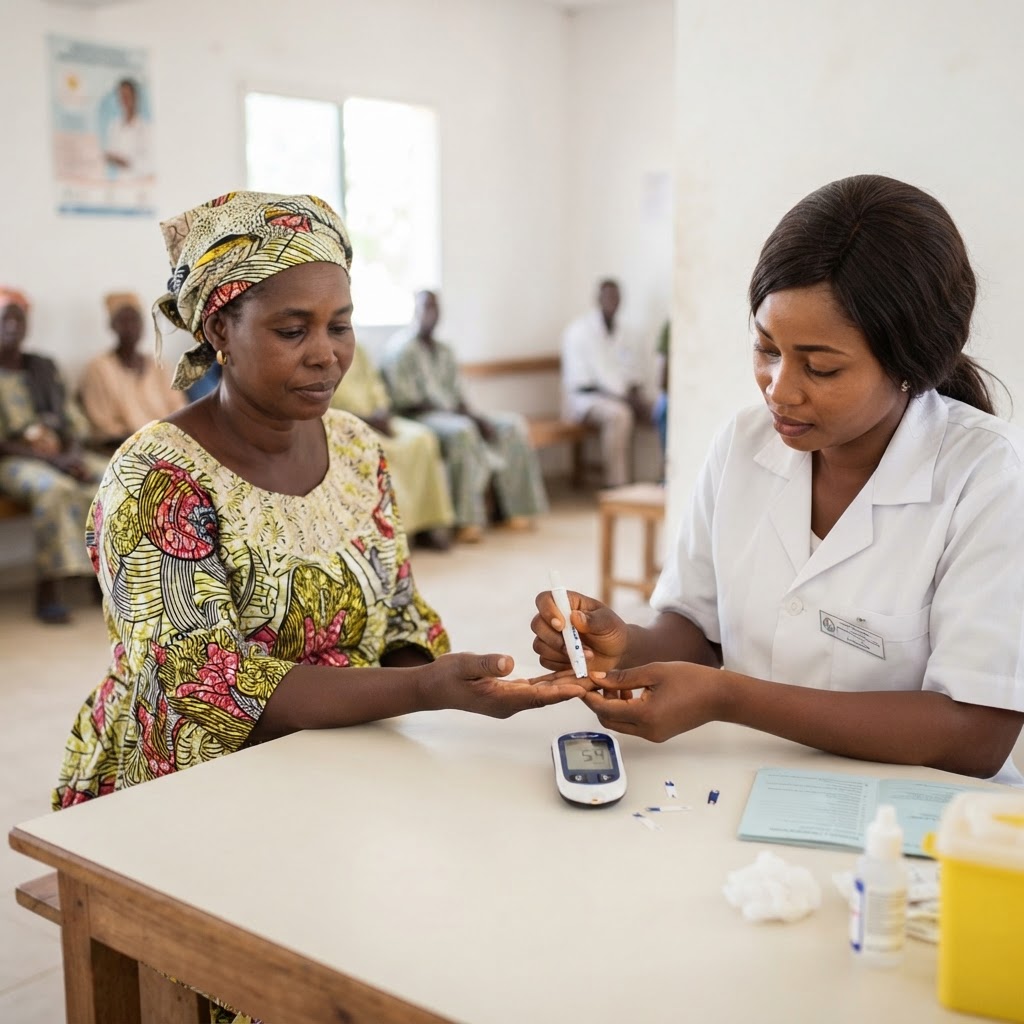
Diabetes in Africa: Why Routine Screening Is Vital
Imagine a disease that silently damages organs for years before anyone notices. That is the reality for millions living in Africa today. According to the latest report, Diabetes: Three Out of Four Africans Living With the Condition May Be Unaware – Why Screening Matters, and this gap in knowledge is...
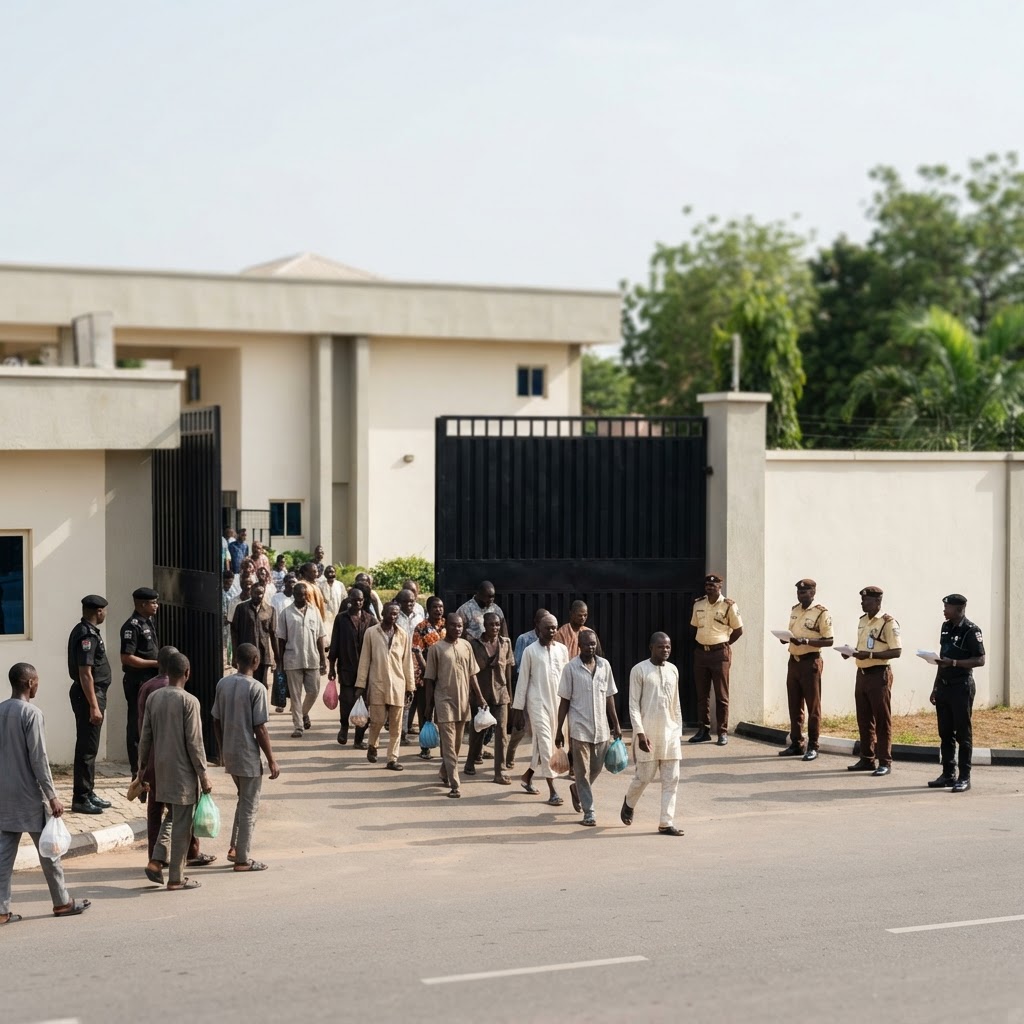
Tinubu Orders Release of 78 Suspects in Convoy Attack
A single Friday afternoon in Abuja turned into a national talking point. News that President Tinubu Orders Release of 78 Suspects Arrested Over Attack on His Convoy in Abuja quickly spread across radio, television, and social media. For many Nigerian families, the story raised fresh questions about ...